HT-113 Three-Guide MgO Filling Machine – Heatecx Limited

Heatecx Limited

HT-113 Three-Guide MgO Filling Machine

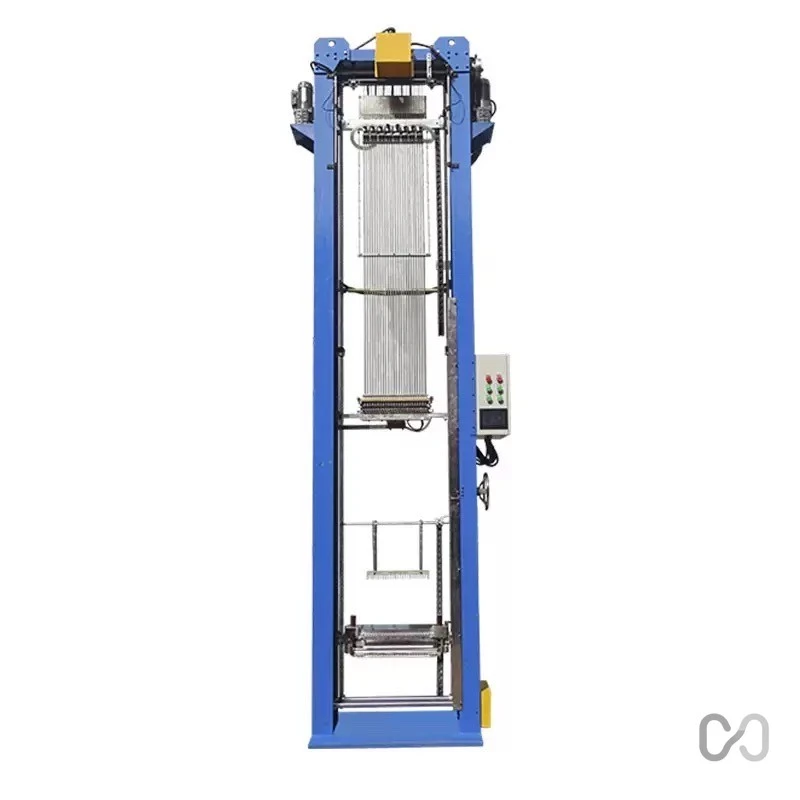
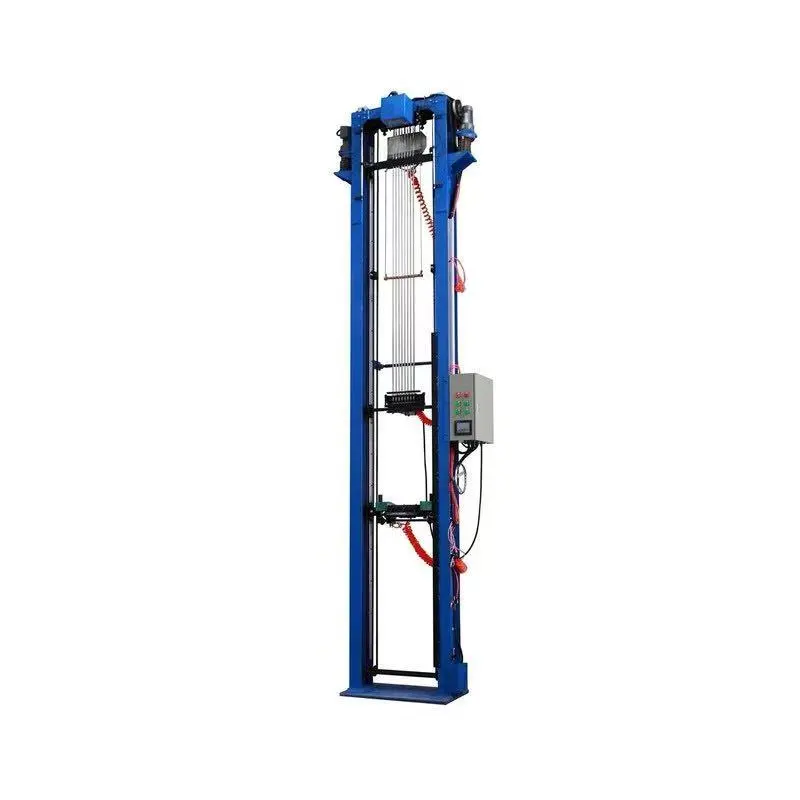
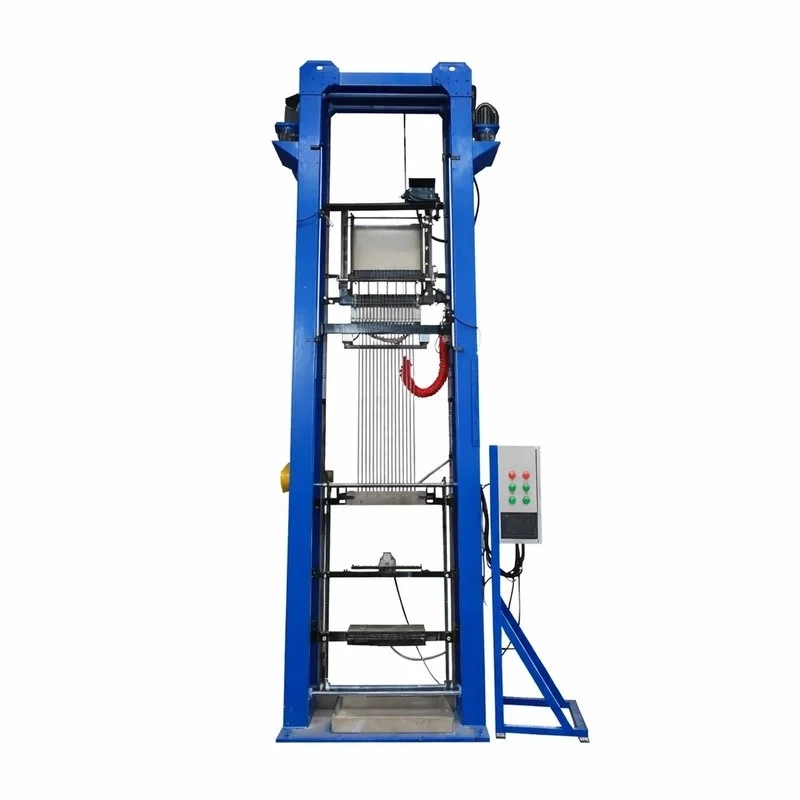
The HT-113 Three-Guide Magnesium Oxide (MgO) Powder Filling Machine represents the forefront of filling equipment for the tubular heater industry. Designed as a dust-free and environmentally friendly system, this machine has been manufactured referencing the characteristics of the most advanced imported equipment, consolidating itself as the ideal solution for the production of long and large-diameter heating tubes.

The HT-113 Three-Guide Magnesium Oxide (MgO) Powder Filling Machine represents the forefront of filling equipment for the tubular heater industry. Designed as a dust-free and environmentally friendly system, this machine has been manufactured referencing the characteristics of the most advanced imported equipment, consolidating itself as the ideal solution for the production of long and large-diameter heating tubes.

Its innovative design integrates the best advantages of national and foreign filling technologies, offering unparalleled efficiency and precision.

The HT-113 is not just an MgO filling machine; it is an investment in the quality and efficiency of your tubular heater production line. Its ability to handle multiple specifications and its dust-free design make it the essential equipment for any manufacturer looking to optimize their processes and improve the quality of their heating elements.

What is an MgO filling machine for tubular electric heaters?

An Magnesium Oxide (MgO) filling machine is specialized equipment designed to introduce MgO powder into the interior of metal tubes that will form part of tubular electric heaters. Its main function is to ensure optimal MgO filling density and guarantee that the resistive wire remains centered within the tube. This process is crucial for the performance, safety, and lifespan of the electric heater, as MgO acts as both an electrical insulator and an efficient thermal conductor.

What is the fundamental objective of the MgO filling process?

The fundamental objective of the MgO filling process can be summarized in three pillars: "Centered, Solid, and Fast."

•       Centered: Implies that, once the powder filling is complete, the resistive wire must be perfectly positioned in the center of the metal tube. This is vital to ensure adequate electrical insulation and optimal voltage resistance, contributing to superior electrical performance.

•       Solid: Refers to the need to achieve a high filling density of the MgO powder. A high density, typically greater than 2.17 g/cm³, is essential to maximize the thermal conductivity and electrical insulation capacity of the MgO, which in turn improves the efficiency and durability of the heater.

•       Fast: Refers to the operational efficiency of the process. The machine must allow for simple, fast, and effective operation to optimize production times and reduce operating costs.

Why is MgO filling density important?

MgO filling density is of utmost importance because it directly affects the electrical and thermal properties of the tubular heater. A dense filling ensures intimate contact between the resistive wire, the MgO, and the tube wall, which facilitates efficient heat transfer from the wire to the outer surface of the heater. Furthermore, a high MgO density significantly improves dielectric properties, preventing short circuits and electrical failures. Insufficient density can lead to hot spots, premature failures, and a reduction in the lifespan of the heater.

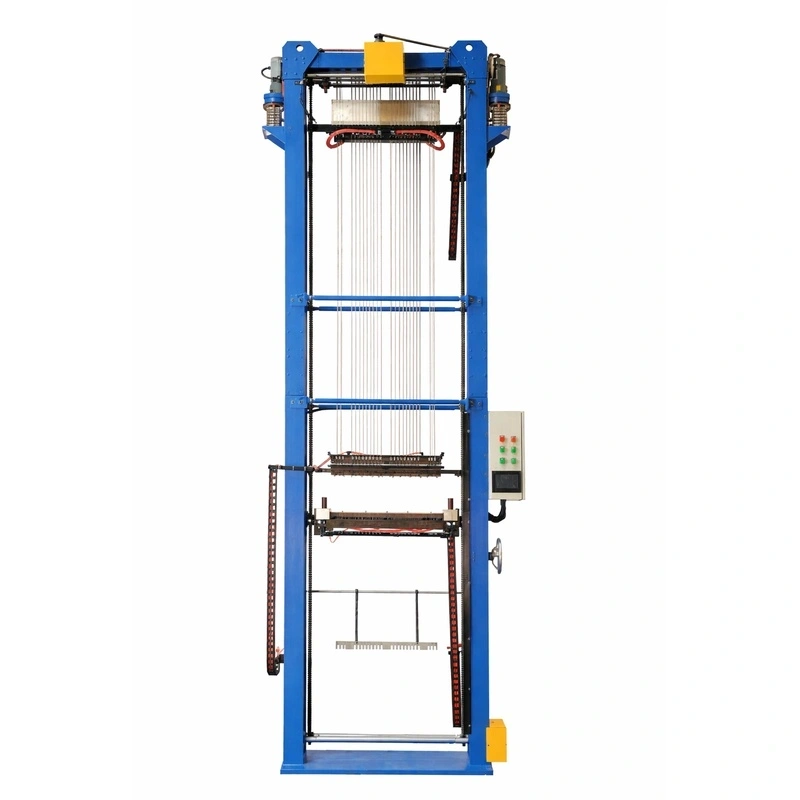
 

•       Dust-Free Technology: A completely sealed magnesium oxide powder filling system that guarantees a clean and safe working environment, minimizing material waste.

•       High Operational Flexibility: The main feature of the HT-113 is its ability to simultaneously install and fill tubes of different specifications and diameters. During operation, only the designated tubes are filled, while the other stations remain stationary, optimizing the process.

•       Ideal for Long Tubes: It is the preferred equipment for the manufacture of long tubular heaters or large-diameter tubes.

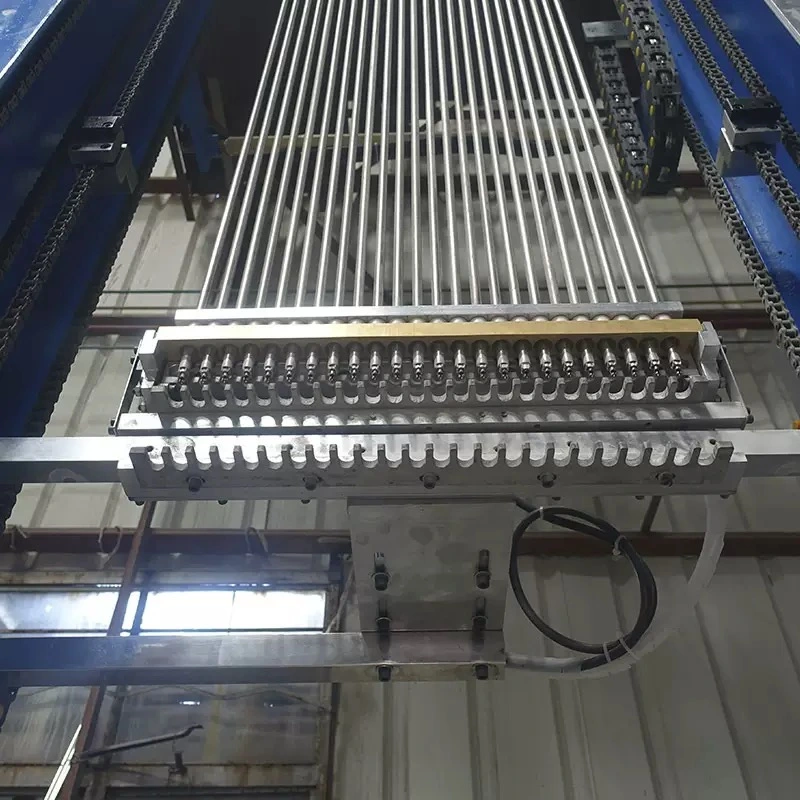
•       Advanced Filling Structure: Uses a triple-guide central catheter to ensure uniform filling and high MgO powder density.

•       Precision Control: Equipped with servomotor or general-purpose motor options for exact and reliable filling control.

Parameter

Specification

Notes

Model

HT-113

Three-Guide Filling Machine

Working Stations

48, 36, 24, 12, etc.

Multiple configuration options

Filling Length (mm)

300 – 10000

Wide range for short and extra-long tubes

Filling Diameter (mm)

7.5 – 42

Compatible with a wide variety of tube diameters

Filling Structure

Triple-guarantee central catheter

Ensures MgO uniformity and density

Control Mode

Servomotor or general-purpose motor

Options for different automation levels

Vibration Mode

Mechanical and Electromagnetic

Combination for optimal filling

Production per Shift (1m)

1000 – 5000 pieces

Estimated production for 1-meter long tubes

Power (W)

1100W

Low energy consumption

Voltage/Air Supply

Three-phase 380V / Three-phase 220V / Single-phase 220V / 0.6Mpa

Adaptable to various electrical configurations

Machine Volume (mm)

3500 x 1600 x 800

Dimensions for the 1-meter height version

Weight (KG)

700KG

Net weight of the equipment

MgO filling machines can be classified mainly according to their centrality system, which is the mechanism responsible for keeping the resistive wire centered in the tube. The most common types are:

•       Single Centrality Filling Machine: This type of machine uses a single guide tube to center the resistive wire. Its main advantage is that it allows for smooth powder flow, making it ideal for ultra-fine diameter heaters and short tubes. However, if the lifting speed is not adjusted correctly, magnesium powder blockage can occur.

•       Double or Triple Centrality Filling Machine: These machines employ two or three concentric guide tubes. The outer guide tube acts as a channel for the MgO powder flow, which prevents blockages that can occur in single centrality machines. In addition, this design prevents powder dispersion in the working environment. They are especially suitable for mass production of heaters with thicker tube diameters and longer tubes.

What differences exist between the vibration systems of filling machines?

Vibration systems are crucial for compacting MgO powder. The two main systems are:

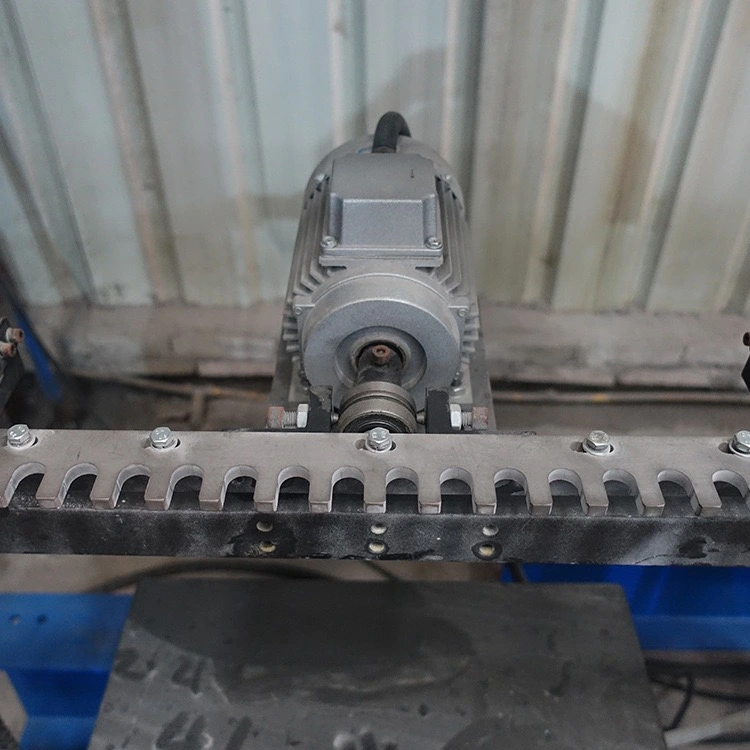
•       Motor Eccentric Wheel Vibration: This system uses the rotation of an eccentric wheel driven by a motor to strike a vibrating plate, which in turn transmits the vibration to the tubes. The vibration intensity is adjusted by changing the eccentric wheel. It is a robust system with a long lifespan and is not affected by fluctuations in the electrical grid.

•       Electromagnetic Vibration: In this case, an electromagnet generates a magnetic field that causes the resonance of an iron core, which drives the vibrating plate. This system offers high vibration frequency, ideal for filling ultra-fine diameter tubes. However, it can be sensitive to variations in grid voltage and frequency and requires periodic inspection of the coils.

Traditional electrical control or PLC program control? Which is better?

The choice between a traditional electrical control system and a PLC (Programmable Logic Controller) program control depends on production needs and the desired level of automation.

•       Traditional Electrical Control: It has been the standard control method for a long time. It allows all machine functions to be performed, and its maintenance and repair are usually simpler for most manufacturers. It offers flexibility to adapt the machine to specific process needs.

•       PLC Program Control: Represents a more modern and automated solution. The operating steps are programmed, and the system can stop the process if it detects an anomaly, which helps prevent human errors and protect the machine. Failures are displayed on a touch screen, facilitating diagnosis and maintenance. In addition, they usually include alarm functions for height limits, improving automatic process control.

In summary, PLC control offers greater automation, precision, and safety, while traditional electrical control can be simpler to maintain and more flexible for certain adaptations.

FAQ

When selecting an MgO filling machine, it is fundamental to consider several technical specifications to ensure that the equipment adapts to production needs and the characteristics of the tubular heaters to be manufactured. Key specifications include:

•       Filling Speed: Refers to how quickly the machine can introduce MgO powder into the tubes, generally measured in millimeters per minute (mm/min). Typical speeds range between 100 and 1500 mm/min, depending on the model and filling complexity.

•       Minimum Tube Diameter: Indicates the smallest tube diameter that the machine can efficiently process. This parameter is crucial for the manufacture of small-gauge heaters, with minimum diameters that can be approximately 5.5 mm or even smaller.

•       Tube Length: Machines are designed to handle specific ranges of tube length. Some can process short tubes (from 350 mm), while others specialize in long tubes (over 2 meters).

•       Filling Density: The machine's ability to achieve a high compaction density of MgO is vital. A density greater than 2.17 g/cm³ is an indicator of quality filling that guarantees good insulation and heat transfer.

•       Number of Tubes (Columns): Some machines can fill multiple tubes simultaneously, which increases production efficiency. For example, there are single, double, or even more column machines, capable of filling up to 60-80 tubes per minute in double-column configurations.

•       Vibration Type: As mentioned above, the type of vibration system (eccentric wheel or electromagnetic) influences the machine's suitability for different tube diameters and its resistance to electrical fluctuations.

•       Control System: The choice between traditional electrical control and PLC will affect the level of automation, ease of diagnosis, and operational safety.

•       Power Requirements: It is important to know the required voltage and frequency of the electrical supply (e.g., Single-phase 220V, 50Hz) and the nominal power (e.g., 1.5 KW).


Customers also viewed