
Blog
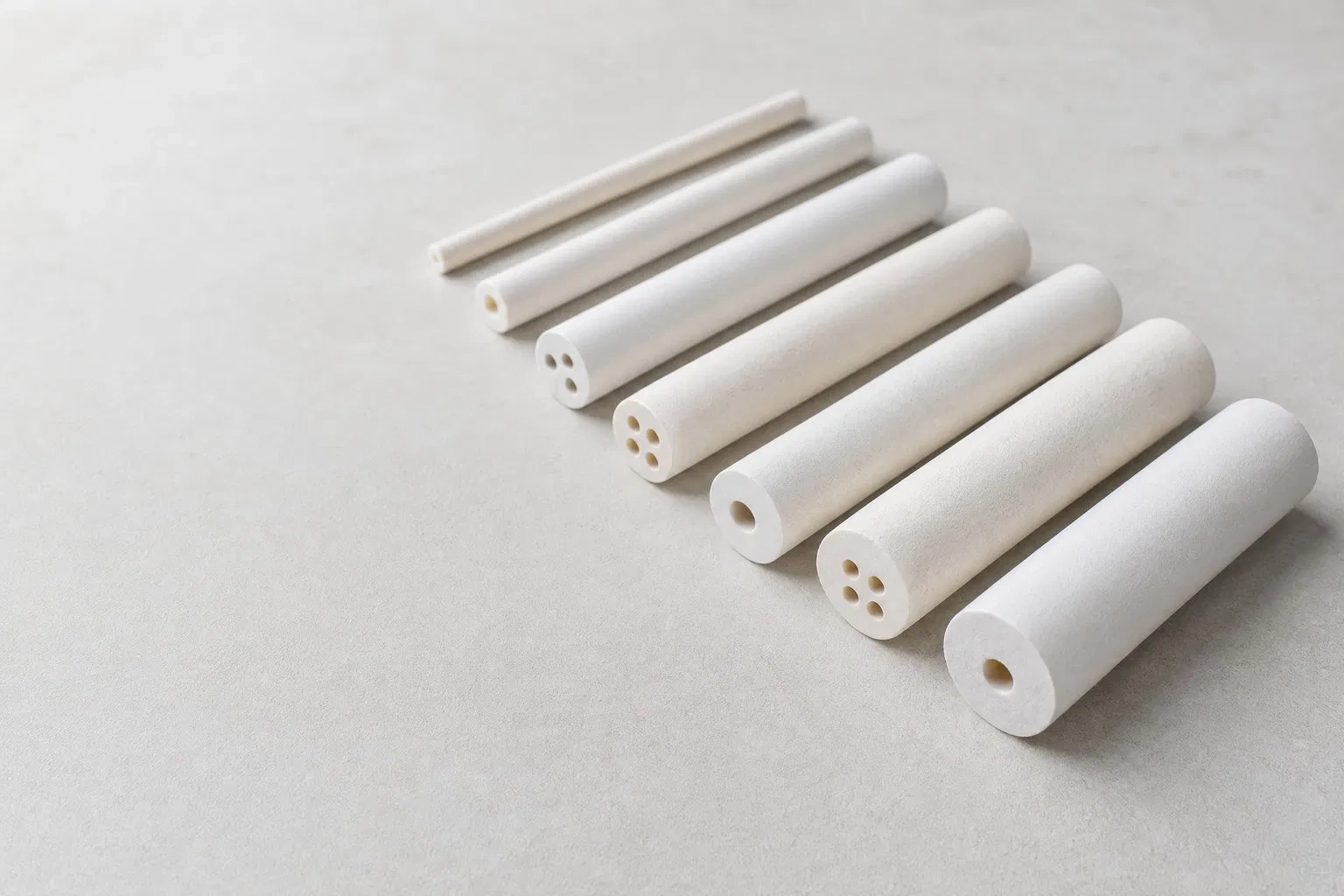
Ceramic MgO Cores and Insulators in Cartridge Heaters vs. Crushable MgO Beads in MI Cable
In industrial heating element manufacturing, magnesium oxide (MgO) keeps showing up as the reference dielectric material: high dielectric strength, excellent thermal conductivity for a ceramic insulator, chemical stability at extreme temperatures, and a coefficient of thermal expansion that is reasonably compatible with sheath metals. Yet when you compare what’s inside a cartridge heater to what’s inside an MI (Mineral Insulated) cable, it quickly becomes clear that “MgO” alone is not a complete specification. The same chemical compound shows up in two radically different physical forms — the rigid ceramic core combined with compacted powder in cartridge heaters, and crushable beads…
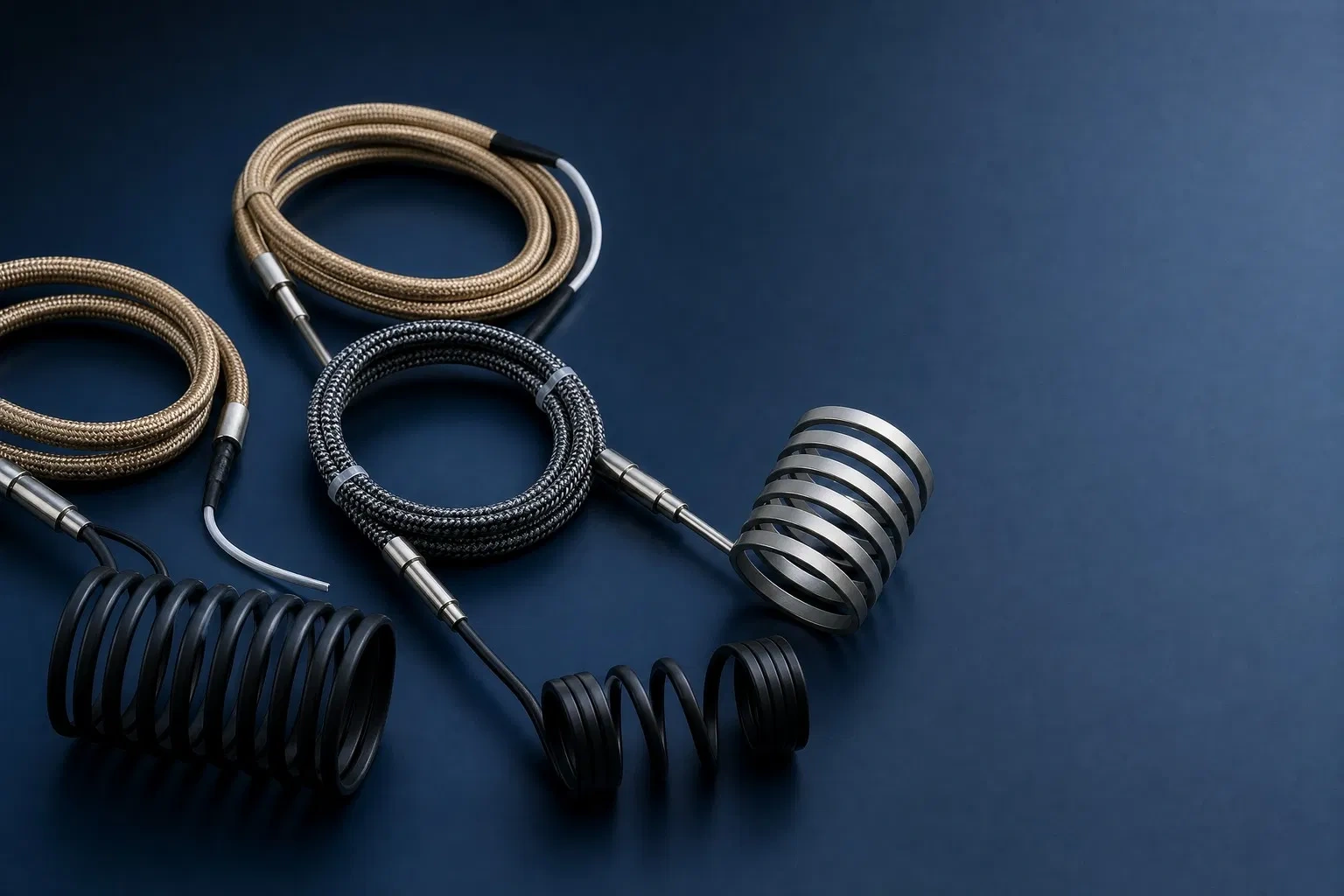
Hot Runner Heaters: The Heating Solution for Hot Runner and Gate Heating Systems
When an injection mold needs to keep a thermoplastic molten right at the nozzle tip, in a gap of just a few millimeters between cavities, no conventional tubular heater fits. That exact spot — the runner that keeps the plastic molten from the manifold to the cavity — is where mini-tubular heaters come in, also known across the industry as micro-tubular heaters, hot runner heaters, or gate heaters. All of these terms describe essentially the same type of heating element: a miniaturized sheathed tubular resistor designed to be installed directly on nozzles and manifolds of hot runner systems in injection…
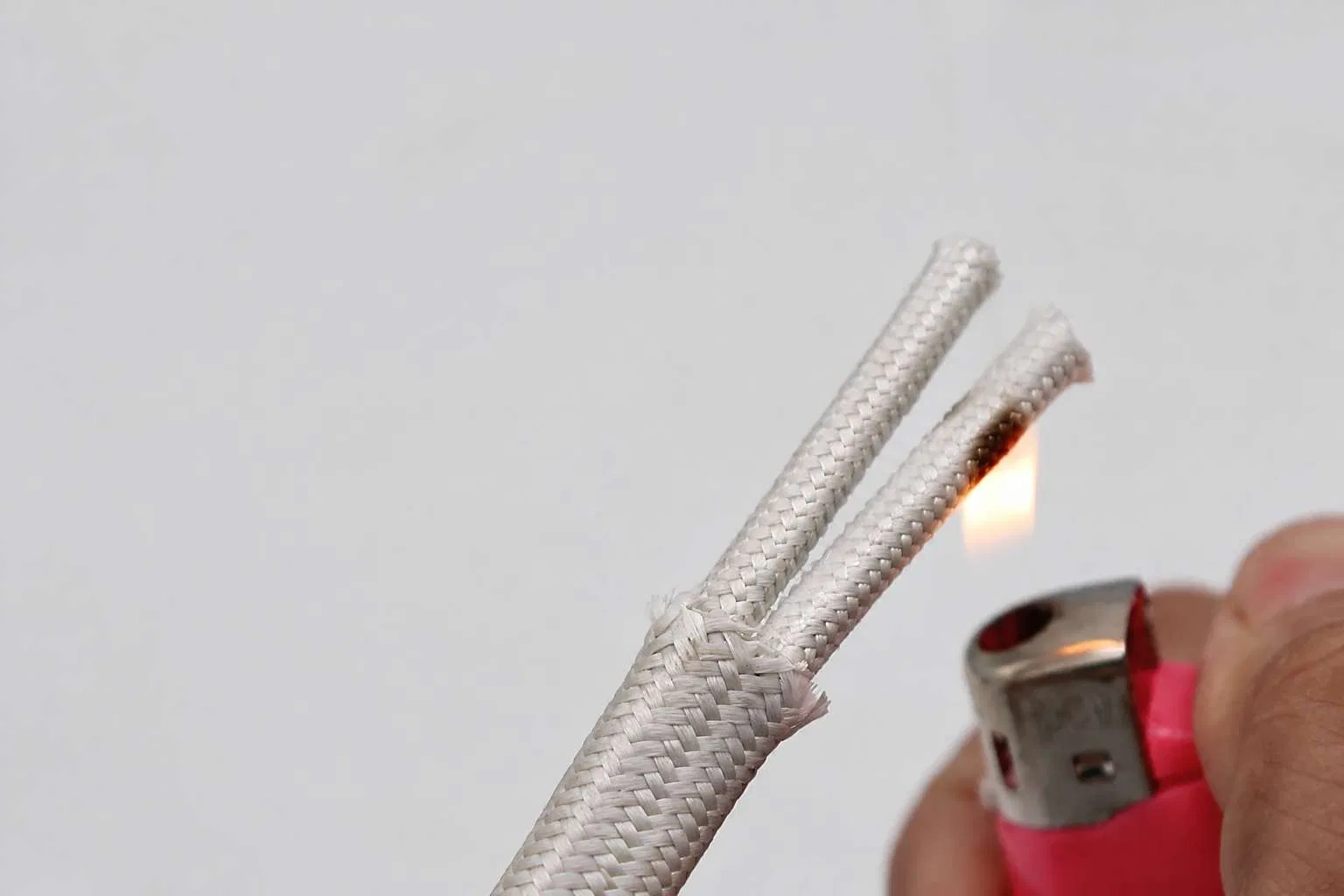
High-Temperature Cables vs. Fire-Resistant Cables: the Difference That Defines an Installation’s Safety
In everyday commercial language, and even on many technical datasheets, “high-temperature cable” and “fire-resistant cable” get used interchangeably, and that confusion has real consequences the moment someone has to specify wiring for a life-safety circuit. A high-temperature cable — the kind covered in our High-Temperature Cables category, with silicone, fiberglass, mica, or PTFE insulation rated between 200°C and 1000°C — is engineered to operate continuously in a hot environment without degrading: hours, months, or years of sustained exposure to an elevated ambient or contact temperature. A fire-resistant cable, by contrast, is not specified by its ability to work hot indefinitely,…
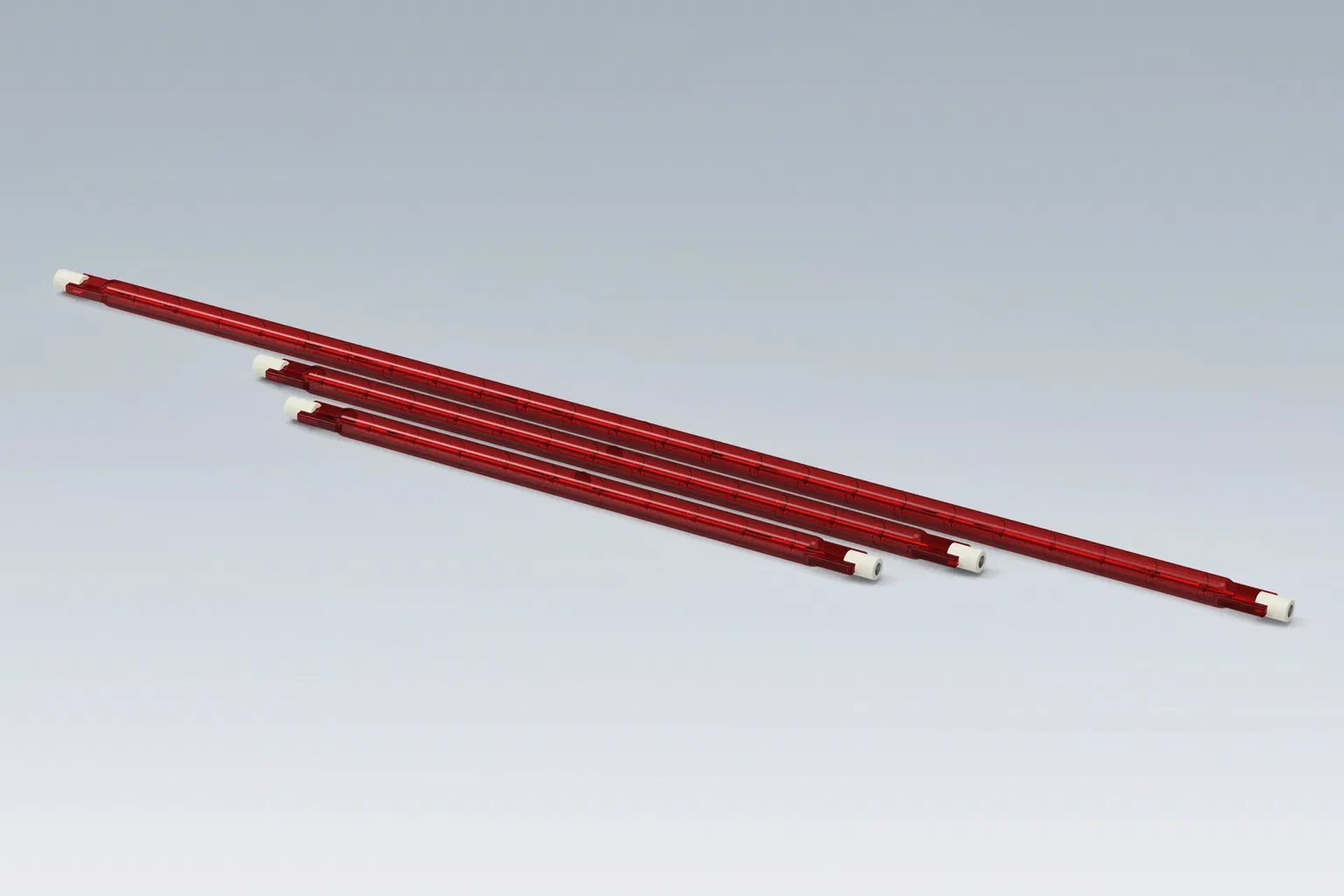
Quartz Infrared Heaters: How to Choose the Right Wavelength for Your Process
When a plant engineer needs to replace an infrared emitter that has stopped performing well, the instinct is almost always to order “the same one as before” without asking whether that original choice was ever correct to begin with. This happens more often than it should on paint-drying lines, plastic thermoforming stations, and adhesive-curing tunnels: a quartz infrared heater works, but it works poorly — the cycle takes longer than it should, the product heats unevenly, or the tube cracks every few months without anyone connecting the failure to the emitter’s wavelength. The cause is almost never the quality of…
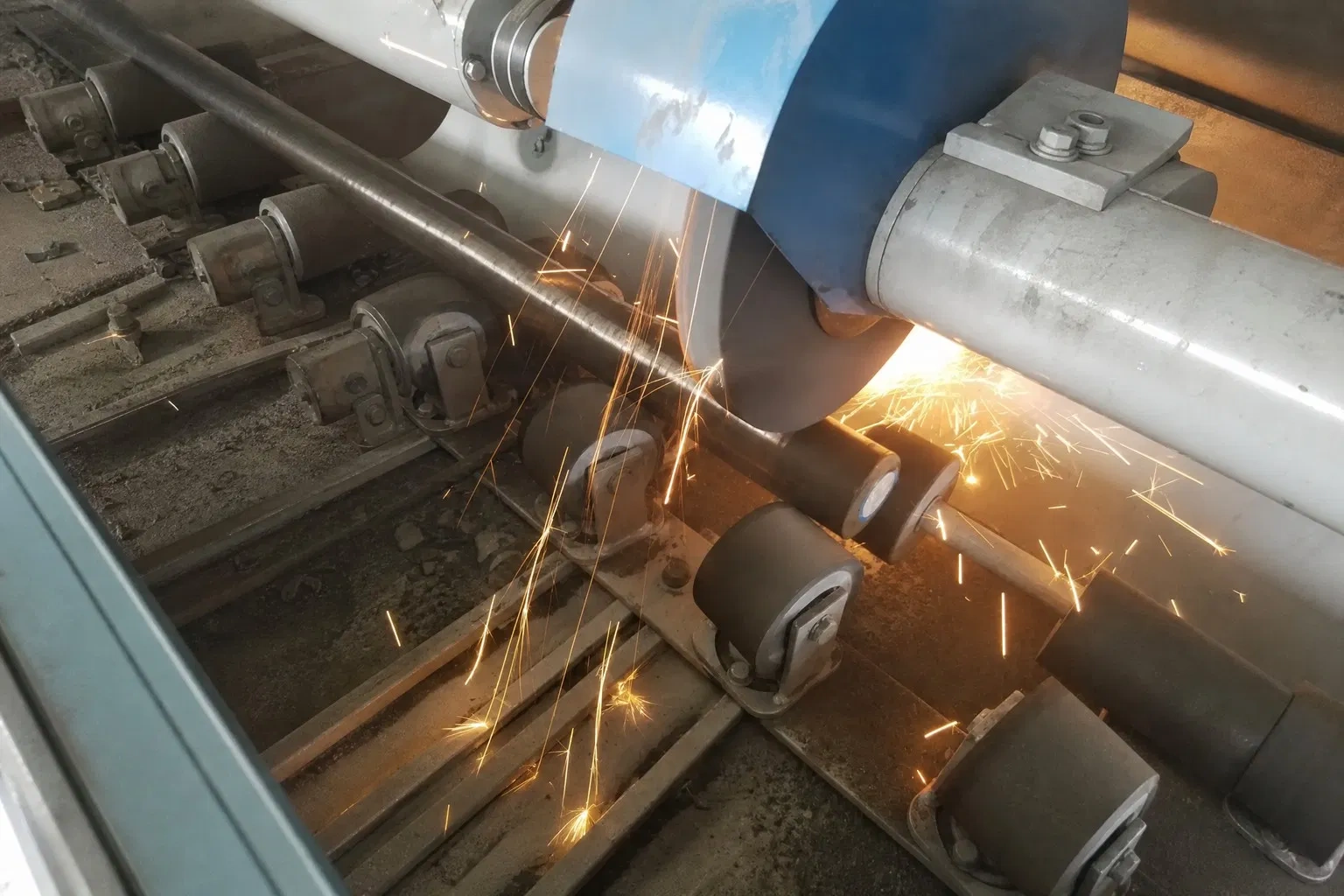
Abrasive Selection, Roughness Standards, and Model Comparison for Tube Polishing Machines
Introduction In industrial tube polishing, the difference between a consistent finish and one that forces entire batches to be reprocessed rarely comes down to the machine itself, but to three decisions made before the equipment is ever switched on: which abrasive corresponds to each stage of the process, which internationally recognized roughness standard the required finish translates into, and which machine model, among the different technologies available, is actually right for the plant’s part geometry and production volume. This guide focuses on exactly those three points, written for the process engineer or technical buyer who already understands what a tube…
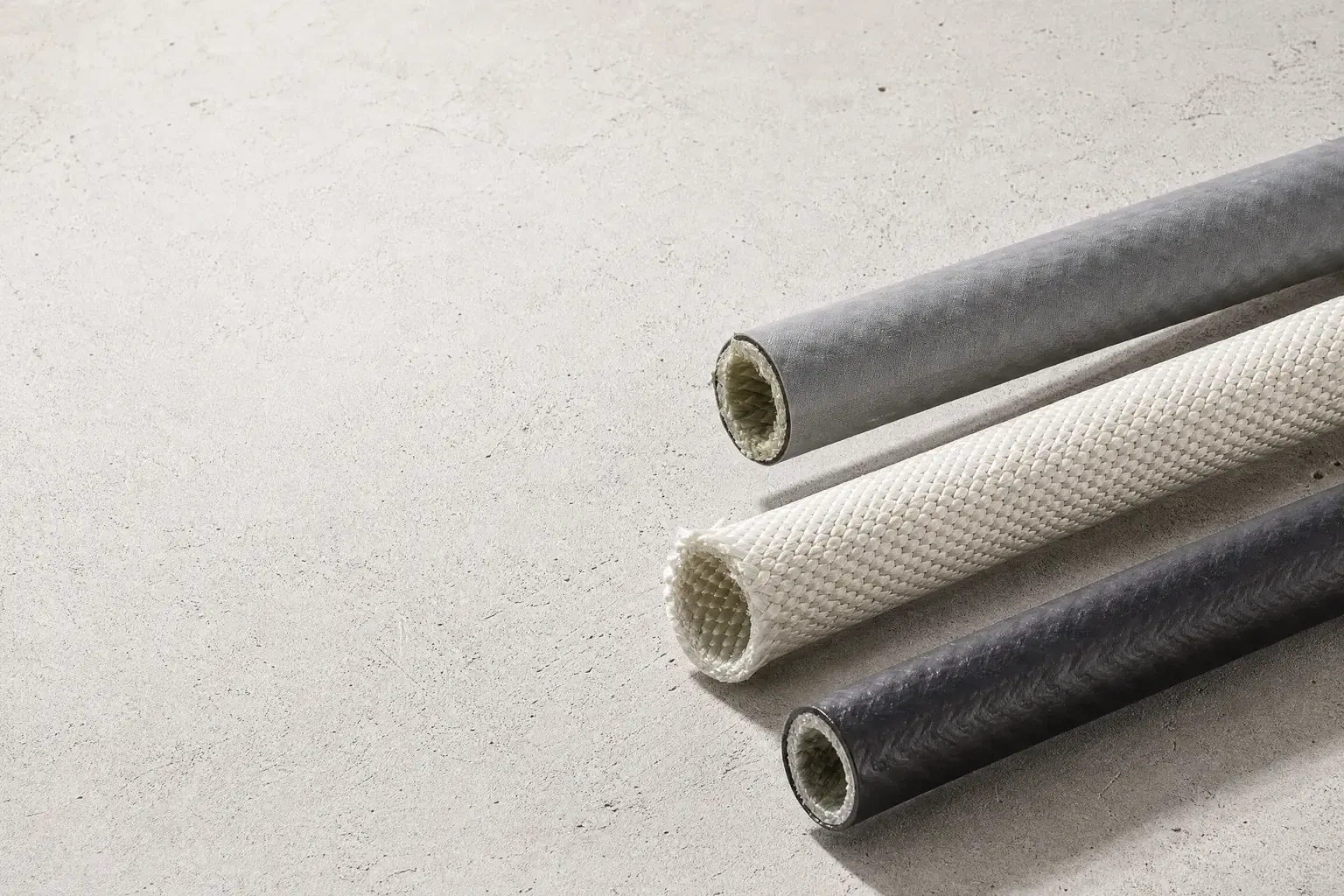
High-Temperature Sleeving in Industry: Real Applications of Fiberglass, Silica Fiber, and Silicone
Behind every electric motor, every industrial furnace, and every control panel run miles of wiring that no one ever sees, protected by a layer of woven sleeving that rarely gets a second thought until something goes wrong. High-temperature sleeving — that tubular, woven sheath slid over a cable before the final connections are made — is one of those quiet materials that lets wiring survive next to a tubular heater, inside a motor vibrating sixteen hours a day, or inches from molten metal in a foundry. It isn’t a cosmetic detail or a minor line item on a bill of…
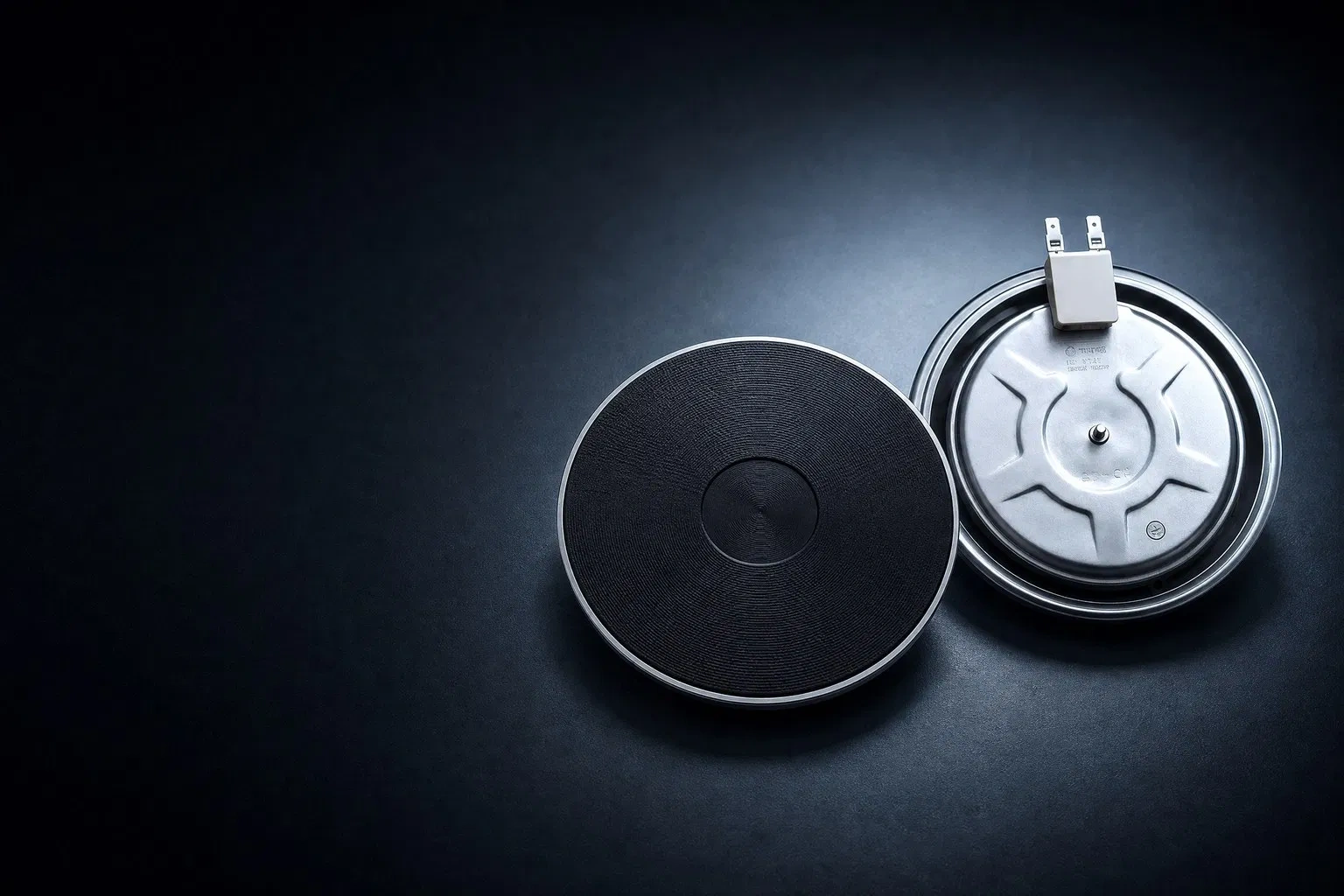
Electric Cooktop Heating Discs And Cast Iron : Selection and Troubleshooting Guide
When an electric hotplate fails or a kitchen equipment project calls for replacement cooktop discs, the decision isn’t just “what diameter do I need” — it’s which heating disc variant performs best for that specific use case, and what to do when something starts to fail. This guide covers both fronts for our Cast Iron Electric Cooktop Heating Discs: how to choose between the Standard disc and the Fast (Red Dot) disc, and how to diagnose and resolve the most common issues that show up in home kitchens, commercial kitchens, and catering equipment. Standard Disc vs. Fast Disc (Red Dot):…
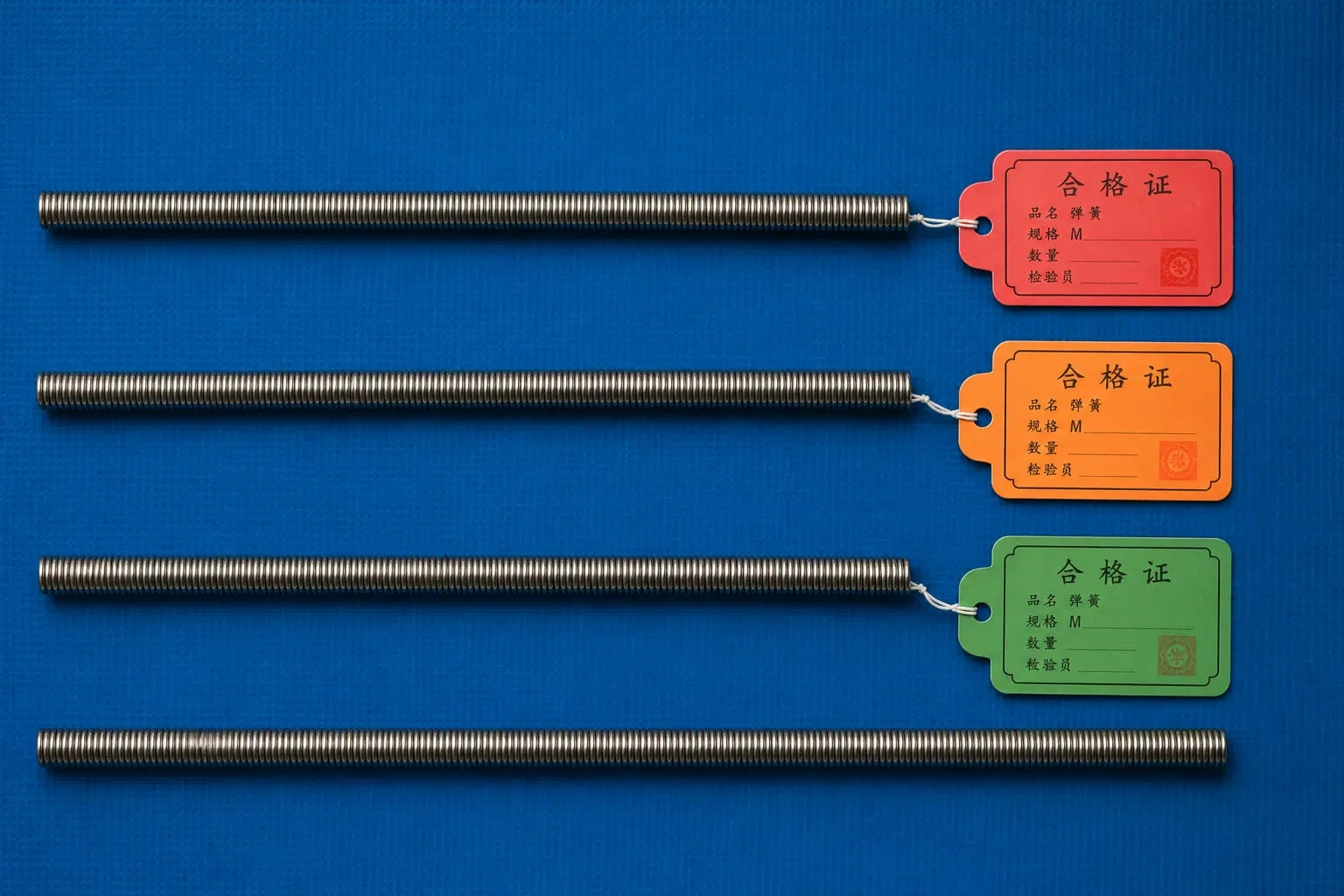
Resistance Wire Coiling: 6 Winding Defects That Ruin Ohmic Precision
When a heating element fails prematurely, the first suspect is usually the wire itself — wrong alloy, undersized gauge, unreliable supplier? But in a significant share of cases, the material is correct and the problem lies in how it was wound. The coiling stage — where raw resistive wire becomes a spiral — is where the final ohmic value gets locked in, or where an invisible defect gets baked in until the element fails in service. Below are six of the most common coiling defects that shorten the life of an industrial heating element, their root cause on the machine…
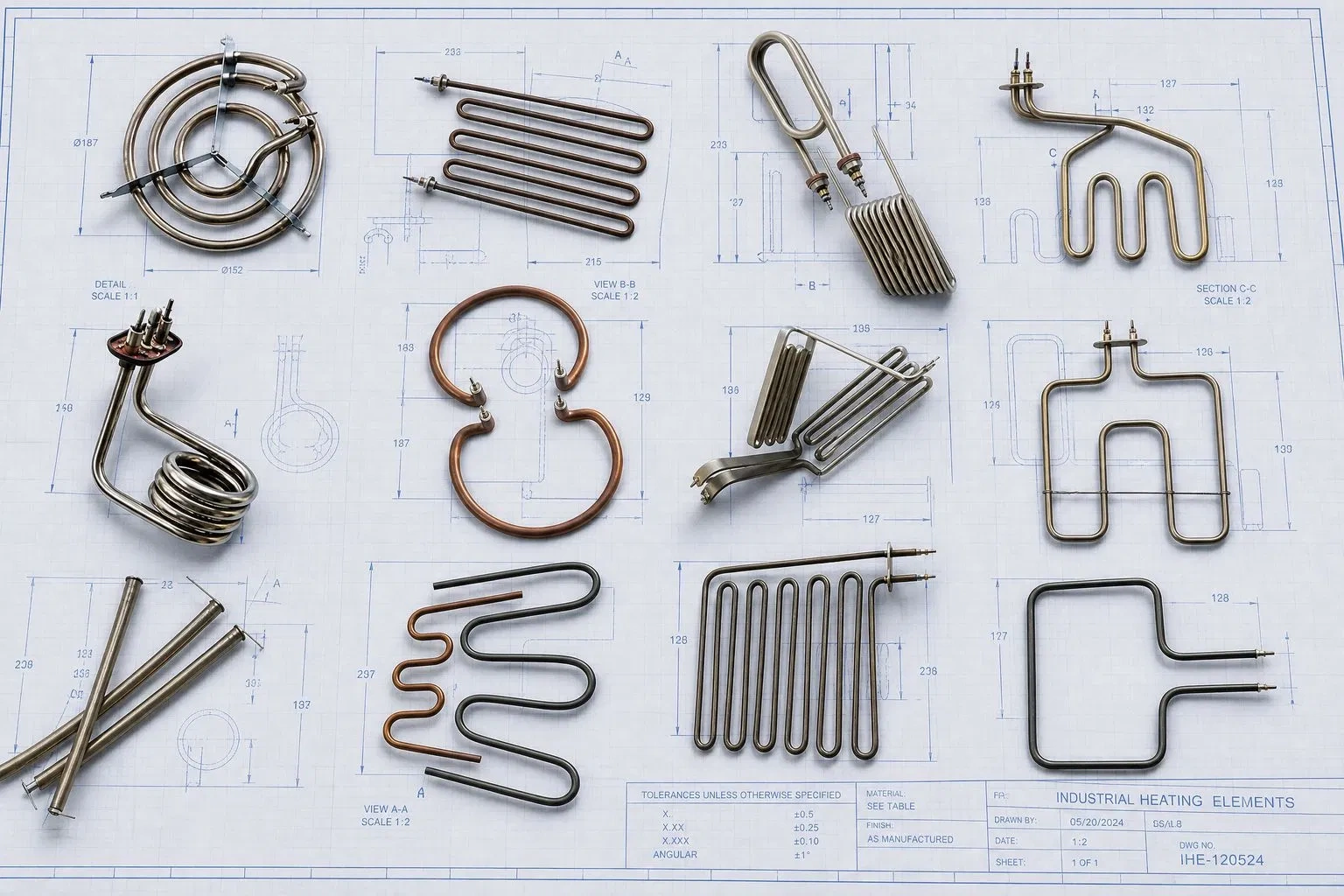
How to Choose the Right Tubular Heater Bending Machine for Your Production Line
Buying a tubular heater bending machine is not the same as buying a generic tube bender. A hollow pipe tolerates radius or force errors that a sheathed heating element does not: inside the metal sheath sits a Nichrome filament suspended in compacted Magnesium Oxide powder, and a poorly chosen — or poorly operated — bender cracks that insulation, shifts the resistance wire, or creates micro-fractures that only surface once the end customer reports a field failure. Picking the right machine is, in practice, a capex decision that determines your scrap rate, your delivery speed, and how complex a geometry you…
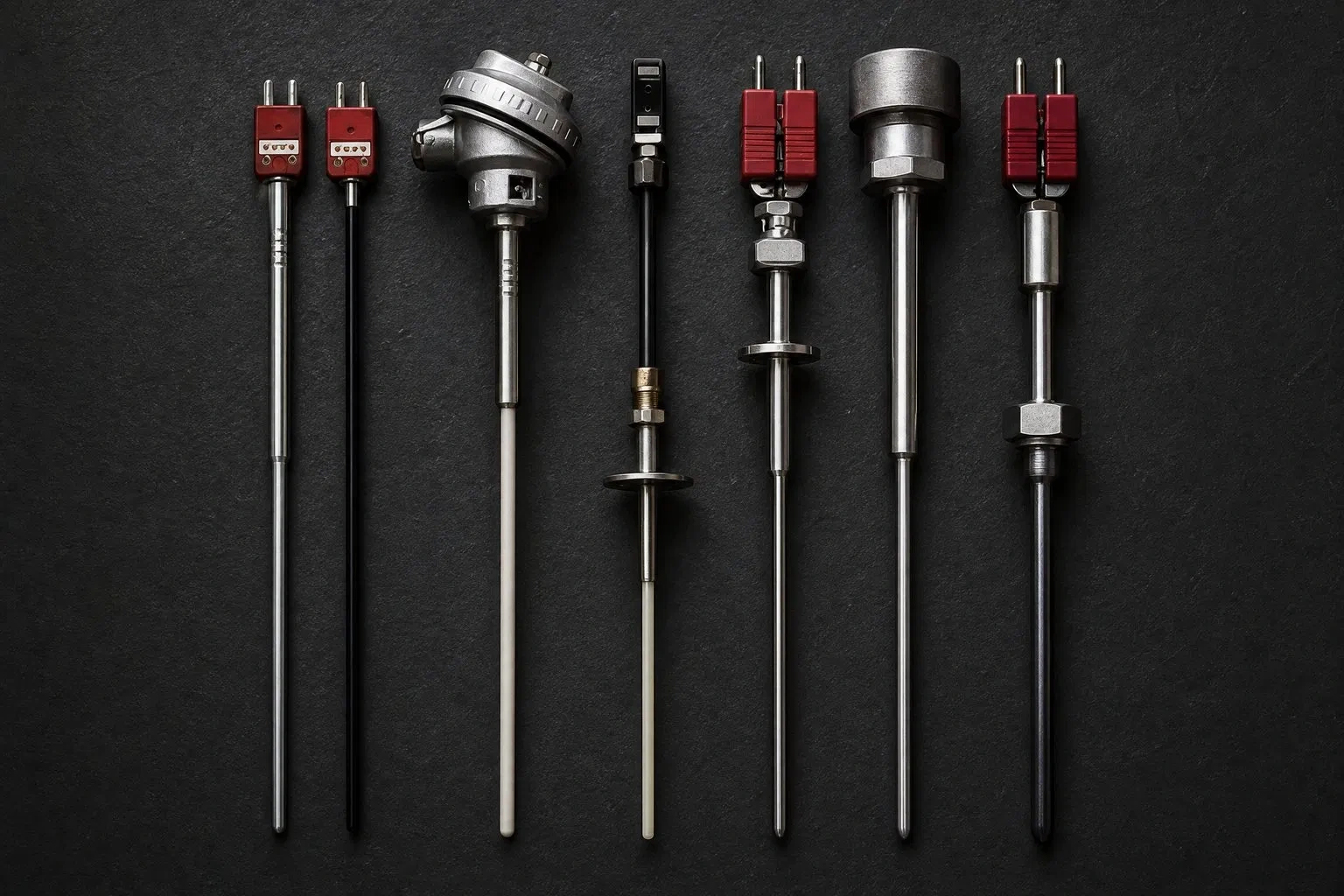
Why Your Thermocouple Is Failing (and It’s Probably Not the Sensor): A Diagnosis Guide
When a temperature reading starts drifting or acting up on an industrial line, the first instinct is almost always to swap the thermocouple. It’s the cheapest, most visible component, and the easiest one to blame. In practice, though, a large share of “sensor failures” have nothing to do with the thermocouple wire itself — they trace back to the accessories around it: the connector joining it to the control loop, the well protecting it from the process, the block insulating its terminals, or the head sealing its connection. Diagnosing by accessory instead of replacing by reflex saves downtime and stops…
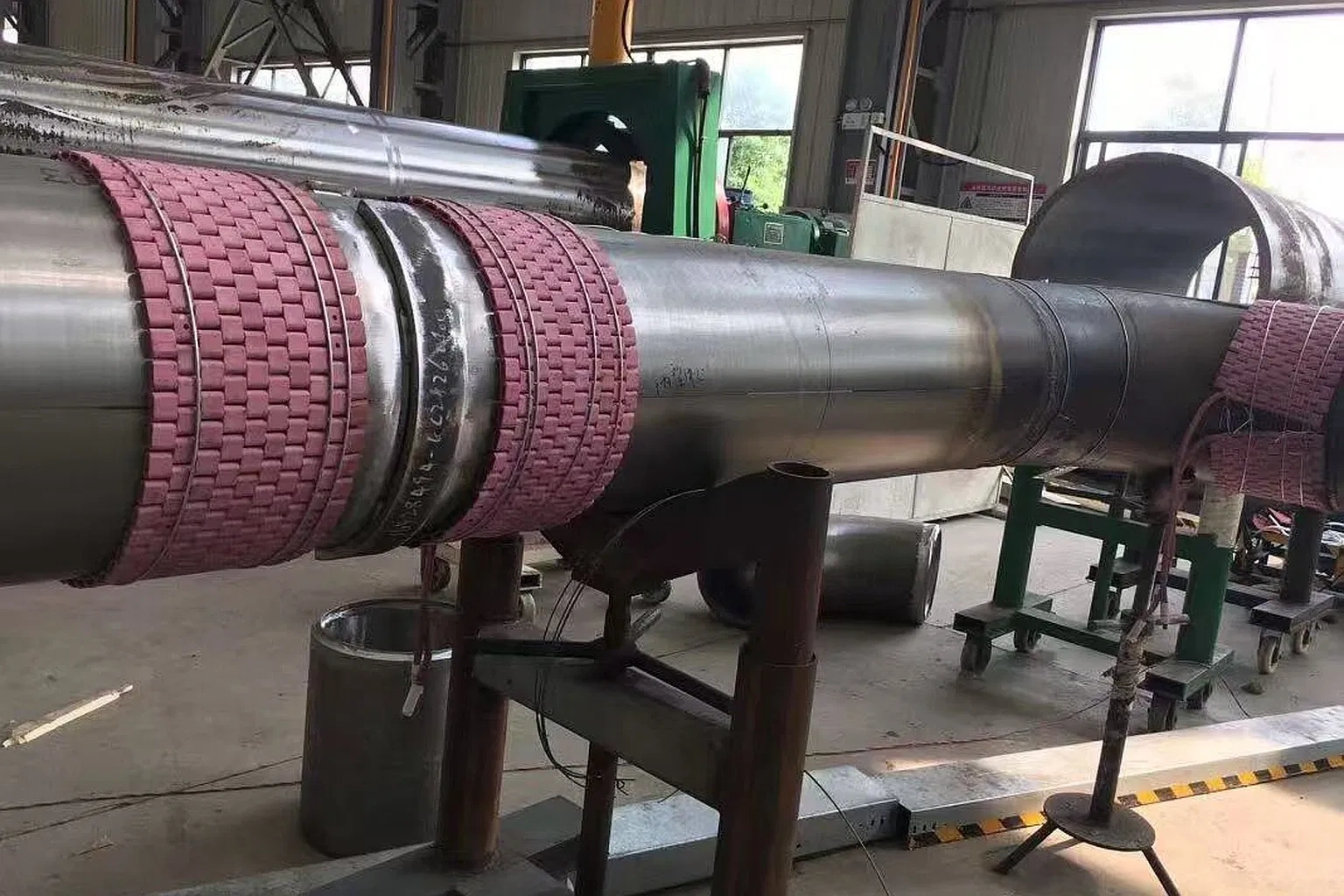
Ceramic Pad Heaters: The Versatile Solution for Industrial Heat Treatment
Heat treatment is a critical step in dozens of industrial processes, from preheating before welding to stress relieving after fabrication. Choosing the right heating method can be the difference between a component that meets demanding metallurgical standards and one that fails prematurely in the field. Among the technologies available, ceramic pad heaters have become one of the most reliable and adaptable choices for demanding applications. This guide covers what they are, how they work, which models exist, and why so many industries rely on them for heat treatment. What Is a Ceramic Pad Heater? A ceramic pad heater is a…
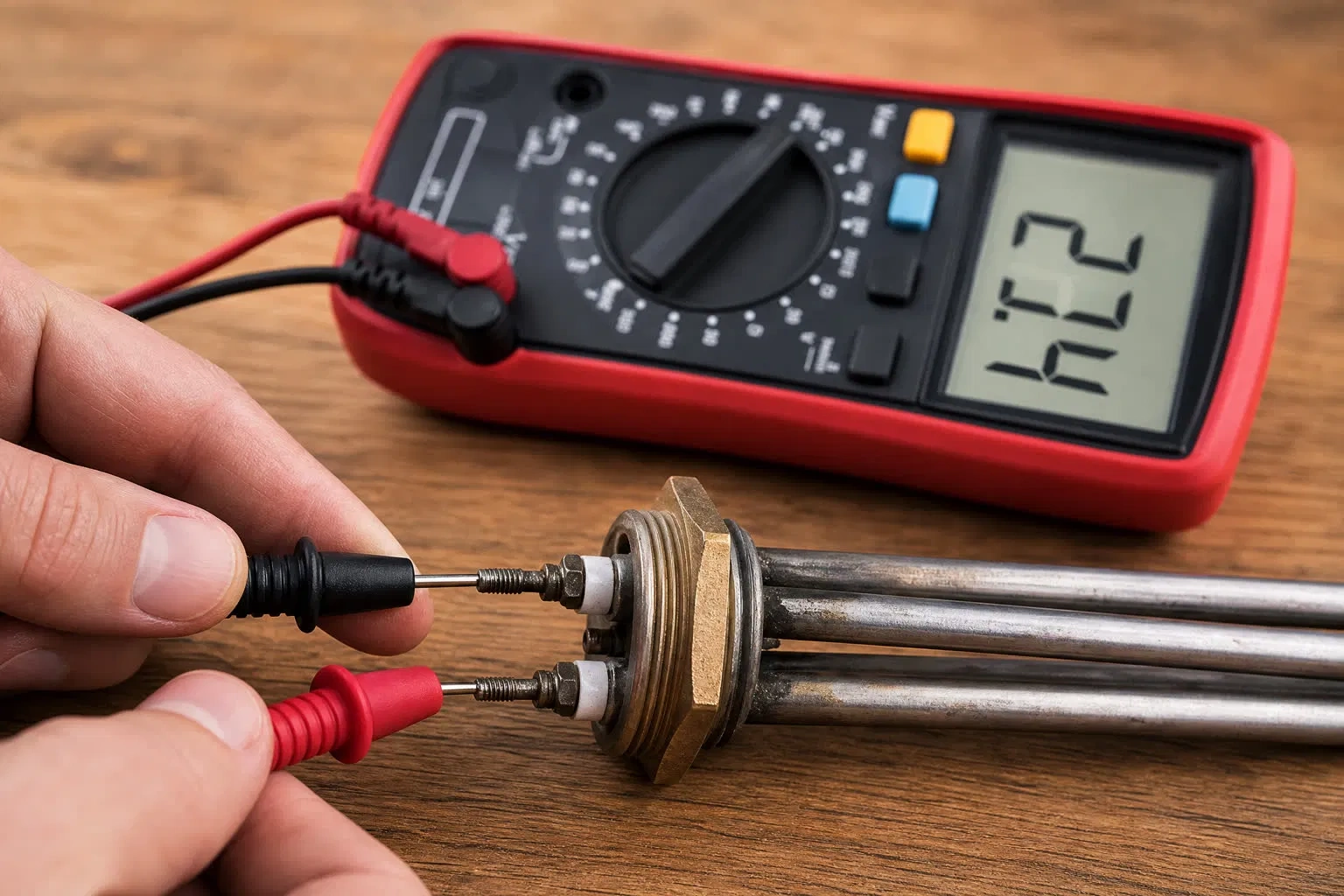
Heating Element Failure: Common Causes and How to Prevent Them
Introduction When a heating element fails in the middle of a production run, it’s almost never an isolated accident — it’s the visible endpoint of a degradation mechanism that has been developing silently for weeks, sometimes months. For a plant that depends on furnaces, drying ovens, or heat-treatment lines, that failure means more than the cost of the replacement part: it means hours of lost production, batches that may fall out of specification, and in some cases, safety risks for maintenance staff working near live equipment. Heating elements — whether coiled resistance wire, tubular elements filled with magnesium oxide, or…