Industrial Heating Cables
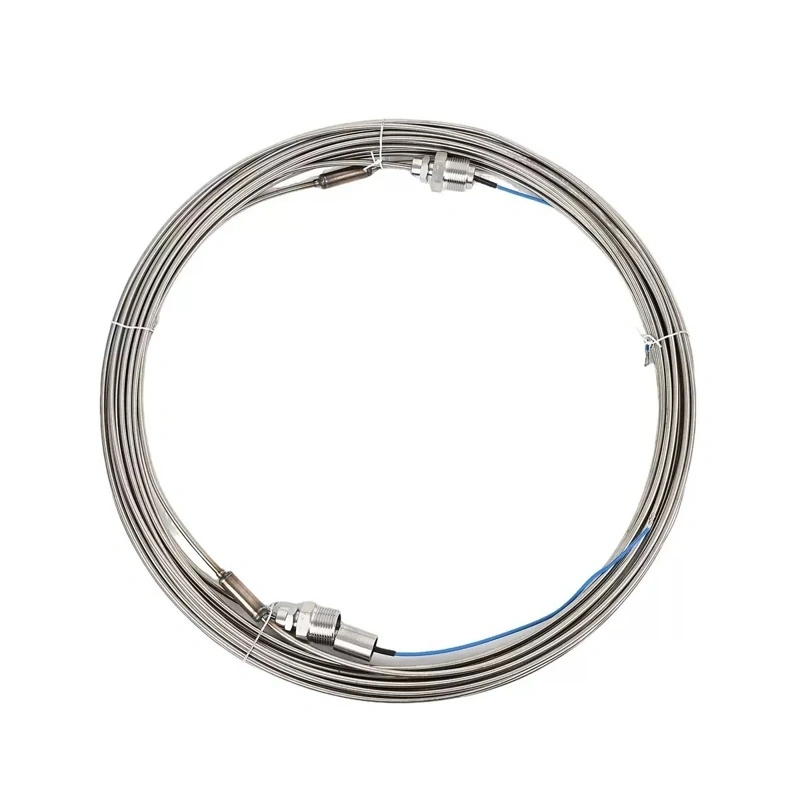
Heating cables are flexible resistive heating elements built around an insulated resistance wire and protected by a sheath — PVC, silicone rubber, or a seamless metal jacket packed with magnesium oxide (MI construction). Unlike a rigid heating element, a heating cable conforms to complex geometries, can be installed by direct contact or embedded into a surface, and delivers linear, uniform heat along pipes, tanks, molds, panels, or entire pieces of equipment.
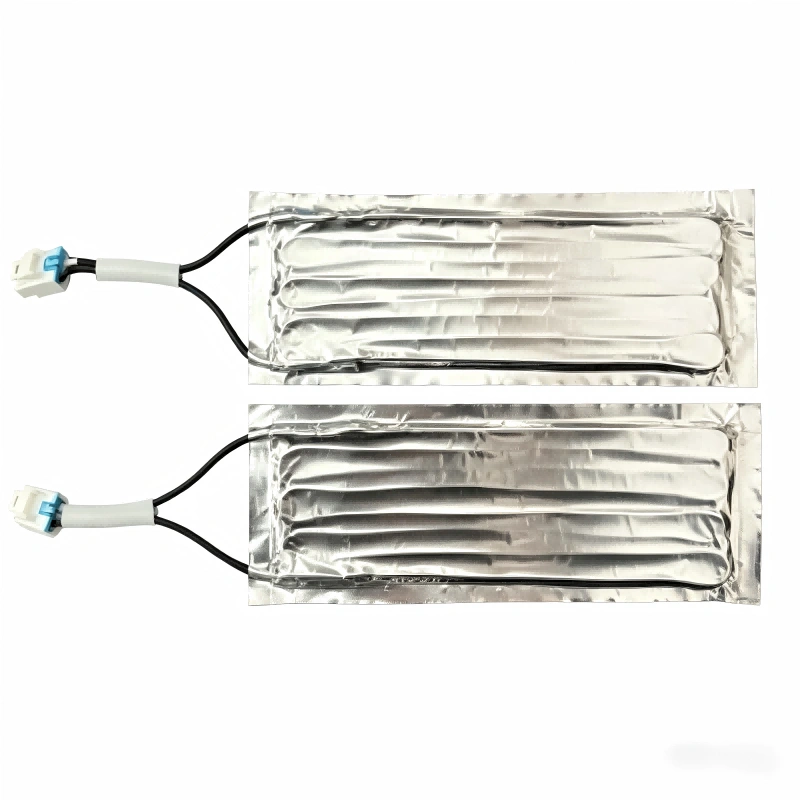
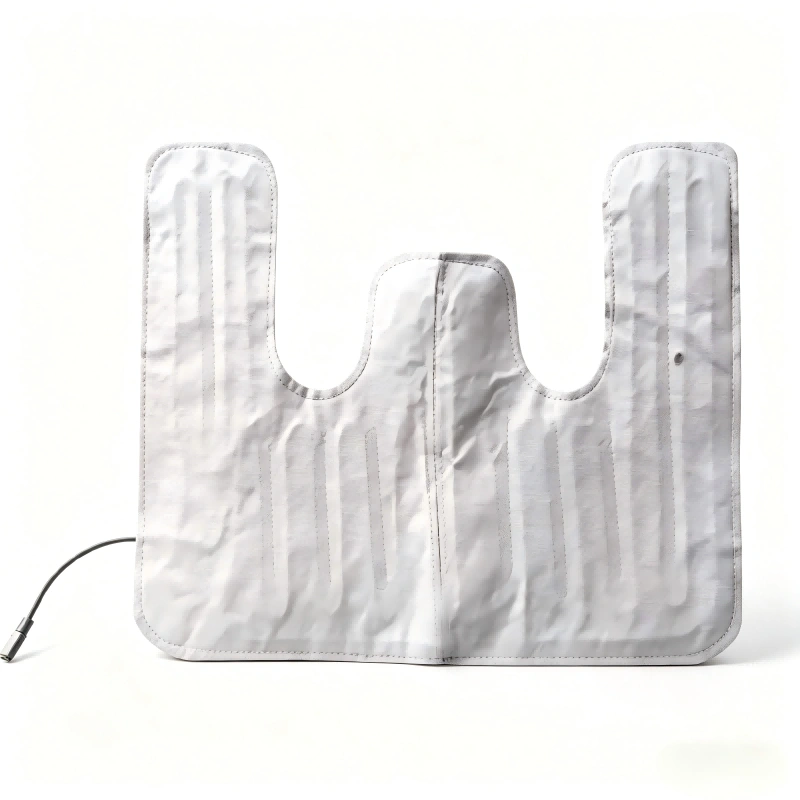
At Heatecx we manufacture this product family under the same dimensional and electrical controls used across our resistance heating range, coordinating conductor selection, insulation, and terminations so that every batch meets the power output, resistance value, and dielectric strength specified for the project. This category covers PVC heating cable products, the silicone heating cable, the mineral insulation (MI) heating cable, and derived flat-format products such as the silicone wire aluminum foil heating sheet and the silicone wire non-woven heating pad.
Operating principle
Heat is generated through Joule (resistive) heating: current flows through a calibrated resistance conductor and dissipates energy as heat along the full length of the cable. The power density (W/m) depends on three main variables: the conductor's cross-section and alloy, the supply voltage, and the total circuit length. An insulation layer is applied over the conductor — thermoplastic, silicone elastomer, or compacted mineral powder — and this layer sets the maximum service temperature, dielectric strength, and chemical resistance of the finished cable.
The relationship between resistance, length, and cross-section follows Pouillet's law: total conductor resistance is directly proportional to wire length and inversely proportional to cross-sectional area, scaled by the resistivity of the alloy used. By adjusting these three parameters during design, the manufacturer can precisely target the power density (W/m) required for each project.
Conductor materials: resistance alloys
The conductor determines the service life, stability, and real maximum temperature of a heating cable. Nickel-chromium (NiCr) alloys are the industry standard due to their high resistivity, oxidation resistance, and stable behavior under repeated on/off cycling:
|
Alloy
|
Approximate composition
|
Resistivity
|
Maximum service temperature
|
Typical use in heating cables
|
|
NiCr 80/20
|
80% nickel, 20% chromium
|
≈1.10–1.50 µΩ·m
|
Up to 1200 °C
|
High-demand MI and silicone cables; superior resistance to cyclic oxidation
|
|
NiCr 60/16 (with iron)
|
60% nickel, 16% chromium, balance iron
|
Slightly lower than 80/20
|
Up to 1150 °C
|
Cost-optimized cables for medium temperatures
|
|
NiCr 35/20 (with iron)
|
35% nickel, 20% chromium, balance iron
|
Higher resistivity per unit length
|
Up to 1050 °C
|
Entry-level heating cords and cables
|
|
Copper-nickel (CuNi)
|
Copper-nickel alloy
|
Low resistivity, requires longer wire runs
|
Up to 300–400 °C
|
Low power-density and self-regulating cable cores
|
Nickel-chromium forms a protective chromium-oxide layer as it heats, which slows further oxidation of the conductor and extends service life — particularly relevant for applications with frequent switching or sharp temperature swings. This property matters most in MI cables, where the conductor is sealed inside the metal sheath and cannot be inspected or replaced without removing the entire cable run.
Types of heating cables
|
Type
|
Insulation
|
Typical service temperature
|
Key characteristics
|
Common application
|
|
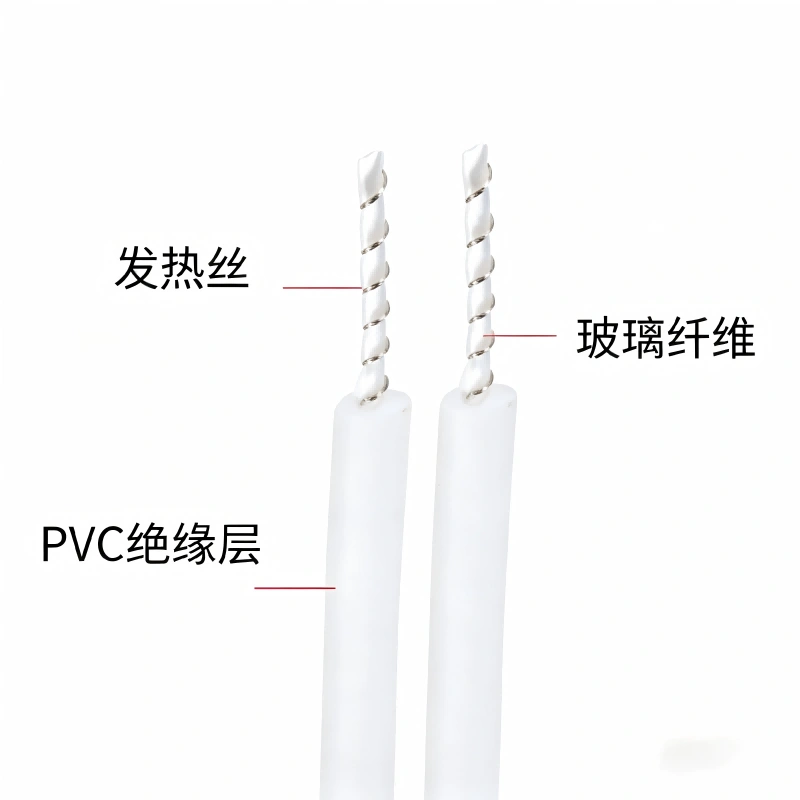
PVC heating cable
|
Flexible PVC
|
Up to 70–105 °C
|
Cost-effective, good aging resistance, easy to handle
|
Pipe freeze protection, electric blankets, indoor heating
|
|
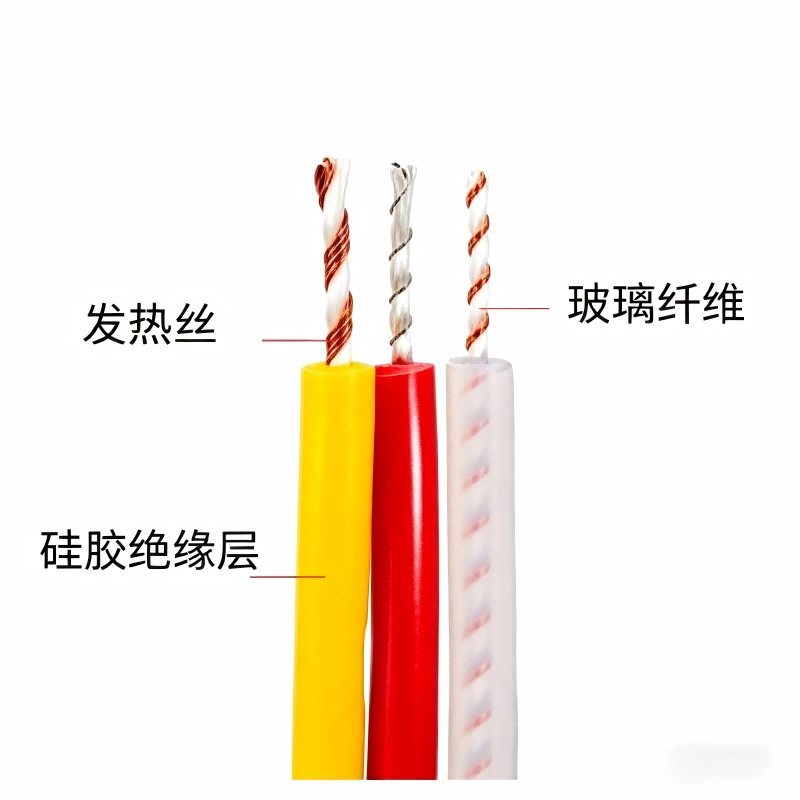
Silicone heating cable
|
Silicone elastomer
|
Up to 200–260 °C
|
High flexibility, excellent thermal and dielectric performance
|
Defrosting, equipment heating, mold heating, industrial surfaces
|
|
Mineral insulated (MI) heating cable
|
Magnesium oxide (MgO) core + seamless metal sheath
|
Up to 600 °C or higher, alloy-dependent
|
Non-combustible, moisture and chemical resistant, superior mechanical stability
|
Industrial heat tracing, high-demand processes, corrosive environments
|
|
Aluminum foil heating sheet with silicone wire
|
Silicone wire on aluminum foil
|
Up to 200 °C
|
Uniform heat distribution, flat and customizable format
|
Defrosting systems, contact heating
|
|
Non-woven heating pad
|
Silicone wire on lightweight non-woven fabric
|
Up to 200 °C
|
Highly flexible, conforms to irregular surfaces
|
Custom heating solutions, wrap-around thermal panels
|
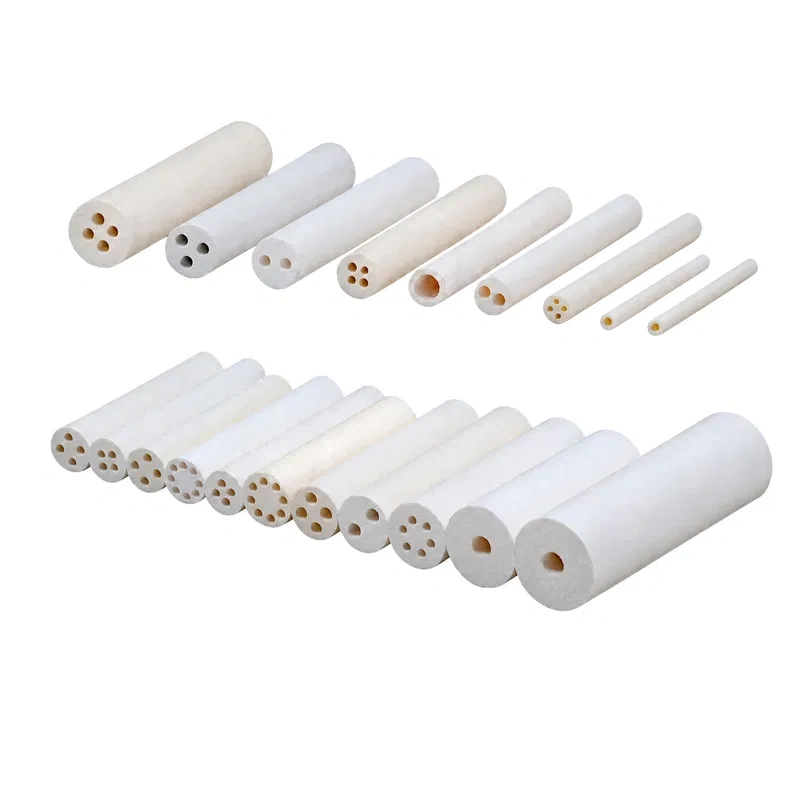
The mineral insulated (MI) heating cable — also known as MICC or pyrotechnic cable — is the most rugged product in the range: one or two nickel-chromium alloy conductors are centered and compacted inside a continuous, seamless metal sheath (304 stainless steel or Inconel 825), insulated with high-purity MgO powder. This construction delivers fire resistance, moisture-tight sealing, and long-term mechanical stability even under pressure, vibration, or chemical exposure that would degrade polymer-insulated cables.
Indicative technical specifications
|
Parameter
|
PVC cable
|
Silicone cable
|
MI cable
|
|
Operating voltage
|
110–230 V
|
110–380 V
|
Project-specific (low/medium voltage)
|
|
Power density
|
10–30 W/m
|
15–60 W/m
|
Custom-engineered per project
|
|
Service temperature range
|
-20 °C to 105 °C
|
-60 °C to 260 °C
|
-60 °C up to 600 °C+
|
|
Outer diameter
|
3–8 mm
|
3–10 mm
|
Depends on gauge and application
|
|
Dielectric strength
|
Standard IEC
|
High
|
Very high, suited to demanding environments
|
|
Sheath
|
Extruded PVC
|
Vulcanized silicone
|
304 stainless steel or Inconel 825
|
|
Cut-to-length
|
Yes
|
Yes
|
Factory-engineered per circuit length
|
|
Field repairability
|
Limited
|
Limited
|
None (requires section replacement)
|
Values are indicative; every order is sized to the project's voltage, circuit length, ambient temperature, and required power output.
Power calculation and circuit design
Sizing a heating cable circuit starts with the heat balance between the surface or pipe's heat loss and the power delivered by the cable. In simplified terms, the required power density (W/m) is estimated from: the difference between the target maintenance temperature and the minimum design ambient temperature, the thickness and conductivity of the exterior thermal insulation, the pipe diameter or surface area to be heated, and a safety factor covering losses not captured in the base calculation (joints, supports, valves). A further margin — typically 10% to 20% — is added on top to account for supply voltage variation and the gradual aging of the exterior thermal insulation over time.
The maximum length of an individual circuit is limited by the allowable voltage drop and by the maximum current the conductor can carry without exceeding its temperature limit; for this reason, long installations are commonly split into several independent circuits, each with its own supply point and electrical protection.
Selection criteria
- Operating temperature range: PVC covers low-temperature duty, silicone extends the range into moderate-to-high heat, and MI cable is the only reliable option above 260 °C or in direct-flame exposure.
- Chemical and environmental exposure: in hydrocarbon, solvent, or continuously wet environments, MI cable's sealed metal sheath outperforms any polymer insulation.
- Installation flexibility: PVC and silicone cables, along with their flat foil and non-woven pad derivatives, adapt more readily to curved surfaces, molds, and irregular geometries.
- Service life and maintenance: MI cable, having no organic insulation components, withstands prolonged thermal cycling without degradation, reducing maintenance on permanent heat-tracing installations.
- Classified areas and explosive atmospheres: in ATEX or equivalent hazardous zones, heating cables must comply with dedicated trace-heating standards for explosive atmospheres; MI cable is typically the preferred construction due to its sealed, mechanically robust design.
- Project certification requirements: ATEX zones or fire-resistance specifications typically call for MI cable or high-grade silicone; always check the project data sheet before finalizing the design.
Applicable standards and certifications
The design and testing of industrial heating cables is governed by a specific body of international standards. The IEC 60800 series covers low-temperature heating cables for comfort heating and prevention of ice formation (sheath temperatures below 100 °C, such as roof, gutter, and floor de-icing). For higher-duty industrial and commercial applications, the IEC/IEEE 62395 series — Part 1 (general and testing requirements) and Part 2 (design, installation, and maintenance guide) — defines the requirements for electrical resistance trace heating systems, covering series heating cables, parallel heating cables, and heater pads. Where installation occurs in potentially explosive atmospheres, the IEC/IEEE 60079-30 series applies, specifically covering heating cables — including mineral-insulated types — intended for classified hazardous areas.
Beyond these product standards, an industrial-grade heating cable must pass dielectric testing (applied voltage and insulation resistance), conductor continuity checks, verification of actual power density against specification, and dimensional control of diameter and insulation thickness. Heatecx performs quality control on every production batch to ensure these parameters are traceable prior to shipment.
Common failure modes and preventive maintenance
Most heating cable failures originate not in the conductor itself, but in installation practices and mechanical handling of the cable:
- Conductor breakage from excessive bend radius: bending the cable below the manufacturer's minimum radius can fracture the resistance wire or the insulation, particularly in MI cables, whose metal sheath has little elasticity.
- Insulation cracks or perforations: caused by abrasion during installation, sharp edges on the contact surface, or prolonged UV exposure in outdoor PVC or silicone cable runs without additional protection.
- Moisture ingress at poorly sealed terminations: the most frequent cause of ground faults in heat-tracing installations; terminations and splices must be sealed strictly according to the manufacturer's procedure.
- Thermal overload from insufficient or undersized exterior insulation: a thinner-than-designed layer of thermal insulation forces the cable to operate continuously above its rated temperature, accelerating the aging of the electrical insulation.
- Broken individual strands from excessive pulling tension during installation: exceeding the rated pulling tension deforms the conductor and can create a localized high-resistance point that, over time, leads to localized overheating.
As a preventive measure, insulation resistance and continuity should be measured before installation, again immediately after the cable is run, and a third time after the exterior thermal insulation is applied — with all three readings logged for future maintenance reference.
Industrial applications
Heating cables are used for freeze protection of pipes, valves, and tanks; process line temperature maintenance; defrosting of cold rooms, display cases, and evaporators; mold heating in plastics and rubber processing; radiant floor and surface heating systems; laboratory and medical equipment; and embedded heating within electric blankets and panels for food processing, agriculture, aerospace, and construction. This product family complements heat tracing, our line of self-regulating and constant-wattage cables built specifically for large-scale process piping.
Heating cables versus other heating solutions
|
Solution
|
Format
|
Main advantage over heating cable
|
Limitation versus heating cable
|
|
Heating cable
|
Linear, flexible
|
Conforms to any routing or curved geometry
|
More labor-intensive to install over large flat areas
|
|
Rigid heating blanket or plate
|
Flat surface
|
Fast installation on regular surfaces
|
Cannot follow pipes or complex geometries
|
|
Cartridge or tubular heater
|
Point-source, rigid
|
High power concentration in a small footprint
|
No distributed heating along a length
|
|
Self-regulating heat tracing
|
Linear, cut-to-length on site
|
Automatic power adjustment without a dedicated controller
|
Lower maximum power density than constant-wattage or MI cable
|
Manufacturing process
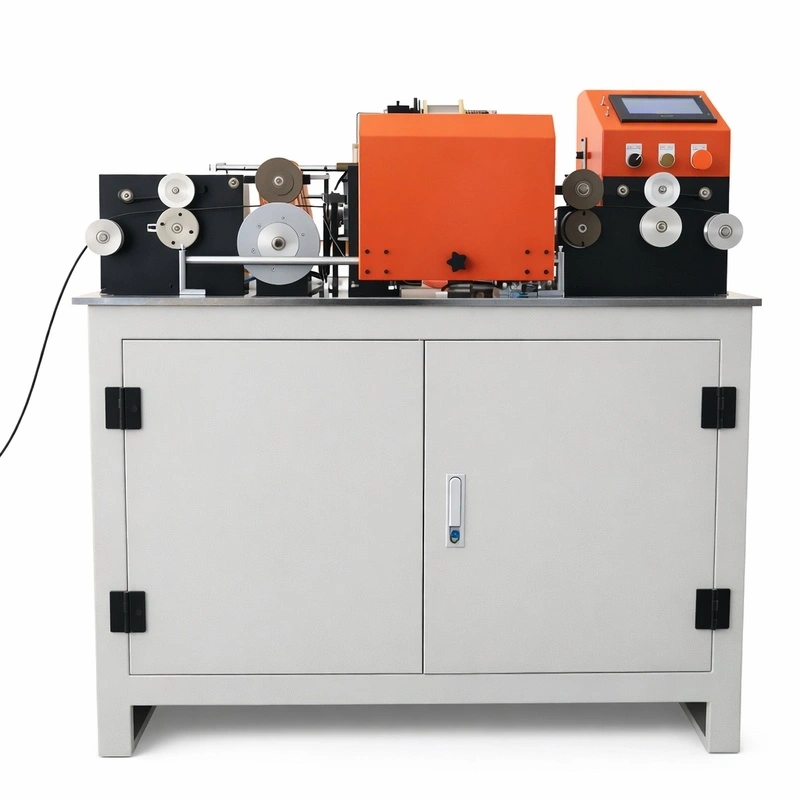
Producing a heating cable follows a controlled sequence of operations: first, the resistance wire is selected and calibrated to the target power output and resistance value; next, the primary insulation is applied — either by continuous extrusion (PVC), by coating and vulcanizing (silicone), or by drawing and compacting MgO powder inside the metal sheath (MI cable); terminations and cold-lead connections are then installed according to the circuit design; and finally each unit undergoes dielectric testing, continuity checks, and dimensional verification before packaging. MI cable production includes additional steps of progressive diameter drawing, drying of the mineral core to remove residual moisture, and final straightening of the finished length.
Manufacturing and related raw materials
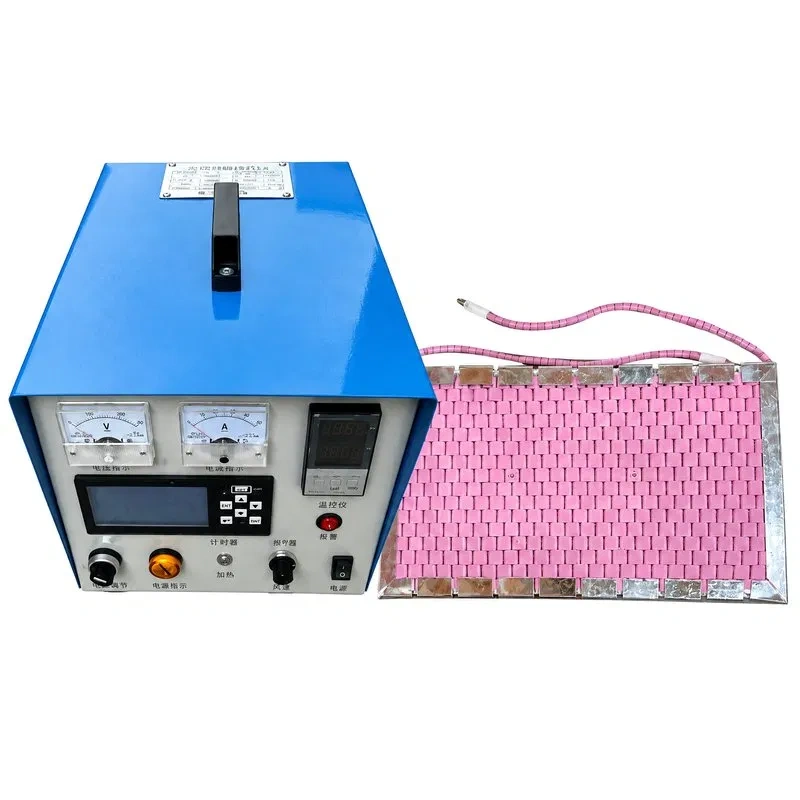
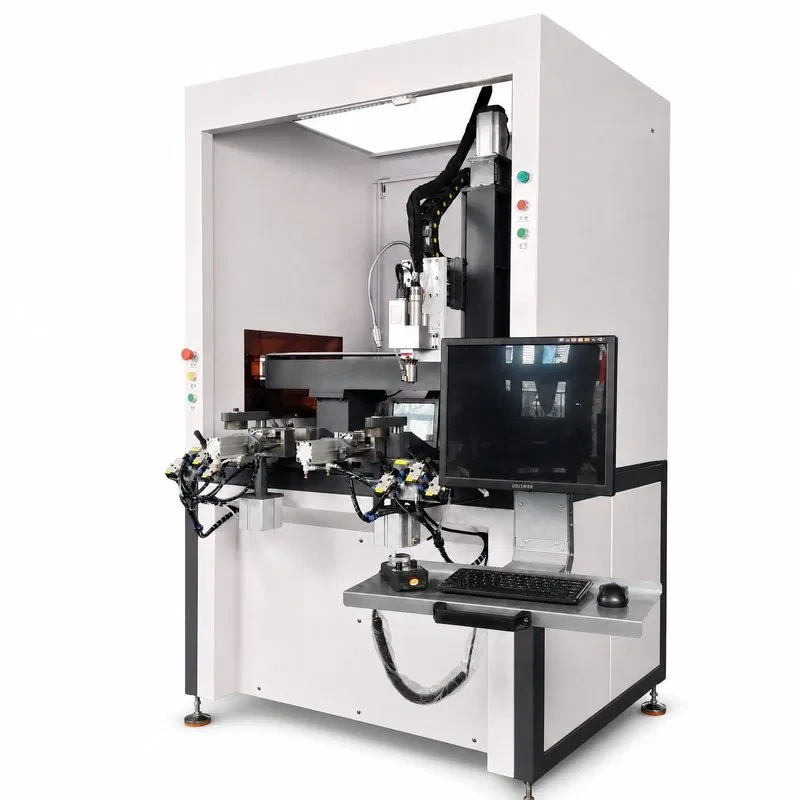
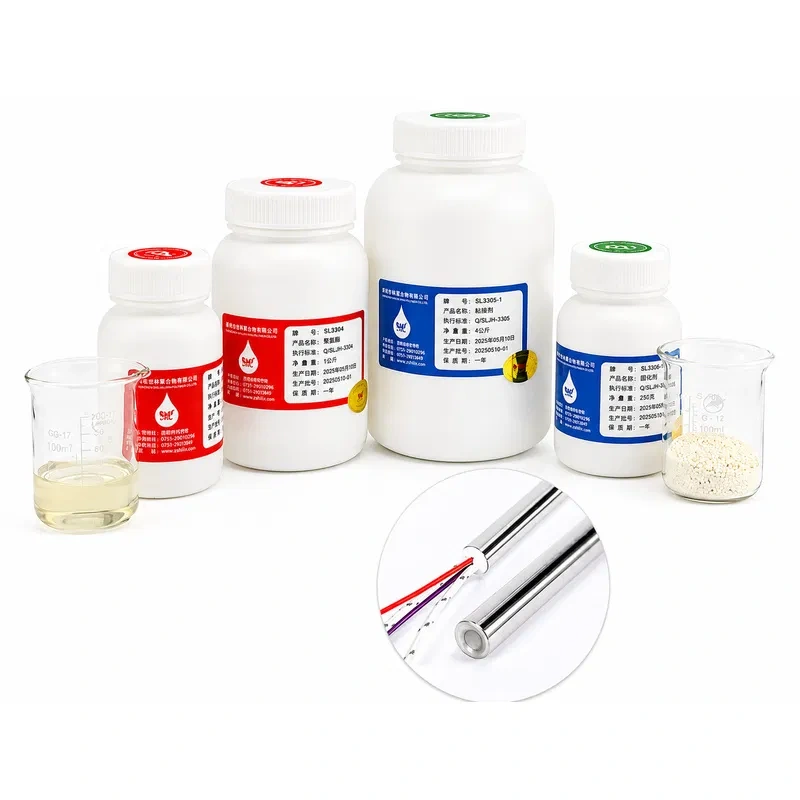
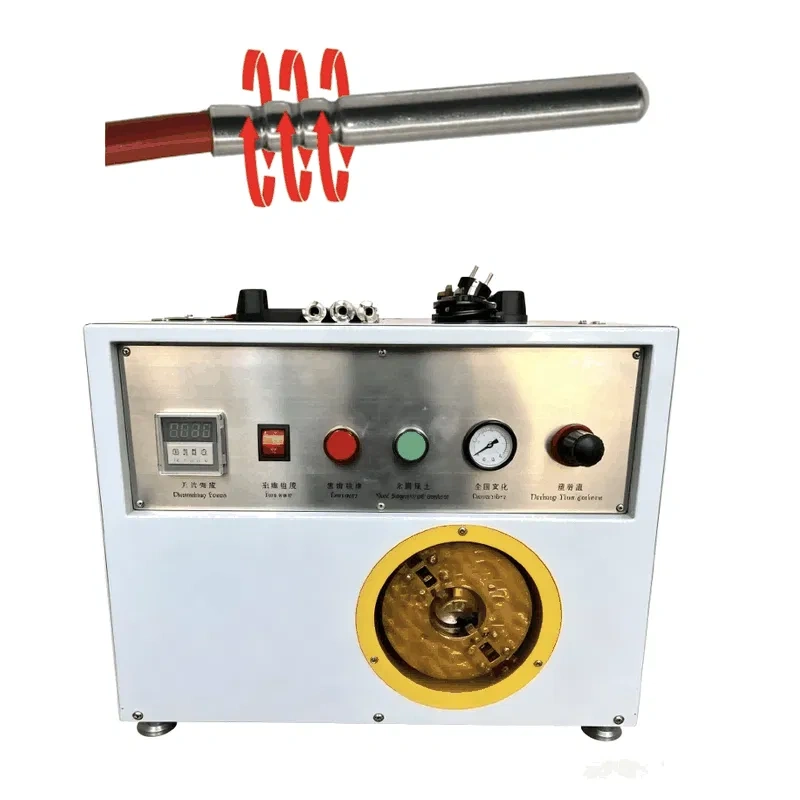
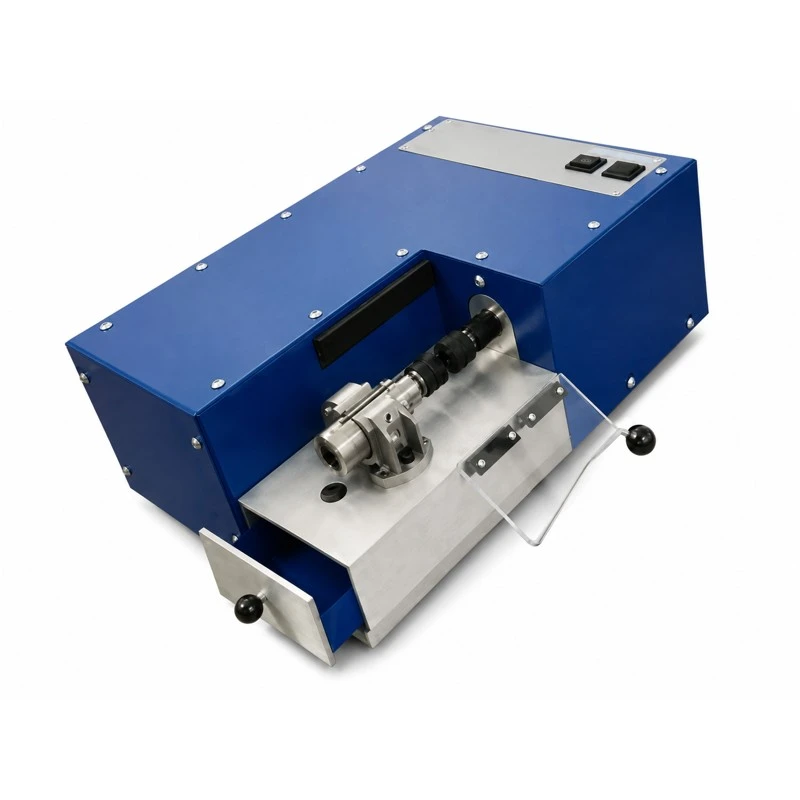
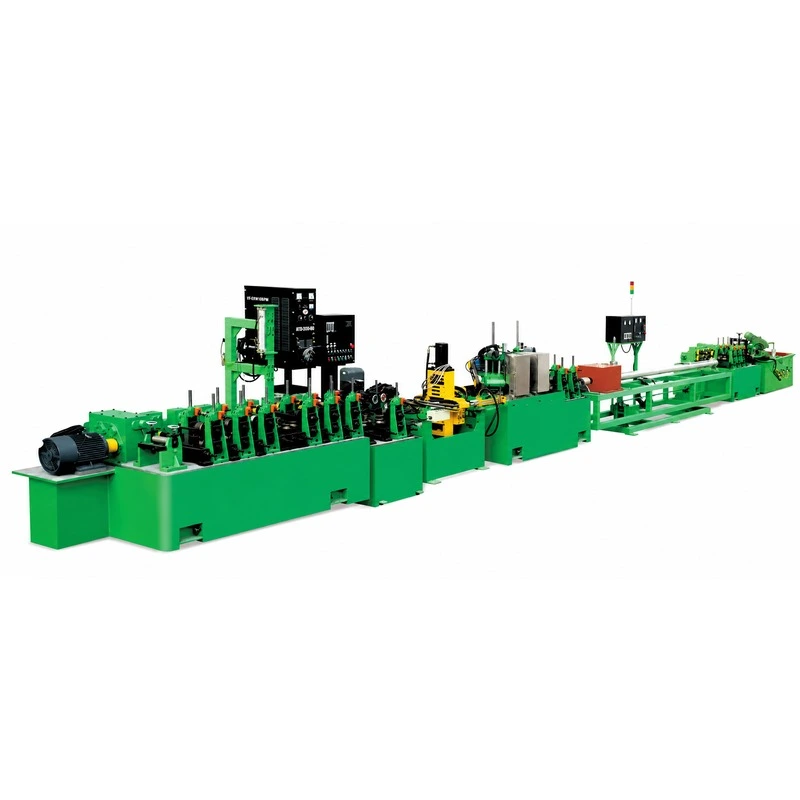
Heatecx controls the heating cable production chain internally: from resistance wires and high-temperature cables used as conductors or lead wiring, to PVC raw materials used in thermoplastic insulation. MI cable manufacturing relies on dedicated MI cable machinery for drawing, drying, and straightening, while silicone insulation is cured using our vulcanizing machines. Installed circuits are typically regulated with temperature controllers that manage power output against process temperature.
Why choose Heatecx as your manufacturer
Heatecx designs and manufactures heating cables at its facility in Shenzhen, China, with the capacity to customize circuit length, power density, insulation type, terminations, and project certifications. By integrating raw-material production (wires, insulation, MgO) with in-house cable manufacturing equipment, we provide full product traceability and competitive lead times for export orders, from prototype quantities through industrial-scale production runs.