Heating Element Sealants
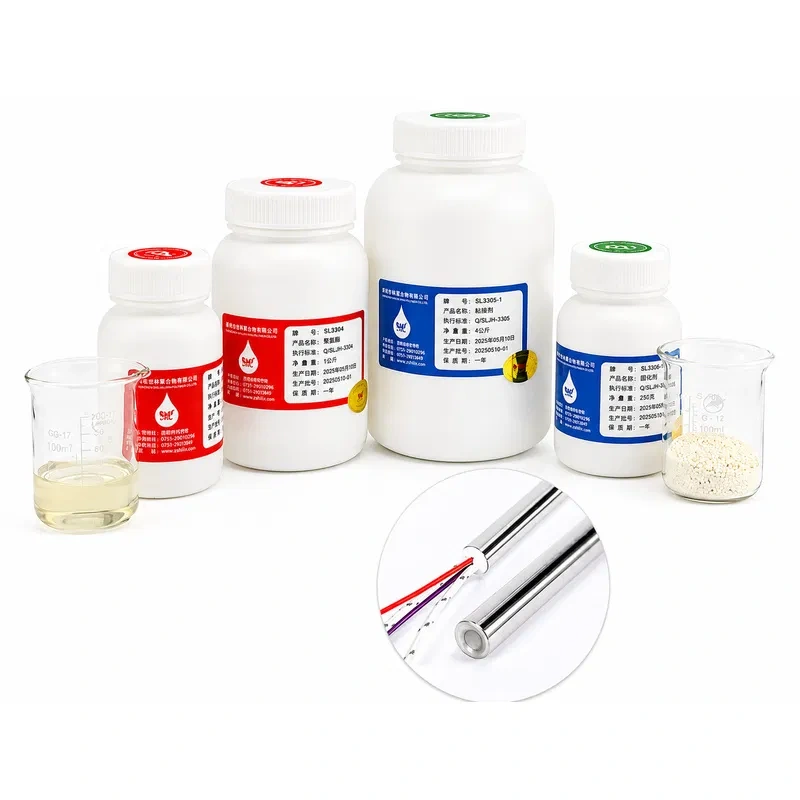
Heating element sealants are the last line of defense between the active core of a heater — the resistive wire and the magnesium oxide (MgO) insulation surrounding it — and the outside environment. Although they occupy only the last few millimeters at the terminal end of a tubular heating element, their quality largely determines service life, dielectric safety, and long-term reliability. Heatecx manufactures and supplies the four sealant families most widely used across the heating-element industry: ceramic glass sealant, high-temperature inorganic adhesive, RTV silicone sealant, and moisture-proof silicone oil — each formulated for a different temperature range, budget, and production process.
This datasheet consolidates the technical information a purchasing engineer, maintenance manager, or heater manufacturer needs to correctly specify the right sealant for heating elements: available types, service temperatures, selection criteria, moisture-related failure modes, and sourcing options.
Why sealing a tubular heating element is critical
The MgO powder used as internal dielectric insulation in tubular heaters is hygroscopic — it absorbs ambient moisture naturally if left exposed. This is the root cause behind why heaters fail from moisture ingress. Once moisture penetrates the MgO core, insulation resistance drops sharply, triggering:
- Current leakage and nuisance tripping of ground-fault protection.
- Progressive loss of amperage and effective heating output.
- Internal hot spots that degrade the NiCr wire and shorten service life.
- In severe cases, a short circuit between the resistive wire and the metal sheath, creating an electrical hazard for the end user.
A correctly applied heating element sealant creates a hermetic barrier at both tube ends, blocking moisture, vapors, oils, and chemical agents from the working environment while mechanically fixing the conductive terminals in place.
Types of dielectric sealants for industrial heaters
There are four main types of dielectric sealants for industrial heaters, each with its own application process, thermal range, and cost profile.
1. Ceramic glass sealant (fusion sealing)
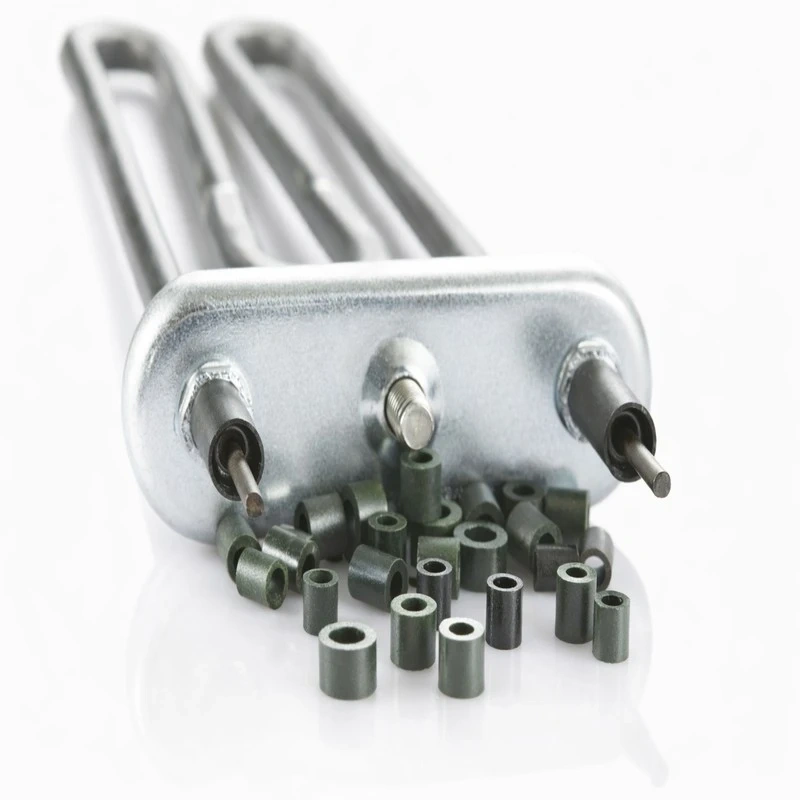
The ceramic glass hermetic sealant for heaters is pressed glass powder shaped into a ring or bead that is melted onto the heater terminal by direct flame heating or high-frequency induction, typically around 600 °C during the fusing step. Once vitrified, it forms a permanent, inert, lead-free seal between the outer metal sheath and the internal conductor. It's the preferred method on high-volume industrial production lines due to its repeatability and superior long-term moisture resistance.
2. Inorganic adhesive / high-temperature ceramic sealant
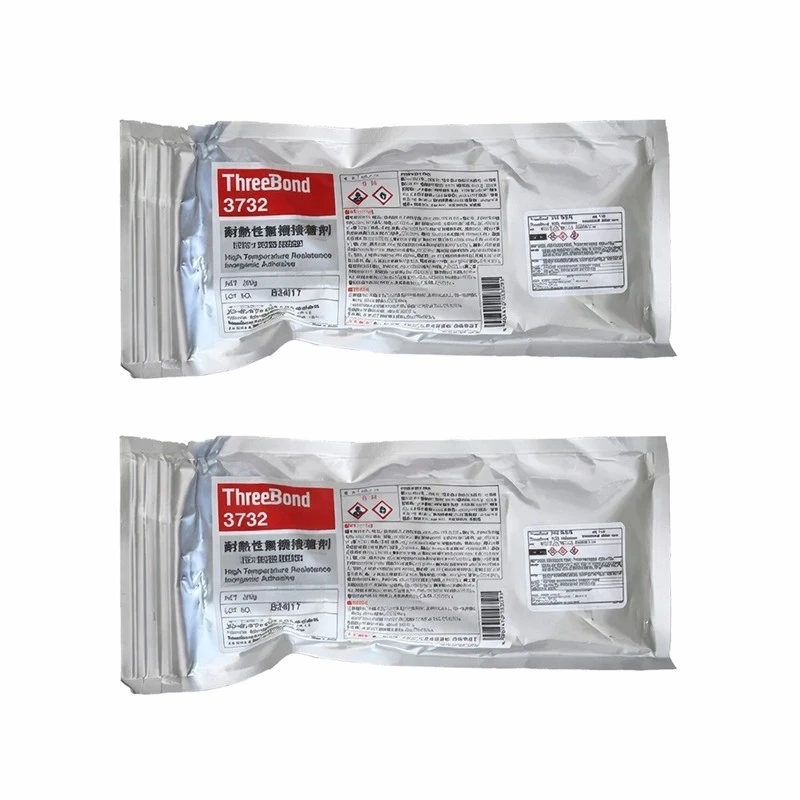
The 1400°C high-temperature inorganic sealant for heaters illustrates the epoxy vs. ceramic sealant difference at its most extreme: a 100% inorganic, single-component sealant formulated with metal alkoxides that cures at low temperature. Unlike organic epoxy resins — which degrade above roughly 200-250 °C — this ceramic-type sealant withstands up to 1400 °C without losing dielectric strength, resists oxidation, and generates minimal foam during application. It is applied as a putty or coating and is the go-to choice for cartridge heaters, immersion heaters, and electrical connections exposed to intense heat.
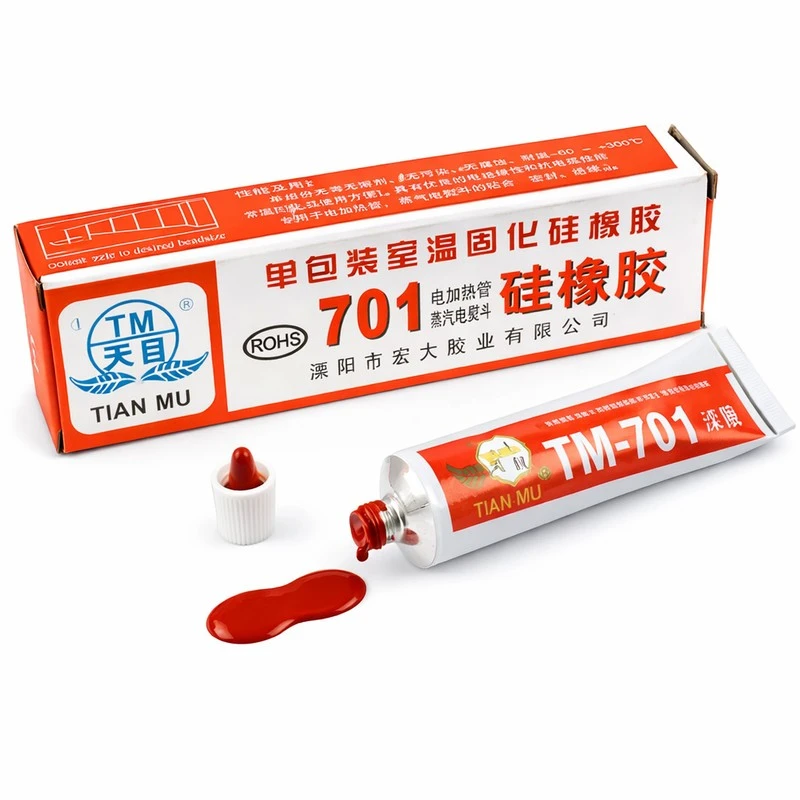
3. RTV silicone sealant (room-temperature vulcanizing)
The RTV silicone sealant for high-temperature insulation is a single-component silicone rubber, typically red, with high pre-cure viscosity that prevents slumping and allows precise application even on vertical surfaces. The RTV silicone max temperature for heating elements typically falls in the 250-300 °C range for continuous service, making it well suited to sealing electrical connections, junction boxes, cable glands, and providing extra insulation and protection on electromechanical components that never reach the extreme temperatures of a tubular heating element.
4. Moisture-proof silicone oil (formulation base)
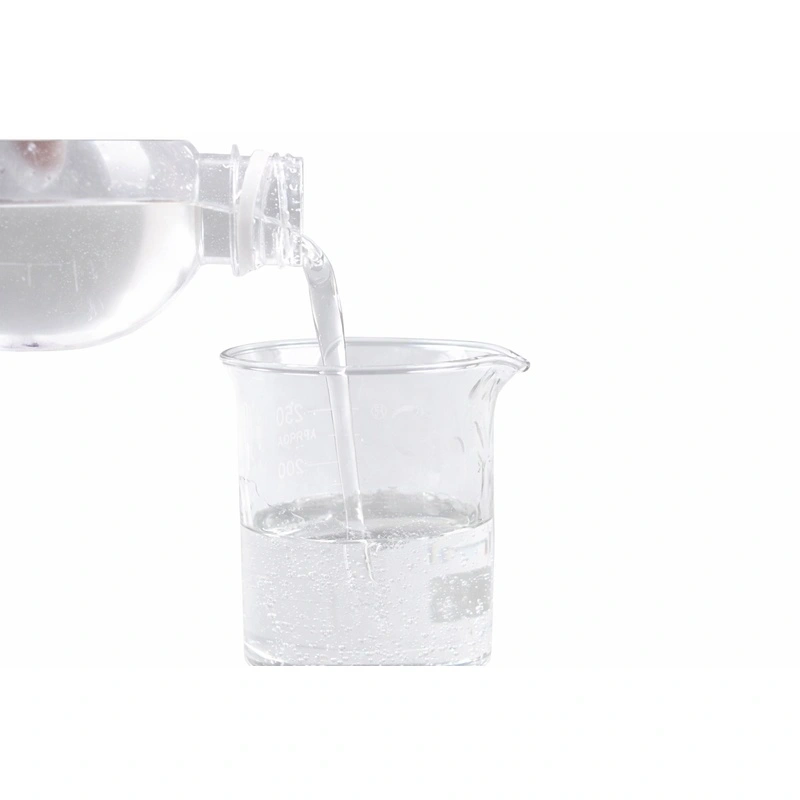
Silicone oil for electric heaters, a hydroxyl-terminated polydimethylsiloxane (PDMS), is not a directly applied sealant itself but the raw material base for formulating custom silicone rubber (RTV) sealants, adhesives, and coatings. Its thermal decomposition temperature exceeds 300 °C, with a recommended continuous service range up to 250 °C, and it functions as a chain extender and structural control agent in RTV sealant formulation.
RTV silicone vs. epoxy resin vs. ceramic sealant: technical comparison
For anyone evaluating the best sealant for high-temperature heating elements, this comparison of thermal and dielectric sealants summarizes the key differences between the available families:
|
Property
|
Ceramic glass
|
Inorganic / ceramic adhesive
|
RTV silicone
|
Conventional epoxy resin
|
|
Maximum temperature
|
Up to 1000-1200 °C
|
Up to 1400 °C
|
250-300 °C
|
150-250 °C
|
|
Application process
|
Flame or high-frequency fusion
|
Putty, coating, or filler
|
Cold extrusion, room-temperature cure
|
Two-component mix, thermal cure
|
|
Dielectric strength
|
Excellent
|
Excellent
|
Good
|
Good to moderate
|
|
Moisture resistance
|
Very high (permanent hermeticity)
|
Very high
|
High
|
Moderate (degrades with humidity and thermal cycling)
|
|
Post-cure flexibility
|
None (rigid, vitrified)
|
Low
|
High
|
Low
|
|
Typical application
|
In-line production of tubular heaters
|
Cartridge/immersion heaters, high-demand connections
|
Electrical connections, junction boxes, general use
|
Low-cost encapsulation and fixing at moderate temperatures
|
|
Relative cost
|
Medium
|
Medium-high
|
Low-medium
|
Low
|
In short: ceramic glass and inorganic adhesives dominate wherever thermal demand and lifetime hermeticity are the priority; RTV silicone is the most versatile option for maintenance work and moderate-temperature connections; and epoxy resin, while economical, is the least recommended choice for high-demand tubular heaters given its behavior under moisture exposure and thermal cycling.
How to seal a tubular heating element: application methods
The exact procedure depends on which sealant for heating elements is selected, but follows a common logic:
- Pre-drying the MgO. Before sealing, moisture absorbed by the magnesium oxide must be removed, typically through a controlled baking cycle.
- Cleaning the tube end. The surface is degreased with alcohol or acetone to ensure adhesion and dielectric integrity of the seal.
- Applying the sealant:
- Ceramic glass: the glass ring or bead is placed at the tube end and heated with a direct flame (approx. 600 °C, 15-20 seconds) or high-frequency equipment until fully fused.
- Inorganic adhesive: applied as a putty or coating directly onto the terminal and cured at low temperature.
- RTV silicone: extruded onto the area to be sealed and vulcanizes at room temperature within 30-120 minutes, depending on thickness and ambient humidity.
- Dielectric verification. Insulation resistance (megohmmeter) and leak-tightness are checked before commissioning.
Selection criteria: which sealant to use for each application
|
Application
|
Recommended sealant
|
|
High-volume in-line production of tubular heaters
|
Ceramic glass sealant
|
|
Cartridge or immersion heaters exposed to >400 °C
|
High-temperature inorganic adhesive (1400 °C type)
|
|
Field repair or maintenance of electrical connections
|
RTV silicone sealant
|
|
In-house formulation of silicone sealants or coatings
|
Moisture-proof silicone oil (PDMS)
|
|
Environments with constant humidity or partial immersion
|
Ceramic glass or inorganic adhesive (higher hermeticity)
|
|
Low/medium-temperature electromechanical components
|
RTV silicone
|
Quality, standards, and manufacturing
The ceramic sealants and inorganic adhesives manufactured by Heatecx undergo quality testing on cured stainless-steel plate samples, evaluated for cracking, delamination, and discoloration under a range of exposure conditions. This process traceability is why our sealants for industrial tubular heaters are trusted by manufacturers of flexible ceramic heaters, MoSi2 heating elements, and immersion heaters across Latin America, the United States, and Brazil — markets where Heatecx operates as a direct manufacturer and supplier from Shenzhen, China.
Pricing and sourcing options
Thermal encapsulation resin pricing, along with RTV silicone sealant and ceramic sealant costs, varies by volume, packaging format (cartridge, drum, bulk), and project-specific specifications (service temperature, viscosity, color, cure time). As a direct manufacturer, Heatecx offers flexible sourcing options for sample orders, maintenance batches, and recurring supply agreements for production lines.
Ready to source a sealant for your project?
If you need to buy sealant for tubular heating elements, are looking for a high-temperature dielectric silicone supplier, or want to request a quote for custom heating-element sealing paste, Heatecx's technical team — a manufacturer and industrial sealant distributor for heating elements — can help you select the right ceramic sealant for tubular heaters for your process. Contact us for a quote, or explore our related raw materials: industrial tubing, MgO for heating elements, high-temperature mica, and high-temperature cables — complementary materials in tubular heater manufacturing.