Industrial Tubing for Electric Heating Elements and High-Temperature Applications
Tubing is, alongside resistance wire and electrical insulation, one of the three structural components of any industrial electric heating element. In a tubular heater it acts as the outer sheath; in a quartz infrared lamp, it is simultaneously the enclosure and the medium through which radiant heat is transmitted; in an HVACR system, it is the very conduit the working fluid flows through. Choosing the right material — quartz, stainless steel, or copper — is not a catalog preference. It determines the maximum service temperature, the chemical resistance of the assembly, the expected service life, and in many cases the safety of the entire process.
At Heatecx we supply the three tube families that cover practically the whole of the electric heating and climate-control industry: transparent, opaque, translucent and capillary quartz tube, industrial-grade stainless steel tubing, and copper tubes for HVACR and heat exchange. This guide explains how they differ, when each one is the right call, and how they integrate with the rest of a heating-element build.
Quartz, Stainless Steel and Copper Tubing: Technical Comparison
There is no single "best tube" in the abstract — there is the right tube for the temperature, the atmosphere, and the function it has to perform. The table below summarizes the differences that matter most at the design stage:
|
Property
|
Quartz Tube (SiO₂ ≥99.99%)
|
Stainless Steel Tube (304/316/310S)
|
Copper Tube
|
|
Max. continuous temperature
|
~1100°C (2012°F)
|
Up to 425°C / 800°F (304/316); up to 800–1100°C (310S/321)
|
Melting point ~1085°C, but in practice limited by brazed joints
|
|
Peak short-duration temperature
|
~1450°C (2642°F)
|
Depends on refractory grade
|
N/A (typical use well below melting point)
|
|
Optical transparency
|
Yes, up to >90% (170–2500 nm)
|
No
|
No
|
|
Chemical resistance
|
Excellent against acids, poor against strong hot alkalis
|
Very good, superior in 316L against chlorides
|
Good, but sensitive to ammonia and certain acids
|
|
Thermal conductivity
|
Low (1.38 W/m·K) — acts as insulator/enclosure
|
Moderate
|
Very high — its main competitive advantage
|
|
Mechanical strength / brittleness
|
Brittle, fractures on impact
|
High mechanical and pressure resistance
|
Ductile and malleable, forms without cracking
|
|
Electrical insulation
|
Excellent (>10¹⁶ Ω·cm)
|
Conductive (does not insulate)
|
Conductive (does not insulate)
|
|
Typical use in heating elements
|
Enclosure for infrared lamps and heating elements
|
Sheath/casing for tubular and immersion heaters
|
Essentially none in heating elements; its domain is HVACR
|
|
Use outside heating elements
|
Semiconductors, optics, lab equipment, UV-C
|
Chemical processing, food, pharma, structural
|
Refrigeration, air conditioning, heat exchangers
|
That table sets the starting rule: if the tube needs to insulate electrically while letting radiant heat through, the answer is almost always quartz. If it needs to shield a heating element mechanically or withstand pressure and chemical attack, the answer is stainless steel. If the job is carrying and transferring heat from a fluid, copper has no practical rival in HVACR.
Quartz Tube: the Go-To Solution for Infrared Heating Elements and High-Temperature Work
Within the tube lineup, quartz deserves its own section because it is, by a wide margin, the material most used in infrared heating-element manufacturing and in any application where the operating temperature exceeds what an organic or polymeric insulator can survive.
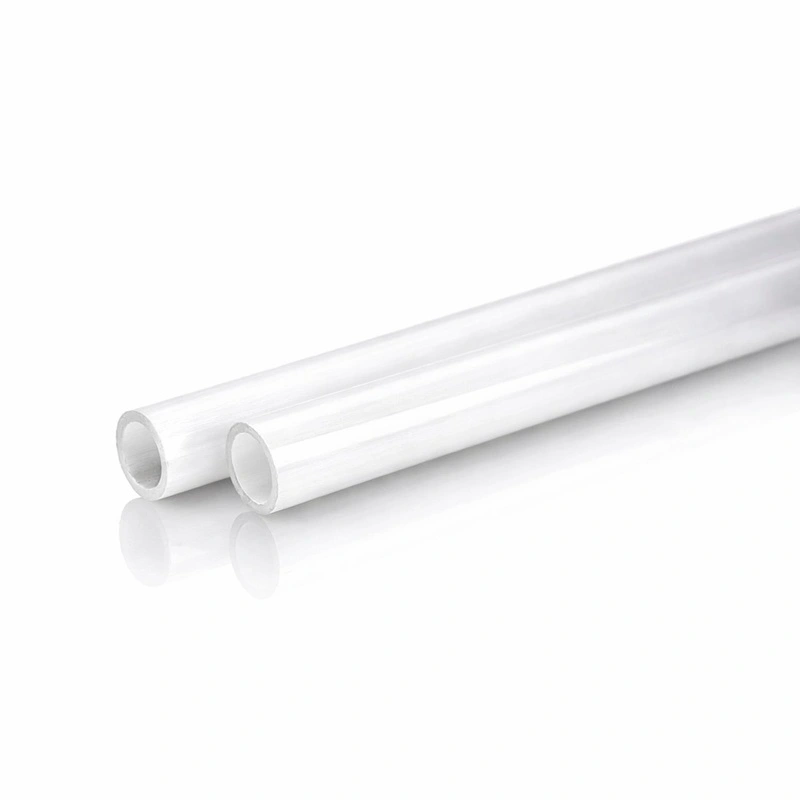
Quartz tube is made from fused silica (SiO₂) with a purity above 99.99%, which gives it a combination of properties no other material on this list matches at once: optical transparency from deep UV through near-infrared, an extremely low coefficient of thermal expansion (~5.5 × 10⁻⁷/°C), and very high dielectric strength (>10¹⁶ Ω·cm). That last property is exactly what makes it the ideal enclosure for the resistive filament inside an infrared lamp or heating element: it electrically isolates the filament from the outside while letting radiant heat pass through unobstructed — something no metal tube can offer.
In practice, quartz tube is the core component of quartz infrared heating elements: the resistive filament — typically Ni-Cr or Fe-Cr-Al resistance wire — sits inside the tube, which doubles as a vacuum or controlled-atmosphere chamber, an electrical insulator, and an infrared transmission window. It can run continuously at 1100°C and withstand short peaks up to 1450°C without softening, and its very low thermal expansion lets it absorb severe thermal shock — going from glowing red-hot to rapid cooling — without cracking, which matters in intermittent-heating processes.
Beyond heating elements, quartz tube is indispensable in semiconductor diffusion furnaces and chemical vapor deposition (CVD) systems, in photochemical reactors, in UV-C germicidal lamps, and as a protective sheath for thermocouples in extreme-temperature environments — applications where no metal or polymer tube could substitute without sacrificing purity, transparency, or thermal resistance.
It ships in four main variants, each suited to a different need:
- Transparent: maximum optical transmission; ideal for photochemical reactors and monitoring systems.
- Opaque: uniform diffusion and protection from direct radiation.
- Translucent: the preferred balance for heating elements and furnaces, diffusing heat without sacrificing efficiency.
- Capillary: high dimensional precision for microfluidics, chromatography, and lab analysis.
Stainless Steel Tubing: Shielding and Mechanical Strength for Demanding Environments
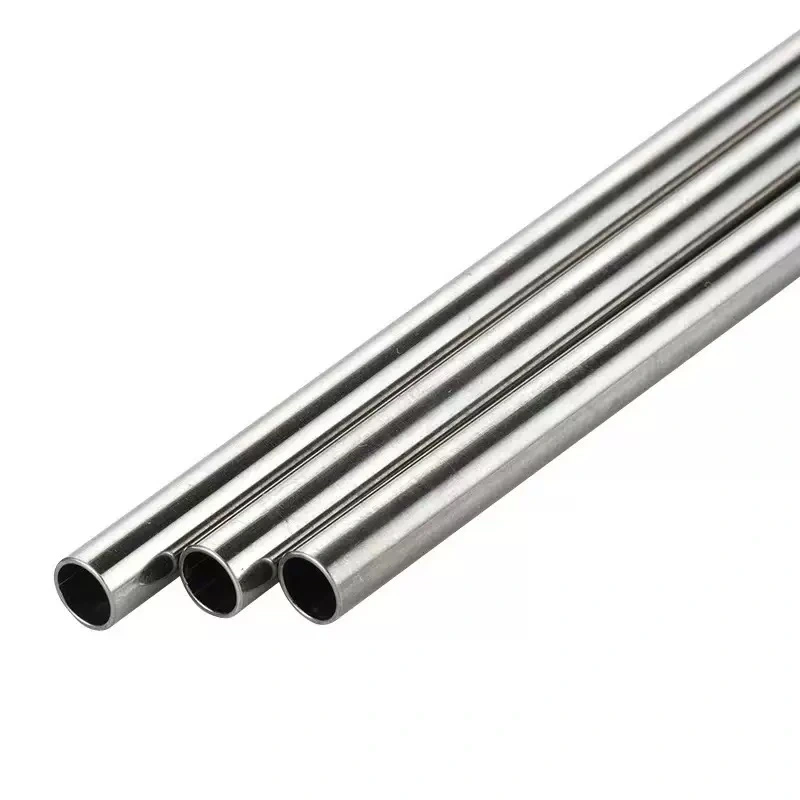
When the tube's job isn't to transmit radiation but to contain and protect — whether that's a resistive filament, a pressurized fluid, or an aggressive chemical process — stainless steel is the technical reference point. Stainless steel tubing serves as the outer sheath in the vast majority of tubular and immersion heaters on the market: it protects the MgO powder fill and the resistance wire from oxidation while transferring the heat generated internally to the working medium — air, water, oil, or solids.
Choosing the right grade is the most consequential technical decision: 304, 316L and 321 are the standard grades for immersion heaters and general applications, while 310S is reserved for dry-heat processes at extreme temperatures, where its higher chromium and nickel content keeps its mechanical properties intact above 800°C. The difference between 304 and 316 — molybdenum content — is what determines pitting-corrosion resistance in the presence of chlorides, a decisive factor in coastal, chemical, or marine environments.
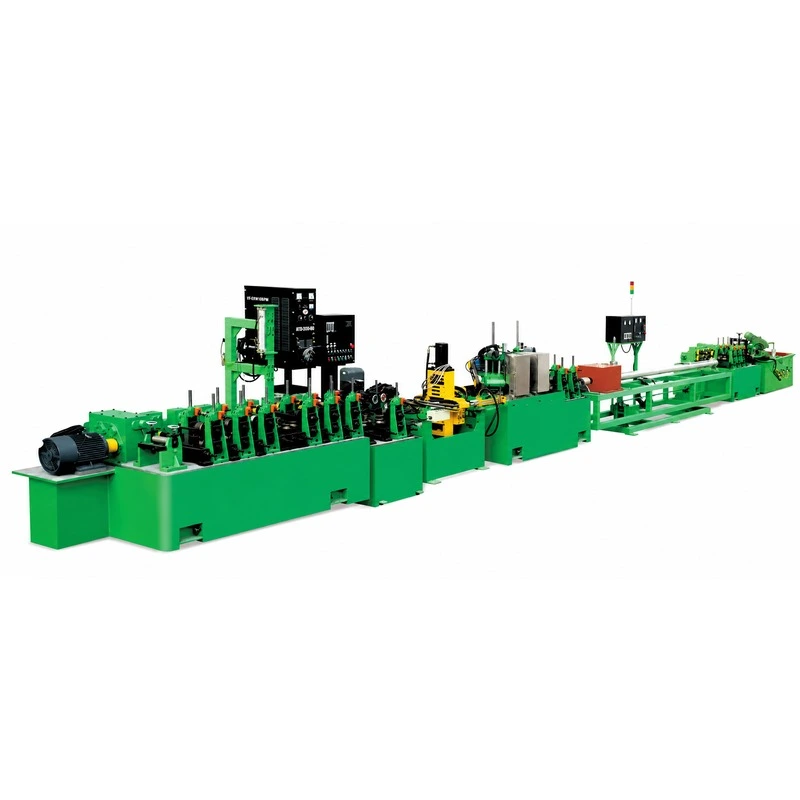
These tubes are manufactured using precision laser or TIG welding, cold-drawn to refine grain structure and improve surface finish, and bright-annealed to relieve internal stress without oxidizing the surface. Quality control includes eddy-current testing, hydrostatic pressure testing, ultrasonic inspection, and PMI spectrographic analysis to confirm the chemical composition matches the specified grade exactly.
Copper Tubing: Thermal Conduction for HVACR and Heat Exchange
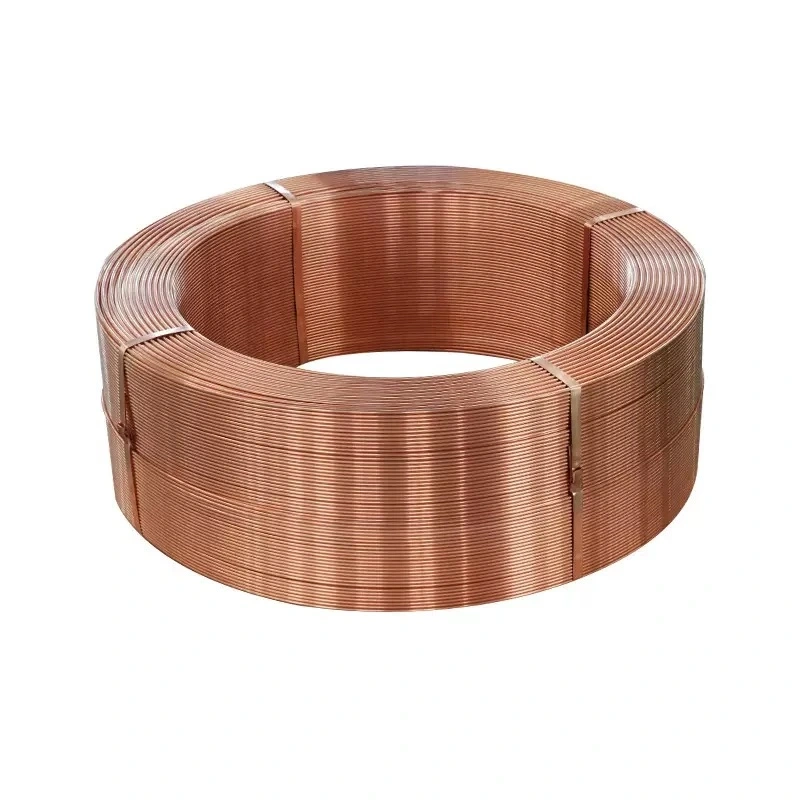
Copper occupies a different space in the tube lineup: it doesn't compete with quartz or stainless steel in heating elements, but it is practically irreplaceable in refrigeration, air conditioning, and heat exchange. Its thermal conductivity — far higher than any steel — maximizes energy transfer in evaporators and condensers, while its ductility lets it be bent and formed without extra fittings, reducing potential leak points.
Copper tubing for HVACR is supplied in coil form (ideal for split and inverter units), straight lengths (for VRV/VRF systems and central climate control), insulated with elastomeric foam, and in capillary form as an expansion device. It meets international standards such as ASTM B280 and EN 12735-1/2, and it's compatible with the full range of modern refrigerants (HFC, HCFC, HFO, CO₂, and hydrocarbons).
How to Choose the Right Tube for Your Application
- Define the tube's function before the material. Does it need to insulate electrically while transmitting radiant heat (quartz), mechanically shield a filament or withstand pressure (stainless steel), or carry and transfer heat from a fluid (copper)?
- Establish the real service temperature, not just the occasional peak. A 304 stainless tube rated for 425°C continuous can fail prematurely if the actual process hits 600°C peaks — in that case, the right call is 310S, 321, or quartz where the application allows it.
- Consider the surrounding atmosphere and chemistry. Chlorides and coastal environments call for 316L over 304; strong hot alkalis are incompatible with quartz; ammonia-based refrigerants require a careful look at copper alternatives.
- Evaluate the expected thermal shock. If the process involves abrupt heating/cooling cycles, quartz's very low expansion coefficient is a decisive advantage over metals.
- Confirm the dimensional tolerances and surface finish the final assembly needs — an internally polished tube reduces friction and scaling in fluid systems; an electropolished finish is preferable for ultra-clean applications.
From Raw Tube to Finished Component: Processing and Machinery
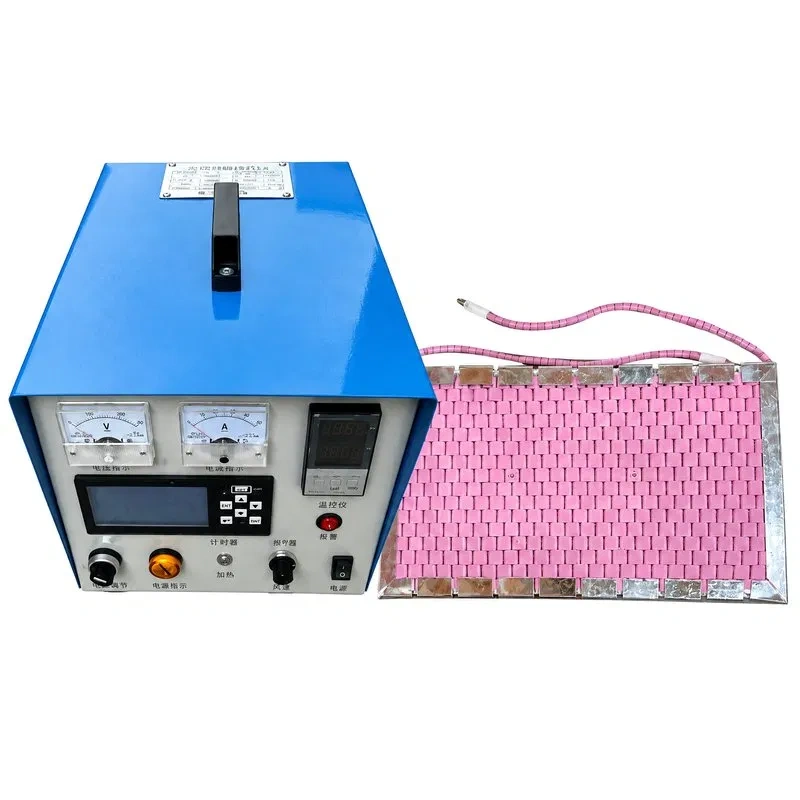
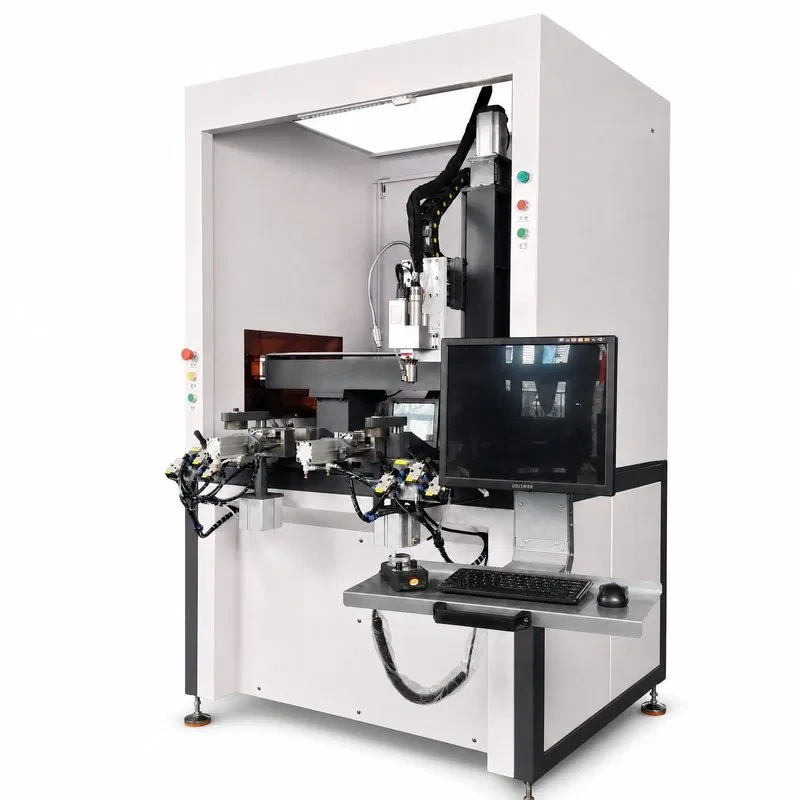
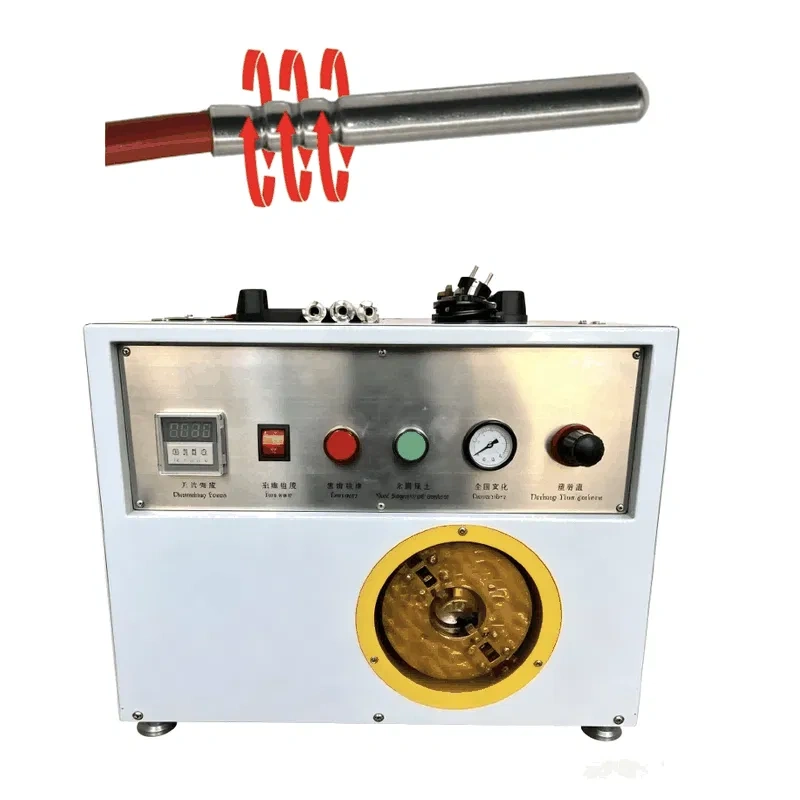
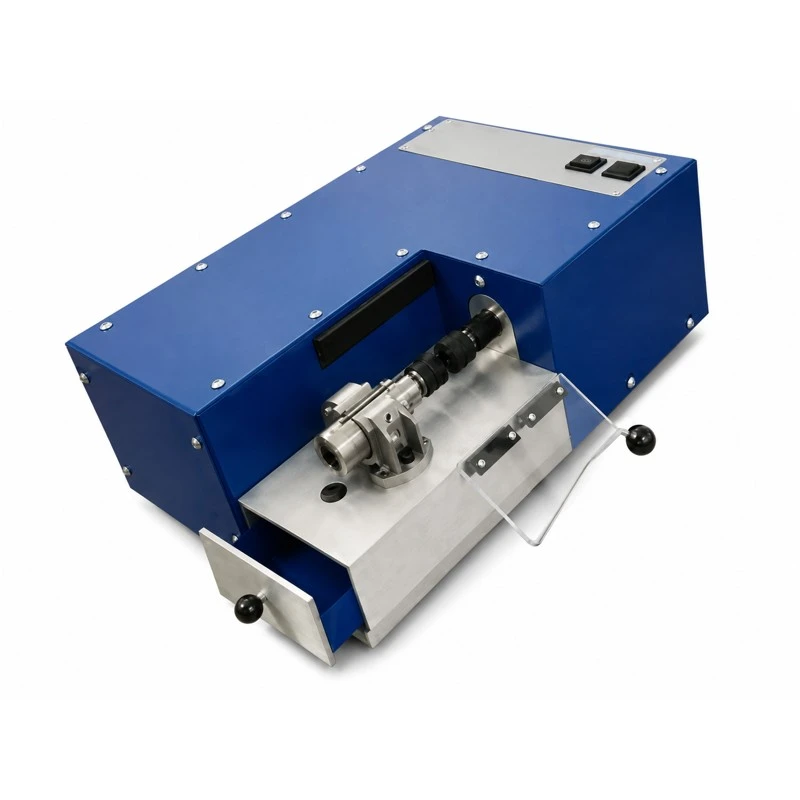
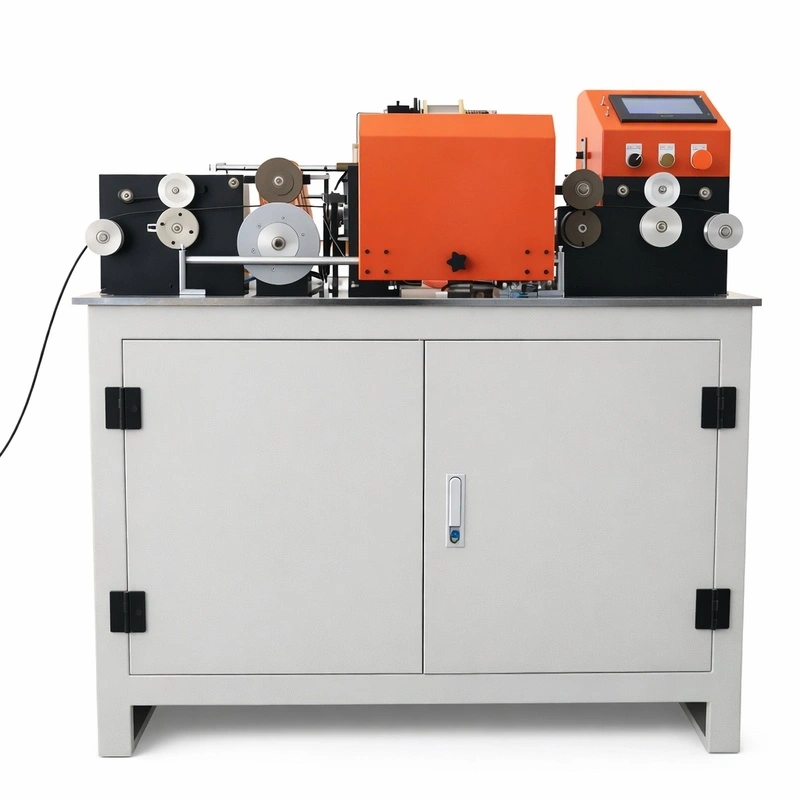
A tube rarely gets installed exactly as it leaves the mill. Before it becomes part of a heating element or an HVACR system, it typically goes through several machining steps — something Heatecx also covers with dedicated equipment: burr-free precision cutting on semi-automatic tube cutting machines, bending to different angles on tube bending machines, removal of burrs and sharp edges on deburring machines, and surface finishing on tube polishing machines that improve both appearance and corrosion resistance in the finished part.
For tubular heating elements specifically, the metal tube — already cut and end-prepped — receives the resistance wire, centered with guide tubes during the MgO powder filling process, and in many designs it's paired with complementary insulation such as mica, technical ceramics, or high-temperature sleeving to protect exposed sections outside the tube itself.
Industrial Applications of Tubing
- Industrial electric heating elements: quartz in infrared lamps and panels; stainless steel in tubular, cartridge and immersion heaters.
- Semiconductors and microelectronics: diffusion furnaces and CVD systems built from high-purity quartz.
- HVACR and industrial refrigeration: copper in evaporators, condensers, and heat exchangers.
- Chemical and pharmaceutical processing: 316L stainless steel in reactors, distillation columns, and process piping.
- Laboratory and optics: quartz capillary tubes for chromatography, spectroscopy, and optical systems.
- Sterilization: transparent quartz tube in UV-C germicidal lamps for water, air, and surfaces.
- Process instrumentation: stainless steel tubing as thermowells for thermocouples and sensors in furnaces and boilers.
At Heatecx we work with all three tube families under custom specifications — diameters, wall thicknesses, lengths, and finishes — backed by the cutting, bending, polishing, and deburring machinery needed to take a tube from raw stock to a component ready to assemble into your heating element or climate-control system.