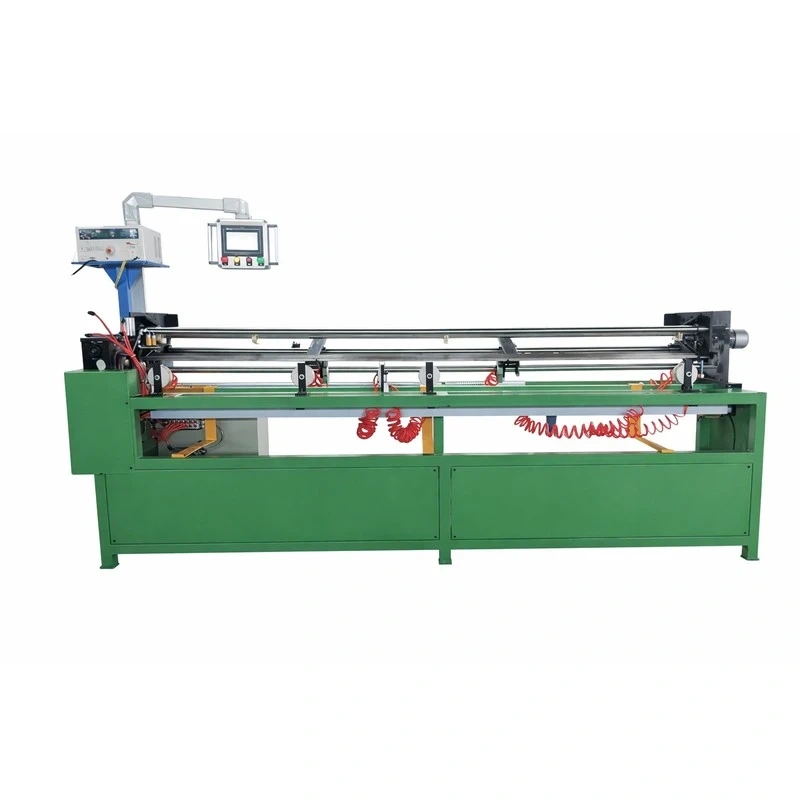
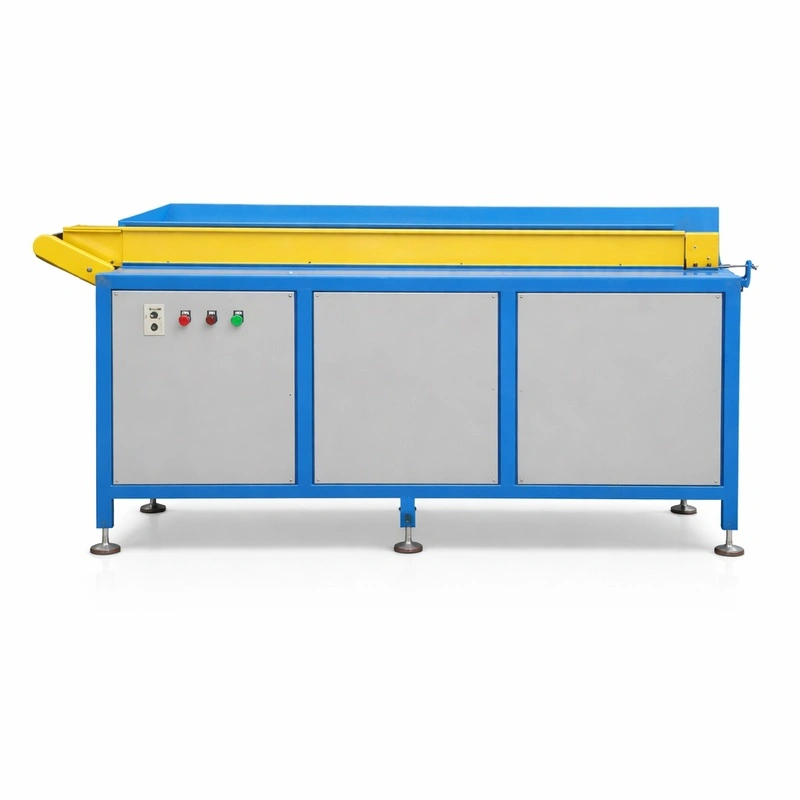
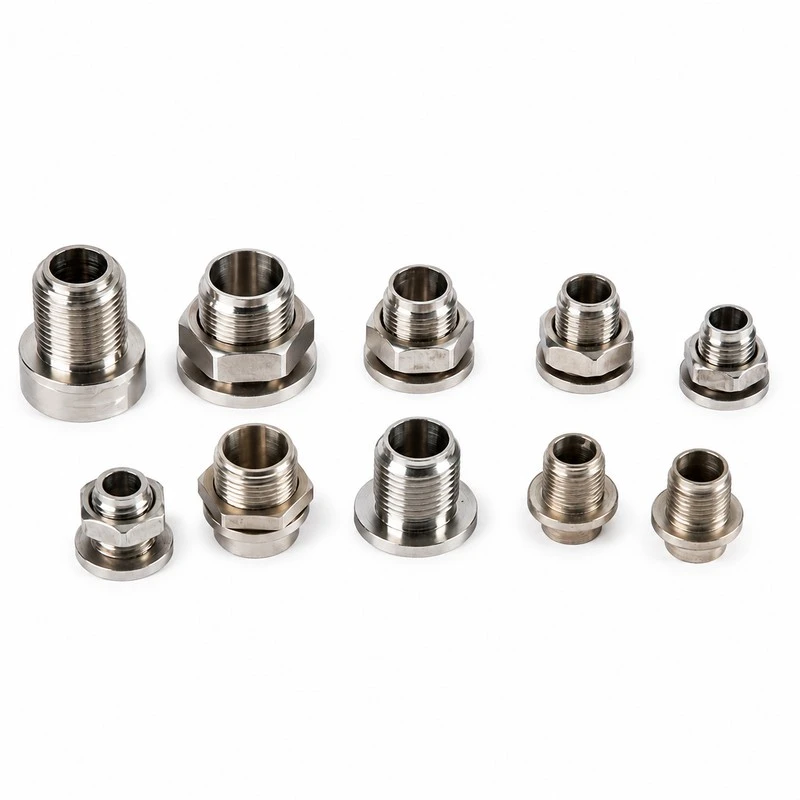
Overview of heater and tube feeding machines
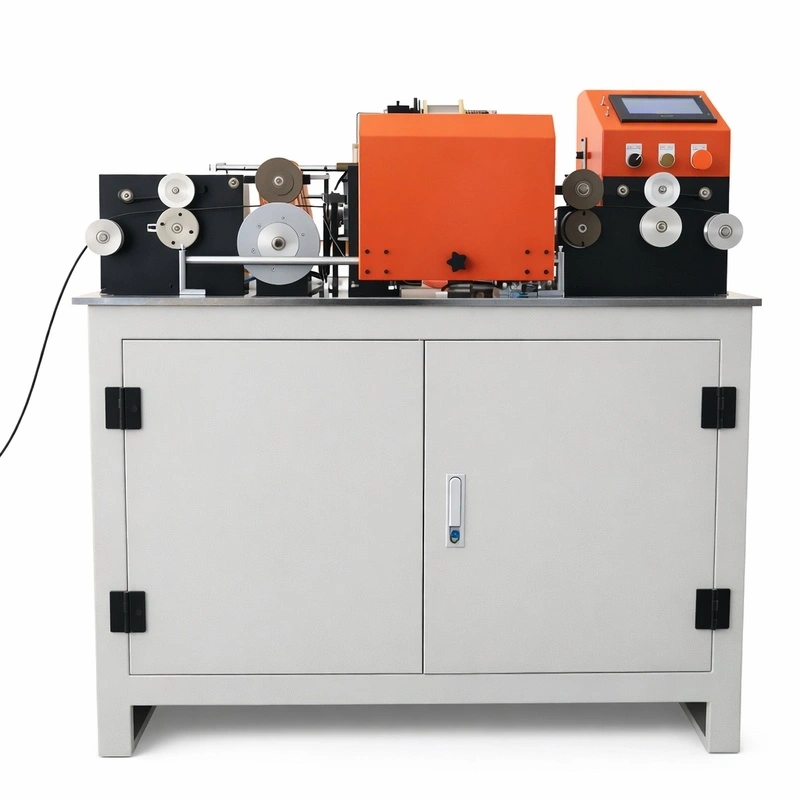
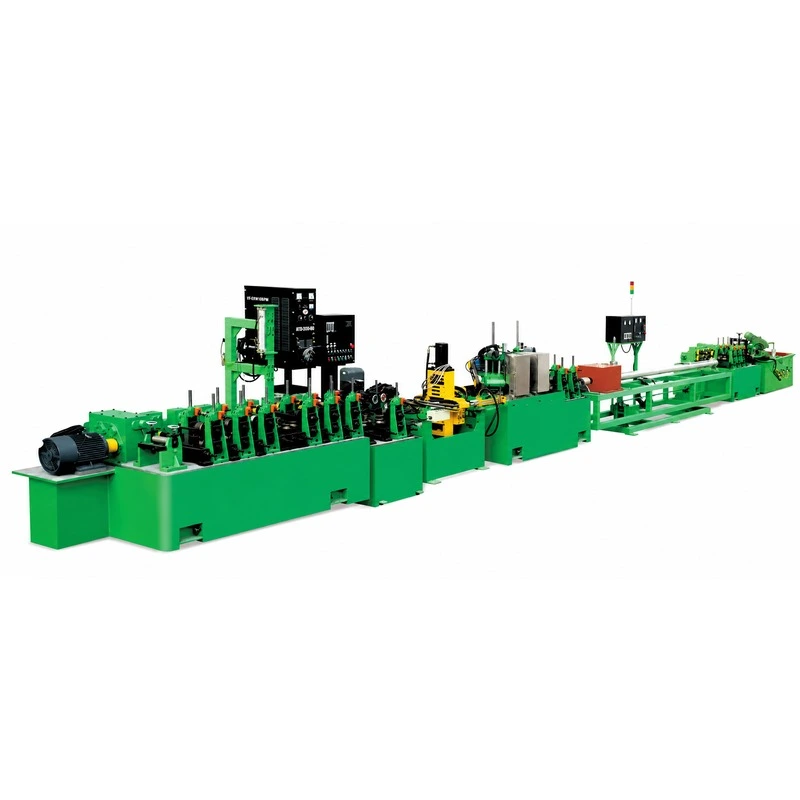
In high-volume tubular heating element manufacturing, manual parts handling between processing stages represents a significant bottleneck and introduces contamination risks. Automated resistance and tube feeding machines are industrial material handling systems engineered to receive, orient, and meter sheathed tubes—typically right after the MgO powder-filling process—and seamlessly convey them to downstream machinery, such as rolling or swaging mills.
By utilizing rugged conveyor tracks, gravity-fed indexing ramps, or pneumatic gantry arms, these feeders guarantee a continuous supply of components without operator intervention. Integrating a Heatecx feeding system drastically enhances hourly production throughput while cushioning the un-swaged metal sheaths against sudden impacts that could potentially displace the internal resistance coils before final reduction.
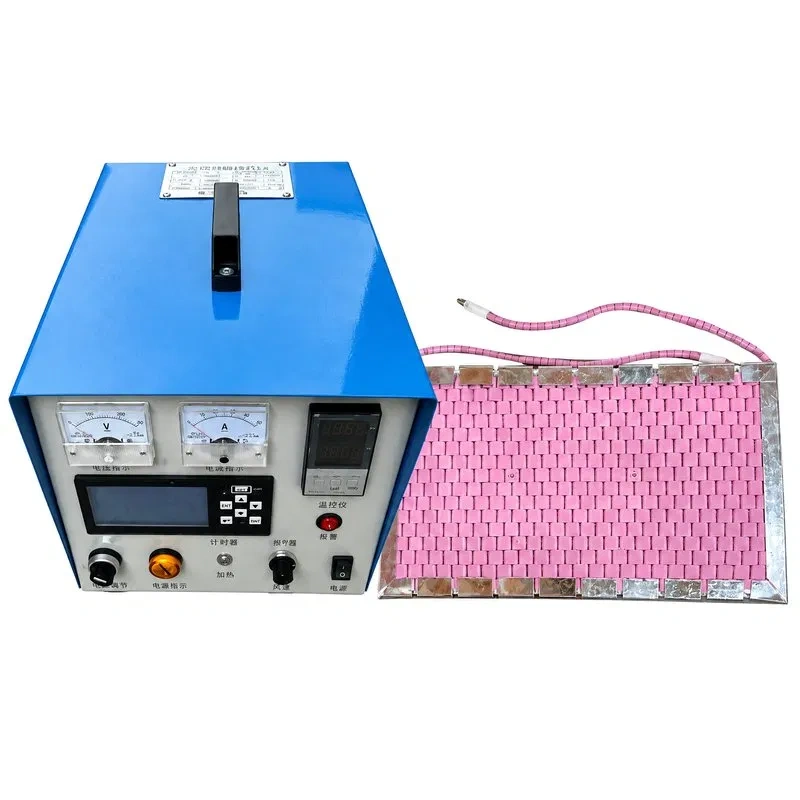
Overview of heating element testing machines (Hi-Pot test)
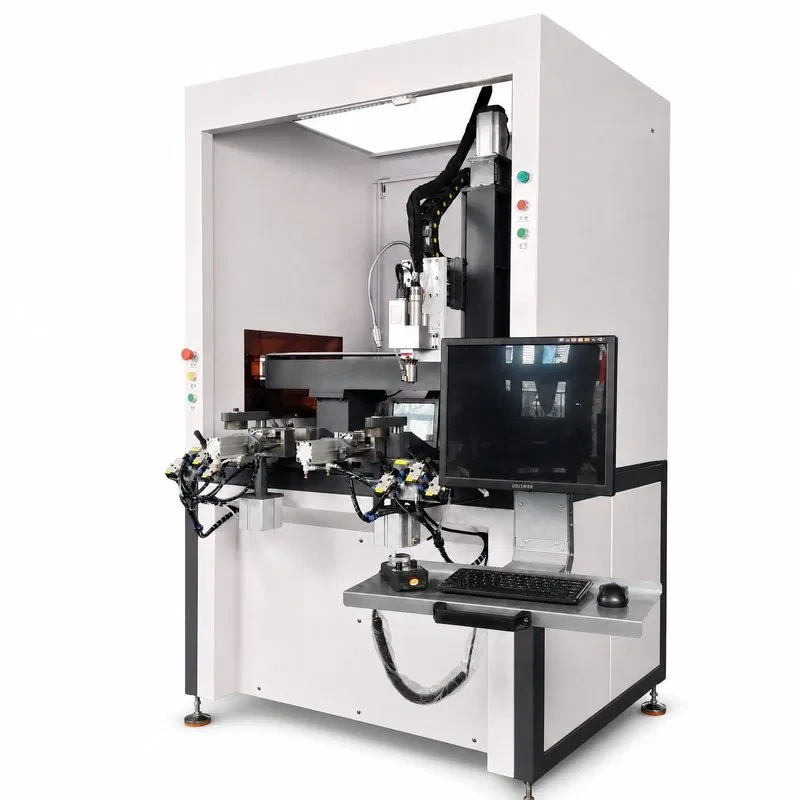
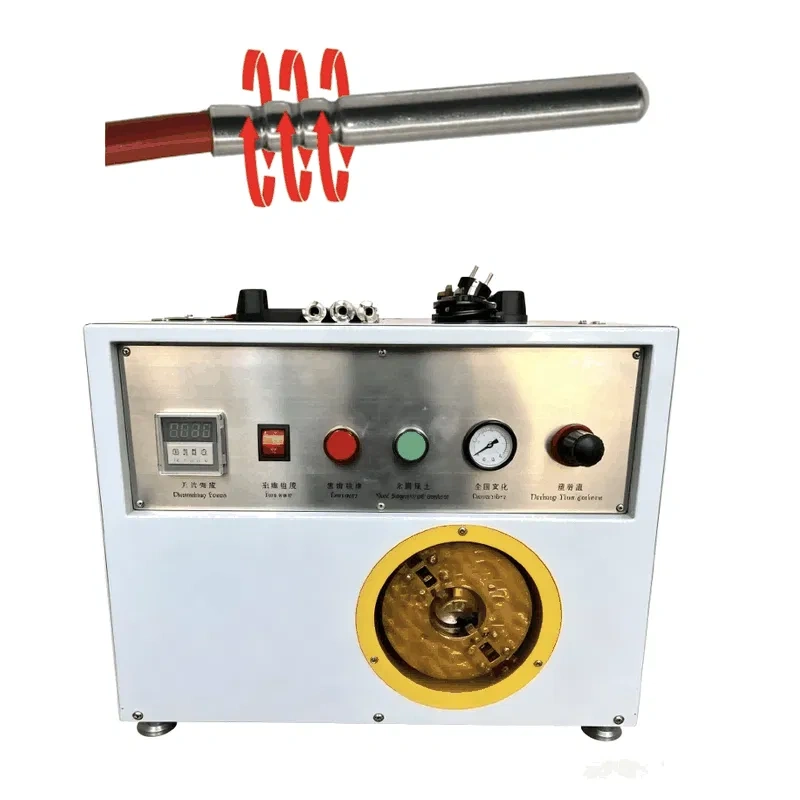
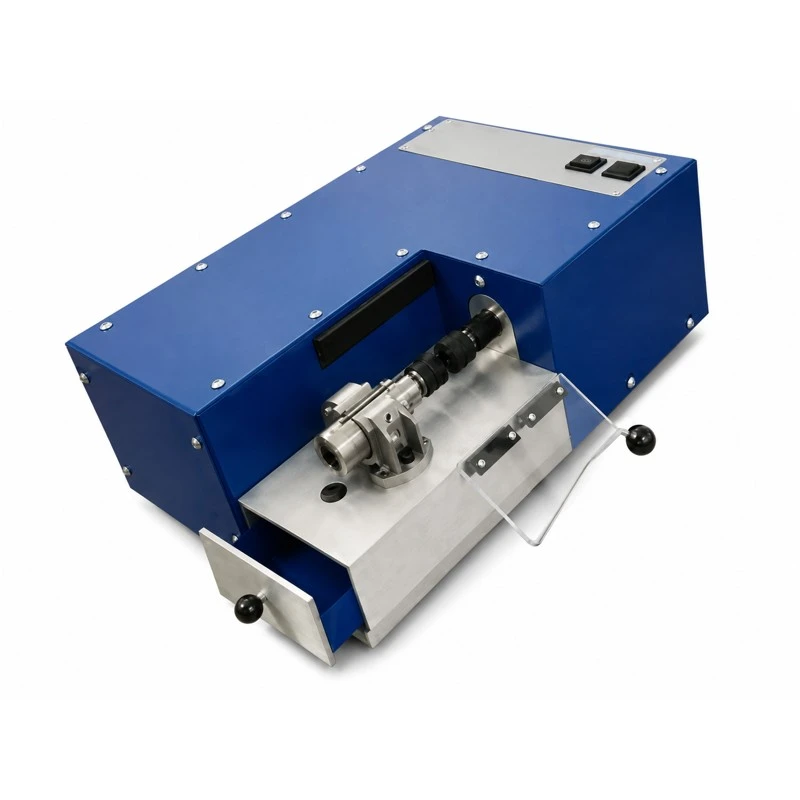
Quality control in electrical component manufacturing demands absolute certainty. Automated resistance testing machines are high-precision diagnostic stations designed to execute thorough electrical test sequences on every finished or semi-finished heating element, focusing on high-voltage dielectric analysis—universally known as the Hi-Pot (High Potential) test—alongside ohmic resistance verification.
The testing apparatus functions autonomously within seconds: pneumatic contact clamps engage the element’s terminal pins, introducing a controlled high-voltage potential between the internal Nichrome resistance wire and the protective outer metallic sheath. Advanced onboard PLC processors monitor current behaviors in real-time to immediately validate if the component meets architectural tolerances or if it fails structural criteria.
Importance of Hi-Pot testing in heating elements
The Hi-Pot test is not a superficial verification protocol; it is the single most critical electrical safety and performance appraisal in industrial heater manufacturing. Its engineering necessity is rooted in three primary factors:
- Dielectric Strength Validation: It confirms that the compressed Magnesium Oxide (MgO) insulation layer maintains the necessary thickness and structural density to contain operational voltages, verifying the complete absence of internal electrical arcing.
- Leakage Current Detection: The testing sequence measures trace current leakage migrating to the outer metallic sheath down to microampere (µA) thresholds, safeguarding end-users against hazardous shocks and securing compliance with international regulatory codes (UL, CE, IEC).
- Subsurface Defect Isolation: It exposes latent manufacturing faults invisible to visual inspection, such as off-center resistance coils, metallic microscopic debris within the powder matrix, or internal sheath micro-fractures that would prompt instantaneous component failure upon field energization.
Options and customization for production line integration
Industrial factory layouts and target cycle times vary significantly across manufacturing facilities. Consequently, Heatecx hardware platforms provide versatile modular adaptations for streamlined deployment into smart Industry 4.0 production environments:
- Dynamic Speed Synchronization: Control architectures allow the feeding systems and testing blocks to modulate their throughput velocities automatically to match the intake speeds of rolling/swaging mills, establishing a continuous one-piece flow.
- Automated Reject Separation Modules: Should a heating element fail to clear the programmed Hi-Pot parameters, a synchronized pneumatic ejector mechanism diverts the defective part into a locked containment bin, physically barring it from advancing to subsequent operations.
- Data Logging and MES Connectivity: Optional additions include barcode/QR scanning integration and secure cloud data routing. This logs exact ohmic readings and leakage data for every serialized element, providing bulletproof traceability for quality audits.