Industrial Machinery for Electric Heating Element Manufacturing
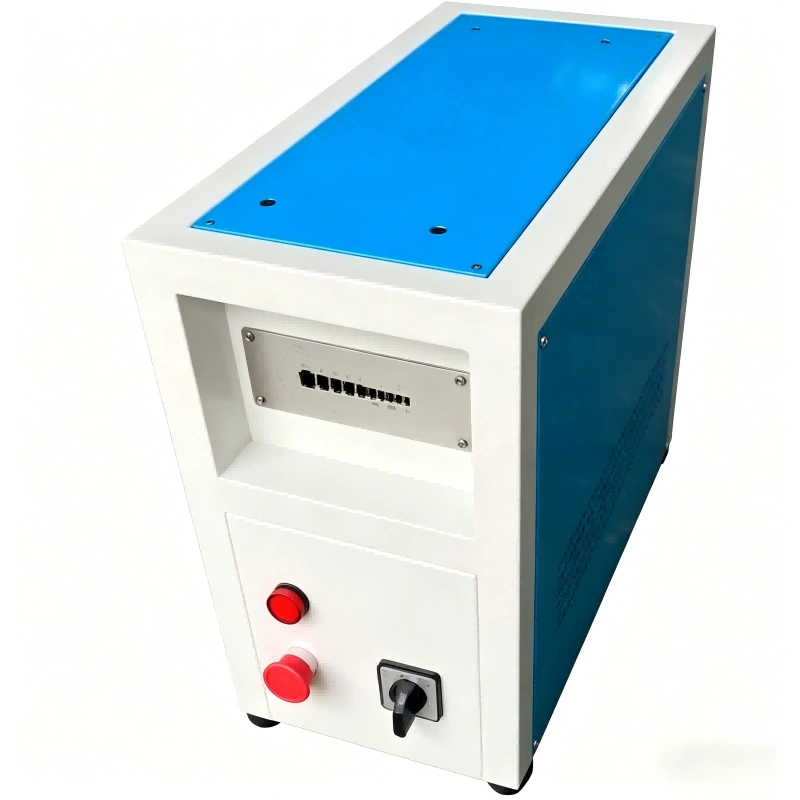
Heatecx designs and builds complete industrial machinery for the production of electric resistance heaters and heating elements: from magnesium oxide (MgO) filling to terminal assembly, including coil winding, bending, tube machining, and laser marking. Our range of heating element machinery covers the 20 critical stages of the production process, allowing manufacturers of tubular, cartridge, mineral-insulated (MI), band, and immersion heaters to build partial or fully automated lines matched to their production volume and the materials they process (Incoloy, Inconel, stainless steel, copper, titanium).
Unlike a generic machinery distributor, Heatecx engineers every machine around the specific metallurgy and geometry of heating elements: tube diameter tolerances, the behavior of NiCr resistance wire under winding tension, uniform compaction of MgO powder, and control of thermal distortion during annealing. This vertical integration — we also manufacture the raw materials (wire, MgO powder, ceramics, tubing) these machines process — lets us tune each machine to the material's real-world behavior rather than a generic mechanical spec sheet.
Available Machine Categories
The table below summarizes the 20 machinery families we manufacture, organized by their function within the heating element production process:
|
Machine
|
Primary Function
|
Product Page
|
|
MgO Filling Machine
|
Compaction of magnesium oxide powder inside the metal tube
|
View machine
|
|
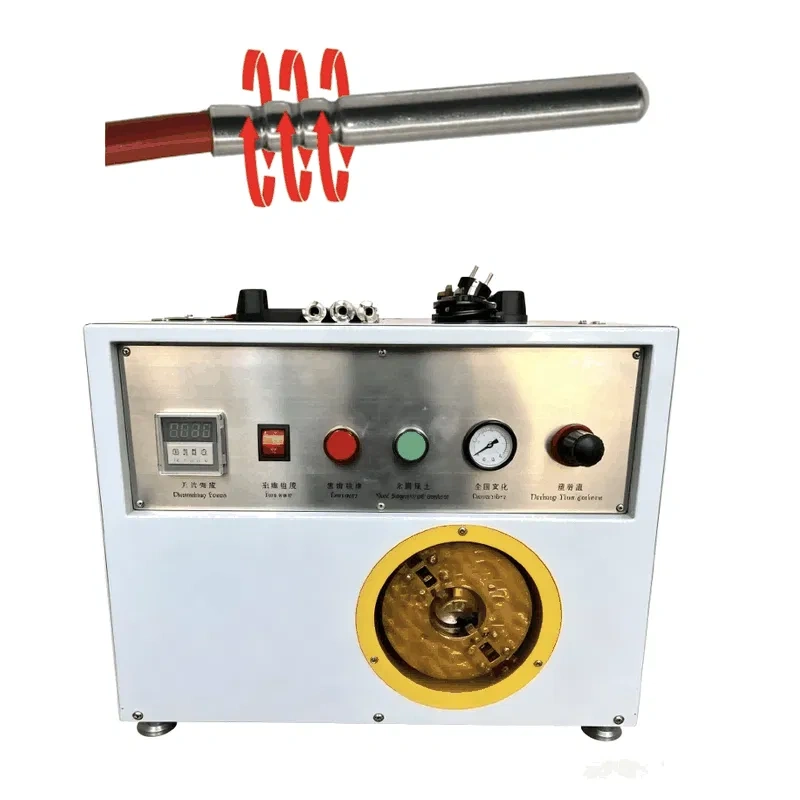
Reducing Mill
|
Diameter reduction and core densification after MgO filling
|
View machine
|
|
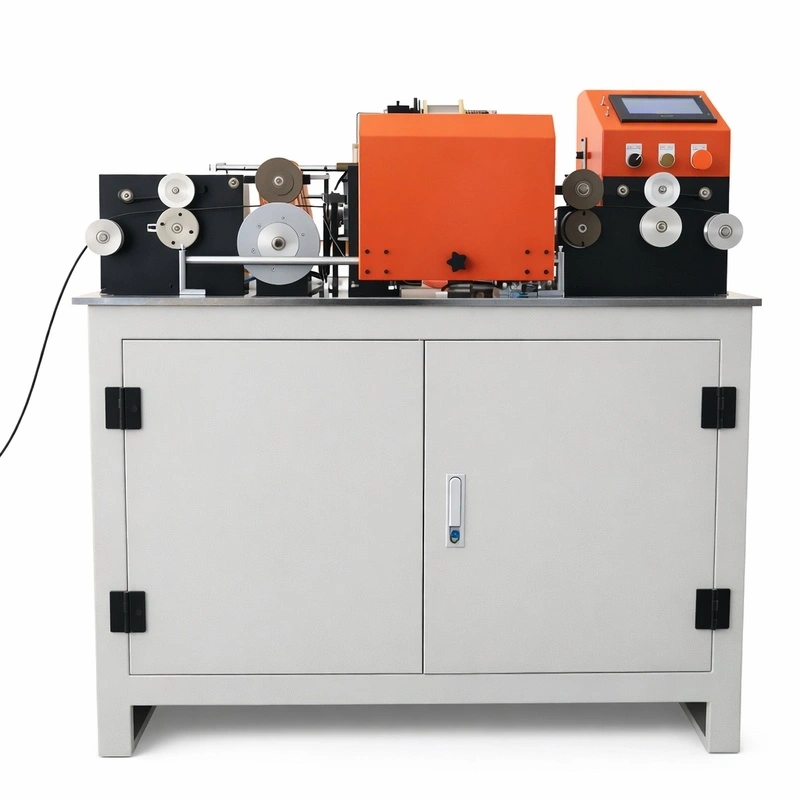
Coiling Machines
|
Precision winding of resistance wire (NiCr, FeCrAl) onto a core or mandrel
|
View machine
|
|
Bending Machines
|
Forming of tubes and flat heaters into curved or helical geometries
|
View machine
|
|
Straightening Machines
|
Correction of residual curvature in tubes and wire prior to machining
|
View machine
|
|
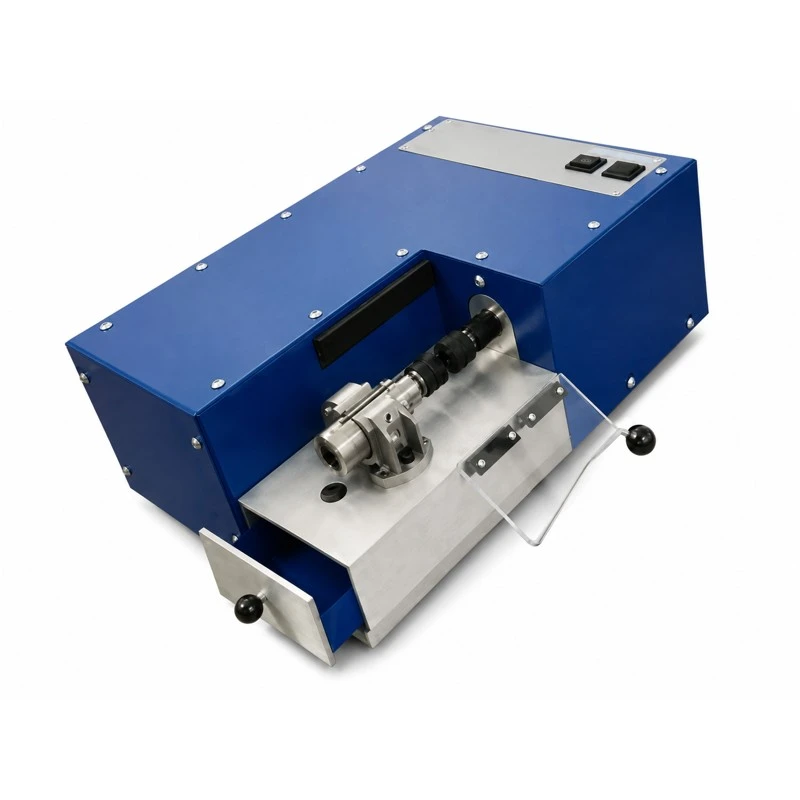
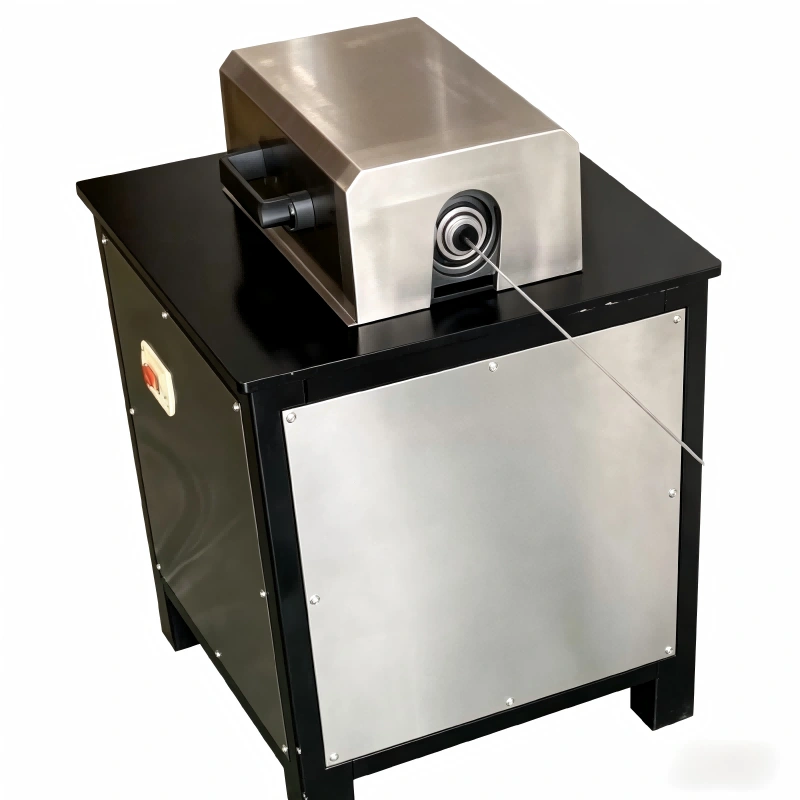
Trimming Machine
|
Precision machining of ends and threads on tubular heaters
|
View machine
|
|
Polishing Machines
|
Surface finishing (satin to mirror) of tubes and metal profiles
|
View machine
|
|
Deburring Machines
|
Burr removal after cutting on tubes and metal profiles
|
View machine
|
|
Tube Cutting
|
Precision dimensional cutting of metal tubes prior to filling or machining
|
View machine
|
|
Tube Drawing Machines
|
Diameter reduction and dimensional tolerance adjustment of tubes
|
View machine
|
|
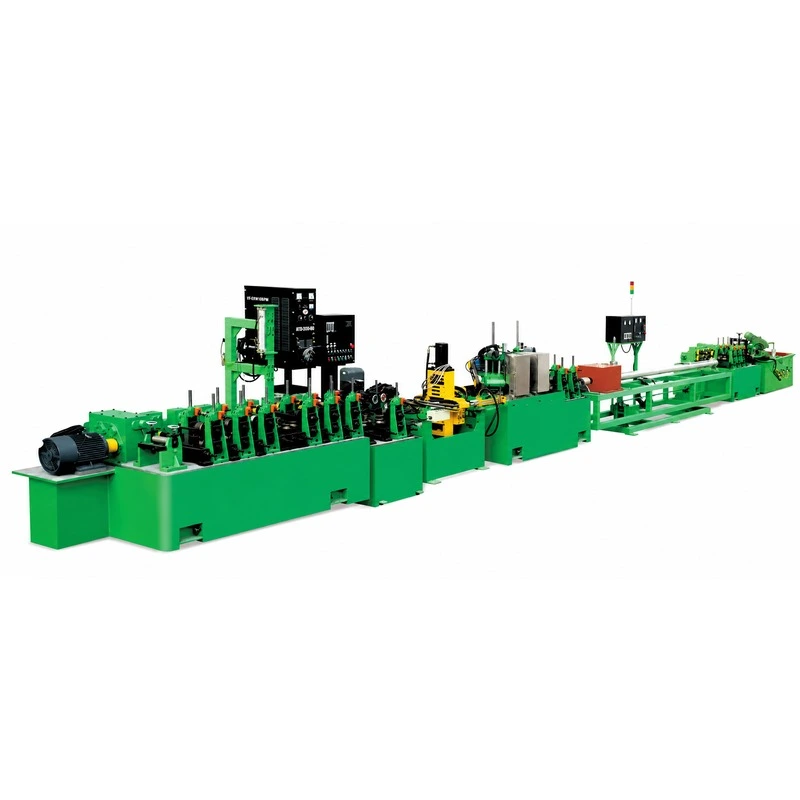
Tube Mills
|
Tube forming from coiled sheet metal (tube milling)
|
View machine
|
|
Welding Machines
|
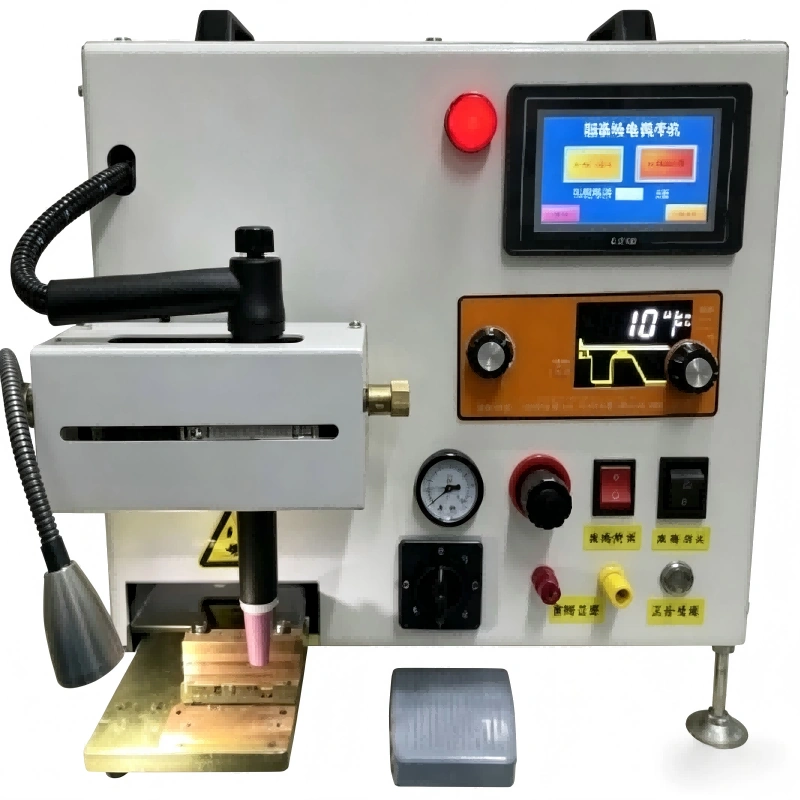
Seal welding at tube ends and terminal joining
|
View machine
|
|
Annealing Machine
|
Heat treatment to relieve stresses introduced during forming
|
View machine
|
|
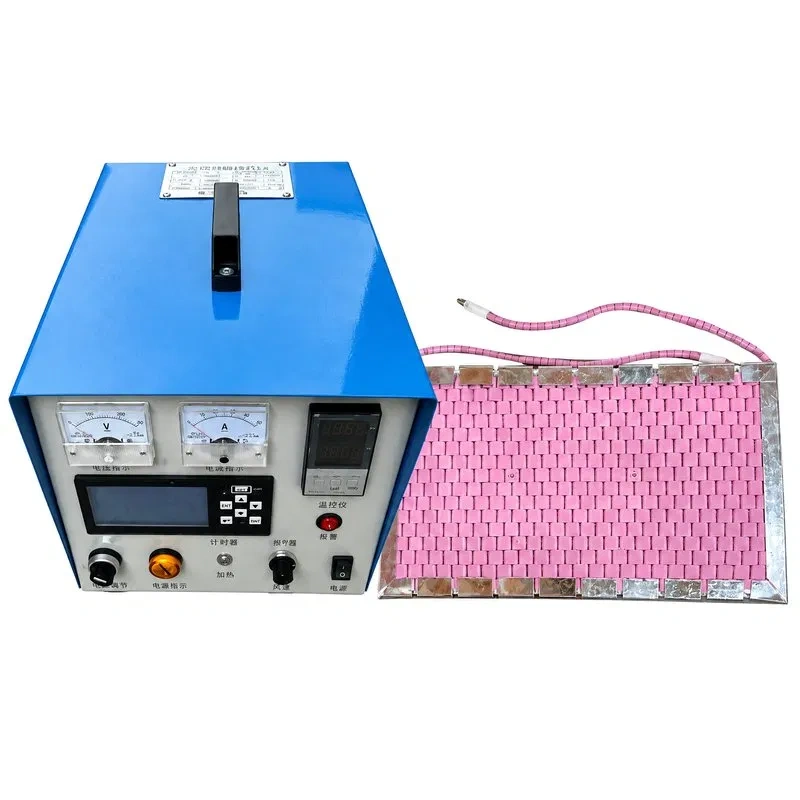
Vulcanizing Machines
|
Vulcanization of silicone and elastomer compounds in cables and heating pads
|
View machine
|
|
Heating Element Terminals
|
Automated assembly of terminal pins onto the resistance coil
|
View machine
|
|
Feeders And Testing
|
Automated part feeding and electrical continuity/insulation testing
|
View machine
|
|
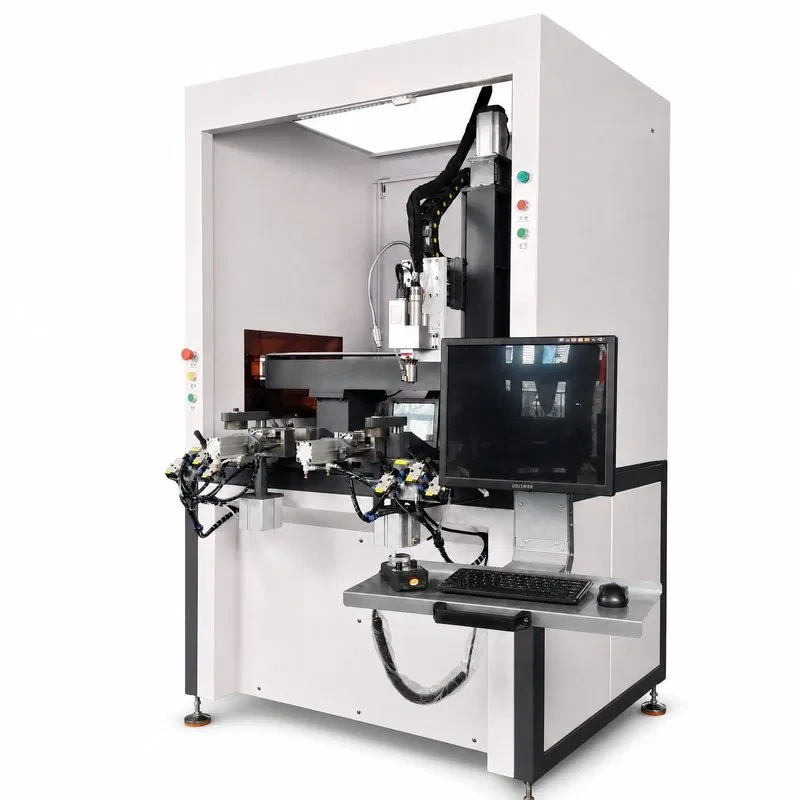
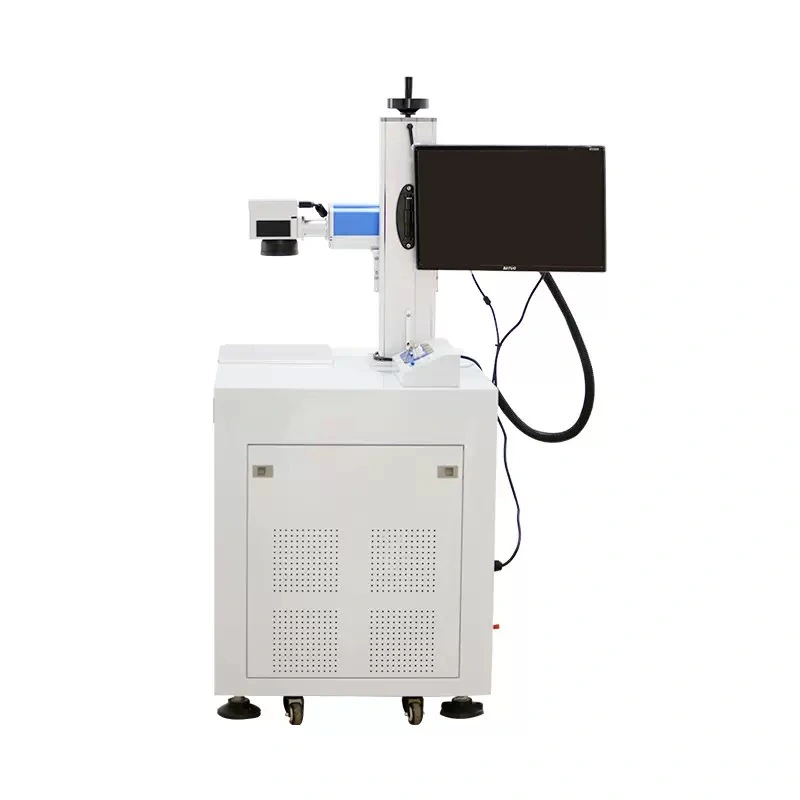
Marking Machines
|
Permanent laser marking of batch code, logo, and technical data on the finished part
|
View machine
|
|
Temperature Controllers
|
Data loggers and PID controllers for in-plant process monitoring
|
View machine
|
|
MI Cable Machinery
|
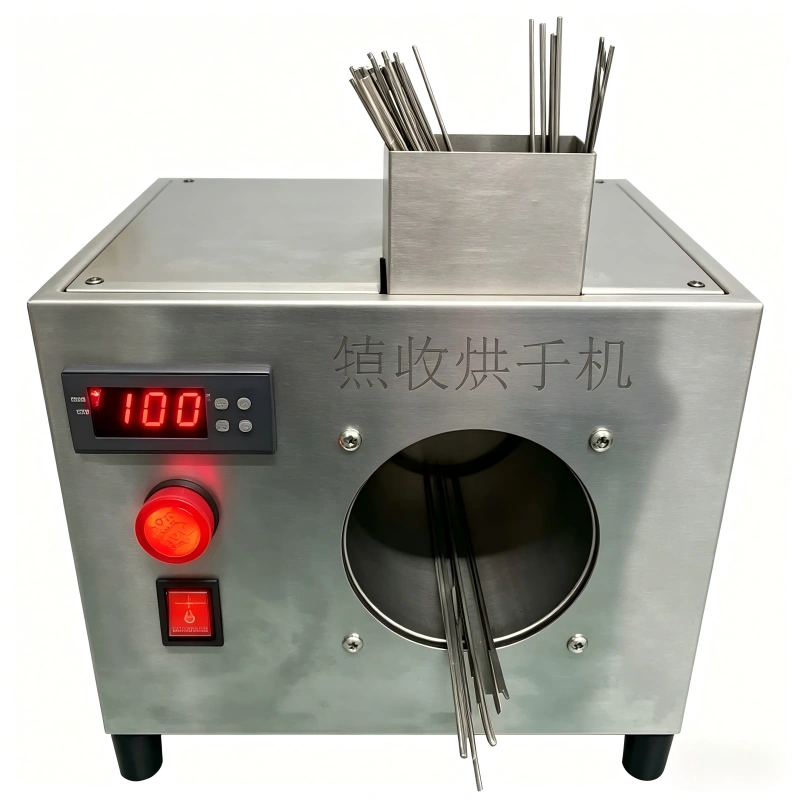
Specialized line for mineral-insulated cable: drying, cutting, powder extraction
|
View machine
|
|
Multi-Tasking
|
Stations that integrate several operations (winding, welding, testing) into a single unit
|
View machine
|
The Heating Element Manufacturing Process, Stage by Stage
Manufacturing a tubular heating element follows a fairly standardized production sequence across the industry, though the degree of automation varies enormously between a manual workshop and a high-volume plant:
- Tube and wire preparation. The metal tube is cut to length with a tube cutting machine and, if needed, its diameter is adjusted with a tube drawing machine. In parallel, the resistance wire is wound onto ceramic supports using a precision coiling machine.
- Insertion and filling. The resistance coil is centered inside the tube and compacted with MgO powder using the filling machine, ensuring homogeneous electrical insulation and high thermal conductivity.
- Reduction and compaction. The reducing mill decreases the tube's outer diameter, densifying the MgO and eliminating air gaps that would otherwise shorten the element's service life.
- Geometric forming. Depending on the final design, the heater is bent or coiled into a spiral using a bending machine, taking the shape required by the application (fryer, boiler, oven, injection mold).
- Heat treatment. Annealing relieves the mechanical stresses introduced during forming, preventing microcracks that would cause premature insulation failure.
- End machining. The trimming machine machines the ends for sealing and terminal assembly, holding tolerances that guarantee a hermetic fit.
- Terminal assembly. The terminal machine joins the terminal pin to the resistance coil, typically with integrated welding, leaving the heater ready for electrical connection.
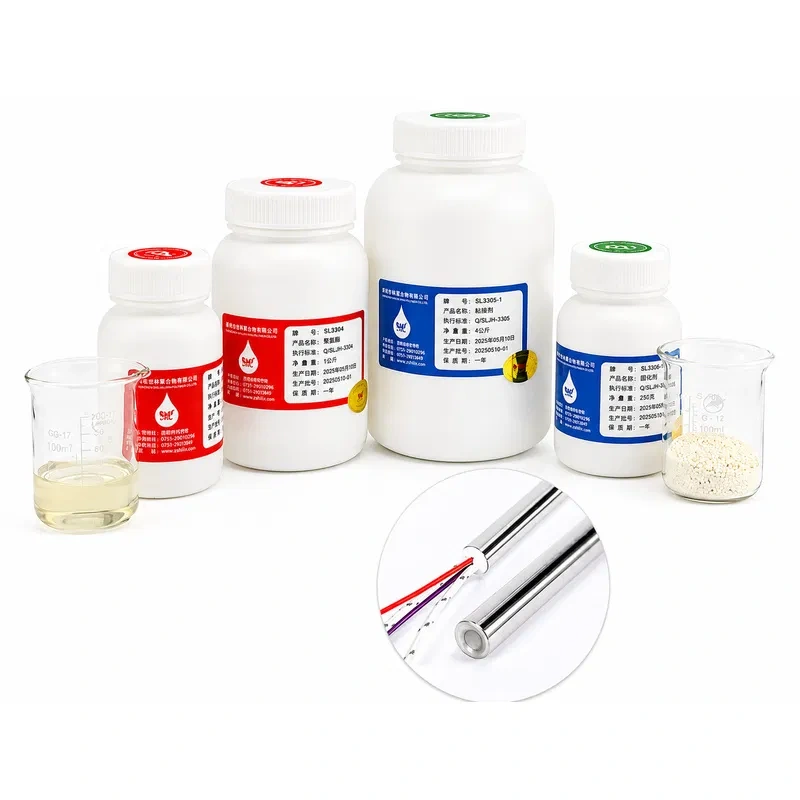
- Sealing. Heating element sealant is applied at the ends to prevent moisture ingress, a critical step for the component's service life.
- Surface finishing. Polishing, deburring, and ultrasonic cleaning remove burrs and oxides, leaving a surface suitable for food-contact or controlled environments.
- Marking and traceability. Laser marking engraves batch code, rated voltage, and logo, meeting traceability requirements for export.
- Final testing. The feeder and testing station runs insulation resistance, electrical continuity, and dielectric strength tests before packaging.
Automation Levels and Control
|
Level
|
Description
|
Typical Control
|
Recommended Scenario
|
|
Manual
|
Operator controls each parameter directly
|
Switches, analog potentiometers
|
Prototyping shops, very short runs, or highly customized parts
|
|
Semi-automatic
|
Machine executes the cycle; operator loads/unloads and adjusts parameters
|
Basic PLC + monochrome or touch HMI
|
Medium-volume production, multiple product formats on the same line
|
|
Automatic
|
Full cycle with no manual intervention, automated feeding
|
Industrial PLC + color touch HMI + servo motors
|
High-volume series production, stable product format
|
|
Integrated / multi-function
|
Several consecutive operations on a single station
|
PLC with programmable recipes, batch traceability
|
Lines with limited floor space or seeking to reduce handling between stages
|
Depending on the model, Heatecx machines incorporate servo traction motors for winding and tube feed (ensuring constant tension and dimensional repeatability), PID controllers for thermal processes (annealing, drying, vulcanizing), and vision systems or proximity sensors for in-line quality control. Electrical cabinet protection ratings are typically specified as IP54 for standard workshop environments and IP65 where MgO dust or process liquids are present.
Selection Criteria
|
Criterion
|
Technical consideration
|
|
Target production volume
|
Determines whether a manual cell, semi-automatic station, or fully integrated automatic line is appropriate
|
|
Tube diameter and material
|
Each machine has a working range (mm) and material compatibility (stainless steel, Incoloy, copper, titanium) that must be checked against the product catalog
|
|
Product format mix on the same line
|
A mix of formats favors semi-automatic machines with fast tooling changeover over rigid 100% automatic lines
|
|
Available floor space
|
Multi-function stations reduce footprint but increase the impact of a machine stoppage on the entire line
|
|
Available electrical supply
|
Verify voltage (220V/380V/440V three-phase), frequency (50/60 Hz), and contracted power before specifying high-consumption equipment (annealing, welding)
|
|
Required traceability level
|
Export to regulated markets (EU, US) typically requires laser marking and batch-level process parameter logging
|
|
After-sales support and spare parts availability
|
Especially relevant for wear parts: cutting dies, rolling rollers, welding nozzles
|
Comparison: Manual vs. Semi-Automatic vs. Automatic
|
Aspect
|
Manual
|
Semi-Automatic
|
Automatic
|
|
Initial investment
|
Low
|
Medium
|
High
|
|
Labor required
|
High, specialized operator per station
|
Medium, one operator can supervise several stations
|
Low, general line supervision
|
|
Dimensional repeatability
|
Variable, depends on operator skill
|
High within each cycle
|
Very high, tolerances controlled by servo and sensors
|
|
Flexibility for format changes
|
Very high
|
High with tooling change
|
Low to medium, requires reprogramming or cell change
|
|
Typical payback period
|
N/A (low capex)
|
Medium term
|
Recovered through sustained volume
|
Common Failure Modes and Preventive Maintenance
|
Common failure
|
Typical cause
|
Preventive measure
|
|
Loss of winding tension
|
Worn tensioning roller or wire spool brake
|
Periodic inspection of the braking system and roller replacement based on usage hours
|
|
Irregular burrs or cuts
|
Worn cutting blades or dies
|
Consumable replacement plan based on cutting cycles, not just calendar time
|
|
Uneven MgO compaction
|
Miscalibrated filling pressure or residual moisture in the powder
|
Periodic calibration of the filling system and moisture control of stored MgO
|
|
PID drift during annealing
|
Degraded or miscalibrated temperature sensor
|
Annual thermocouple calibration and cross-check against a reference instrument
|
|
Intermittent PLC/HMI faults
|
Loose connections, conductive dust inside the electrical cabinet
|
Scheduled cabinet cleaning and verification of the declared IP protection rating
|
|
Misalignment on welding machines
|
Worn electrodes or nozzles
|
Consumable replacement per manufacturer recommendation and periodic geometric check
|
Applications by Industry
|
Industry
|
Typical use of the machinery
|
|
Home appliances
|
Production of heating elements for ovens, water heaters, fryers, and irons
|
|
Boilers and industrial heating
|
Manufacturing of immersion tubular heaters for boilers and tanks
|
|
Plastics injection molding
|
Hot-runner heaters produced with precision spiral bending machines
|
|
Food processing
|
Heating elements for industrial ovens and sterilization equipment, finished for food-contact suitability
|
|
Metallurgy and heat treatment
|
High-power heaters for annealing, quenching, and casting furnaces
|
|
Petrochemical
|
Heat tracing and immersion heaters manufactured to standards for classified areas
|
|
Semiconductors and electronics
|
Precision heating elements for controlled thermal process equipment
|
Application Case
A regional manufacturer of tubular heating elements for home appliances, producing approximately 8,000 units per month, was running independent manual winding and filling stations. The main bottleneck was variability in MgO filling, which generated a rejection rate of nearly 9% due to insufficient electrical insulation. After installing an automatic filling machine with real-time pressure control, integrated with a trimming machine for end machining and an automated testing station, the manufacturer cut rejections to under 1%, reduced per-unit cycle time by approximately 35%, and standardized batch-level process parameter logging — a requirement that allowed it to qualify as an approved supplier for an export customer.
Why Choose Heatecx
- Direct manufacturer, not a middleman. We design and build the machinery in our own Shenzhen facility, allowing genuine tooling and process-parameter customization.
- Vertical integration. We also manufacture the raw materials (resistance wire, MgO powder, ceramics, tubing) these machines process, giving us insight into material behavior that a generic machinery builder doesn't have.
- Engineering support. Our technical team advises on line configuration based on the customer's final product, not just on selling a standalone machine.
- 100% batch testing. Every machine is individually tested before shipment, with operating parameters logged.
Related Links