Crushable Magnesium oxide beads for MI cable
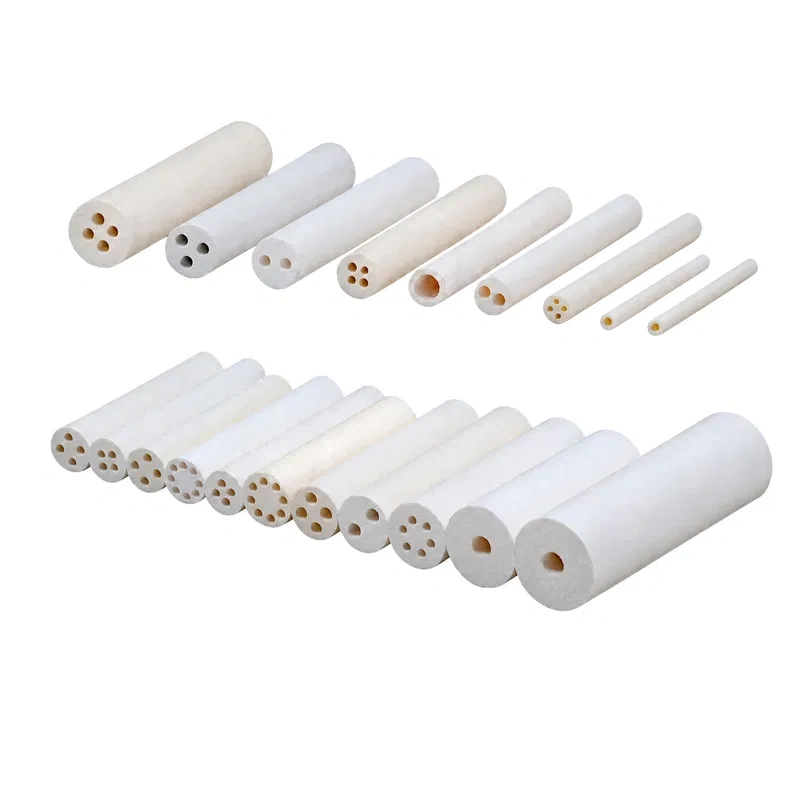
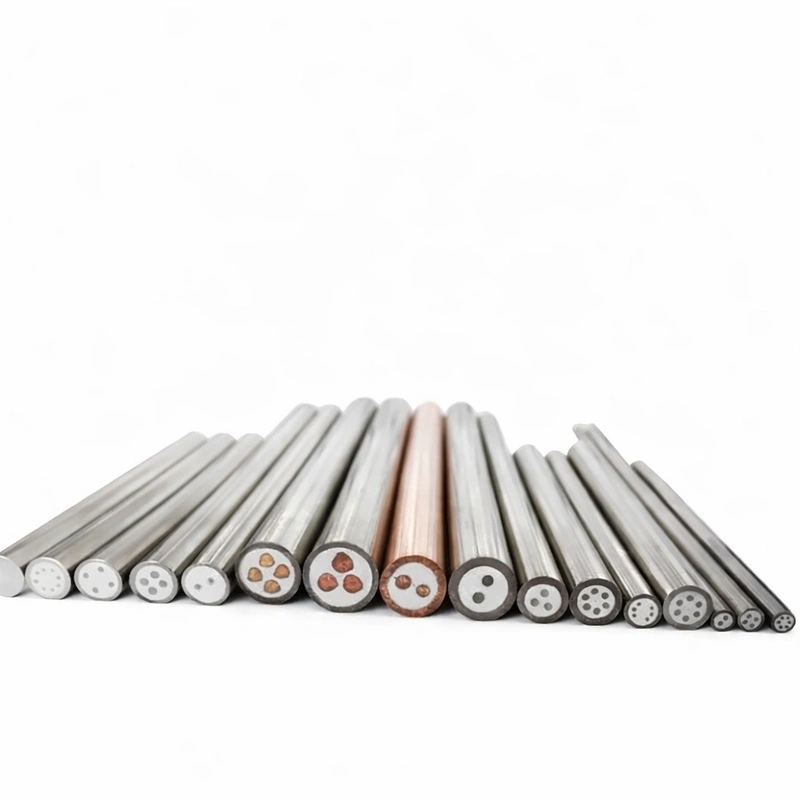
Heatecx supplies magnesium oxide insulation beads for MI cable, mineral-insulated heating cable, thermocouple and resistance-element manufacturers. Our product range covers nominal outside diameters from 1.2 to 29 mm and includes round, oval, triangular and complex hole configurations. Engineering support helps match the bead geometry, hardness and tolerances to the customer’s drawing and assembly process.
These ceramic insulation beads for heating cable position conductors in a defined layout and provide electrical separation within the finished construction. They are designed as dielectric insulator beads for MI cable and form part of the MI cable insulation material. The same product family serves as thermocouple insulation beads and magnesium oxide beads for heating elements. A crushable MgO insulator for mineral insulated cable is configured to the required hardness and assembly behavior. Buyers requiring high purity magnesium oxide beads, electronic grade magnesium oxide beads or fused MgO specify the grade and material documentation with the application. Bead selection is based on the complete design, including the cable sheath, conductor arrangement and operating conditions.
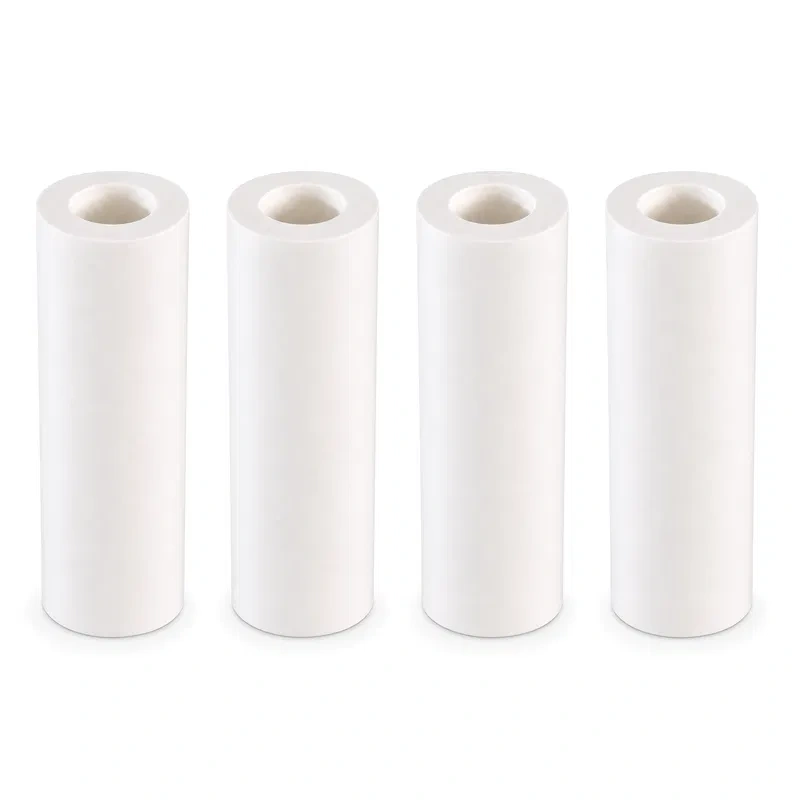
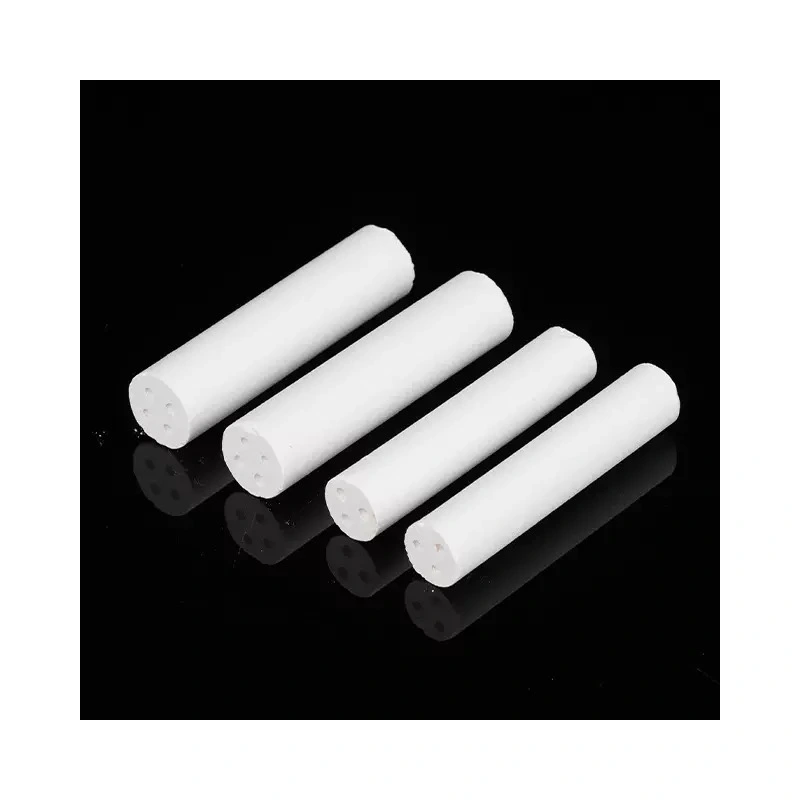
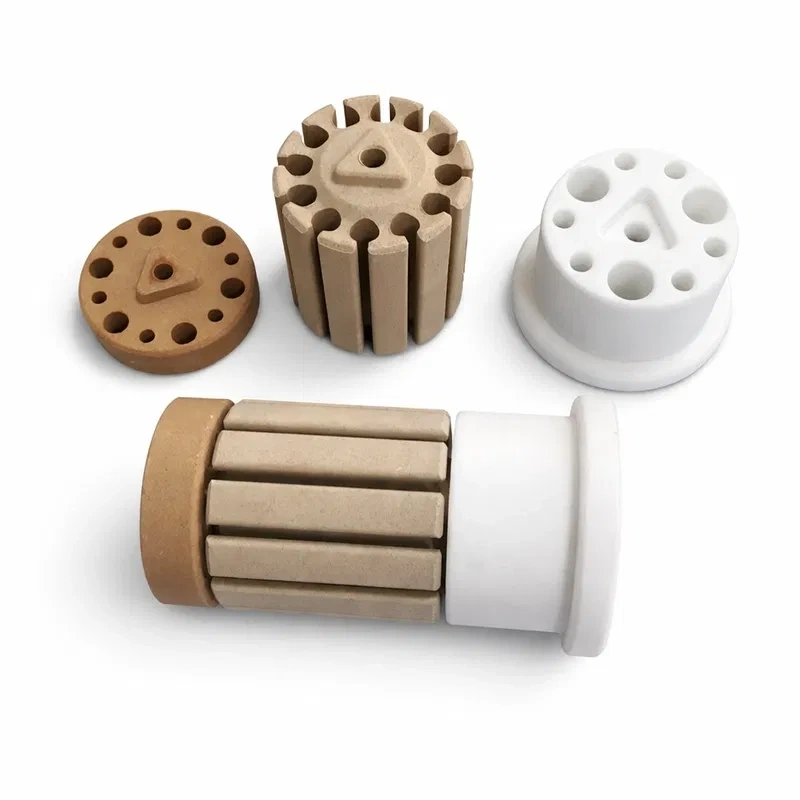
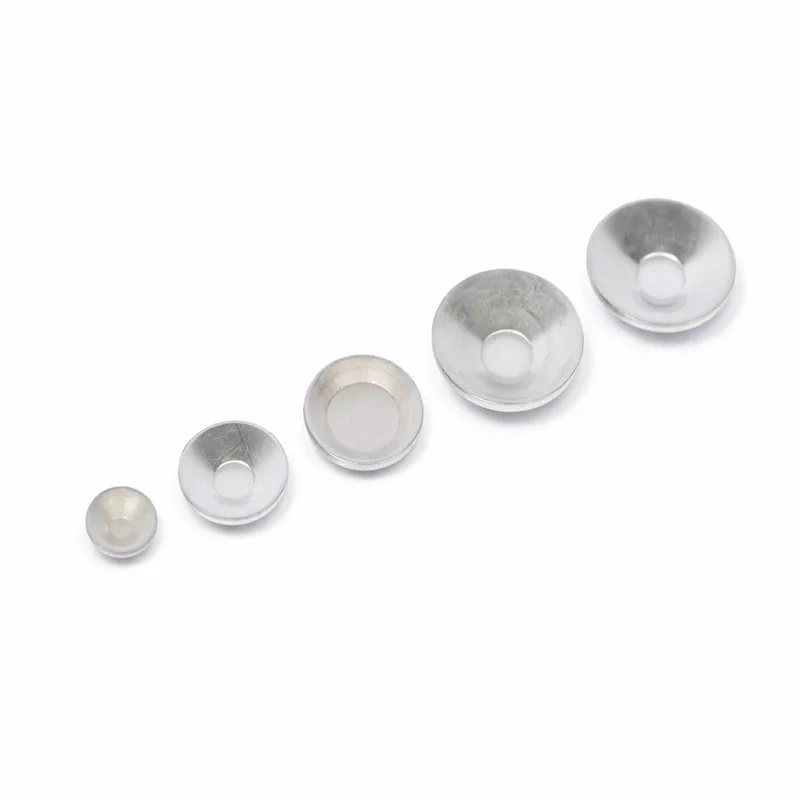
Magnesium oxide beads are precision-formed ceramic insulators that locate, separate and guide conductors in mineral-insulated cables and high-temperature electrical assemblies. Each bead is designed with round, oval, triangular or custom passages to match the conductor count, wire layout and available cable cross-section. These MgO beads for MI cable provide a defined insulating structure inside the assembly and serve as magnesium oxide insulator for mineral insulated cable.
Also known as magnesium oxide ceramic insulator beads, the components are configured by outside diameter, hole geometry, number of ways, dimensional tolerances and required hardness. Where the assembly process calls for controlled breakage, crushable insulator beads are specified to the required mechanical response. The hardness and test criteria are defined for the application. Formed beads are solid components with designed passages; they are distinct from loose compacted MgO powder used as bulk fill.
•Mineral-insulated cable production: conductor location and separation using one-way or multi-way bead designs. For the complementary bulk-fill material, see magnesium oxide powder for MI cable.
•Mineral-insulated heating cable: formed insulation matched to the conductor layout, sheath diameter and assembly or compaction process.
•Thermocouples and temperature sensors: routing and separation of sensor wires in high-temperature assemblies. Related options include high-purity magnesium oxide tubes and rods.
•Heating elements: ceramic insulation and conductor support in MgO-compatible designs. Compare alternative configurations in the technical ceramic insulator range and steatite ceramic components for heaters.
•OEM and custom assemblies: special outside diameters, hole patterns and hardness requirements defined by drawing or approved sample.
•Nominal outside diameters: 1.2–29 mm.
•Hole options: round, oval, triangular and complex multi-way configurations.
•Drawing-based customization: outside diameter, passage layout, tolerances and hardness tailored to the assembly.
•Mechanical options: hardness and crush response specified for handling and installation requirements.
•Bending performance: excellent bending properties support cable layouts designed to follow curved routes; define the installation radius for the finished assembly.
•Engineering support: drawing review, tolerance alignment, hole layout and application-oriented configuration.
•Quality control: product testing and inspection supported by an equipped quality laboratory.
•Dimensional tolerance options: outside-diameter and hole-diameter bands are listed below; ASTM 1652 and DIN 40680 requirements can be specified for the project.
Outside diameter
|
Nominal outside diameter |
Tolerance |
|
0.25–1.00 mm (0.010–0.039 in) |
±0.05 mm (0.002 in) |
|
1.00–1.50 mm (0.039–0.059 in) |
±0.08 mm (0.003 in) |
|
1.50–5.00 mm (0.059–0.197 in) |
±0.10 mm (0.004 in) |
|
5.00–8.00 mm (0.197–0.315 in) |
±0.13 mm (0.005 in) |
|
8.00–10.00 mm (0.315–0.394 in) |
±0.15 mm (0.006 in) |
|
10.00 mm and above |
±1.75% |
Hole diameter
|
Nominal hole diameter |
Tolerance |
|
0.18–1.00 mm (0.007–0.039 in) |
±0.05 mm (0.002 in) |
|
1.00–2.00 mm (0.040–0.079 in) |
±0.08 mm (0.003 in) |
|
2.00–2.50 mm (0.079–0.098 in) |
±0.10 mm (0.004 in) |
|
2.50 mm and above |
±5% |
Configuration parameters
|
Parameter |
Configuration |
|
Material |
Ceramic magnesium oxide (MgO) |
|
Outside diameter |
1.2–29 mm nominal; other sizes by drawing and engineering review |
|
Hole shape |
Round, oval, triangular or custom geometry |
|
Hardness |
Specified for the application and assembly process |
|
Crushability |
Configurable for controlled-breakage requirements; define test method and acceptance criteria |
|
Operating temperature and electrical properties |
Selected by MgO grade, cable design and operating conditions |
|
Inspection |
Dimensions, geometry and critical characteristics agreed in the quality plan |
Dimensional note: for oval, triangular or complex passages, the drawing should define width, height, position and orientation. Where a nominal dimension falls on a tolerance-band boundary, the purchase specification should identify the applicable band. Available sizes are confirmed against the selected geometry.
1.Define the application and supply form. Identify MI cable, mineral-insulated heating cable, thermocouple or heating element. Formed beads provide defined passages; compacted MgO powder serves as bulk fill in a different construction.
2.Provide a dimensioned drawing. Include outside diameter, passage count, hole shape and size, center spacing, length, chamfers and orientation. Add width and height for non-round holes.
3.Select the MgO grade. State the required composition, purity, manufacturing route and documentation. Specify high-purity, electronic-grade or fused MgO requirements when needed by the design.
4.Set the mechanical requirement. Define hardness, crush response, handling loads and assembly method. For a crushable design, state the test scale or load and acceptance limit.
5.Describe operating conditions. Provide continuous and peak temperature, voltage, atmosphere, humidity, thermal cycling and cable construction. These conditions determine the appropriate material grade and geometry.
6.Agree tolerances and inspection. Identify the applicable standard and edition, critical dimensions, sampling plan, inspection method and lot documentation.
7.Qualify the finished assembly. Confirm fit and performance with a representative bead and completed cable or heater assembly before production release.

|
Material or format |
Form and function |
Typical application |
Design distinction |
|
MgO beads |
Formed ceramic parts with one or more passages |
MI cables, thermocouples and high-temperature assemblies |
Establish conductor paths and spacing through defined holes |
|
Compacted MgO powder |
Granular fill compacted around conductors |
MI cable and tubular heaters designed for powder filling |
Fills internal volume; does not replace a bead with preformed passages |
|
MgO tubes and rods |
Rigid extruded components with one or more bores |
Cores, conductor guides and linear insulation |
Rigid, elongated format; see high-purity MgO tubes and rods |
|
Alumina, steatite and cordierite |
Technical ceramics in supports, beads and insulators |
Heater supports and assemblies exposed to thermal cycling |
Grade and geometry determine properties; compare the technical ceramic insulator range |
|
Mica |
Sheet or tape insulation |
Flat and band heaters |
Laminar insulation; not a direct substitute for a bored bead or MI cable fill |
FAQ
How do I specify crushable insulator beads?
Define the required hardness and behavior during installation. For controlled breakage, include the test method, load or hardness scale and pass/fail criterion in the part specification.