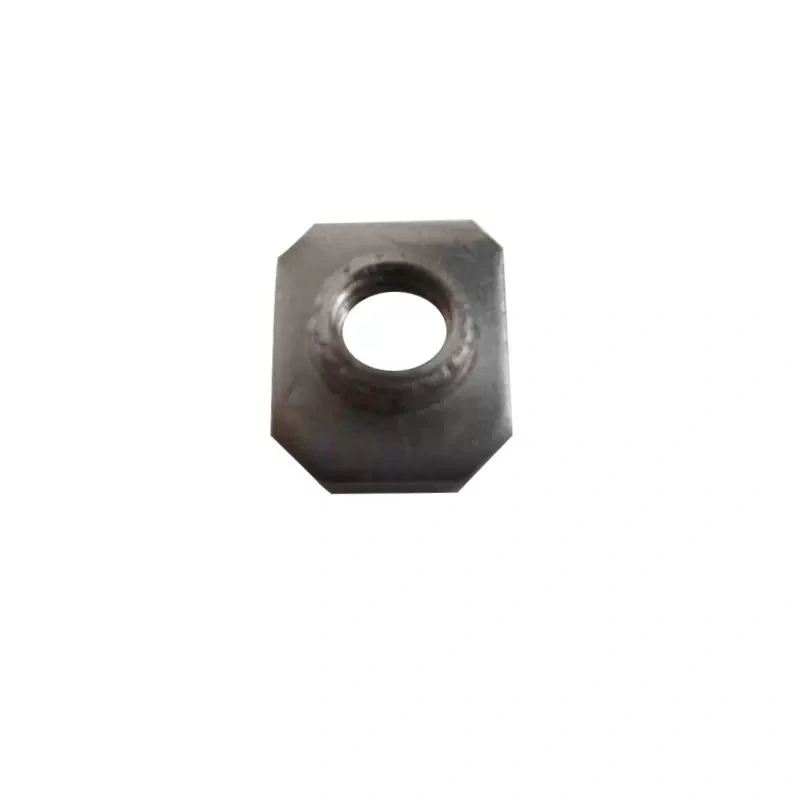
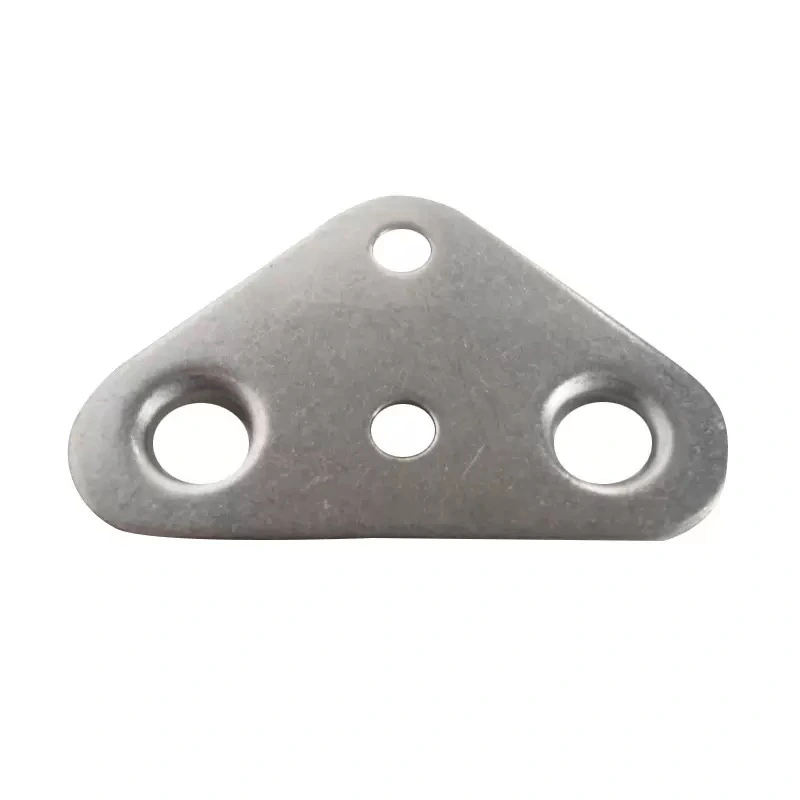
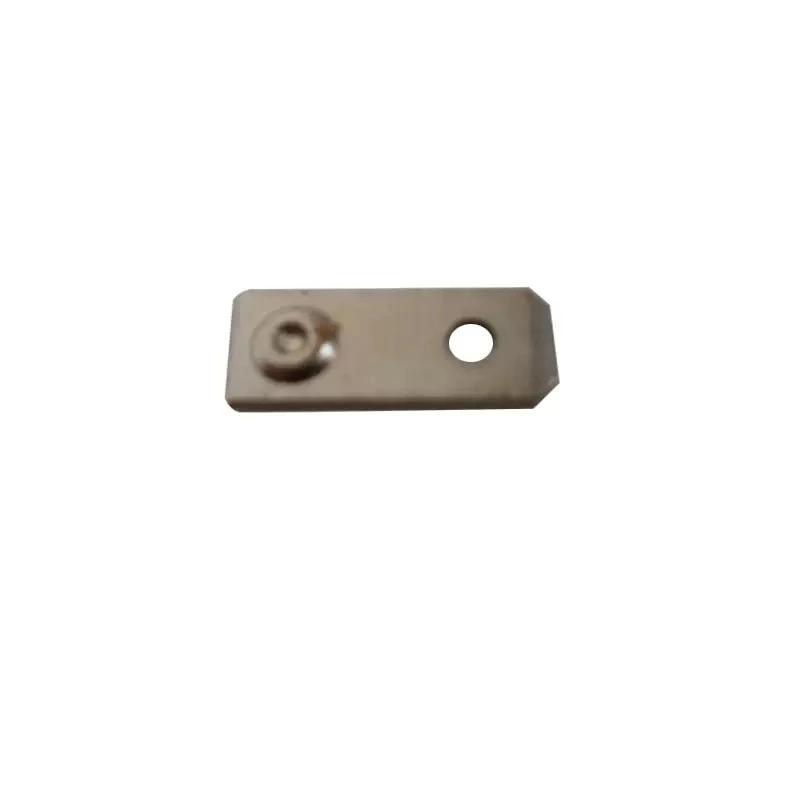
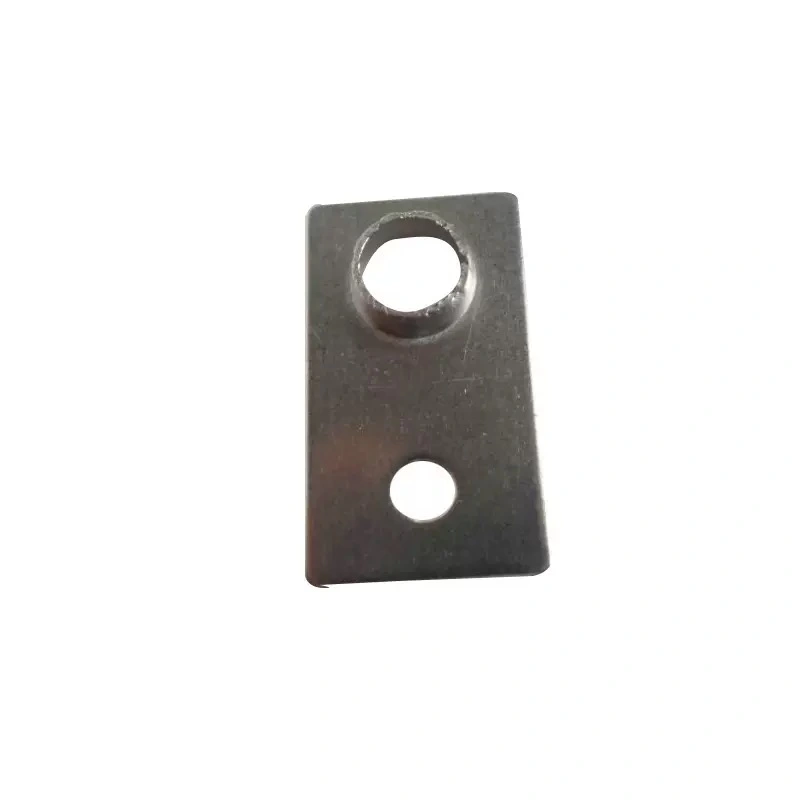
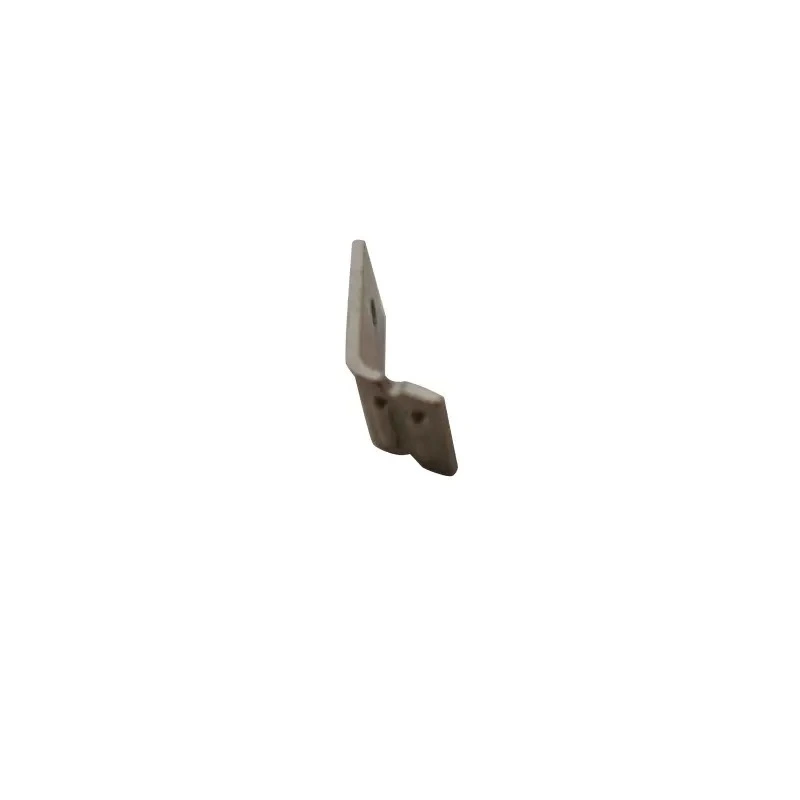
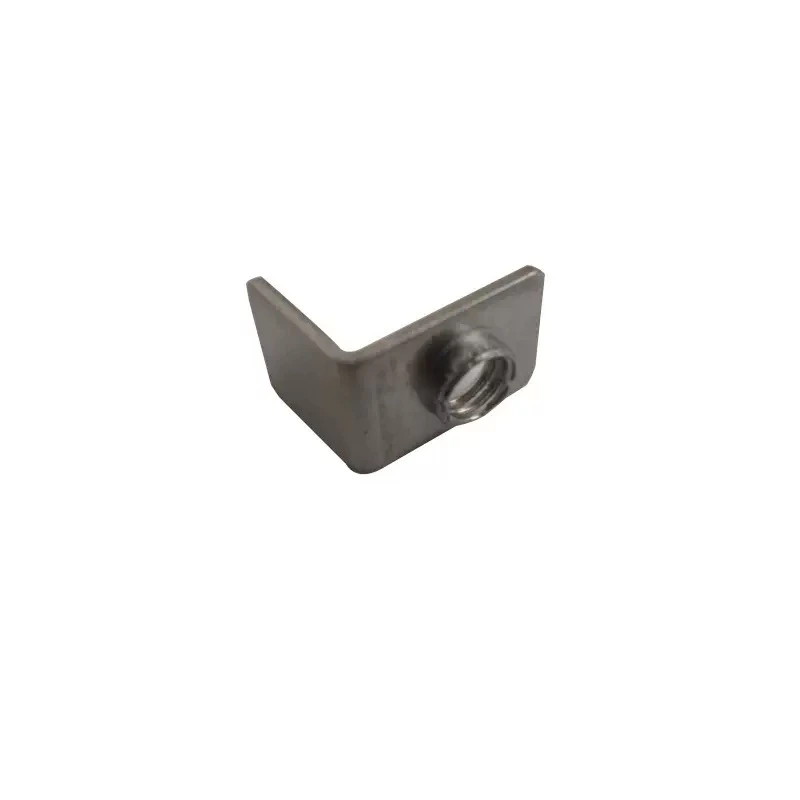
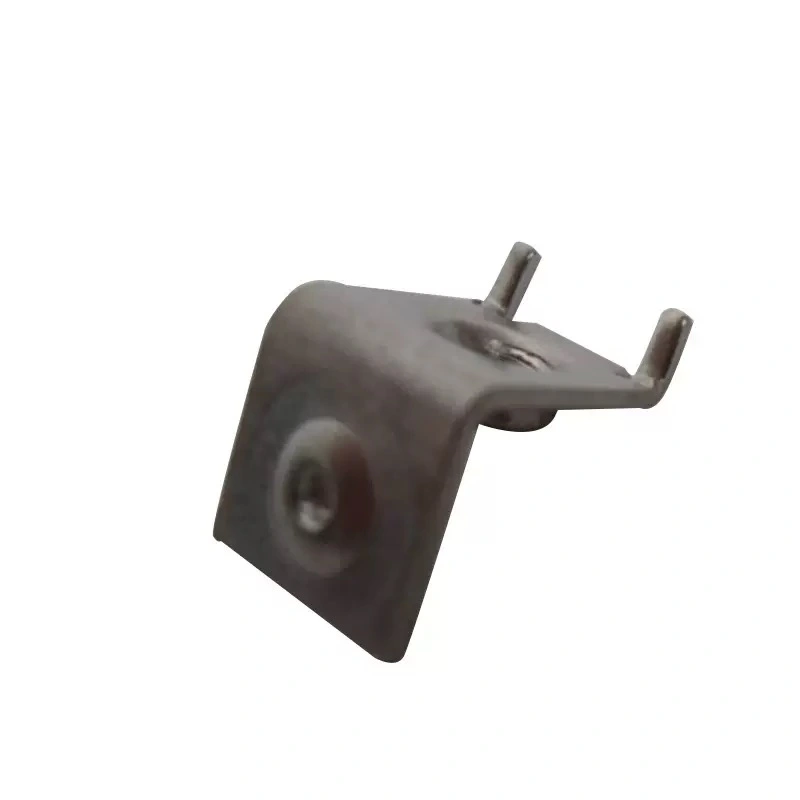
90-Degree Male Flag Faston Terminals for Heating Elements

Right-angle male flag and Faston-style terminals for tubular heaters, ovens, water heaters and compact industrial heating assemblies.

Stainless Steel Terminals for Heating Elements

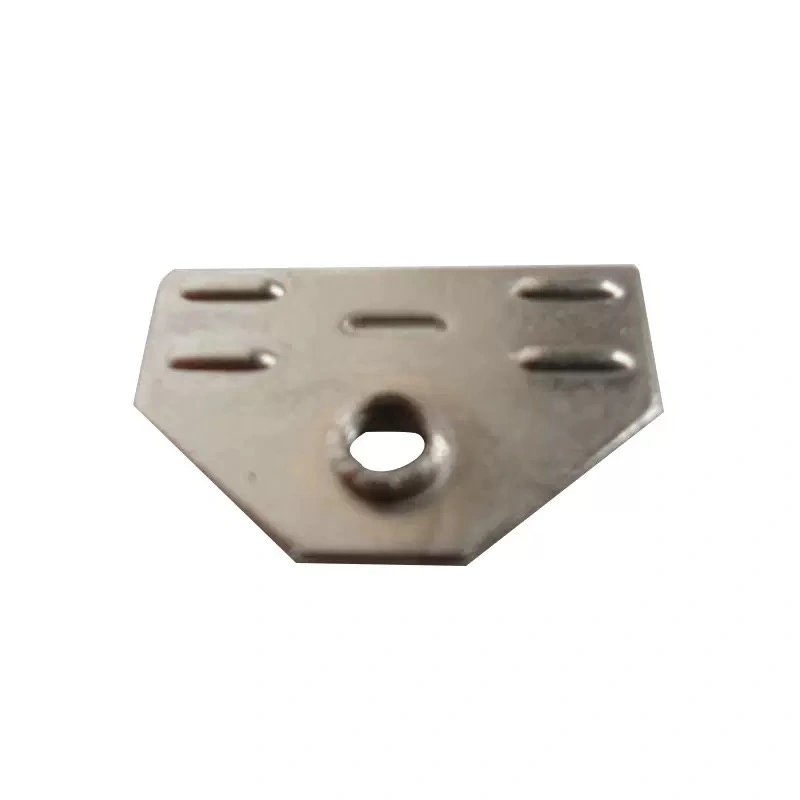
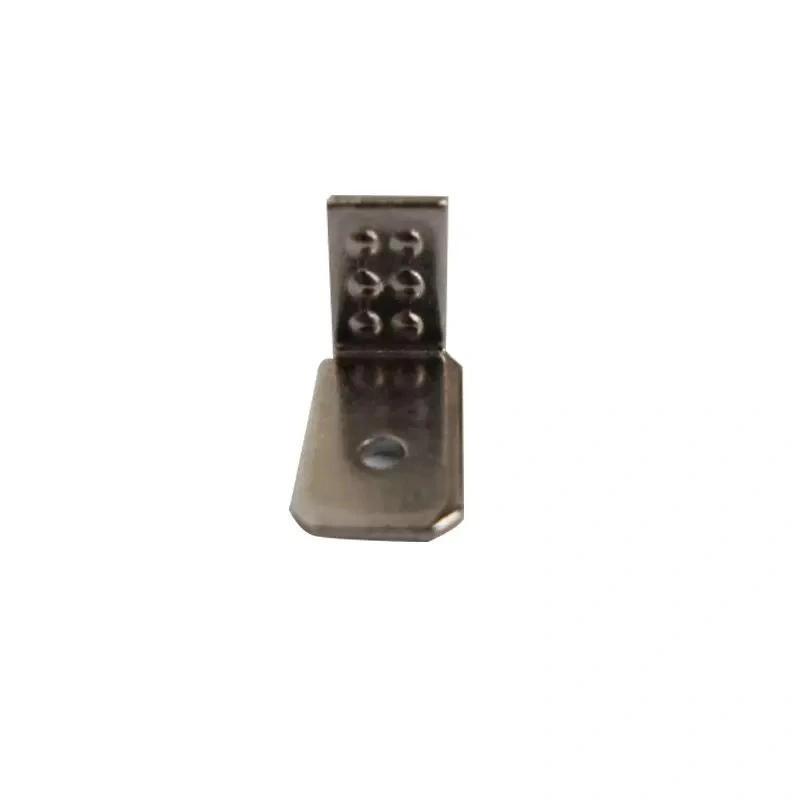
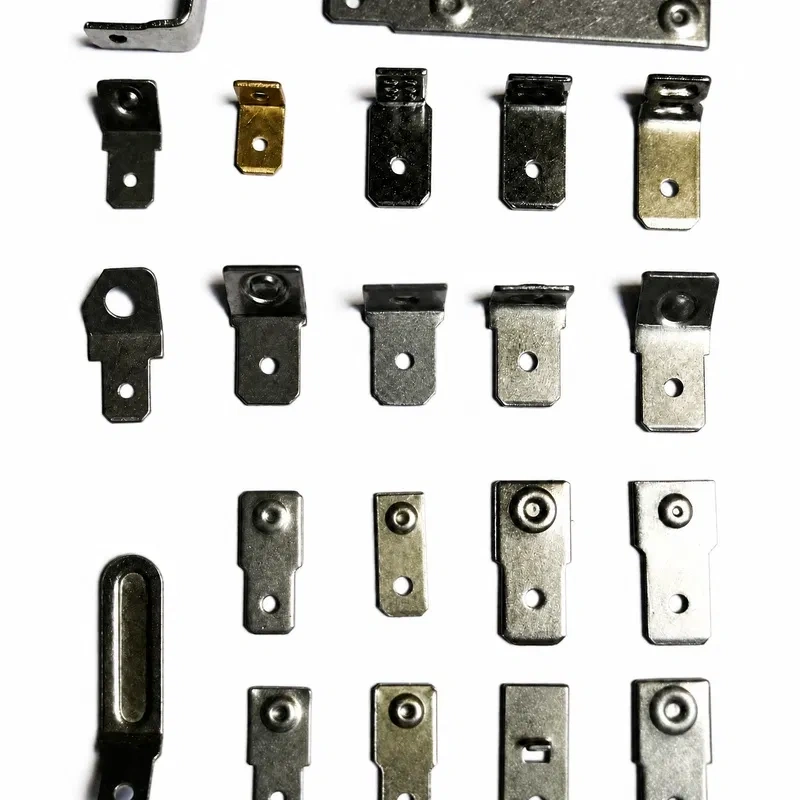
Right-angle male flag terminals are metal electrical contacts designed for fast, secure and low-profile connections in tubular heating elements and industrial electric heaters. Depending on the market, they may also be called 90-degree male Faston terminals, right-angle quick-disconnect tabs, flag terminals, male blade terminals or right-angle male tabs for heating elements.
The flag configuration places the mating blade at a right angle to the mounting area. This allows the female connector to be installed from the side instead of vertically, reducing the overall height of the connection. It is particularly useful in ovens, water heaters, cookers, dishwashers, HVAC equipment, tanks and industrial heating assemblies where the available space is restricted.
The terminal can be attached directly to a metal sheath, shield, flange, conductive support or heater end. Depending on the product design, the attachment may use welding, resistance spot welding, riveting or another approved joining process.

A right-angle male flag terminal provides the electrical interface between a heating element and its power cable. The mounting section is connected to the conductive part of the heater, while the blade receives a matching female Faston connector. This creates a serviceable quick-disconnect connection without the bulk of a screw terminal.

The terminal must carry the required current while remaining stable under the residual heat generated by the heating element. Material selection, plating, thickness, contact length and the distance between the connection point and the hot zone therefore have a direct effect on reliability. A well-designed terminal helps protect cable insulation, seals and surrounding components from excessive temperature.

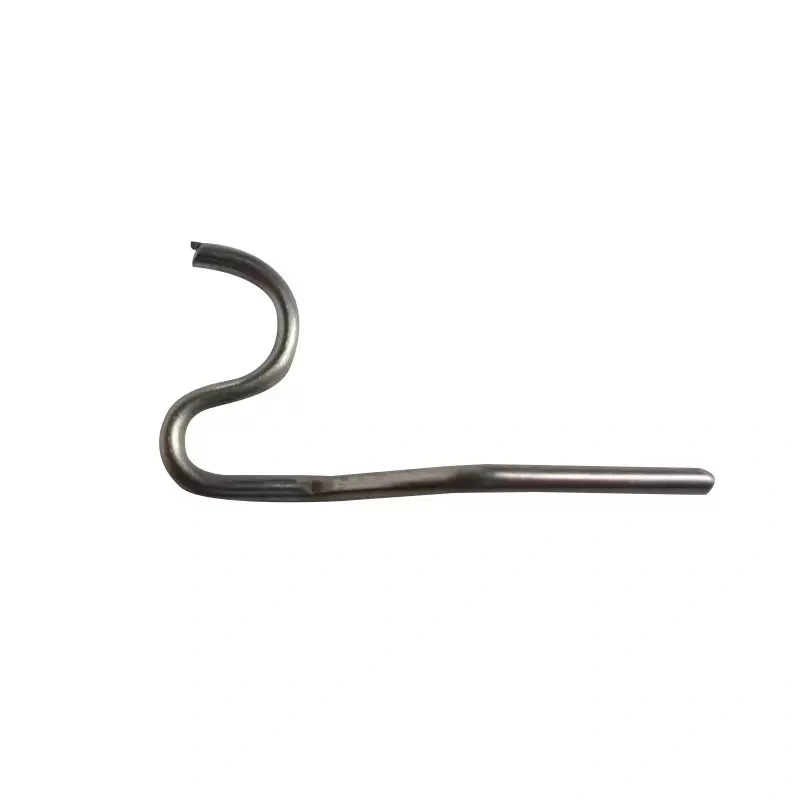
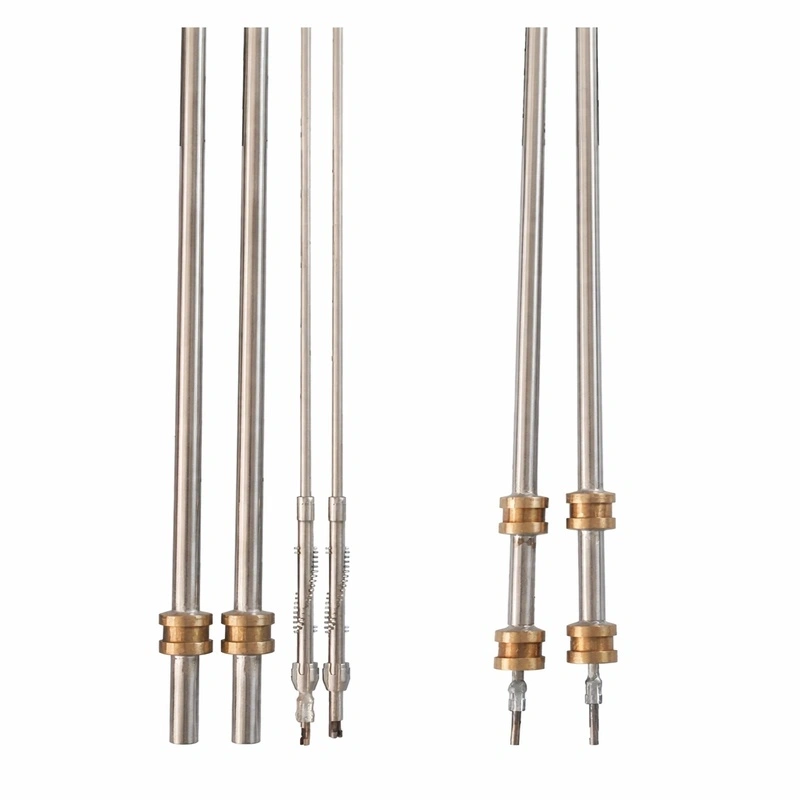
For tubular heaters, the external flag terminal can be used together with terminal pins for tubular electrical heaters, which provide the conductive path between the external connection and the nichrome resistance wire. Mineral-insulated heating assemblies may also use magnesium oxide powder for electrical insulation as part of the internal construction.

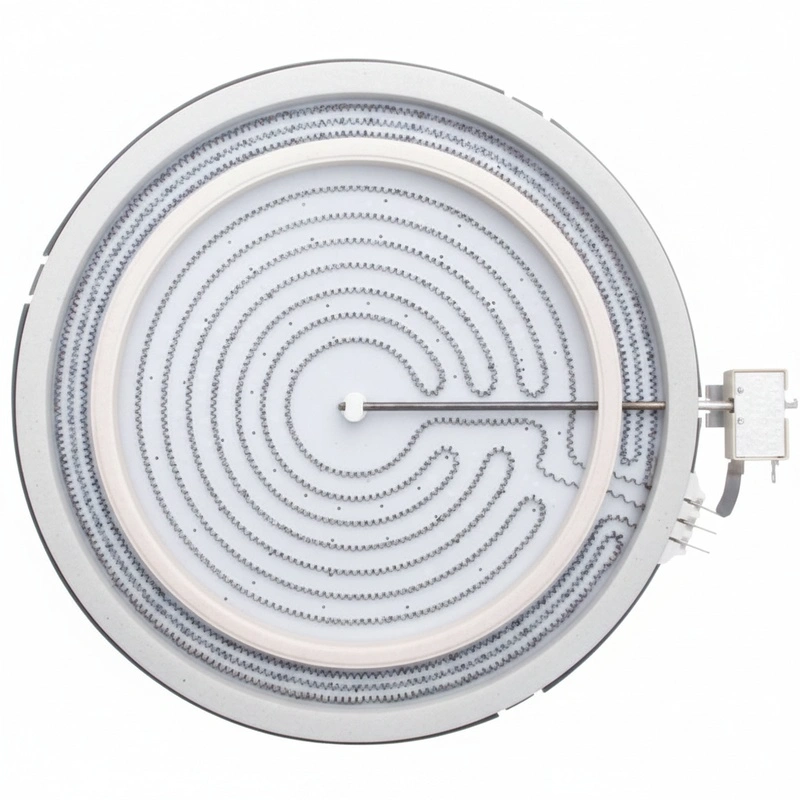
These right-angle male terminals are suitable for tubular heating elements used in ovens, electric cookers, water heaters, washing machines, dishwashers, coffee machines, air-conditioning equipment, process heaters and industrial heating systems. They can also be considered for immersion heaters, cartridge-heater assemblies and metal-sheathed elements that require a compact external connection.

The flag shape is useful when the cable must run parallel to the mounting surface or when the female connector has to approach from the side. It reduces the connection envelope, improves cable routing and may simplify service access in compact equipment.

For heaters operating in water, humidity, oil or corrosive atmospheres, the terminal material and plating should be selected together with the sheath, seal and cable construction. Heatecx also supplies related raw materials for heating elements, which can be considered when developing a complete heater assembly.

The main benefit of a male flag terminal is the quick-disconnect interface. Once the correct female connector is selected, assembly and replacement can be performed without a threaded fastening operation.

The 90-degree orientation saves vertical space and provides a controlled direction for the cable. Common blade widths include 2.8 mm, 4.8 mm and 6.3 mm, although the final width, thickness and retention geometry must always be confirmed against the mating connector and the product drawing.

Materials may include brass, copper, nickel-plated steel, stainless steel, Incoloy or other heat-resistant alloys. The correct option depends on current load, connection temperature, corrosion exposure, mechanical requirements and the selected attachment method.

Additional advantages include a compact profile, repeatable assembly, compatibility with industrial wiring, suitability for automated production and the ability to adapt the mounting base to different heater geometries. Actual performance must be validated on the complete terminal, connector, heater and cable assembly.

Parameter

Specification or selection criterion

Product type

Male flag terminal, right-angle Faston-style tab or 90-degree male blade terminal.

Function

Quick electrical connection between a heating element and its supply cable.

Geometry

Blade positioned approximately 90 degrees to the mounting base; exact angle defined by drawing.

Attachment method

Welding, resistance spot welding, riveting or another approved process.

Typical blade widths

2.8 mm, 4.8 mm, 6.3 mm or another requested size; confirm before production.

Possible materials

Brass, copper, nickel-plated steel, stainless steel, Incoloy or another suitable alloy.

Plating

Nickel, tin or another finish selected for temperature, corrosion and joining requirements.

Dimensions

Manufactured according to drawing, sample or heating-element specification.

Mating connector

Female Faston connector with matching width, thickness and retention system.

Thermal suitability

Determined by the measured terminal temperature and the selected materials.

Quality checks

Dimensional, angular, visual, electrical-contact and mechanical-strength inspection.

Current rating, maximum operating temperature and tolerances should not be inferred from the word Faston alone. They must be established for the complete heater assembly, including the cable, female connector, mounting method and measured operating temperature.

Custom right-angle terminals can be developed from engineering drawings, physical samples or a complete heater specification. Custom features may include blade width, 90-degree orientation, tab length, bend radius, base shape, mounting holes, slots, retention features and the area intended for welding or riveting.

A technical enquiry should include the terminal material and plating, sheet thickness, mating-connector dimensions, operating current, maximum connection temperature, terminal position, joining method, number of variants and expected volume. Samples are useful for checking tool access, flatness, cable direction and pull-out strength.

The terminal design can be evaluated together with resistance wire for electrical heating elements and other industrial heating-element products. To request a quotation, contact the Heatecx technical team and provide the terminal drawing, heater application and service conditions.

FAQ

You must match the tab size (e.g., 1/4" or 6.3mm), choose the material based on operating temperature (stainless steel vs. nickel-plated brass), and select the attachment method (welding or riveting) to the heater pin.

Customers also viewed