High-Temperature Fabrics and Tapes
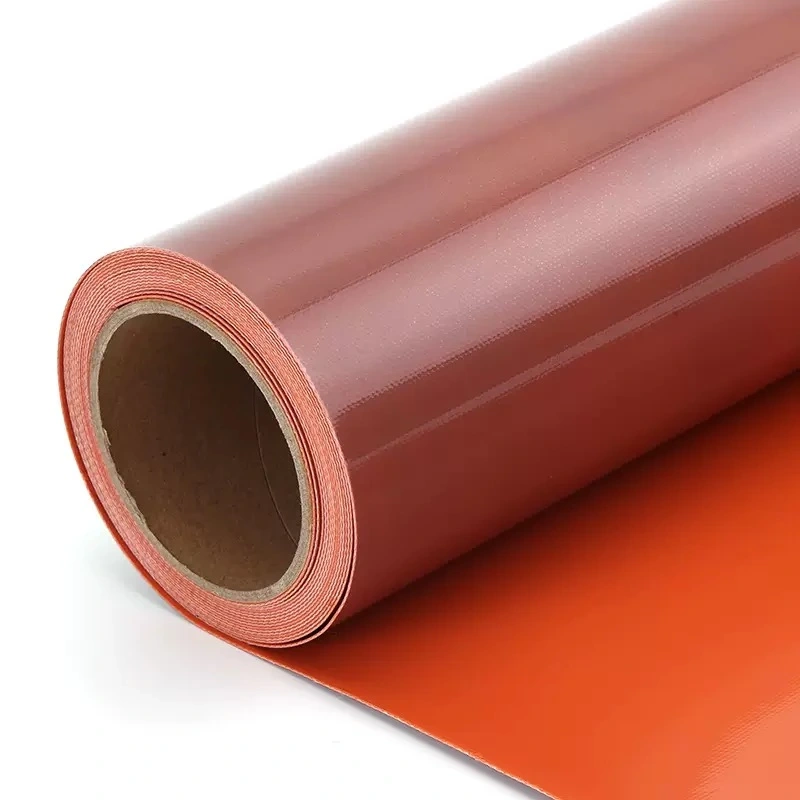
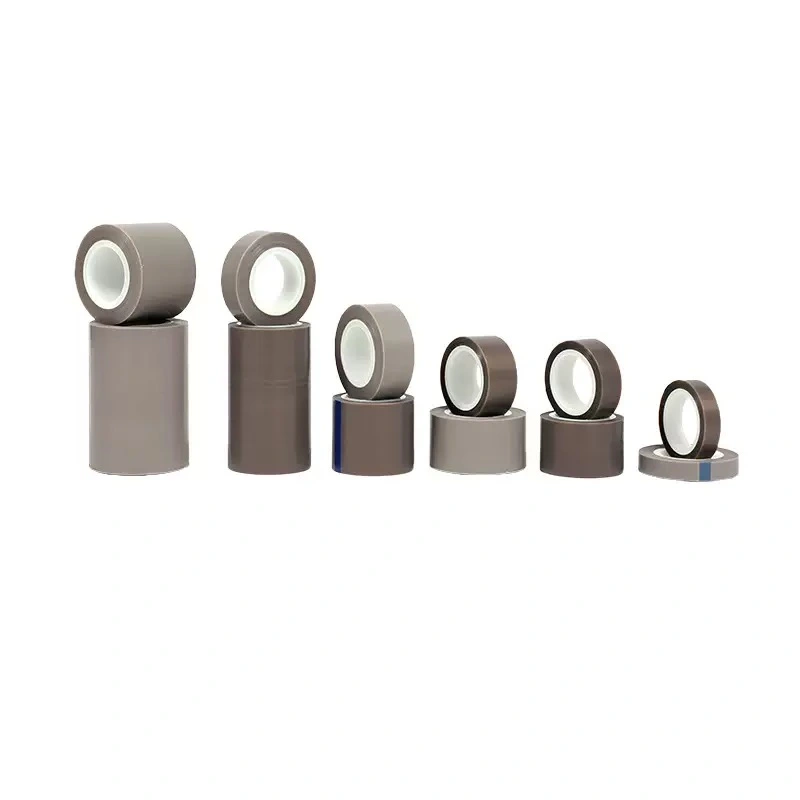
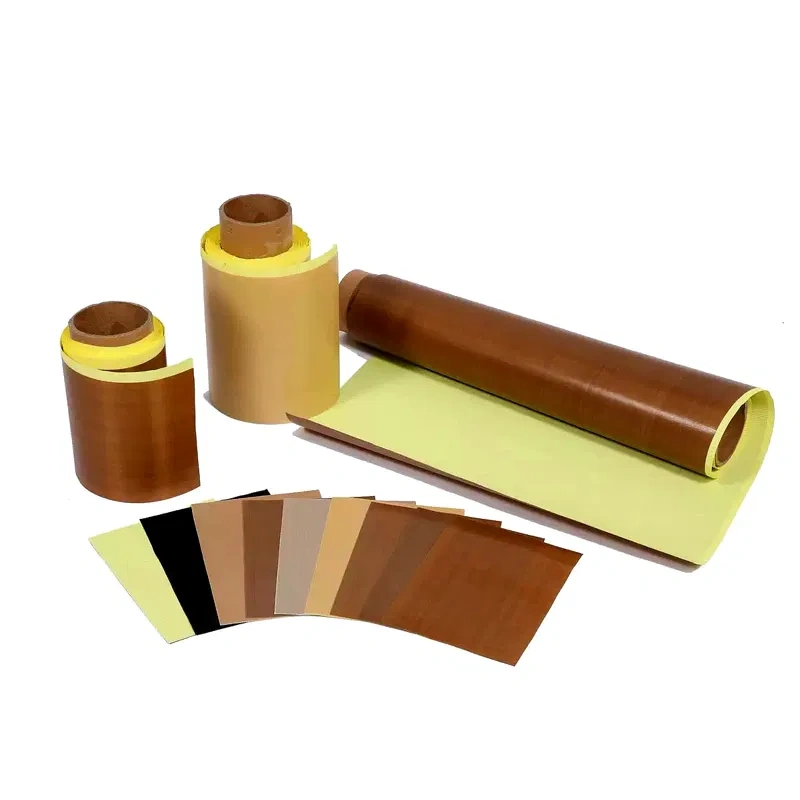
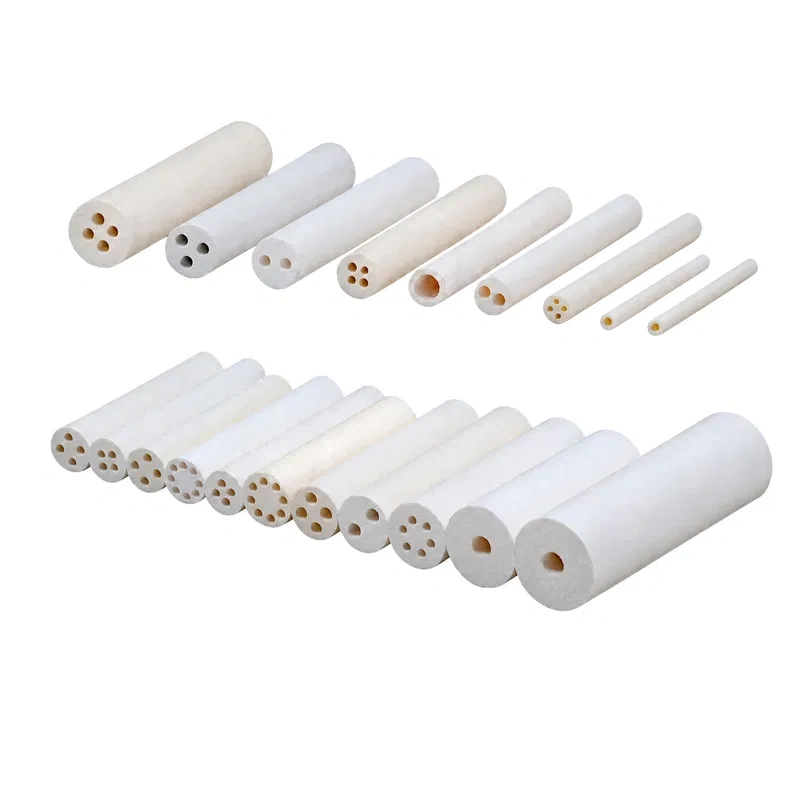
Heatecx manufactures and supplies a full range of high-temperature technical fabrics and tapes engineered to serve as a thermal barrier, an electrical insulator, or a release surface in the most demanding industrial processes. This category covers technical textile materials — woven fabrics, tapes, sleeving, and flexible sheets — built on fiberglass, silica, or mica substrates and coated or impregnated with PTFE, vulcanized silicone rubber, or other high-performance compounds.
Unlike conventional textiles, these fabrics and tapes are engineered at the material-science level to preserve their structural integrity, flexibility, and dielectric properties even under sustained heat, direct flame contact, chemical exposure, or continuous mechanical friction. They are, in effect, the textile component that keeps furnaces, packaging lines, electrical systems, and process equipment running safely in extreme thermal environments.
Composition and manufacturing technology
The performance of a high-temperature fabric or tape depends on two elements: the substrate (the base textile) and the coating or impregnation (which delivers its functional properties).
Common substrates:
- High-tenacity fiberglass (E-glass): provides dimensional stability, tensile strength, and reliable thermal behavior up to roughly 550–600°C in its untreated form.
- Silica fiber (SiO₂ > 96%): for extreme-heat applications, with continuous ratings up to 1,000°C or higher peaks.
- Mica sheet or tape: a natural silicate mineral valued for its exceptional dielectric properties, used primarily as electrical insulation rather than a mechanical barrier.
Common coatings and impregnations:
- PTFE (polytetrafluoroethylene): delivers near-universal release properties, chemical inertness, and stability up to approximately 260°C continuous.
- Vulcanized silicone rubber: delivers superior flexibility, weathering resistance, and UV stability, typically rated from -60°C to 260°C.
- Graphite or vermiculite: for sealing applications requiring additional chemical resistance.
- Aluminum foil laminate with adhesive backing: used specifically in tapes for electrical heat-tracing systems.
Types of high-temperature fabrics and tapes
|
Product
|
Substrate
|
Coating
|
Typical temperature range
|
Primary use
|
|
PTFE-coated fiberglass fabric
|
Fiberglass
|
PTFE (one or two sides)
|
Up to 260°C continuous
|
Release liners, sealing bar and jaw coverings
|
|
Silicone-coated fiberglass fabric
|
Fiberglass
|
Vulcanized silicone
|
-60°C to 260°C
|
Thermal curtains, sleeves, flexible gaskets
|
|
Self-adhesive fiberglass tape
|
Fiberglass
|
Silicone adhesive
|
Up to 260–300°C
|
Cable and hose splice insulation
|
|
Mica tape
|
Natural mica
|
— (sometimes fiberglass-backed)
|
Up to 500–600°C
|
Electrical insulation for cables and windings
|
|
Ceramic / silica tape
|
Silica fiber
|
Uncoated
|
Up to 1,000°C
|
Exhaust protection, pipe insulation, furnace joints
|
|
Silica fiber sleeving
|
Woven silica fiber tube
|
Uncoated or lightly coated
|
Up to 1,000°C
|
Protection of hoses, cables and cylindrical components
|
|
Adhesive-backed aluminum tape
|
Laminated aluminum
|
Special adhesive
|
Application-dependent
|
Electrical heat-tracing systems and joint sealing
|
Comparative technical specifications
|
Property
|
PTFE fabric
|
Silicone fabric
|
Mica tape
|
Silica sleeving
|
|
Continuous temperature
|
Up to 260°C
|
Up to 260°C
|
Up to 500–600°C
|
Up to 1,000°C
|
|
Flexibility
|
Medium-low
|
High
|
Medium
|
High
|
|
Release/non-stick property
|
Excellent
|
Low
|
Not applicable
|
Not applicable
|
|
Dielectric strength
|
Good
|
Good
|
Exceptional
|
Low (not its function)
|
|
Chemical resistance
|
Exceptional
|
Medium-high
|
Low
|
Medium
|
|
Weathering/UV resistance
|
Good
|
Excellent
|
Not applicable
|
Good
|
Values are indicative and vary by thickness, weight, and manufacturing process for each specific reference. Every individual product datasheet includes exact specifications.
Applications by industry
- Packaging and sealing: covering sealing bars and jaws in high-speed packaging machinery, ensuring clean, residue-free seals.
- Textile and printing thermal processes: conveyor belting for curing, drying, and printing ovens.
- Food industry: food-grade PTFE fabrics for baking, cooking, and freezing conveyor applications.
- Line and component protection: silica fiber sleeving to shield hoses, wiring, and components exposed to direct radiant heat.
- Electrical heat tracing: aluminum tape for attachment and heat transfer in pipe heat-tracing systems.
- Removable equipment insulation: paired with removable insulation covers, whose outer shell is typically a silicone or fiberglass fabric from this same product family.
Selection criteria
|
Criterion
|
Determining parameter
|
Recommended material
|
|
Continuous operating temperature (not a brief peak)
|
Sustained service temperature in the application
|
PTFE/silicone up to 260°C · mica up to 500–600°C · silica up to 1,000°C
|
|
Release / non-stick requirement
|
Contact with adhesive, sticky, or food product
|
PTFE
|
|
Electrical or thermal insulation without release requirement
|
No contact with adhesive product
|
Silicone or mica
|
|
Chemical exposure (acids, solvents, aggressive atmospheres)
|
Chemical compatibility of the coating
|
PTFE
|
|
Cyclic movement or flexing of the component
|
Bend radius and repeated-flex fatigue
|
Silicone fabric or woven sleeving
|
Heatecx provides technical selection support for weight, thickness, and coating type, including custom developments in non-standard widths and lengths.
Available formats, widths, and put-ups
High-temperature fabrics and tapes ship in different formats depending on end use. Knowing the standard put-ups helps you estimate material consumption and decide whether a project needs a custom cut.
|
Format
|
Typical put-up
|
Typical widths
|
Typical thickness
|
Notes
|
|
Fabric roll
|
30–50 m roll
|
39", 47", 59" (1,000/1,200/1,500 mm)
|
0.005" to 0.04" (0.13–1.0 mm)
|
Standard loom width; wider rolls available on request
|
|
Self-adhesive tape
|
10–50 m roll
|
3/8" to 4" (10–100 mm)
|
0.003" to 0.010" (0.08–0.25 mm)
|
With or without adhesive release liner
|
|
Non-adhesive tape (ceramic/silica)
|
25–30 m roll
|
1/2" to 2" (12–50 mm)
|
0.012" to 0.06" (0.3–1.5 mm)
|
Drop-warp (ladder) or plain weave
|
|
Tubular sleeving
|
Roll or cut lengths
|
1/8" to 4" ID (3–100 mm)
|
Braid-dependent
|
Cut to final cable or hose length
|
|
Mica tape
|
25–33 m roll
|
3/4", 1", 2" (19/25/50 mm)
|
0.003" to 0.006" (0.08–0.15 mm)
|
With or without fiberglass backing
|
When a project calls for it, Heatecx also fabricates die-cut, sewn, or heat-sealed parts from these base fabrics, integrating them into covers, blankets, or shells with a specific geometry.
Manufacturing process and quality control
Producing a high-temperature fabric or tape combines technical weaving with coating application:
- Substrate weaving: fiberglass, silica, or mica yarn is woven or laminated to the target weight, controlling thread density per centimeter to ensure uniform tensile strength.
- Coating application: depending on the product, dip coating, knife coating, or calendering is used to apply PTFE dispersion or silicone rubber in one or more passes.
- Curing or sintering: PTFE fabrics go through a thermal sintering process that permanently bonds the coating to the substrate; silicone fabrics are vulcanized under controlled temperature.
- Slitting and winding: the material is slit to final width and wound into rolls, or converted into tape via die-cutting and adhesive lamination.
Common quality checks before shipment:
- Tensile and tear strength testing (per standards such as ASTM D751 or equivalent).
- Thickness and weight measurement via statistical sampling.
- Dielectric strength testing on tapes intended for electrical insulation (particularly mica tape).
- Visual inspection for coating uniformity (no bubbling, pinholes, or un-impregnated spots).
- Coating-to-substrate adhesion verification (peel test).
Comparison with other thermal insulation solutions
Functional comparison against other industrial thermal insulation solutions:
|
Solution
|
Advantage over fabrics/tapes
|
Drawback vs. fabrics/tapes
|
|
Bulk ceramic fiber blanket
|
Higher volumetric insulating capacity
|
Not flexible like a fabric, and not as easily reusable
|
|
Rigid insulation (calcium silicate, mineral wool board)
|
Better for large fixed flat surfaces
|
Doesn't conform to complex geometries or moving components
|
|
Sprayed ceramic coating
|
No textile installation labor cost
|
Not removable or reusable; requires reapplication
|
|
High-temperature fabric or tape
|
Flexible, removable, reusable, suitable for complex geometries and moving components
|
Lower volumetric insulating capacity than thick bulk insulation
|
In practice, many solutions combine both approaches: a bulk insulating core (ceramic fiber, calcium silicate) wrapped in a silicone or PTFE fabric that acts as a protective, removable outer skin — exactly as in our own insulation blankets.
Why choose Heatecx
Heatecx manufactures and supplies high-temperature technical textiles with direct control over substrate, coating, and lamination process, allowing us to offer:
- Lot-to-lot traceability and consistency, critical in applications where a thickness variation affects sealing or insulation performance.
- Custom cutting and fabrication (widths, lengths, eyelets, reinforcements) based on customer drawings or samples.
- Available stock on our highest-turnover references, with competitive lead times for custom developments.
- Technical guidance to select the right substrate and coating based on temperature, chemical environment, and expected service life.