ST-04 Automatic Laser Welding Machine for Flange Heaters

Industrial dual-station laser welding machine for flange heaters and tubular heating elements. 1500 W laser, copper and steel tubes, pulse control.

ST-04 Laser Welding Machine for Flange Heaters and Heating Elements

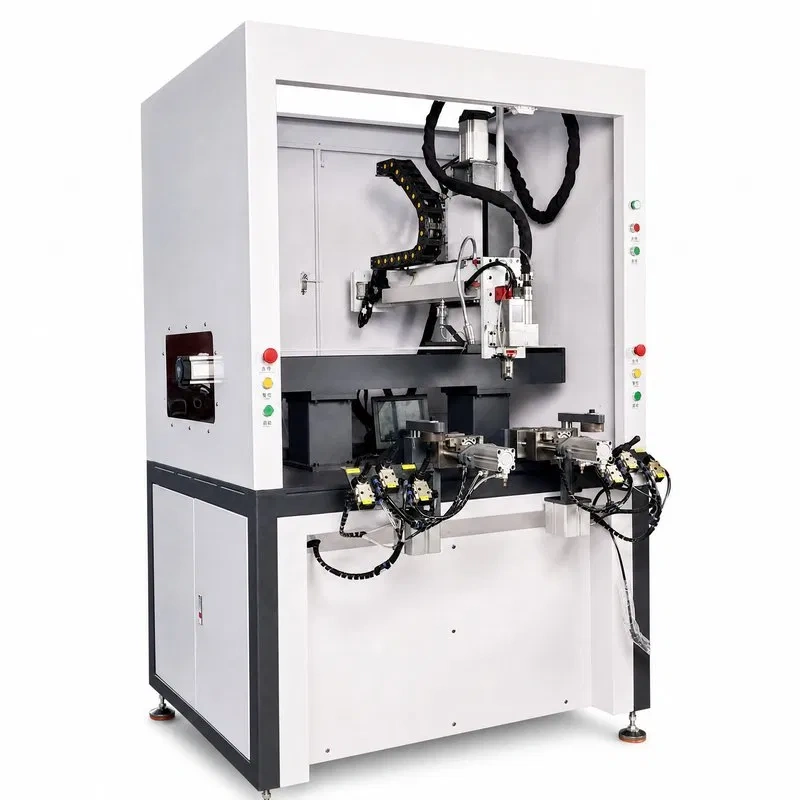
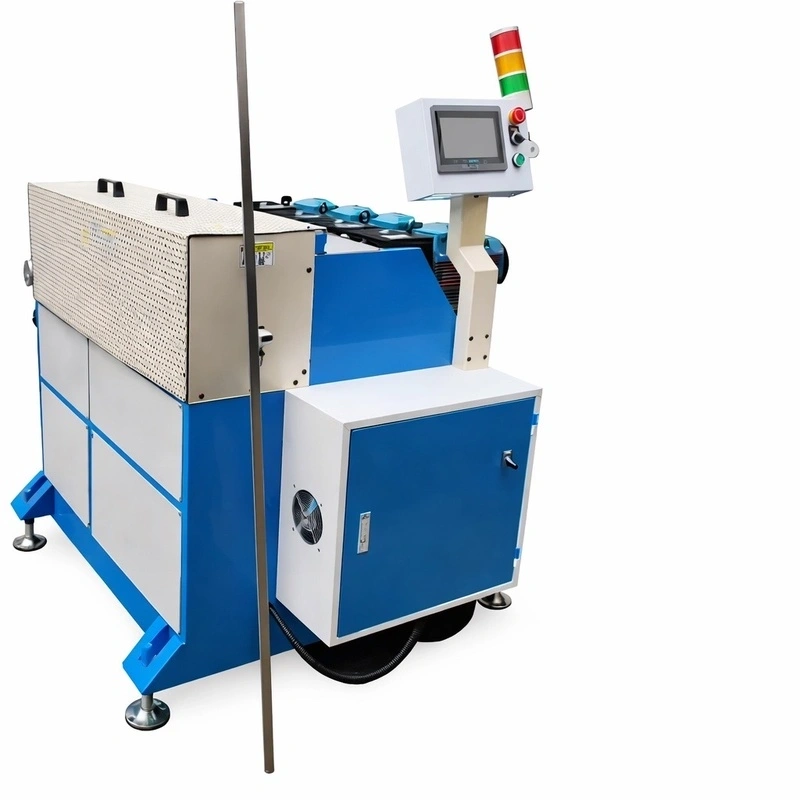
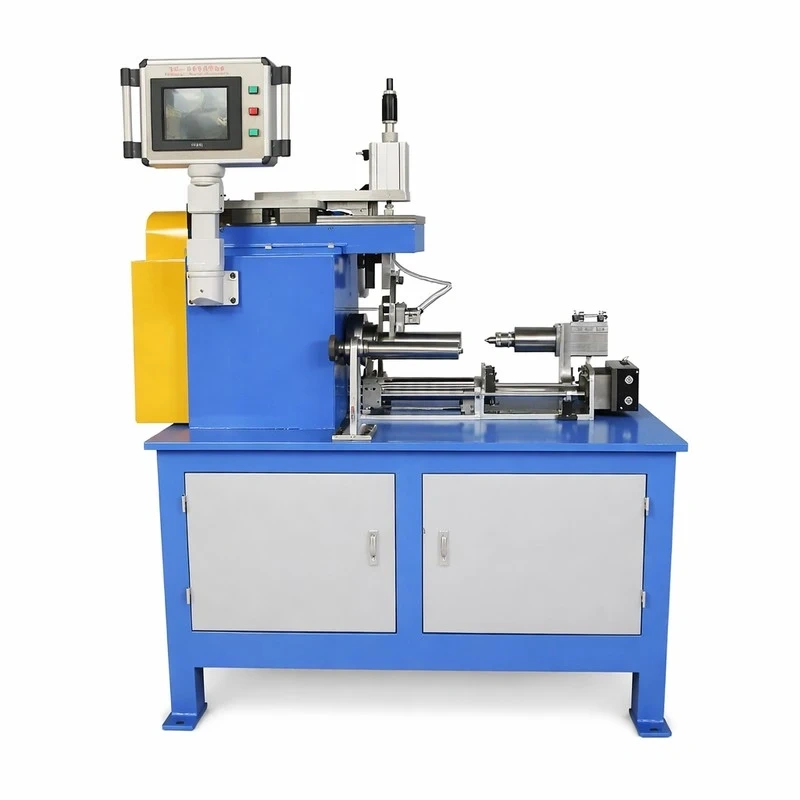
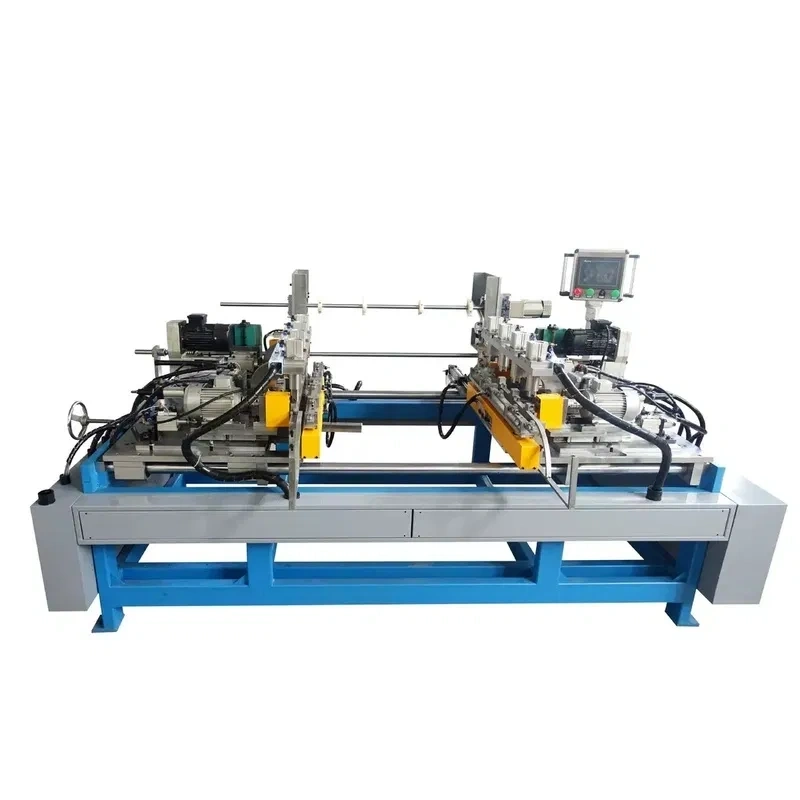
The automatic laser welding machine for flange heaters is an industrial welding cell developed for manufacturers of tubular heating elements, flange heaters and immersion heaters. It is intended to join metal tubes and flange-type components while controlling the laser path, seam width and process parameters. The configuration includes two welding modes, a dual welding head and two workstations, making it suitable for production environments where repeatable joining and organized part handling are important.

This is not a handheld laser welder or a portable general-purpose metal welding machine. It is industrial laser welding equipment for heating element production, with a product focus on flange-to-tube assembly for electric heaters. The machine processes copper and steel tubes and supports pulse operation, adjustable weld seam width and deep penetration. These functions provide process flexibility for different flange geometries and heating-element assemblies.

The dual-station layout is intended to separate part loading and unloading from the active welding cycle. The two stations can operate without interference. This makes the machine relevant to heating element manufacturers seeking to reduce idle handling time and standardize flange welding. This architecture improves workflow continuity by allowing the operator to prepare one part while the other station is active.

The equipment provides X/Y/Z travel of 600/400/300 mm and a welding speed of 1,800 mm/min. Adjustable seam width and pulse control give process engineers additional variables for developing a stable weld procedure. The system integrates motion control, cooling, fixtures, extraction and laser-safety functions for industrial production environments.

Flange heater and immersion heater manufacturing

The primary use case is the production of flange heaters and immersion heaters in which a flange supports the heater assembly and enables installation in a tank, vessel or process system. Heatecx describes industrial flanges as support and connection components for heating elements on its Flanges | Industrial Flanges page. A laser welding cell can be evaluated where the flange-to-tube joint requires controlled heat input, repeatability and a consistent visual profile.

Tubular heating element production

Tubular heaters typically involve metal sheath tubes, electrical insulation, terminals, end closures and mounting components. A dedicated flange welding machine can be placed within a broader manufacturing route that includes tube preparation, MgO filling, end sealing, forming and inspection. The Welding Machines category explains the different welding operations used in heating element production, while the MgO filling machine is a related process reference.

Copper and steel tube welding

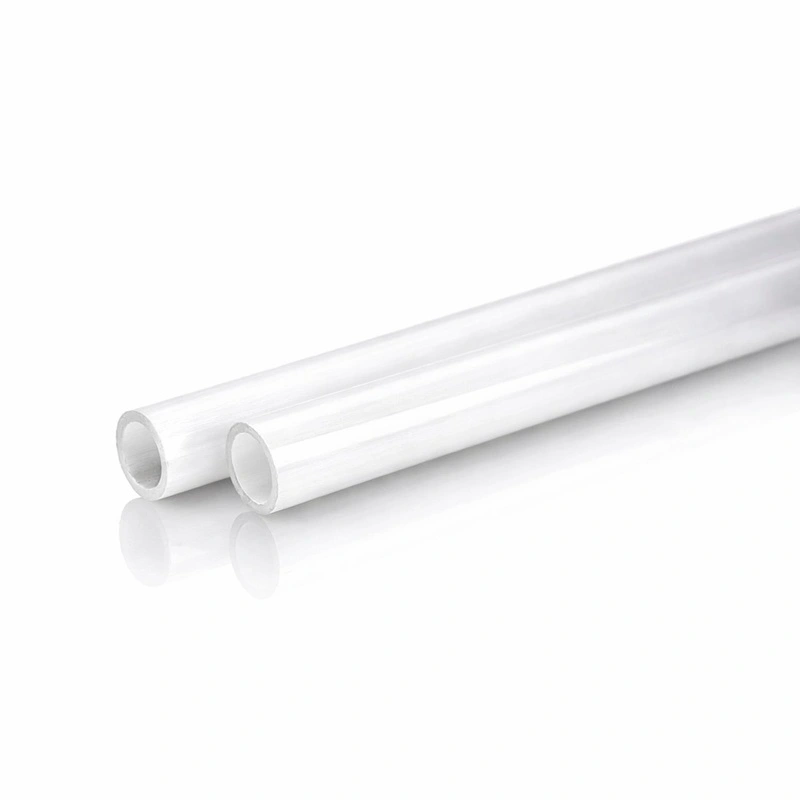
The machine processes copper and steel tubes. These materials can require different energy delivery and heat-management strategies because their thermal properties differ. The pulse, speed and seam-width controls allow the welding process to be adapted to the thermal and geometric properties of each material.

The process begins with a part definition and a qualified welding procedure. The engineering team identifies the flange and tube materials, dimensions, wall thickness, weld path, required penetration and inspection method. Surfaces should be clean, free from oil and burrs, and properly aligned. The correct fixture is selected to support the assembly and prevent movement during the laser cycle.

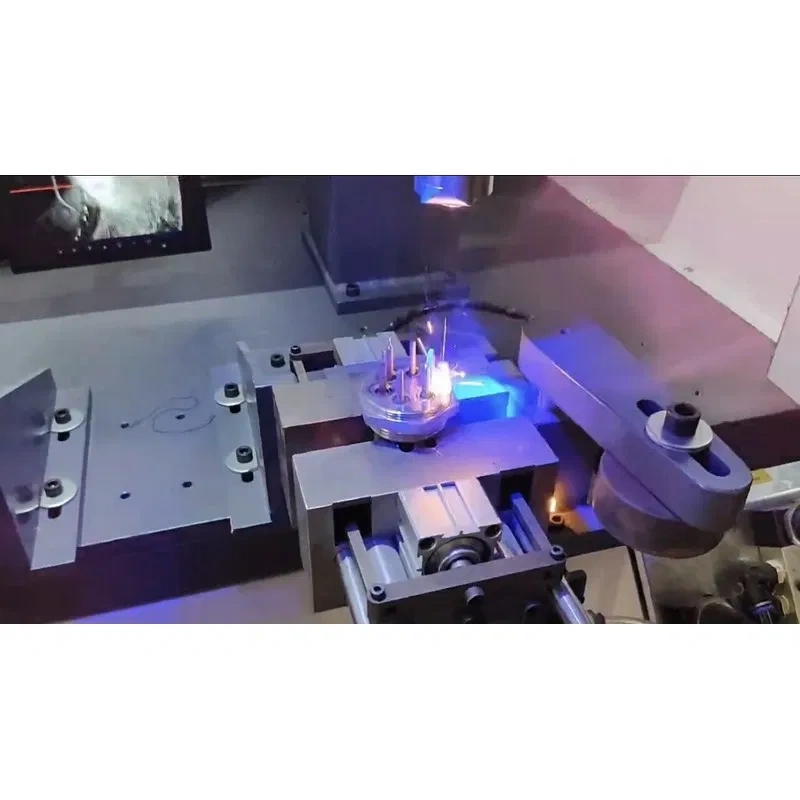
The operator loads the part into one of the two workstations, verifies the program and checks the clamping condition. The selected welding mode, laser power, travel speed, pulse function, seam width and axis path should correspond to a validated recipe. While one station is welding, the second station may be prepared where the safety system and cycle logic allow it.

During the cycle, the welding head follows the programmed path along the flange-to-tube joint. Pulse control can help tune energy delivery for specific material combinations and geometries. The deep-penetration function supports consistent fusion in joints that require greater weld reach.

After welding, the joint is inspected according to the application. Typical checks may include visual inspection, dimensional measurement, leak testing, mechanical testing, metallographic examination or electrical verification. The approved recipe is stored for repeat production. Commissioning should also cover laser safety, enclosure interlocks, extraction, cooling-system maintenance, optics cleaning and emergency procedures.

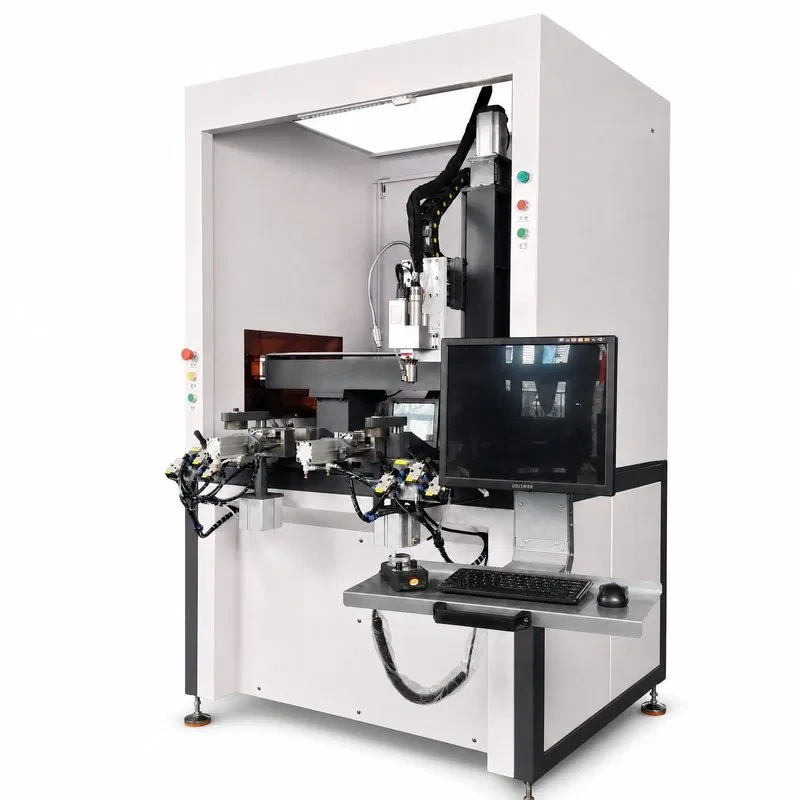
The dual-station configuration is designed to improve workflow continuity by allowing part handling to be organized around the active welding cycle. The adjustable weld seam width provides a way to tune the joint profile for a particular flange and tube arrangement. The pulse function gives the process engineer another control variable when managing energy input and the heat-affected zone.

The laser power is 1,500 W, with 5,000 W total machine power and a 1,500 W chiller. The welding speed is 1,800 mm/min, while axis travel is 600/400/300 mm. These specifications support equipment selection and process planning for industrial heating-element production.

For manufacturers already evaluating industrial welding machines for tubes and heating elements, this system offers a specialized route for laser-based flange joining, with repeatable programmed motion, controlled seam geometry and reduced reliance on manual torch skill.

Specification

Listed value

Equipment type

Automatic laser welding, two modes

Workstations

2

Welding head

Dual welding head, 2,000 W

Laser power

1,500 W

Total machine power

5,000 W

Chiller power

1,500 W

Listed materials

Copper and steel tubes

Listed welding speed

1,800 mm/min

X/Y/Z travel

600/400/300 mm

Electrical supply

220 V ±5%, 50 Hz

Overall dimensions

1,200 × 1,200 × 1,900 mm

Total weight

400 kg

Process functions

Pulse, adjustable weld seam width and deep penetration

Welding recipes

Up to 10 welding processes

FAQ

It is used to automate flange-to-tube welding in the production of electric heating elements, flange heaters and immersion heaters. The supplied configuration is aimed at industrial production rather than handheld repair or general workshop welding.

Customers also viewed