Industrial Heating Elements: Resistive Heat Sources for High-Demand Thermal Processes
Industrial heating elements, also referred to as resistance heaters or electric heaters, are the core component of any resistive electric heating system used in manufacturing, heat treatment, temperature maintenance, and freeze protection. Unlike domestic or low-power resistors, industrial heating elements are engineered to operate continuously under extreme temperature conditions, repeated thermal cycling, corrosive or abrasive atmospheres, and surface power densities (W/cm²) far above those found in conventional applications.
At Heatecx, we manufacture and supply directly — without intermediaries — a full range of resistive heating technologies covering practically every industrial process that requires Joule-effect heat generation: from ceramic and metallic elements capable of exceeding 1800 °C to flexible heat tracing systems for temperature maintenance on pipes and tanks. Our Shenzhen facility integrates both the production machinery and the raw materials required to manufacture each heating element type, allowing us to offer custom specifications, competitive lead times, and quality control at every stage of the process.
Physical principle: the Joule effect applied to industrial processes
Every resistive heating element operates on the same principle: when an electric current passes through a conductor of a given resistivity, part of the electrical energy is dissipated as heat (P = I²·R). What distinguishes one category of industrial heating element from another is primarily:
- The resistive material used (metallic alloys such as NiCr, FeCrAl, or conductive ceramics like MoSi2 and SiC).
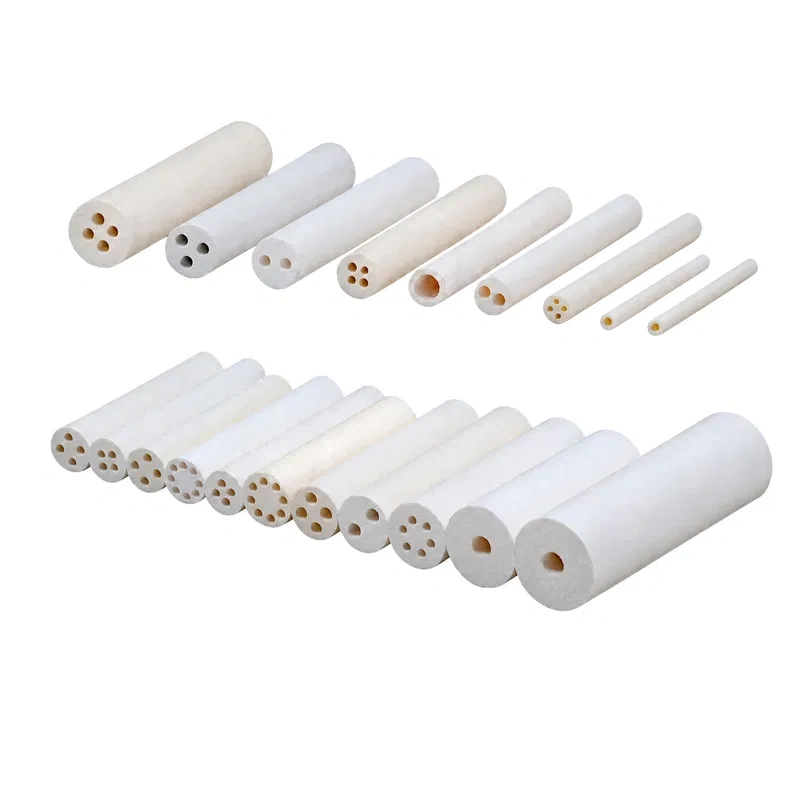
- The insulating and support material (magnesium oxide, alumina, mica, quartz).
- The geometry and heat-transfer mode (direct contact, infrared radiation, convection).
- The maximum operating temperature and the allowable surface power density.
This technical classification is what determines which category of industrial heating element fits each process, and it is the framework behind our product catalog.
Heatecx Industrial Heating Element Categories
|
Category
|
Material / technology
|
Approx. max. temperature
|
Typical application
|
|
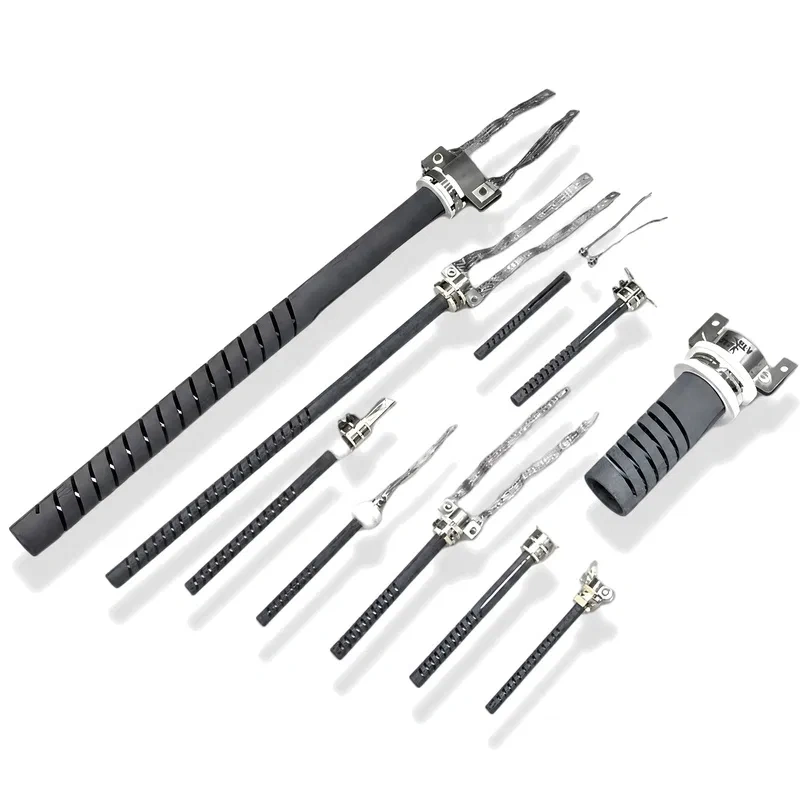
MoSi2 Heating Elements
|
Molybdenum disilicide
|
Up to 1800–1850 °C
|
High-temperature furnaces, sintering, technical ceramics
|
|
Silicon Carbide (SiC) Heating Elements
|
Recrystallized silicon carbide
|
Up to 1625 °C
|
Crucible melting furnaces, rotary kilns, heat treatment
|
|
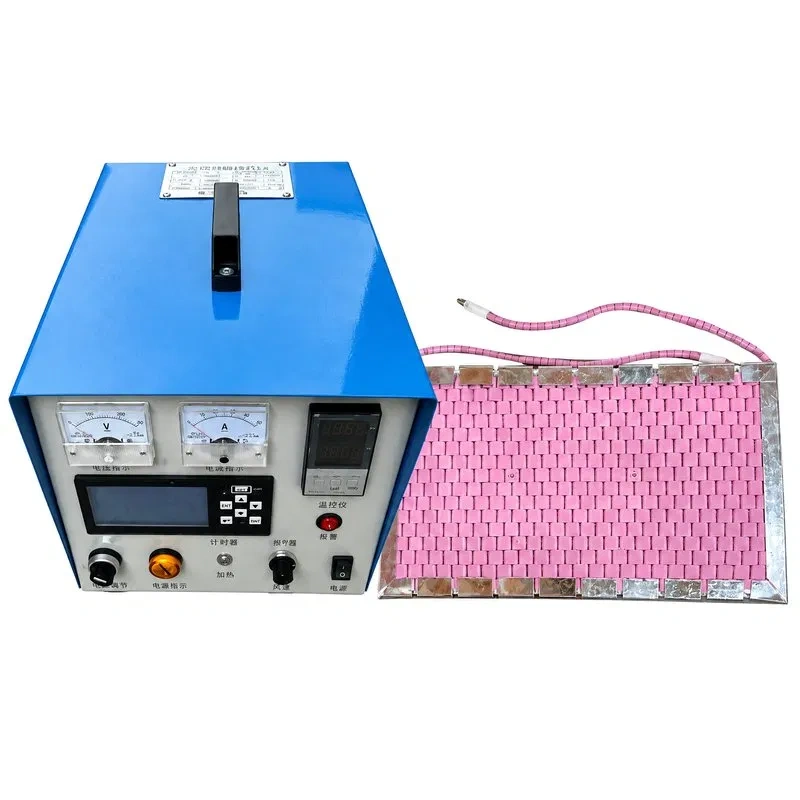
Ceramic Pad Heaters
|
NiCr + alumina ceramic, blanket/crawler type
|
Up to 1000 °C
|
Weld preheating, PWHT, pipe and flange heat treatment
|
|
Heat Tracing
|
Self-regulating, constant wattage, MI
|
Depending on type (up to 260 °C+)
|
Pipe and tank temperature maintenance, freeze protection
|
|
Quartz Infrared Heating Elements
|
Filament inside a quartz tube
|
Up to 1200 °C (emitter)
|
Drying, paint curing, rapid radiant heating processes
|
|
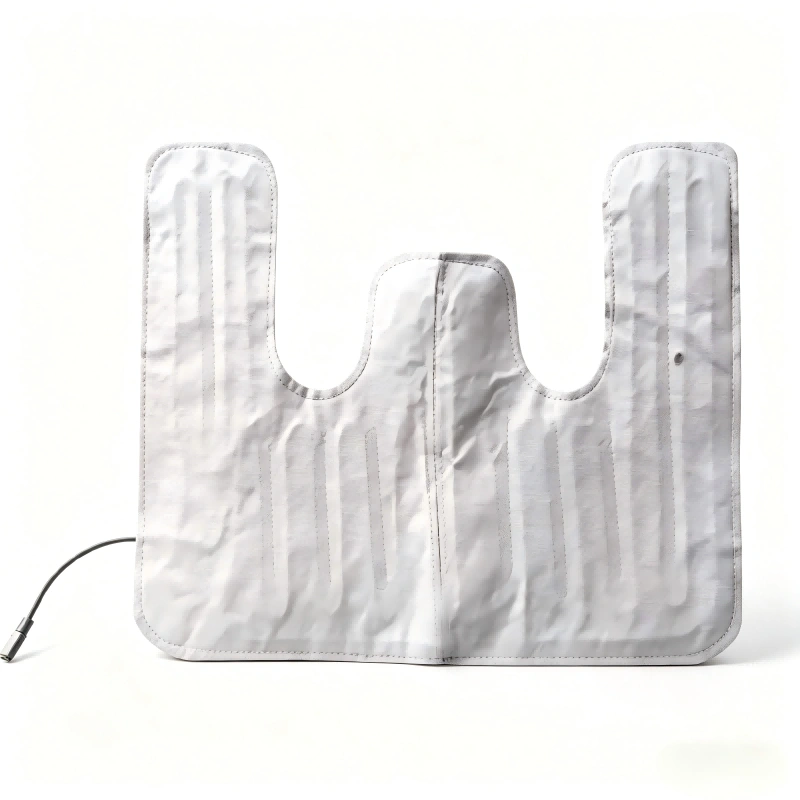
Heating Blankets
|
Silicone wire or non-woven fabric
|
Up to 260 °C
|
Drum, pipe, mold, and tank preheating
|
|
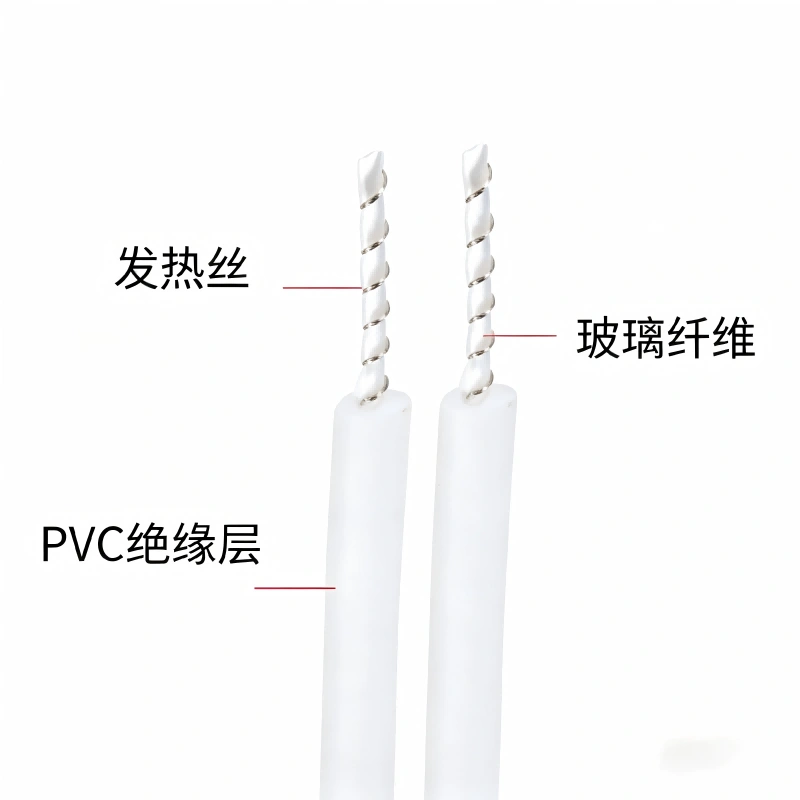
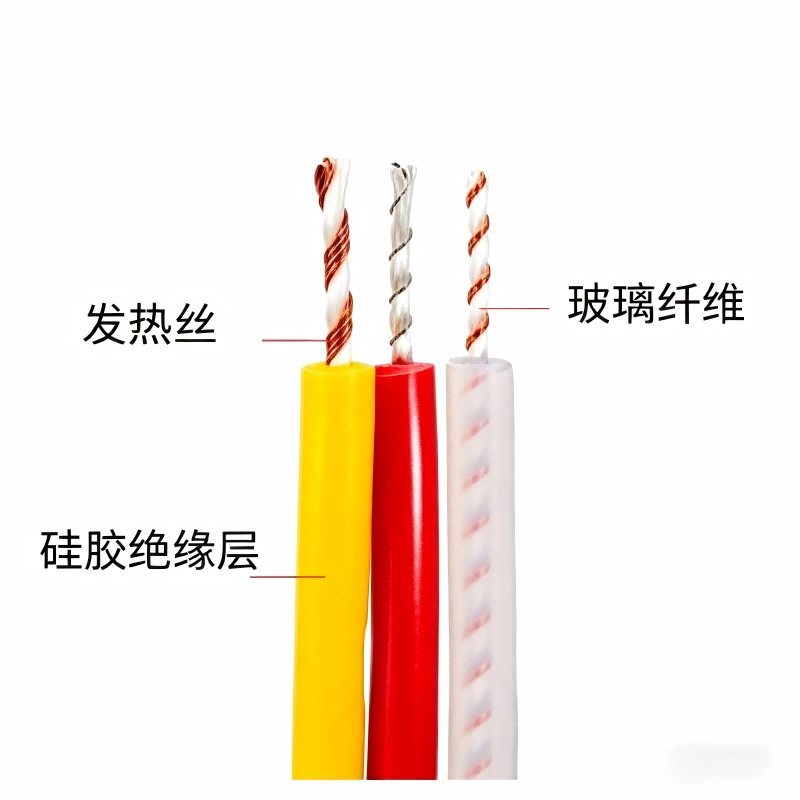
Heating Cables
|
PVC, silicone, or mineral-insulated (MI)
|
Depending on insulation (105–600 °C)
|
Heat tracing, flexible pads, line protection
|
|
Ceramic Infrared Heaters
|
Ceramic plate with embedded resistance
|
Up to 750–800 °C
|
Industrial drying, curing, medium-wave radiant heating
|
|
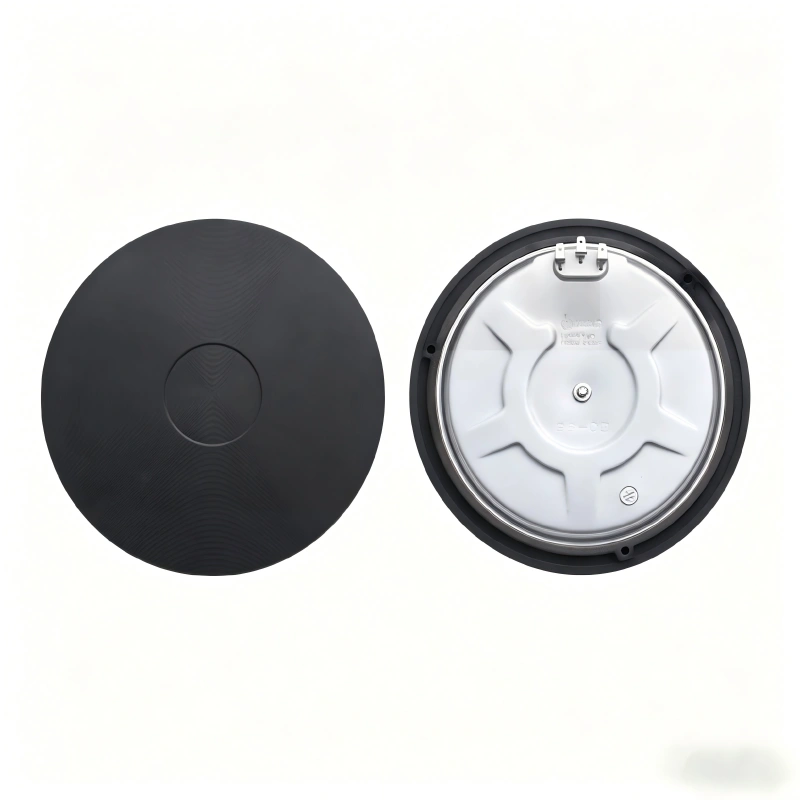
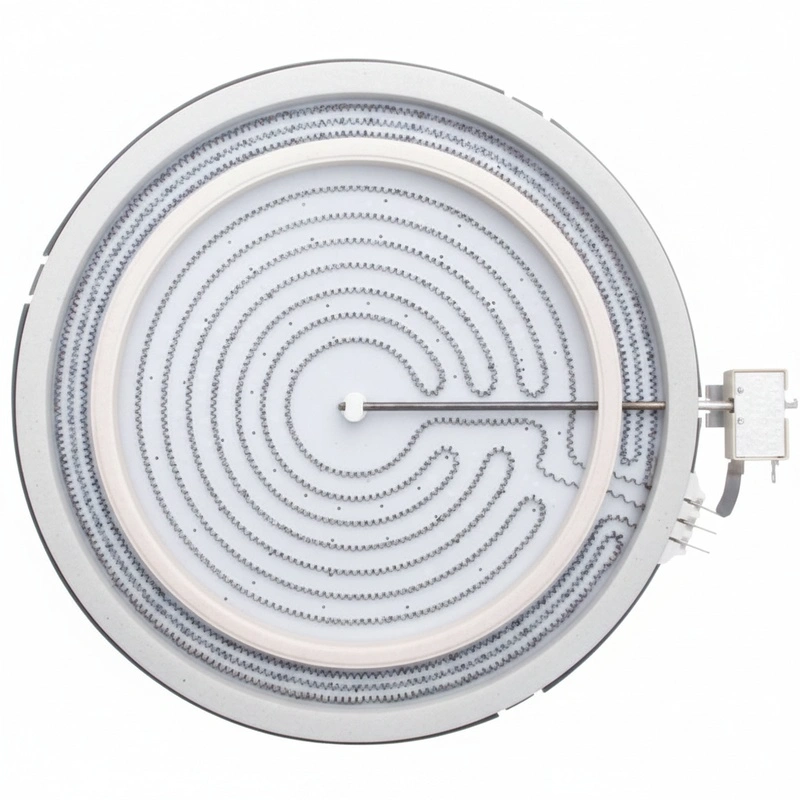
Heating Plates and Disks
|
Cast iron or technical ceramic
|
Up to 650 °C
|
Industrial cooking equipment, radiant ovens, contact surfaces
|
Each of these categories answers a different process requirement: operating temperature, heat-transfer mode (contact, radiation, or embedded resistance), workpiece geometry, and installation environment (oxidizing, corrosive, or explosion-hazard atmosphere).
Historical background of industrial heating elements
Resistance heating traces back to the work of James Prescott Joule, who in the 1840s formulated the law that bears his name, describing heat dissipation as proportional to the square of the current (P = I²·R). Building on this principle, the first commercial heating elements emerged in the late 19th century, initially made from iron and nickel wires that suffered from rapid oxidation and short service life at elevated temperatures.
The real leap toward the modern industrial heating element came with the nickel-chromium alloy (nichrome), patented in the early 20th century, which offered far greater mechanical strength and oxidation resistance than earlier alloys, enabling sustained operating temperatures above 1000 °C. Throughout the 20th century, new resistive materials were progressively introduced: FeCrAl alloys for higher-temperature applications, conductive ceramics such as silicon carbide (SiC) starting in the 1930s, and later molybdenum disilicide (MoSi2), capable of reaching temperatures close to 1800 °C in oxidizing atmospheres. In parallel, the development of mineral-insulated (MI) cable and self-regulating heat tracing systems during the second half of the 20th century extended the use of industrial heating elements well beyond furnaces, into temperature maintenance for pipelines, tanks, and continuous processes.
Fundamental concepts of industrial heating elements
Understanding how to select and apply an industrial heating element requires familiarity with a few core technical concepts:
- Electrical resistivity (ρ): an intrinsic material property that determines its opposition to current flow, and which varies with temperature. It is the parameter that defines which alloy or ceramic material fits a given thermal range.
- Surface power density (W/cm²): the amount of energy a heating element can dissipate per unit of surface area without premature degradation. Together with temperature, it is the most decisive technical criterion in sizing.
- Temperature coefficient of resistance: the variation in a conductive material's resistivity as a function of temperature, relevant for control-circuit design and for predicting element behavior during cold starts.
- Thermal service life: the expected operating life of a heating element before oxidation, thermal fatigue, or insulation degradation compromise its performance — directly dependent on the margin between the operating temperature and the material's maximum rated temperature.
- Heat-transfer mode: the mechanism by which heat generated in the resistive element reaches the workpiece or process fluid — conduction/direct contact, convection, or infrared radiation — which determines the geometry and the most suitable heating element category.
Technological advances in industrial heating elements
The development of new alloys and ceramic materials has steadily expanded the temperature range, energy efficiency, and service life of industrial heating elements:
- Next-generation NiCr and FeCrAl alloys, with rare-earth element additions that improve adhesion of the protective oxide scale and reduce spalling during thermal cycling, extending service life in applications with frequent start/stop cycles.
- Self-regulating heat tracing systems, which automatically adjust power output based on ambient temperature without external controllers, reducing energy consumption compared to earlier constant-wattage systems.
- High-purity conductive ceramics (MoSi2, recrystallized SiC) that have progressively raised the maximum operating temperature in oxidizing atmospheres, expanding their use into sintering and technical-ceramics processes once reserved for other technologies.
- Flexible blanket and crawler-type designs, replacing traditional rigid heating elements in weld-preheating applications, allowing the heating element to conform to complex geometries without additional custom fabrication.
- Integration with programmable temperature controllers (PID), enabling controlled heating ramps, thermal-curve logging, and improved repeatability in heat-treatment processes.
Power density and selection criteria
Selecting an industrial heating element does not depend solely on the required maximum temperature, but also on the surface power density (W/cm²) the element can dissipate without premature degradation, and on the chemical compatibility between the resistive material and the process atmosphere.
|
Selection criterion
|
Parameter to evaluate
|
Best-suited categories
|
|
Process temperature > 1400 °C
|
High-temperature oxidation resistance
|
MoSi2, Silicon Carbide
|
|
Irregular or curved geometry
|
Flexibility and adaptability
|
Ceramic pad heaters, heating blankets
|
|
Temperature maintenance on long pipe runs
|
Self-regulation and energy efficiency
|
Heat tracing
|
|
Heating without physical contact
|
Radiant heat transfer
|
Quartz infrared heaters, ceramic infrared heaters
|
|
Corrosive or vapor-laden atmosphere
|
Metallic or ceramic corrosion-resistant sheathing
|
MI-sheathed elements, ceramic elements
|
|
Confined space or localized welds
|
Compact design, direct contact
|
Heating blankets, fan-type ceramic pad heaters
|
|
Explosive atmosphere risk (hazardous area)
|
IEC 60079-30 certification
|
Certified heat tracing
|
Manufacturing process (overview)
Although each heating element category has a specific process, the manufacturing of industrial heating elements at Heatecx follows common stages:
- Raw material selection and control — verification of alloy composition (NiCr, FeCrAl) or ceramic powder purity (MoSi2, alumina, MgO).
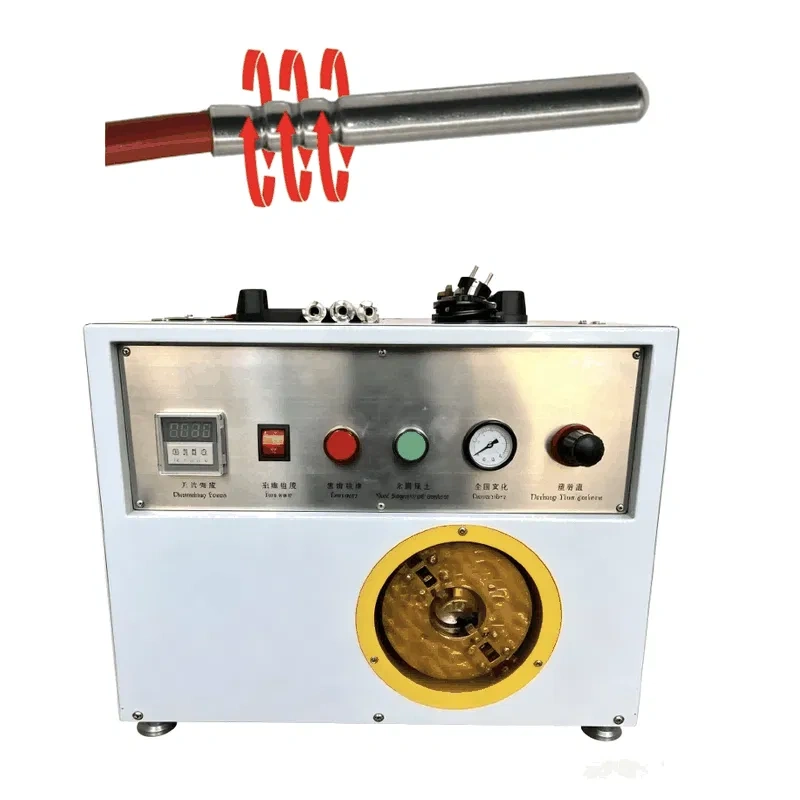
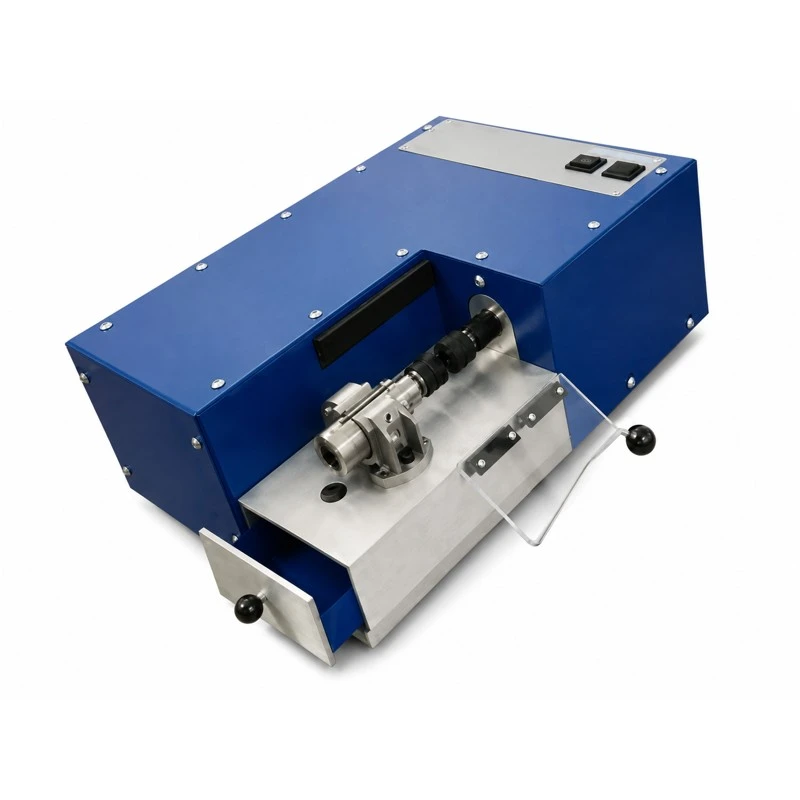
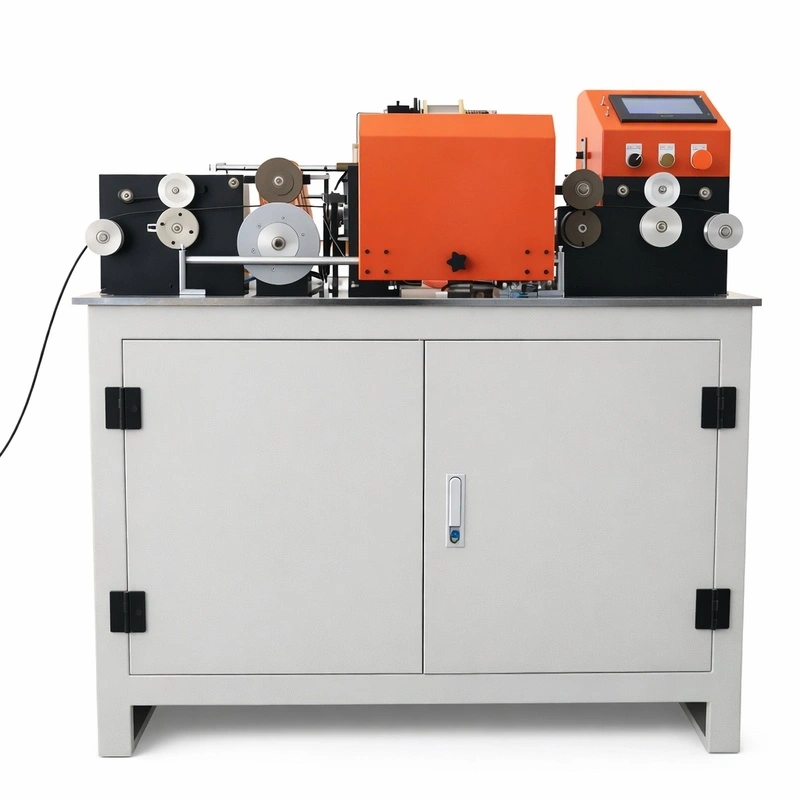
- Resistive element forming — wire coiling, ceramic extrusion, or SiC/MoSi2 rod cutting depending on the category.
- Insulation and encapsulation — MgO compaction inside a metal tube, ceramic lamination, or silicone/PVC jacketing depending on cable or blanket type.
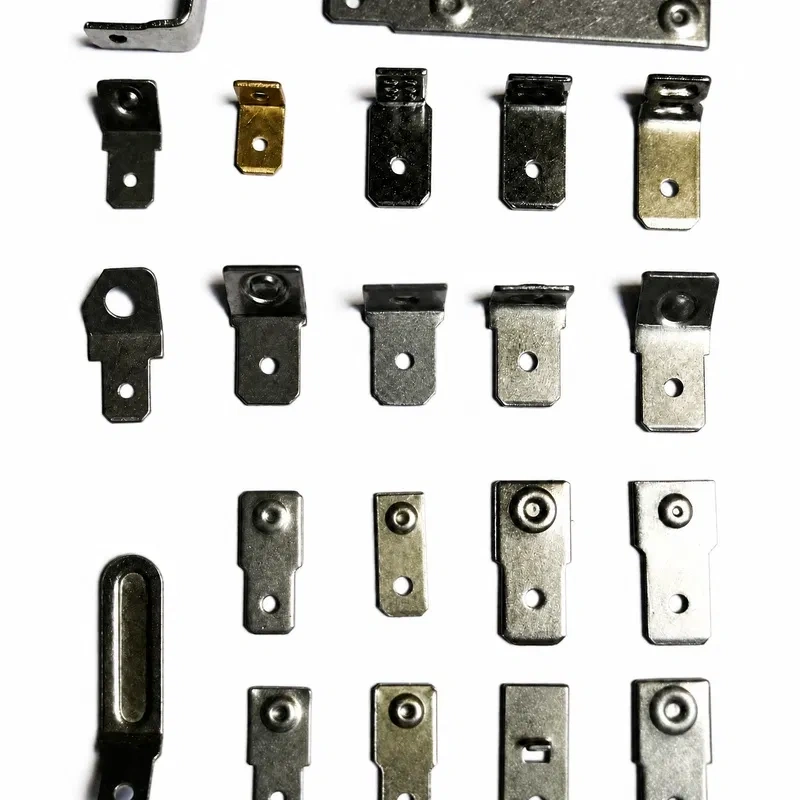
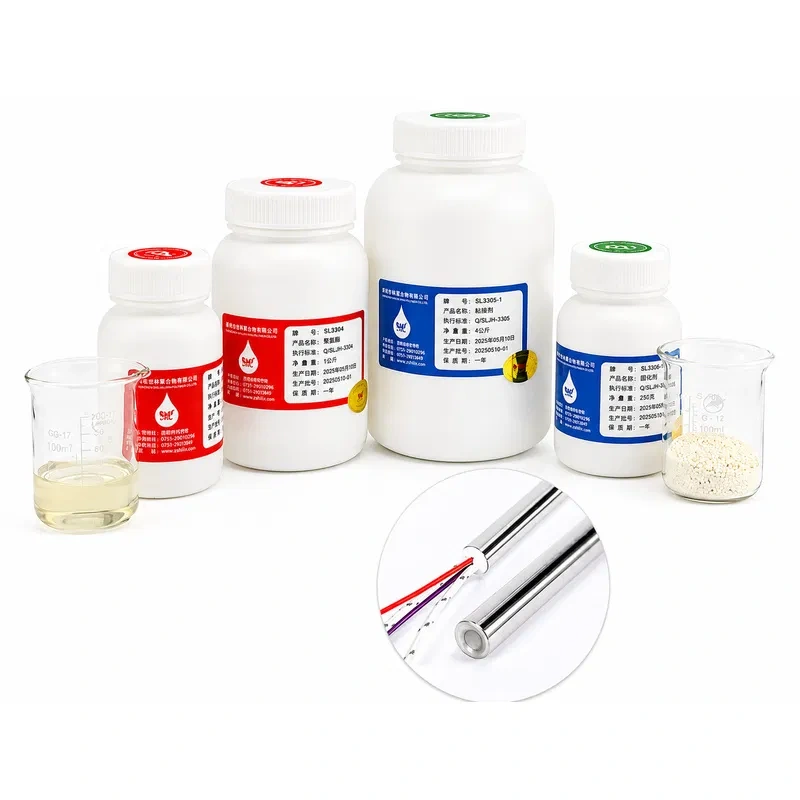
- Terminals and connections — welding or crimping of terminals, hermetic sealing with certified silicone adhesives.
- Curing and thermal stabilization — controlled heat treatment to stabilize the final electrical resistance.
- Dielectric strength and continuity testing — insulation verification (megohmmeter) and ohmic resistance check on 100% of batches.
- Rated-power functional testing — verification of operating temperature and resistance stability under real load.
- Packaging and traceability — technical documentation and batch quality certificate.
Common failure modes and preventive maintenance
|
Failure mode
|
Typical cause
|
Preventive measure
|
|
Accelerated oxidation of the resistive element
|
Sustained temperature above the material's rated limit
|
Verify thermal safety margin during sizing
|
|
Filament or resistance wire breakage
|
Abrupt thermal cycling, mechanical vibration
|
Avoid abrupt start/stop cycles, proper mechanical fixing
|
|
Loss of electrical insulation
|
Moisture, MgO contamination, insulation aging
|
Dry storage, periodic megohmmeter testing
|
|
Localized hot spots
|
Uneven winding distribution or mechanical damage
|
Periodic visual inspection, leakage current monitoring
|
|
Terminal or connection failure
|
Corrosion, insufficient tightening, defective sealing
|
Review tightening torque and sealant condition
|
|
Degradation of flexible jacketing (PVC/silicone)
|
UV exposure, aggressive chemicals, or abrasion
|
Select insulation suited to the installation environment
|
Applications by industry
|
Industry
|
Typically used heating element categories
|
|
Petrochemical and refining
|
Heat tracing, ceramic pad heaters (weld PWHT)
|
|
Metallurgy and heat treatment
|
MoSi2, Silicon Carbide, ceramic pad heaters
|
|
Technical ceramics and glass
|
MoSi2, Silicon Carbide
|
|
Food and packaging
|
Heating cables, heating plates and disks
|
|
Plastics and injection molding
|
Heating blankets
|
|
Pharmaceutical and laboratories
|
Quartz infrared heaters, ceramic infrared heaters
|
|
Shipbuilding and offshore
|
Heat tracing, magnetic heating blankets
|
|
Aerospace and automotive
|
Ceramic pad heaters for specialized component treatment
|
Application case 1 — Weld preheating at a petrochemical plant
A process plant welding large-diameter carbon steel pipelines requires local preheating before welding and post-weld heat treatment (PWHT) to relieve residual stress. Using crawler-type ceramic pad heaters allows the weld joint to be wrapped directly, reaching up to 1000 °C under a controlled temperature ramp program, without fixed furnaces or moving the workpiece. The flexible design conforms to elbows, flanges, and T-joints without additional custom fabrication.
Application case 2 — Freeze protection at a cold-climate processing plant
An industrial facility located in a low-temperature region needs to keep a network of process piping and storage tanks above freezing point during winter months. A self-regulating heat tracing system, installed along the pipe run beneath thermal insulation, automatically adjusts its power output based on ambient temperature, reducing energy consumption compared to a constant-wattage system and preventing production stoppages caused by line freezing.
Why choose Heatecx
- Direct manufacturer, not a trading intermediary: full control over materials, processes, and lead times.
- Vertical integration between production machinery and raw materials for heating element manufacturing, allowing specification adjustments without relying on third parties.
- Shenzhen production facility with capacity for custom dimensions, voltage, and power ratings tailored to the customer's process.
- Engineering technical support for selecting the right heating technology for each application.
- 100% batch quality control through electrical and functional testing before shipment.
Related internal links