Silicone Heating Cable
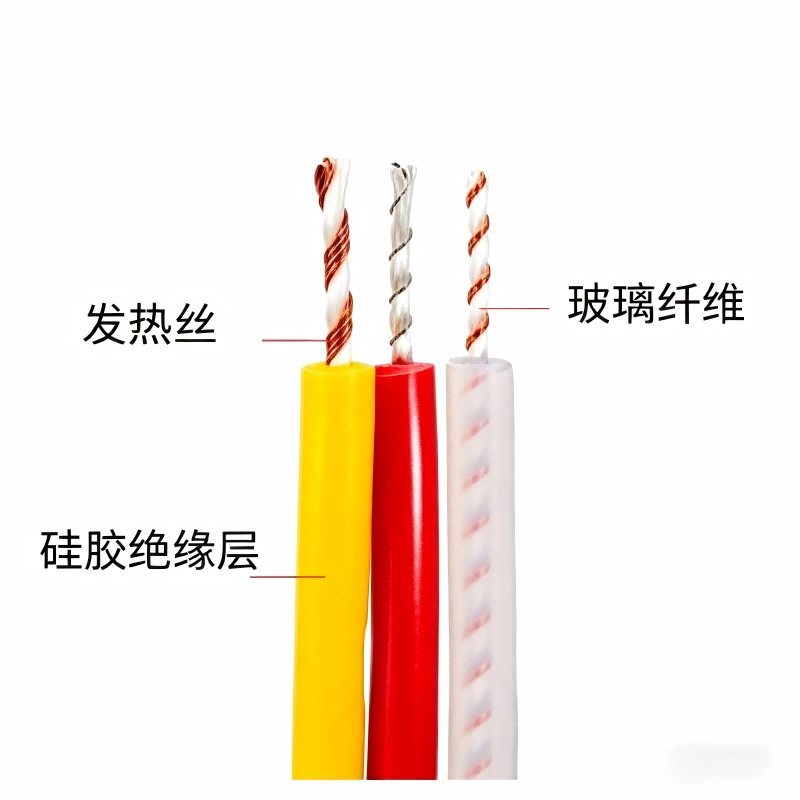
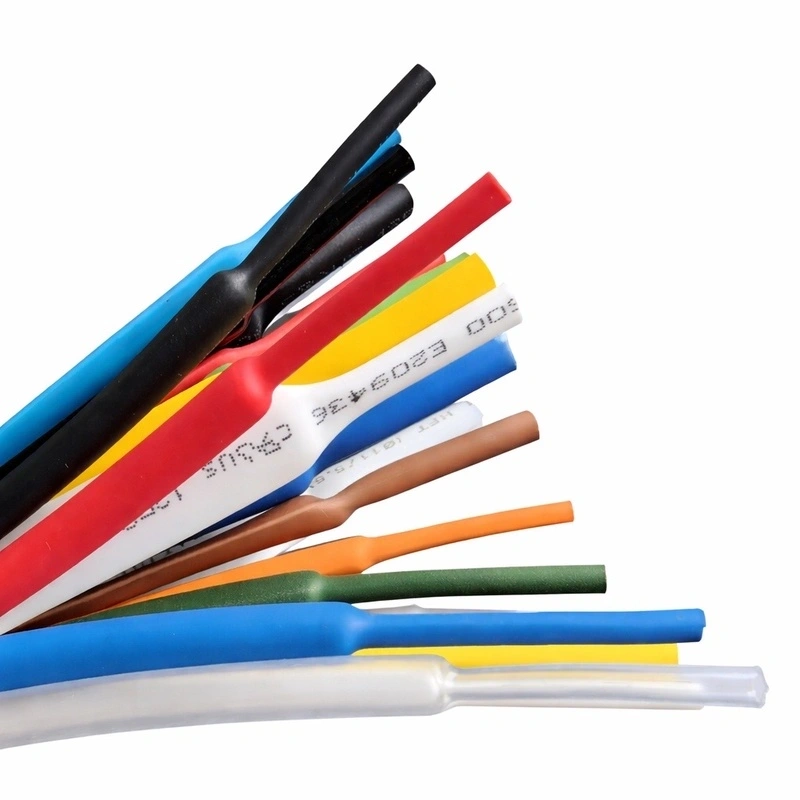
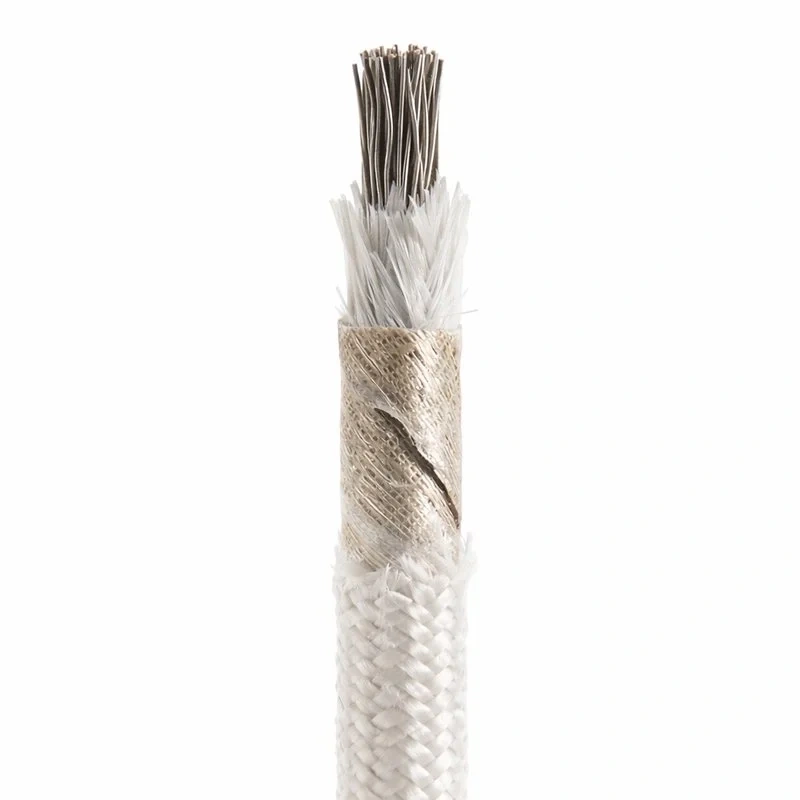
The Silicone Heating Cable is a flexible and durable heating solution designed for a wide range of applications. Constructed with high-quality metal or alloy heating filaments and a robust silicone insulating layer, this cable offers exceptional thermal performance and a long service life. It is ideal for environments requiring uniform and reliable heating, boasting excellent high-temperature resistance and insulation properties.
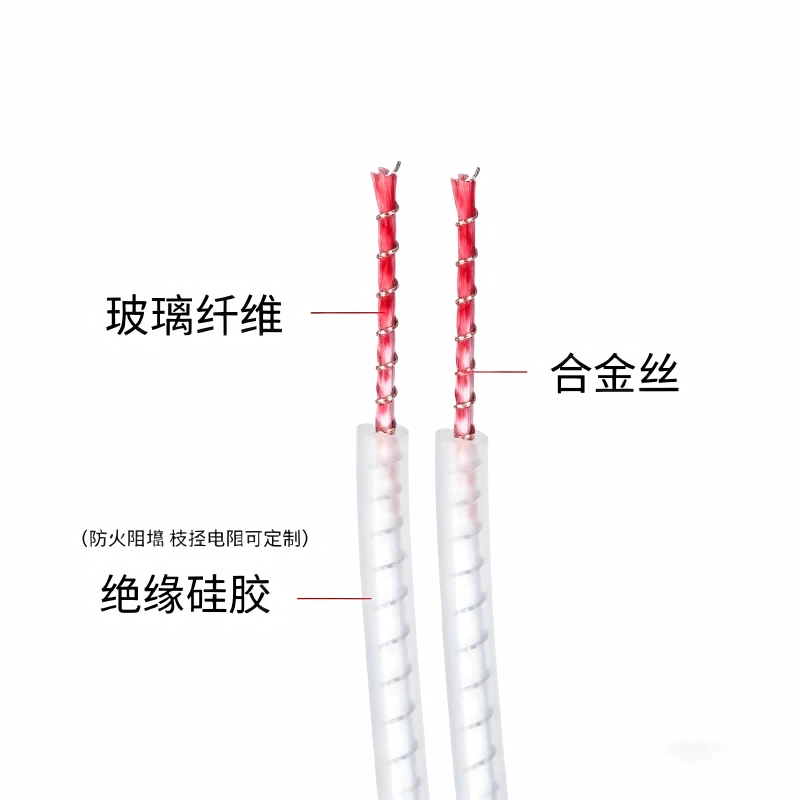
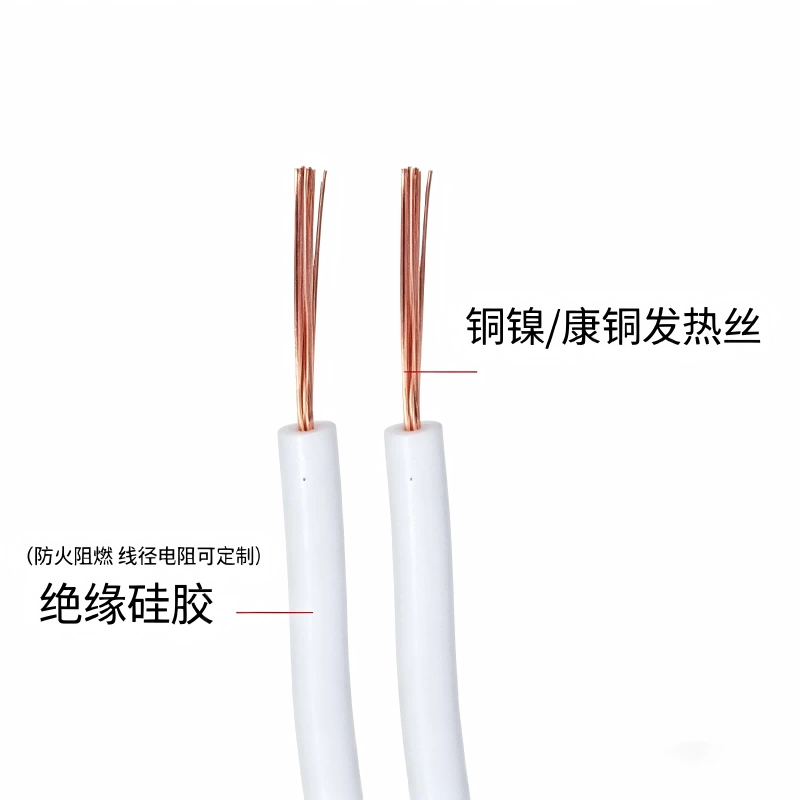
Our Silicone rubber heating wire represents the forefront of flexible heating technology. Available in standard Silicone insulated heating cable, multi-core, and punctuated configurations, each variant is engineered to meet specific needs. The standard version utilizes metallic winding for efficient heat distribution. The multi-core cable, with its copper-nickel or constantan filaments, ensures rapid heating, high thermal efficiency, and superior temperature uniformity. Meanwhile, the punctuated cable allows for custom marking points and scales, facilitating precise installation and control. All our cables are built with high-grade silicone insulation, offering exceptional resistance to temperatures up to 200°C and a standard voltage of 300V, making them a safe and reliable Flexible silicone heater for diverse industries.

|
Technical Feature
|
Standard Silicone Heating Cable
|
Multi-core Silicone Heating Cable
|
Punctuated Silicone Heating Cable
|
|
Standard Voltage
|
300V
|
300V
|
300V
|
|
Max. Temperature
|
200°C
|
200°C
|
200°C
|
|
Resistance Range
|
0.1-10000 Ω/m
|
0.1-10000 Ω/m
|
0.1-10000 Ω/m
|
|
Diameter Range
|
1.5-6.0 mm
|
1.0-6.0 mm
|
1.5-6.0 mm
|
|
Main Function
|
Metallic winding, spiral heating
|
Fast heating, high efficiency, uniform temperature
|
Fixed marking points, customized scales
|
|
Core Material
|
Heating filament
|
Copper-nickel/Constantan
|
Alloy
|
|
Insulation
|
Silicone, glass fiber
|
Silicone
|
Silicone, glass fiber
|
FAQ
What is a silicone heating cable and how does it work?
A Silicone heating cable is a type of flexible heater that generates heat when an electric current is applied. It consists of a heating core (typically metallic or alloy filaments) encased in a silicone insulating layer. The current passing through the core encounters resistance, producing heat through the Joule effect. Silicone provides excellent electrical and thermal insulation, as well as flexibility and high-temperature resistance.