Inorganic Refractory Sealant for Heating Elements| 1800°C

Explore the SL8306 inorganic refractory sealant. Resists up to 1800°C. Professional solution for hermetic sealing of tubular and cartridge heaters.

SL8306 Refractory Inorganic Sealant for Electric Heaters

The SL8306 Inorganic Sealant is a high-level chemical engineering solution developed to act as the critical protective component in the manufacturing of high-power heating elements. This two-component adhesive is not merely a glue, but a structural ceramic sealing system that guarantees the dielectric integrity of electric heaters against the most hostile conditions of heat, pressure, and chemical agents. In an industry where the failure of a sensor or heater can halt entire production lines, SL8306 stands as the standard of reliability for engineers and manufacturers who cannot afford compromises in sealing quality.

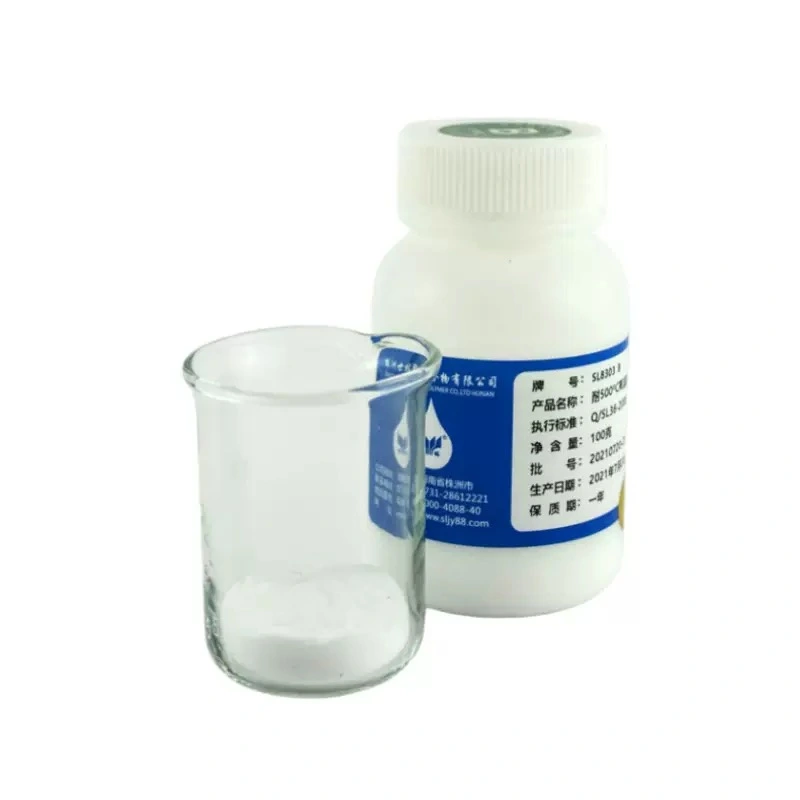
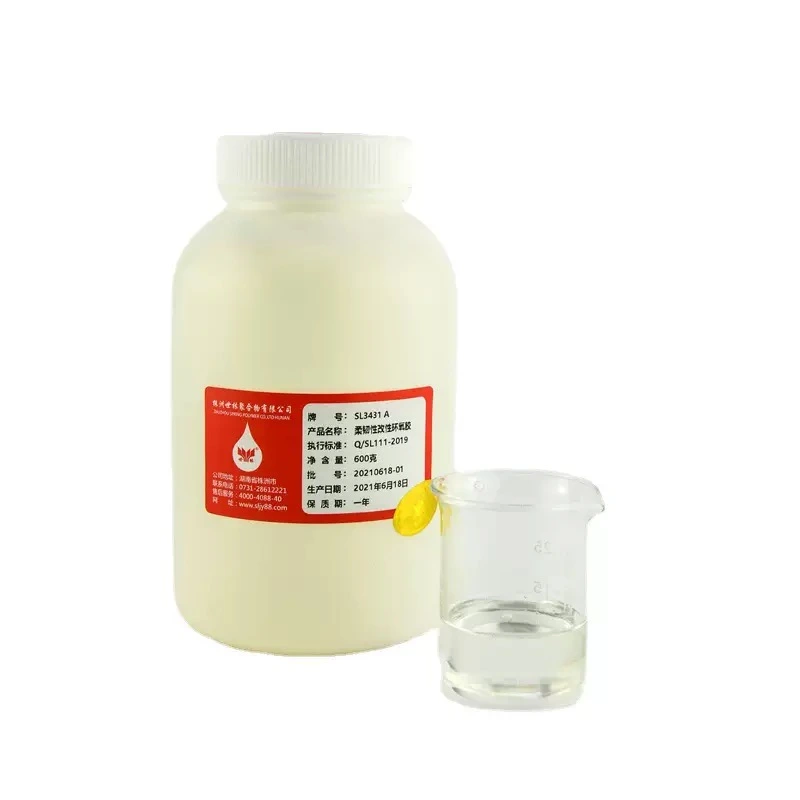
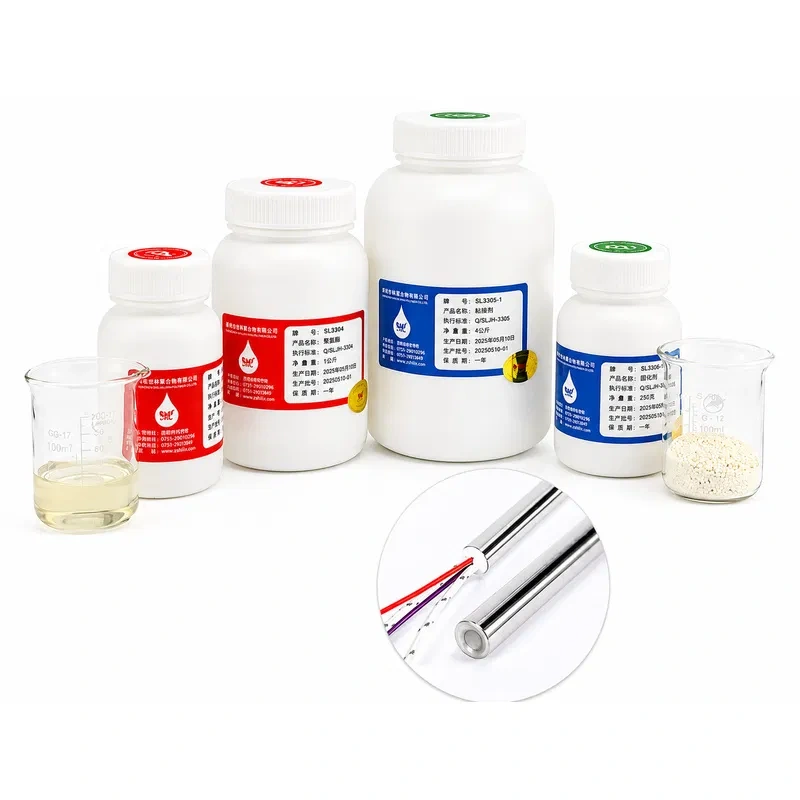
SL8306 is a ceramic-based inorganic sealant composed of two reactive agents: Agent A, a cyan-grey viscous liquid that acts as a high-density binder, and Agent B, a fine light brown-yellow powder composed of refractory metal oxides. Unlike organic polymer-based sealants, SL8306 forms a 100% inorganic crystalline matrix after thermal curing. This chemical nature allows it to maintain absolute stability up to 1500°C (2732°F), with the exceptional ability to withstand transient peaks of up to 1800°C (3272°F) without carbonization, mass loss, or emission of volatile gases that could contaminate sensitive processes.

In the context of industrial electric heater manufacturing, SL8306 fulfills a vital function: the hermetic sealing of the tube's "mouth." Its mission is twofold: first, to mechanically fix the terminal pin to prevent displacement due to thermal expansion; and second, to seal access to the magnesium oxide (MgO) powder, preventing this hygroscopic material from absorbing moisture from the environment, which would cause short circuits and insulation failures. Thanks to its controlled fluidity, SL8306 penetrates the irregularities of the steel tube and ceramic, creating a monolithic bond that resists industrial vibrations and high working pressures.

The versatility of SL8306 makes it indispensable in sectors where extreme heat is the norm:

•Tubular Heater Manufacturing: End sealing in immersion heaters for water, oil, and chemicals, as well as in air heating elements and cartridge heaters.

•Instrumentation and Sensors: Protection and fixing of temperature probes, industrial thermocouples, and PT100/RTD sensors in aviation engines, turbines, and foundry furnaces.

•Laboratory Equipment: Sealing joints in muffle furnaces, crucibles, and thermal analysis equipment where inorganic purity is required.

•Metallurgy and Steel Industry: Protective coating against oxidation on metal tools exposed to direct flame and flange sealing in hot gas ducts.

•Lighting Industry: Fixing caps in high-intensity discharge (HID) lamps and high-power industrial projectors.

Successful sealing with SL8306 depends on precise technical execution. Follow this protocol to ensure superior dielectric insulation:

Preparation and Dehumidification Phase

Before applying the sealant, it is imperative that the heating element is free of internal moisture. We recommend baking the heater (with the MgO already compacted) at a temperature between 400°C and 600°C for 2 hours. The contact surfaces (the terminal pin and the interior of the industrial tubing) must be cleaned with non-residue solvents to guarantee optimal chemical adhesion.

Mixing Preparation (Agent A + Agent B)

1.Homogenization: Vigorously shake Agent B (powder) to eliminate any settling. If lumps are observed, grind the powder in a mortar before mixing.

2.Mixing Ratio: For standard heater sealing, use the weight ratio A:B = 10 : 15~25. A higher amount of powder (25 parts) will increase viscosity and final mechanical strength, while a lower amount (15 parts) will facilitate penetration into narrow spaces.

3.Mixing: Combine both agents in a clean container and stir slowly to avoid incorporating air bubbles. The mixture must be used within the first 4 hours.

Application and Thermal Curing

Apply the resulting paste to the mouth of the heater, ensuring no air gaps remain. Wipe off excess with a damp cloth. Curing must be performed following this temperature ramp to avoid cracks from rapid solvent evaporation:

1.Stabilization: 30 minutes at room temperature (20-25°C).

2.Pre-curing: 90 minutes at 40°C.

3.Consolidation: 60 minutes at 65°C.

4.Final Vitrification: 120 minutes at 100°C.

Important: Slow cooling inside the furnace guarantees a ceramic matrix without internal stresses.

•Extreme Thermal Stability: Continuous operation at 1500°C, far exceeding traditional silicone sealants.

•High-Range Dielectric Insulation: Resistance exceeding 500 MΩ after curing, eliminating electrical leakage risks.

•Chemical and Oxidation Resistance: Immune to most acids, alkalis, and organic solvents, protecting the terminal pin from corrosion.

•Non-Combustible Safety: Being 100% inorganic, it does not feed fire or generate smoke in case of heater overheating.

•Low Volatility: Does not contaminate the work environment with organic vapors, ideal for vacuum processes or clean rooms.

SL8306 Technical Data

Property

Value / Specification

Maximum Thermal Resistance

1500°C (1800°C peak)

Tensile Shear Strength

≥ 3.0 MPa

Pressure Resistance

≥ 5.0 MPa

Insulation Resistance

≥ 500 MΩ (dry)

Kit Presentation

600g (A: 200g / B: 400g)

Comparison of Heating Element Sealants

To help you choose the optimal solution, we present this comparison with other sealants in our range:

Feature

SL8306 Inorganic Sealant

3732 Inorganic Sealant

Glass Ceramic

RTV Silicone

Max. Temp.

1500°C

1400°C

1400°C

300°C

Type

Two-component (Liquid/Powder)

One-component (Paste)

Pressed Powder (Rings)

One-component (Red)

Curing

Thermal (40-100°C)

Mild Thermal / Air

Flame/Induction Fusion

Ambient Humidity

Flexibility

Rigid (Ceramic)

Rigid

Rigid (Vitrified)

Flexible (Elastic)

Ideal Use

High power and precision

General filling and fixing

Tubular mass production

Low temp / Vibration

Storage Management

SL8306 is a hygroscopic material. It must be stored in its original, hermetically sealed containers in an environment with relative humidity below 70% and temperatures not exceeding 28°C. Under these conditions, the product maintains its properties for 12 months. Transport is classified as non-hazardous goods, facilitating international logistics.

Occupational Health and Safety

•Protection: Use nitrile gloves and safety goggles. Avoid inhaling Agent B powder.

•First Aid: In case of eye contact, rinse with plenty of water for 15 minutes and consult a physician.

•Insulation Maintenance: Remember that once cured, the sealant can absorb moisture if left in saturated environments for long periods without use. In critical applications, consider a final coating with silicone oil for extra hydrophobic protection.

For personalized technical advice on sealing your heaters, do not hesitate to contact our engineering team.

FAQ

Unlike RTV silicones (organic), which degrade or carbonize above 300°C, SL8306 forms a 100% inorganic ceramic matrix that withstands up to 1500°C. This is critical for high-power heaters where the heat at the tube's mouth would destroy any organic polymer, leading to insulation failure.

Customers also viewed