Vulcanizing Machines for Heating Elements & Cables
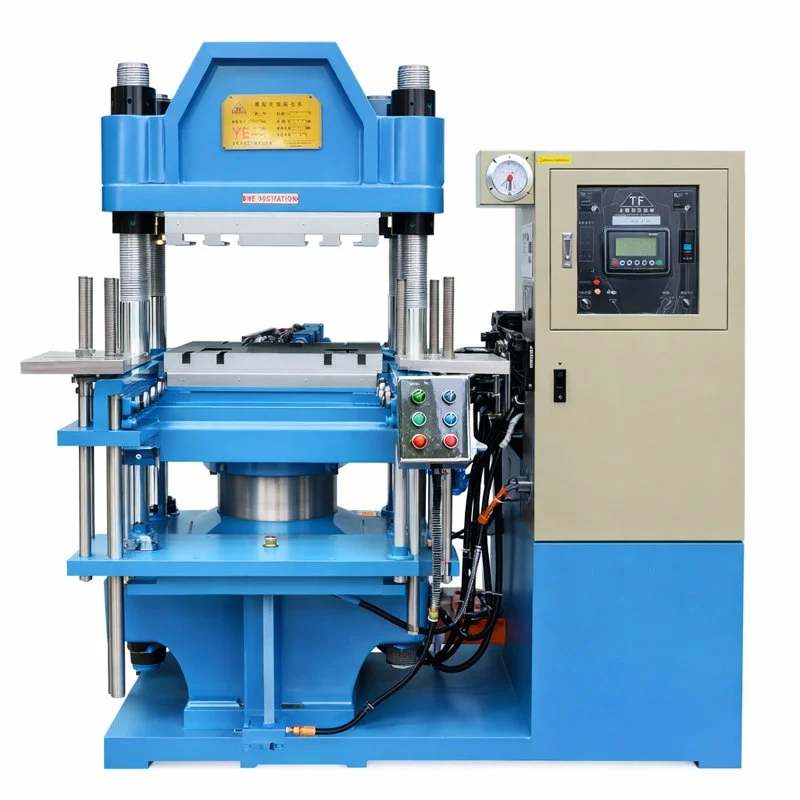
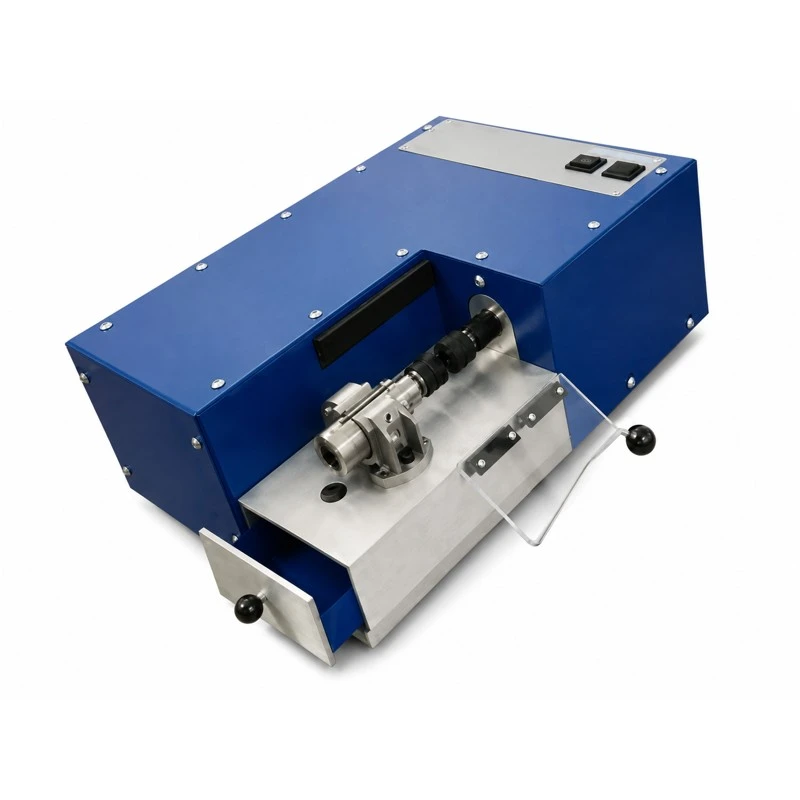
Vulcanizing machines are specialized industrial presses used to seal, insulate, and protect the ends and connections of heating elements, cables, and other electrical components through a controlled heat and pressure process. In heating element production, vulcanizing is one of the final and most critical manufacturing steps — a perfect vulcanized seal protects the MgO insulation from moisture, ensures long-term electrical reliability, and gives the element its final professional appearance.
At Heatecx, we supply vulcanizing machines specifically engineered for heating element end sealing, flexible cable overmolding, and industrial rubber and silicone vulcanization applications — combining precise temperature and pressure control with robust construction for demanding production environments.
What Is Vulcanization and How Does It Work?
Vulcanization is a thermochemical process that cross-links polymer chains in rubber or silicone compounds through the application of heat and pressure, transforming the material from a soft, pliable state into a strong, elastic, chemically resistant solid. The process was originally developed for natural rubber in the 19th century and is now applied to a wide range of synthetic rubbers, silicones, and thermoplastic elastomers used in electrical insulation, sealing, and overmolding applications.
In a vulcanizing machine, the material to be vulcanized is placed in a mold or fixture and compressed between heated platens or in a heated mold cavity. The combination of heat (typically 150°C to 200°C for most rubber compounds, 160°C to 220°C for silicone) and pressure (typically 50–200 bar) causes the vulcanization reaction, permanently cross-linking the polymer chains and creating the desired shape, hardness, and properties in the finished part.
Vulcanizing in Heating Element Production
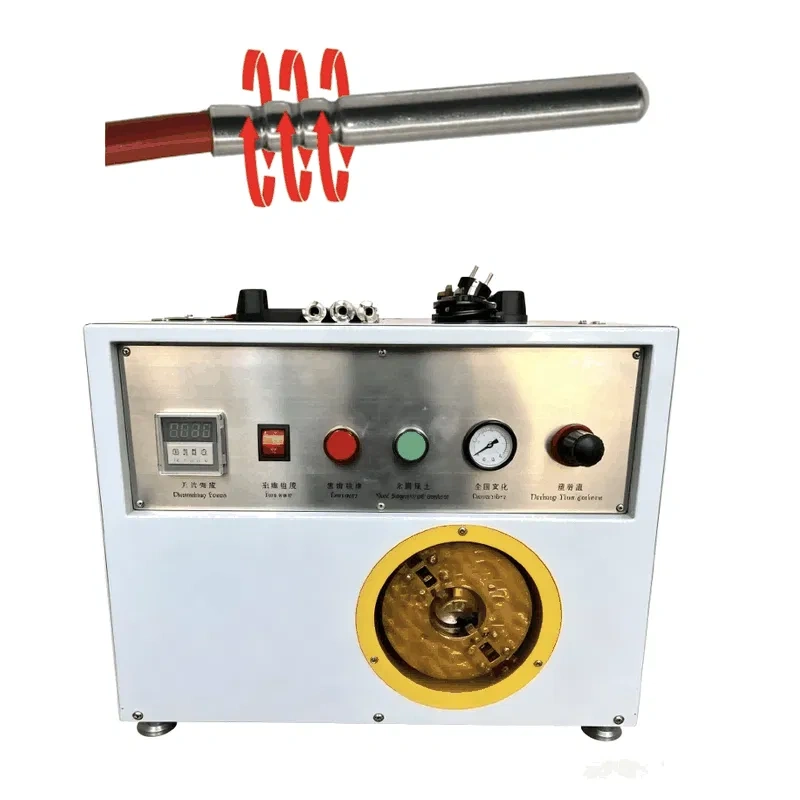
In tubular heating element manufacturing, vulcanizing machines are used primarily for end sealing — applying a rubber or silicone seal compound to the cold ends of the element to protect the MgO insulation from moisture ingress. This is a critical step because MgO is highly hygroscopic — even small amounts of moisture absorbed into the element end dramatically reduce insulation resistance and lead to early failure.
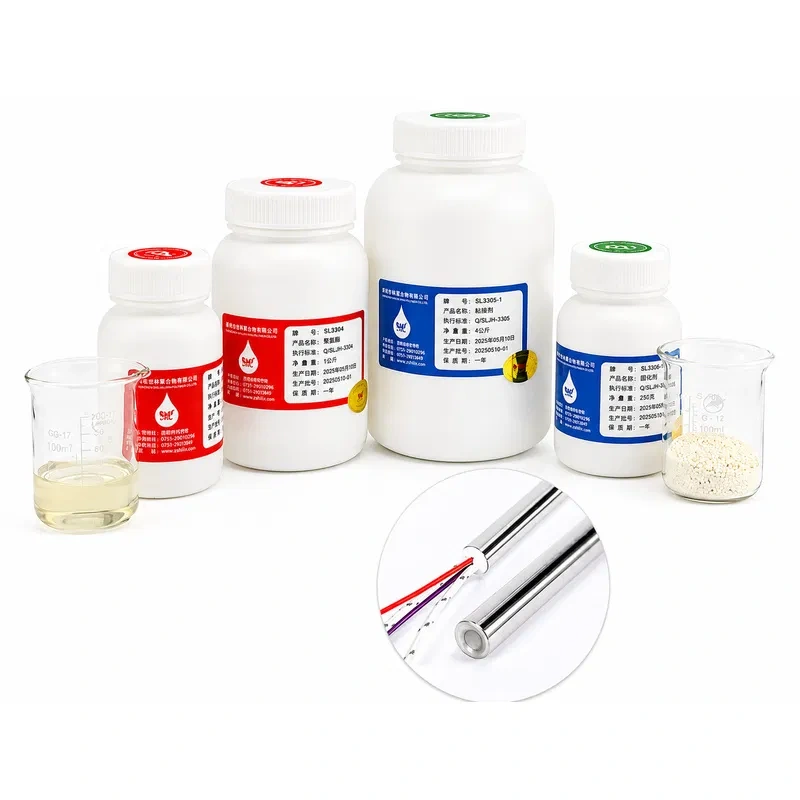
The vulcanizing process for heating element ends involves inserting the element cold end into a mold containing the uncured seal compound, then applying heat and pressure to cure the compound around the element end, creating a permanent, moisture-resistant seal. The seal must bond firmly to the element sheath material, completely encapsulate the MgO fill at the element end, and maintain its properties through the thermal cycling and mechanical stress of the element's service life.
Beyond end sealing, vulcanizing machines are used in heating element production for overmolding terminal connections with PVC or rubber insulation, applying flexible strain relief boots to cable entries, and producing custom rubber or silicone components for specialized heating assemblies.
Types of Vulcanizing Machines
Compression molding vulcanizing presses are the most widely used type in heating element production. The element end or component is placed in an open mold with pre-measured compound, the mold closes under hydraulic pressure, and heat is applied to cure the compound. Compression molding is economical, flexible, and suitable for a wide range of compound types and part geometries. It is the standard process for heating element end sealing and rubber overmolding of terminal connections.
Transfer molding vulcanizing machines inject pre-heated compound from a pot through runners into closed mold cavities under hydraulic pressure. Transfer molding produces more precise and consistent parts than compression molding, with better dimensional control and less flash — preferred for high-volume production of precision rubber components. It is used for producing large quantities of identical rubber boots, grommets, and terminal insulation components for heating element assemblies.
Injection molding vulcanizing machines plasticize and inject liquid silicone rubber (LSR) or thermoplastic elastomers directly into closed mold cavities under high pressure. Injection molding produces the most precise and consistent parts, with the highest production rates and lowest material waste. Liquid silicone injection molding is the preferred process for high-volume production of complex rubber or silicone components for premium heating element assemblies and medical heating devices.
Autoclave vulcanizing systems use pressurized steam or hot air in a pressure vessel to cure rubber or silicone compounds applied to large or complex parts. They are used for vulcanizing insulation on long heating cables, large flexible heaters, and custom industrial heating assemblies where mold-based vulcanization is not practical.
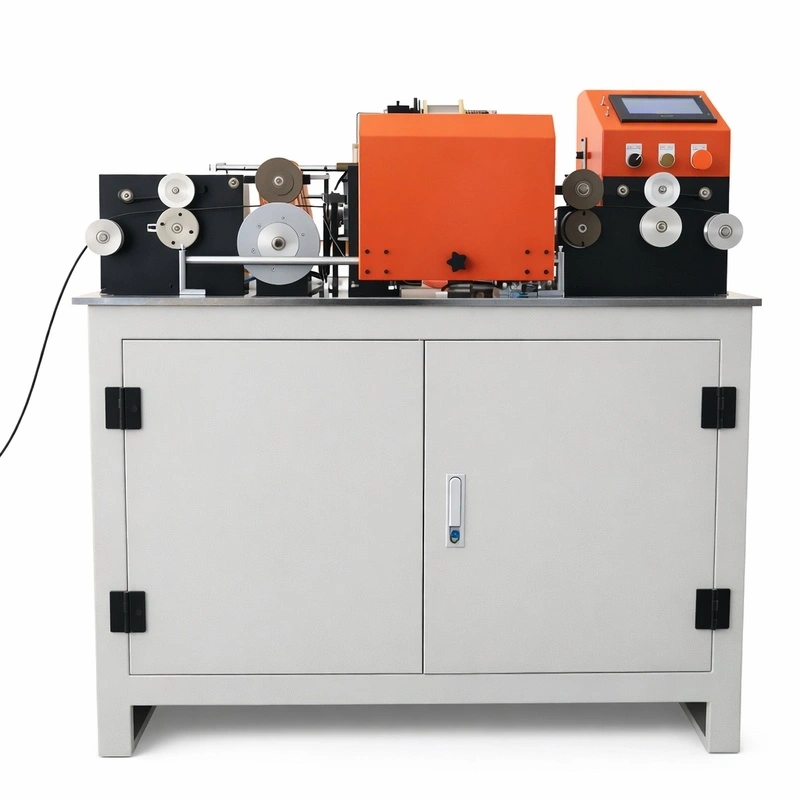
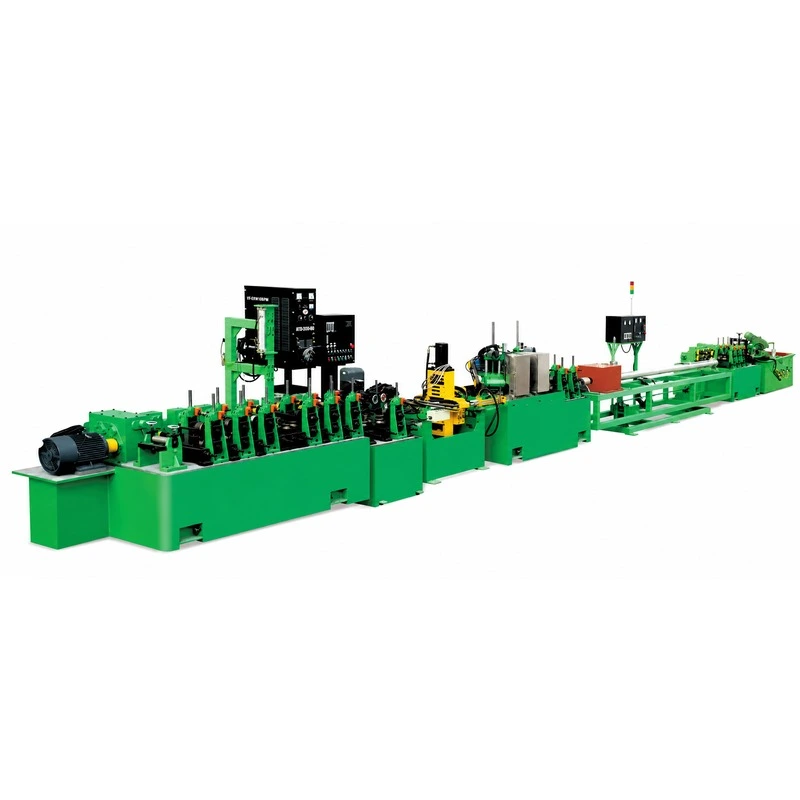
Continuous vulcanizing lines cure extruded rubber or silicone insulation on cables and wires continuously as they pass through a heated tube or salt bath. These systems are used in cable manufacturing for applying vulcanized rubber or cross-linked polyethylene (XLPE) insulation to heating cables, power cables, and flexible heating elements.
Key Technical Parameters
Temperature control accuracy is the most critical parameter — most rubber and silicone compounds have narrow cure windows (±5°C or less) where under-cure or over-cure significantly affects properties. Multi-zone temperature control ensures uniform heat distribution across the mold or platen surface. Pressure accuracy and consistency ensures uniform compound flow and consolidation throughout the mold cavity. Cure time control must be precise — too short results in under-cure, too long causes reversion in some compounds. Mold opening force and daylight (maximum platen opening distance) determine the maximum part size and complexity that can be produced.
Vulcanizing Compounds Used in Heating Element Production
Silicone rubber is the most commonly used compound for heating element end sealing and terminal overmolding, due to its excellent high-temperature resistance (up to 200°C continuous), flexibility at low temperatures (down to -60°C), and outstanding moisture resistance. Silicone vulcanizates maintain their properties through thousands of thermal cycles, making them ideal for heating elements that regularly cycle between operating and ambient temperatures.
EPDM (Ethylene Propylene Diene Monomer) rubber is used for heating element seals in applications requiring excellent ozone, UV, and weather resistance — common in outdoor heating and industrial process heating applications. Natural rubber and SBR compounds are used for lower-temperature applications where flexibility and cost are the primary requirements.
Quality Control in Vulcanizing
The most important quality check for vulcanized heating element end seals is the electrical insulation resistance (IR) test after vulcanizing — a properly sealed element should show IR above 100 MΩ at room temperature. The adhesion of the vulcanized seal to the element sheath is verified by pull-off testing. Dimensional inspection ensures the seal geometry meets drawing specifications. Shore hardness testing verifies that the correct degree of vulcanization has been achieved.
Why Choose Heatecx Vulcanizing Machines
Our vulcanizing machines for heating element production are designed for the specific temperature ranges, pressures, and mold configurations used in heating element end sealing and cable overmolding. We supply machines from manual bench-top presses for prototyping and low-volume production to fully automated multi-cavity systems for high-volume manufacturing. All machines feature precise PID temperature control, programmable cure cycles, and robust hydraulic systems designed for continuous industrial production.