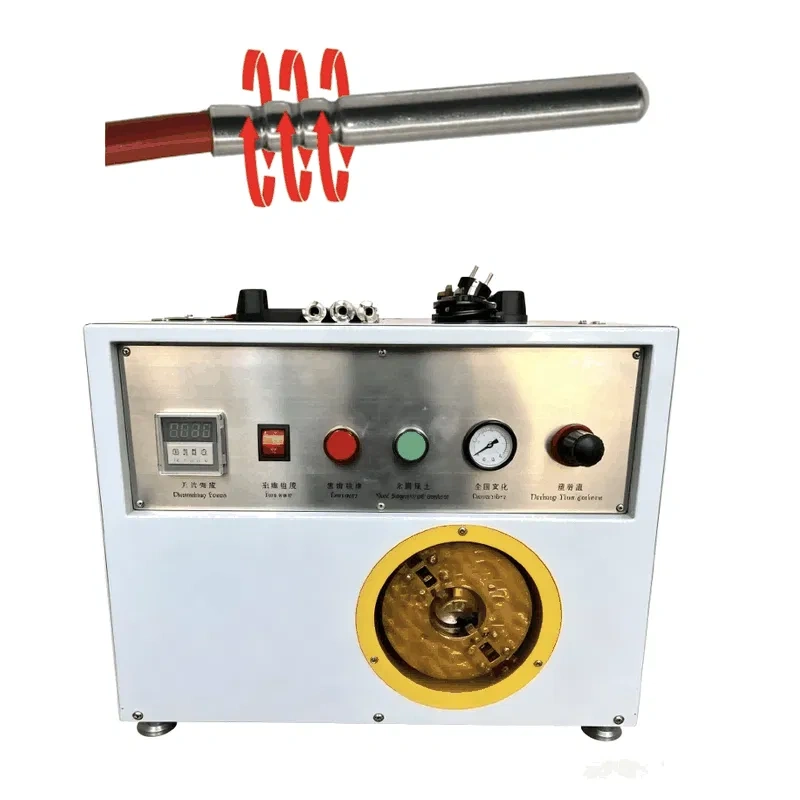
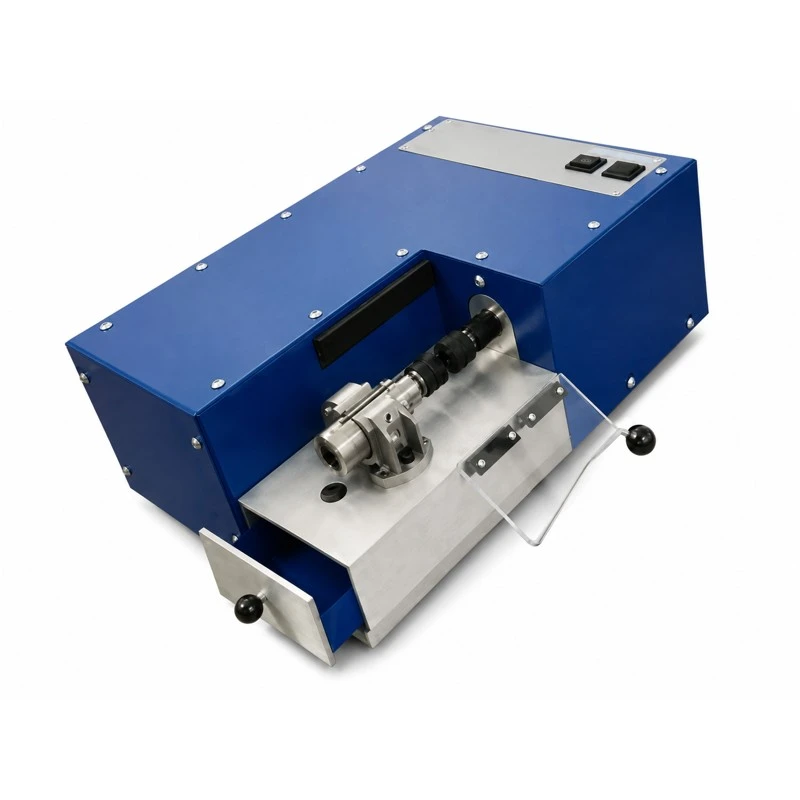
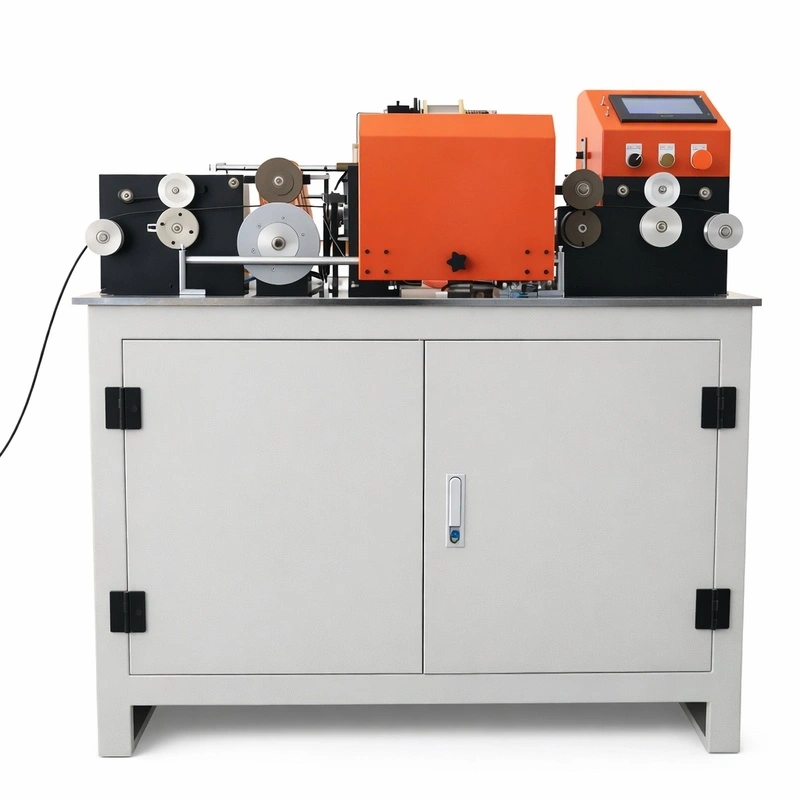
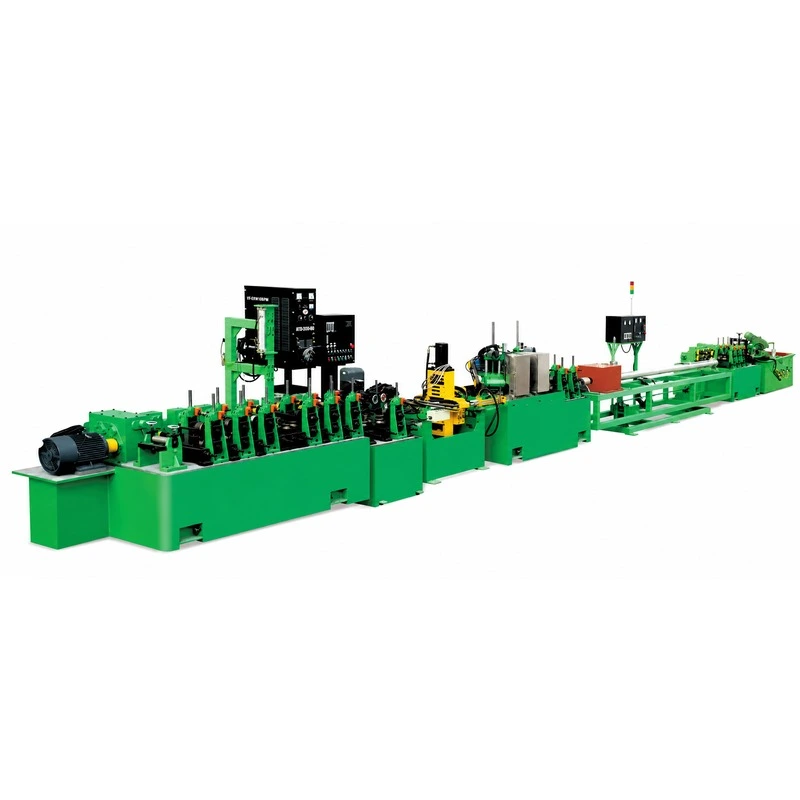
MgO filling machines overview
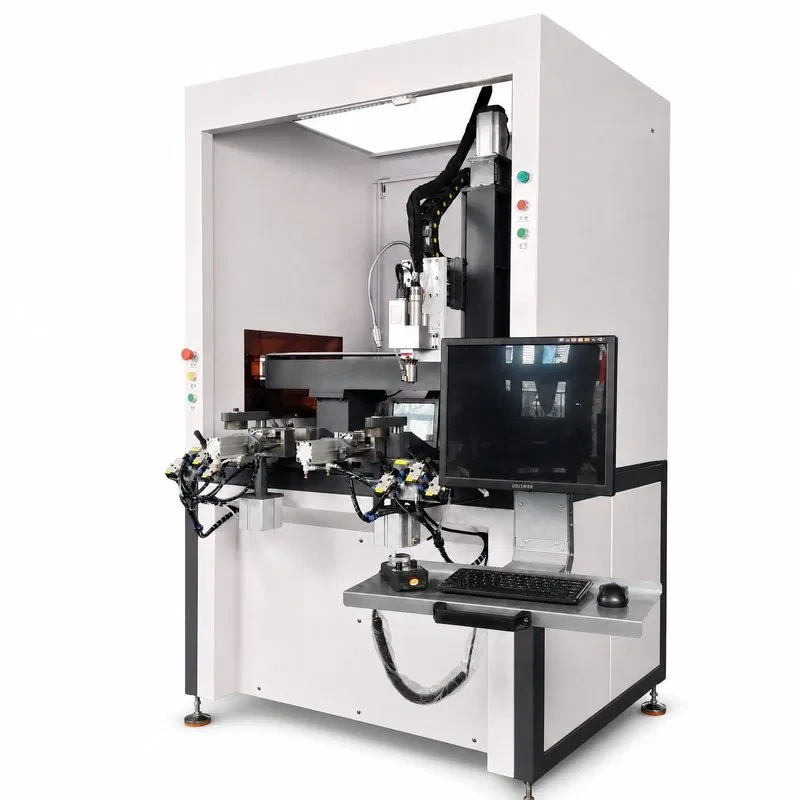
MgO filling machines are critical, high-precision manufacturing assets deployed in the production lines of sheathed tubular heating elements. Their exclusive technical objective is to feed and compact electro-technical grade Magnesium Oxide (MgO) powder into the metal sheath while keeping the internal coiled Nichrome resistance wire perfectly centered along its axial plane.
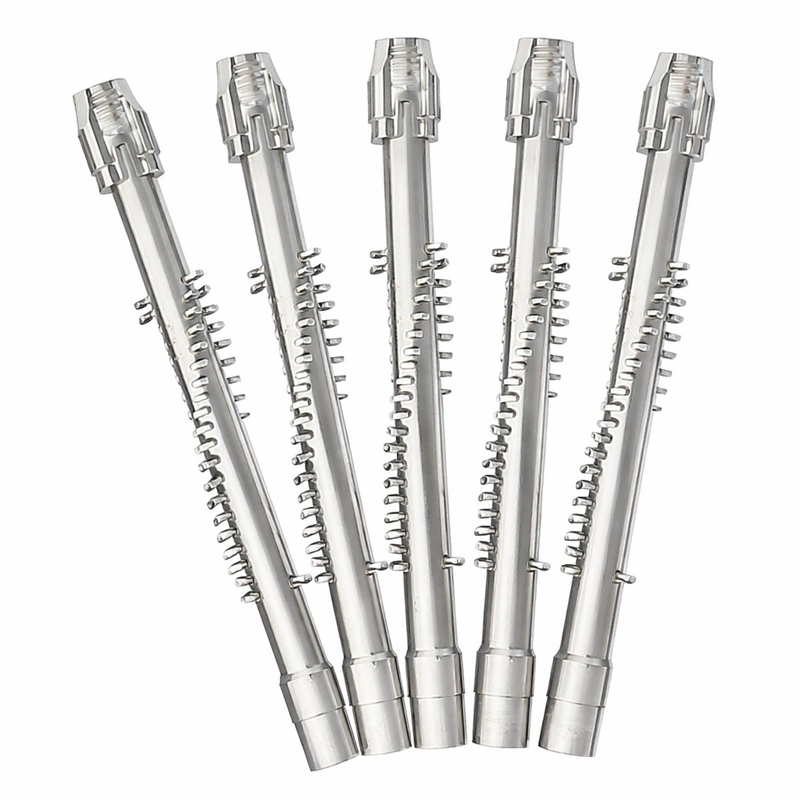
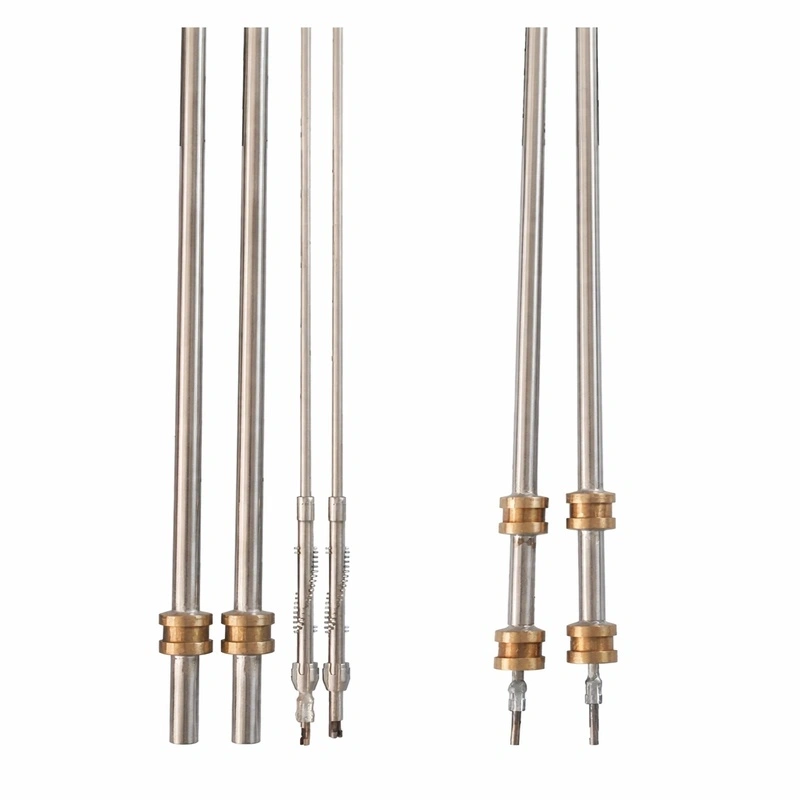
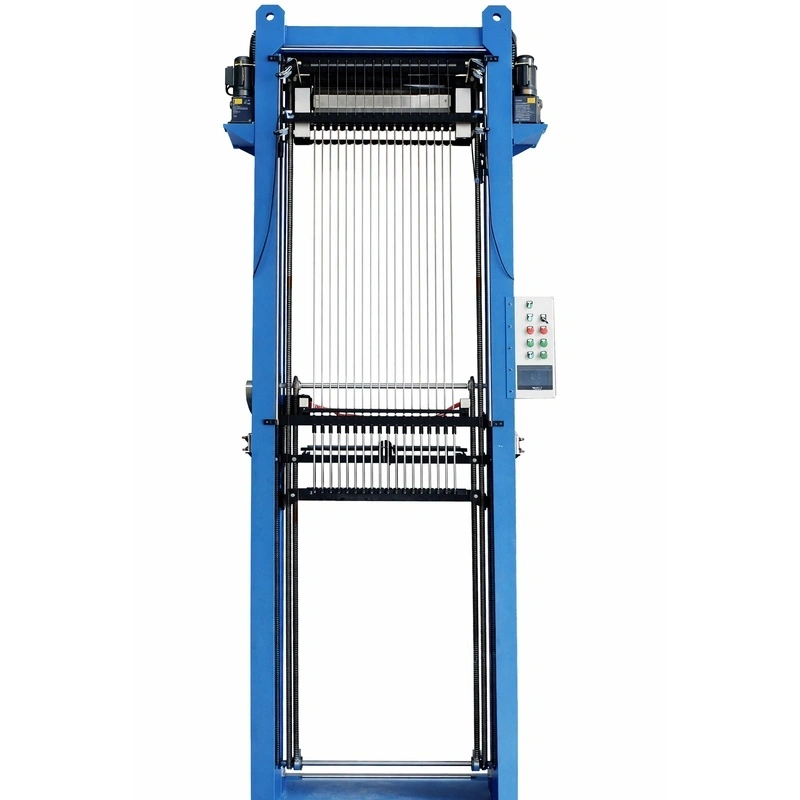
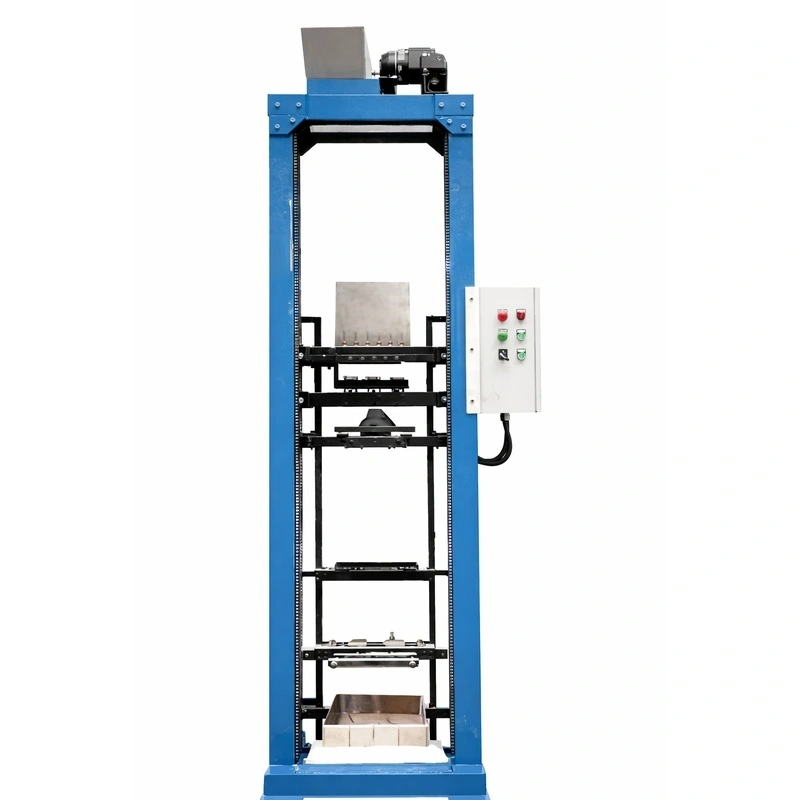
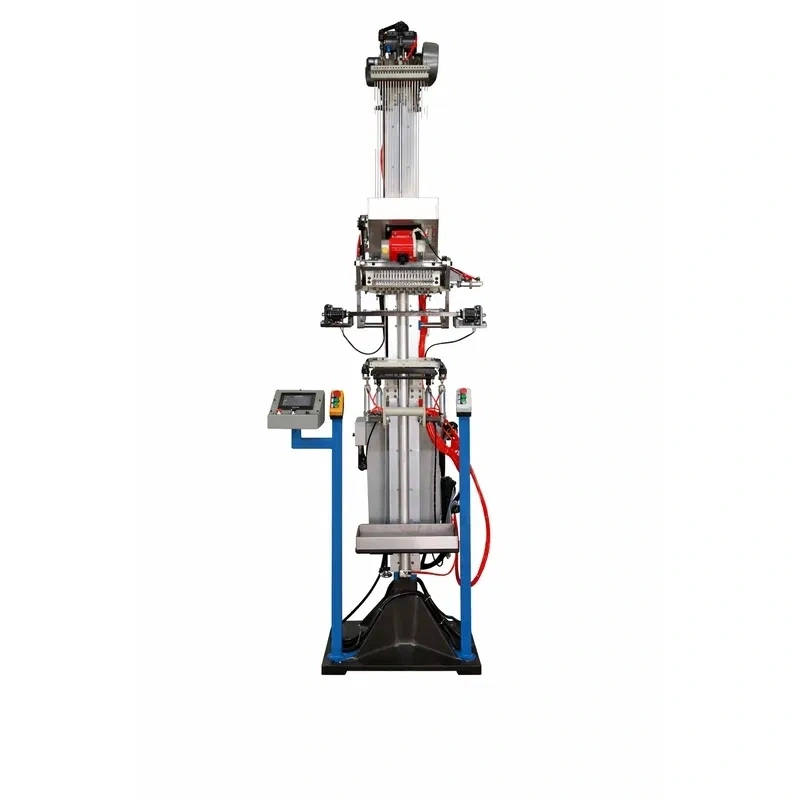
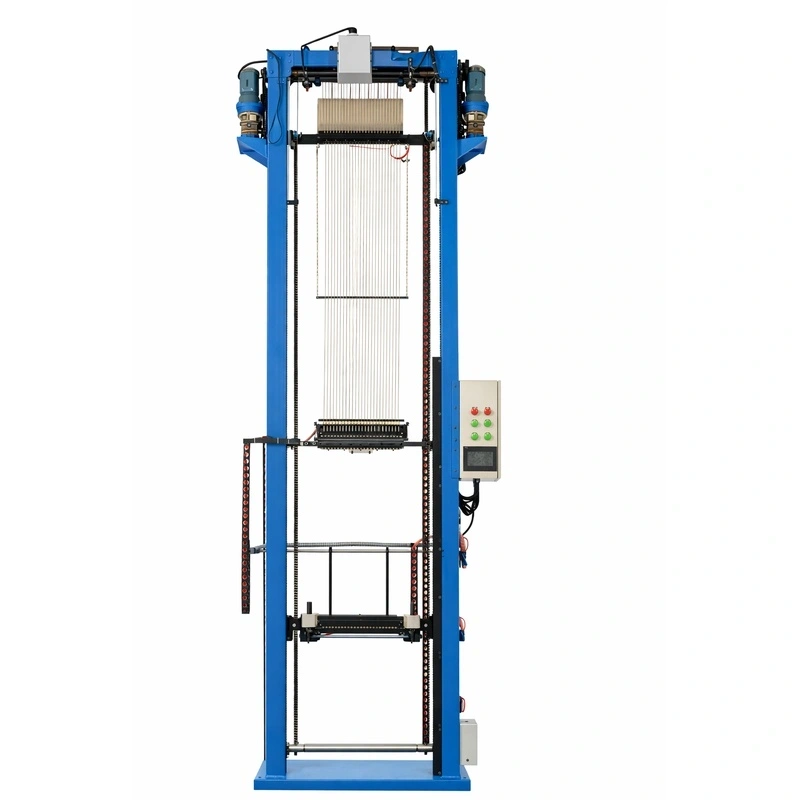
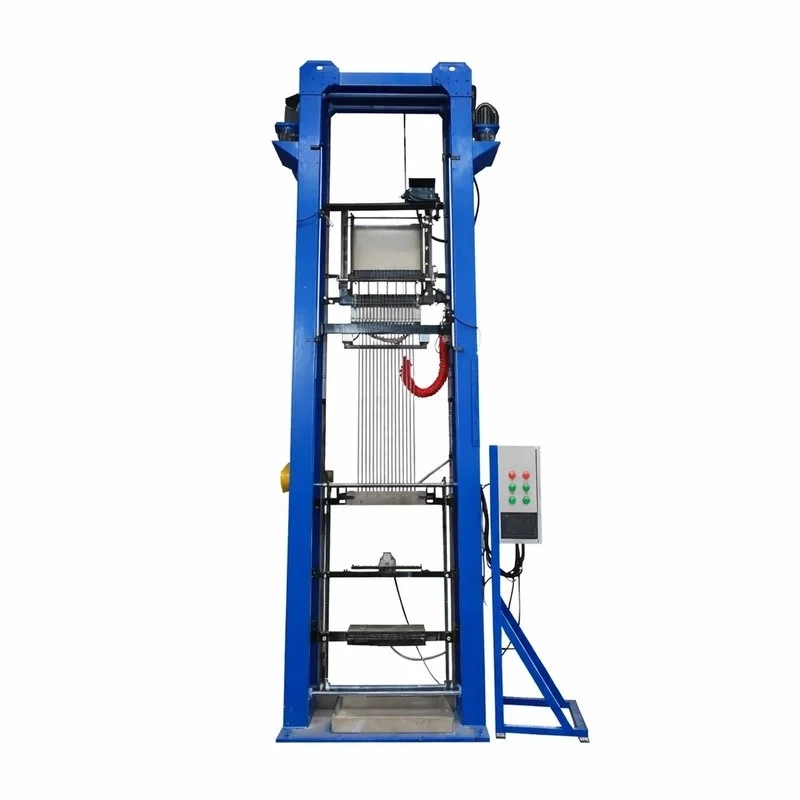
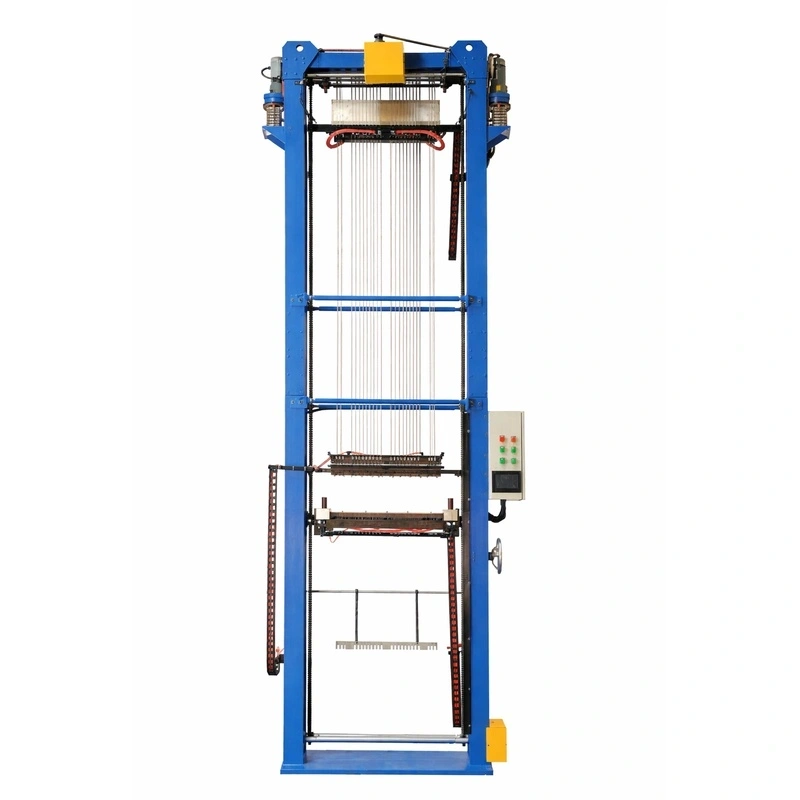
The mechanical operation relies on a sophisticated coaxial tube-in-tube guiding assembly (the guide tube method). The machine rigidly holds the outer metal sheath while a specialized inner filling tube descends into the component, carrying the MgO powder. Concurrently, a centering core pin secures the terminal pin and the internal resistance spring coil.
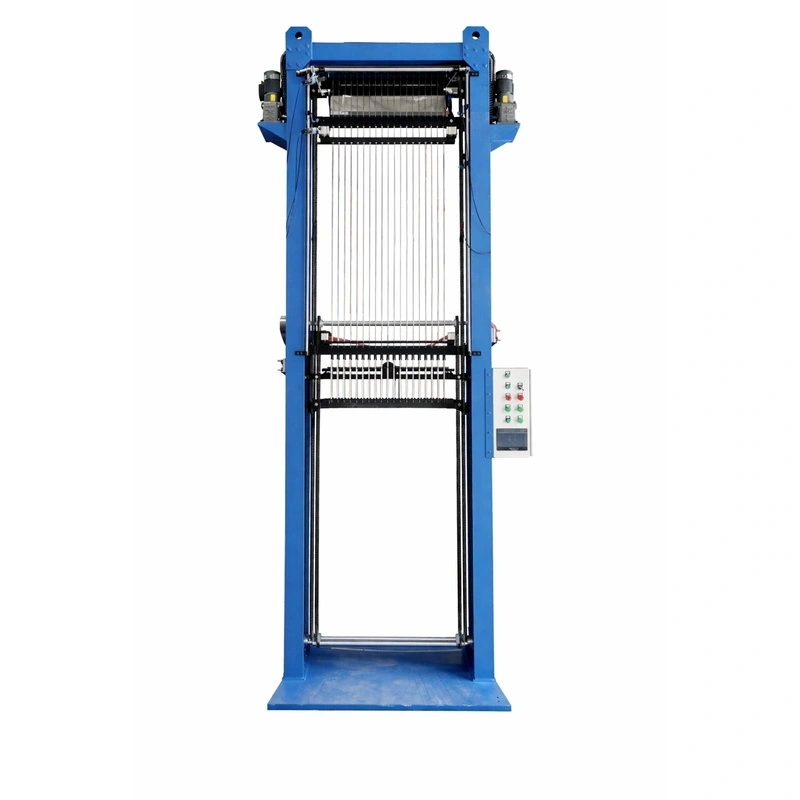
As the granular MgO powder flows via gravity from overhead supply hoppers, controlled vibrational and mechanical oscillation mechanisms compact the material from the bottom up. Simultaneously, the internal guide tubes lift progressively driven by synchronized servomotors. This continuous sequence guarantees that the powder fills every cubic millimeter of internal volume, preventing dangerous air pockets or density drops that would compromise thermal dissipation.
Quality control engineering: Technical guidelines for magnesium oxide filling
Magnesium oxide is a highly complex material due to its hygroscopic nature and granular flow characteristics. Achieving a defect-free insulation layer requires adherence to strict operational protocols:
- Rigid Ambient Moisture Management: MgO powder absorbs atmospheric moisture rapidly, which instantly degrades its final electrical insulation resistance. Silos must be heated and sealed, and the filling machinery must operate in a climate-controlled room with relative humidity levels held strictly below 40%.
- Synchronized Delivery and Lift Calibration: The upward retraction velocity of the guide tube assembly must be mathematically aligned with the volumetric flow rate of the falling powder. Moving the tube too fast introduces low-density voids; retraction that is too slow chokes the inner feed channel.
- Frequency-Optimized Vibro-Compaction: Different outer diameters demand specific kinetic energy levels. Vibration frequencies must be digitally modulated via the PLC terminal based on tube gauge and MgO grain particle size distribution to achieve optimal pre-compaction before the subsequent swaging phase.
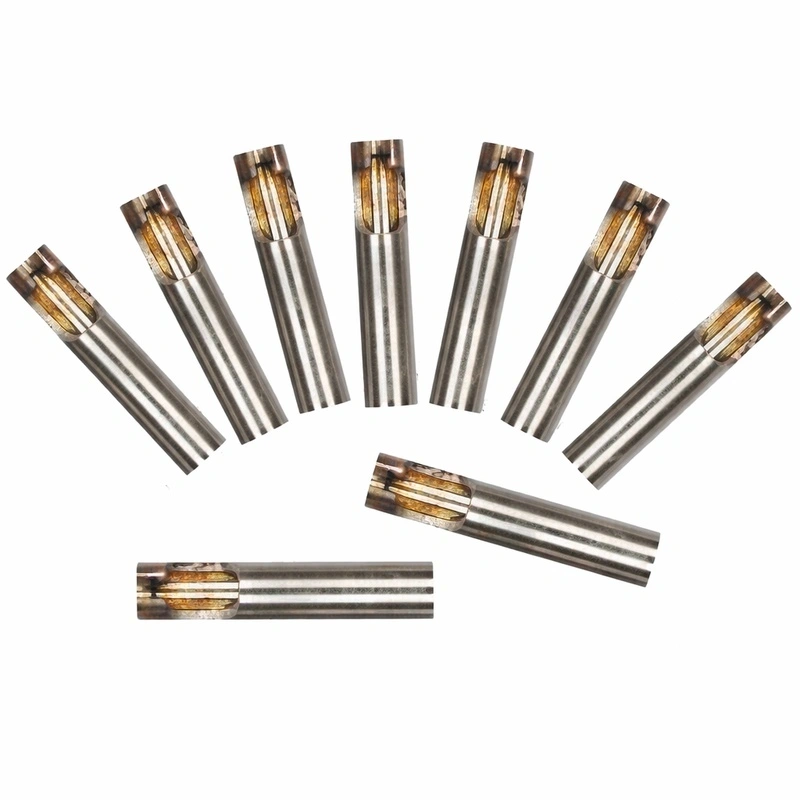
- Wear Analysis on Guide Tubes and Jet Nozzles: Continuous flow of crystalline MgO powder acts as a severe abrasive agent. Filling nozzles and internal concentric tubes must be monitored for wear to prevent geometric misalignments that displace the internal wire.
Heatecx MgO filling machinery catalog and configurations
We engineer modular industrial filling systems designed to handle diverse production capacities, from customized small-batch engineering lines to ultra-high-speed automated factories:
Single-column and semi-automatic MgO filling stations
Tailored for flexible manufacturing layouts, low-to-medium volume job shops, or extra-long heating elements (ranging up to 4 to 6 meters in length). These systems allow for rapid tooling changeovers for multiple tube diameters, prioritizing operational flexibility.
High-throughput multi-station automatic filling lines
High-capacity production centers capable of filling 12, 24, 36, or 48 tubes simultaneously in a single automated cycle. Featuring automated vacuum powder replenishment hoppers and comprehensive HMI recipe databases, these systems are built for factories processing tens of thousands of heating units weekly for the domestic appliance and automotive sectors.
Element wire concentricity: The critical technical factor preventing hot spots
From an element design perspective, the fundamental value proposition of a Heatecx filling machine centers on its ability to maintain absolute wire concentricity. If the internal resistance coil deviates from the geometric center of the metal sheath by even a fraction of a millimeter, the insulation distance between the hot wire and the outer metal wall becomes asymmetrical.
This geometric defect alters the local watt-density profile, triggering localized overheating ("hot spots"), severe dielectric strength degradation, and high leakage current values during thermal operation. Our active dual-guide technology ensures a perfectly uniform insulation matrix around the wire, enabling finished elements to clear the most stringent high-voltage (Hi-Pot) regulatory tests worldwide.