Precision turning and finishing technology for industrial heater manufacturing
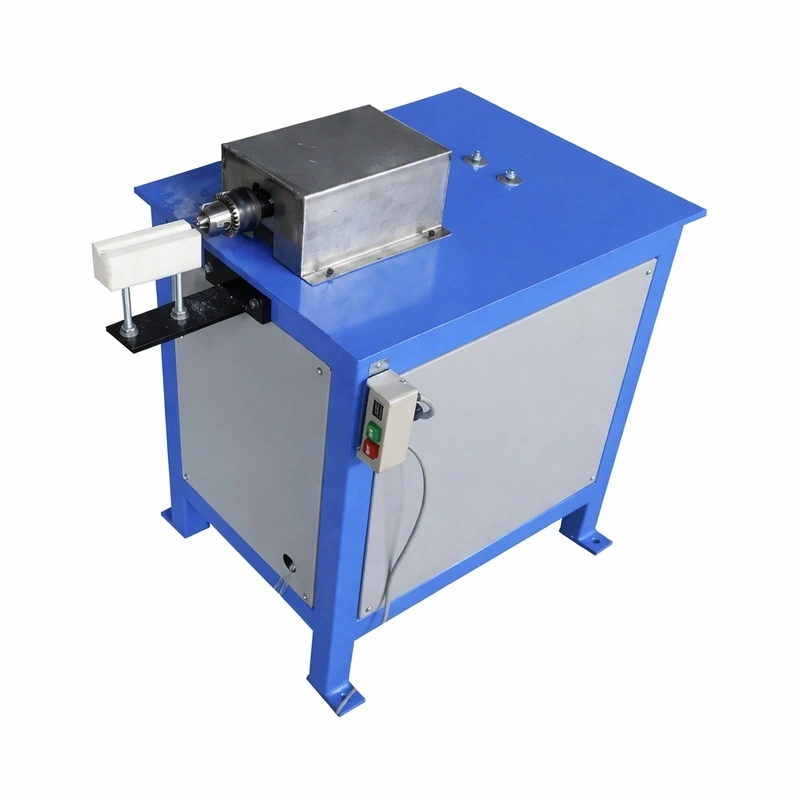
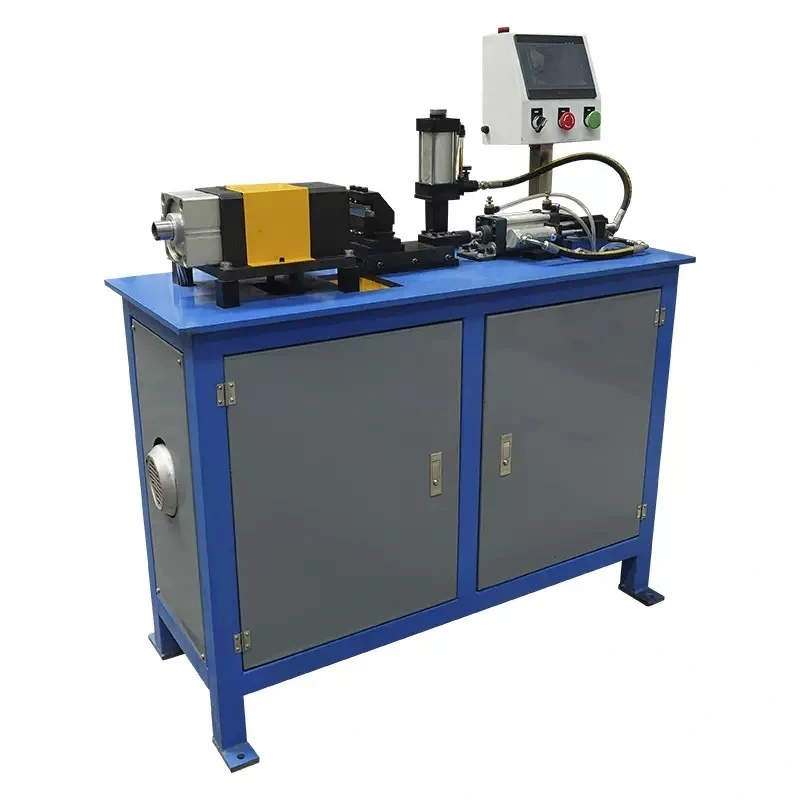
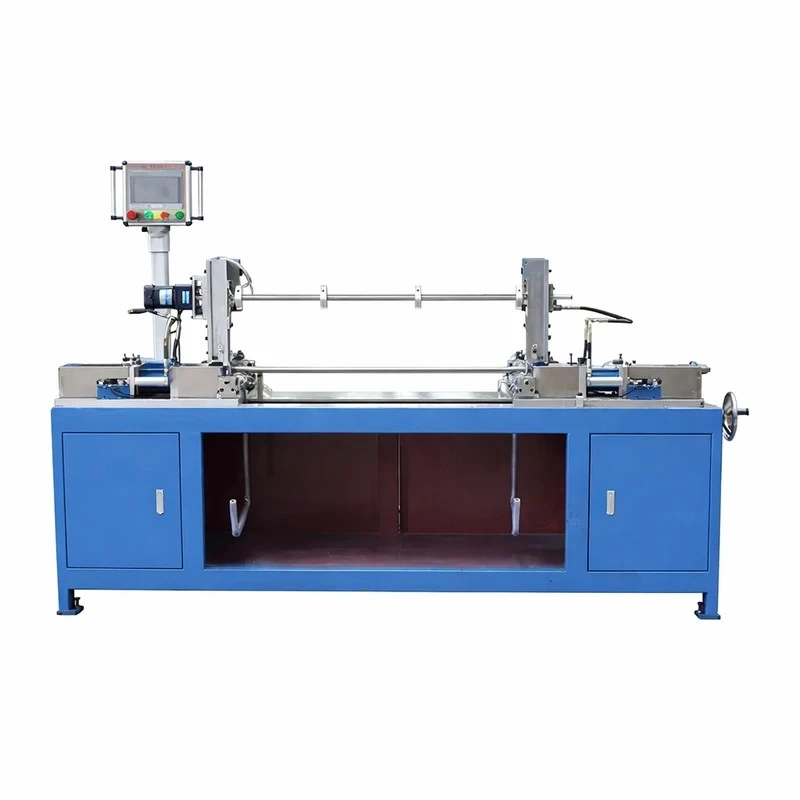
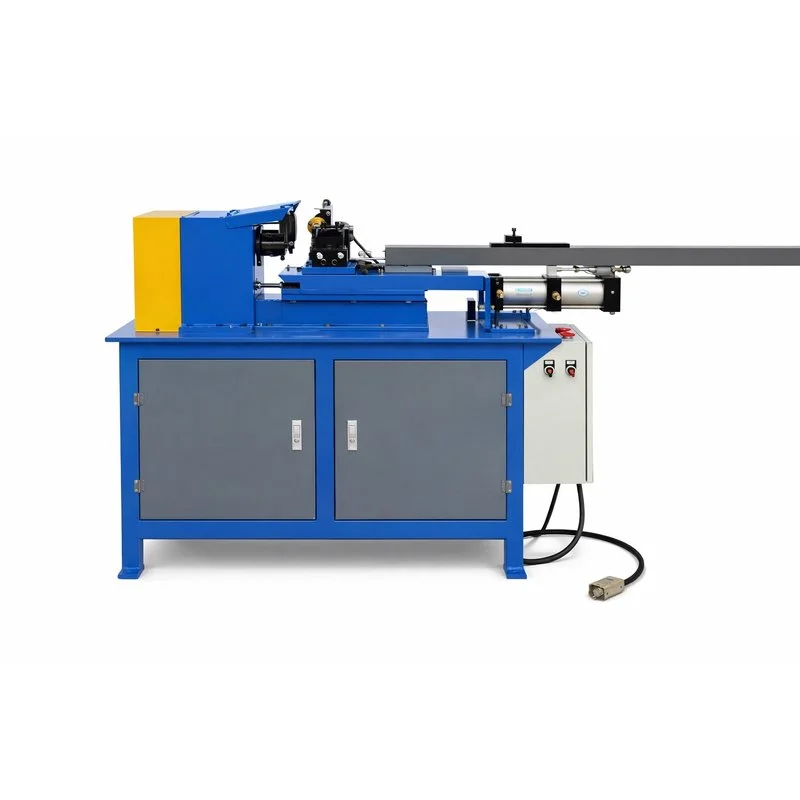
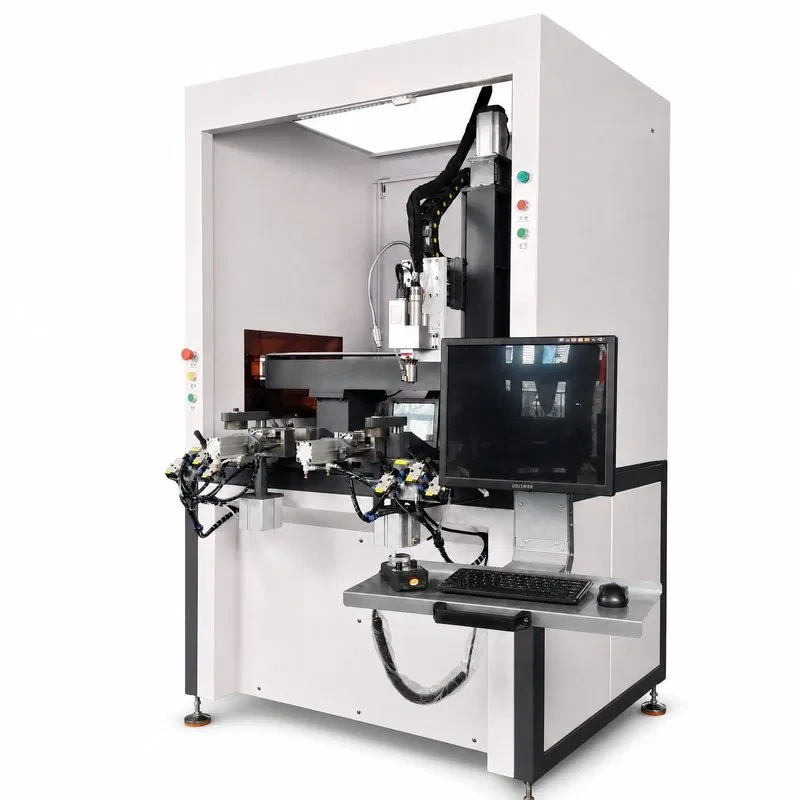
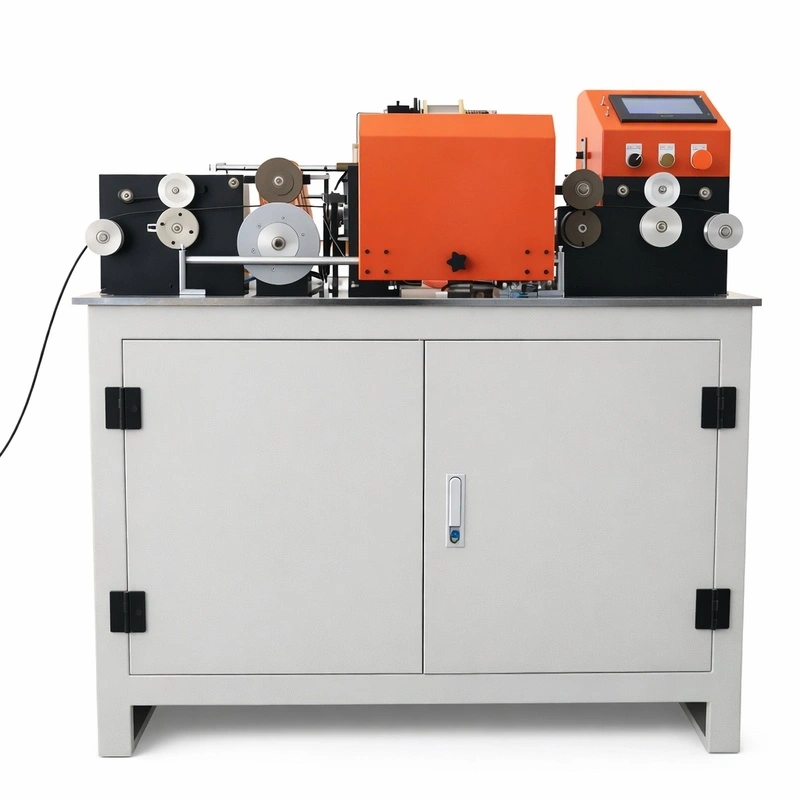
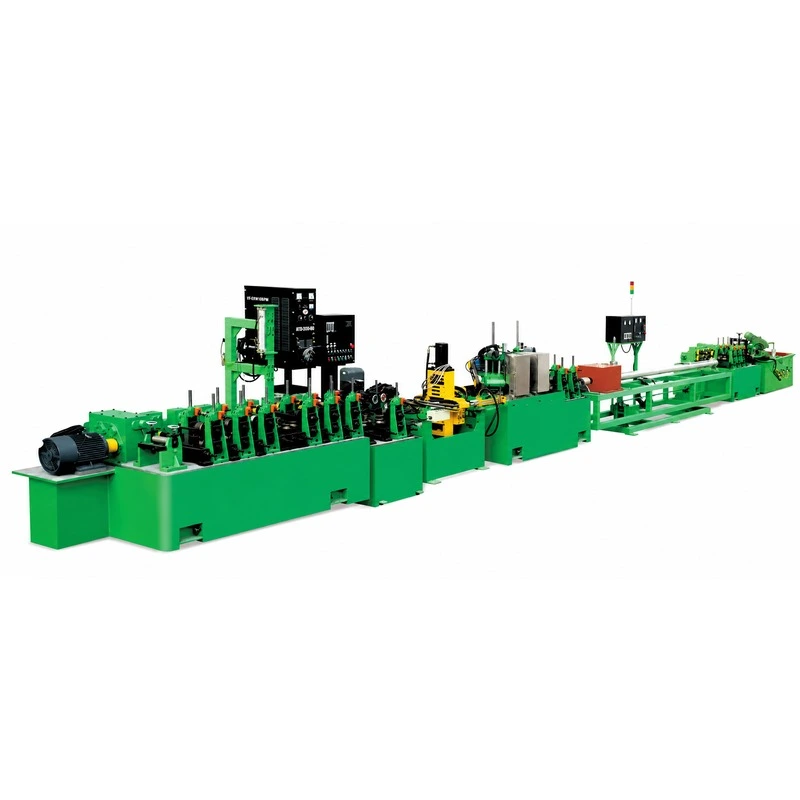
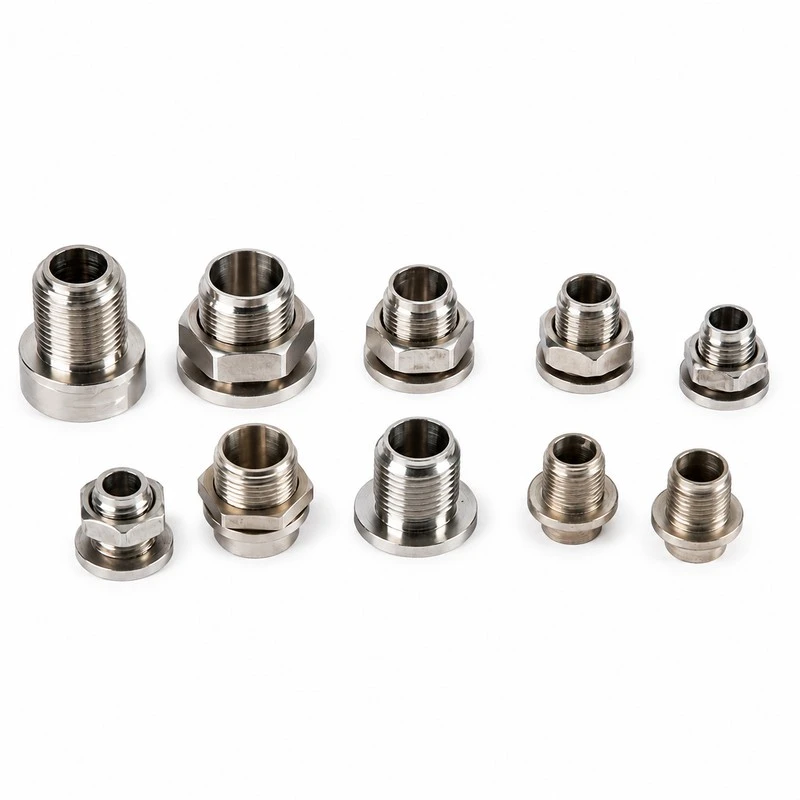
A heating element trimming machine — also known in the industry as a turning or end-finishing machine — performs one of the final and most critical steps in tubular heater and cartridge heater manufacturing: machining, cutting to exact length, and finishing the tube ends. After MgO powder filling and rolling compact the insulation, each tube must be trimmed to the specified length with a perfectly flat, clean, burr-free end to allow a hermetic seal and proper terminal fitting.
A poor finish at this stage directly compromises the element's service life: end-face microcracks, moisture ingress into the MgO fill, and loose terminal seating are among the leading causes of premature short-circuit failure and loss of dielectric insulation resistance. In the industry, end trimming is often regarded as the step that "makes or breaks" the reliability of the finished heater, regardless of how well the earlier coiling and filling stages were executed.
The full process — where trimming fits into the production line
- Coiling the resistance wire onto a ceramic, MgO, or mica core using our wire coiling machines.
- Inserting the coil into the metal sheath (stainless steel, Incoloy, or copper depending on application) and filling with MgO powder under pressure with our MgO filling machines.
- Rolling/reducing the sheath diameter, which compacts the MgO powder and increases its dielectric density.
- Turning and trimming to length — the stage covered in this category — removing excess material, squaring the tube face, and preparing the end for sealing.
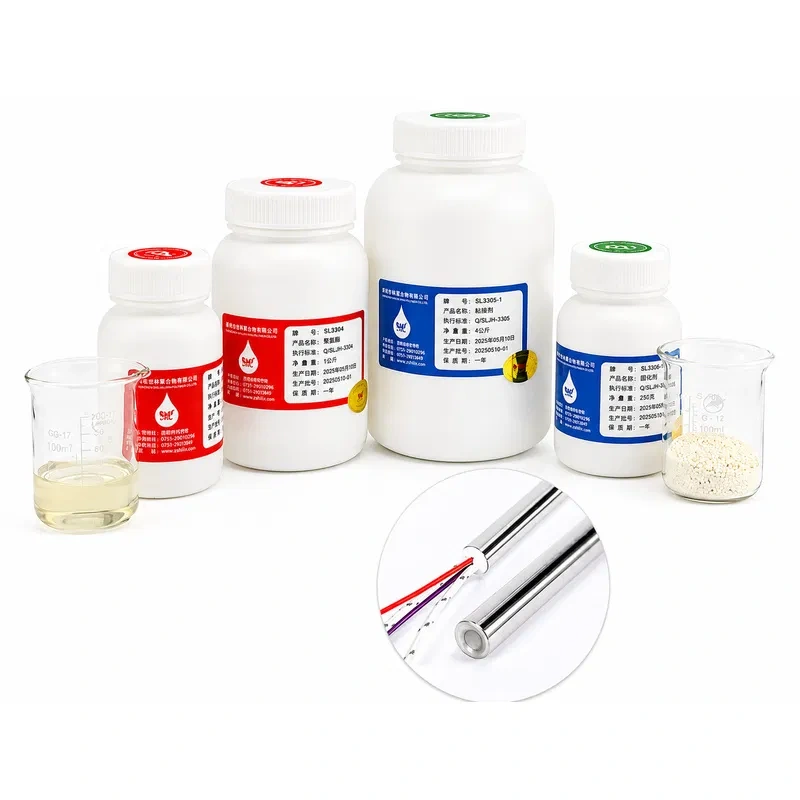
- End sealing (silicone RTV, epoxy resin, or ceramic bead, depending on service temperature) and terminal assembly.
- Electrical quality control: insulation resistance testing with a megohmmeter before packaging.
Skipping or rushing step 4 — common when relying on manual or decentralized tooling — is the most frequent cause of final QC rejections, since any irregularity in the cut is transferred directly to the sealing step.
Types of trimming and turning machines we manufacture
|
Machine type
|
Automation level
|
Working range
|
Recommended output
|
Best suited for
|
|
Automatic double-end turning machine
|
Fully automatic (feeding, clamping, machining)
|
Standard sheathed tubular heater diameters
|
High volume, continuous lines
|
Series production of tubular heaters
|
|
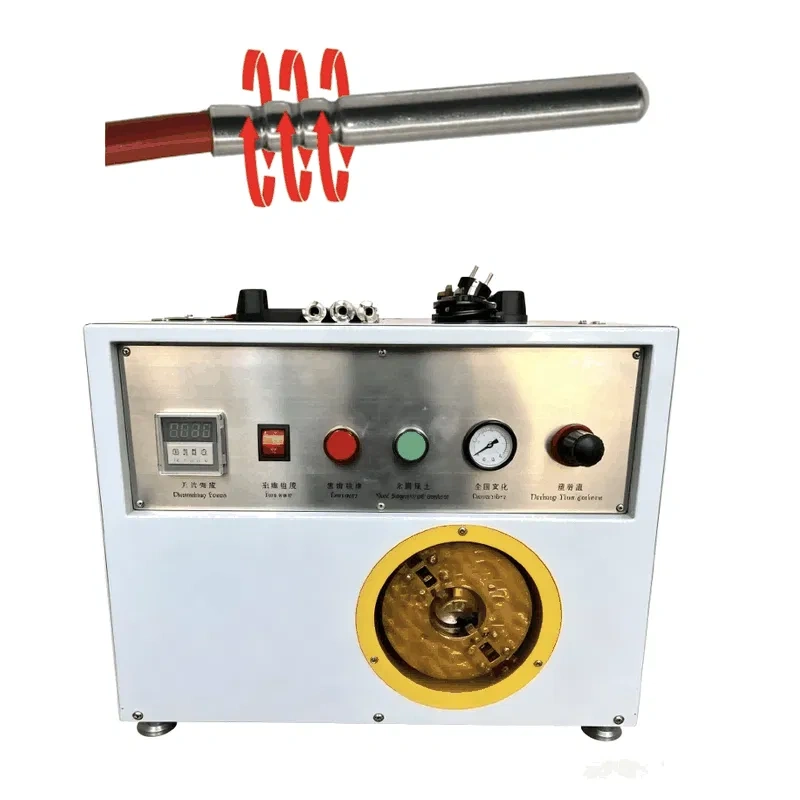
Cartridge heater turning machine (MT-03 type)
|
Semi-automatic, rotating-tool system with pneumatic clamping
|
100–6,000 mm length / 6–30 mm diameter
|
Medium-to-high volume
|
High watt-density cartridge heater manufacturers
|
|
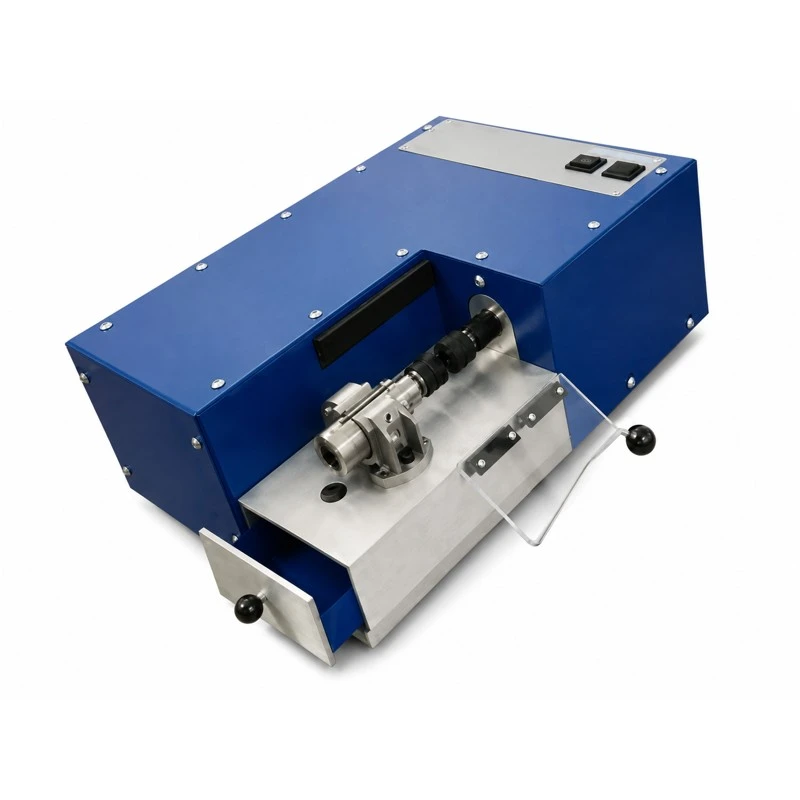
Semi-automatic trimming machine (MT-01/MT-02 type)
|
Semi-automatic, manual positioning
|
Variable formats, mixed batches
|
Medium volume or variable product
|
Job shops with a wide catalog or short runs
|
|
MgO powder digging machine
|
Complementary (pre-trimming)
|
Multiple diameters, up to 10 meters
|
Any volume
|
End preparation before turning
|
Materials, diameters, and tolerances these machines handle
Trimming machines must accommodate the same sheath materials used throughout the rest of the line:
- Stainless steel (AISI 304/316): the most common choice for its corrosion resistance and moderate cost.
- Incoloy (800/840): for high-temperature applications, with single-ended elements reaching operating temperatures close to 980°C.
- Copper: used in low-temperature immersion heaters where thermal conductivity is the priority.
On tolerances, industry practice generally holds sheath diameter within roughly ±0.15 mm; a wider margin creates air gaps in conductive heating applications (for example, heaters inserted into metal molds), forcing the element to run at much higher temperatures than intended to compensate for the lost thermal contact. A well-calibrated trimming machine is therefore just as important to final thermal performance as the resistive element's design itself.
Quality control after trimming
- Visual inspection of the cut: no burrs, a face perpendicular to the tube axis, no end deformation.
- Insulation resistance test (megohmmeter): a reading below 1 MΩ indicates moisture in the MgO fill, typically caused by a poor end finish or an improperly executed seal downstream.
- "Bake-out" drying: when moisture is detected, the standard recovery process is baking the heater at around 120°C for several hours before retesting; a trimming machine that leaves the end porous or micro-cracked increases the likelihood of needing this rework.
Industrial applications
- Manufacturing of sheathed tubular heaters and immersion heating elements
- Production of high watt-density cartridge heaters
- Tube preparation for household appliance and industrial furnace heaters
- Manufacturing of heaters for injection molds and conductive heating, where dimensional tolerance is critical
- Finishing prior to welding and terminal assembly
How to choose the right trimming machine for your production
- Daily part volume: below a few hundred units/day, a semi-automatic machine typically offers better payback; above that, an automatic double-end machine lowers the per-unit cost.
- Format variety: if your catalog spans many lengths and diameters, prioritize fast changeover over raw throughput.
- Predominant sheath material: confirm the cutting tool and spindle speed are sized for stainless steel, Incoloy, or copper, matching your product mix.
- Line integration: check that feed height and mandrel diameter match your existing MgO filling machine and rolling mill to avoid bottlenecks.
- Maintenance and spare parts: ask about cutting-tool service life and the availability of wear parts (mandrels, blades) before purchasing.
Why choose Heatecx turning machinery?
- Dimensional accuracy: tight length and diameter tolerances ensure consistency across full production runs.
- Process compatibility: equipment designed to integrate directly after MgO filling and rolling/reducing, preserving the geometry achieved in earlier steps.
- Format versatility: from micro cartridge heaters to long tubular elements, with fast changeover between configurations.
- Full-line technical support: guidance for integrating these machines alongside our wire coiling machines, straightening machines, and tube polishing machines.