Welding machines for metal tubes and heating elements
Welding machines are essential equipment in any metal tube fabrication or heating element production facility. From joining tube sections and welding flanges and fittings to attaching terminal pins and sealing element ends, welding operations appear at multiple critical points in the manufacturing process — and the quality of every weld directly determines the mechanical strength, leak tightness, electrical performance, and service life of the finished product.
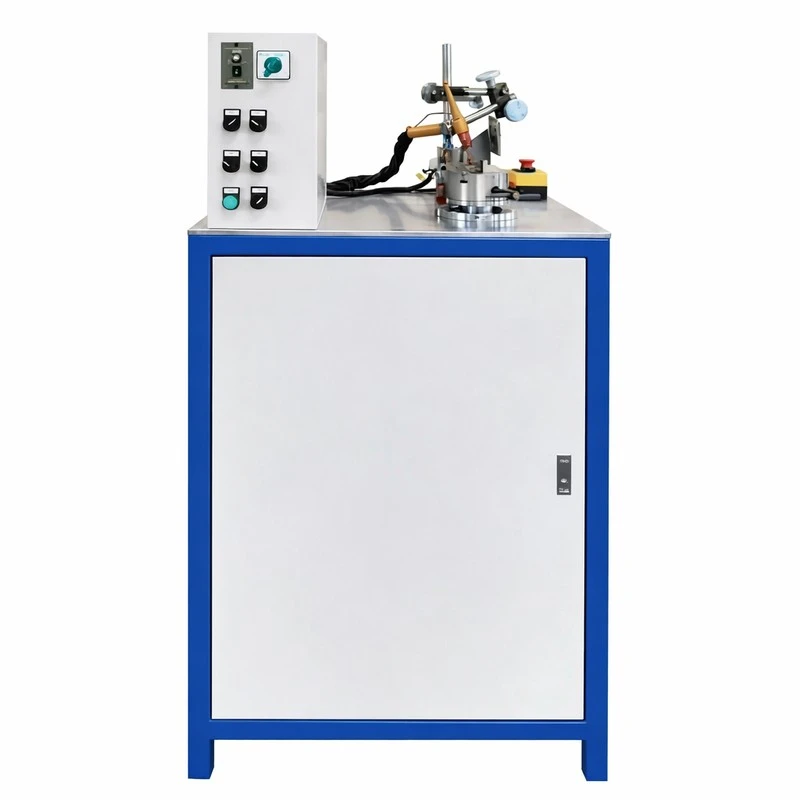
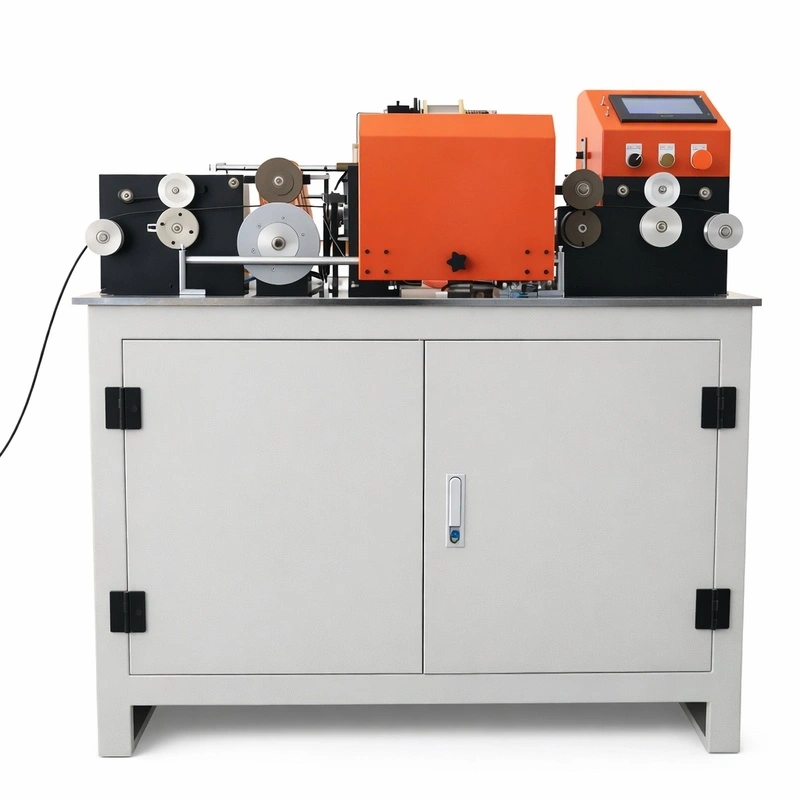
At Heatecx, we supply a comprehensive range of industrial welding machines for metal tube fabrication and heating element production — from high-speed resistance spot welders for terminal attachment to precision orbital TIG welding systems for circumferential tube-to-tube joints.
Welding in Metal Tube Fabrication
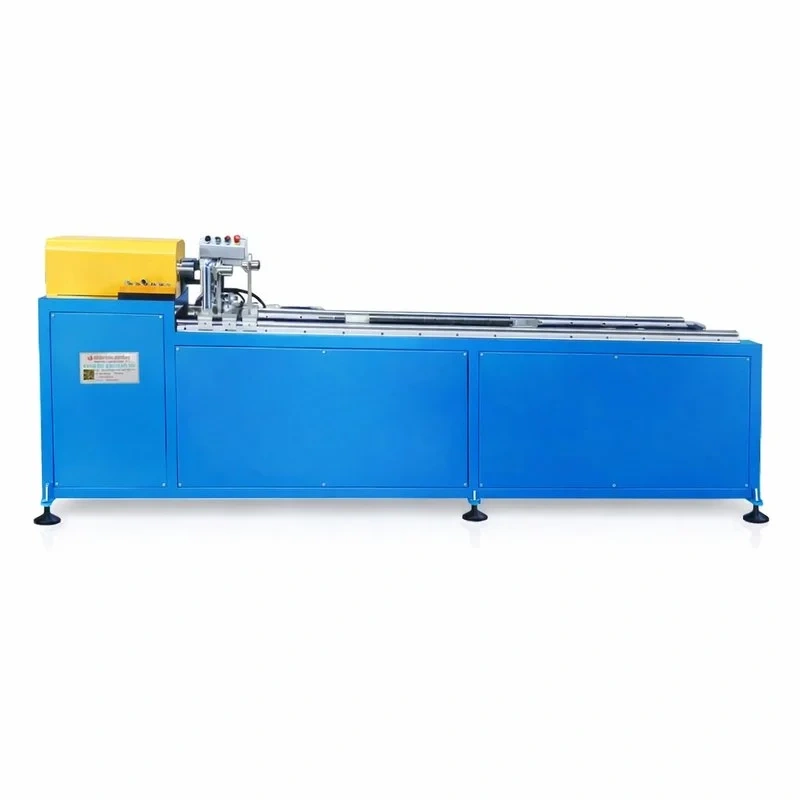
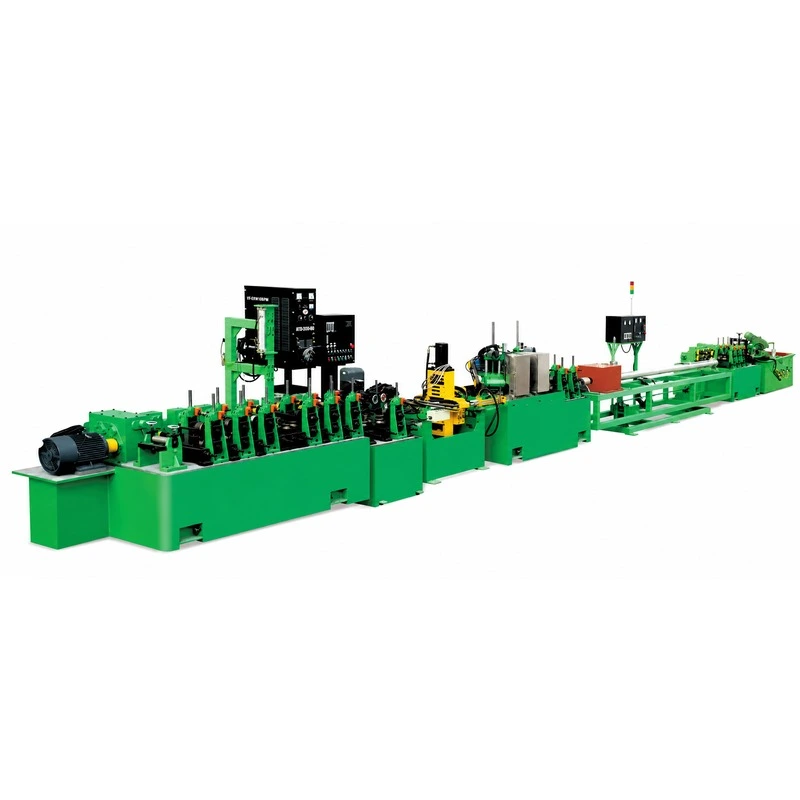
Metal tube fabrication requires welding at multiple stages of the process. Tube mill welding joins the longitudinal seam of roll-formed tube, producing the continuous tube structure from flat strip stock. This high-speed process uses high-frequency induction welding or TIG welding depending on the tube material, wall thickness, and quality requirements. Tube-to-fitting welding joins tube ends to flanges, elbows, tees, and other fittings — common in industrial piping, heat exchanger construction, and process equipment manufacturing. Tube-to-tube joining connects tube sections to extend length or join different diameter sections. Circumferential tube welds must be continuous, leak-tight, and mechanically strong — orbital welding is the preferred method for consistent quality in high-volume production.
For heating element sheath tubes specifically, weld quality requirements are even more demanding — the tube must be perfectly round and straight after welding to ensure consistent MgO filling and uniform resistance wire centering in subsequent production steps.
Welding in Heating Element Production
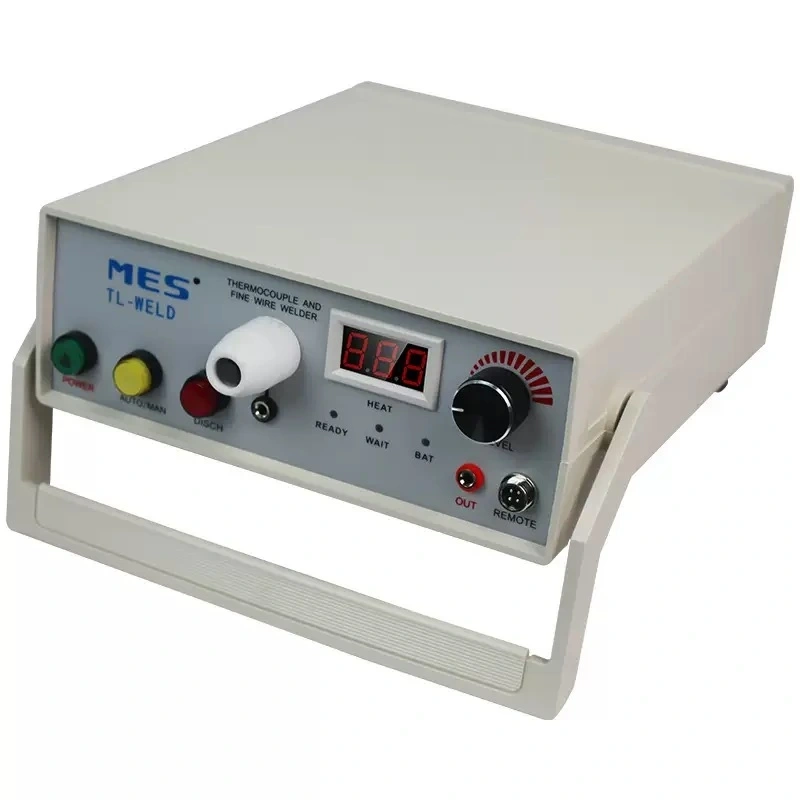
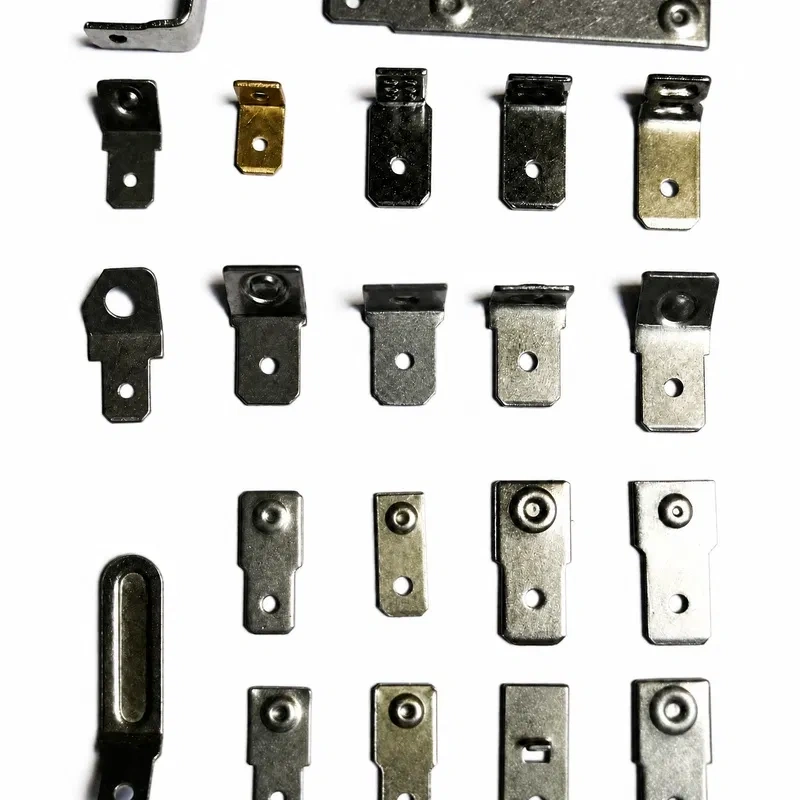
In heating element manufacturing, welding is required at the most critical assembly points. Terminal pin welding attaches the electrical connection points to the element sheath — these welds must carry the full operating current throughout the element's service life, often in high-temperature and vibrating environments. The weld must have minimum electrical resistance to avoid generating heat at the connection point, and sufficient mechanical strength to resist pull-out forces during installation and service. End cap welding seals the sheath ends to protect the MgO insulation from moisture and contamination — any porosity or incomplete fusion in the end cap weld allows moisture ingress that rapidly degrades insulation resistance and leads to element failure. Tube repair and joining welds are used to repair damaged sheaths or join pre-formed tube sections before filling.
Types of Welding Machines for Tubes and Heating Elements
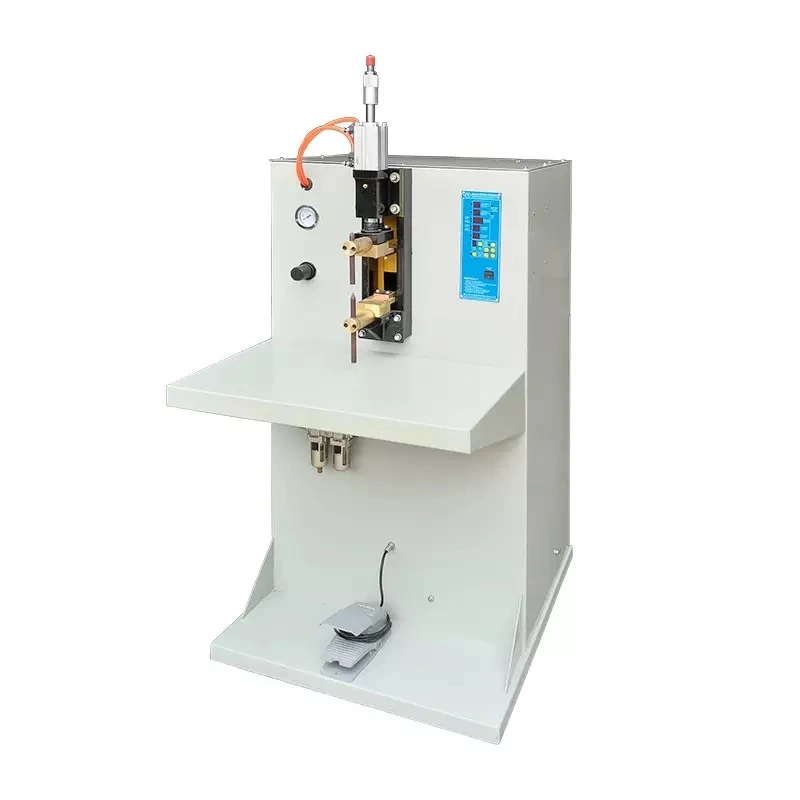
Resistance spot welding machines use high electrical current and electrode pressure to create localized fusion welds in milliseconds. They are the fastest and most widely used welding technology for terminal pin attachment in heating element production, as well as for attaching brackets, clips, and mounting hardware to tube assemblies. No filler material or shielding gas is required, making spot welding clean, fast, and easy to automate. Weld parameters — current, time, and electrode force — are precisely programmable for repeatable results across different material combinations.
TIG welding machines (Tungsten Inert Gas / GTAW) produce full-penetration, high-quality welds with excellent corrosion resistance. TIG welding is the preferred process for stainless steel tube joining, Incoloy 800 and 840 heating element sheaths, and any application where the weld zone is exposed to corrosive, high-temperature, or high-pressure service conditions. Manual TIG welding requires skilled operators but allows maximum flexibility for complex joint geometries. Automated TIG welding cells with CNC torch control and rotary fixtures produce consistent, high-quality welds at high production rates.
Orbital welding machines are specifically designed for circumferential tube-to-tube and tube-to-fitting welds. The welding head clamps around the tube and rotates 360° while the tube remains stationary, producing a continuous, full-penetration weld around the entire circumference. Orbital welding eliminates the operator skill variation of manual TIG welding and is the standard process for high-purity tube welding in pharmaceutical, food processing, semiconductor, and chemical processing applications. It is also widely used in industrial heat exchanger manufacturing and MI cable production for tube joining and end sealing.
Projection welding machines weld formed end caps, flanges, and brackets to tube ends and heating element sheaths. The projections pressed into the end cap concentrate welding current into small contact areas, creating consistent, strong welds with minimal distortion and without requiring precise electrode positioning. Projection welding is faster and more consistent than TIG welding for end cap attachment in high-volume heating element production.
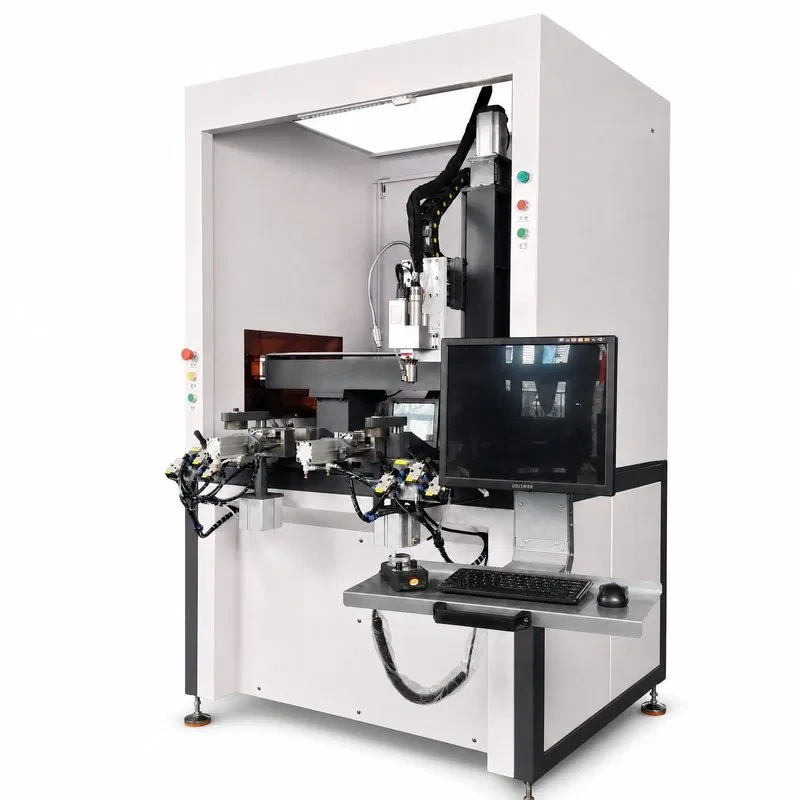
Laser welding systems offer the highest precision and smallest heat-affected zone of any welding process. The focused laser beam creates welds with minimal thermal distortion — critical for thin-walled tubes, miniature heating elements, medical devices, and semiconductor processing heaters where dimensional accuracy must be maintained after welding. Laser welding also enables joining of dissimilar metals and very thin sections that cannot be welded by conventional processes.
High-frequency induction welding is used in tube mill production for continuous longitudinal seam welding of carbon steel, stainless steel, and copper tubes. The induction coil heats the tube edges to welding temperature in milliseconds as the formed tube passes through at high speed — production rates of 10–100 meters per minute are common. Induction welding produces a strong, clean longitudinal seam weld with minimal flash on the inside and outside of the tube.
Key Quality Parameters for Tube and Heating Element Welds
Weld strength must meet or exceed the tensile and yield strength of the parent tube material. For pressure-containing tube assemblies, weld strength is verified by hydrostatic pressure testing or tensile testing of weld samples. Leak tightness is critical for all tube-to-fitting welds and heating element end cap welds — tested by helium leak testing, hydrostatic pressure testing, or vacuum bubble testing depending on the application. Electrical resistance of terminal welds must be minimal — measured in milliohms — to prevent heat generation at connection points. Visual and dimensional requirements include smooth, uniform weld beads without spatter, cracks, porosity, undercut, or excessive weld reinforcement.
Common Tube and Sheath Materials for Welding
Stainless steel grades 304, 304L, 316, 316L, and 321 are the most commonly welded materials in both tube fabrication and heating element production. They are weldable by all processes — spot, TIG, orbital, and laser. Incoloy 800 and Incoloy 840 are nickel-iron-chromium alloys used for high-temperature heating element sheaths and industrial process tubes — they require TIG or orbital welding with Incoloy filler wire and specific pre- and post-weld procedures. Copper and copper alloys are welded for immersion heaters, heat exchangers, and refrigeration tubing — they require higher heat input than steel due to their high thermal conductivity. Carbon steel tubes are welded in general industrial piping and lower-cost heating applications using MIG, TIG, or resistance welding.
Automation and Integration in Production Lines
Modern tube fabrication and heating element production lines integrate welding stations into fully automated systems. Robotic welding cells handle complex tube assemblies with multiple welds. Rotary index machines position components precisely for consistent spot welding at high production rates. Inline weld inspection systems — using vision cameras, X-ray, or electrical resistance measurement — verify weld quality immediately after welding, preventing defective parts from proceeding to the next production step. Full weld parameter monitoring and data logging provides production traceability for quality-critical applications.
Selecting the Right Welding Machine for Your Application
The correct welding process depends on the tube material, wall thickness, joint geometry, quality requirements, and production volume. For high-volume terminal attachment on standard heating elements, resistance spot welding offers the best combination of speed, cost, and quality. For high-alloy stainless or Incoloy tube joining, orbital TIG welding provides the best weld quality and consistency. For end cap sealing in high-volume heating element production, projection welding is the most efficient process. For precision miniature components, laser welding offers unmatched accuracy and minimal heat input.
Why Choose Heatecx Welding Machines
Our welding machines are designed for the specific requirements of metal tube fabrication and heating element production — combining robust industrial construction with the process precision required for consistent, high-quality welds on heating element materials. We supply machines for all welding processes used in tube and heating element manufacturing, with process parameters pre-configured for the most common material and geometry combinations.
Our technical team provides full commissioning support, process parameter setup, operator training, and ongoing process optimization assistance. We also supply welding consumables including electrodes, filler wires, and shielding gases selected for heating element and tube welding applications.