Industrial straightening machinery overview
In precision industrial manufacturing, receiving raw materials in spools or coils is the most efficient logistics standard. However, this coiled storage induces a constant plastic deformation, accumulating severe mechanical residual stress and a pronounced curvature in both wire and metal tubing.
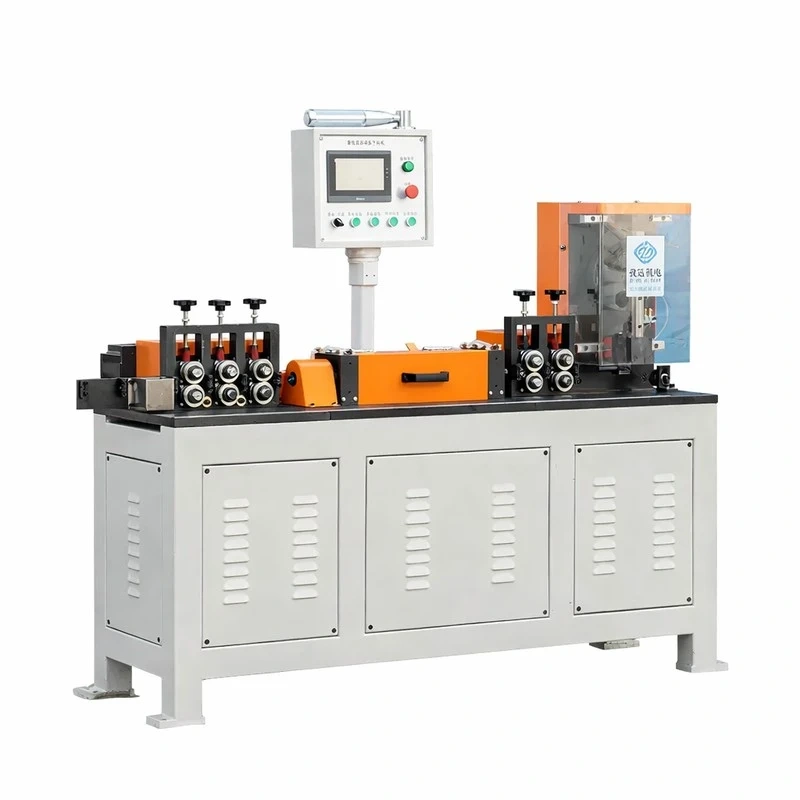
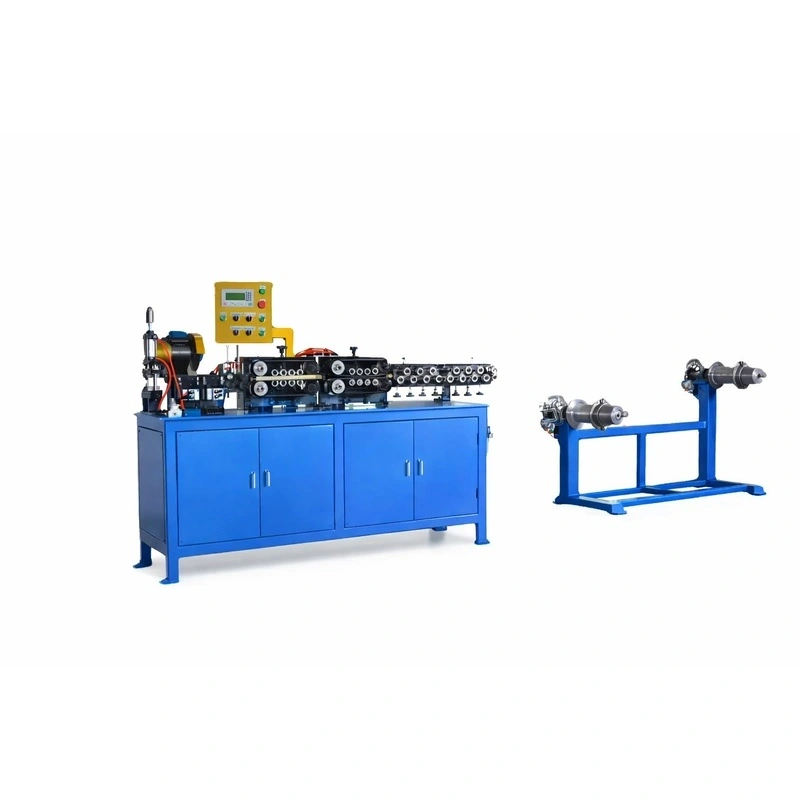
Heatecx tube and wire straightening machines are automated mechanical systems engineered to neutralize these geometric deviations. Their primary objective is to draw the material directly from the uncoiler and subject it to continuous, calculated flexing cycles to restore flawless, millimeter-perfect straightness. Ensuring that the tube or wire is completely linear is a critical and mandatory operational step to guarantee precision during downstream assembly (such as threading ceramic insulators), automated feeding, and longitudinal cutting, eliminating machine jams and maintaining tight tolerances in the final product.
Straightening methodologies: Multi-roller systems vs. Rotary spinners
The choice of straightening technology depends directly on the raw material's cross-section, diameter, and surface sensitivity:
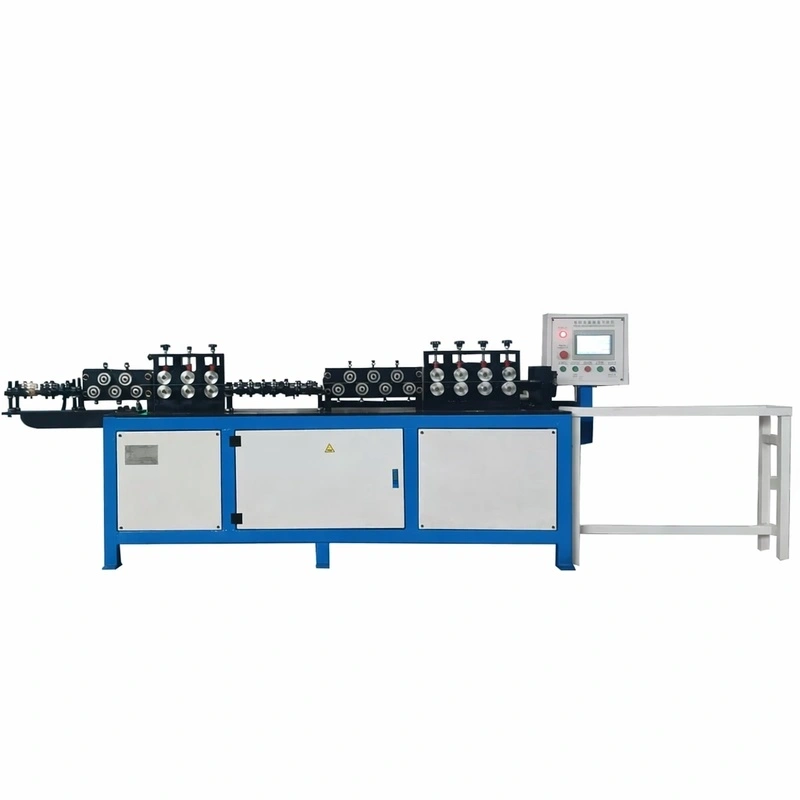
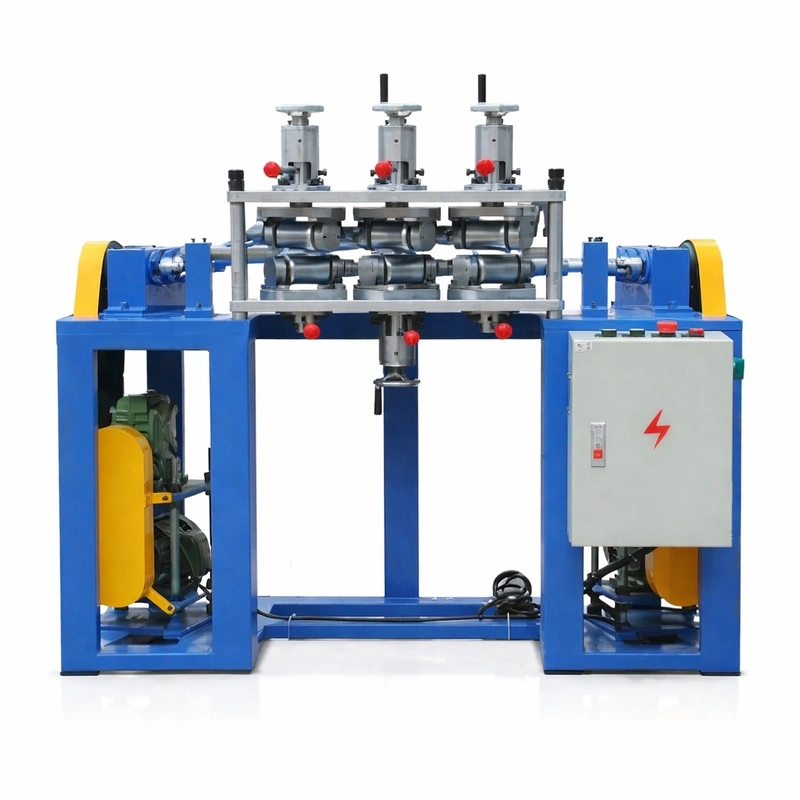
- Multi-roller straightening: This setup features two orthogonal processing planes (a horizontal roller set and a vertical roller set) configured with alternating rollers. As the tube or wire progresses through them, it undergoes sequential reverse bending that slightly exceeds the material's yield point, effectively "erasing" the coil's curved memory. This is the definitive method for metal tubes, thin-walled piping, and mineral insulated cables (MI cables), as it eliminates curvature without applying torsional forces that could compromise internal conductors or insulated layers.
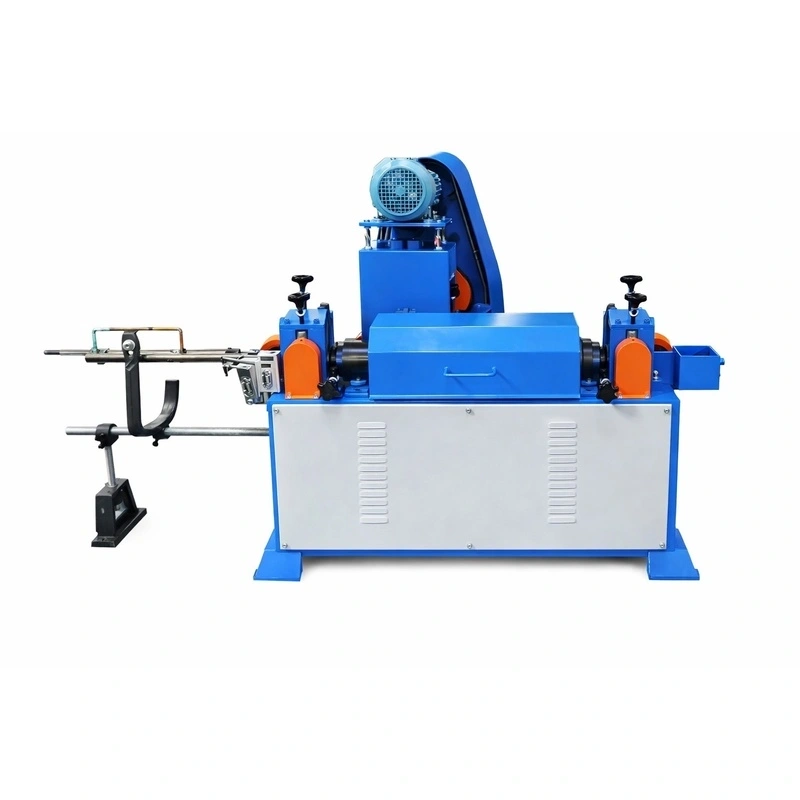
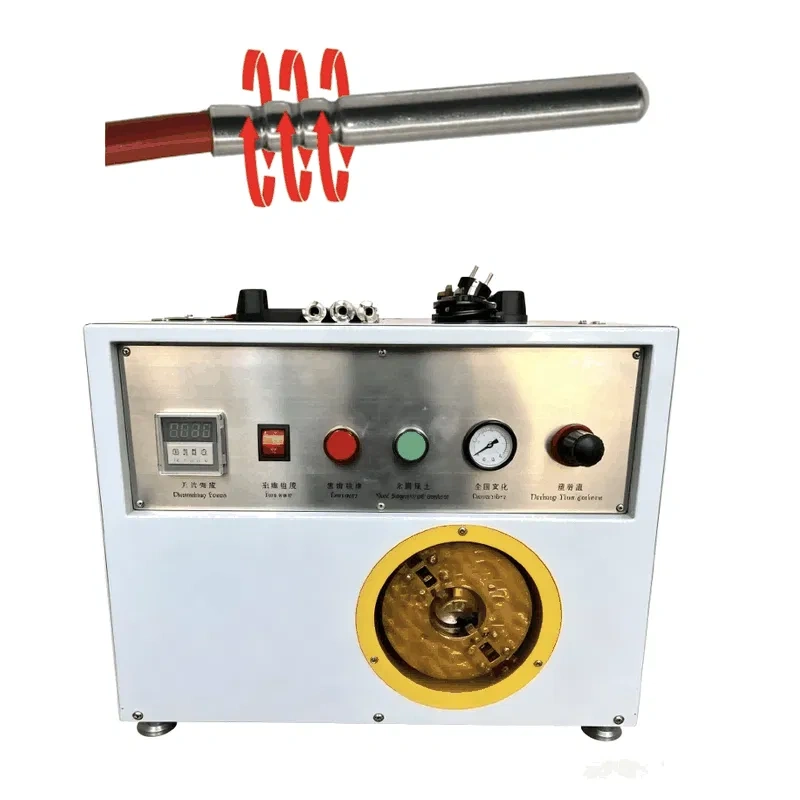
- Rotary spinner straightening: In this methodology, the wire passes linearly through a high-speed rotating arbor or rotor. Inside the spinning rotor, adjustable misaligned forming dies apply a continuous, multi-directional 3D force around the entire perimeter of the moving material. This is the optimal system for solid round wires (such as thermocouple conductor elements), producing absolute geometric linearity at exceptionally high linear feeding velocities.
Industrial quality standards for tube and wire straightening
Heatecx industrial solutions operate under strict international frameworks (such as ISO and ASTM standards) to ensure the rectifying process maintains absolute metal integrity:
- Straightness tolerance limits (Camber): High-precision automated lines require a maximum deviation of less than 0.5 mm per linear meter (≤ 0.5 mm/m). For micro-components or critical tolerance fields, our equipment delivers accuracies down to ≤ 0.2 mm/m.
- Surface integrity standards (Zero-Marking): The mechanical straightening sequence must not induce scratches, friction marks, scuffing, or external diameter alterations on the metal. Any surface flaw degrades the material's mechanical strength and corrosion resistance.
- Internal structural preservation: The pulling and flexing forces must never stretch the material asymmetrically or distort the compaction density of the internal insulation matrix, a vital parameter when processing Mineral Insulated (MI) cables.
Key factors to analyze when purchasing an industrial straightener
To select the correct machinery setup and secure a high return on investment (ROI) for your production plant, it is essential to evaluate the following technical variables:
- Mechanical capacity range: Define the minimum and maximum diameters of the wire or tube to be processed, including wall thickness specifications for tubing. The yield strength and alloy type (Stainless Steel, copper, or specialized thermocouple alloys) must also be verified.
- Roller material and surface finishing: To prevent cross-contamination or tooling marks on soft metals or mirror finishes, analyze rollers made from specialized engineering polymers (such as Delrin or Polyurethane) or mirror-ground hardened alloy steels.
- Line speed and synchronization: The straightener's throughput speed must adapt dynamically to the automated feed lines or cut-off modules using synchronized servomotors and precise electronic speed controllers.
- Automation levels and changeover times: Systems featuring digitally assisted adjustments or precise micrometric readouts drastically lower setup and changeover times between different production runs.
Straightening machinery lineup in the Heatecx catalog
Our equipment engineering portfolio delivers specialized modular configurations designed for specific industrial inputs and production scales in the thermocouple and MI cable sectors:
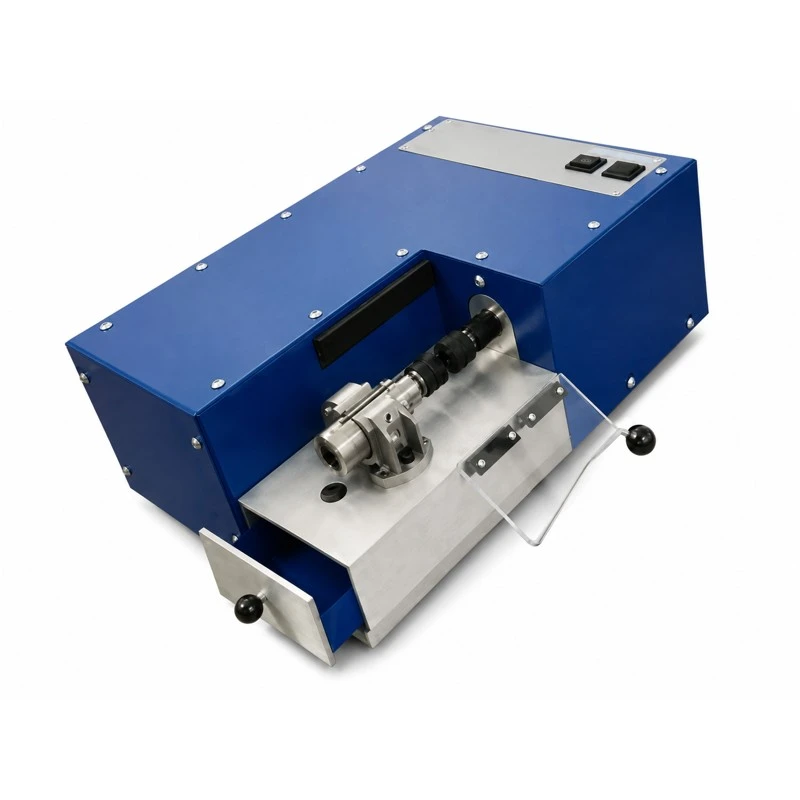
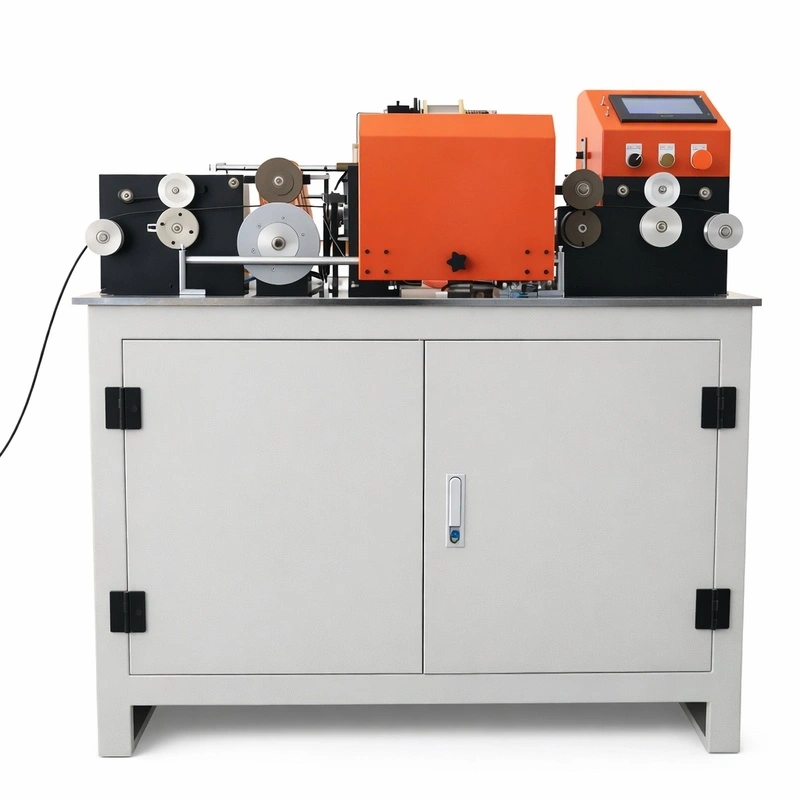
- Dual-axis horizontal and vertical multi-roller straighteners: Outfitted with independent alignment and positive-drive rollers. They represent the most stable and reliable standard solution for continuous straightening of metal sheaths and mineral insulated lines.
- High-speed automated rotary spinner straighteners: High-performance processing machinery engineered exclusively for rapid straightening of solid thermocouple wires, ensuring flawless rectifying prior to secondary operational assembly stages.
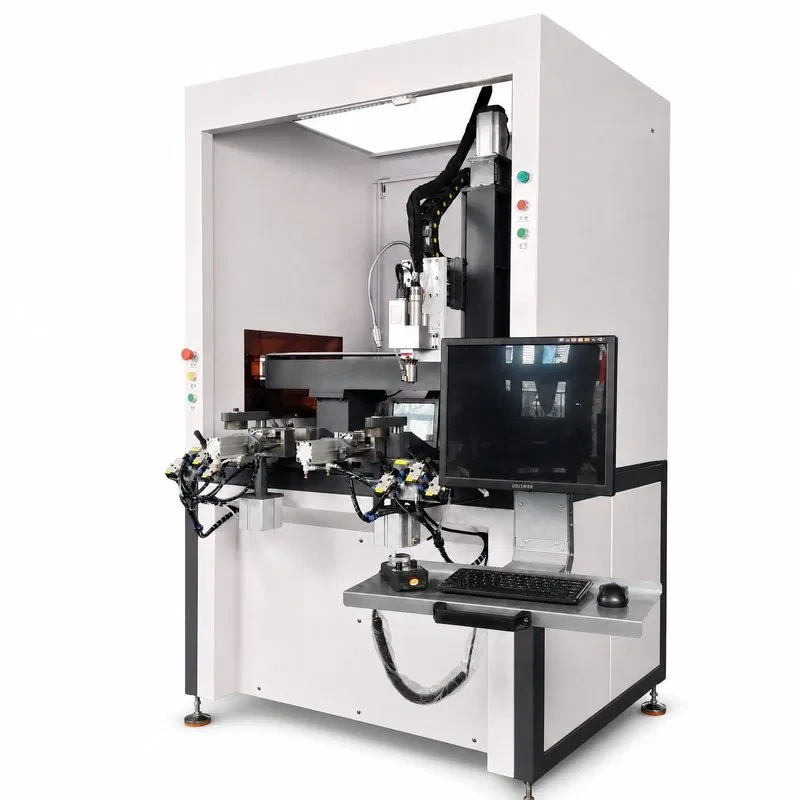
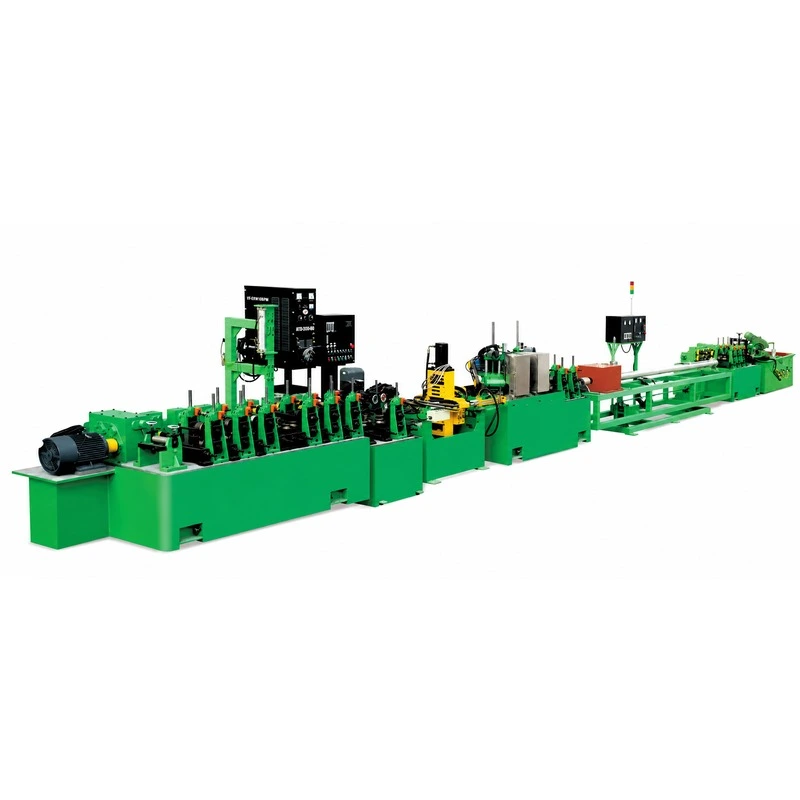
Integrated automatic straightening and cutting lines (CT Series): In full compliance with Heatecx's technical documentation and engineering naming conventions, all combination systems that unify precision straightening with an automated pneumatic or shear cutting unit are designated under the CT model prefix (such as Model CT-20 or Model CT-50). These units convert raw spools directly into perfectly straight tubes or rods cut to exact millimeter lengths with minimal waste.