What Are Tube Cutting Machines and How Do They Work?
In modern industrial manufacturing environments, processing cylindrical and tubular profiles constitutes a fundamental operation across diverse supply chains, including automotive (brake and fuel lines), medical fields (surgical micro-tubing and needles), and HVAC (heat exchangers and cooling coils). Industrial tube cutting machines are heavy-duty, automated mechanical systems engineered specifically to segment rigid metal bar stock or continuous spooled coils into exact linear lengths while maintaining tight dimensional tolerances and absolute repeatability during high-speed production runs.
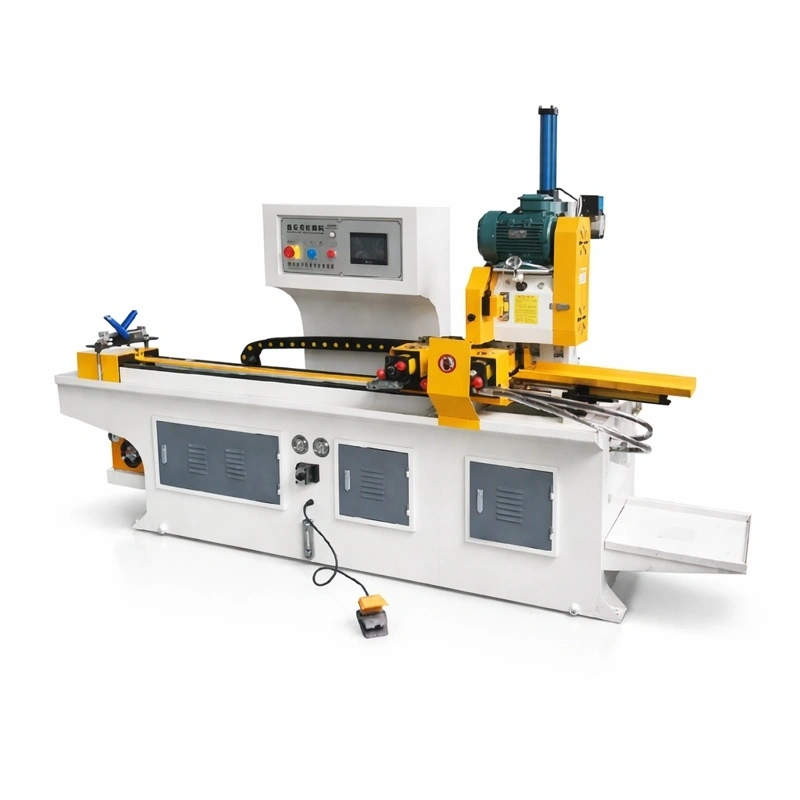
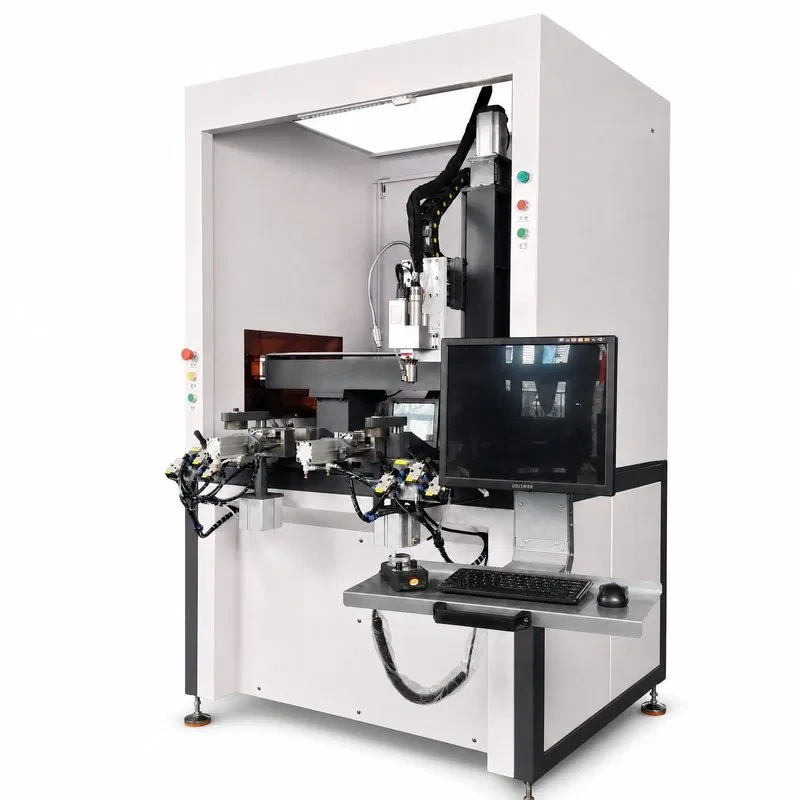
The operational layout of a high-performance automated tube cutter unifies a precise linear feeding module with a specialized cutting head assembly. The material—ranging from stainless steel, copper, and brass to aluminum and exotic alloys like titanium or Inconel—is pulled into the apparatus via synchronized drive rollers or high-torque servomotors. Once the tube reaches the exact target dimension programmed into the Human-Machine Interface (HMI), high-rigidity pneumatic or hydraulic clamping jaws engage the tube's outer diameter concentrically to absorb all mechanical vibration. Following this stabilization, the cutting head executes a calculated radial motion. The primary engineering goal is to cleanly partition the metal while preserving the original geometric roundness of the tube, eliminating end distortion and wall collapse on thin-gauge profiles.
Types of Tube Cutting Machines
Depending on industrial field requirements, material wall thickness, and the aesthetic or mechanical criteria of the end component, manufacturing floors require varied cutting technologies. Selecting the correct processing methodology directly influences the unit-part cost and the volume of downstream operations:
- Abrasive Wheel and Toothed Circular Saw Cutters: These represent the traditional, general-purpose mechanical processing methods. They employ high-speed steel (HSS) or tungsten carbide-tipped blades rotating at high RPMs to abrade the metal across a designated path. While effective for structural tubes or heavy-walled pipe lines, they introduce severe limitations in precision applications. The aggressive tooth interaction tears the metal apart, producing a large volume of airborne metallic dust (chips/shavings) and leaving sharp, irregular borders (burrs) that necessitate dedicated ultrasonic washing and secondary manual deburring stations.
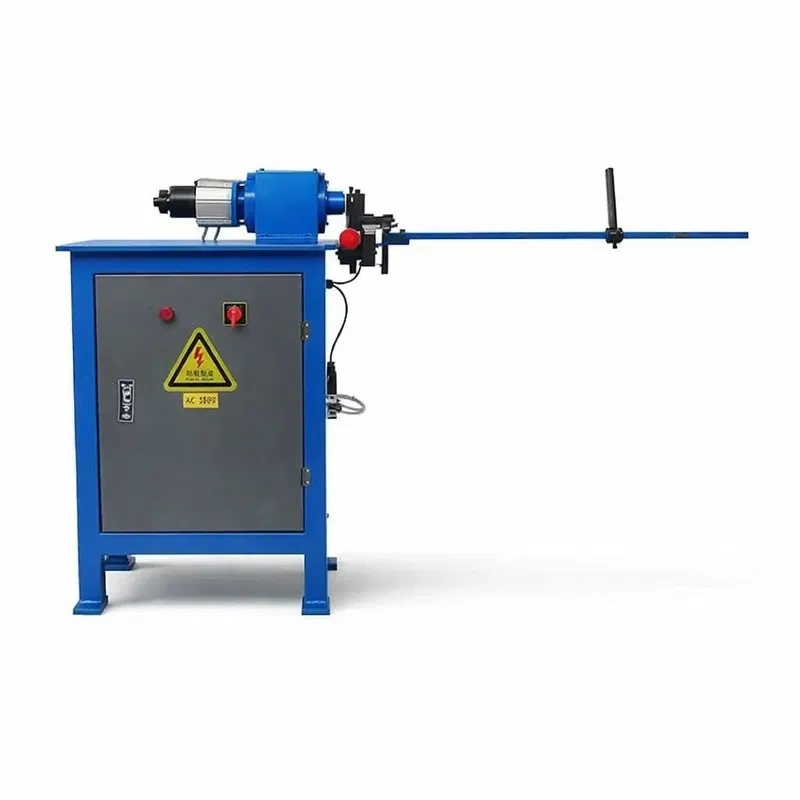
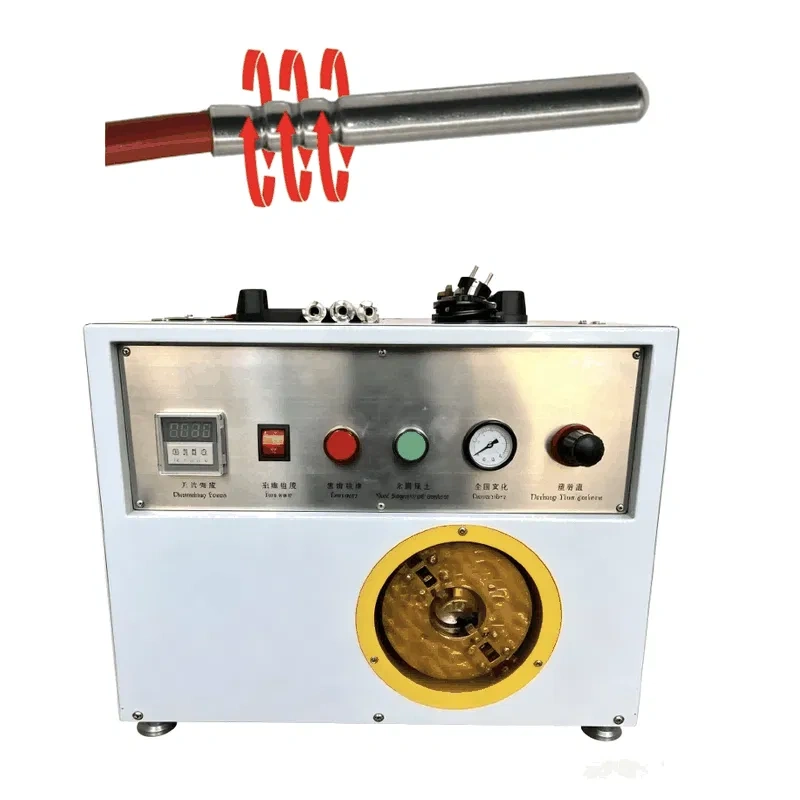
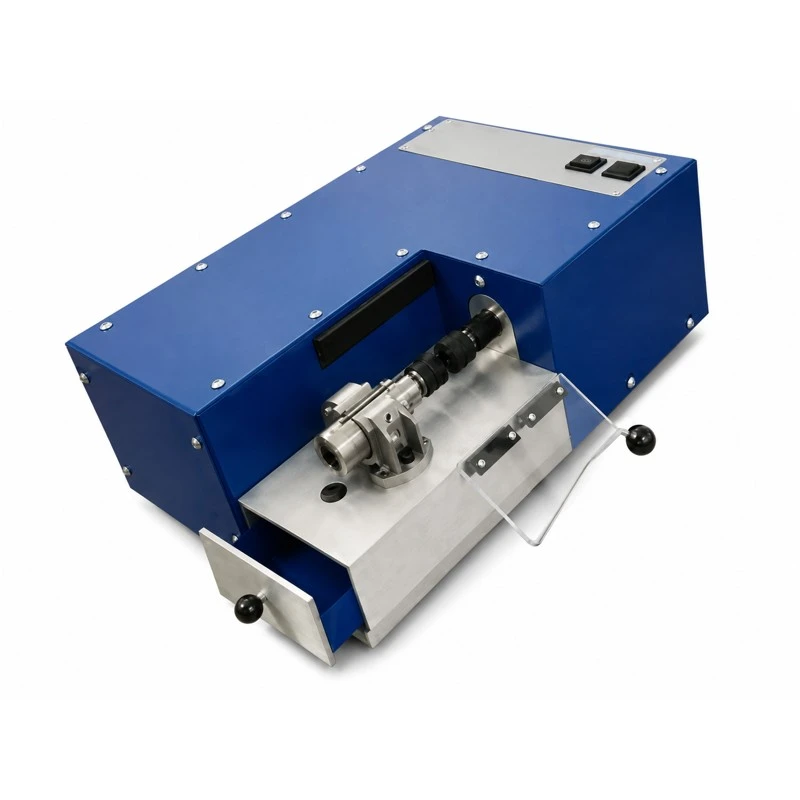
- Orbital and Rotating Head Cutters: This configuration serves as the premier technological path for sanitary, medical, and high-purity industrial components. Here, the tube remains completely stationary while a motorized assembly carrying hardened cutting wheels rotates around the outer circumference (orbital cutting), or alternatively, the tube itself is spun at high speeds against fixed micro-honed tooling. Because it avoids tearing metal through tooth-based friction, this method excels in operational cleanliness, throughput velocity, and surface finish quality on thin-to-medium wall tubing.
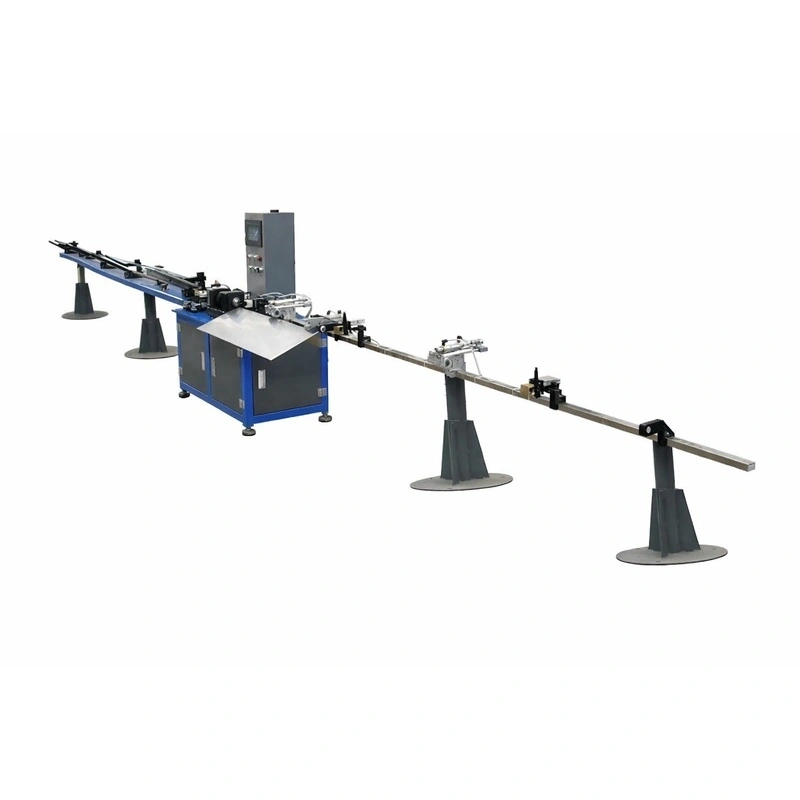
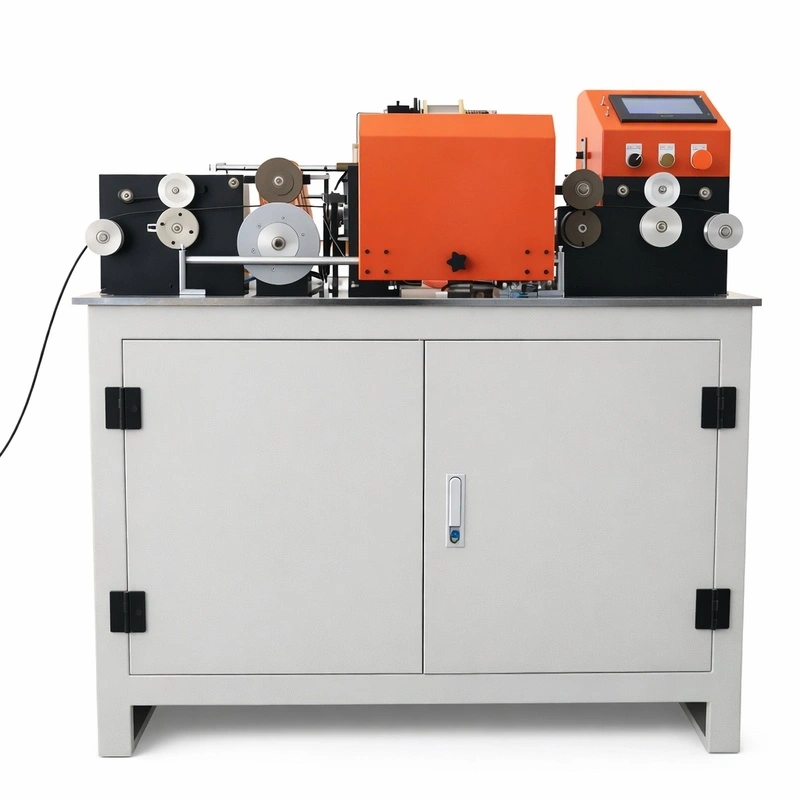
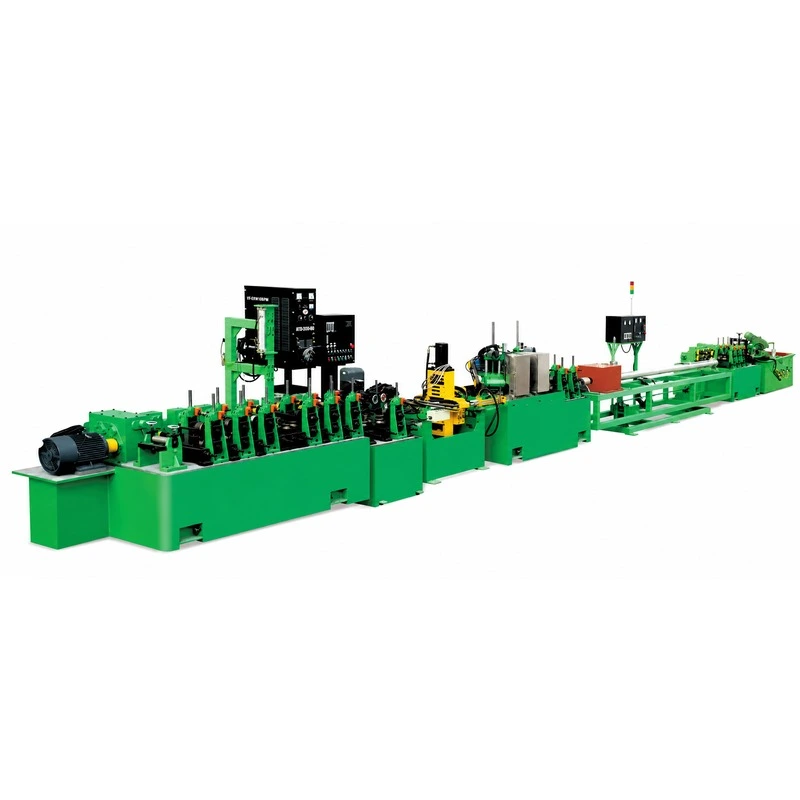
- Combined Straightening and Cutting Lines (Heatecx CT Series): Adhering strictly to our standardized engineering designation metrics, all combination platforms from Heatecx that merge precision geometric rectifying and automated cutting into a single footprint adopt the CT model prefix (such as Model CT-20 or Model CT-50). These integrated lines draw raw tube stock directly from continuous coils, neutralize the storage coil's elastic memory via multi-axis straightening rollers, and immediately cut the straightened profile to size in a unified, continuous workflow, optimizing factory floor space and reducing material handling overhead.
Our Burr-Free Cutting Technology: Chipless Processing
For demanding technical applications—such as aerospace hydraulic lines or automotive common-rail fuel injection systems—the presence of internal burrs or microscopic metal chips is strictly unacceptable. A single loose metallic shaving migrating through a fluid power circuit or a sharp internal edge restricting flow dynamics can trigger catastrophic component failure or compromise critical sensor readings.
Heatecx's burr-free tube cutting machines, built around advanced chipless cutting principles, resolve this manufacturing challenge at its source. Instead of utilizing toothed blades that wear down and abrade material, our systems deploy mirror-polished, high-hardness circular cutting wheels that slice through the tube wall via mechanically regulated radial pressure while executing an orbital path.
This physical mechanism does not cut through destructive friction; rather, it displaces and rolls the metal cleanly outward until complete separation occurs. The outcome is a surgical cut with zero material waste in the form of powder, maintaining 100% of the tube's internal nominal diameter, with perfectly perpendicular faces and smooth, factory-beveled edges. Deploying Heatecx chipless hardware allows manufacturing plants to completely eliminate secondary manual or mechanical deburring costs, reduce chip contamination reject rates to zero, and streamline automated assembly cycle times.
How Heatecx Can Help You
At Heatecx, we excel at transforming fragmented fabrication steps into continuous, high-efficiency manufacturing processes. We recognize that an industrial cutting system should not be evaluated as a standalone asset, but rather by its capacity to integrate smoothly into a plant's internal logistics line, supporting massive production requirements and high-velocity demands.
Our application engineering division conducts a comprehensive review of your operational parameters: outer diameters, wall dimensions, metallic alloy specifications, and weekly throughput targets. Leveraging this empirical profile, we configure and adapt the CT Series feeding modules, integrating custom clamping dies formulated with advanced engineering polymers to prevent friction marking or surface scuffing on mirror-polished or sensitive bright tubes. Choosing Heatecx ensures your facility secures robust machinery engineered with premium, wear-resistant hardware, intuitive control software for rapid batch changeovers, and end-to-end technical support from industrial heat and material processing specialists.