Introduction and Technical Foundations of Tube Finishing
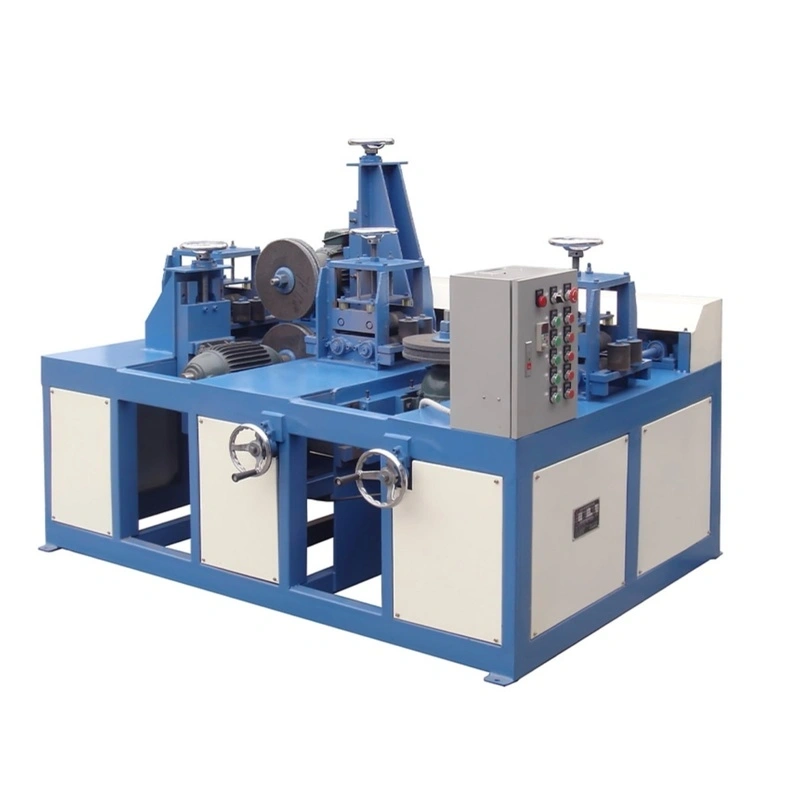
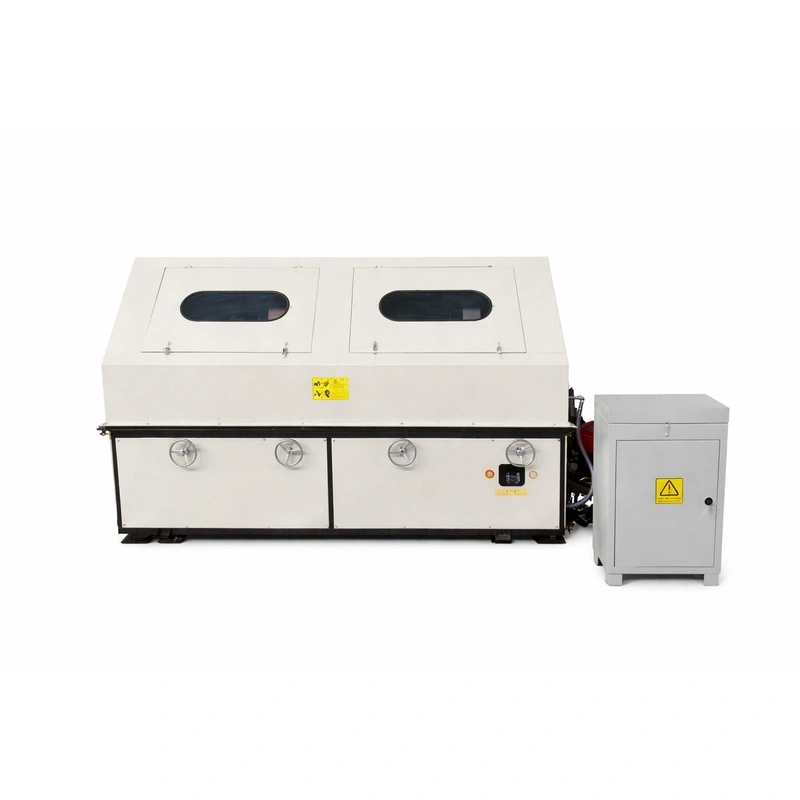
Tube polishing machines are highly engineered industrial systems designed to modify, condition, and optimize the surface topography of cylindrical profiles, solid bars, and tubular conduits. This process transcends aesthetics; the controlled micro-removal of surface material is a technical imperative to eliminate micro-cracks, decarburization, scale, rust, and heat-affected zones (HAZ) resulting from welding processes.
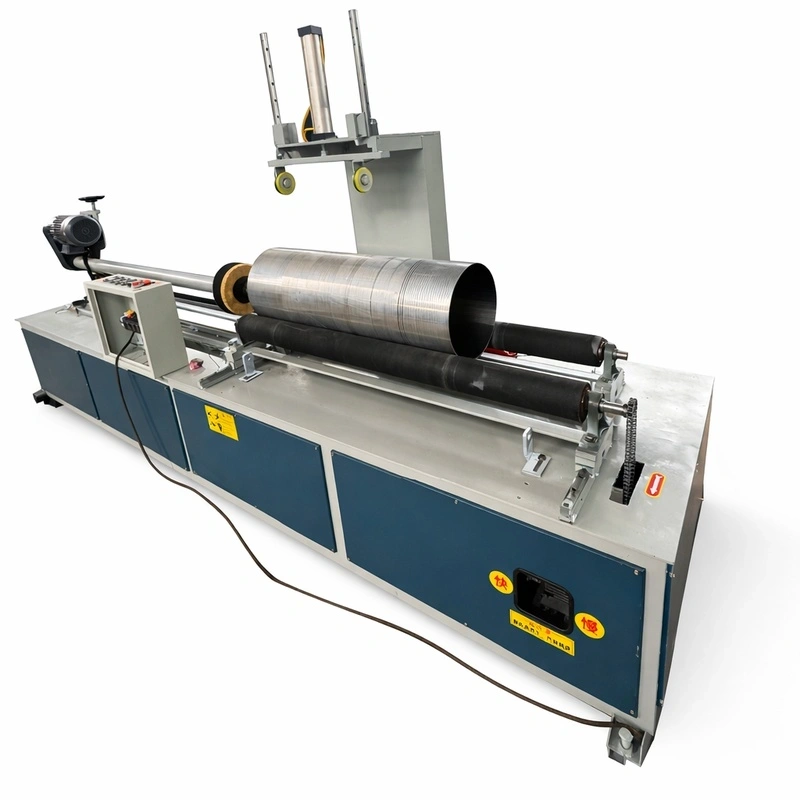
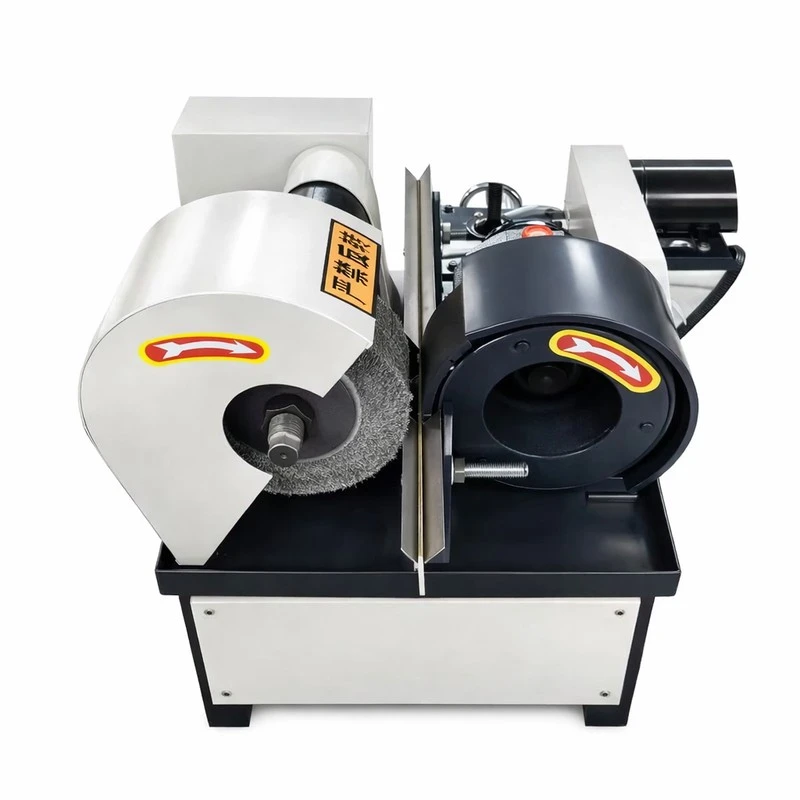
The operational principle relies on mechanical abrasive removal via tangential contact between the workpiece and a high-speed moving abrasive medium. Advanced automated systems utilize Centerless technology. In this configuration, the tube is not clamped between centers but rests on a support blade, guided and fed by a regulating drive roller. Final polishing quality and throughput depend on the precise synchronization of three critical variables: the linear speed of the abrasive belt, the rotational and feed speed of the tube, and the specific pressure exerted by the contact head.
Process Dynamics and Feed Control
For process engineers and plant managers, Centerless throughput speed is governed by key equipment factors. This feed rate is dynamically driven by the diameter of the regulating drive roller, its rotational speed (RPM), and the helix inclination angle of the roller relative to the tube's longitudinal axis.
By modulating this inclination angle (typically adjustable from 1° to 7°), operators can accelerate processing for fast grinding cycles or decrease it to increase dwell time, which is vital for achieving high-end mirror finishes.
Machine Types, Technologies, and Finishing Standards
1. Centerless Abrasive Belt Grinding Machines
Engineered specifically for straight tubes and pipes. They feature abrasive belts tensioned between a drive pulley and a contact wheel (available in various rubber or polyurethane durometers to modulate cutting aggressiveness). These modular machines can be configured in multi-head inline systems (from 1 to over 8 stations) to execute heavy stock removal, intermediate grinding, and final finishing in a single continuous pass.
2. Orbital / Planetary Polishing Machines
In orbital technology, the tube travels linearly through the machine without rotating on its own axis. Instead, two belt-holding heads rotate in a 360° orbital motion around the stationary workpiece.
- Critical Advantage: This mechanical approach is indispensable for processing bent or curved tubes (such as manifolds or handlebars) and elliptical profiles where tube rotation is physically impossible.
3. Buffing, Brushing, and Mirror-Finishing Machines
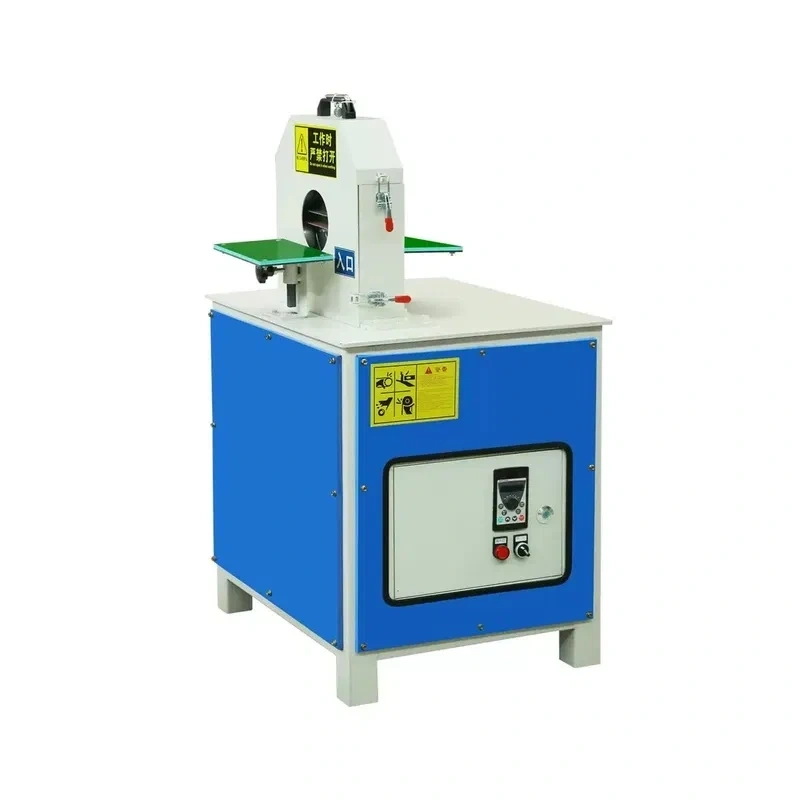
Utilized in the final stages of surface refinement. They replace abrasive belts with flap wheels, non-woven fiber wheels (e.g., Scotch-Brite™), or cotton/felt buffing mops. They operate in conjunction with solid or liquid polishing compounds (such as aluminum oxide or chromium oxide pastes) to achieve exceptionally low surface roughness values.
Finishing Standards by Surface Roughness (Ra)
- Stock Removal & Prep: Grinding weld seams using ceramic or zirconia grains (P60 to P120 grit). High roughness targeted purely at structural cleaning.
- Satin / Brushed Commercial Finish: Homogeneous directional or orbital scratch patterns (P240 to P400 grit), widely used in architecture and furniture. Delivers intermediate and controlled roughness scales.
- Sanitary / High Mirror Polish: Multi-stage buffing with cotton wheels and chemical compounds. Critical for high-end decorative or ultra-pure applications, achieving minimal microscopic roughness.
Technology Comparison Matrix
|
Technical Metric
|
Centerless Belt System
|
Planetary / Orbital System
|
Buffing Wheel Mop System
|
|
Tube Geometry
|
Straight tubes only
|
Straight and bent/curved tubes
|
Straight, bent, and complex parts
|
|
Stock Removal Rate
|
Very High (Weld seam grinding)
|
Medium
|
Low (Refinement/Shine only)
|
|
Workpiece Rotation
|
Yes (Tube rotates)
|
No (Linear tube feed)
|
Variable (Manual/Assisted)
|
|
Max Target Finish (Ra)
|
Premium micrometric control
|
Premium micrometric control
|
High optical gloss (True Mirror)
|
|
Automation Level
|
High (Multi-head serial lines)
|
High
|
Medium / Manual paste application
|
Specialized Industrial Applications
- Pharmaceutical & Biotechnology: Stainless steel 316L process piping demands ultra-low surface roughness (sanitary or electromechanical finish standards). This prevents microorganisms or biofilms from colonizing micro-scratches in the metal, ensuring CIP (Clean-in-Place) sterilization protocols are 100% effective.
- Food & Beverage Industry: Processing transport lines for dairy, juices, and liquid ingredients where any surface defect could trigger batch cross-contamination.
- Architecture & Marine Infrastructure: Weather-resistant surface finishing for balustrades, structural elements, and marine hardware. Proper polishing removes pit corrosion initiation sites.
- Hydraulic Cylinders & Automotive: Grinding and pre-polishing of piston rods prior to hard chrome plating, where precise geometric tolerances and surface consistency directly impact hydraulic seal longevity.
Surface Defect Control & Troubleshooting
Industrial operations require process stability. Our heavy-duty machinery targets and prevents common production flaws:
- Faceting (Flat spots on the profile): Occurs when the tube fails to rotate evenly over the support blade. Heatecx machines eliminate this via high-friction polyurethane regulating wheels and optimized carbide-tipped rest blades.
- Chatter Marks: Cyclic surface waves stemming from dynamic imbalances. Our heavy-duty drive pulleys undergo rigorous ISO G2.5 electronic balancing to negate destructive harmonic frequencies.
- Heat Discoloration (Bluing): Structural overheating typical in stainless steel grinding. Our automated Wet fluid delivery systems supply a high-flow, turbulent stream directly to the grinding zone.
Why Choose Heatecx
At Heatecx, we engineer high-performance surface treatment solutions that maximize operational yield. Our tube polishing machines feature robust technical innovations tailored for demanding industrial environments:
- High-Rigidity Heavy Cast Frames: Vibration-damping chasses minimize harmonic resonance, ensuring consistent polishing uniformity over the entire length of the tube.
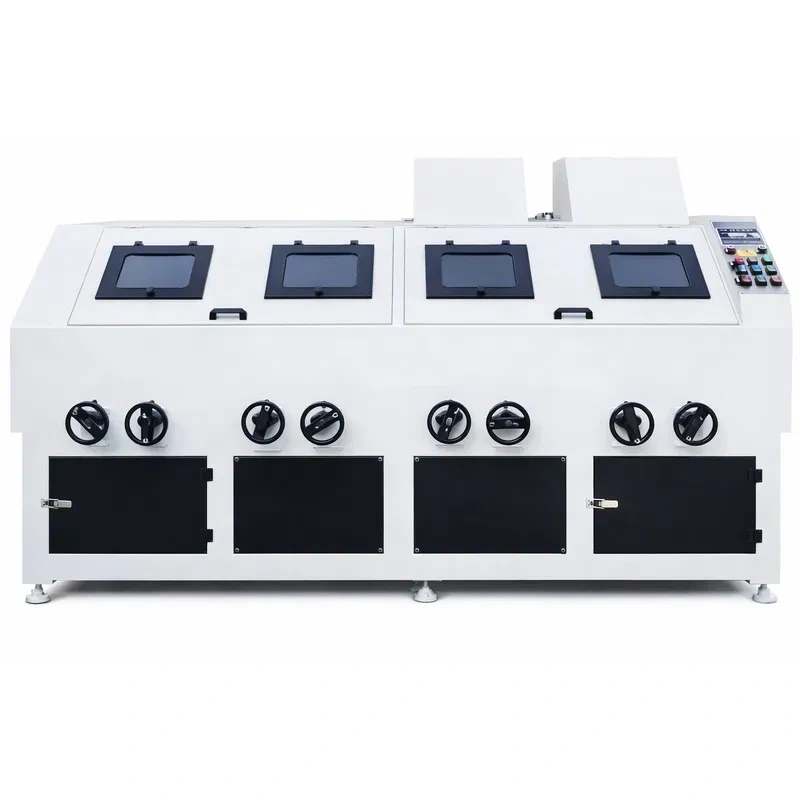
- Integrated Wet Cooling Systems: Equipped with automated paper and magnetic filtration units to separate metal sludge. Wet grinding is essential to mitigate thermal expansion in thin-walled tubes, preventing metallurgical structural changes.
- Advanced Digital Controls (PLC & HMI): Production recipe storage automatically configures contact wheel pressure, feed speed, and centerless roller opening based on tube diameter, dramatically reducing changeover times.