What are tubular heater bending machines and how do they work?
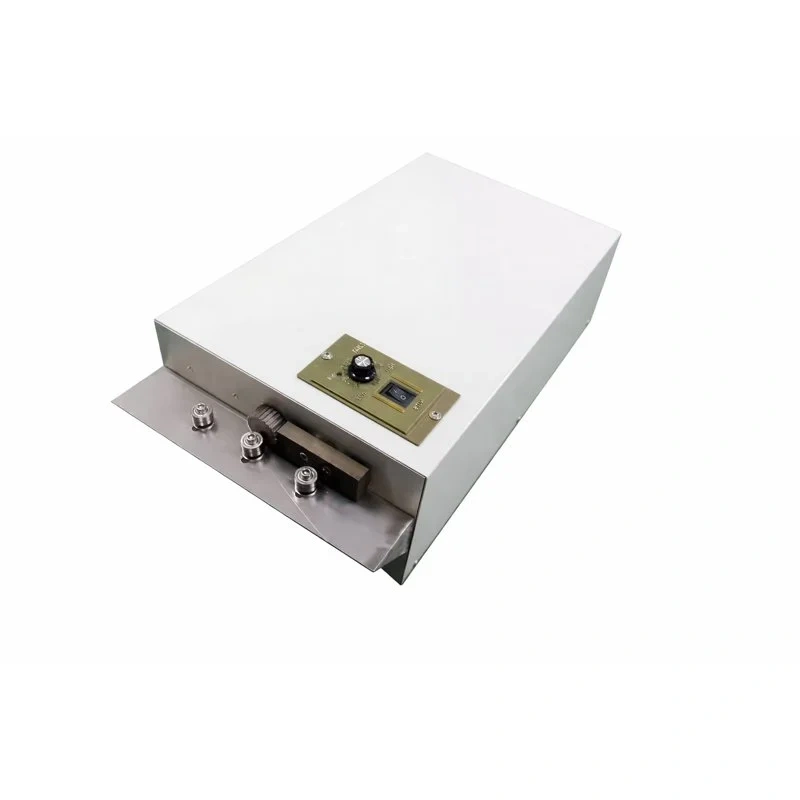
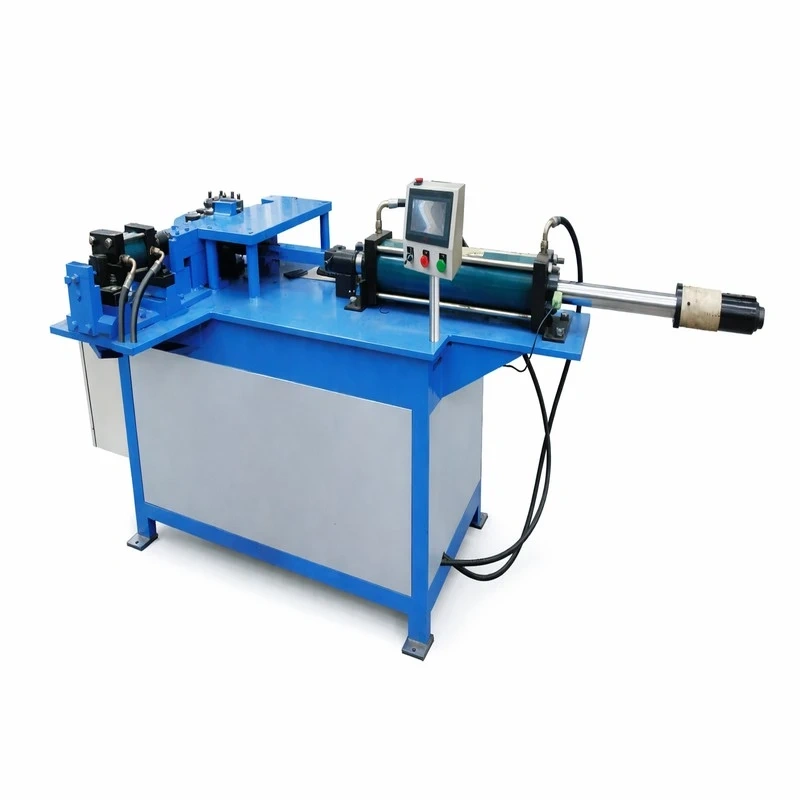
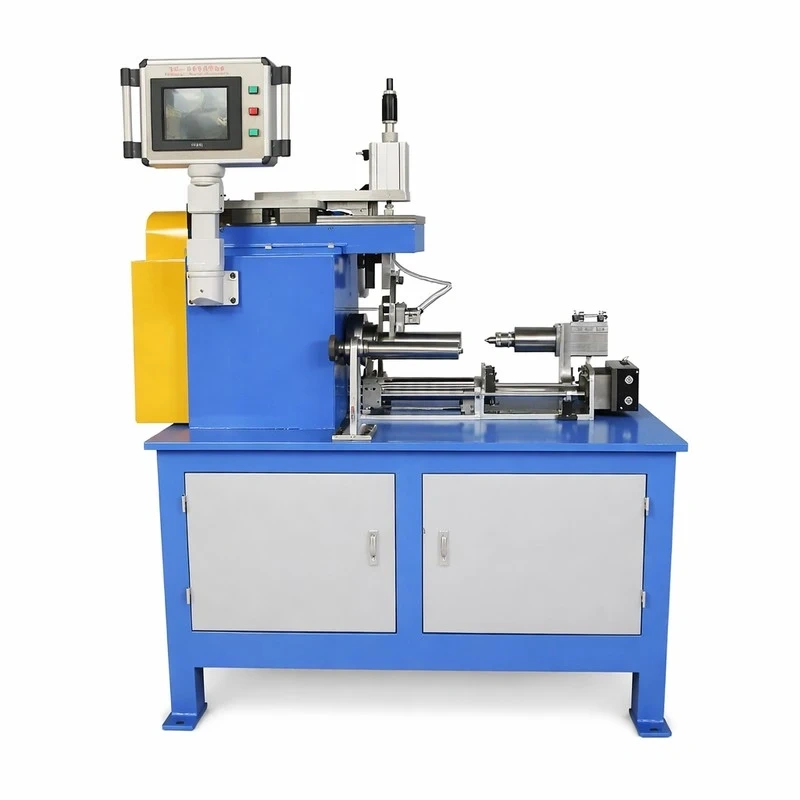
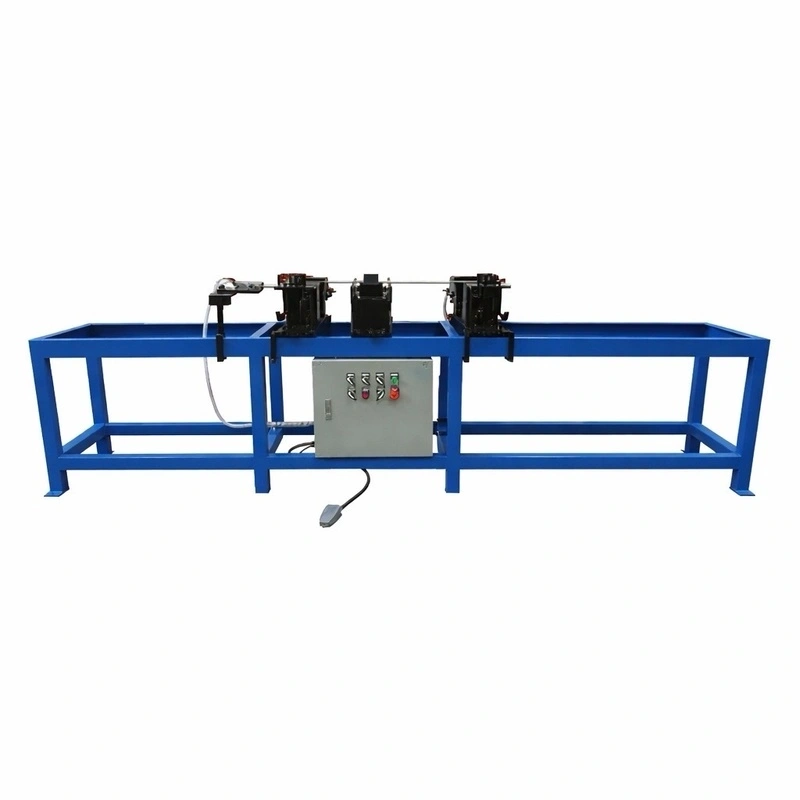
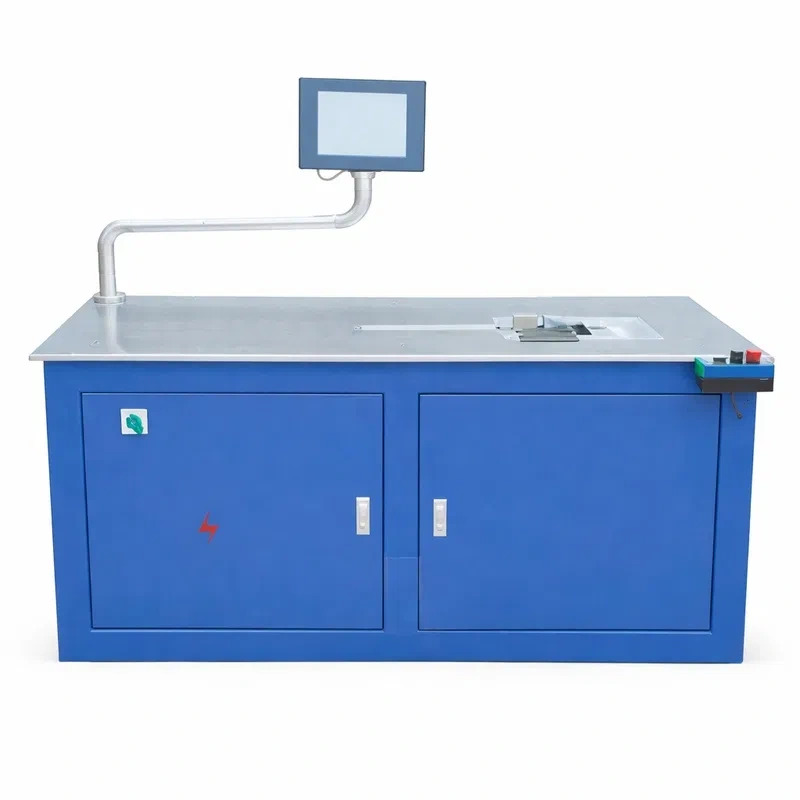
Tubular heater bending machines are highly specialized industrial forming systems engineered to shape straight, mineral-insulated sheathed heating elements into complex configurations such as U-shapes, W-shapes, multi-loop coils, or custom 3D thermal profiles.
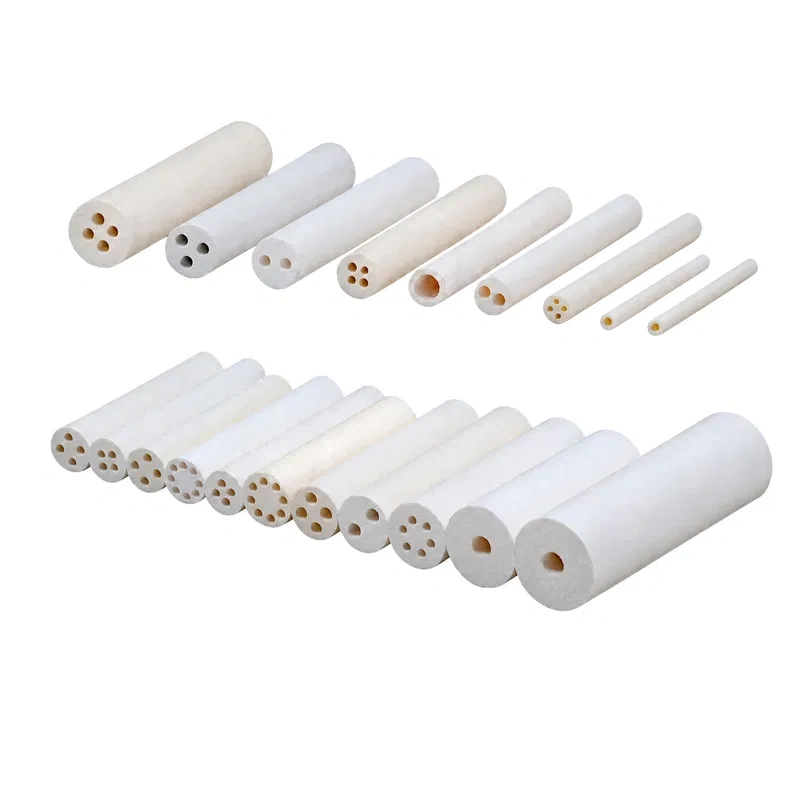
Unlike standard commercial tube benders that process hollow metal piping, a dedicated electric heater bender must handle a complex, pre-compressed multi-component assembly. The component houses a fragile internal Nichrome resistance wire surrounded by highly compacted Magnesium Oxide (MgO) powder acting as a dielectric insulator, all encased within a heavy-duty metal sheath.
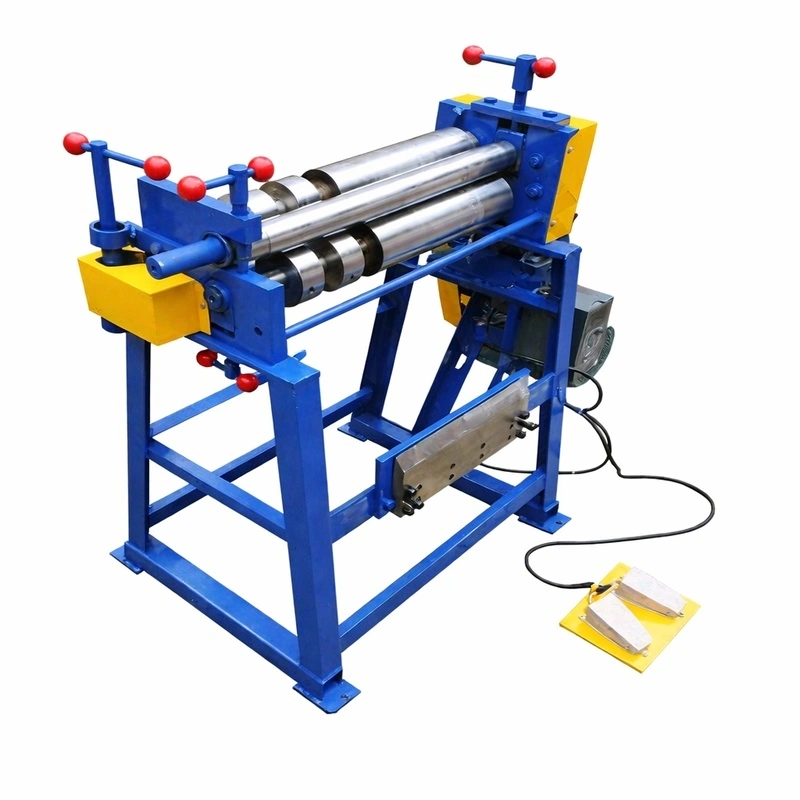
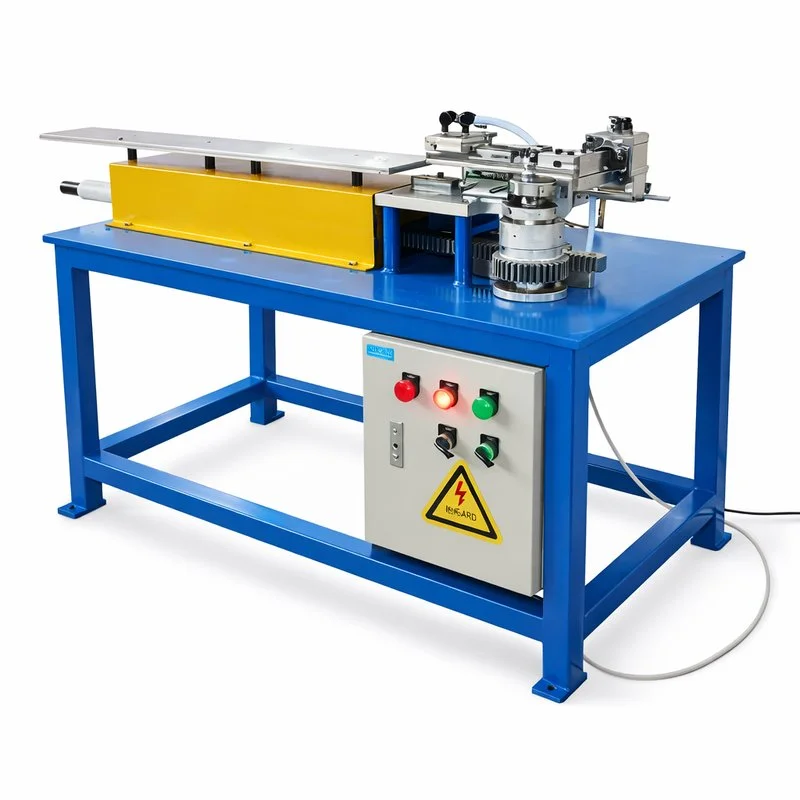
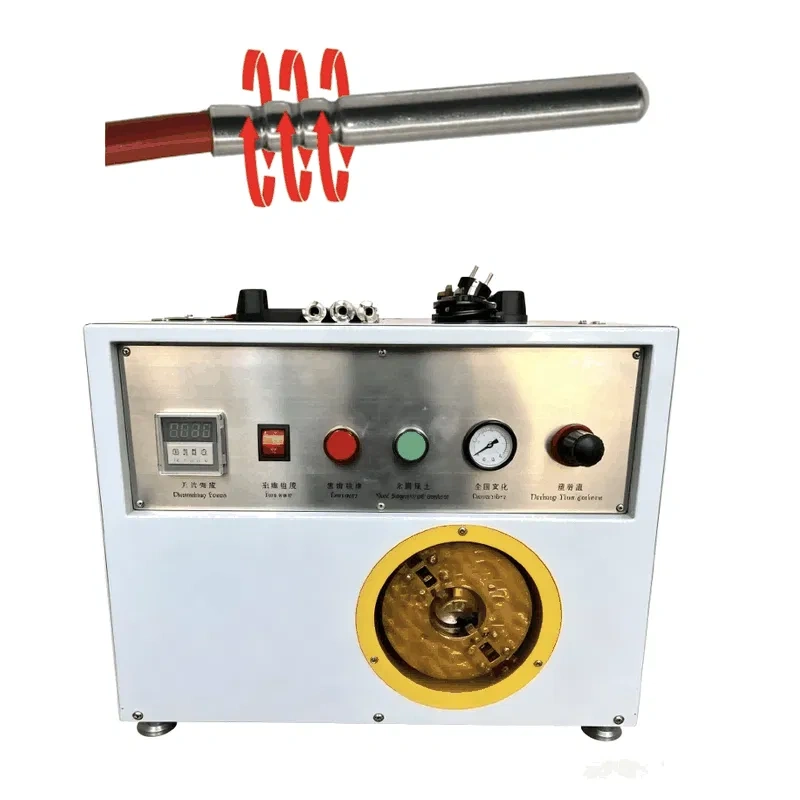
The mechanical operation relies on rotary draw bending or tangential roller-compression methodologies driven by synchronized electric servomotors or proportional hydraulics. The machine rigidly clamps the element and applies a continuous, precise bending torque around a dedicated forming die. The embedded control software continuously factor-in material elongation, ensuring the bending radius remains uniform without thinning the outer wall or creating low-density voids in the internal MgO matrix.
Engineering guide: Technical tips for bending sheathed heating elements
Forming sheathed heating elements demands precise mechanical control to prevent catastrophic field failures:
- Respect the Minimum Bend Radius Limits: To safeguard the internal structural integrity, the inside bend radius must never be smaller than the tube's outer diameter (recommended value is ≥ 2x the diameter). Forcing an ultra-tight radius causes insulation shifting and localized tensile stress.
- Isolate Terminal Cold Zones: Bending forces must never be applied near the terminal pins, threaded studs, or hermetic end-seals. All forming profiles must be executed strictly within the active heating zone to protect internal welded junctions from fracturing.
- Compensate for Material Springback: Standard sheath materials (Incoloy 800/840, 304/316 Stainless Steel, Copper) possess distinct elastic memories. It is critical to program precise over-bending parameters into the machine’s CNC controller to ensure the material settles exactly into the blueprint specs upon pressure release.
- Post-Bend Hi-Pot Testing: Always conduct a high-voltage dielectric insulation test after the forming process. This step confirms that the internal MgO distribution remains solid and free of micro-cracks that could cause electrical leakage.
Heatecx industrial bending machine catalog and specifications
Our machinery lineup offers scalable solutions tailored to match your specific production capacity and automation targets:
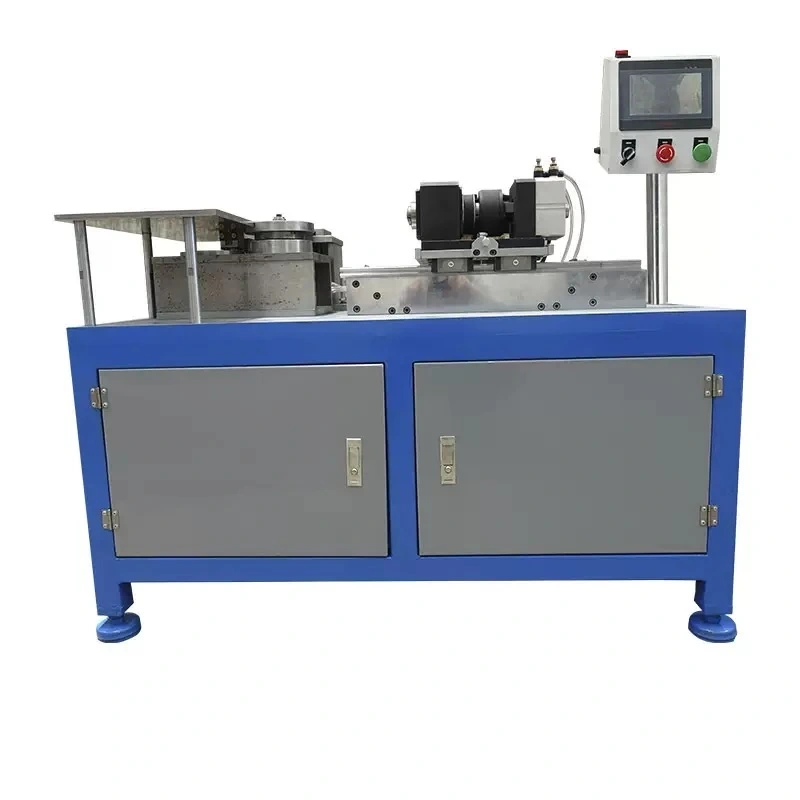
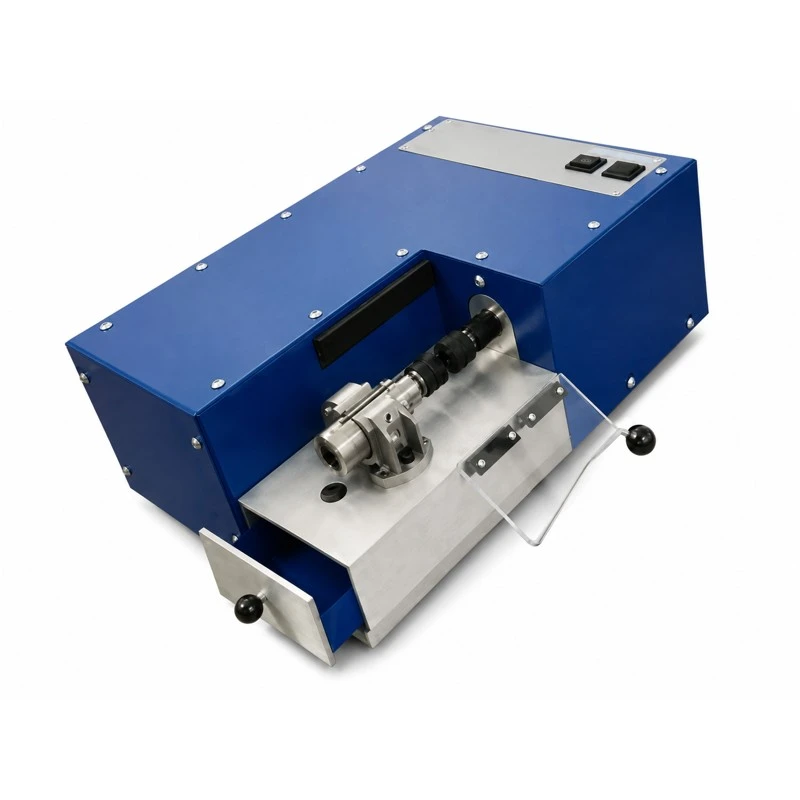
Semi-automatic and pneumatic benchtop benders
An ideal fit for medium-scale manufacturing plants, R&D labs, or custom thermal job shops. These units utilize quick-change modular dies and adjustable mechanical precision stops, allowing operators to rapidly standardize common flat geometries (U and W shapes) with high repeatability.
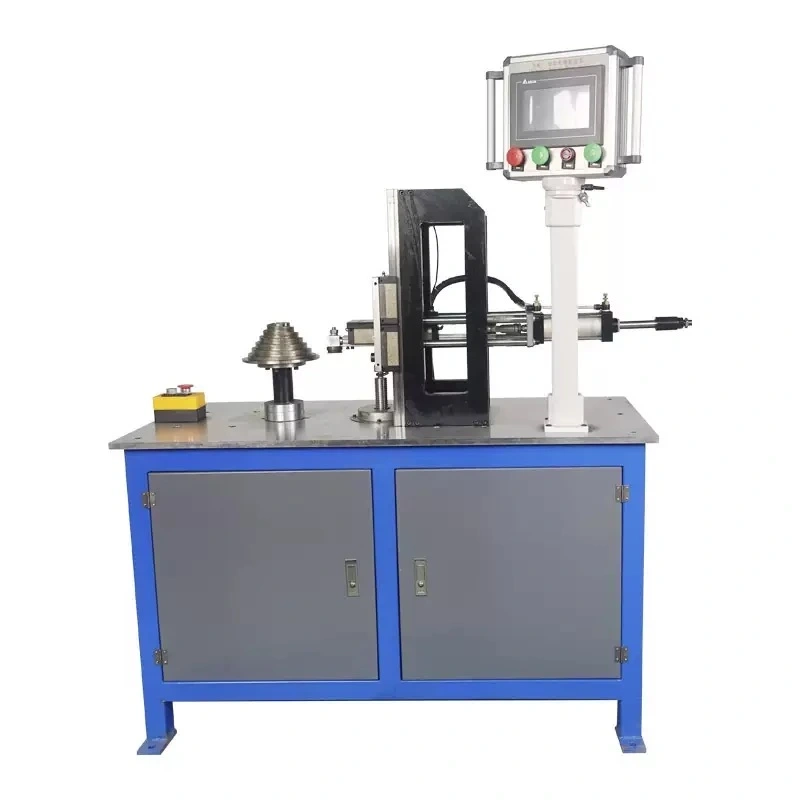
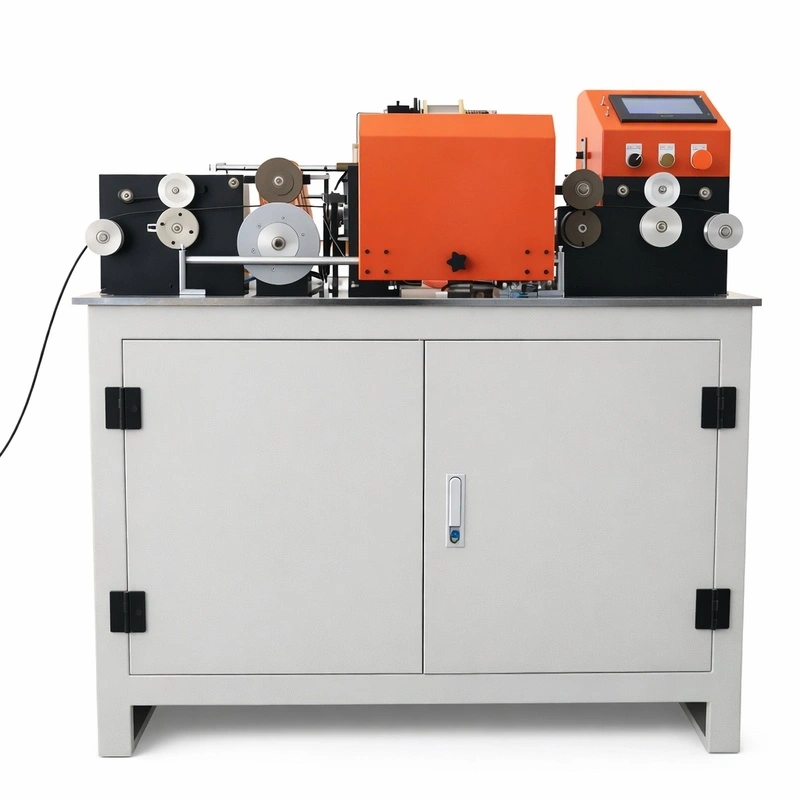
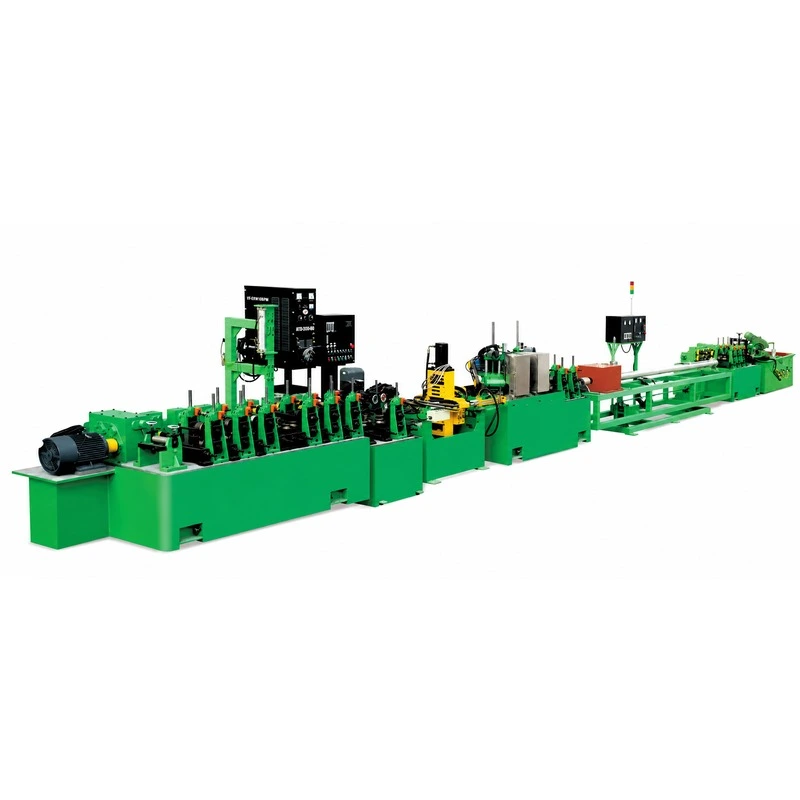
Multi-axis fully automatic CNC bending centers
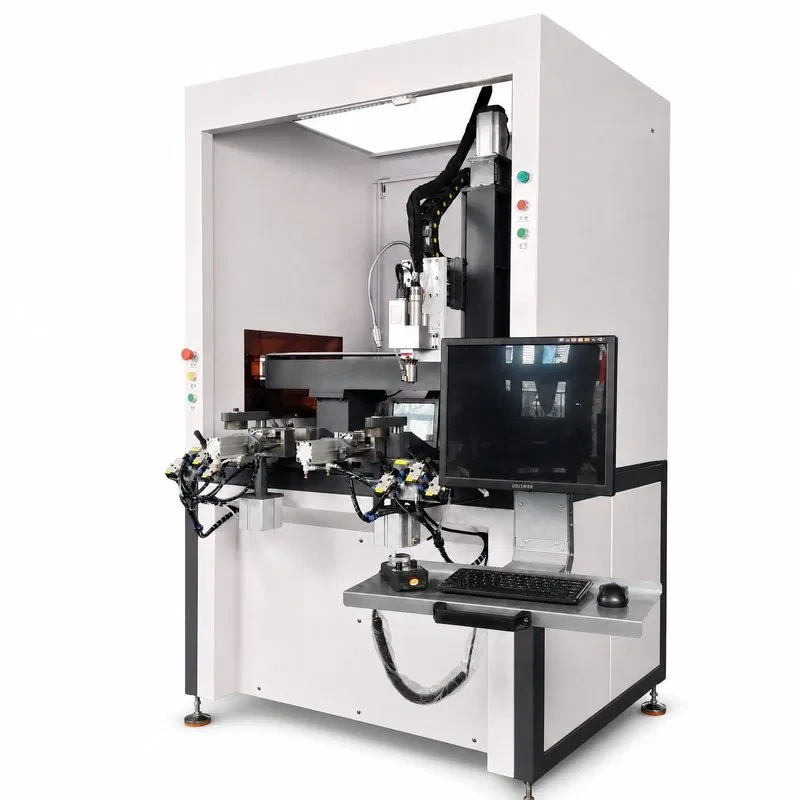
High-performance systems designed for high-volume, automated smart factories. These machines integrate seamlessly with 3D CAD models. An automated robotic manipulation arm feeds, indexes, rotates, and bends the straight tubular element in a single continuous cycle. They are the industry choice for manufacturing high-complexity components for industrial deep fryers, commercial boilers, and circulation vessels.
Maximizing ROI: Scrap reduction in thermal component manufacturing
When sheathed heating elements are bent using manual fixtures or generic tube equipment, factory scrap rates due to insulation leakage or internal wire failure typically range from 8% to 12%.
Integrating a dedicated Heatecx automated bending solution drops your scrap rate below 0.5%. By utilizing smooth automated acceleration curves and constant tangential torque, human operational error is eliminated. This translates into substantial raw material cost savings (especially on expensive alloys like Incoloy), uniform cycle times, and an accelerated return on investment (ROI).