Terminal Pin Machines for Heating Elements
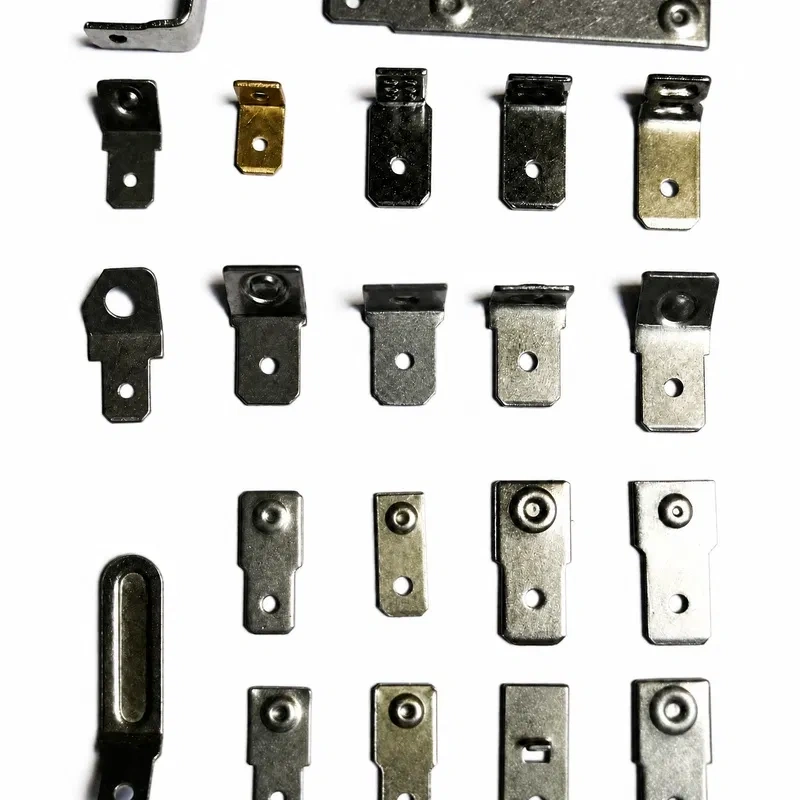
The terminal — also called a terminal pin or cold pin — is where every tubular or cartridge heating element connects to the external circuit. It's both the smallest component in the assembly and one of the most critical: it must conduct current without generating heat of its own (the "cold zone"), withstand the rolling/reduction process after magnesium oxide (MgO) powder filling without deforming, and present a perfectly clean surface so the final seal stays hermetic.
The mechanical preparation of this component — tip beveling, grooving or threading, and assembly with the resistive coil and plug — is what determines whether that reliability actually holds up on the production floor. A poorly beveled pin tears the ceramic insulation during filling; an out-of-tolerance thread creates a loose connection that overheats at the joint; a pin-to-coil weld with excessive electrical resistance dissipates heat exactly where it shouldn't. This category covers the specialized machinery built to prevent these failure modes at every stage.
Pin Materials and Matching Them to the Right Machine
The pin material determines which machine and process parameters you need:
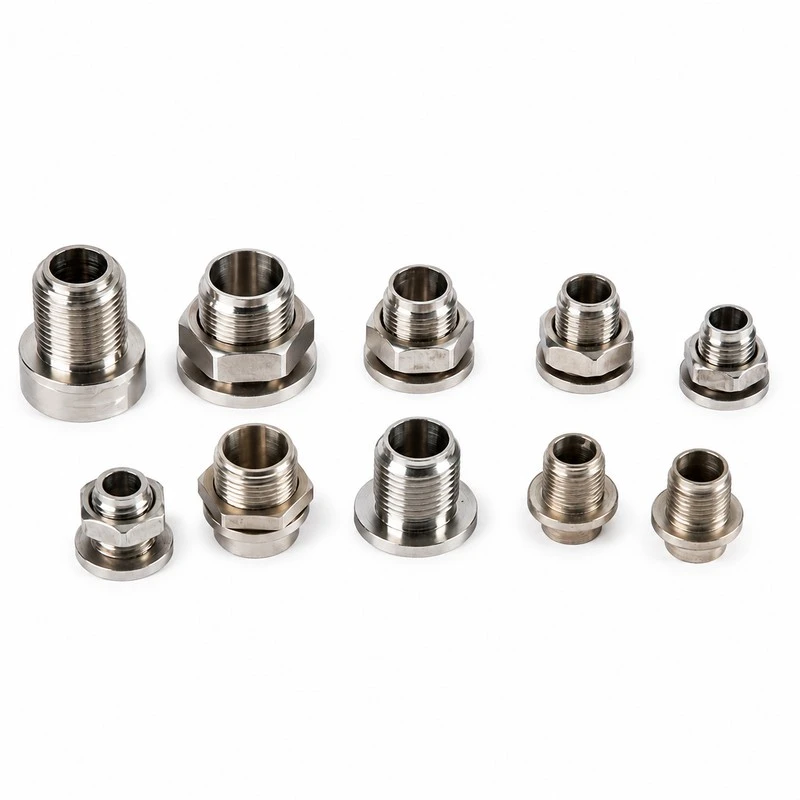
- Nickel-plated carbon steel: the industry standard. The nickel coating provides good conductivity and basic oxidation protection at low cost — ideal for air heaters or oil-immersion applications.
- Stainless steel (AISI 304/316): recommended for high-humidity environments, water contact, or corrosive settings, preventing oxide formation that would otherwise contaminate the MgO powder.
- Incoloy or specialty alloys: reserved for extreme-temperature applications where the pin itself is exposed to elevated residual heat.
Pin diameter and thread selection, in turn, depend on the heater's current load and tube diameter: M3/M4 for small heaters (6.5-8 mm tubes) with low current loads, typical in household appliances; M5 as the universal standard for 8-10 mm tubes, suitable for most industrial and kitchen applications; M6/M8 for high-power, large-diameter heaters (12-16 mm), where power wiring is thicker and requires greater tightening torque.
Types of Terminal Pin Machines
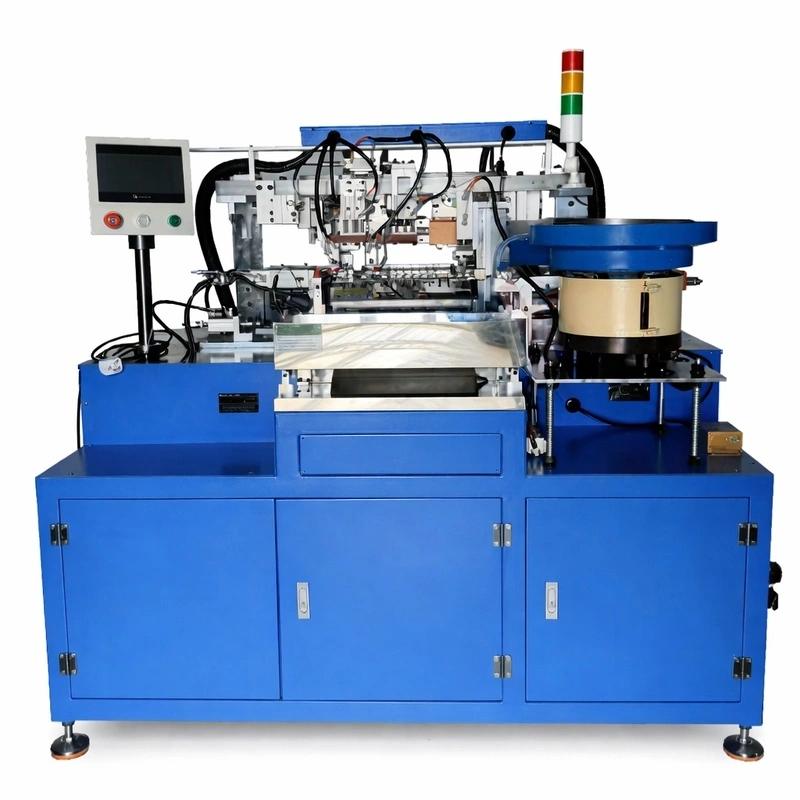
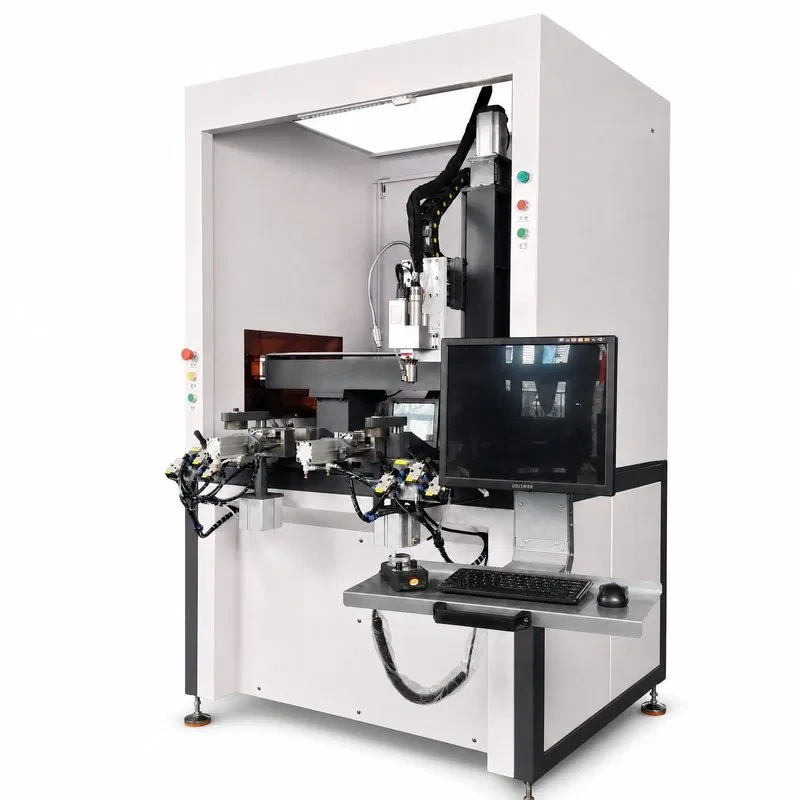
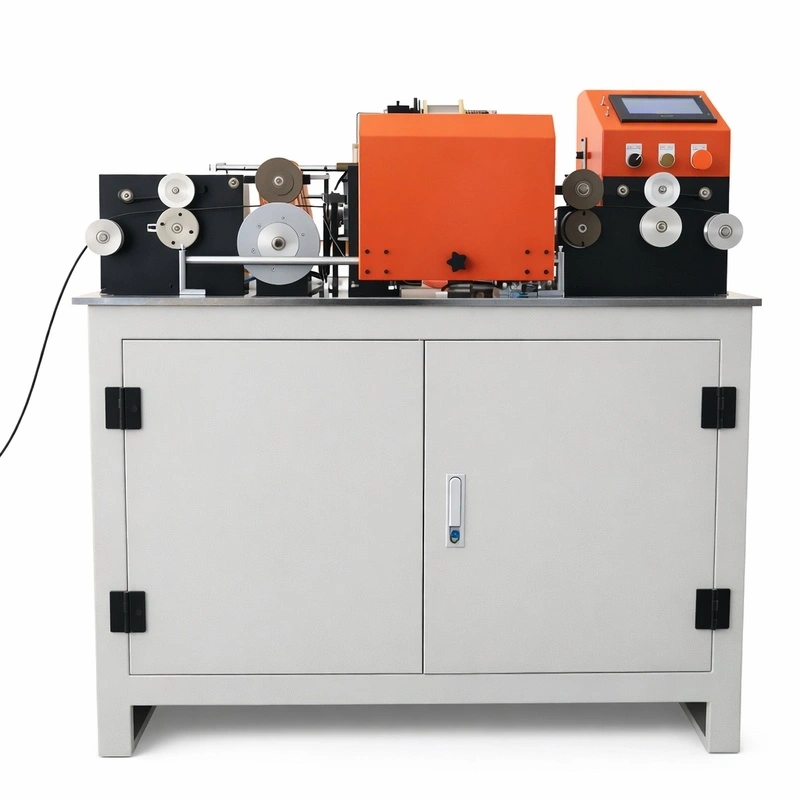
1. Automatic Pin Terminal and Coil Assembly Machine (ME-P04) The ME-P04, known in the industry as an Auto Pin Coil Assemble Machine, automates the joining of the terminal pin with the resistive coil, as well as pin-to-plastic-plug insertion. It processes 1,000 to 1,500 assemblies per hour and supports advanced customization: an integrated high-precision welding module for the pin-to-coil connection, automatic feeders adaptable to different pin and coil sizes, touchscreen interfaces, and even integration with MES/SCADA systems for centralized production management and real-time traceability. Region-specific safety configurations (barriers, emergency stops, lockout systems) can also be added.
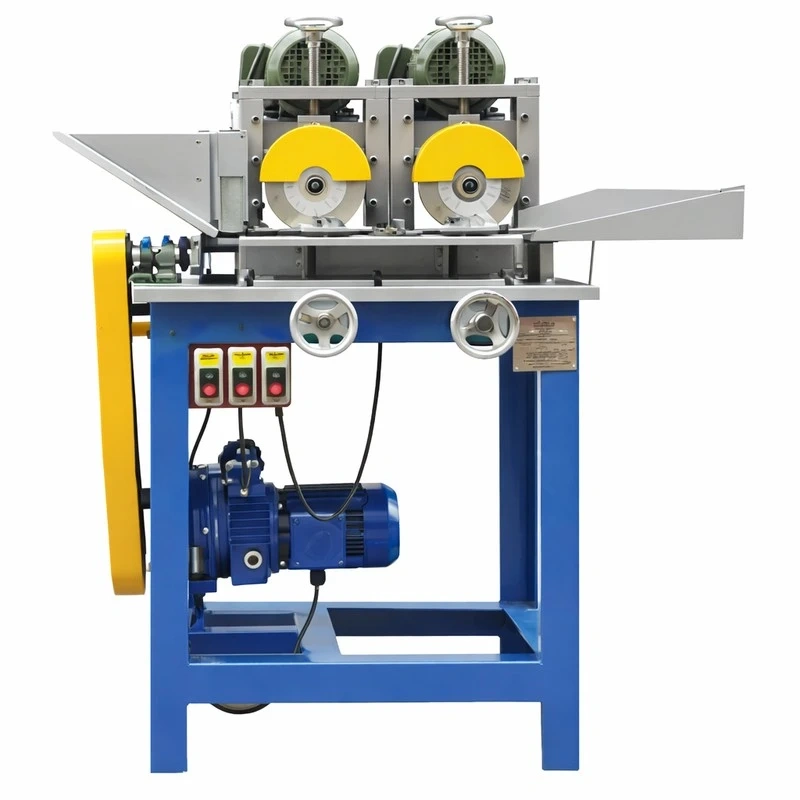
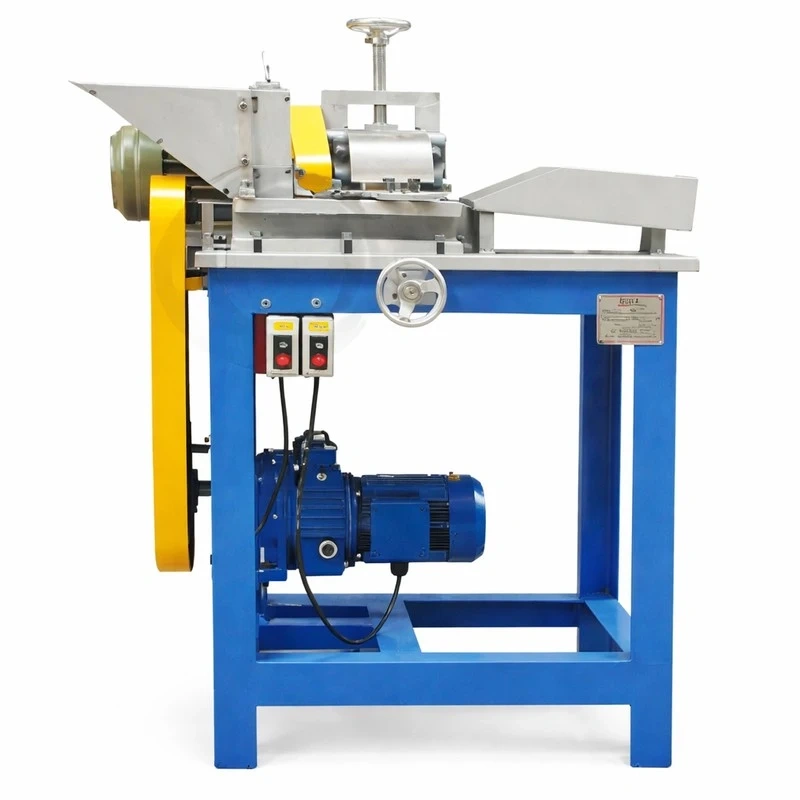
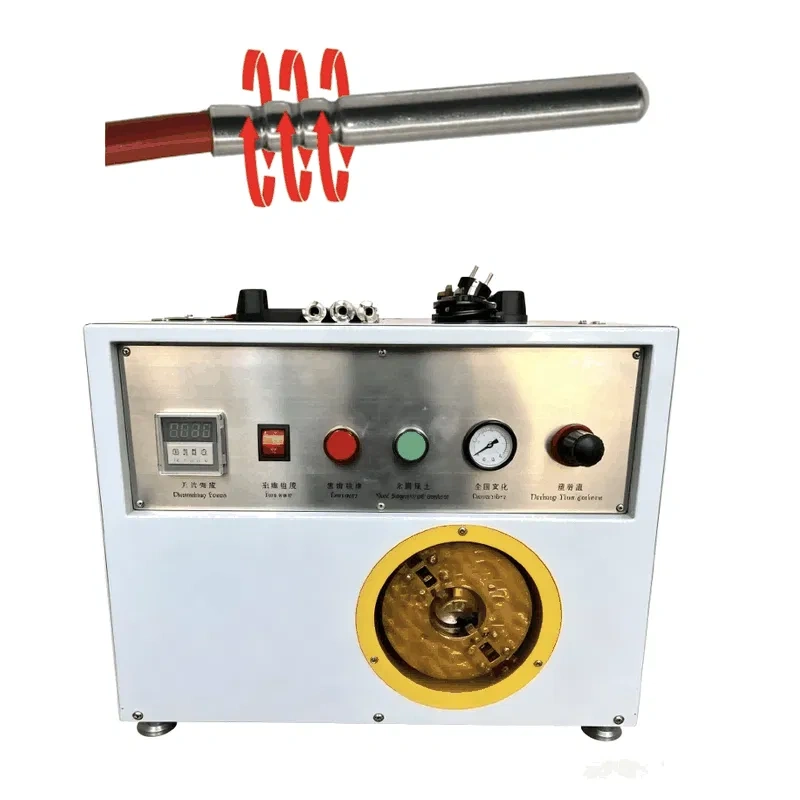
2. Terminal Pin Grooving/Threading Machine (ME-P03) The ME-P03 combines end grinding and groove/thread creation in a single rotary multi-station transfer process. Its key technical differentiator is an automatic wear-compensation system for the grinding wheel: a worn wheel loses cutting capacity and generates more friction heat, which can cause thermal alterations and pin brittleness. The system adjusts tool position after a set number of cycles, holding tolerances as tight as ±0.02 mm consistently.
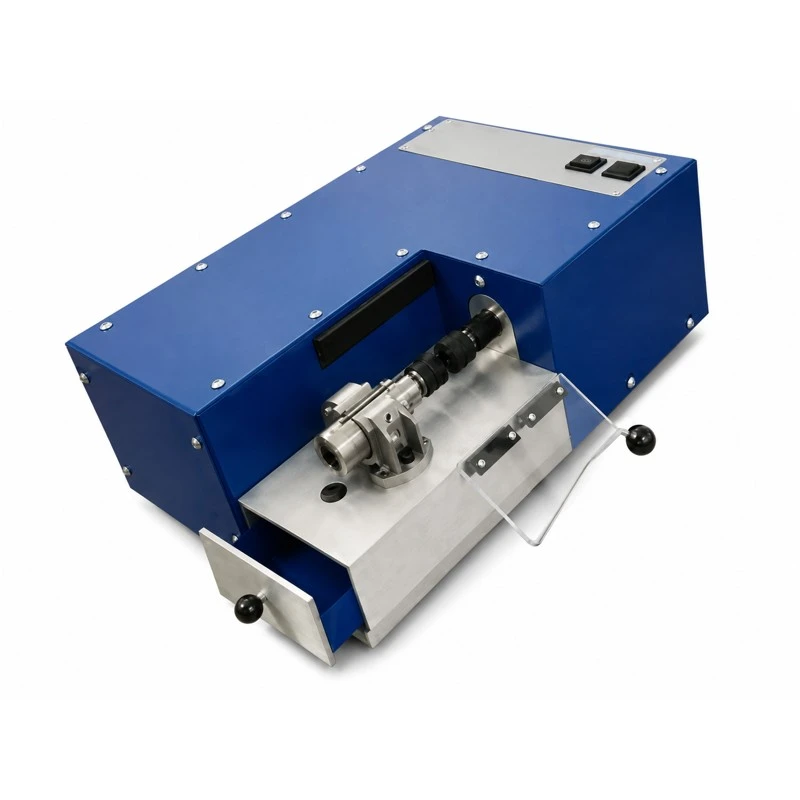
3. Automatic Terminal Pin Beveling Machine (ME-P02) The ME-P02 rounds the tip of the steel pin and creates a precise chamfer, removing burrs and imperfections that would otherwise damage the ceramic insulation or tear the resistive spiral during MgO filling. It's typically the first machining step, performed before grooving.
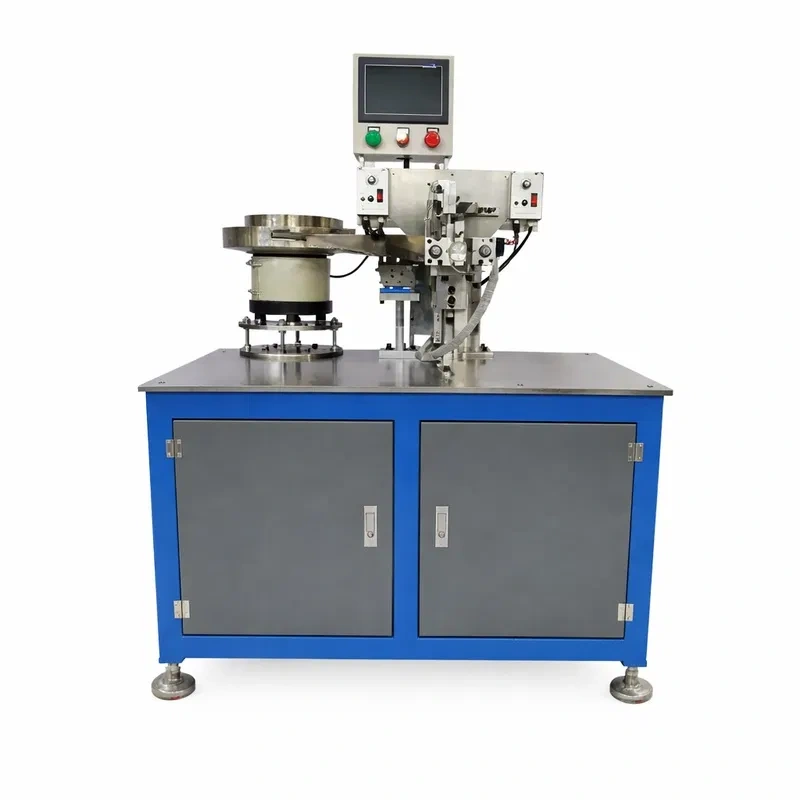
4. Auto Plug-to-Pin Assembling Machine (ME-P01) The ME-P01 inserts the pin into the rubber plug with digitally controlled depth via servomotor, PLC, and touchscreen. The process runs in four stages: vibratory-bowl feeding, positioning with sensor verification, servo-controlled insertion with digital length adjustment, and optional final verification before output. It processes 3,750 to 5,000 assemblies per hour (30,000-40,000 per 8-hour shift).
Comparison Table
|
Machine
|
Main Function
|
Pin Diameter/Length
|
Control
|
Power
|
Output
|
Tolerance
|
|
ME-P01
|
Pin-to-plug assembly
|
Ø 1-6 mm / 30-350 mm
|
Servo + PLC + touchscreen
|
20 W
|
3,750-5,000 pcs/h
|
—
|
|
ME-P02
|
Beveling/chamfering
|
Ø 1-3 mm / 30-200 mm
|
Automatic
|
800 W
|
30-120 pcs/min
|
—
|
|
ME-P03
|
Grooving/threading
|
Ø 1-3 mm / 30-200 mm
|
Auto wear-compensation
|
800 W
|
60-100 pcs/min
|
±0.02 mm
|
|
ME-P04
|
Pin-coil assembly
|
Pin 30-300 mm / coil Ø 0.2-0.8 mm
|
PLC + optional welding module
|
1 kW
|
1,000-1,500 pcs/h
|
—
|
Choosing the Right Machine
The right choice depends on where your production line currently stands. If you already source machined terminal pins from a supplier and only need to join them with the coil, the ME-P04 is the direct fit. If you machine your own pins from raw steel stock, the logical sequence is: beveling (ME-P02) → grooving/threading (ME-P03) → plug assembly (ME-P01) → coil assembly (ME-P04). Many manufacturers integrate all four stages into a single semi-automatic line with station-to-station transfer, cutting down on manual handling and idle time.
Quality Control and Common Defects
The most critical control points in terminal manufacturing are: contaminant-free surfaces (oils, greases, or machining residue that prevent proper MgO adhesion), electrical resistance at the connection point (should be measured in milliohms — excessive resistance creates an unwanted hot spot), and mechanical strength of the pin-to-coil joint (must withstand the rolling process without breaking or shifting — spiral displacement is the number-one cause of short circuits in tubular heaters).
Applications
These machines are essential in manufacturing tubular heating elements for home appliances, industrial water and air heaters, and furnaces, as well as in the automotive sector for heating components in electric and hybrid vehicles. They're also widely used in producing cartridge heaters for plastic injection molds and extrusion equipment, and in hot-runner nozzles where cold-zone thermal control is especially demanding.
Why Choose Heatecx
At Heatecx, we manufacture dedicated machinery for every stage of terminal machining and assembly, with customization options for voltage, automatic feeding systems, integrated welding or testing modules, and MES/SCADA compatibility. We complement this machinery with pre-machined terminal pins, high-temperature ceramic terminal blocks, and high-temperature ring terminals to cover the full connection chain of your heating element. If you also need to prepare the tube before assembly, check our tube trimming machines and welding machines for tube-to-terminal joints.