Mica for High-Temperature and Heating Elements
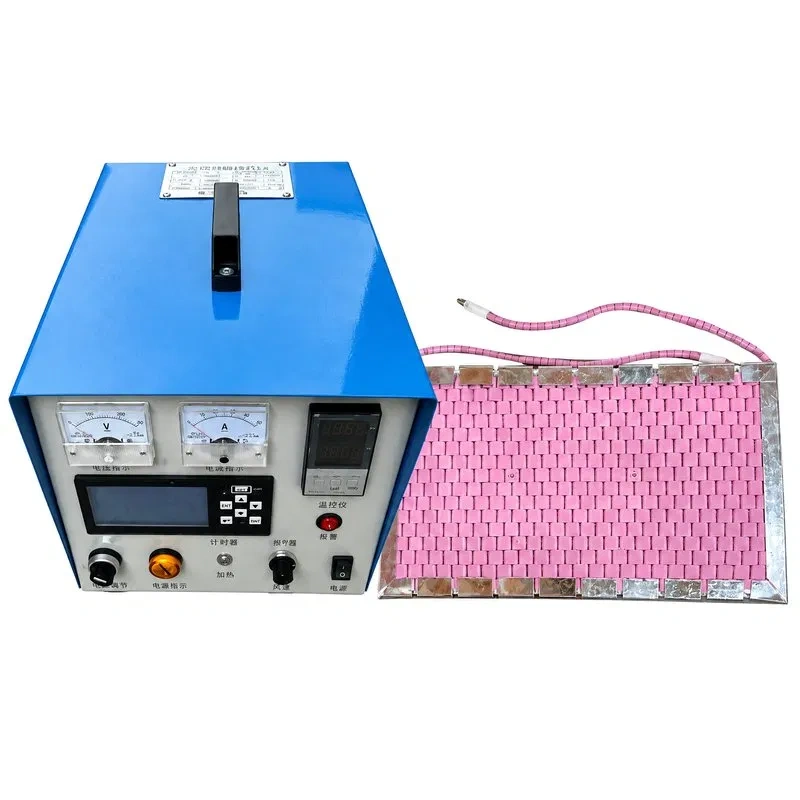
Mica is a natural phyllosilicate mineral valued in the electrical heating industry for a combination few insulating materials can match: high dielectric strength, excellent thermal stability, chemical inertness, and mechanical flexibility even in very thin sections. In the manufacture of band heaters, transformers, motors, and industrial furnaces, mica is the layer that stands between a live conductor and catastrophic failure — which is why sourcing decisions around it deserve real technical scrutiny rather than a generic material spec.
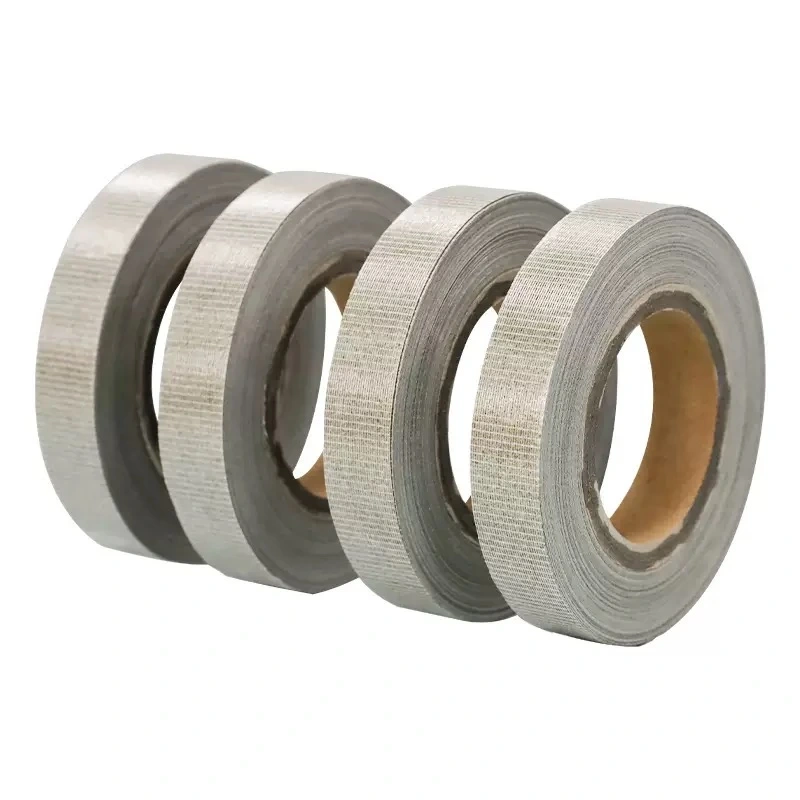
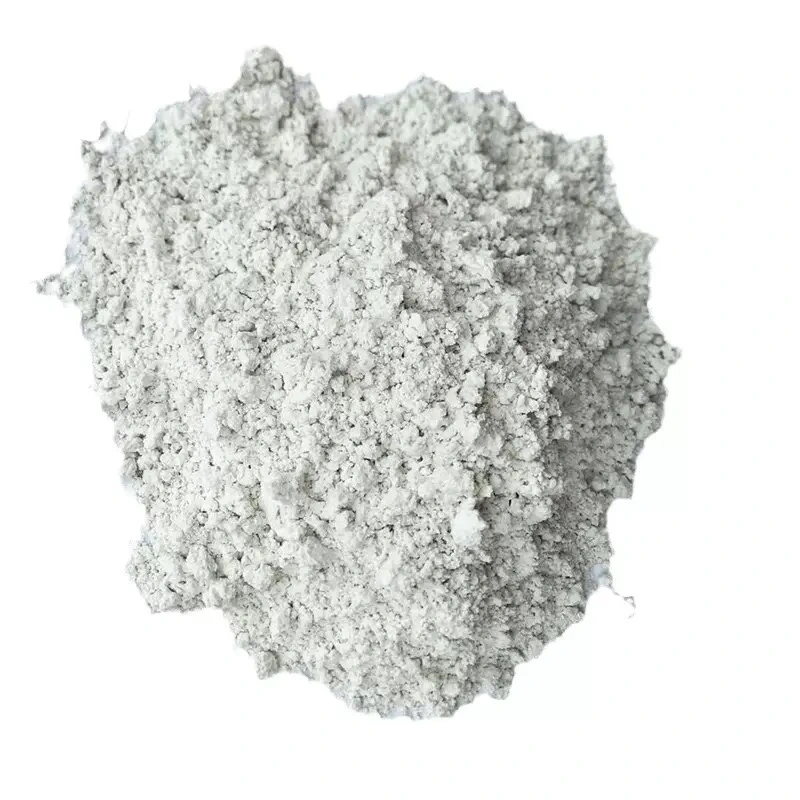
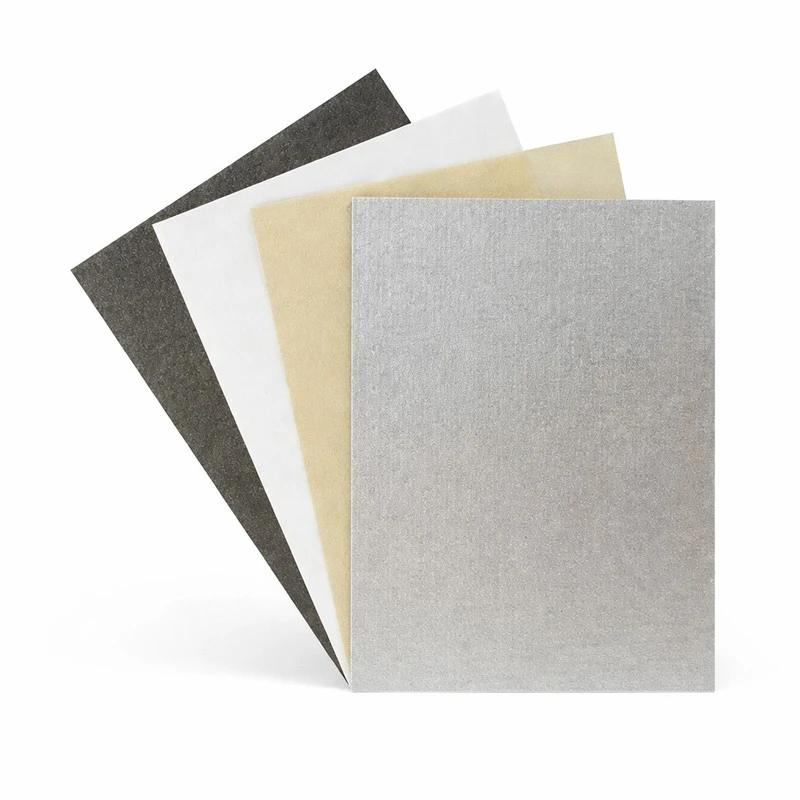
Industrial mica is supplied in several forms — sheets, built-up mica (micanite), tape, paper, powder, washers, and molded or tubular parts — each suited to a different stage of heating-element or resistance manufacturing. Selecting the right type and format is a balance of operating temperature, dielectric requirements, mechanical constraints of the final assembly, and cost.
What Mica Is and Why It Insulates So Well
Mica belongs to the phyllosilicate mineral group, meaning its atomic structure is arranged in stacked, sheet-like layers held together by relatively weak bonds. This is what allows raw mica to be split into extremely thin, flexible laminae — down to a few micrometers — without losing structural integrity. Each layer is chemically stable, has a high melting point, and is essentially non-conductive, which together explain why mica outperforms most synthetic insulators in three specific ways:
- Dielectric strength: stays high even at elevated temperatures, where many polymer-based insulators soften or degrade.
- Thermal stability: allows continuous exposure to temperatures that would carbonize organic insulation.
- Corona and arc resistance: is superior to most alternatives, which matters in high-voltage windings and switchgear.
Two mineral varieties dominate industrial use: muscovite (potassium aluminum silicate) and phlogopite (magnesium-rich mica). Both are mined, split into thin sheets or ground into flakes, and then either used as natural "block" mica or reconstituted into engineered products.
Muscovite vs. Phlogopite Mica: Full Technical Comparison
|
Property
|
Muscovite Mica
|
Phlogopite Mica
|
|
Continuous use temperature
|
Up to ~500–600°C
|
Up to ~900–1100°C
|
|
Short-term peak exposure
|
~800–900°C
|
Up to ~1000–1100°C
|
|
Dielectric strength
|
Higher (typically 40–150 kV/mm depending on thickness and grade)
|
Slightly lower (typically 30–100 kV/mm), still excellent
|
|
Volume resistivity
|
Very high, >10¹⁴ Ω·cm
|
High, slightly lower than muscovite
|
|
Color
|
Light, silvery, translucent
|
Amber to bronze
|
|
Mohs hardness
|
2.5–3
|
2.5–3
|
|
Density
|
~2.7–2.9 g/cm³
|
~2.7–2.9 g/cm³
|
|
Thermal shock resistance
|
Good
|
Superior
|
|
Chemical resistance
|
Resistant to most acids and solvents; more affected by strong alkalis
|
Slightly more resistant to alkalis than muscovite
|
|
Water absorption
|
Low
|
Low to very low
|
|
Typical application
|
High-voltage components, sensitive electronics, capacitors
|
High-temperature heaters, furnace insulation, industrial resistances
|
|
Relative cost
|
Generally lower
|
Generally higher
|
Rule of thumb: choose muscovite when dielectric safety at high voltage is the limiting factor, and phlogopite when sustained high-temperature exposure is the dominant stress on the material. In many resistance and heater designs, the two are combined — muscovite where voltage isolation matters most, phlogopite where the material sits closest to the hottest zone.
How Industrial Mica Products Are Made
Understanding the manufacturing route helps explain why not all "mica sheet" quoted online is equivalent:
- Natural block mica is mined and hand- or machine-split into thin films. This raw material is the base for both natural sheet mica and engineered products.
- Built-up mica (micanite) is produced by layering small mica flakes or splittings, bonding them under heat and pressure with a resin (traditionally shellac, now more commonly silicone or epoxy for high-temperature grades), and pressing into rigid or semi-flexible sheets.
- Mica paper is made by processing mica into a pulp of micron-sized particles, then forming it into a continuous sheet on a paper-making line — similar in principle to cellulose paper production. This paper is the base material for most modern mica tape and molded mica parts.
- Mica tape is produced by laminating mica paper to a backing (commonly fiberglass cloth or polyester film) with a resin binder, then slitting to width for wire and coil wrapping.
- Mica powder is produced by grinding waste mica or lower-grade flakes to a controlled particle size, used as a functional filler rather than a standalone insulator.
The binder resin used in bonded mica products (silicone, epoxy, or polyester) has as much influence on maximum operating temperature as the mica itself — a phlogopite sheet bonded with a low-temperature resin will not reach the mineral's theoretical thermal ceiling.
Mica Product Forms and Their Uses
|
Form
|
Primary Use
|
Typical Max. Temp.
|
Notes
|
|
Silicone-bonded mica sheets/boards
|
Insulation panels for heaters, transformer barriers, motor slot liners
|
Up to 1100°C (phlogopite)
|
Rigid or semi-flexible; CNC custom cutting recommended
|
|
Micanite (built-up mica)
|
Commutator segments, armature insulation, rigid electrical parts
|
500–600°C depending on binder
|
Higher mechanical rigidity than paper-based sheet
|
|
Mica tape (fiberglass-backed)
|
Wire wrapping, cable fire barriers, coil and busbar insulation
|
950–1000°C (phlogopite)
|
Halogen-free; no toxic fumes under fire exposure
|
|
Mica paper
|
Base material for tape and molded parts, capacitor dielectric
|
Depends on downstream processing
|
Thin, uniform, engineered particle size
|
|
Mica powder
|
Functional filler, dielectric filler, pigment base
|
Stable at high temperature
|
Used in sealants, composites, and coatings
|
|
Mica washers and discs
|
Point-load electrical isolation on fasteners, transistor mounting
|
Varies by binder and grade
|
Precision-stamped or die-cut
|
|
Mica tubes and molded parts
|
Custom insulating bushings and sleeves
|
Varies by binder and grade
|
Manufactured to application-specific geometry
|
|
Corona-resistant mica tape
|
High-voltage motor and generator coil insulation
|
Up to phlogopite ratings
|
Engineered to resist partial-discharge erosion
|
Mica vs. Other High-Temperature Insulating Materials
|
Material
|
Max. Temp.
|
Dielectric Strength
|
Flexibility
|
Typical Trade-off vs. Mica
|
|
Mica (phlogopite, bonded)
|
~1100°C
|
Very high
|
Moderate (rigid to semi-flexible)
|
Reference standard for combined thermal + dielectric performance
|
|
Ceramic insulators
|
Up to 1600°C+
|
High
|
Rigid, brittle
|
Higher max. temperature but no flexibility; poor for thin-section wrapping
|
|
Fiberglass sleeving/fabric
|
Up to ~550°C (silicone-treated)
|
Moderate
|
High
|
More flexible and cheaper but lower dielectric strength and max. temperature
|
|
Aramid (Nomex-type) paper
|
Up to ~220°C continuous
|
Moderate to high
|
High
|
Excellent flexibility, but far lower thermal ceiling than mica
|
|
Silicone rubber sheet
|
Up to ~250°C
|
Moderate
|
Very high
|
Best for vibration damping and sealing, not for high-temperature dielectric barriers
|
In practice, mica is rarely a total substitute for these materials — it is usually specified specifically for the interfaces where both high temperature and high dielectric strength are required simultaneously, and combined with high-temperature tapes and fabrics or high-temperature cables elsewhere in the assembly.
Where Mica Insulation Is Used
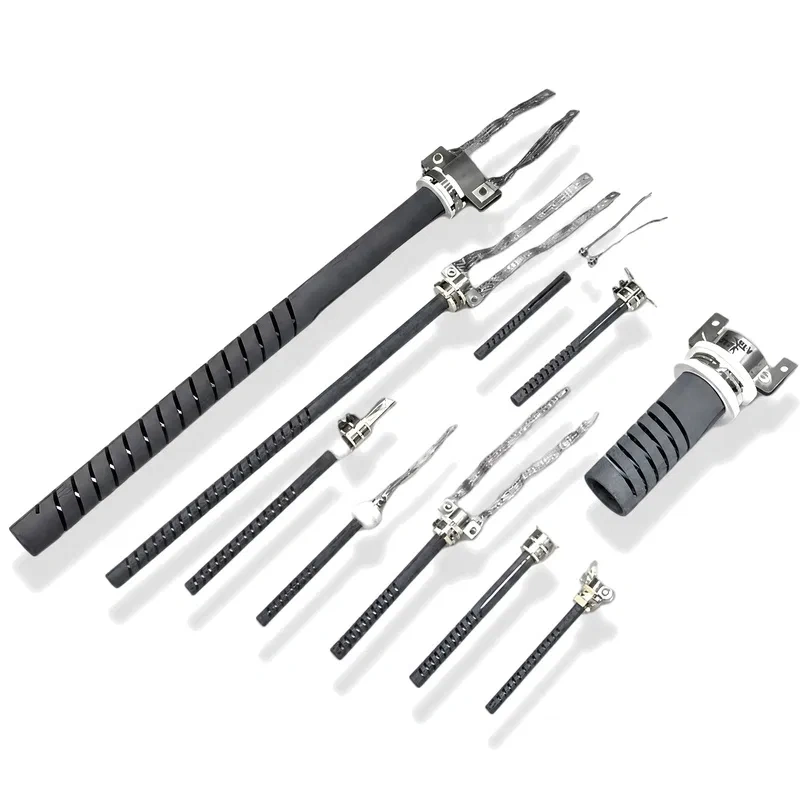
- Heating elements: band heaters; insulation layers in MoSi2 and silicon carbide (SiC) heating systems
- Industrial furnaces and kilns: refractory-adjacent insulation panels and viewport seals
- Electric motors and generators: slot liners, phase insulation, commutator and armature insulation (micanite)
- Transformers: interlayer and interturn insulation, barrier boards
- Capacitors: mica paper as a stable, low-loss dielectric in precision capacitors
- Appliance manufacturing: toaster, iron, and space-heater element insulation
- Passive fire protection: fire-barrier panels and cable fire-stop wraps
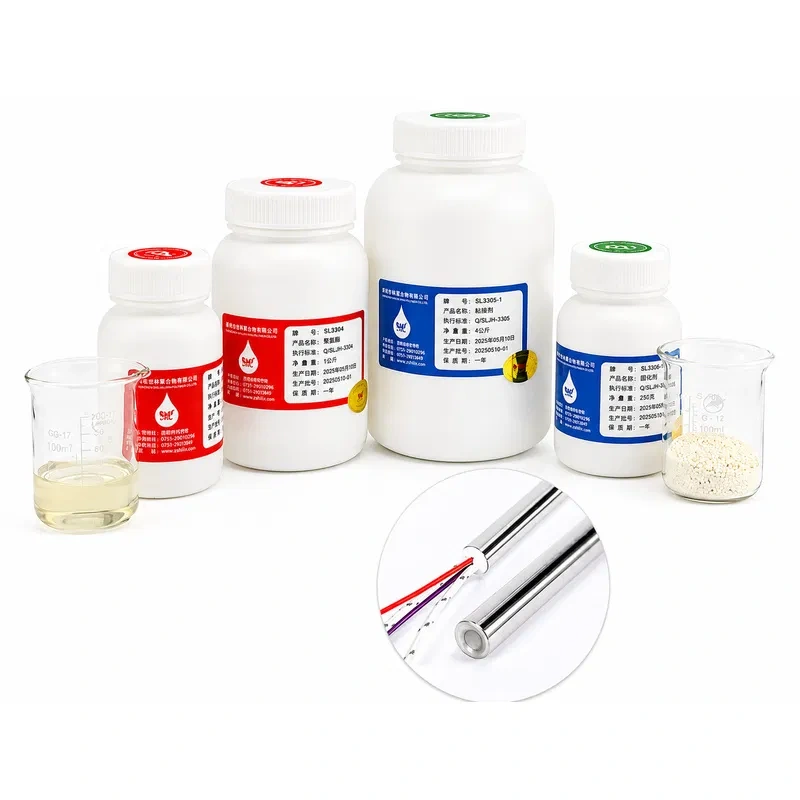
- Composite and sealant formulation: filler and reinforcement in heating element sealants
- Electronics assembly: mica washers for transistor and semiconductor thermal/electrical isolation
How to Select the Right Mica for Your Application
- Start with the temperature profile, not just the peak temperature — continuous exposure and thermal cycling stress mica differently than a brief excursion to peak temperature.
- Define the dielectric requirement in kV, not just "high voltage," and request test data at the actual thickness you plan to use, since dielectric strength is not linear with thickness.
- Decide between rigid and flexible formats based on the assembly geometry — sheets and micanite for flat or slot applications, tape for wrapping conductors and coils.
- Check the binder resin, not just the mica grade — a phlogopite product bonded with a mid-temperature resin will fail well below the mineral's theoretical ceiling.
- Confirm halogen-free and fire-reaction data if the application is inside an enclosed or occupied space.
- Request CNC-cutting capability for precision parts rather than relying on manual cutting, which introduces chipping and micro-cracks that reduce dielectric reliability.
At Heatecx, mica sheets, phlogopite mica tape, and powdered mica are sourced against these criteria before being offered for heating-element and resistance manufacturing — see the full range of high-performance mica sheets for detailed specifications.