
Blog
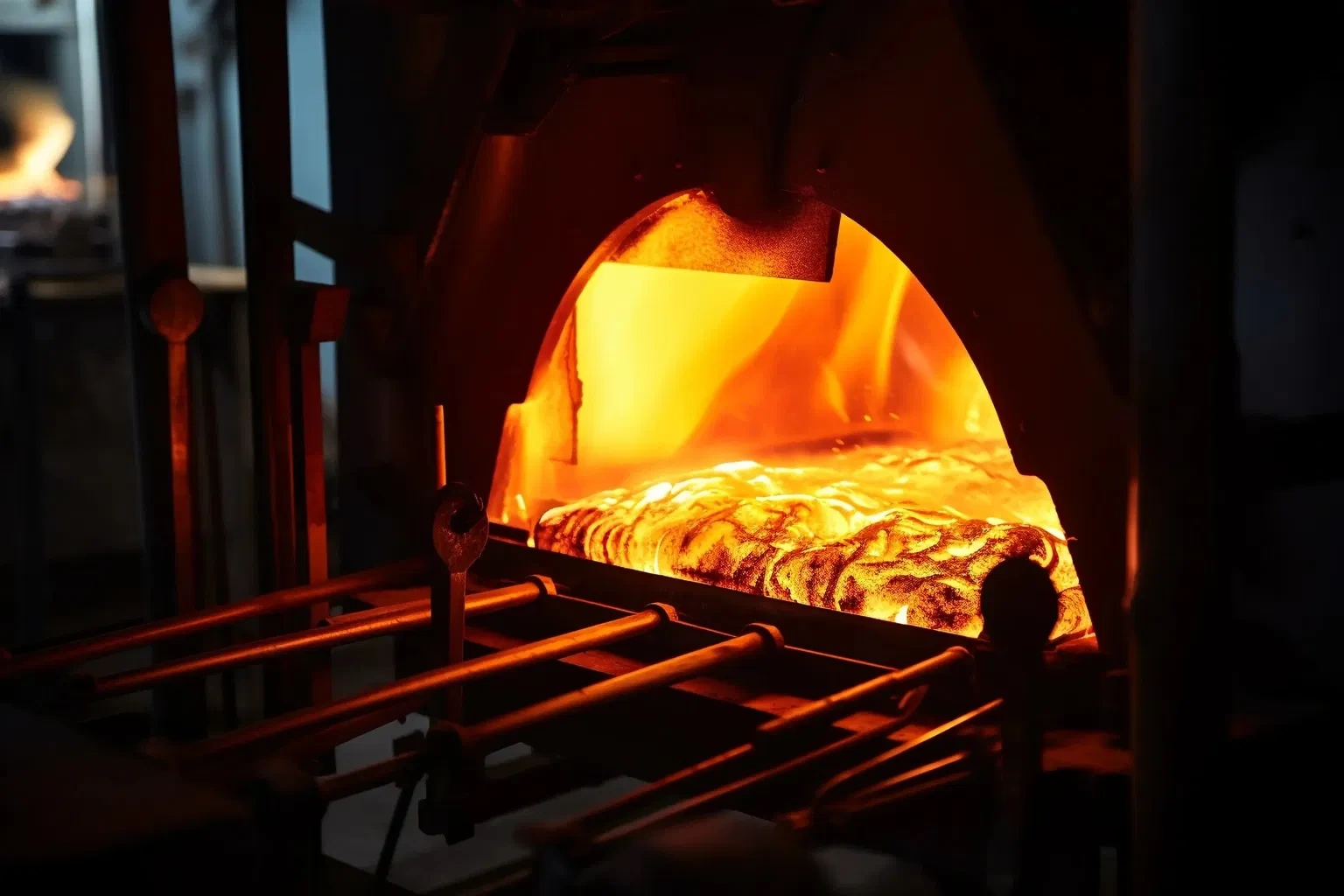
Why Annealing Matters in Electric Heating Element Manufacturing
When people discuss the quality of a tubular electric heating element, the conversation usually centers on MgO powder, tube diameter, or the resistive alloy used. But there’s a quieter process — often underestimated — that determines whether that element will survive bending, vibration, and thermal cycling without cracking: annealing. This expanded guide covers what annealing is, why it’s essential in heating element manufacturing, its types, how it’s carried out, what happens when it’s skipped or done poorly, how its quality is verified, and the technical details manufacturers can’t afford to overlook. What Is Annealing? Concept and Principle Annealing is a…
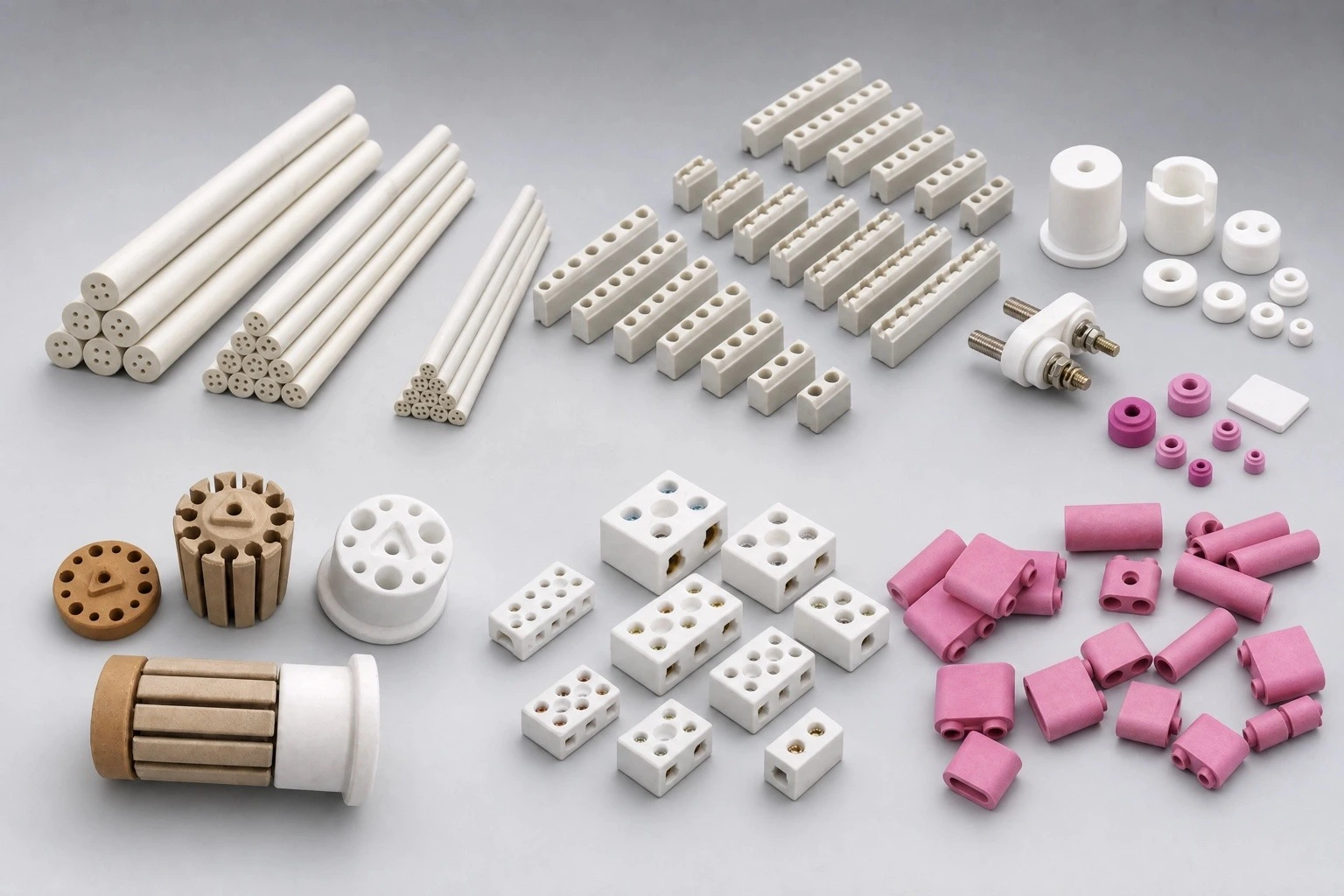
Ceramic for Heating Elements: The Complete Industrial Guide to High-Temperature Performance
In industrial heating systems that must operate reliably at temperatures above 800 °C, the choice of ceramic support material is as critical as the resistive alloy itself. High-temperature ceramic for electrical heating elements provides the structural backbone that keeps resistive wires in place, separates live components from external metalwork, and ensures the system meets electrical safety standards — all while withstanding the relentless thermal cycling of continuous production. This comprehensive guide covers the main ceramic materials used in industrial heating applications, how they are manufactured, their available geometries, the industries that rely on them, the most common installation and maintenance…
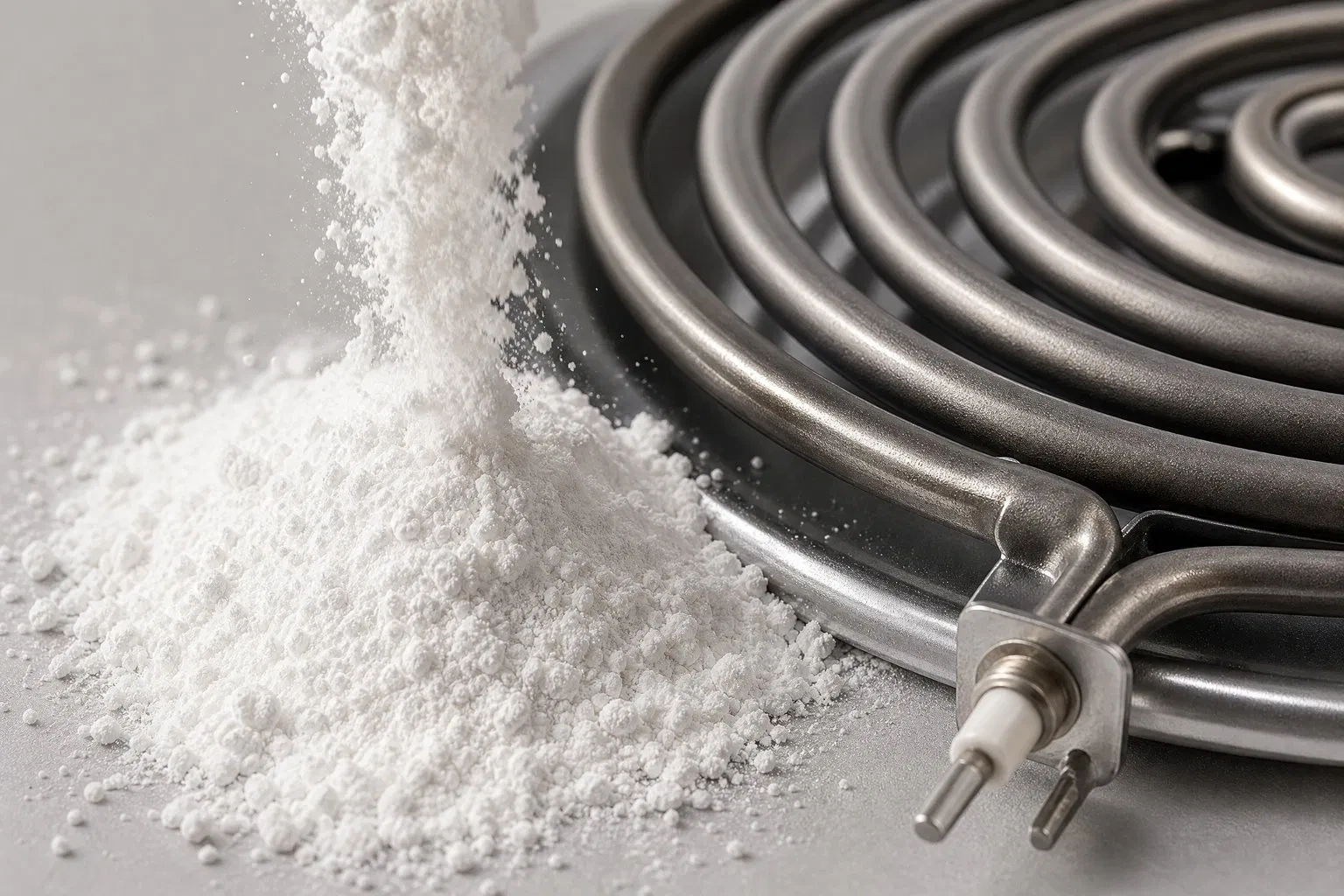
Magnesium Oxide (MgO) Powder for Heating Elements: The Definitive Technical Guide
Introduction Electrical grade magnesium oxide (MgO) powder is the invisible yet vital core of almost all tubular heating elements worldwide. Acting simultaneously as an exceptional electrical insulator and a highly efficient thermal conductor, MgO ensures that the heat generated by the internal resistance is transferred outwards without the risk of short circuits. In this in-depth technical guide, we will analyze the specifications, thermodynamic behavior, common problems, and selection criteria for MgO powder in the manufacturing of electric heaters. Why is MgO the Industry Standard? (MgO vs. Alumina) Although other ceramic materials exist, MgO dominates the heating element industry. The primary…
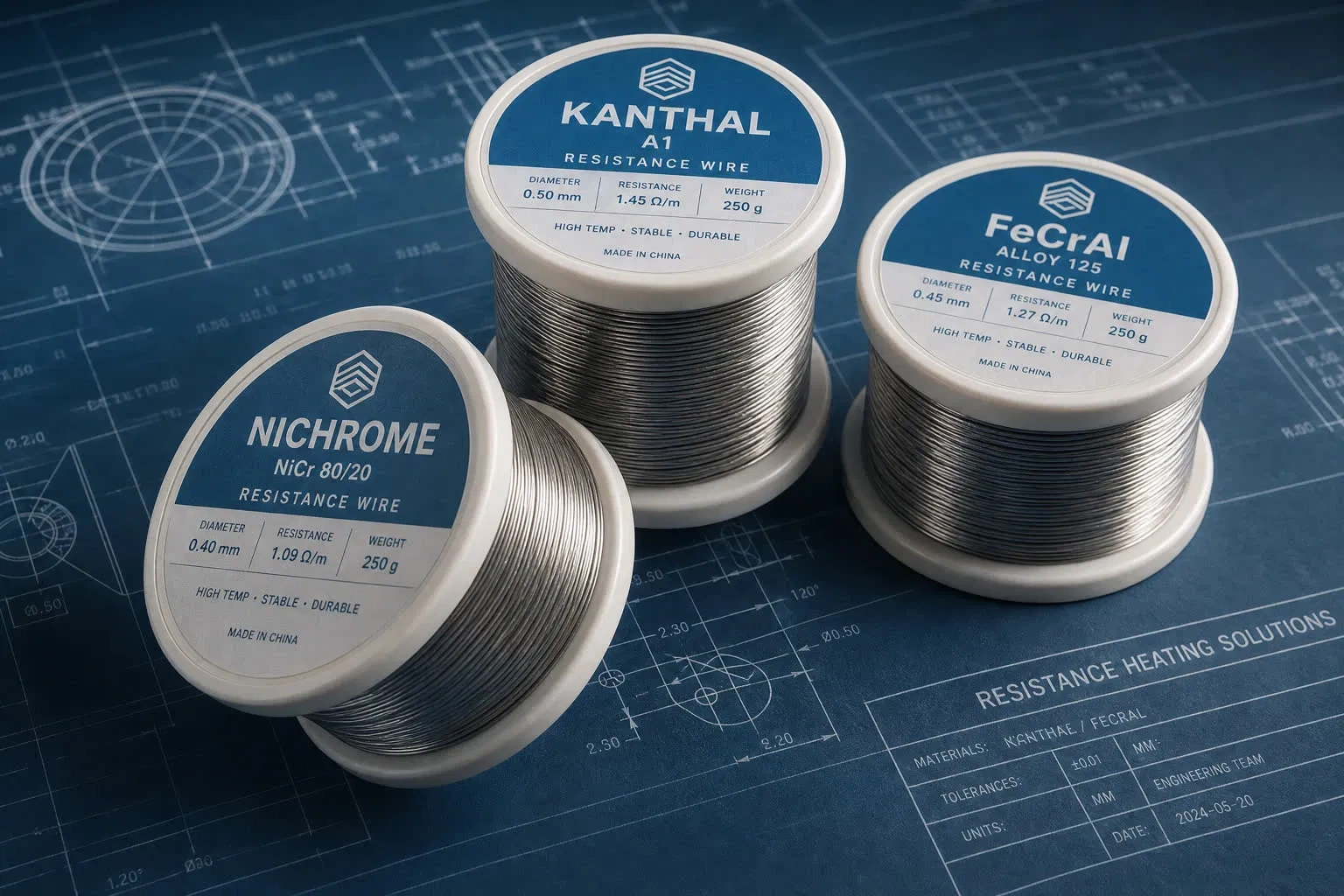
Ultimate Guide to Resistance Wires: Nichrome, Kanthal, and FeCrAl for Industrial Applications
In the design of industrial heating systems, the selection of the heating element material is the core of thermal performance. It is not just about generating heat; it is about ensuring longevity, energy efficiency, and structural integrity under extreme conditions. At Heatecx, we specialize in providing thermal engineering solutions that optimize complex industrial processes. This comprehensive guide about Resistance Wires: Nichrome, Kanthal, and FeCrAl takes an in-depth look at the three most critical alloy families: Nichrome (NiCr), Kanthal, and FeCrAl, providing engineers and operators with the information needed for rigorous technical decision-making. 1. Nichrome (Nickel-Chromium): The Gold Standard in Mechanical…
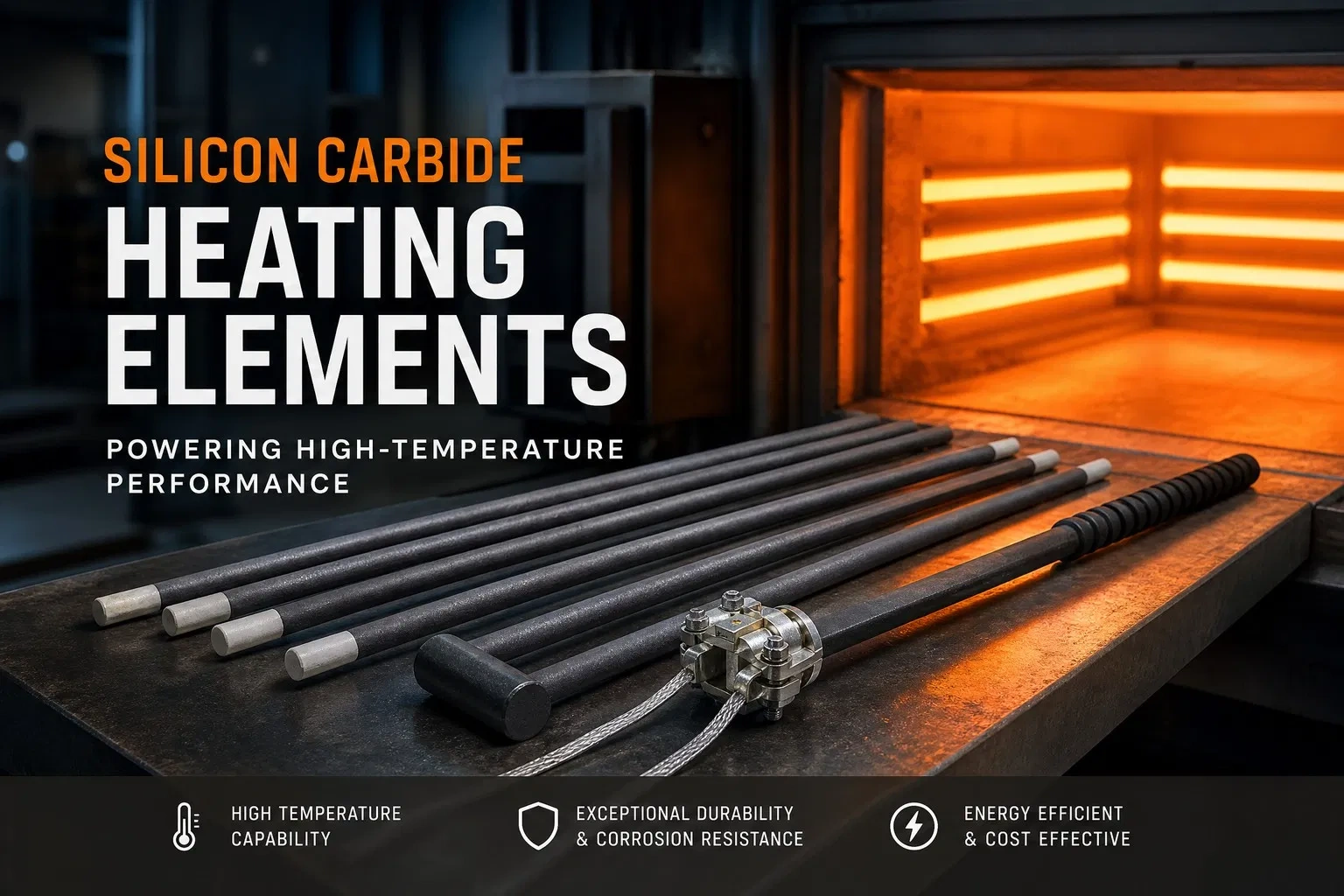
SiC vs MoSi2 Heating Elements: The Complete Guide for Industrial Furnace Operators
If you operate high-temperature industrial furnaces or kilns, choosing between Silicon Carbide (SiC) and Molybdenum Disilicide (MoSi2) heating elements is one of the most important technical decisions you’ll make for your production process. Both are proven, high-performance heating technologies used in thousands of industrial applications worldwide — but they have very different characteristics, temperature ranges, cost profiles, and ideal applications. This comprehensive guide SiC vs MoSi2 Heating Elements covers everything you need to know: the history and development of each technology, detailed technical specifications, atmosphere compatibility, cost analysis, power supply requirements, real-world application examples, ordering guide, and answers to the…
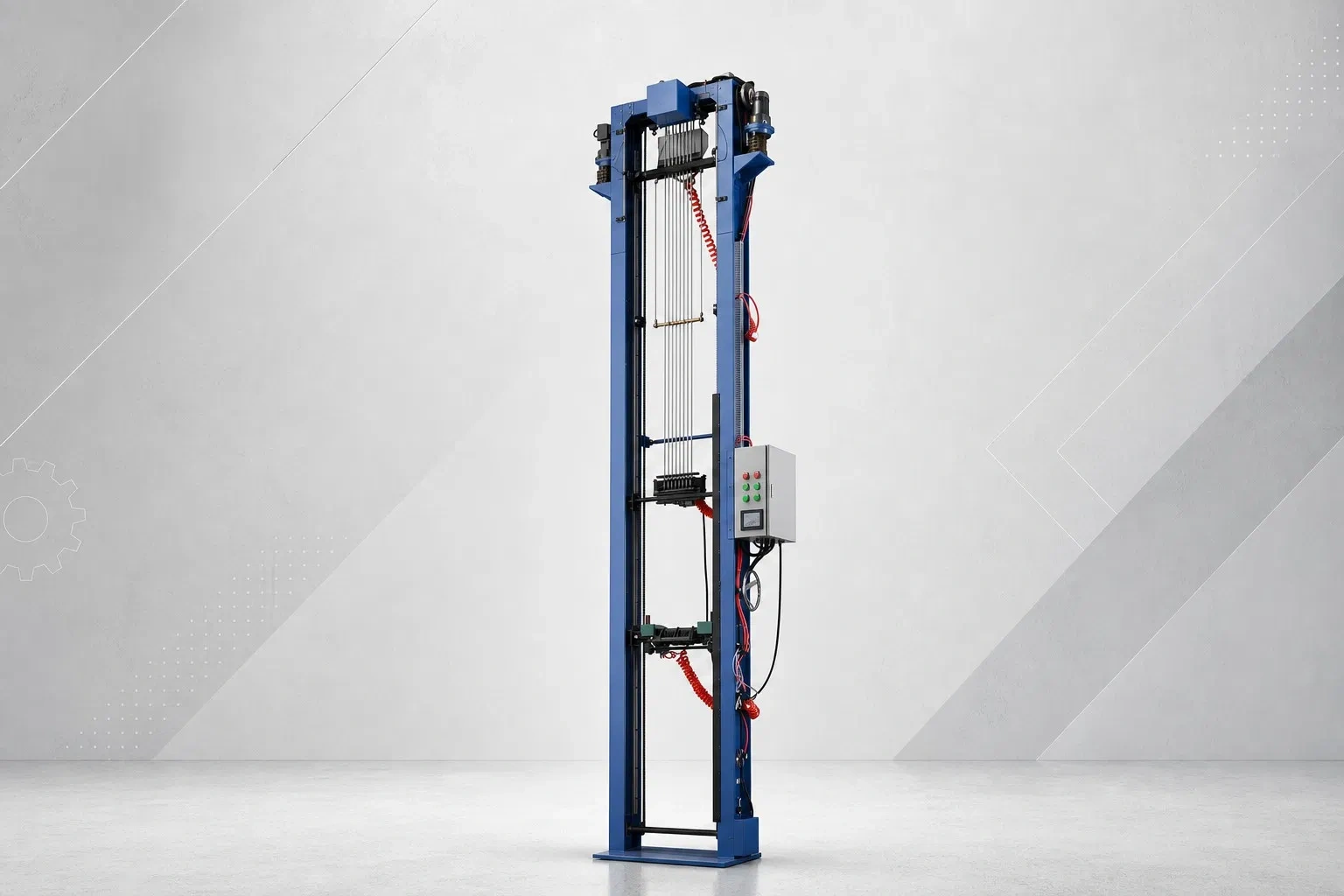
How to Choose the Right MgO Filling Machine for Your Heating Element Production
If you manufacture tubular heating elements, the MgO filling machine is one of the most critical pieces of equipment in your production line. Choosing the wrong machine can result in poor insulation quality, inconsistent MgO density, resistance wire misalignment — and ultimately, defective heating elements that cost you time and money. This guide walks you through everything you need to know to choose the right MgO powder filling machine for your specific production needs: types, technical specifications, maintenance, integration into your production line, and the most frequently asked questions from heating element manufacturers worldwide. What Is an MgO Filling Machine?…
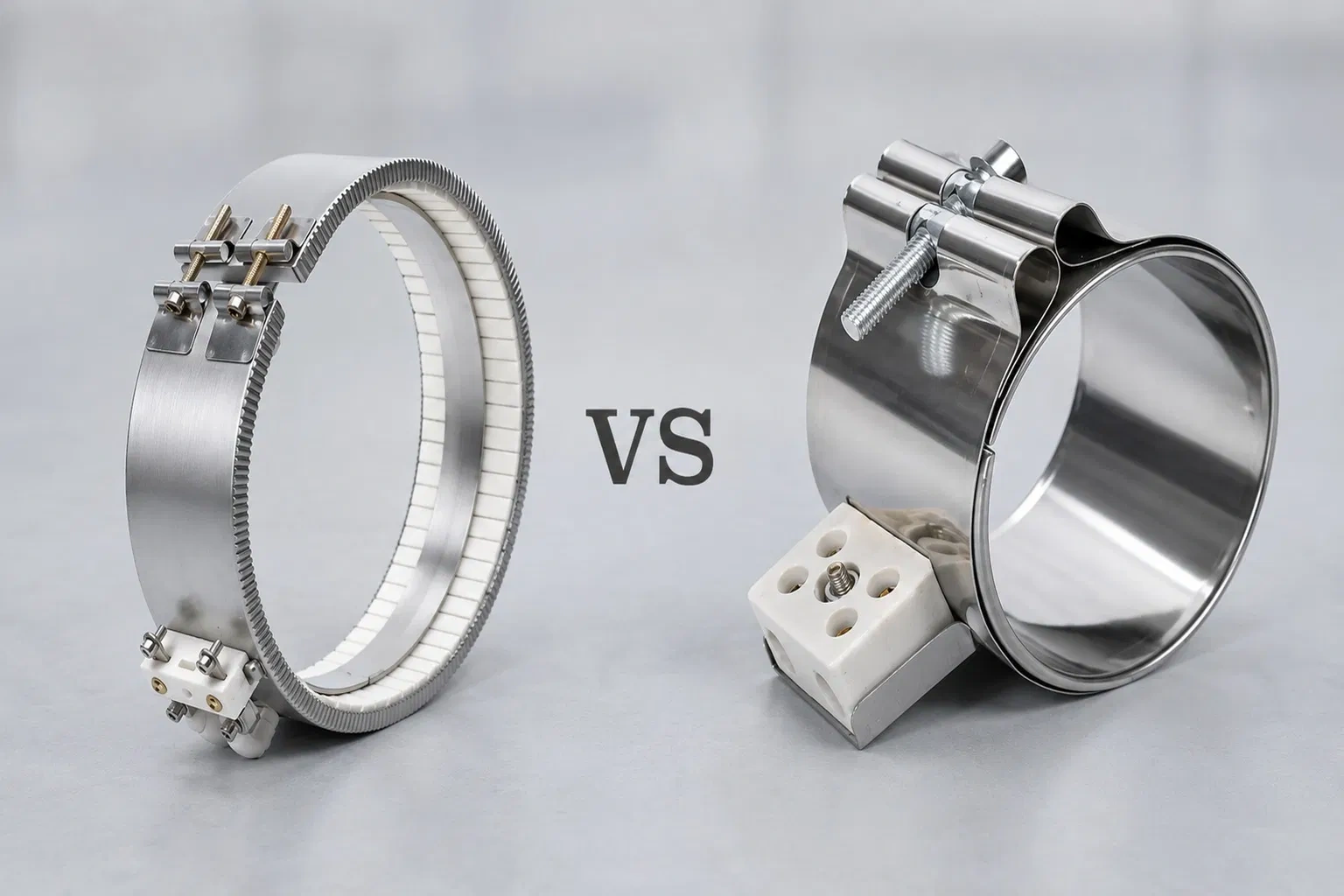
Mica vs. Ceramic: Which is the Best Insulation According to Your Heater Temperature?
Introduction to Industrial Heaters and the Importance of Insulation At the heart of countless industrial processes, band heater clamps, band heaters, and heating bands play an absolutely crucial role in optimal machinery operation. These components are essential for precise and controlled heating in machines such as extruders, injection molders, and blow molding equipment, where thermal precision determines the final product quality. The operational efficiency and durability of these heating clamps depend greatly on the insulation material used in their construction. The choice between mica insulation and high-temperature ceramic blocks is not a trivial decision; it directly impacts overall equipment performance,…
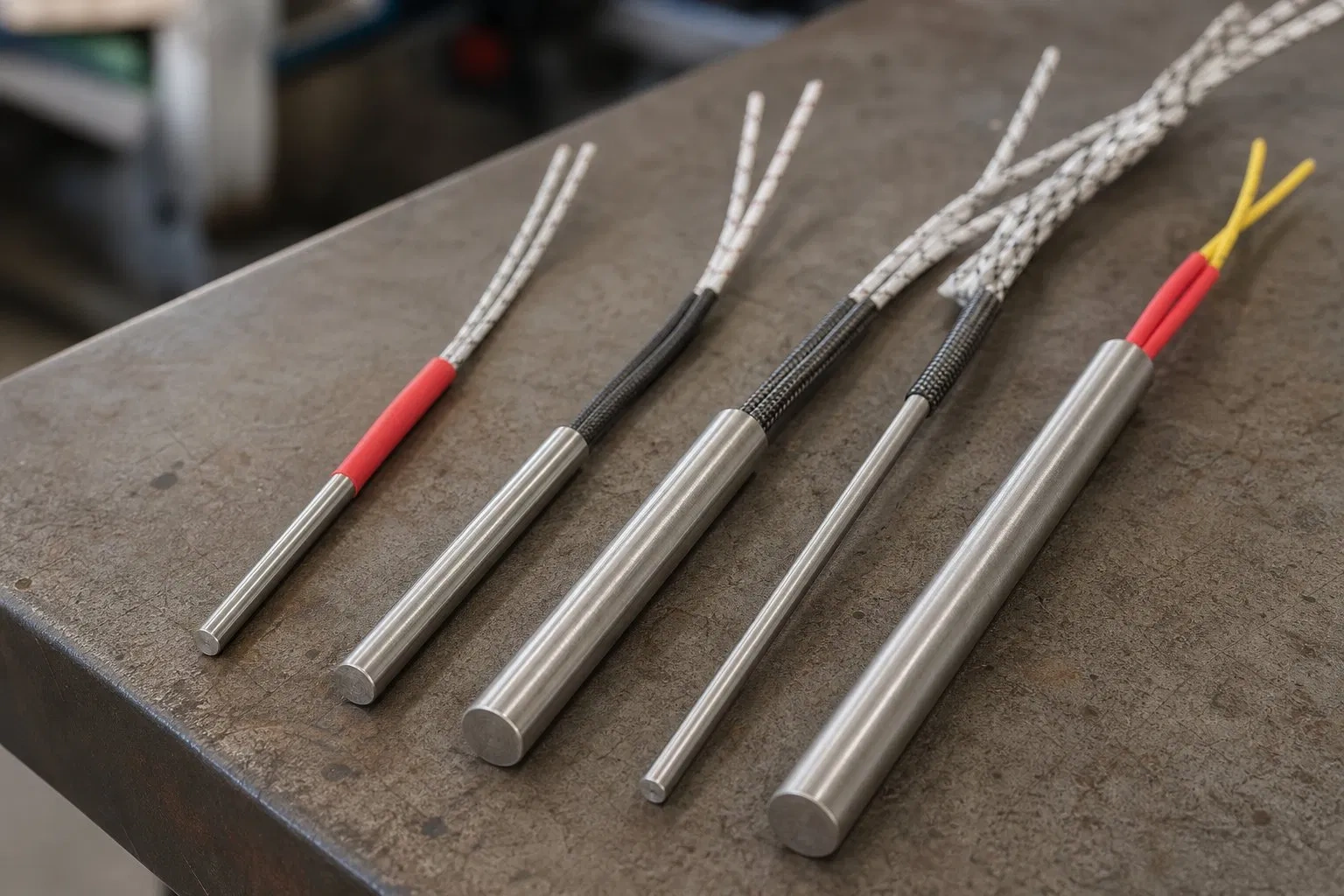
High vs. Low Density Cartridge Heaters: Which to Choose for Your Application?
1. Introduction: The Importance of Choosing the Correct Cartridge Heater Cartridge heaters are highly efficient cylindrical heating elements designed to provide precise, localized heat in a wide range of industrial applications. Their compact format and rapid heating capability make them ideal for directly heating metal parts, ensuring consistent temperature control where it’s most needed. They play a fundamental role in industries such as plastics, packaging, food processing, and aerospace, where reliability and concentrated heat are essential for product performance and quality. However, the choice between a high-density and a low-density cartridge heater is a critical decision that can significantly impact…
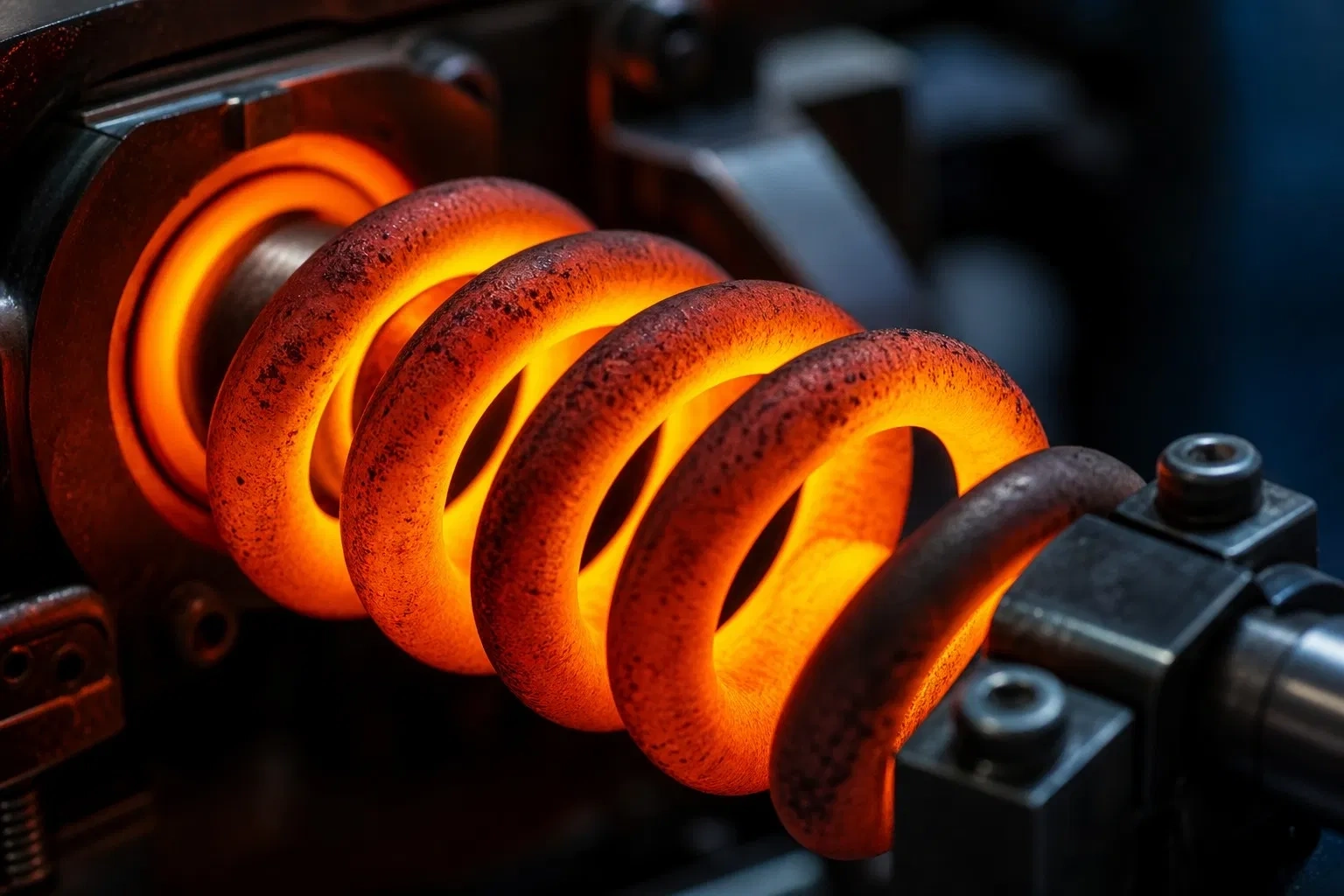
The Ideal Lifespan of Industrial Heaters: An Essential Guide to Efficiency
What is the Lifespan of Industrial Heaters? In the dynamic world of modern industry, operational efficiency and process optimization are fundamental pillars for success. Within this ecosystem, industrial electrical resistors emerge as critical components, responsible for heat generation in a vast range of applications, from heating liquids and gases to complex drying, curing, molding, and heat treatment processes. However, the investment in these heating elements is not only measured by their initial performance capacity but also by their durability and lifespan, factors that directly impact operational costs, downtime, and a company’s overall profitability. Understanding the ideal lifespan of an industrial…
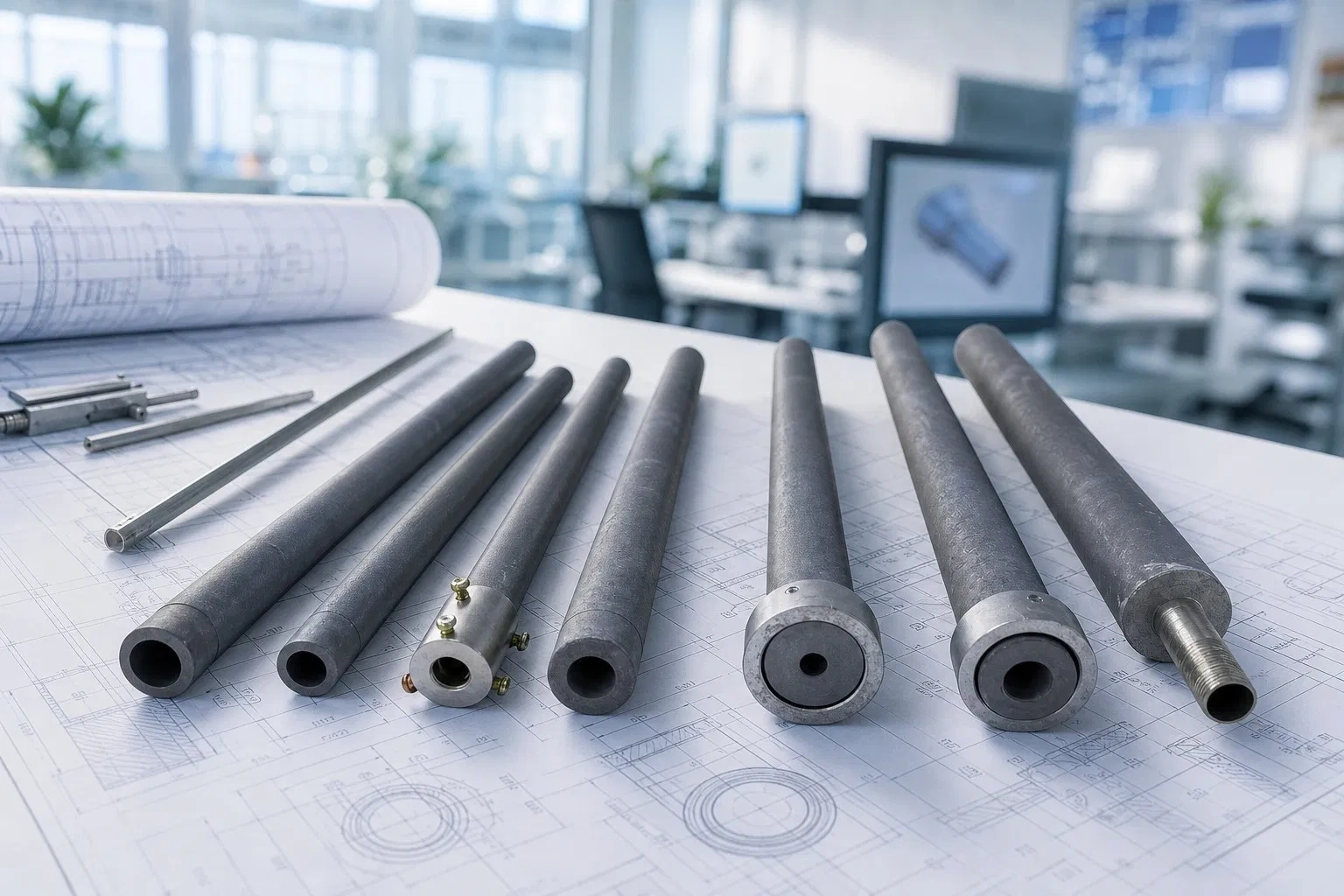
Case Study: Silicon Nitride Thermocouple Protection Tubes in Aluminum Casting
Temperature Measurement: A Critical Challenge in Aluminum Casting The non-ferrous metal casting industry, particularly aluminum casting, constantly faces challenges inherent to high temperatures and the corrosive nature of molten metals. Precision in temperature measurement is a decisive factor for final product quality, energy efficiency, and operational safety. However, maintaining the integrity of temperature sensors, such as thermocouples, in these extreme environments has historically been an arduous task. Traditional materials used to protect these sensors, such as cast iron, graphite, or even conventional ceramics, often succumb rapidly to degradation, leading to inaccurate measurements, premature equipment failure, and ultimately, costly production interruptions….
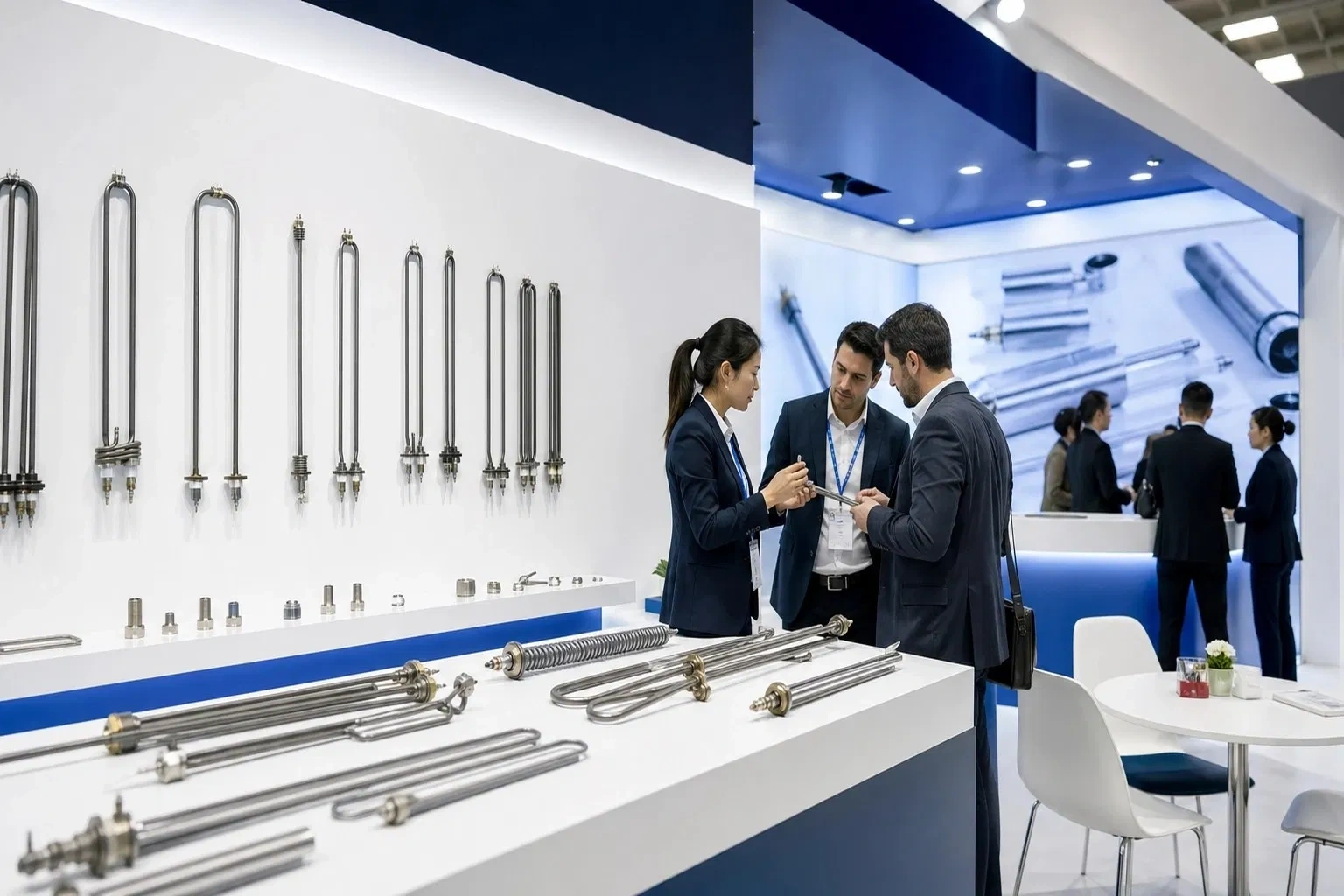
Canton Fair: Your Gateway to Quality Electrical Resistances
The Canton Fair, officially known as the China Import and Export Fair, represents one of the largest and oldest trade platforms in the world. For companies like Heatecx Limited and for any global buyer interested in the vast universe of electrical resistances, this biannual event is an unmissable appointment. Its magnitude and the diversity of products it exhibits make it an essential barometer of industrial trends and an unparalleled opportunity to establish strategic commercial connections. Why is the Canton Fair Crucial for Electrical Resistances? The relevance of the Canton Fair for the electrical resistance sector lies in its ability to…
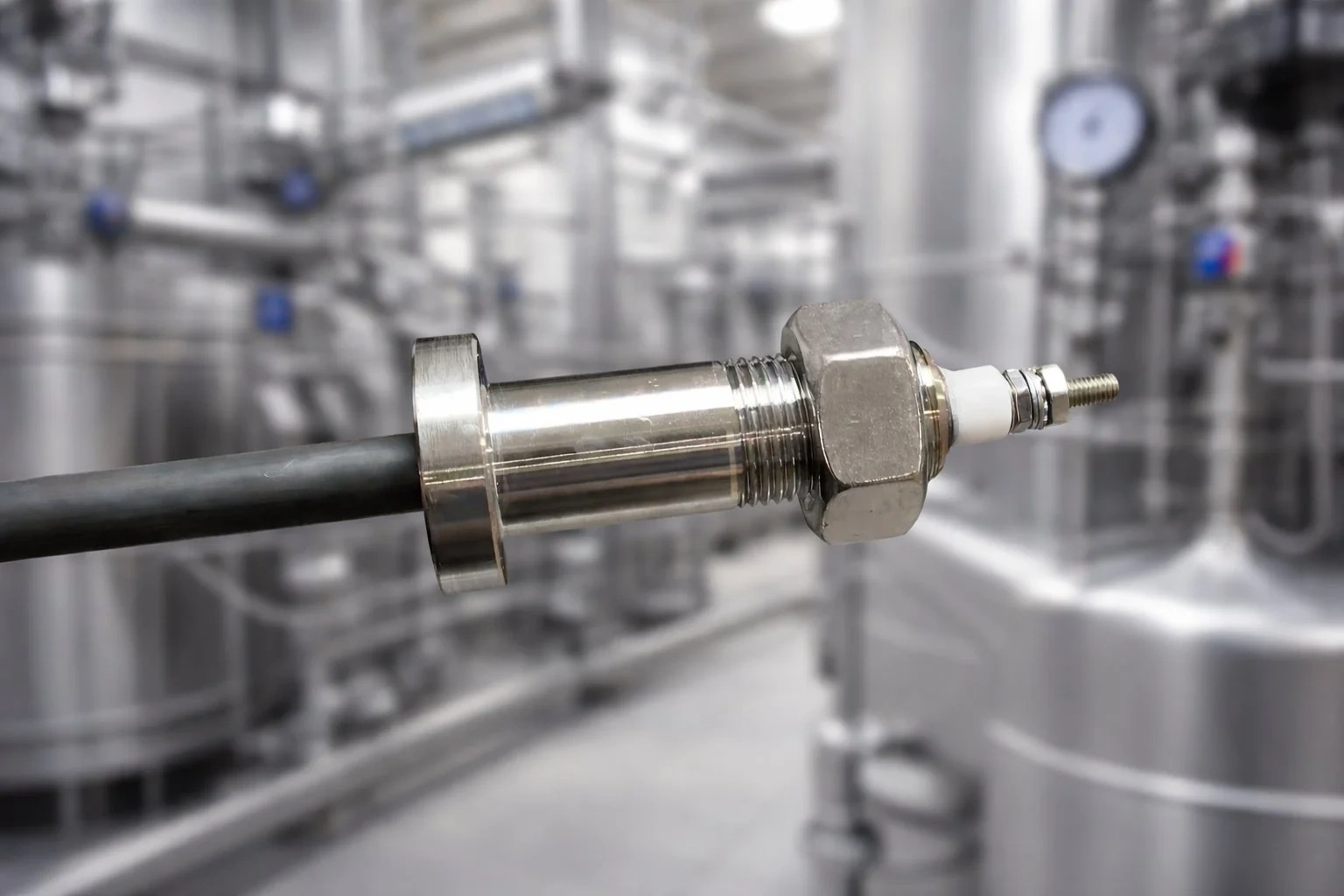
High-Temperature Tubular Heating Elements for Aluminum Melting Process Hold
The Challenge of Aluminum Melting In the metallurgical industry, specifically in aluminum processing, thermal precision is not just an operational requirement but a determining factor in the final product quality and plant profitability. Heatecx Limited recently faced a highly complex technical challenge presented by one of our strategic clients. The objective: to manufacture tubular heating elements capable of maintaining a constant temperature of 1300°F (approx. 704°C) in an aluminum holding process, mounted directly on a crucible lid. This success case not only represents an achievement in materials engineering but also underscores the importance of addressing systemic failures that other manufacturers…
- « Previous
- 1
- 2
- 3
- 4
- Next »