Introduction
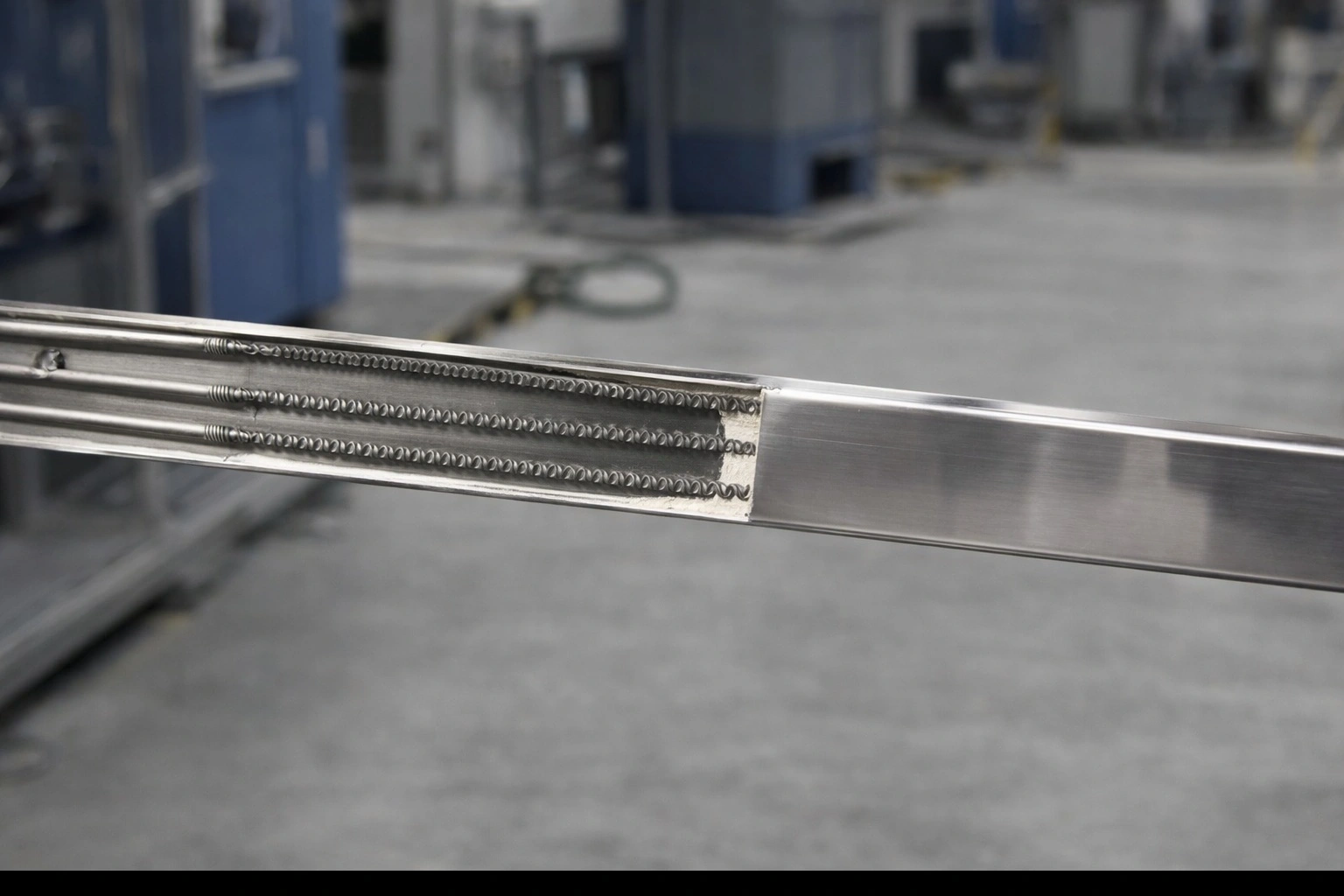
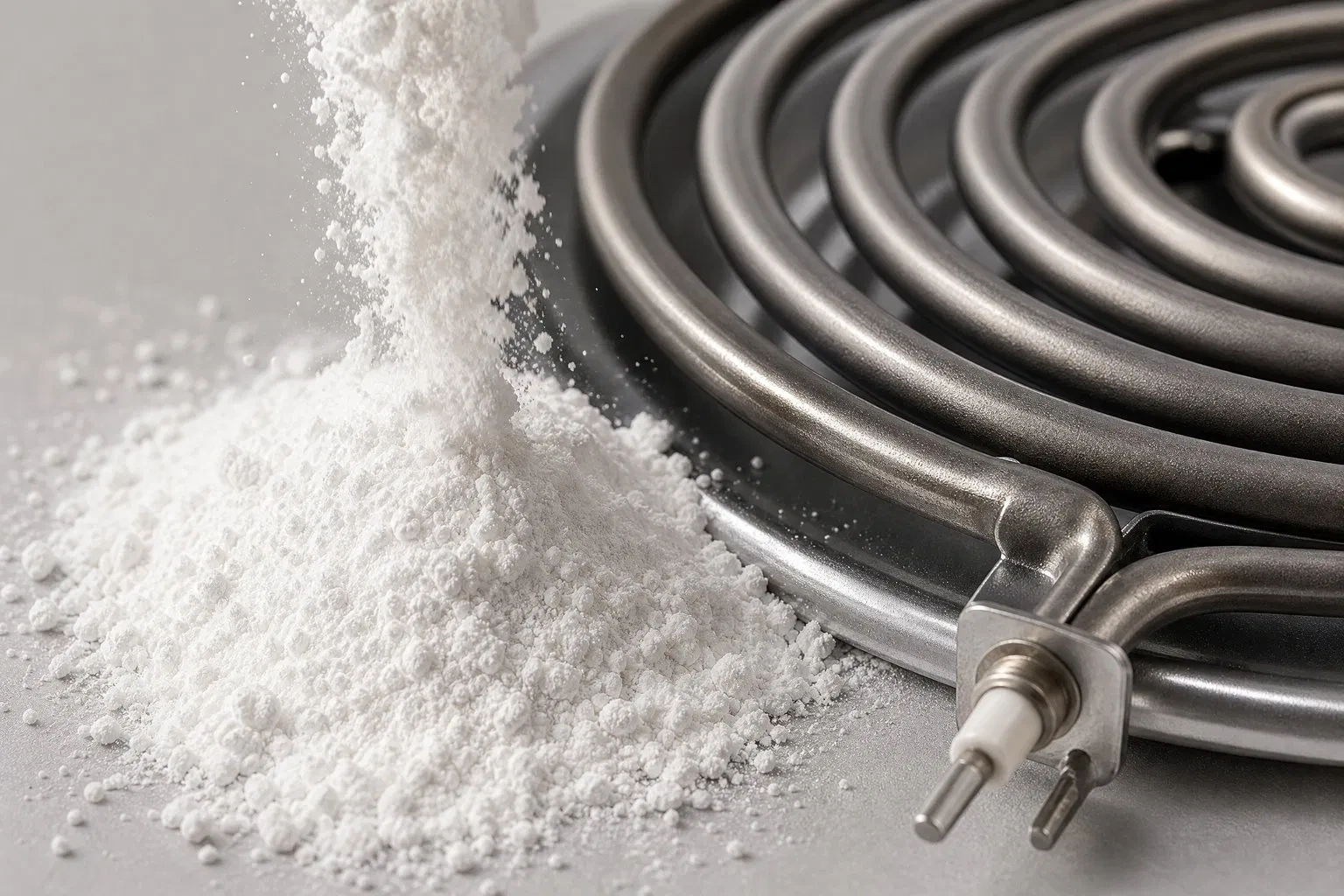
Electrical grade magnesium oxide (MgO) powder is the invisible yet vital core of almost all tubular heating elements worldwide. Acting simultaneously as an exceptional electrical insulator and a highly efficient thermal conductor, MgO ensures that the heat generated by the internal resistance is transferred outwards without the risk of short circuits.
In this in-depth technical guide, we will analyze the specifications, thermodynamic behavior, common problems, and selection criteria for MgO powder in the manufacturing of electric heaters.
Why is MgO the Industry Standard? (MgO vs. Alumina)
Although other ceramic materials exist, MgO dominates the heating element industry. The primary reason lies in its unique balance of properties at high temperatures. It is often compared to aluminum oxide (Alumina – Al₂O₃), but MgO presents critical advantages for this specific application.
| Technical Property | Magnesium Oxide (MgO) | Alumina (Al₂O₃) | Impact on Heating Element |
| Thermal Conductivity (at 1000°C) | High (~10-15 W/m·K) | Moderate (~5-8 W/m·K) | MgO dissipates heat faster, preventing overheating of the internal resistance wire. |
| Electrical Resistivity (at 800°C) | Excellent (>10⁸ Ω·cm) | Very Good (>10⁶ Ω·cm) | MgO offers a superior safety margin against current leakage at high temperatures. |
| Melting Point | ~2800 °C | ~2072 °C | MgO withstands extreme thermal peaks without structural degradation. |
| Compaction Capacity | Excellent (granular structure) | Difficult (very abrasive) | MgO compacts better around the wire, reducing porosity and improving heat transfer. |
Classification and Types of Electrical Grade MgO Powder
The selection of MgO powder strictly depends on the outer sheath temperature and the watt density (W/cm²) of the element.
1. Low-Temperature MgO (Up to 400°C)
Used in low thermal load applications such as domestic water heaters, coffee makers, and irons. Generally, it does not require complex silicone treatments, as bake-out temperatures are sufficient to remove residual moisture.
2. Medium-Temperature MgO (400°C – 600°C)
Designed for domestic ovens, industrial fryers, and air heaters. This powder is usually subjected to surface treatments (such as silicone coatings) to reduce its hygroscopicity, allowing elements to be stored without absorbing excessive ambient moisture.
3. High-Temperature MgO (600°C – 1000°C+)
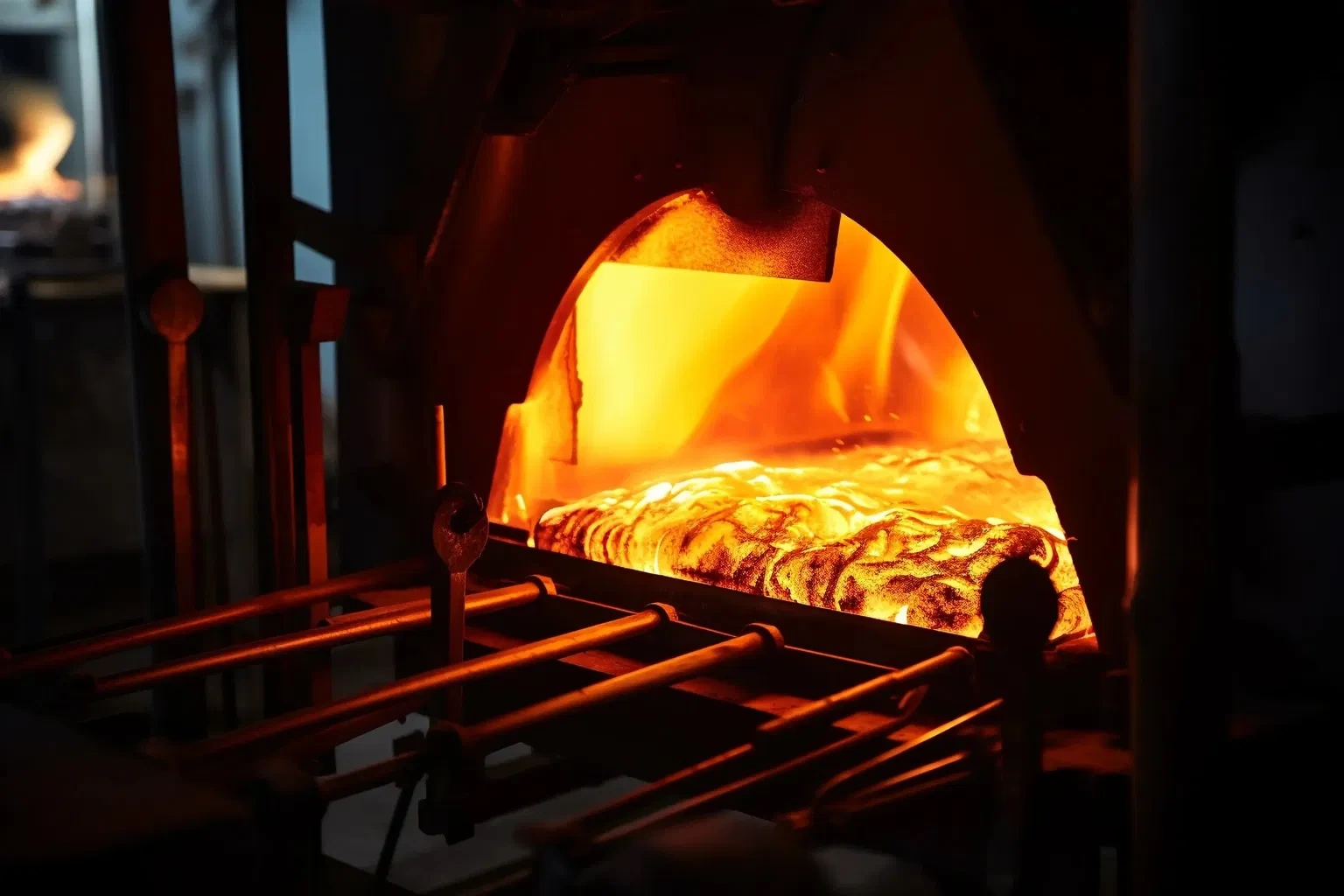
Known as Fused MgO (Fused Magnesia). It is produced by melting magnesite at over 2750°C in electric arc furnaces. This process creates dense crystals with purity greater than 96-99%. It is mandatory for high-density cartridge heaters, infrared radiation elements, and severe industrial applications.
The Critical Importance of Particle Size Distribution (PSD)
A common manufacturing error is to ignore the particle size distribution (PSD). MgO powder should not be of a uniform size; it requires a precise mixture of coarse, medium, and fine particles.
• Coarse Particles (e.g., 40-60 mesh): Provide the “structure” and facilitate powder flow during tube filling.
• Fine Particles (e.g., >200 mesh): Fill the voids between coarse particles.
Why is it vital? Optimal particle size distribution allows for a compaction density greater than 3.00 g/cm³ (reducing porosity to ~15%). Higher density means better thermal conductivity and higher dielectric strength. If the powder is too fine, it will not flow well in the filling machine; if it is too coarse, it will leave air pockets that act as thermal insulators, burning out the resistance.
Common Problems and Troubleshooting
1. Moisture Absorption (MgO Hydration)
MgO is naturally hygroscopic. When it absorbs moisture from the air, it forms magnesium hydroxide (Mg(OH)₂).
• The Problem: Water drastically reduces insulation resistance. When the heater is turned on, moisture vaporizes, expanding rapidly. This can cause the metal sheath to rupture or trip ground fault circuit interrupters (GFCI/RCD) due to high leakage currents.
• The Solution: Store MgO in controlled environments (humidity <40%). Use silicone-treated powders to repel water. Perform a bake-out process on the elements before final sealing to expel residual moisture.
2. Blackening of MgO Powder (Chemical Reduction)
At extremely high temperatures (800°C – 1000°C) and under low oxygen pressure conditions inside the tube, MgO can undergo partial chemical reduction, decomposing and reacting with the heating wire.
• The Problem: The powder turns black, its electrical resistivity plummets, and the element fails due to a short circuit.
• The Solution: Ensure dense compaction to minimize trapped air (and thus oxygen). Avoid watt densities that exceed the thermodynamic limits of the selected MgO grade.
Frequently Asked Questions (FAQ)
What is electrical grade MgO powder? It is high-purity magnesium oxide, specifically processed to have high thermal conductivity and high electrical resistance, used as a filling material in tubular electric heaters.
Why do heating elements fail the megohmmeter (Megger) test? The most common cause is moisture absorption by the MgO powder. Moisture creates a conductive path between the internal wire and the outer sheath, reducing insulation values (megohms). Proper bake-out usually solves this problem.
What is the difference between fused and calcined MgO? Fused MgO is melted in electric arc furnaces at over 2750°C, creating dense crystals ideal for high temperatures. Calcined MgO is roasted at lower temperatures, resulting in a more porous powder, suitable only for low-temperature applications.
How does MgO density affect heater lifespan? Higher compaction density (achieved by rolling or swaging the tube) improves heat transfer. If heat exits quickly, the internal wire operates cooler, which exponentially extends the heating element’s lifespan.
Conclusion
The choice of magnesium oxide (MgO) powder is not a minor detail; it is the engineering decision that defines the safety, efficiency, and durability of a heating element. Understanding the interaction between operating temperature, particle size distribution, and hydration risks allows manufacturers to produce world-class electric heaters.