Industrial PTFE (Teflon) Tapes
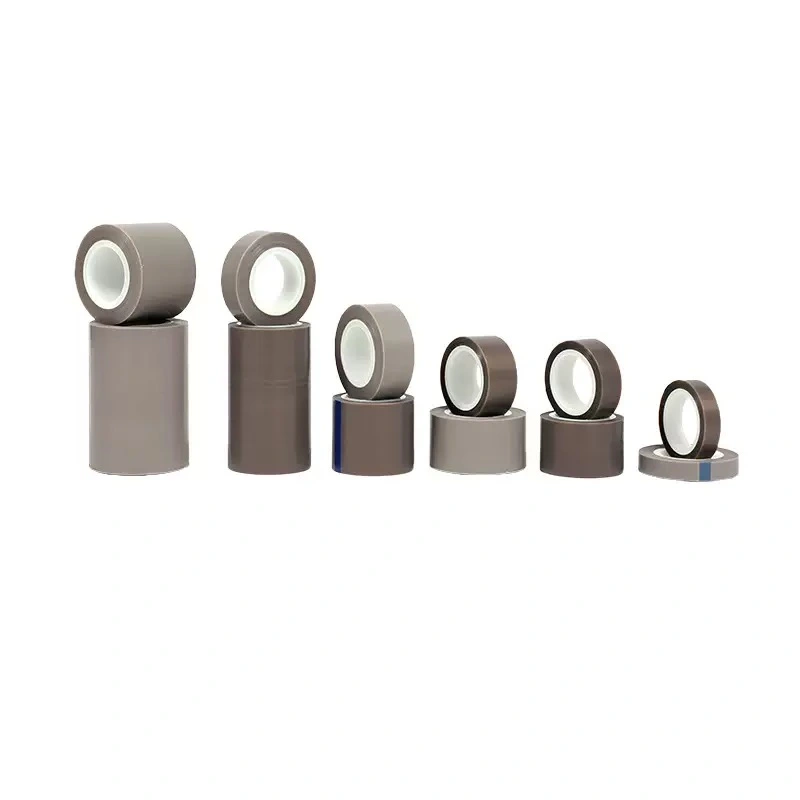
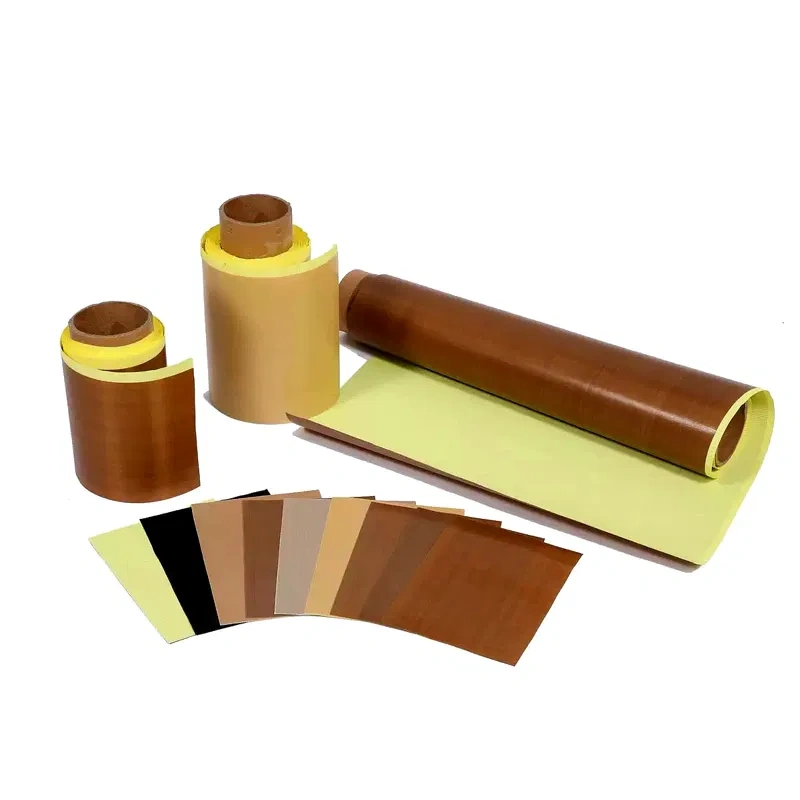
Industrial Technical PTFE (Teflon) Tapes represent an advanced engineering solution for the most demanding industrial environments. This product range is designed to offer superior performance in applications requiring extreme temperature resistance, chemical inertness, non-stick properties, and an exceptionally low coefficient of friction.
Industrial Technical PTFE (Teflon) Tapes represent an advanced engineering solution for the most demanding industrial environments. This product range is designed to offer superior performance in applications requiring extreme temperature resistance, chemical inertness, non-stick properties, and an exceptionally low coefficient of friction. Polytetrafluoroethylene (PTFE), commonly known as Teflon, is the base material that guarantees durability and efficiency in critical processes.
Our selection ranges from pure PTFE tapes for precision electrical insulation to specialized solutions such as antistatic (ESD) tape and Teflon mesh tape for drying and curing processes. Each variant has been optimized to solve specific challenges, ensuring maximum protection and consistency in production. They are the ideal choice to improve operational efficiency and reduce maintenance in highly demanding machinery.
The versatility of Technical PTFE Tapes allows their use in a wide range of sectors, where heat resistance and non-stick properties are crucial. Below are the main applications grouped by functionality:
|
Functionality |
Key Products |
Specific Sectors and Uses |
|
Transport and Thermal Processing |
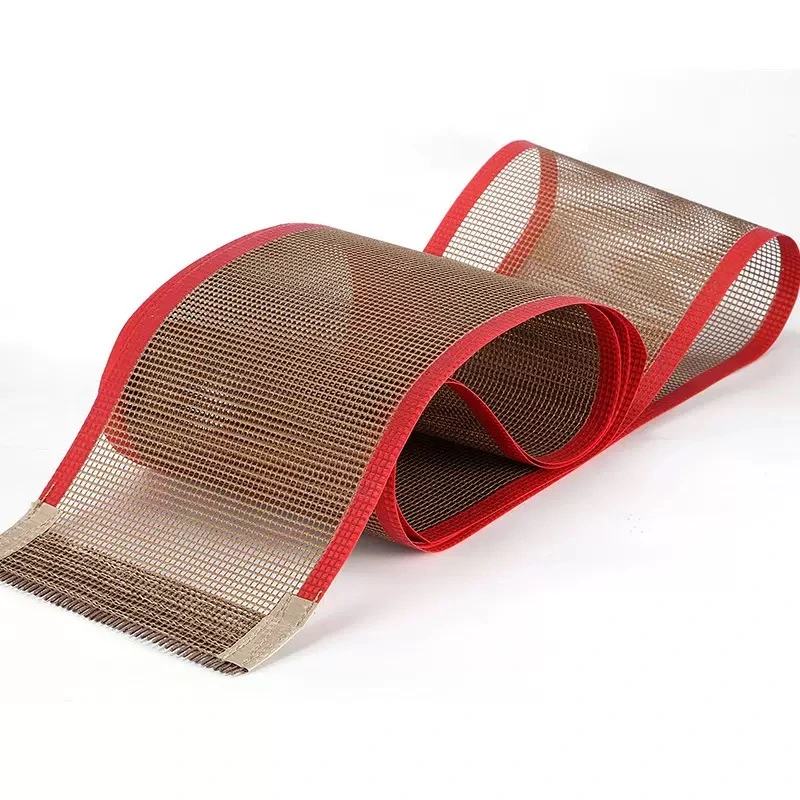
Teflon Mesh Tape |
Food Industry (cooking, freezing), Textile (drying, UV curing), Packaging (shrink tunnels). Allows the flow of air and liquids while transporting materials at high temperatures. |
|
Sealing and Packaging |
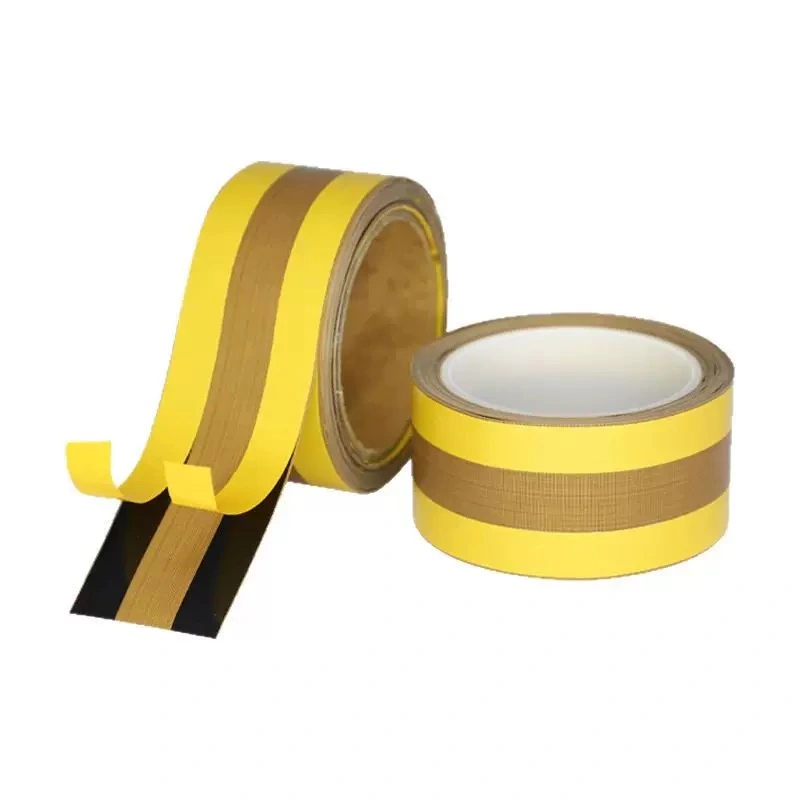
PTFE Coated Sealing Tape |
Heat Sealing Machines (packaging machines). Protects heating bars and ensures a clean and consistent seal by preventing the adhesion of packaging material. |
|
Electrical Insulation and Protection |
Pure Teflon Film Tape |
Electronics and Aerospace. High-performance electrical insulation, precision masking in soldering processes, and protection of sensitive components. |
|
Static Control and Electronics |
Antistatic Teflon Tape |
Semiconductor Manufacturing, Printing, and Electronic Assembly. Dissipates static charge (ESD), protecting components and processes sensitive to static electricity. |
|
Friction Reduction and Spacing |
Teflon Spacer Tape |
Industrial Machinery (guides, sliders), Machinery Assembly. Used to create precise spaces and reduce wear between moving components thanks to its wear resistance and low friction. |
Our PTFE tapes are distinguished by a combination of physical and chemical properties that translate into significant operational advantages for the end user:
• Extreme Temperature Resistance: They withstand continuous operating ranges exceeding 260°C, making them indispensable in ovens, sealers, and curing processes. This thermal resistance prolongs the life of the tape and reduces downtime.
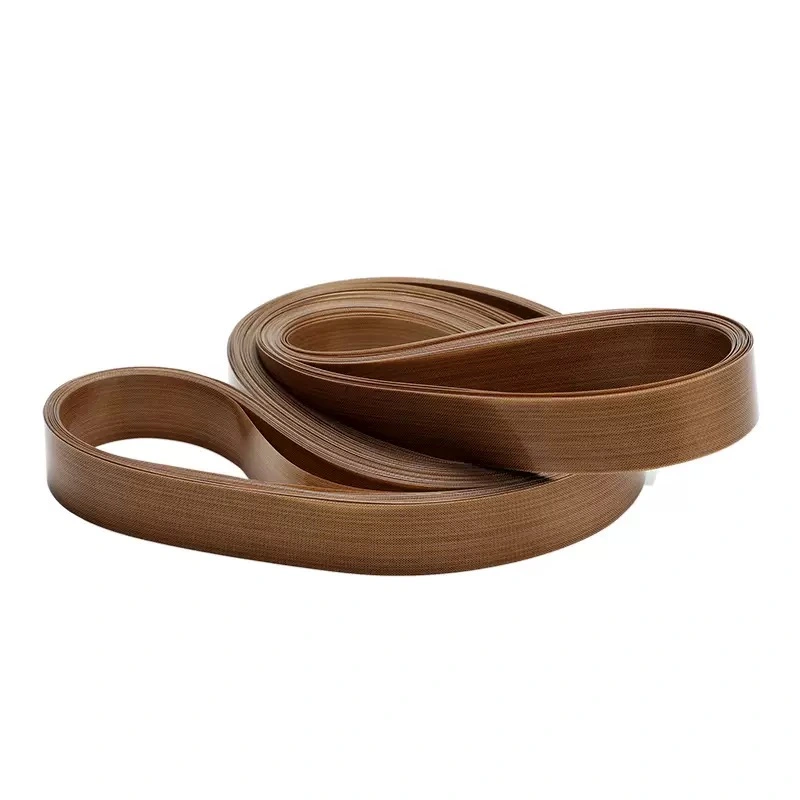
• Superior Non-Stick Surface: The nature of PTFE prevents adhesives, inks, molten plastics, or food from adhering to the surface of the tape. This non-stick property guarantees the cleanliness of the process and the quality of the final product.
• Chemical Inertness: They are resistant to most industrial chemicals, solvents, and acids. This chemical resistance ensures the integrity of the tape even in the most corrosive processing environments.
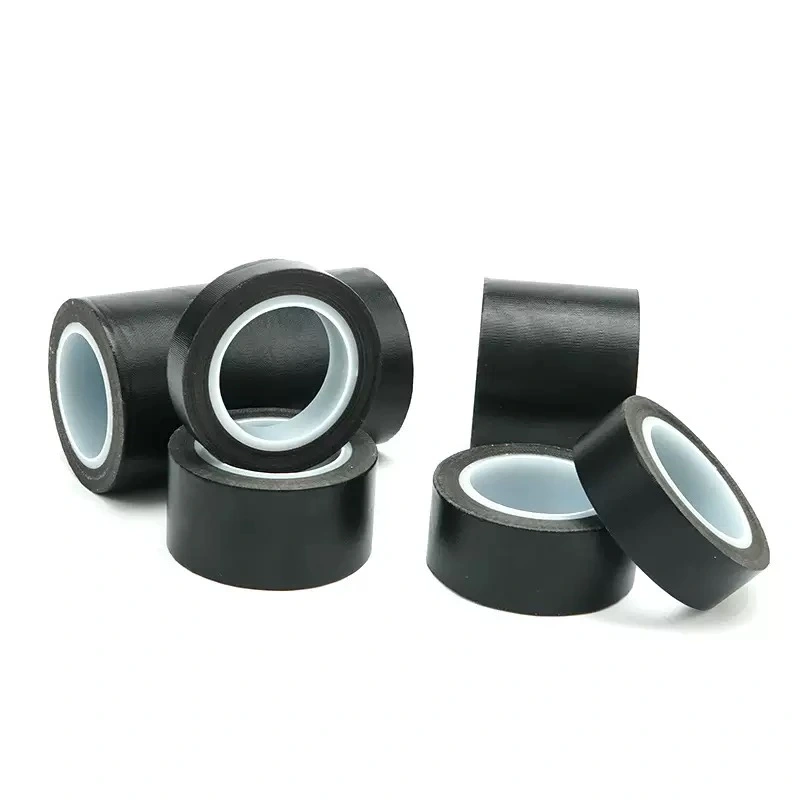
• Excellent Dielectric Properties: Pure Teflon Film Tape offers superior electrical insulation, crucial for high-voltage applications and precision masking in the electronics industry.
• Static Control (ESD): Antistatic Tape incorporates additives that dissipate electrostatic charge, a critical advantage for protecting sensitive electronic components and complying with safety regulations in controlled environments.
• Durability and Wear Resistance: The low coefficient of friction of PTFE reduces mechanical wear, especially in Spacer Tape and Mesh Tape, resulting in lower maintenance costs and higher machinery efficiency.
The following table consolidates the key specifications of the entire range of Industrial Technical PTFE Tapes, facilitating the selection of the right product for each need. Other specifications can also be produced according to the actual needs of the customer.
|
No. |
Product |
Specific Description |
Thickness (mm) |
Width (mm) |
Length (m) |
Measurement Note |
|
25 |
Teflon Mesh Tape |
Open mesh structure for air flow. |
N/A |
530 |
8 |
53 cm width |
|
26 |
Pure Teflon Film Tape |
Maximum purity and electrical insulation. |
0.06 |
10 |
10 |
Available in 5 thicknesses |
|
27 |
Pure Teflon Film Tape |
Maximum purity and electrical insulation. |
0.08 |
10 |
10 |
|
|
28 |
Pure Teflon Film Tape |
Maximum purity and electrical insulation. |
0.13 |
10 |
10 |
|
|
29 |
Pure Teflon Film Tape |
Maximum purity and electrical insulation. |
0.18 |
10 |
10 |
|
|
30 |
Pure Teflon Film Tape |
Maximum purity and electrical insulation. |
0.25 |
10 |
10 |
|
|
31 |
PTFE Coated Sealing Tape |
Specific for heat sealing machines. |
0.20 |
15 |
0.75 |
750 mm length |
|
32 |
Antistatic Teflon Tape |
ESD charge dissipation and high temperature. |
0.13 |
10 |
10 |
Available in 3 thicknesses |
|
33 |
Antistatic Teflon Tape |
ESD charge dissipation and high temperature. |
0.18 |
10 |
10 |
|
|
34 |
Antistatic Teflon Tape |
ESD charge dissipation and high temperature. |
0.25 |
10 |
10 |
|
|
36 |
Teflon Spacer Tape |
For precise spacing and friction reduction. |
0.08 |
30 |
10 |
30 mm width |
|
37 |
Teflon Spacer Tape |
For precise spacing and friction reduction. |
0.13 |
30 |
10 |
We understand that industrial applications often require custom solutions. Therefore, we offer a high degree of customization in our line of Technical PTFE Tapes to perfectly adapt to the requirements of your machinery and process.
Available Customization Options:
1 Custom Thicknesses: The range of Pure Teflon Film Tape and Antistatic Tape demonstrates the availability of multiple thicknesses (from 0.06mm to 0.25mm). We can supply other thicknesses upon request to optimize insulation or mechanical strength.
2 Specific Widths: Although standard widths are shown (10mm, 15mm, 30mm, 530mm), all our tapes can be cut to custom widths to precisely fit the dimensions of your rollers, sealing bars, or guides.
3 Roll Lengths: We offer rolls in standard lengths (10m) and special lengths (750mm for sealing). For large volumes or continuous applications, jumbo rolls or specific lengths can be requested to minimize waste and machine downtime.
4 Special Adhesives: Although PTFE is inherently non-stick, tapes can be supplied with or without high-temperature silicone adhesive backing, depending on whether permanent or temporary fixation is required.
5 PTFE Grades: In addition to virgin PTFE (Pure Film), we can offer grades with specific additives such as fiberglass (for greater mechanical strength) or carbon (for conductivity and antistatic properties), ensuring the most suitable PTFE solution for your environment.
To request a quote or discuss a technical specification not listed, contact our engineering team. We are committed to providing the custom Teflon tape your operation needs.
FAQ
Teflon vs. Silicone
In the realm of high-performance materials, Polytetrafluoroethylene (PTFE or Teflon) and Silicone Rubber are two giants that dominate applications requiring high-temperature resistance, flexibility, and insulation properties. Although both are synthetic polymers with excellent performance, their structural and functional differences are crucial when selecting the optimal material for a specific industrial application.
The choice between a PTFE Fiberglass Fabric and a Silicone Fabric is not trivial; it depends on prioritizing non-stick properties and chemical inertness or flexibility and weather resistance.
Structural and Functional Comparative Analysis
|
Feature |
PTFE (Teflon) |
Silicone Rubber |
|
Chemical Structure |
Carbon chain shielded by Fluorine (Fluoropolymer) |
Silicon-Oxygen chain (Inorganic polymer) |
|
Temperature Range |
-73°C to +260°C (Continuous) |
-60°C to +200°C (Continuous) |
|
Non-Stick Property |
Superior (Lowest coefficient of friction) |
Good (Smooth surface, but higher friction than PTFE) |
|
Chemical Inertness |
Excellent (Inert to almost all chemicals) |
Good (Resistant to oils, greases, but attackable by some solvents) |
|
Flexibility/Elasticity |
Low (Rigid, low elongation) |
High (Very elastic, excellent recovery capacity) |
|
Weather Resistance |
Good |
Excellent (Maximum resistance to UV, Ozone, and aging) |
|
Typical Applications |
Sealing, non-stick coating, dielectric insulation. |
Dynamic seals, cushioning, flexible insulation, hoses. |
When to Choose PTFE (Teflon)?
PTFE is the undisputed choice when the priority is maximum non-stick properties and absolute chemical resistance.
6 Critical Non-Stick: In heat sealing, lamination, or handling of sticky materials (polymers, resins, food), PTFE (especially in its form of PTFE Fiberglass Fabric) guarantees that there will be no material transfer or residue accumulation.
7 Dimensional Stability: The fiberglass reinforcement in PTFE fabrics provides superior dimensional stability under tension and heat, which is vital for conveyor belts and fixed linings.
8 Aggressive Chemical Environments: If the application involves exposure to strong acids, bases, or solvents, the chemical inertness of PTFE offers a much longer service life than silicone.
When to Choose Silicone?
Silicone excels in applications requiring flexibility, elasticity, and excellent resistance to environmental factors.
4.Flexibility and Movement:Silicone is ideal for manufacturing gaskets, bellows, and thermal protection curtains that need to bend or move without cracking. Its elasticity is key in dynamic applications.
5.Resistance to Specific Fluids:Although PTFE is more inert, silicone (as in double-sided Silicone Fabric) offers excellent resistance to oils, greases, and hydraulic fluids, making it a robust choice in the automotive and petrochemical industries.
6.Weather Resistance: For outdoor applications or those exposed to UV radiation and ozone, silicone is the most durable material, maintaining its physical properties over time.