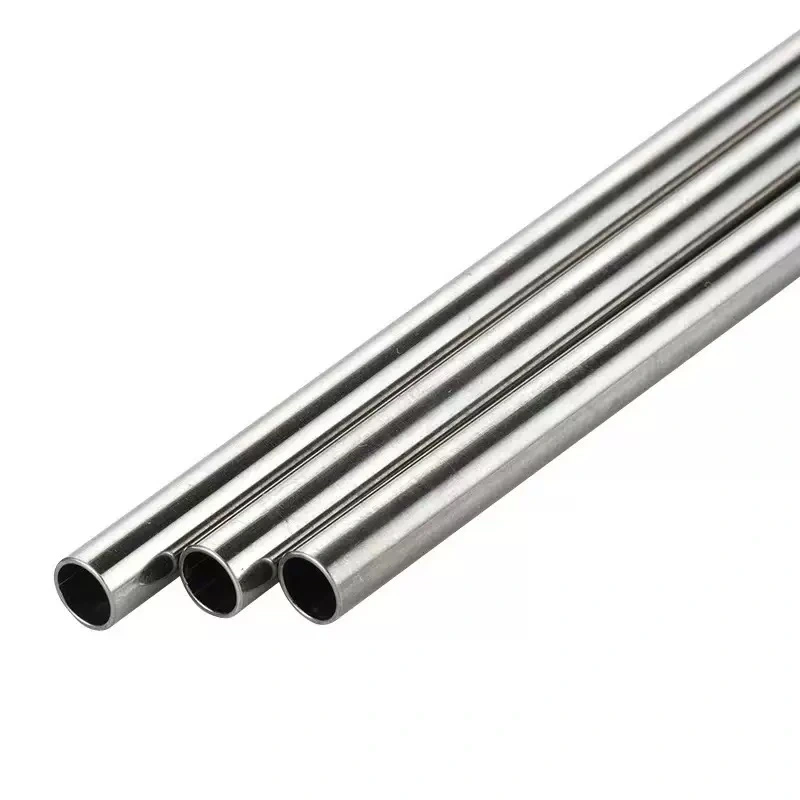
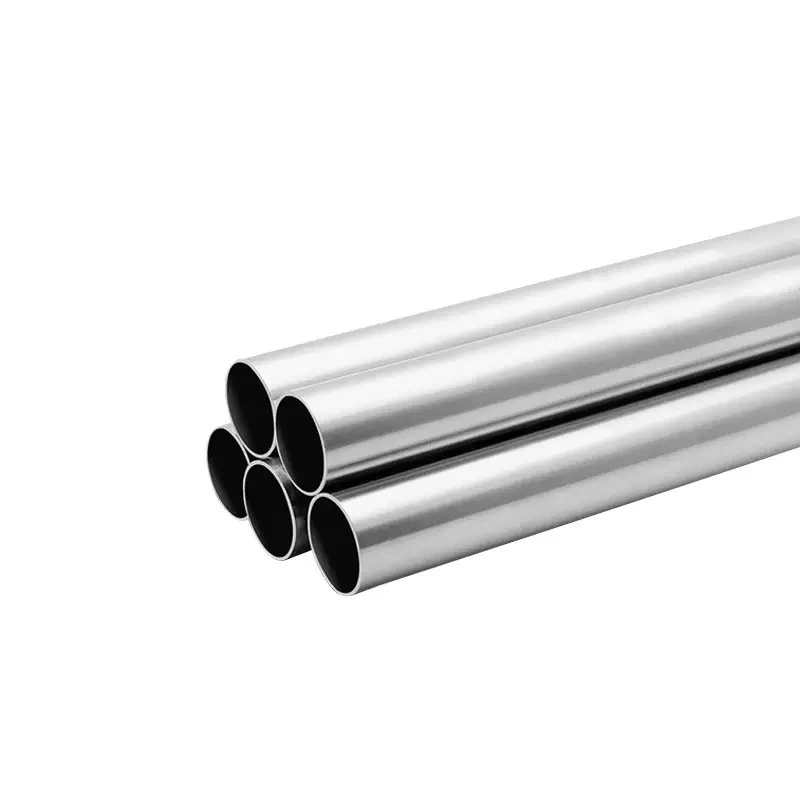
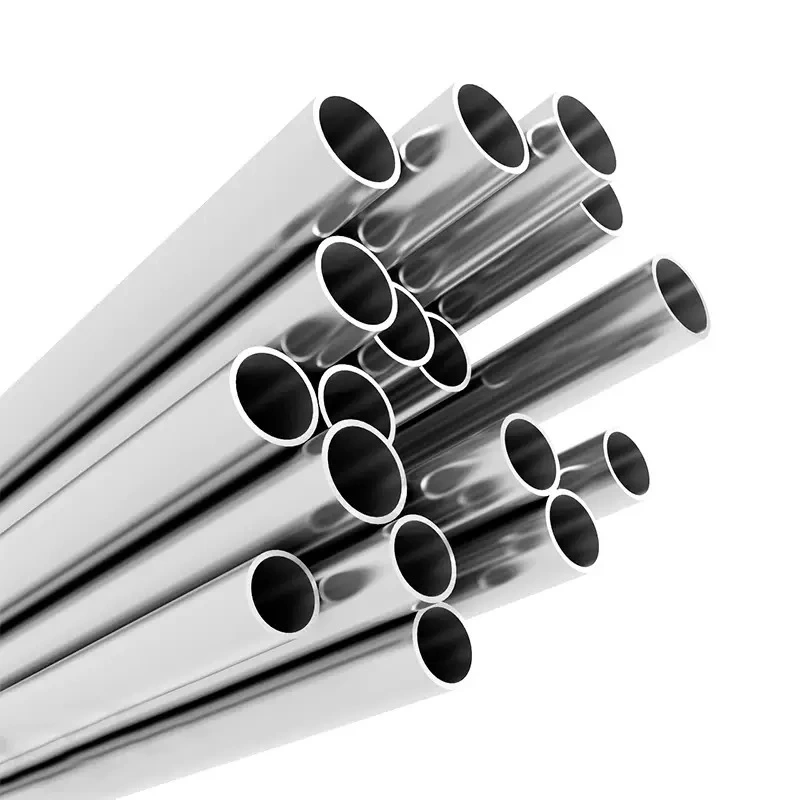
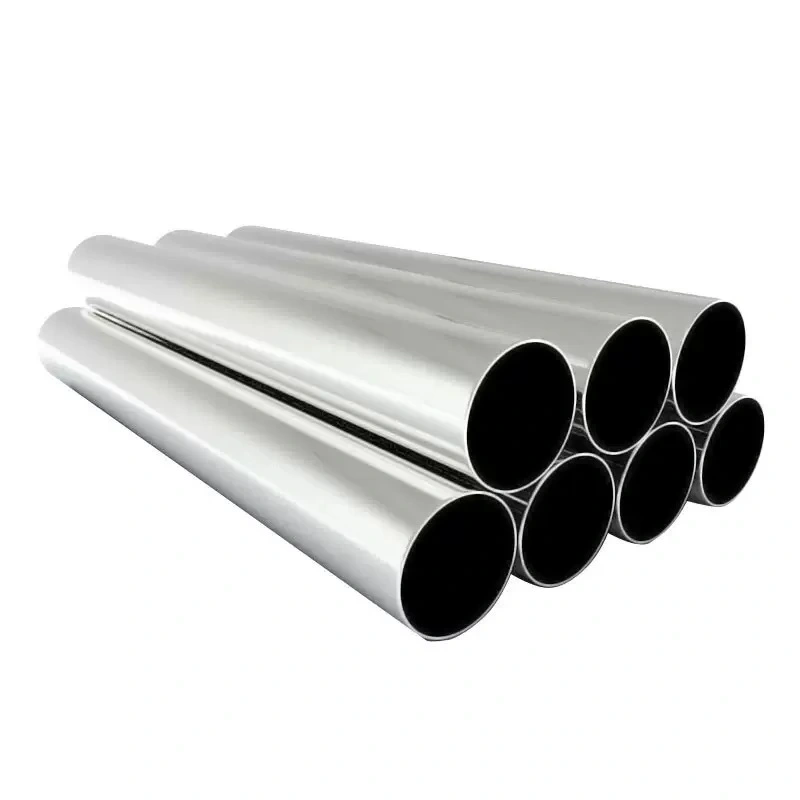
Industrial Stainless Steel Tubing
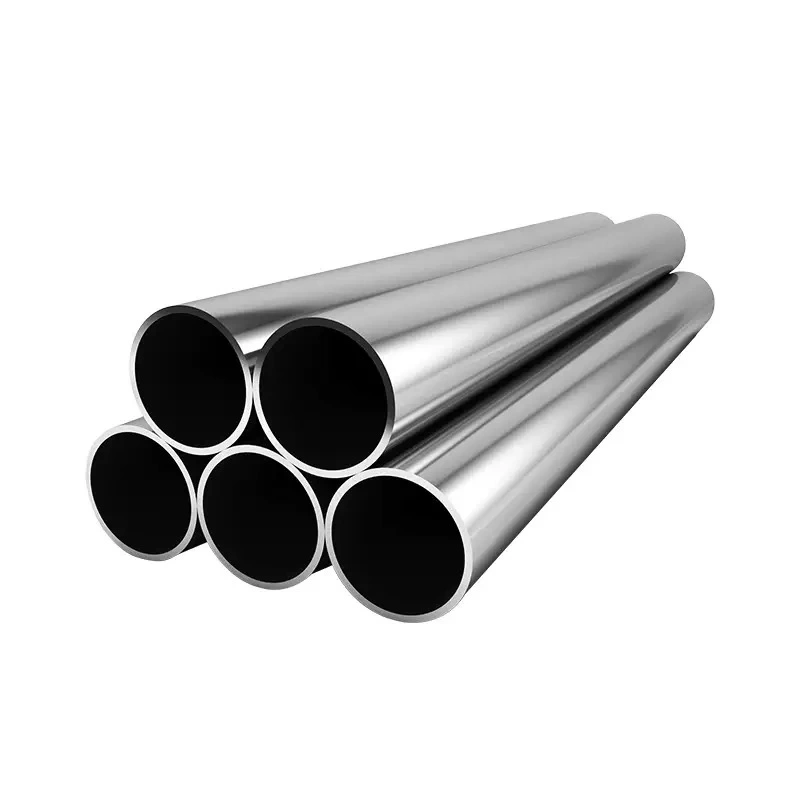
Our line of Industrial Grade Stainless Steel Tubing and Pipes serves as the technical benchmark for critical industrial sectors. We specialize in the precision manufacturing of tubing specifically designed for electrical heating elements and high-pressure systems.
Stainless steel tubes are fundamental as the outer sheath or "armor" for heating elements. They perform a dual role: facilitating efficient thermal transfer from the internal filament to the medium (air, water, oil, or solids) while providing unsurpassed mechanical and chemical protection.
• Optimized Thermal Conductivity: Engineered to withstand repeated thermal expansion and contraction cycles without cracking.
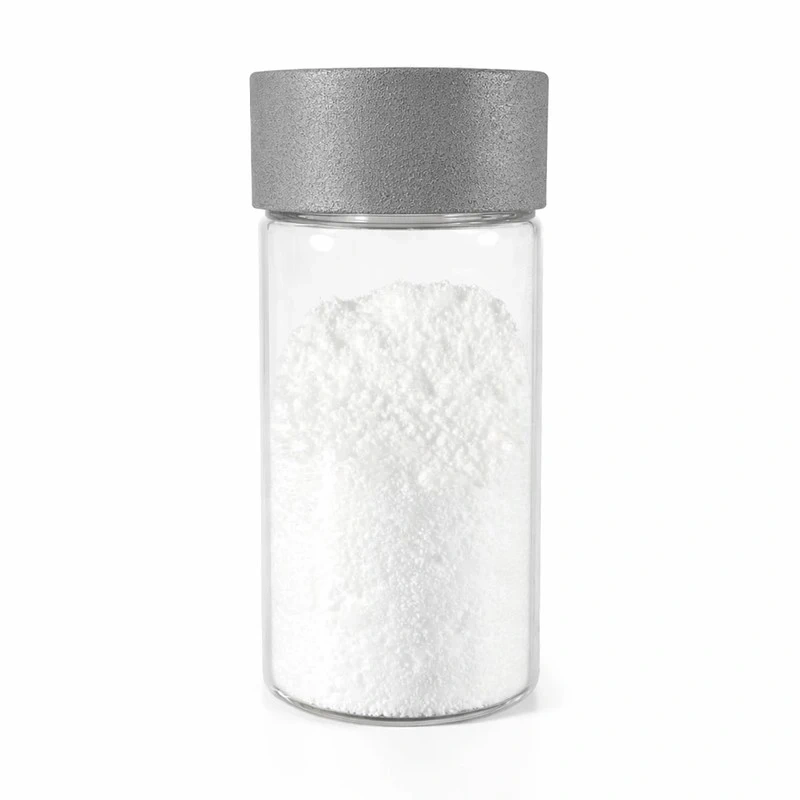
• Insulation & Protection: Shields the internal insulating material (Magnesium Oxide) and resistance wire from oxidation and external contaminants.
• Specialized Grades: We commonly utilize SUS304, SUS316L, and SUS321 for immersion heaters, and SUS310S for extreme dry-heat processes.
Catalog Highlights:
• Welded Stainless Steel Tubes: Produced using high-frequency technology for structural and general fluid handling.
• Seamless Stainless Steel Pipes: The "gold standard" for high-pressure applications, featuring no weld points.
• Oval Welded Tubing: Specialized profiles for architectural and automotive design.
• Precision Stainless Steel Strips: High-accuracy coils for electronic and mechanical components.
Our tubing is indispensable across various high-stakes industries:
• Industrial Heating Elements: Manufacturing of cartridge heaters, finned tubular heaters, and submersible resistances.
• High-Temperature Chemical Processing: Used in reactors, distillation columns, and heat exchange systems.
• Aerospace Engineering: High-strength fuel lines and hydraulic conduits.
• Medical Technology: Hypodermic needles and micro-precision surgical components.
The excellence of our metallic stainless steel piping stems from a controlled production process and a testing battery that is unprecedented in the industry.
Cutting-Edge Fabrication Methods
1 Laser & TIG Welding: We employ continuous fusion welding without filler material to ensure a minimal Heat Affected Zone (HAZ) and a joint strength identical to the base metal.
2 Precision Cold Drawing: This process refines the steel grain, improves surface finish, and achieves ultra-precise dimensional tolerances.
3 Bright Annealing: Heat treatment in a controlled hydrogen atmosphere eliminates internal stresses and restores ductility without oxidizing the surface, maintaining the original metallic luster.
Rigorous Quality Protocols (NDT & Destructive Testing)
To ensure the total integrity of every pipe, we perform:
• Eddy Current Testing: A non-destructive electromagnetic test that detects surface and sub-surface discontinuities across 100% of the tube length.
• Hydrostatic Testing: Subjecting the tube to internal pressures exceeding working limits to verify absolute leak-tightness.
• Ultrasonic Testing (UT): High-frequency waves identify internal defects, porosities, or inclusions invisible to the naked eye.
• Spectrographic Analysis (PMI): Positive Material Identification via X-ray to guarantee the chemical composition (Cr, Ni, Mo, Ti) matches the requested grade exactly.
• Mechanical Testing: Tensile, flattening, flaring, and hardness tests according to ASTM A450 standards.

We supply standard lengths of 6000mm with custom cutting capabilities. Below is our range of fractional and metric dimensions.
|
Outer Diameter (OD mm) |
Wall Thickness (mm) |
Theoretical Weight (kg/m) |
Available Grades |
|
1.00 |
0.10 - 0.20 |
0.002 - 0.004 |
SUS304, 316L |
|
6.35 (1/4") |
0.89 - 1.65 |
0.122 - 0.194 |
All SUS Grades |
|
12.70 (1/2") |
1.24 - 2.77 |
0.356 - 0.689 |
All SUS Grades |
|
25.40 (1") |
1.65 - 4.55 |
0.981 - 2.375 |
All SUS Grades |
|
50.80 (2") |
1.65 - 5.54 |
2.031 - 6.278 |
All SUS Grades |
|
101.60 (4") |
2.11 - 8.56 |
5.255 - 19.940 |
All SUS Grades |
|
304.80 (12") |
4.57 - 12.70 |
34.351 - 92.875 |
All SUS Grades |
• Bespoke Fabrication: Development of special diameters and thicknesses for non-standard heating element designs.
• Specific Finishes: Electropolishing for ultra-clean applications or chemical pickling.
• Bending & Forming: Supply of pre-formed U-tubes, coils, or complex geometries.
• Laser Marking: Individual part identification with heat numbers and specs for total traceability.
FAQ
What is the difference between AISI 304 and AISI 316?
The primary difference is the addition of molybdenum in 316 stainless steel. While 304 is versatile for general use, 316 offers exceptional resistance to chlorides and acids, making it the preferred choice for marine, pharmaceutical, and chemical industries where corrosion resistance is critical.