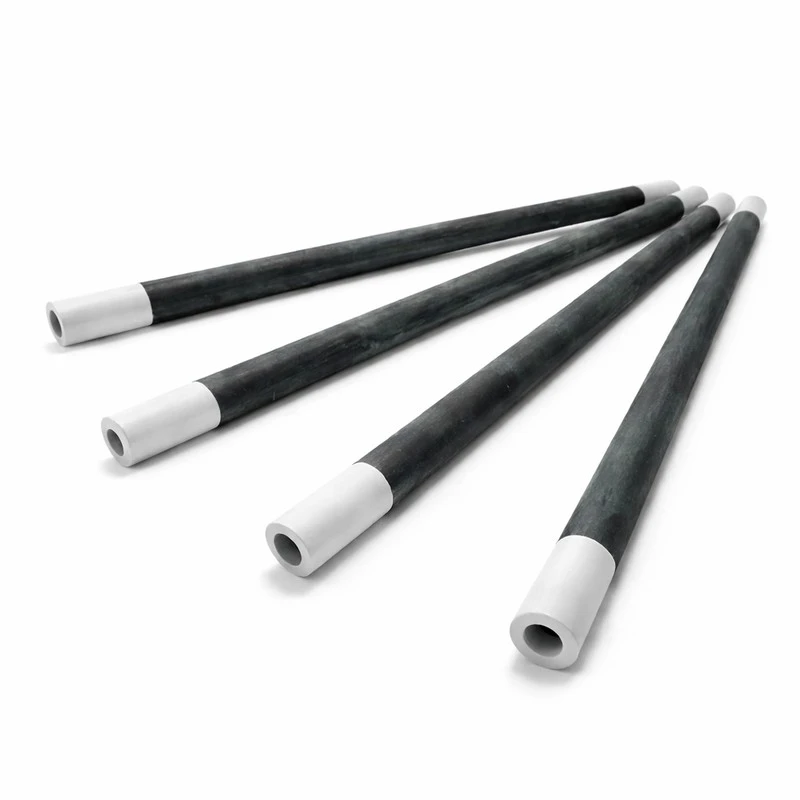
Molybdenum Disilicide (MoSi2) Heating Elements
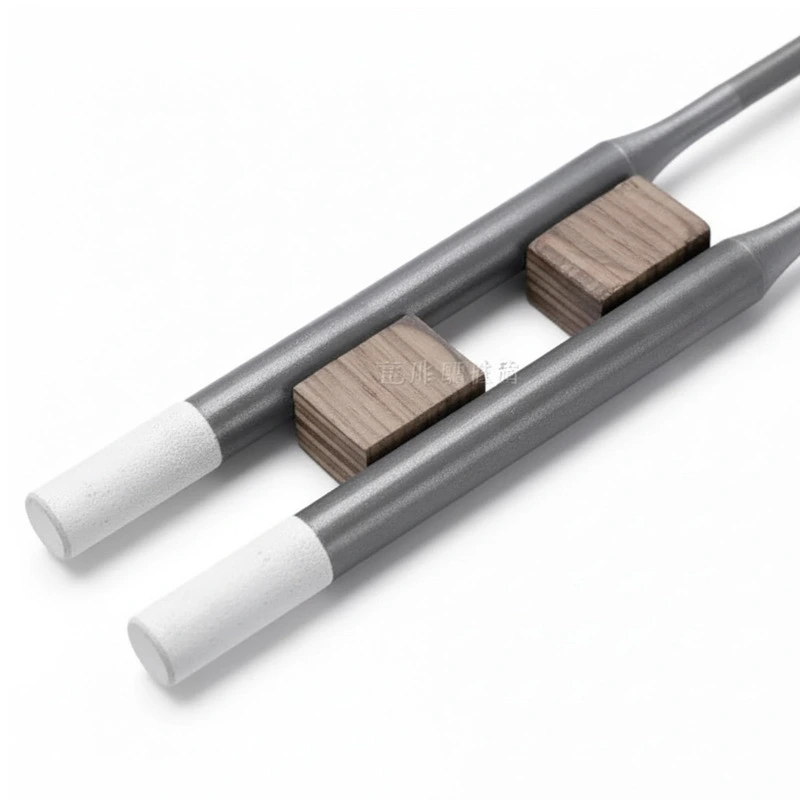
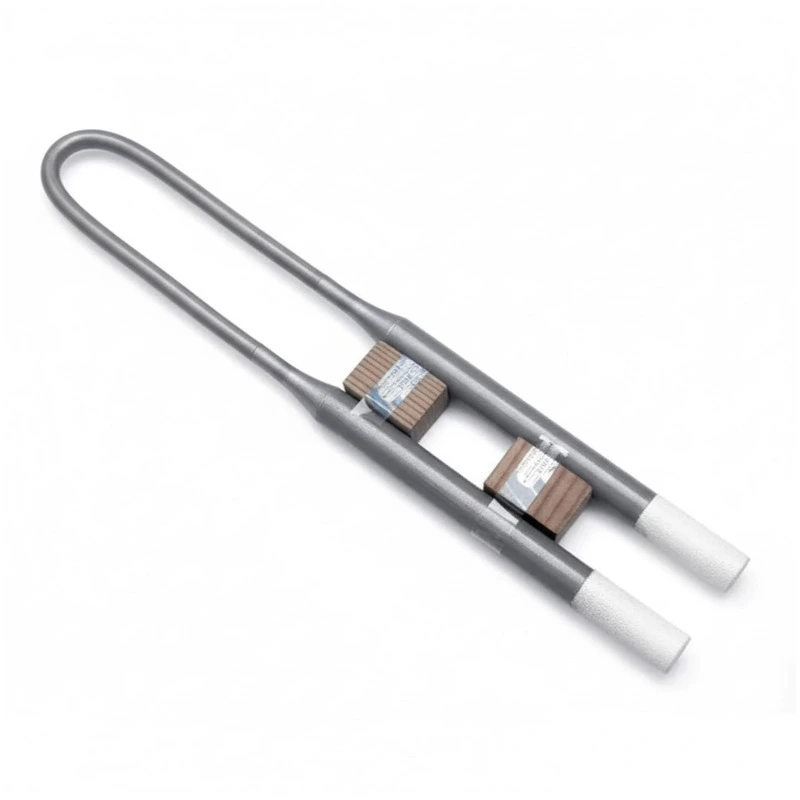
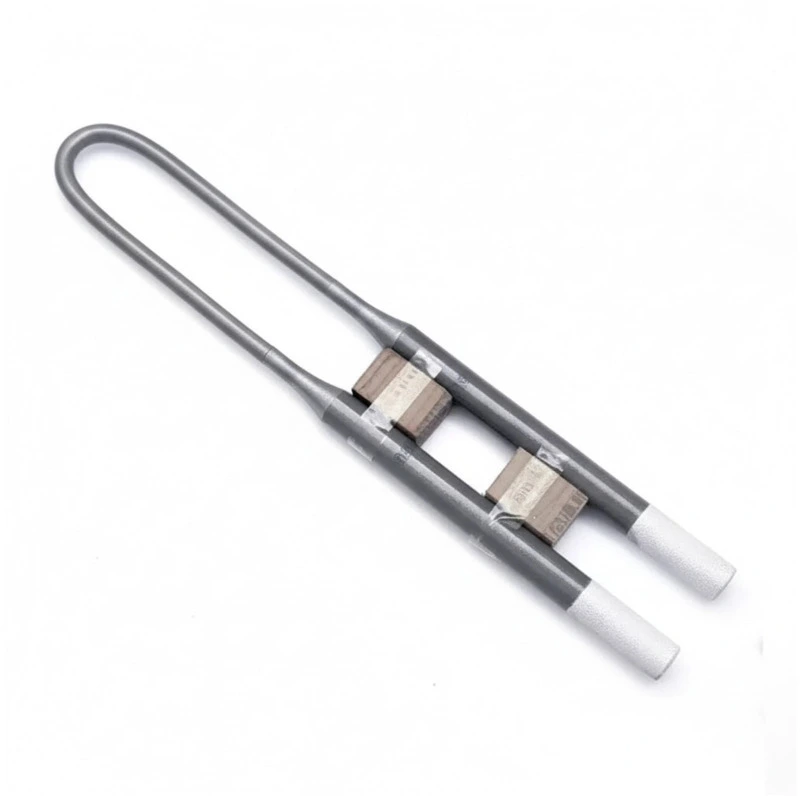
Molybdenum disilicide (MoSi2) heating elements are advanced heating elements, ideal for applications in high-temperature furnaces and industrial processes that demand reliability and energy efficiency. Manufactured from molybdenum disilicide, these elements develop a protective quartz glass (SiO2) layer in oxidizing atmospheres, which gives them exceptional oxidation resistance and a prolonged lifespan.
Our MoSi2 heating elements are the perfect solution for industries such as ceramics, magnetic materials, glass, metallurgy, and refractories, where operating temperatures of up to 1800°C are required. Their robust design and unique properties guarantee superior performance in the most demanding environments.
Molybdenum disilicide (MoSi2) heating elements are essential components in a wide range of industries that require heating processes at extremely high temperatures. Their robustness, efficiency, and ability to operate in various atmospheres make them ideal for the following applications:
Ceramic and Refractory Industry
In the manufacture of advanced ceramics, porcelain, alumina, zirconia, and other refractory materials, MoSi2 heating elements are fundamental. They allow reaching the necessary sintering and firing temperatures to develop the desired mechanical and chemical properties in these materials. Their high-temperature stability ensures process uniformity and final product quality.
Glass Industry
MoSi2 heating elements are extensively used in the glass industry for processes such as melting, annealing, and forming. The ability to maintain high and stable temperatures is crucial for the production of high-quality glass, including optical glass, glass fibers, and display glass.
Metallurgy and Heat Treatments
In the metallurgical sector, these heating elements are vital for heat treatments of metals and alloys, sintering of metal powders, brazing, and casting processes. They facilitate the creation of components with improved properties, such as greater hardness, strength, and durability, in industries like automotive, aerospace, and tooling.
Magnetic and Electronic Materials
The production of magnetic materials (such as ferrites) and various high-tech electronic components often requires furnaces that operate at very high temperatures. MoSi2 heating elements provide the necessary controlled thermal environment for the synthesis and processing of these materials, ensuring their optimal performance.
Laboratories and Research Equipment
Due to their ability to generate and maintain extreme temperatures with precision, MoSi2 heating elements are widely used in research and development laboratories. They are key components in laboratory furnaces, vacuum furnaces, and test equipment for the study of new materials, process development, and high-temperature property characterization.

Physical Properties
|
Property |
Value |
|
Density |
5.5 ~ 5.6 g/cm³ |
|
Flexural Strength |
15 ~ 25 kg/cm² |
|
Vickers Hardness (HV) |
570 kg/cm² |
|
Porosity |
7.4% |
|
Water Absorption |
1.2% |
|
Thermal Elongation |
4% |
Chemical Properties and Oxidation Resistance
MoSi2 heating elements exhibit high oxidation resistance at elevated temperatures. The formation of an SiO2 layer on the surface prevents continuous oxidation. However, it is crucial to avoid prolonged use in the 400-700°C range, as a phenomenon known as "pest" or low-temperature oxidation can occur, which can pulverize the element. Above 1710°C, the protective SiO2 layer can melt, which must be considered in the process design.
Maximum Operating Temperature According to Atmosphere
The maximum operating temperature of MoSi2 heating elements varies depending on the furnace atmosphere:
|
Atmosphere |
Maximum Temperature (1700 Model) |
Maximum Temperature (1800 Model) |
|
Air |
1700°C |
1800°C |
|
Nitrogen (N2) |
1600°C |
1700°C |
|
Argon/Helium |
1600°C |
1700°C |
|
Hydrogen (H2) |
1100-1450°C |
1100-1450°C |
|
N2/H2 Mixture (95/5%) |
1250-1600°C |
1250-1600°C |
Element Surface Load (W/cm²)
The recommended surface load for MoSi2 heating elements decreases as the furnace temperature increases to ensure optimal lifespan and prevent overheating of the heating element:
|
Furnace Temperature (°C) |
Maximum Surface Load (W/cm²) |
|
1400 |
< 18 |
|
1500 |
< 15 |
|
1600 |
< 12 |
|
1650 |
< 10 |
|
1700 |
< 8 |
To guarantee the performance and durability of your MoSi2 heating elements, follow these recommendations:
• Vertical Installation: Above 1250°C, vertical installation is mandatory to prevent bending deformation. Although horizontal installation is common at lower temperatures, verticality is key for high-temperature stability.
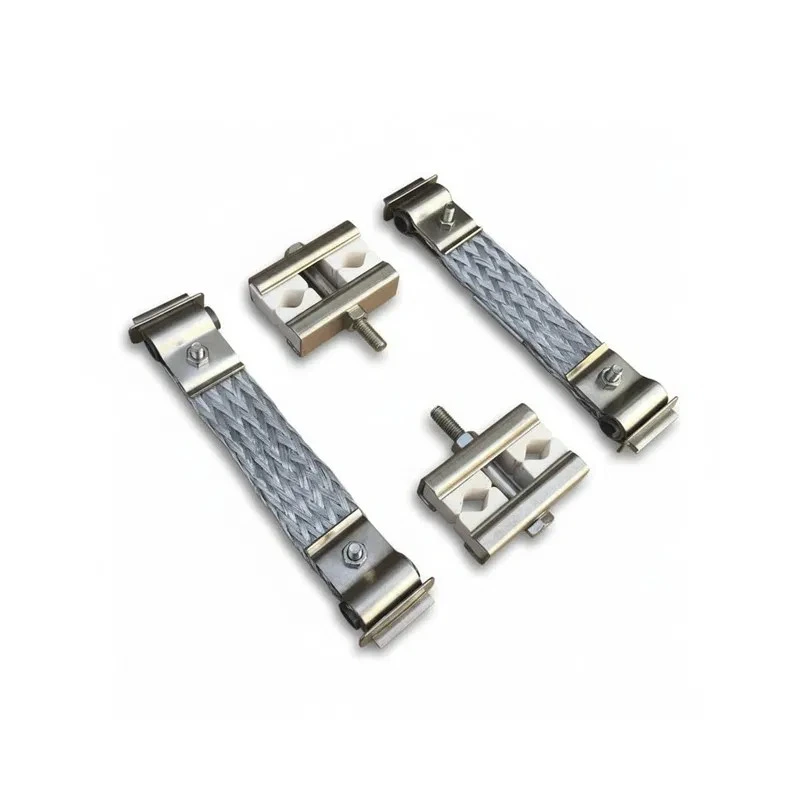
• Electrical Connection: Due to their low cold resistance, MoSi2 heating elements require low-voltage, high-current transformers. Ensure the transformer is as close as possible to the heating element to minimize energy losses.
• Lifespan and Maintenance: MoSi2 heating elements have a long lifespan in continuous use. However, avoid rapid cooling below 1000°C, as this can cause cracking or detachment of the protective SiO2 layer, significantly reducing the element's lifespan.
• Adequate Spacing: Maintain a distance between elements no less than 3 times the terminal diameter and a distance to the furnace wall no less than 2 times the element diameter to ensure uniform heat distribution and prevent interference.
• Furnace Drying: Before using a new furnace or one that has been inactive, perform drying at 100-200°C. This is crucial for furnace preparation and optimization of heater performance.
FAQ
What are Molybdenum Disilicide (MoSi2) Heating Elements and what are they used for?
Molybdenum disilicide (MoSi2) heating elements are advanced heating elements, recognized for their exceptional performance in high-temperature furnaces. They are mainly composed of molybdenum disilicide, a ceramic-metallic material that combines the oxidation resistance of ceramics with the electrical conductivity of metals.