Resistive Wire For Heating Element – Heatecx Limited

Heatecx Limited

Resistive Wire For Heating Element

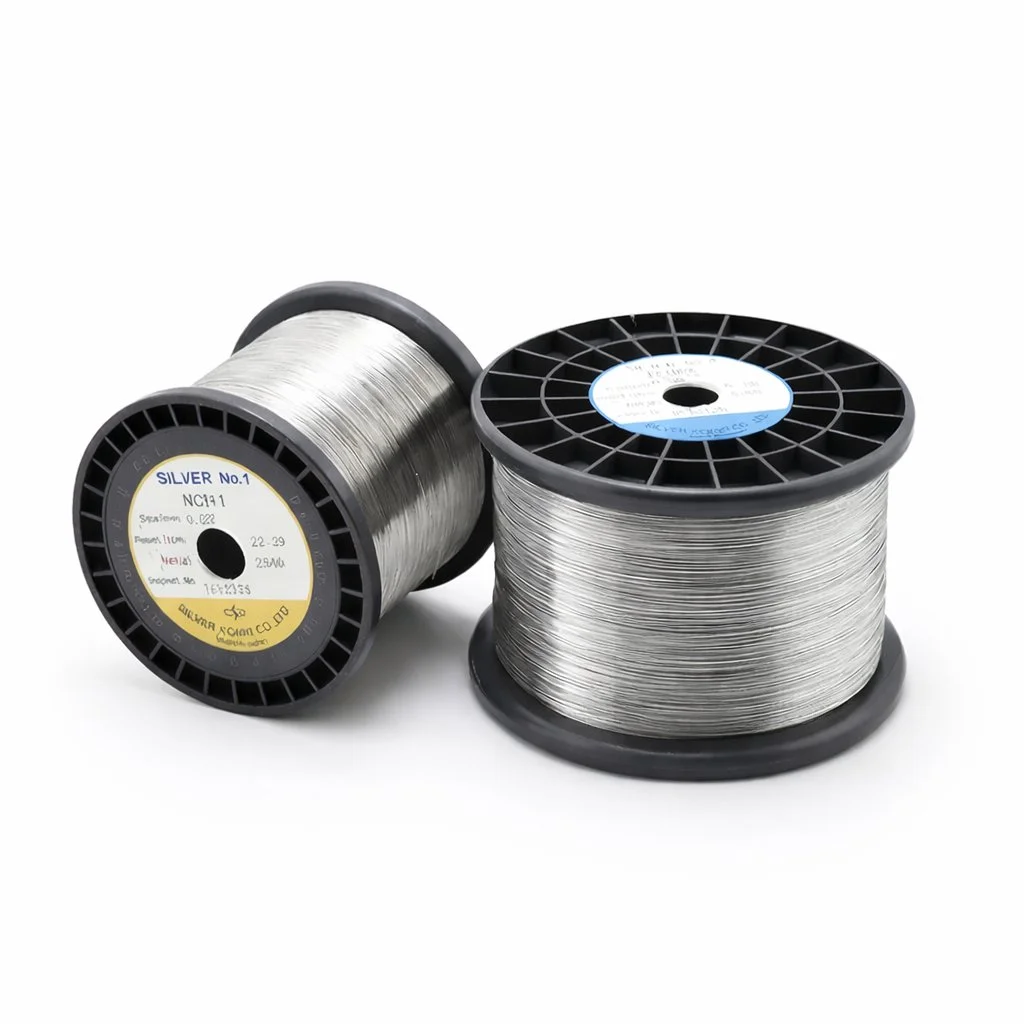
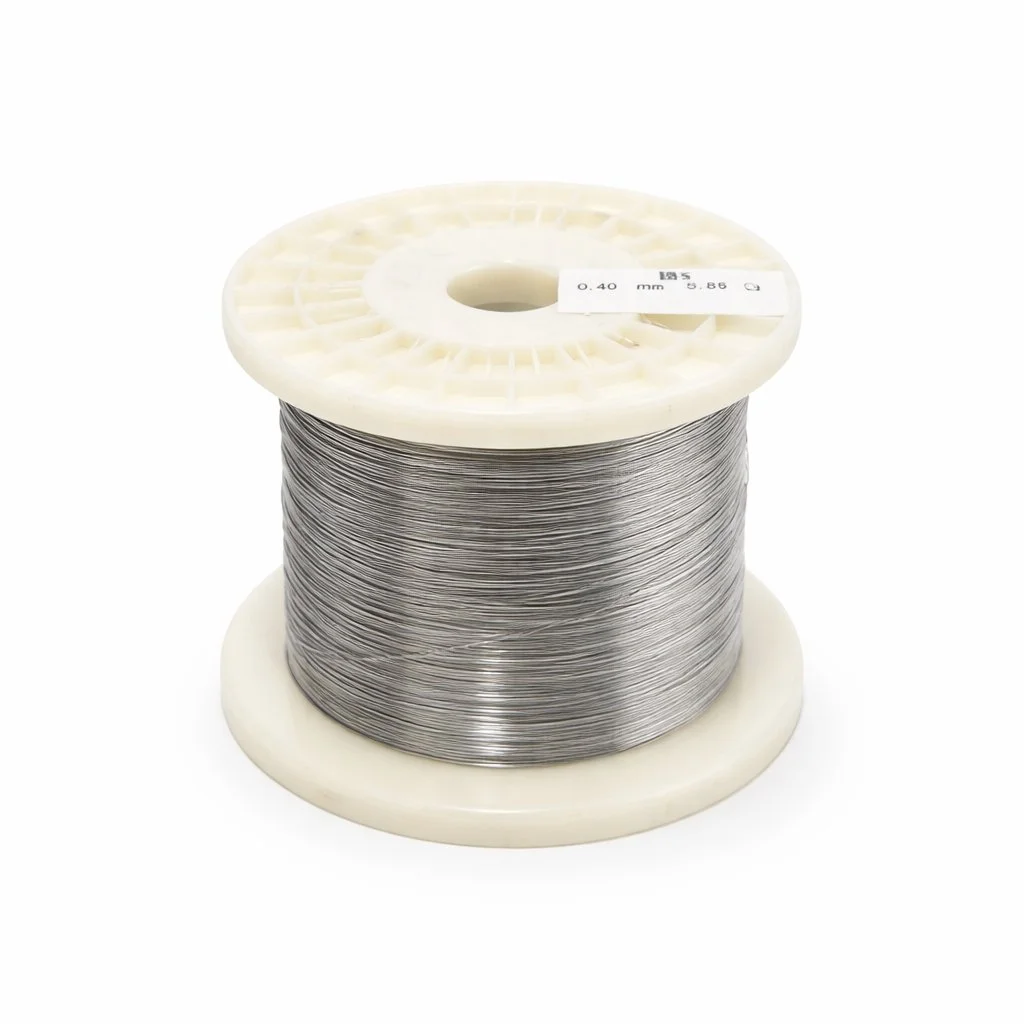
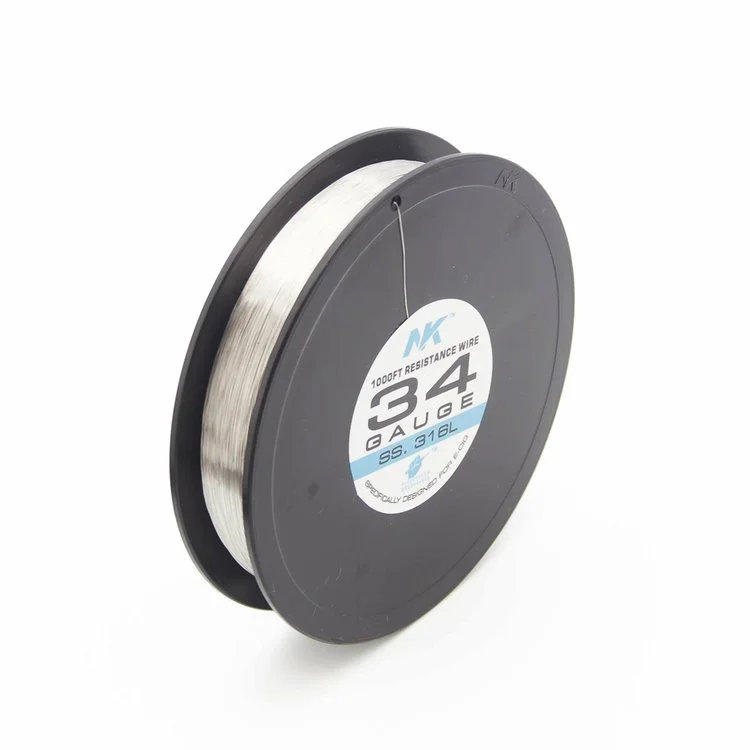
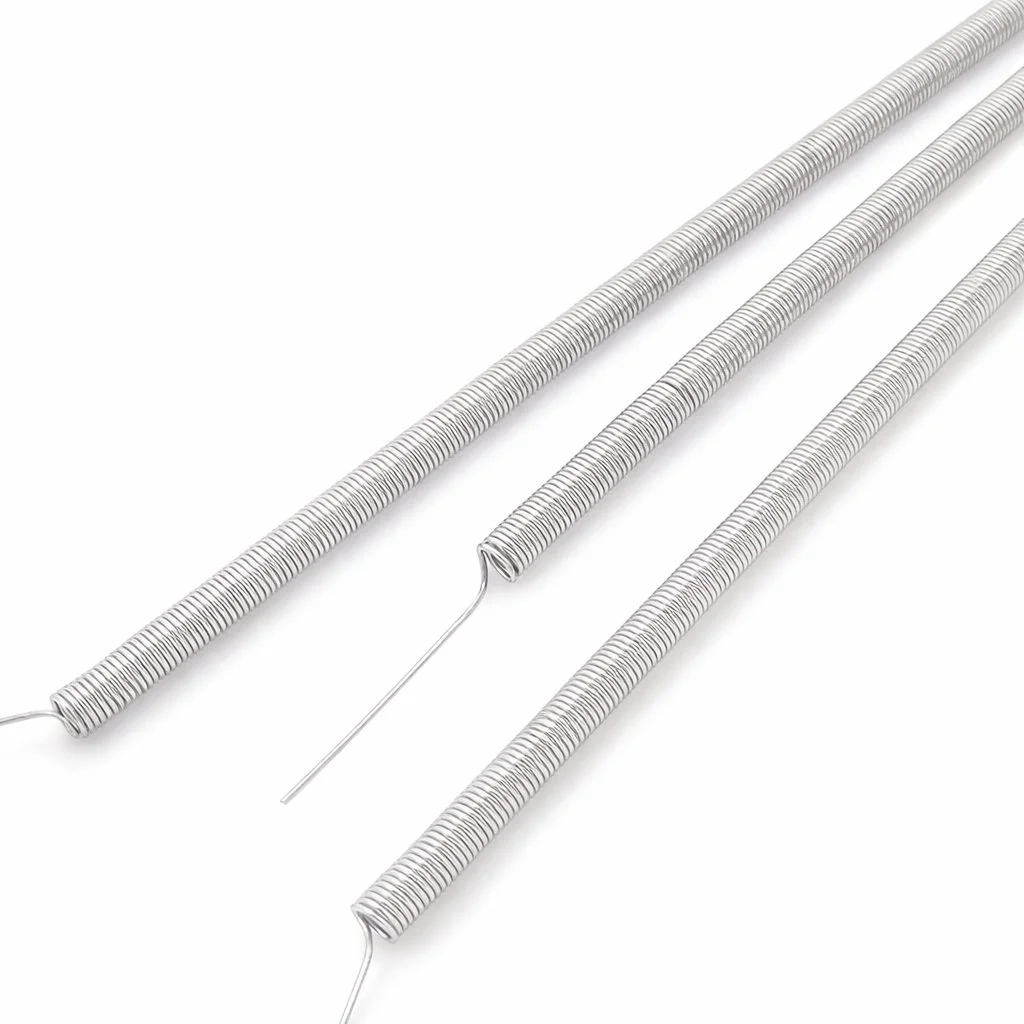
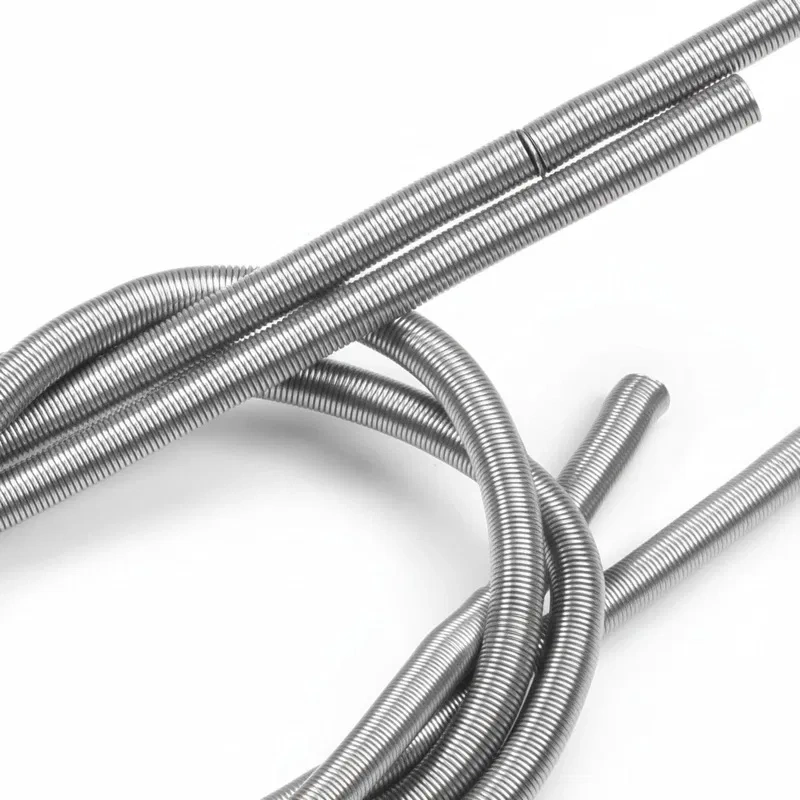
Resistive wires are the fundamental component of any electrical resistor or heating element. Their primary function is to convert electrical energy into heat efficiently and controllably. These wires are manufactured from specialized metallic alloys that possess high resistivity and exceptional oxidation resistance at high temperatures.

Resistive wires are the fundamental component of any electrical resistor or heating element. Their primary function is to convert electrical energy into heat efficiently and controllably. These wires are manufactured from specialized metallic alloys that possess high resistivity and exceptional oxidation resistance at high temperatures.

The two most important alloy families in the heating industry are:

• Nickel-Chromium (Ni-Cr): Commercially known as Nichrome or Nikrothal, these alloys are typically austenitic. The most common composition is Ni-Cr 80/20 (80% Nickel, 20% Chromium). They are distinguished by their excellent ductility, high mechanical strength, and the ability to maintain their shape and properties after repeated heating and cooling cycles. They are the standard choice for most household appliances and heating applications up to 1200 °C.

• Iron-Chromium-Aluminum (Fe-Cr-Al): Commercially known as Kanthal, these alloys are ferritic. The addition of aluminum forms a protective layer of aluminum oxide (Al₂O₃) that provides superior oxidation resistance, allowing for higher operating temperatures, up to 1400 °C. They possess higher resistivity than Ni-Cr, which allows less material to be used to achieve the same resistance.

Both types of wires are essential for manufacturing durable and efficient heating elements.

 

The selection between Ni-Cr and Fe-Cr-Al depends directly on the maximum operating temperature, the chemical environment, and the service life requirements of the heating element.

Application

Recommended Alloy

Key Reason

High-Temperature Industrial Furnaces

Fe-Cr-Al (Kanthal A1)

Higher service temperature (up to 1400 °C) and longer service life.

Household Appliances (Toasters, Dryers, Heaters)

Ni-Cr (Nichrome 80/20)

Excellent ductility, easy coiling, and resistance to on/off cycles.

Sheathed Tubular Heaters

Ni-Cr (Nichrome 80/20)

Good mechanical strength and stability in magnesium oxide filling.

Cutting Resistors (Bag Sealing)

Ni-Cr (Nichrome 80/20)

High mechanical strength and flexibility.

Ceramic and Glass Furnaces

Fe-Cr-Al (Kanthal APM)

Superior resistance to corrosive atmospheres and extreme temperatures.

Braking Resistors

Ni-Cr (Nichrome 80/20)

Ability to handle power peaks and vibration resistance.

The choice of the correct alloy is crucial for the performance and longevity of the electric heater.

Feature

Nickel-Chromium (Ni-Cr)

Iron-Chromium-Aluminum (Fe-Cr-Al)

Maximum Service Temperature

Up to 1200 °C

Up to 1400 °C

Resistivity

Medium (Lower than Fe-Cr-Al)

High (Higher than Ni-Cr)

Service Life

Excellent in on/off cycles

Superior at very high temperatures and oxidizing atmospheres

Ductility and Handling

Very good (maintains shape)

Becomes brittle after the first heating

Corrosion Resistance

Very good

Superior due to the Al₂O₃ layer

Cost

Generally higher (due to Nickel)

Generally lower (due to Iron)

Common Advantages: Both wires offer exceptional creep resistance at high temperatures, a low temperature coefficient of resistance (TCR), and excellent oxidation resistance, ensuring stable power output over time.

Physical Properties of Alloys

Alloy

Type

Typical Composition

Max. Temp. (°C)

Resistivity at 20°C (µΩ·m)

Cr20Ni80

Ni-Cr

80% Ni, 20% Cr

1200

1.09

Cr30Ni70

Ni-Cr

70% Ni, 30% Cr

1250

1.18

Cr15Ni60

Ni-Cr

60% Ni, 15% Cr, Bal. Fe

1150

1.12

Cr20Ni35

Ni-Cr

35% Ni, 20% Cr, Bal. Fe

1100

1.04

Cr20Ni30

Ni-Cr

30% Ni, 20% Cr, Bal. Fe

1100

1.00

0Cr27Al7

Fe-Cr-Al

27% Cr, 7% Al, Bal. Fe

1400

1.53

0Cr21Al6Nb

Fe-Cr-Al

21% Cr, 6% Al, Nb, Bal. Fe

1350

1.45

0Cr25Al5

Fe-Cr-Al

25% Cr, 5% Al, Bal. Fe

1250

1.42

0Cr23Al5

Fe-Cr-Al

23% Cr, 5% Al, Bal. Fe

1250

1.35

0Cr21Al6

Fe-Cr-Al

21% Cr, 6% Al, Bal. Fe

1250

1.45

0Cr21Al4

Fe-Cr-Al

21% Cr, 4% Al, Bal. Fe

1100

1.28

1Cr13Al4

Fe-Cr-Al

13% Cr, 4% Al, Bal. Fe

950

1.25

Resistance per Meter by Gauge (AWG and mm)

The following table provides the resistance in Ohms per meter for the most common gauges, allowing our customers to calculate the length of resistive wire needed for a specific power.

AWG

Diameter (mm)

Cr20Ni80

Cr30Ni70

Cr15Ni60

Cr20Ni35

Cr20Ni30

1Cr13Al4

0Cr25Al5

0Cr21Al6

0Cr23Al5

0Cr21Al4

0Cr21Al6Nb

0Cr27Al7

10

2.588

0.21

0.22

0.21

0.20

0.19

0.24

0.27

0.28

0.26

0.24

0.28

0.29

12

2.053

0.33

0.36

0.34

0.31

0.30

0.38

0.43

0.44

0.41

0.39

0.44

0.46

14

1.628

0.52

0.57

0.54

0.50

0.48

0.60

0.68

0.70

0.65

0.61

0.70

0.74

16

1.291

0.83

0.90

0.86

0.79

0.76

0.95

1.08

1.11

1.03

0.98

1.11

1.17

18

1.024

1.32

1.43

1.36

1.26

1.21

1.52

1.72

1.76

1.64

1.55

1.76

1.86

20

0.812

2.10

2.28

2.16

2.01

1.93

2.41

2.74

2.80

2.61

2.47

2.80

2.95

22

0.644

3.35

3.62

3.44

3.19

3.07

3.84

4.36

4.45

4.14

3.93

4.45

4.70

24

0.511

5.31

5.75

5.46

5.07

4.88

6.10

6.92

7.07

6.58

6.24

7.07

7.46

26

0.405

8.46

9.16

8.69

8.07

7.76

9.70

11.02

11.26

10.48

9.94

11.26

11.88

28

0.321

13.47

14.58

13.84

12.85

12.36

15.45

17.55

17.92

16.68

15.82

17.92

18.91

30

0.255

21.34

23.11

21.93

20.36

19.58

24.48

27.80

28.39

26.43

25.06

28.39

29.96

32

0.202

34.01

36.82

34.95

32.45

31.20

39.00

44.31

45.25

42.13

39.94

45.25

47.74

34

0.160

54.21

58.69

55.70

51.73

49.74

62.17

70.63

72.12

67.14

63.66

72.12

76.10

36

0.127

86.05

93.15

88.41

82.10

78.94

98.68

112.10

114.46

106.57

101.04

114.46

120.78


FAQ

This is the most frequent doubt when designing a resistor. The choice depends on the operating temperature and the process atmosphere.

Comparative Table: Kanthal (FeCrAl) vs. Nichrome (NiCr)

Feature

Kanthal (FeCrAl Alloy)

Nichrome (NiCr 80/20 Alloy)

Maximum Temperature

Up to 1400°C. Ideal for industrial furnaces.

Up to 1200°C. Ideal for household appliances.

Service Life

Superior at high temperatures (forms alumina layer).

Excellent, but oxidizes faster above 1100°C.

Resistivity

Higher. Requires less material for the same power.

Lower. Requires longer or thinner wires.

Mechanical Strength

Tends to become brittle after first use.

Maintains its ductility (easier to repair/handle).

Density

Lighter (yields more meters per kilo).

Heavier.

Recommended Use

Ceramics, heat treatment, casting.

Sealers, stoves, dryers, foam cutting.

Conclusion: If you are looking for extreme temperature, choose Kanthal. If you are looking for ease of installation and durability in moderate heat applications, Nichrome is the best option.

Customers also viewed