Silicon Carbide (SiC) Heating Elements
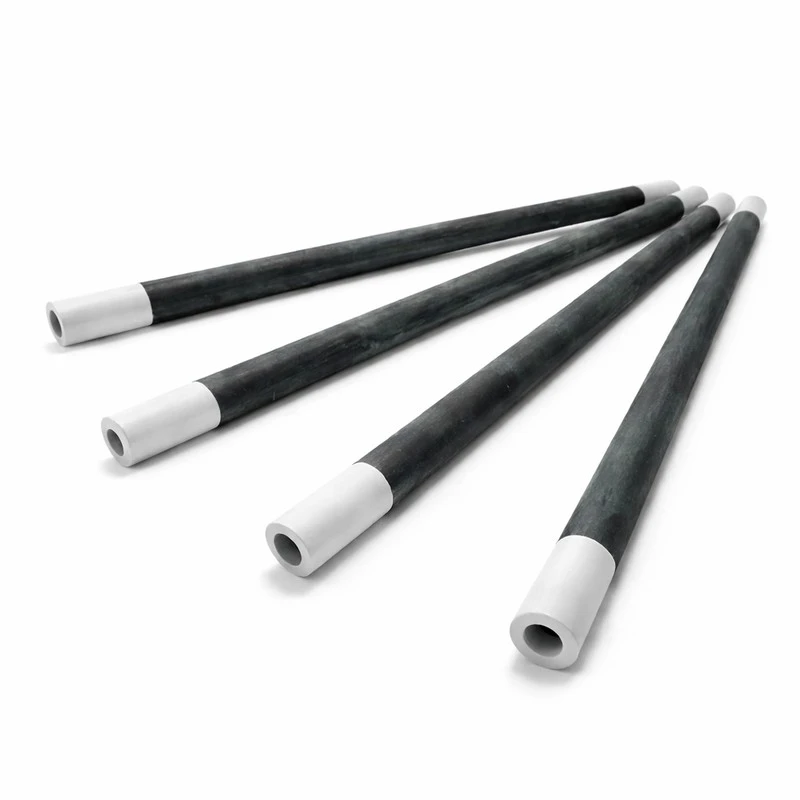
Silicon Carbide (SiC) heating elements are advanced heating components, essential for industrial applications demanding high temperatures and exceptional performance. Manufactured from high-purity silicon carbide, these heaters are distinguished by their robustness and efficiency, making them the preferred choice for industrial electric furnaces and high-temperature heating systems.
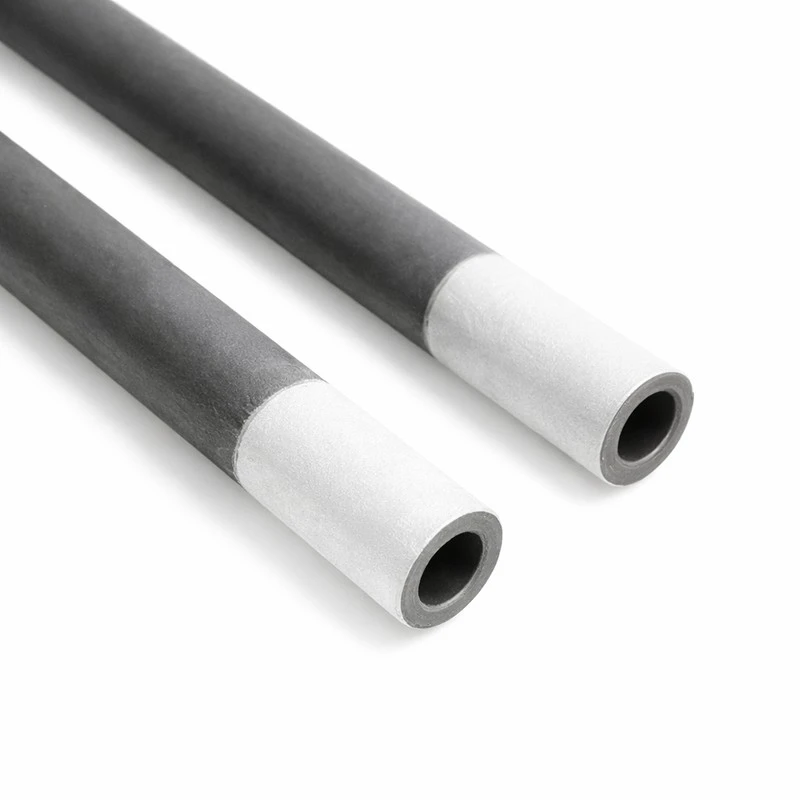
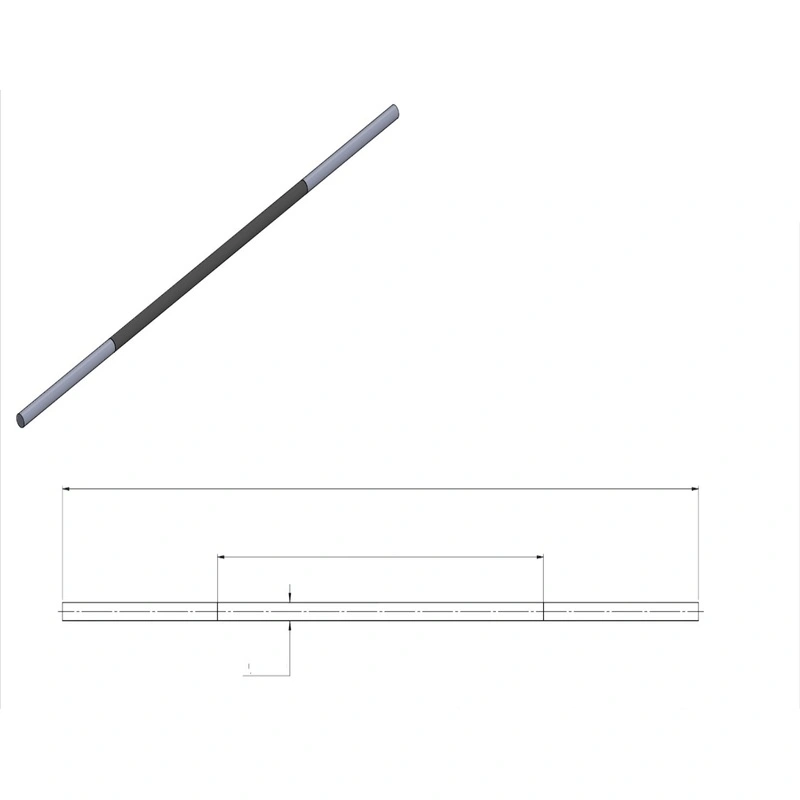
Our Silicon Carbide (SiC) heating elements are high-performance heating components produced from maximum purity green silicon carbide. The manufacturing process involves cemented extrusion molding followed by recrystallization sintering at elevated temperatures, which imparts unique properties to the material. These industrial heaters are inherently brittle but extremely hard, offering superior thermal shock resistance and a low expansion coefficient. Their chemical stability is remarkable, even in aggressive environments, ensuring a long service life and minimal deformation at high temperatures. They are ideal as heating elements for electric furnaces of various configurations, providing a reliable and efficient heat source for critical processes. The composition and manufacturing method ensure that these SiC heaters maintain their structural and functional integrity under extreme conditions, positioning them as an optimal solution for precision industrial heating.
Silicon Carbide heating elements are versatile and high-performance components, widely used in a diverse range of high-temperature industrial applications. Their ability to operate under extreme conditions makes them indispensable in sectors such as the ceramic industry, where they are employed in firing kilns for the manufacture of porcelain, tiles, and refractories. In metallurgy, they are crucial for heat treatment furnaces, melting, and sintering of metals, ensuring precise and uniform processes. They also find significant use in research laboratories and pilot plants that require precision heating for experiments and material development. Other fields include glass manufacturing, semiconductor production, and the chemical industry, where corrosion resistance and high-temperature stability are critical. These industrial furnace heaters are the perfect solution for any process that demands efficient and controlled heating at elevated temperatures.
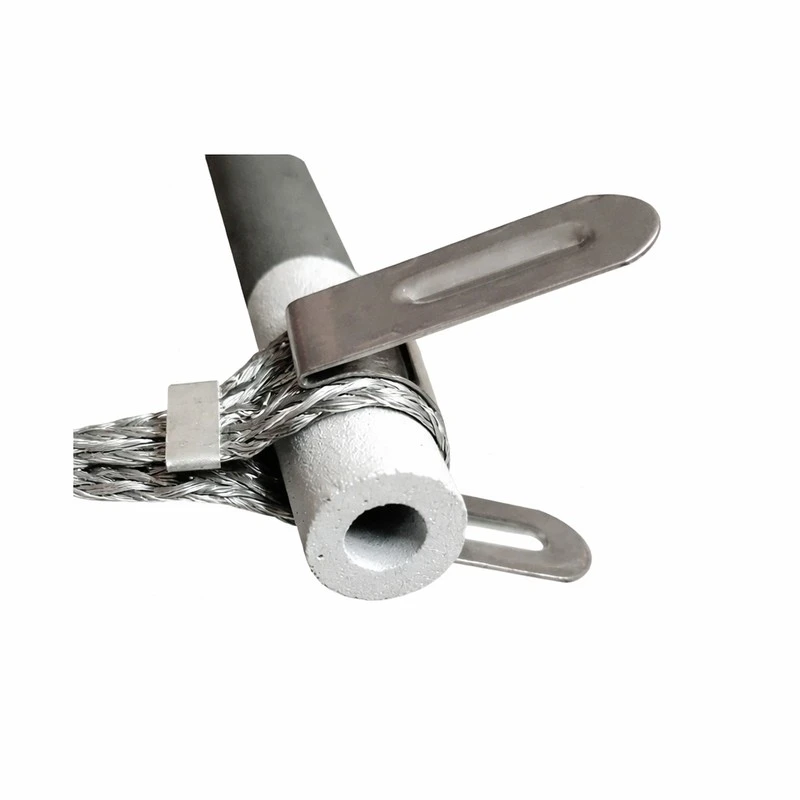
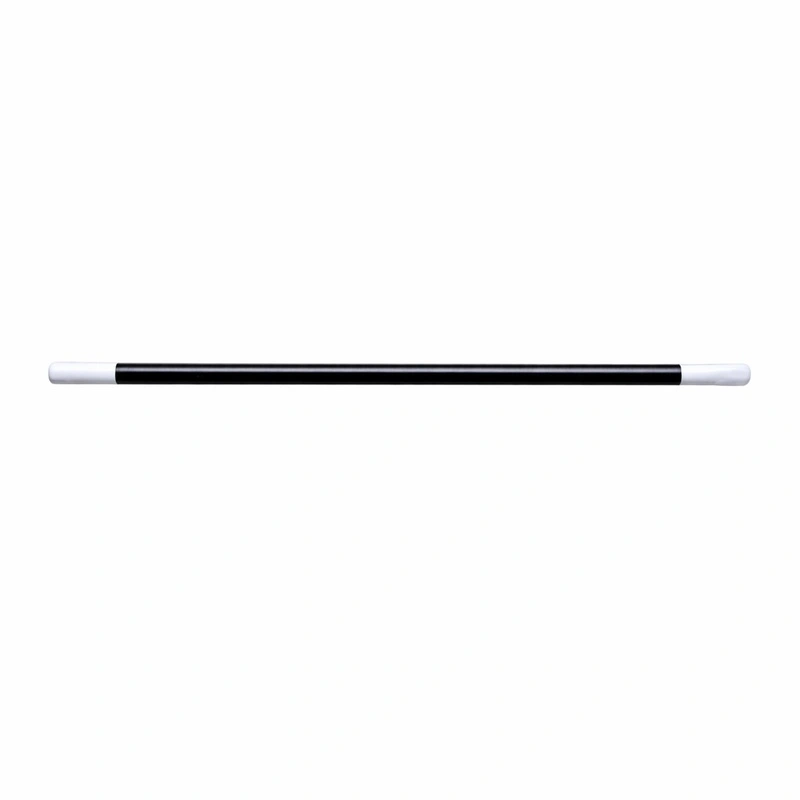
Installing Silicon Carbide heating elements requires careful handling due to their brittle nature. Before installing industrial heaters, it is essential to verify the resistance of each element to ensure proper functioning. During assembly, the hot zone of the SiC heating element should not extend into the furnace wall, and the cold zone must remain outside the firing zone to prevent damage. It is crucial to leave adequate space around the heaters to allow for unrestricted thermal expansion and contraction, thus avoiding mechanical stress. Connections should be made using clips, tightening gently to ensure good electrical contact without damaging the element. Poor contact can generate hot spots and premature failures. If a heating element breaks, it is recommended to replace it with one of similar resistance. For older industrial furnaces or those with multiple heating elements, it may be beneficial to replace all elements or group them by similar resistance values to optimize performance. For the first use of a new furnace or one that has been inactive, a proper drying process is essential to remove moisture before applying full load, which will extend the lifespan of the SiC heating elements.
Silicon Carbide (SiC) heating elements exhibit a set of physical and chemical properties that make them suitable for high-temperature environments. Below are the key technical specifications:
|
Physical Property |
Value |
Unit |
|
Density |
3.0 |
g/cm³ |
|
Mohs Hardness |
9.5 |
|
|
Specific Heat |
0.17 |
Kcal/Kg °C |
|
Thermal Conductivity |
20 |
Kcal/m · h °C |
|
Linear Expansion Coefficient |
5 x 10⁻⁶ |
m/°C |
Regarding their chemical properties, SiC heating elements possess excellent chemical stability and corrosion resistance. However, at temperatures above 1000°C, they can react with oxygen and water vapor, forming silicon dioxide (SiO₂), which can lead to a gradual increase in electrical resistance and aging of the heating element. The presence of hydrogen (H₂) can reduce mechanical strength at 1200°C, while nitrogen (N₂) prevents oxidation below 1200°C but reacts at over 1350°C. Chlorine (Cl₂) can completely decompose SiC. The electrical behavior of these heaters is particular: their resistivity changes with temperature, decreasing from ambient temperature to 900°C and increasing from 900°C to 1400°C. For precise measurements, a constant temperature of 1000°C ± 50°C is recommended.

We understand that each industrial application may have unique requirements. Therefore, we offer a customization service for Silicon Carbide heating elements to adapt to our clients' specific needs. We can manufacture custom SiC heaters according to your detailed specifications or from a provided blueprint. This includes variations in dimensions, shapes, connections, and electrical properties to ensure perfect integration with your industrial heating system. Our technical team is available to advise you on the design and selection of the most suitable Silicon Carbide heating element for your high-temperature furnace or particular application, guaranteeing optimal performance and superior energy efficiency. Contact us to discuss your custom heater requirements and get a tailored solution for your SiC heating elements.
FAQ
How many working hours do our SiC heating elements withstand?
The lifespan of Silicon Carbide (SiC) heating elements is crucial for the efficiency of industrial furnaces. While there isn't a fixed number of hours, our SiC heaters offer a long service life in high-temperature environments.
The durability of these electric furnace heaters depends on:
1 Operating Temperature: Operation within the optimal range and thermal stability.
2 Furnace Atmosphere: Control of oxygen, water vapor, and gases like nitrogen to prevent aging.
3 Heating and Cooling Cycles: SiC's thermal shock resistance allows for cycles, but abrupt changes should be moderated.
4 Correct Handling and Installation: Avoiding damage from impacts or mechanical stress during industrial heater installation.
5 Preventive Maintenance: Timely inspection and replacement to extend the lifespan of SiC heating elements.
Our Silicon Carbide heating elements guarantee exceptional durability. By following these guidelines, reliable performance is ensured for your SiC heating elements in industrial heating. Consult our experts for precise estimates.