The Definitive Guide: Materials and Process Engineering in the Manufacturing of Tubular Electric Heaters
Intellectual Property and Copyright (Heatecx Limited)
This document, “The Definitive Guide: Materials and Process Engineering in the Manufacturing of Tubular Electric Heaters,” is the exclusive intellectual property of Heatecx Limited. Its copying, reproduction, distribution, or multiplication, in whole or in part, is strictly prohibited without the express written consent of Heatecx Limited. All rights reserved.
Tubular electric heaters are precision-engineered components that act as the heart of countless heating systems in industry and commerce. Their seemingly simple design is the result of a complex interplay between advanced metallurgy, thermodynamics, and electrical engineering. The reliability and lifespan of these elements depend directly on the quality of their raw materials and the precision of their manufacturing process.
This document is presented as a comprehensive and highly technical guide, optimized with key industry terminology, to break down the production process of these essential elements.
1. Design Principles and Watt Density
The design of a tubular heater begins with determining the Watt Density, a critical parameter that defines the power dissipated per unit area of the sheath (W/cm²).
An appropriate watt density is vital to prevent overheating and premature failure of the element. The selection of the sheath and the internal design of the resistive spiral coil are intrinsically linked to this value, which varies drastically depending on the medium to be heated (air, water, oil, metals).
2. The Strategic Selection of Critical Materials
The heater’s performance is based on the rigorous selection of three materials that must coexist under extreme conditions of temperature and electrical potential.
2.1. The Resistive Element: Nickel-Chromium Alloys
The heat-generating core or resistive wire (also known as heating wire) is a Nickel-Chromium (Nichrome) alloy, typically the 80/20 alloy (80% Ni, 20% Cr). This alloy is selected for its:
•High Electrical Resistivity: Allows the required power to be generated in a small volume.
•High-Temperature Stability: Maintains its mechanical and electrical properties even at elevated operating temperatures.
•Formation of a Protective Oxide Layer: The chromium forms a chromium oxide layer that protects the nickel from continuous oxidation, prolonging the element’s life.
2.2. The Dielectric Insulation: Magnesium Oxide (MgO)
Magnesium Oxide (MgO) is the most critical and sophisticated material. It must meet two seemingly contradictory thermophysical requirements: be an excellent electrical insulator and an excellent thermal conductor.
| MgO Property | Relevance in Tubular Heaters | Quality Standards |
| Dielectric Strength | Ability to withstand voltage without breakdown. Directly related to purity and absence of moisture. | Heater-grade MgO must meet ASTM E1652-15 Type 2 specification (minimum 97% purity). |
| Thermal Conductivity | Facilitates heat transfer from the Nichrome to the sheath. Increases dramatically with compaction. | Bulk density (tap density) is verified using ASTM D3347 to ensure powder quality before filling. |
| Hygroscopicity | MgO absorbs ambient moisture, which reduces its insulation resistance. | Requires rigorous drying before filling and a subsequent hermetic seal. |
2.3. The Outer Sheath: Superalloys for Extreme Environments
The sheath must be chemically inert and mechanically robust in the working environment. The choice is based on the maximum sheath temperature and the aggressiveness of the medium:
| Sheath Material | Typical Application | Key Advantage |
| Stainless Steel (AISI 304/316) | Heating water, light oils, air. | General corrosion resistance and low cost. |
| Incoloy 800/840 | High-temperature air heating, carburizing atmospheres. | Superior resistance to oxidation and stress corrosion cracking (SCC) at elevated temperatures. |
| Inconel 600/625 | Highly corrosive chemical environments (acids, saline solutions). | Maximum resistance to pitting corrosion and excellent mechanical strength at extreme temperatures. |
| Copper | Heating potable water (low temperature). | Excellent thermal conductivity. |
3. The Manufacturing Process: Process Engineering
Manufacturing is a sequence of automated steps that ensure the uniformity and critical density of the MgO.
3.1. Component Preparation and Initial Assembly
1.Tube Cutting and Deburring: Tubes are cut with precision, and the edges are beveled to facilitate component insertion and remove any burrs that could damage the insulation.
2.Precision Winding: The Nichrome wire is wound into a helical spiral with a calculated pitch to ensure a uniform distribution of the watt density along the sheath.
3.Terminal Pin Joining: The pins (nickel or steel conductors) are welded to the resistive element. This spot weld must have low contact resistance to avoid unwanted heat generation at the terminals.
3.2. The Critical Stage: Filling and Compaction (Swaging)
The success of the heater depends on the density of the MgO.
•Vibratory Filling: The sheath and spiral assembly is filled with pre-dried MgO powder. A high-frequency vibratory filling machine is used to ensure the powder flows and settles uniformly, eliminating air pockets around the spiral.
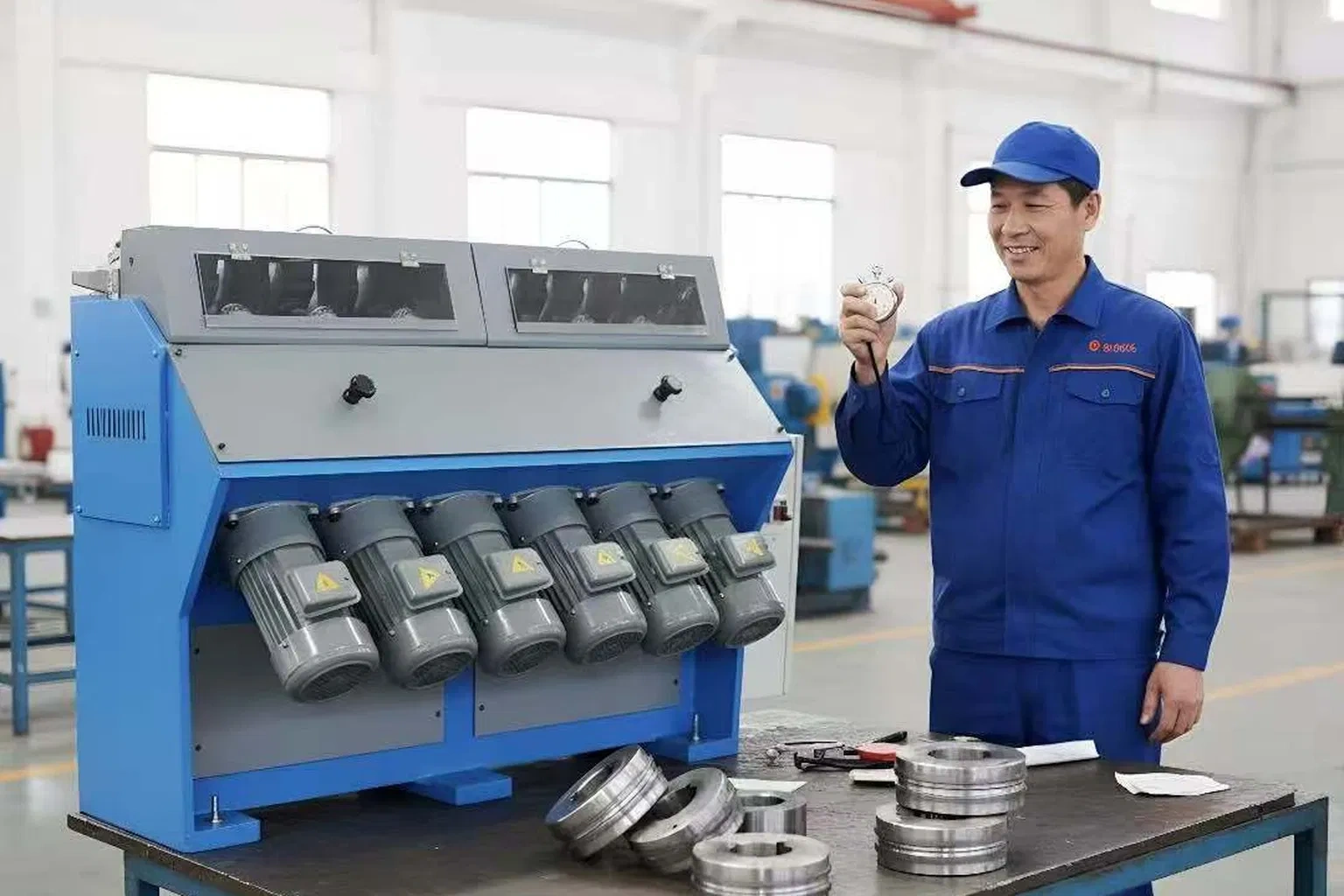
•Compaction (Swaging or Rolling): The filled tube is passed through a reduction machine. This process reduces the outer diameter of the sheath, compressing the internal MgO. The goal is to achieve a density of 2.4 to 2.6 g/cm³.
“Compaction not only increases the dielectric strength of the MgO but also drastically reduces the thermal resistance of the insulation. This improves heat transfer and ensures that the temperature of the resistive element remains within safe limits, prolonging its lifespan.”
3.3. Thermal Treatments and Forming
1.Annealing: Compaction hardens the sheath metal. Annealing is a heat treatment that restores the metal’s ductility, allowing for subsequent bending without the risk of fracture or creating microcracks in the sheath.
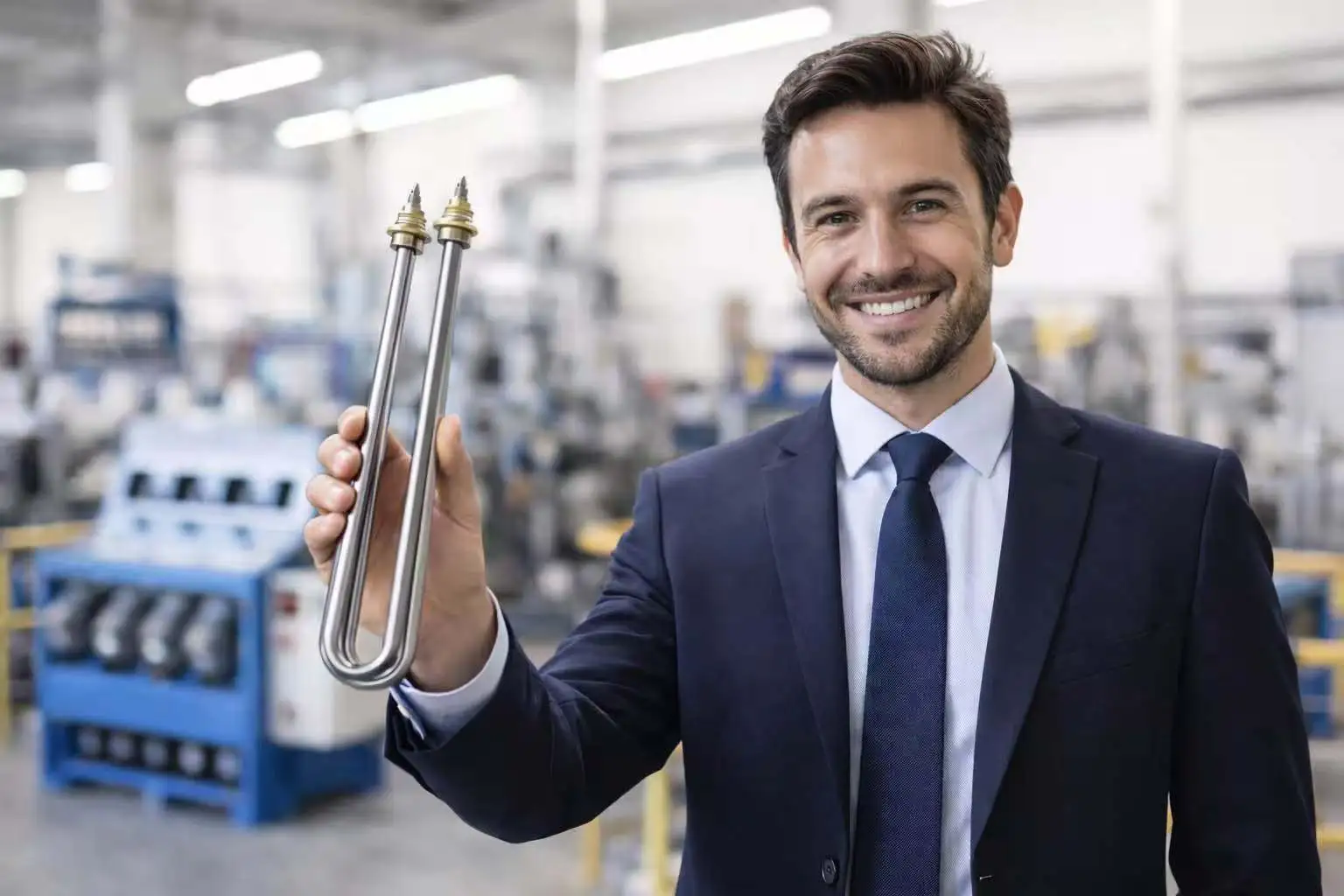
2.CNC Bending: Computer Numerical Control (CNC) machines are used to bend the heater into the final geometric shape required by the application (spirals, “U” shapes, etc.). The bending engineering must respect the minimum bend radius to avoid sheath collapse.
3.4. Sealing and Surface Finishing
Sealing is a crucial step to combat the hygroscopicity of MgO. The ends of the heater are sealed with materials such as silicone, epoxy, or ceramic plugs to create a hermetic barrier against ambient moisture.
In specific applications, surface finishes such as passivation (for stainless steels) or special coatings (e.g., PTFE or Teflon) can be applied to increase resistance to chemical corrosion.
4. Quality Control and Regulatory Compliance
Each heater must undergo rigorous testing to ensure its compliance with safety and performance standards, including NEMA (National Electrical Manufacturers Association) and ASTM (American Society for Testing and Materials) regulations.
| Quality Test | Purpose and Industrial Terminology | Reference Standard |
| Dielectric Test (Hi-Pot) | Measures the dielectric strength of the insulation. A test voltage (typically 2x Nominal Voltage + 1000V) is applied between the element and the sheath. | UL 499 (Standard for Electric Heaters) |
| Insulation Resistance | Measures the electrical resistance of the MgO (typically at 500 VDC with a megohmmeter). A low value indicates possible moisture contamination. | NEMA HE 1 (General Requirements for Electric Heaters) |
| Wattage Test | Verifies that the actual power is within the design tolerance (usually ±5% of the nominal value). | ASTM E1652 (Specification for MgO) |
| Leakage Test | Measures the leakage current to ground under operating conditions. | IEC 60335 (Safety of Household and Similar Electrical Appliances) |
5. Industrial Applications and Optimization
The versatility of tubular heaters is manifested in their ability to be optimized for various applications:
•Fluid Heating (Immersion): Stainless steel or Incoloy sheaths are used. The watt density must be low for heat-sensitive fluids (oils, sugary solutions) and higher for water.
•Air Heating (Convection): Finned tubular heaters are often used to dramatically increase the heat transfer surface area, optimizing efficiency in industrial ovens and dryers.
•Solid Heating (Conduction): Used in platens, molds, and dies, where the heater is inserted into holes to transfer heat by direct contact.
The manufacturing of tubular electric heaters is a field where precision on the micro-scale (the density of the MgO) directly impacts macroscopic performance (the efficiency and durability of the heating system). It is the rigorous application of materials science and process engineering that allows these components to operate safely and efficiently in the most demanding conditions of modern industry.
Technical Disclaimer
The technical information and manufacturing processes described in this guide represent the generally accepted engineering standards and principles in the tubular electric heater industry. However, Heatecx Limited warns that the manufacturing method, material selection, and quality control parameters may vary significantly depending on the specific heater design, the final application (immersion, air, conduction), customer specifications, and applicable regional regulations. This guide is for informational purposes only and should not be considered a manufacturing manual or a binding technical specification for any particular product. Users should always consult the detailed specifications of each product and the recommendations of a qualified engineer for any specific application.