Optimization of Maintenance: Technical Guide on Roller Change in Tubular Heater Rolling Machines
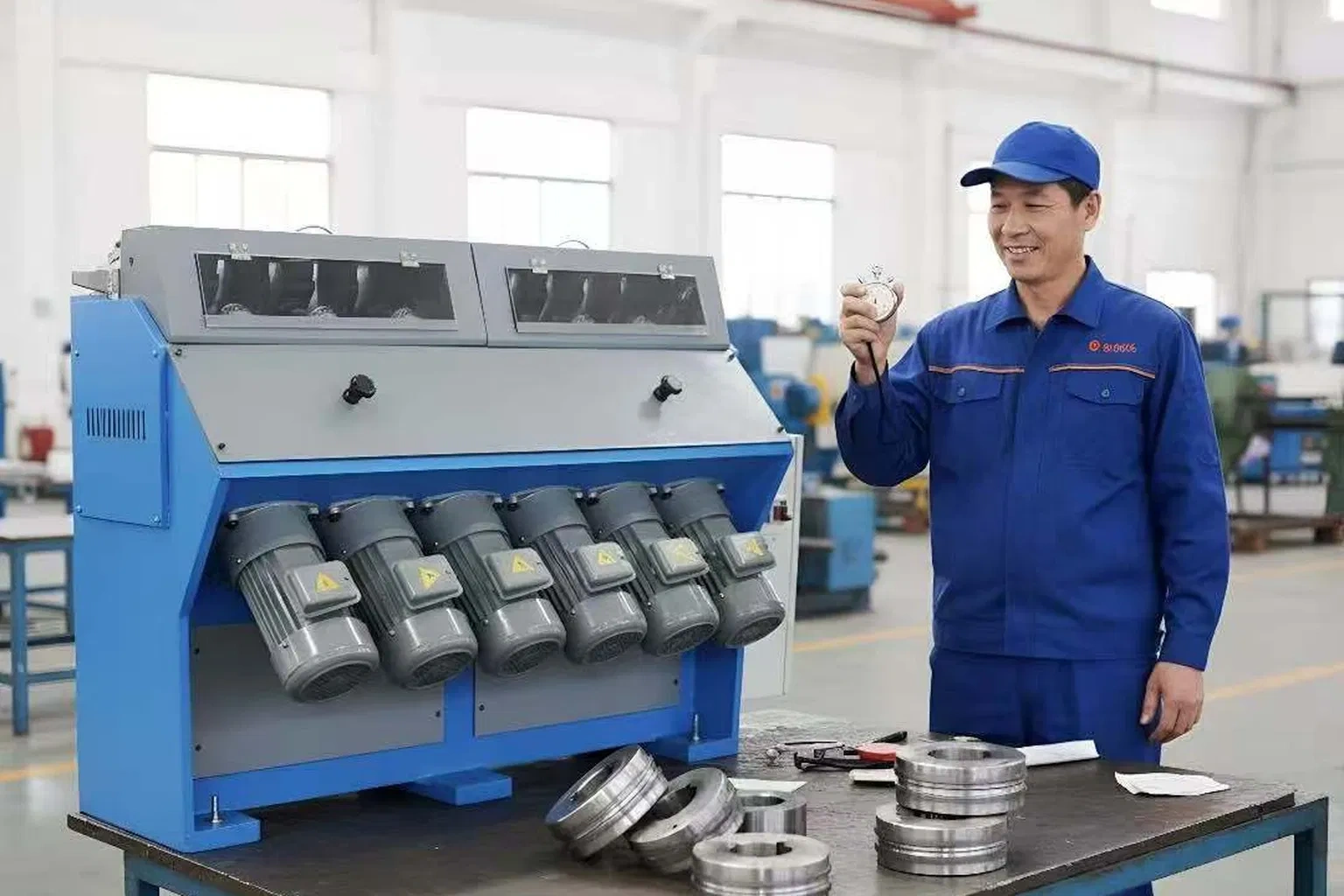
In the manufacturing of tubular electric heaters, the rolling or reducing machine (also known as a rolling mill or swaging machine) is the critical equipment that ensures the compaction of Magnesium Oxide (MgO) and the precision of the final diameter. However, the efficiency of this machine depends on rigorous maintenance, with roller or mold change being one of the most decisive operations for production continuity and product quality.
This technical article, developed for Heatecx Limited, details the operating procedure, estimated times, and factors influencing the optimization of this process.
Intellectual Property and Copyright (Heatecx Limited)
This document, “Optimization of Maintenance: Technical Guide on Roller Change in Tubular Heater Rolling Machines,” is the exclusive intellectual property of Heatecx Limited. Its copying, reproduction, distribution, or multiplication, in whole or in part, is strictly prohibited without the express written consent of Heatecx Limited. All rights reserved.
1. When is it Necessary to Change Rollers?
Roller changes occur not only due to wear but also due to changes in production scheduling. The main indicators for intervening in the machine are:
1.Specification Change: When it is required to produce a heater with a different final diameter.
2.Surface Wear: Appearance of marks, scratches, or loss of circular geometry in the roller profile, which affects the aesthetics and dimensional precision of the sheath.
3.Material Fatigue: After thousands of compression cycles, rollers may show microcracks that compromise operational safety.
2. Technical Procedure: Step by Step
Roller change is an operation that requires mechanical precision and strict adherence to industrial safety standards (LOTO – Lockout/Tagout).
2.1. Preparation and Disassembly
•Disconnection and Lockout: Turn off the machine and lock out energy sources.
•Removal of Guides: Disassemble the inlet and outlet guides that align the tube during the rolling process.
•Head Opening: In quick-change machines, the hydraulic or mechanical locking system is released to access the roller shaft.
2.2. Roller Replacement
•Extraction: Used rollers and spacers are removed. It is vital to clean the shafts and apply high-temperature lubricant to facilitate the assembly of new parts.
•Installation: New rollers are placed, ensuring that the profile orientation is correct for material flow.
•Roll Gap Adjustment: This is the most critical step. The distance between the rollers must be adjusted using precision gauges to ensure uniform diameter reduction.
2.3. Calibration and Testing
•Online Pre-adjustment: Manual or low-speed rotation is performed to check for mechanical interferences.
•Rolling Test: A test piece is processed to verify the final diameter and surface quality before starting series production.
3. Estimated Times: How Long Does the Process Take?
Downtime varies significantly depending on machine technology and the experience of technical personnel.
| Machine Type | Estimated Changeover Time | Complexity Level |
| Conventional Rolling Mill | 60 – 120 minutes | High (Requires manual adjustments and fine calibration). |
| Quick Change Machine | 10 – 20 minutes | Low (Cartridge systems or pre-adjusted modules). |
| Swaging Machine (Rotary) | 2 – 5 minutes | Minimal (Quick-insert dies/molds). |
Factors Affecting Duration:
•Previous Cleaning: Accumulation of MgO powder or old lubricant can double disassembly time.
•Tool Availability: The use of pneumatic tools and digital gauges reduces adjustment time by 30%.
•Shaft Condition: Worn or burred shafts make it difficult for rollers to slide, increasing the risk of damage during installation.
4. Recommendations for Optimization
To minimize the impact on productivity, Heatecx Limited recommends implementing the following strategies:
1.Pre-assembled Roller Kits: Maintain roller modules already mounted on their shafts for “plug-and-play” exchange.
2.Predictive Maintenance: Visually inspect rollers every 500 hours of operation to schedule changes before a quality failure occurs.
3.Specialized Training: A trained operator can reduce roll gap adjustment times by more than 50%.
Technical Disclaimer
The technical information and operating times described in this guide represent estimates based on general industrial standards. However, Heatecx Limited warns that the exact procedure and time required may vary significantly depending on the specific rolling machine model, the equipment’s maintenance status, the complexity of the roller geometry, and the skill of the technical personnel. This guide is for informational purposes only and does not replace manufacturer’s operating manuals or specific plant safety regulations. Heatecx Limited is not responsible for damages or accidents resulting from the incorrect application of these procedures.