
Alumina Ceramic Components
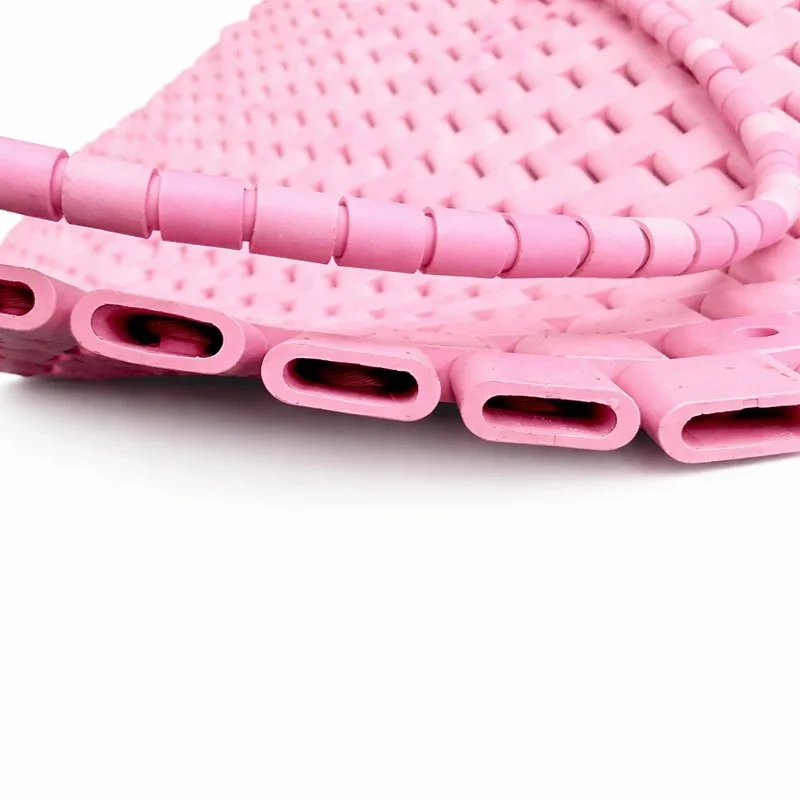
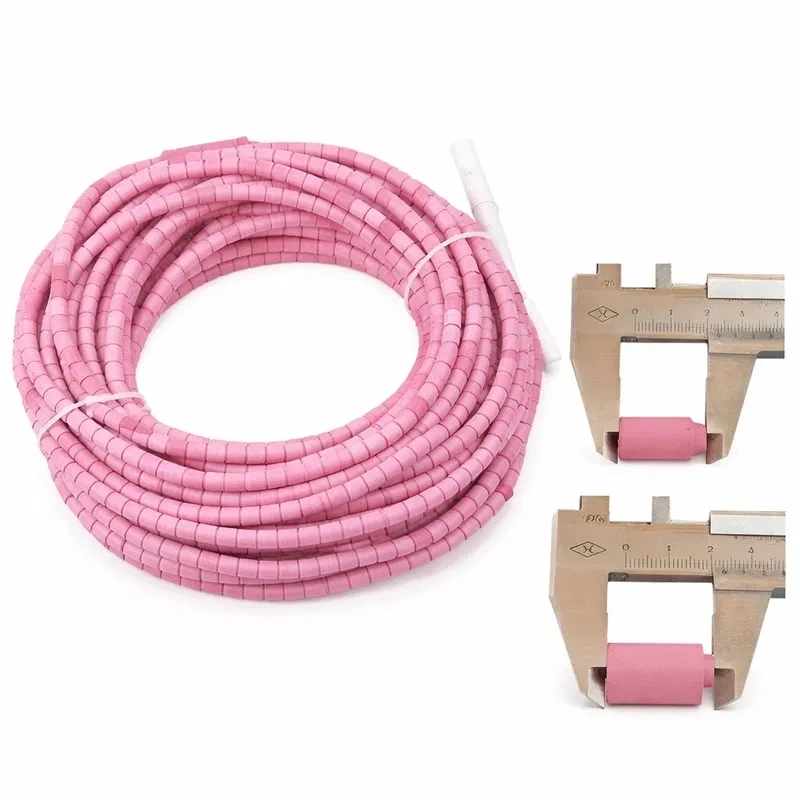
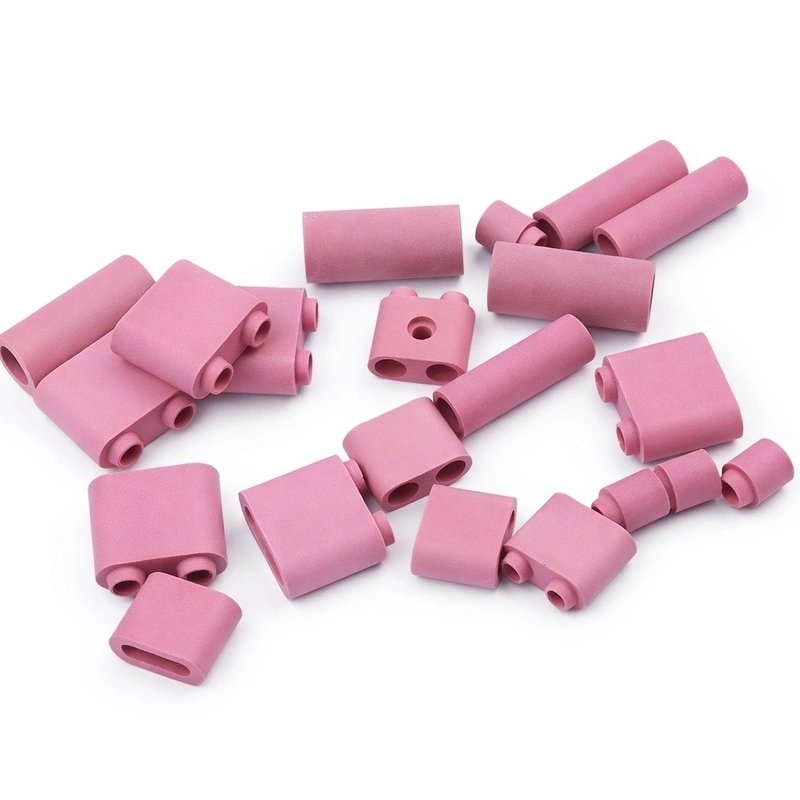
Alumina ceramic components represent the forefront of localized heat treatment technology. Fabricated from high-purity aluminum oxide (95% Al₂O₃), these parts undergo extreme sintering processes to ensure a dense molecular structure and unmatched mechanical strength. Their modular design—composed of interlocking beads or pearls—confers unprecedented geometric adaptability to the heater, allowing the heating system to bend, fold, and wrap with absolute precision around complex surfaces such as pipe elbows, industrial valves, and large-scale vessels. Acting as both a high-efficiency electrical insulator and a superior thermal conductor, these components ensure a constant and uniform heat flow from the Ni-Cr resistance wire to the base metal, eliminating cold spots and guaranteeing deep thermal penetration even in the densest metals.
Alumina ceramic components are advanced engineering parts made from high-purity aluminum oxide (typically 95%), designed specifically for constructing Flexible Ceramic Pad Heaters (FCP). These components serve as the insulating and thermally conductive body that houses the Ni-Cr resistance wire, enabling efficient and safe heat transfer to the working surface. Thanks to their modular "bead" or "pearl" design, these ceramics grant exceptional flexibility to the assembly, allowing the heater to adapt to complex geometries—from small-diameter pipes to large pressure vessels.
These high-alumina ceramics are the critical component for optimizing weld preheating and Post-Weld Heat Treatment (PWHT) in high-demand environments such as boilers, chemical plants, and shipyards. Their ability to operate continuously at 1050°C without thermal fatigue or structural degradation significantly reduces cycle times in heavy machinery manufacturing. Implementing these components in flexible heaters translates to substantial energy savings, as their high thermal emissivity maximizes heat utilization while minimizing losses to the environment. Furthermore, their robustness ensures a long service life and exceptional operational safety: the material is entirely fireproof and retains its dielectric properties when incandescent, minimizing short-circuit risks and protecting operator integrity. Even under rugged conditions, their reusable nature allows the ceramic components to be recovered and reassembled if the internal filament breaks, optimizing maintenance and replacement costs.
|
Attribute |
Technical Detail |
|---|---|
|
Base Material |
High-purity Alumina (Al₂O₃) (95%) |
|
Main Function |
Electrical insulation and thermal conduction in flexible heaters |
|
Flexibility |
High; adaptable to curved, cylindrical, and irregular surfaces |
|
Compatibility |
Designed for Ni-Cr 80/20 wire of various gauges |
The versatility of these ceramic components enables implementation across a wide range of sectors where precise thermal control is vital. Their use is predominant in boiler maintenance, the chemical industry, and heavy machinery manufacturing. As fundamental components of thermal blankets, they are rigorously employed in weld preheating to prevent hydrogen-induced cracking and in Post-Weld Heat Treatment (PWHT) for stress relief in metals.
Beyond welding, these components are ideal for heating large vessels and tanks in the petrochemical industry, where constant temperatures are required for flow or reaction processes. In the naval and metal structures sector, they facilitate treatment of large-scale components via flat cover or localized wrapping configurations, adapting to any geometric layout without losing energy efficiency.
Using alumina ceramic components in flexible heater manufacturing offers significant operational and economic benefits. First, their high mechanical strength and excellent hot-state thermal insulation properties guarantee safe operation even at maximum power. The contact surface with the object to be heated is extensive, resulting in superior thermal efficiency and notable energy savings compared to induction heating or flame methods.
|
Advantage |
Description |
|---|---|
|
Geometric Adaptability |
Can be bent, folded, and rolled onto any metal surface. |
|
High-Temperature Stability |
Stable performance guaranteed up to 1050°C without degradation. |
|
Precise Control |
Enable uniform heating that facilitates process automation. |
|
Operational Sustainability |
Reusable and repairable; if the filament fails, the ceramic remains intact. |
|
Operational Safety |
Reduce manual labor intensity and provide reliable electrical insulation. |
To ensure optimal performance in industrial heat treatment applications, ceramic components comply with rigorous manufacturing standards. Their alumina-rich chemical composition grants exceptional chemical inertness, preventing contamination of the base metal during heating. Key technical parameters defining their field performance are detailed below.
Technical Note: The durability of these components is directly linked to their density and purity. High-alumina ceramics not only withstand heat better but also exhibit a lower moisture absorption rate, preventing dielectric failure.
|
Parameter |
Value / Specification |
|---|---|
|
Maximum Working Temperature |
1050°C |
|
Al₂O₃ Content |
≥ 95% |
|
Compressive Strength |
≥ 2000 MPa |
|
Dielectric Strength |
≥ 10 kV/mm (at room temperature) |
|
Volumetric Density |
3.65 – 3.75 g/cm³ |
|
Coefficient of Thermal Expansion |
7.2 – 8.2 x 10⁻⁶ /°C |
Proper installation of ceramic components within a flexible heater is essential to prolonging service life and ensuring heat uniformity. During assembly, the resistance wire must pass smoothly through the internal holes of the components, avoiding sharp bends that could generate hot spots. When applying the ceramic blanket to a pipe or metal component, stainless steel bands or securing cables are recommended to ensure intimate contact between the ceramic and the working surface.
For maintenance, periodic visual inspections after each heating cycle are vital. Although alumina ceramic is extremely durable, verify that no severe fractures caused by accidental mechanical impacts exist. If the internal wire suffers a break, the ceramic components can be disassembled and reused in a new assembly, drastically reducing long-term operating costs. It is recommended to clean any flux residue or contaminants from the ceramic surface to maintain its high thermal emissivity.
FAQ
What is the difference between alumina ceramic and cordierite for heaters?
The main difference lies in thermal resistance and mechanical durability. While cordierite is an economical option for low-temperature applications, 95% alumina ceramic is the industrial standard for weld heat treatment (PWHT). Alumina offers a higher working temperature (up to 1050°C vs. 800°C for cordierite) and much more stable dielectric resistance when incandescent. Additionally, alumina components have greater hardness, reducing wear from friction and accidental breakage during handling on-site or in heavy fabrication workshops.
Induction heating vs. ceramic heaters: Which is better?
How long do high-alumina ceramic components last in continuous use?
Customers also viewed
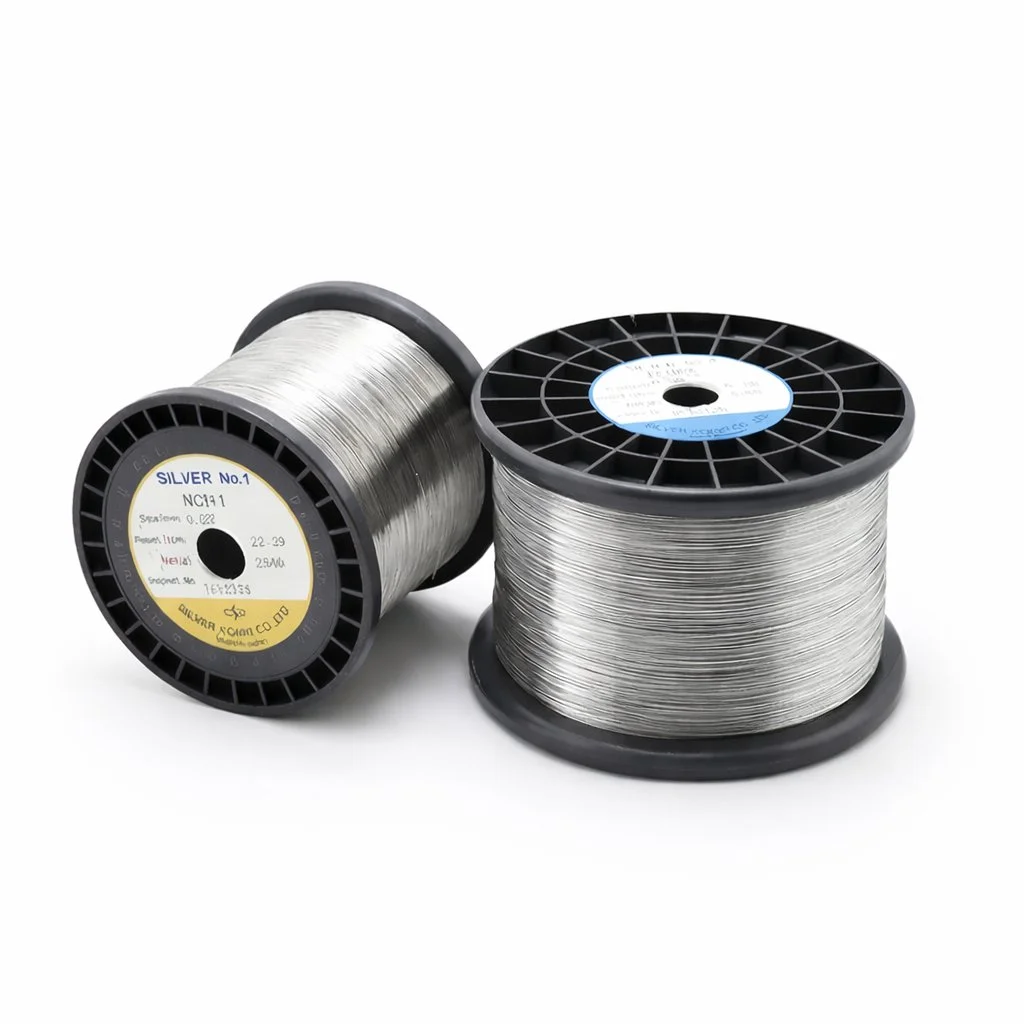
Resistive Wire For Heating Element
Resistive wires are the fundamental component of any electrical resistor or heating element. Their primary function is to convert electrical energy into heat efficiently and controllably. These wires are manufactured from specialized metallic alloys that possess high resistivity and exceptional oxidation resistance at high temperatures.
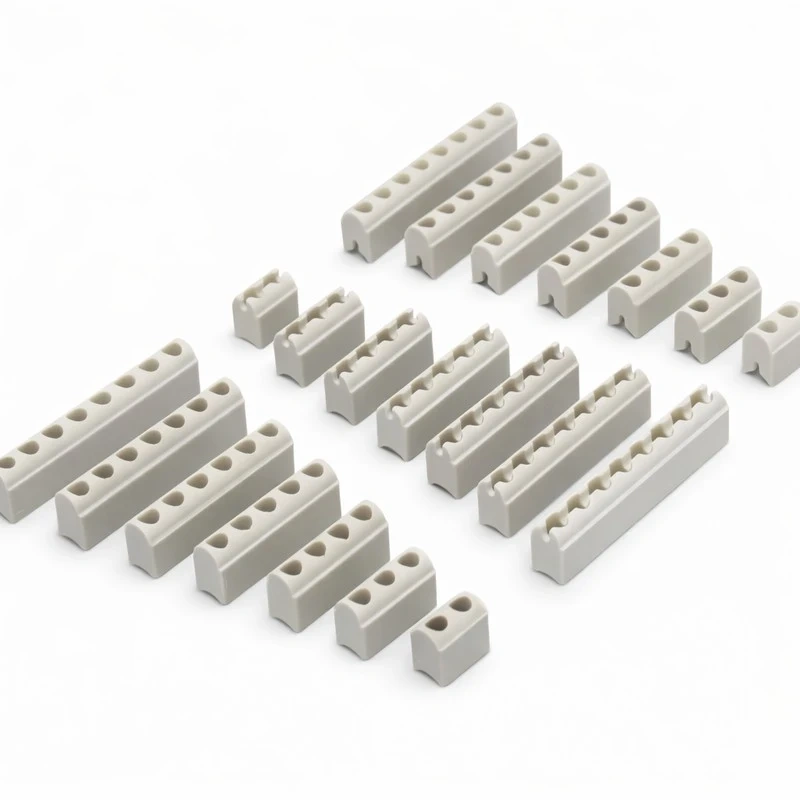
Steatite Ceramic Components for Heaters
Our high-quality refractory ceramic train-type components and ceramic tiles are specifically designed for the manufacturing of ceramic band heaters, clamp heaters, and strap heaters. These components, made from materials such as steatite (talc) and alumina, ensure superior electrical insulation and exceptional thermal resistance in critical industrial processes.
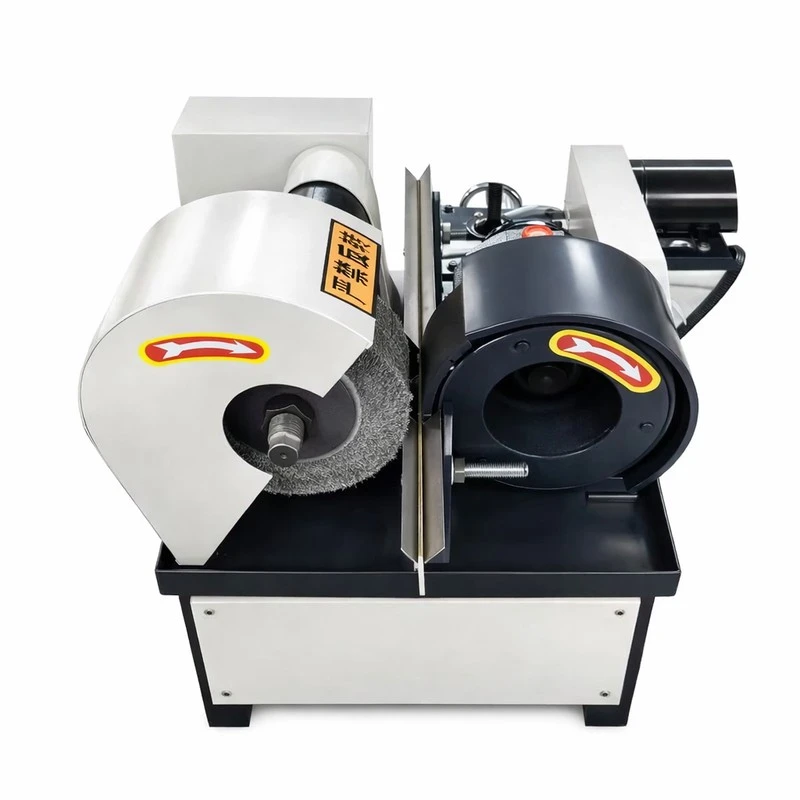
MP01-1 Semi-automatic Tube Polishing Machine
The MP01-1 Semi-automatic Tube Polishing Machine is a robust and efficient solution specifically designed for polishing round and straight tubes, as well as for finishing electrical resistors. This industrial polishing equipment is ideal for achieving high-quality surfaces on a wide range of metallic materials, including stainless steel, copper, aluminum, and other alloys.
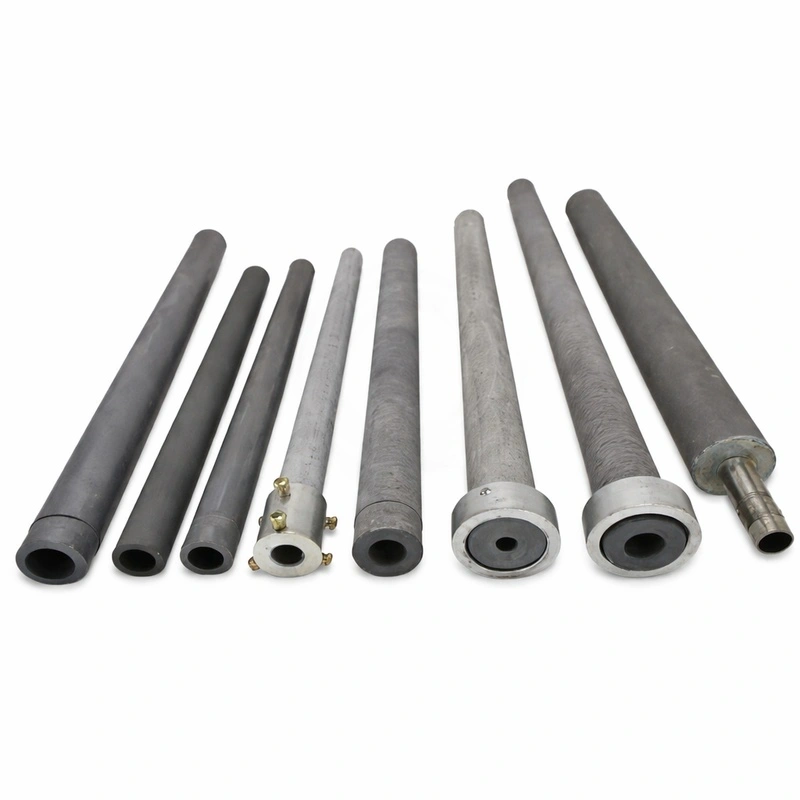
Silicon Nitride Thermocouple Protection Tubes
Silicon nitride thermocouple protection tubes represent an advanced and robust solution for precise temperature measurement in extreme industrial environments. Manufactured from silicon nitride (Si3N4), a high-performance technical ceramic, these thermocouple protection sheaths are distinguished by their exceptional resistance to high temperatures, thermal shock, corrosion, and wear. Their chemical composition and microcrystalline structure confer superior stability
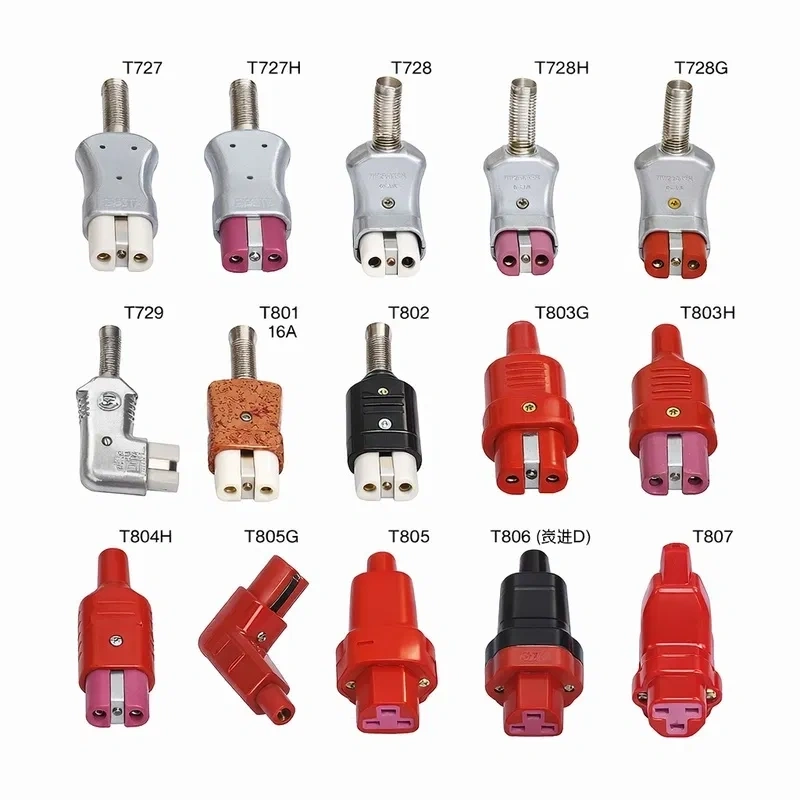
High-Temperature Industrial Plugs and Connectors
Our High-Temperature Plugs and High-Temperature Connectors are specifically designed to operate in the most demanding industrial environments, where thermal conditions exceed the capabilities of standard connectors. Manufactured with first-rate ceramic and metallic materials, these Industrial Plugs guarantee a secure and stable electrical connection, even when exposed to extreme heat and constant thermal fluctuations. Their robust
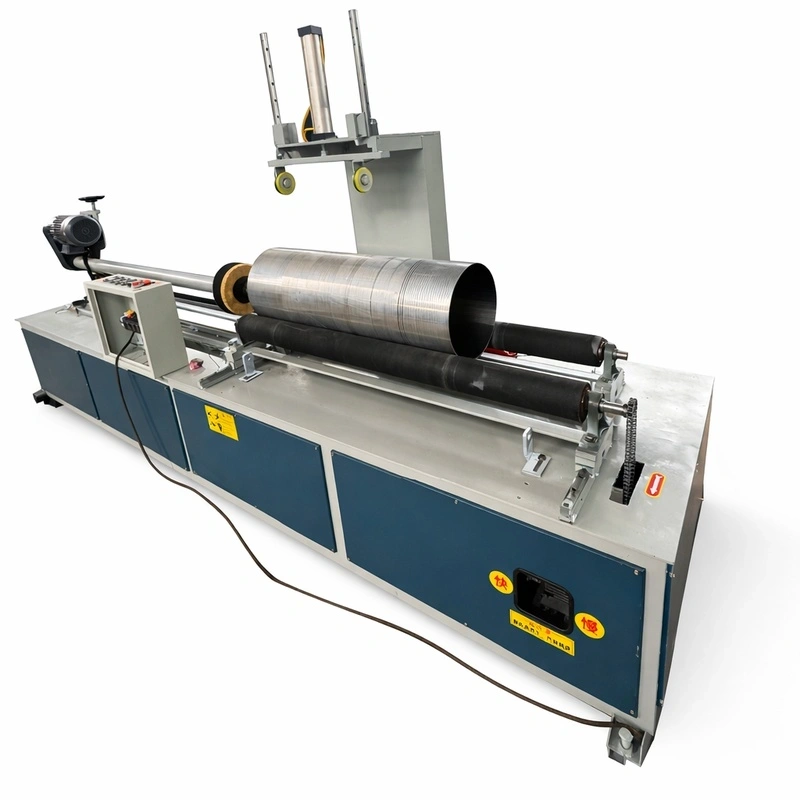
Tube Internal Polishing Machine MP-03
Experience maximum versatility and efficiency with our Tube Internal Polisher, a robust solution for internal surface treatment. This machine is capable of working with various materials, including stainless steel, special steels, and hydraulic tubes, offering uniform and high-quality internal polishing. Equipped with an optional automatic feeding system and PLC/CNC controller, it optimizes productivity and reduces
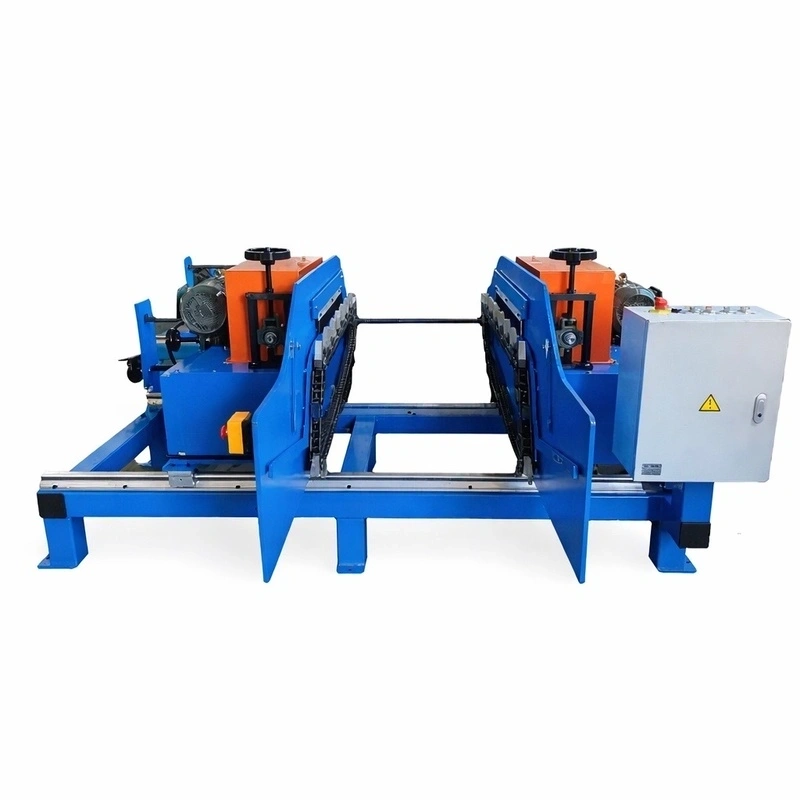
XG80 Tube Deburring Machine
A tube deburring machine, also known as an industrial deburrer or tube chamfering machine, is specialized equipment whose primary purpose is to remove burrs—excess material and sharp edges left on the ends of tubes or profiles after cutting. This process, known as metal deburring, is crucial not only for aesthetic reasons but fundamentally for safety
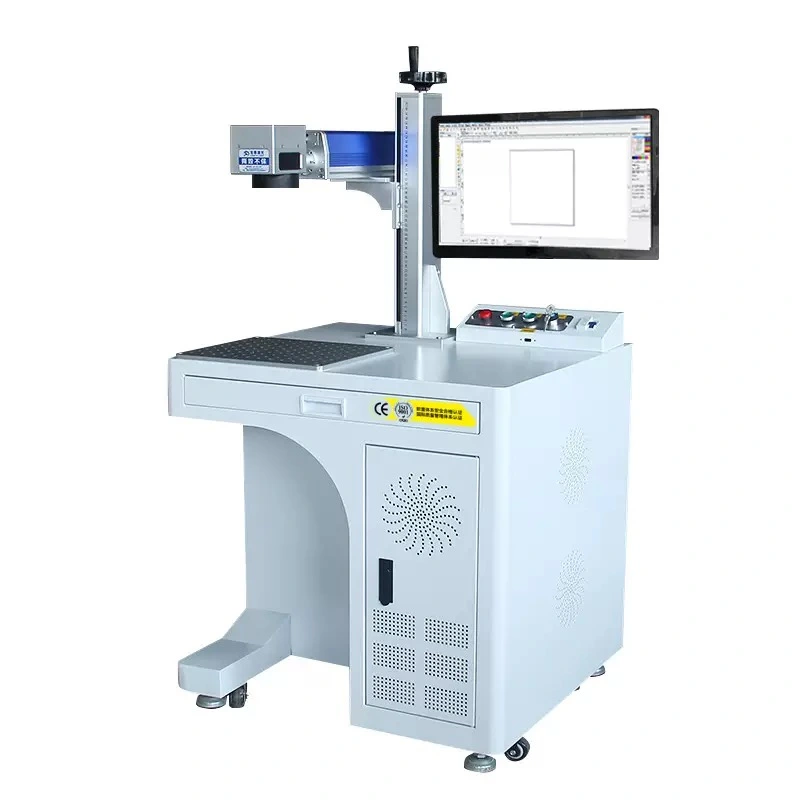
ML-01 Fiber Laser Marking Machine
The ML-01 Fiber Laser Marking Machine is a state-of-the-art industrial laser marking system, engineered to deliver high-precision laser engraving solutions with exceptional efficiency across a wide range of applications. This equipment stands out for its integrated and compact design, facilitating seamless integration into various production lines and industrial environments. It leverages fiber optic laser technology
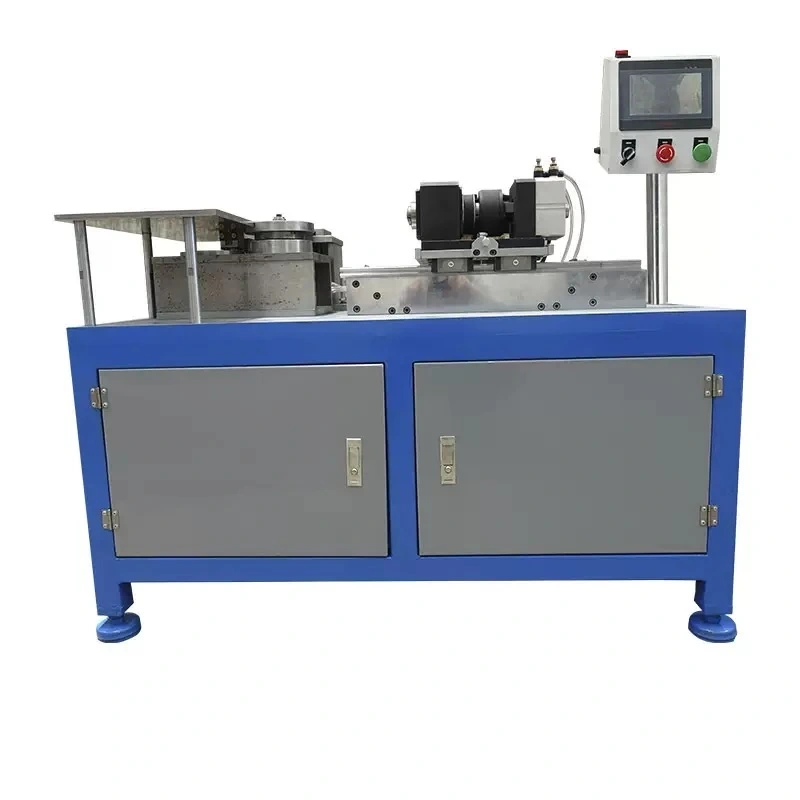
Automatic Tube Bending Machine QUWM (Model HT-B6)
The Automatic Tube Bending Machine QUWM (Model HT-B6) is a new state-of-the-art engineering solution, named QUWM due to its exceptional capability for the precision bending of metal tubes into specific shapes such as Q, U, M, and W. This Q, U, M, W tube bender is ideal for producing complex configurations, whether simple or multiple
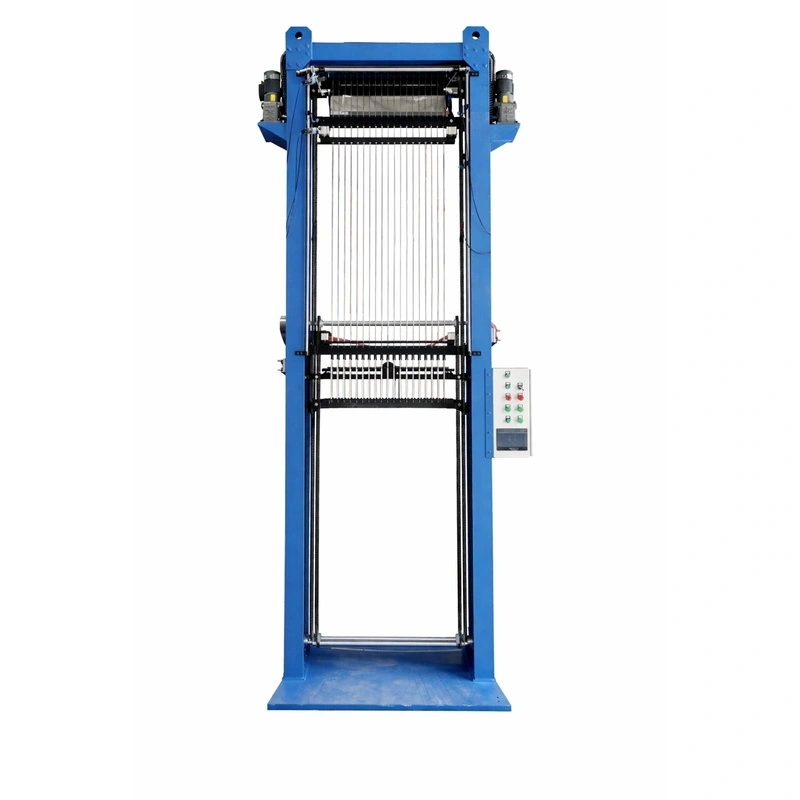
MgO Filling Machine for Aluminum Fin Heaters HT-AX1
The HT-AX1 MgO filling machine represents the cutting edge in heater manufacturing, specifically designed for processing aluminum fin-type heaters. This specialized equipment solves the technical challenges posed by complex internal structures, ensuring uniform, high-density magnesium oxide filling—essential for thermal efficiency and the service life of industrial heaters. From a commercial perspective, the HT-AX1 MgO filler
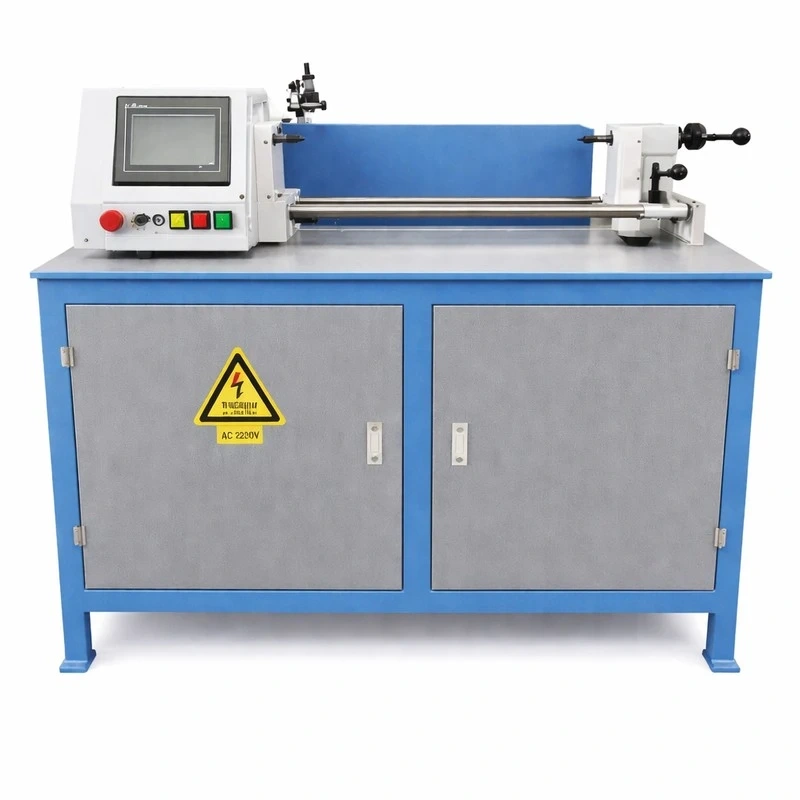
HT-B3B Mica Sheet Wire Winding Machine
The HT-B3B Mica Sheet Wire Winding Machine is a cutting-edge solution specifically designed for the manufacturing of electrical heating elements. This high-precision mica sheet winding machine enables the winding of resistance wire onto mica sheets, carbon fiber, magnesium rods, and ceramic rods, among other materials. Its advanced control system, based on a servo motor and