Cartridge Heater End Caps
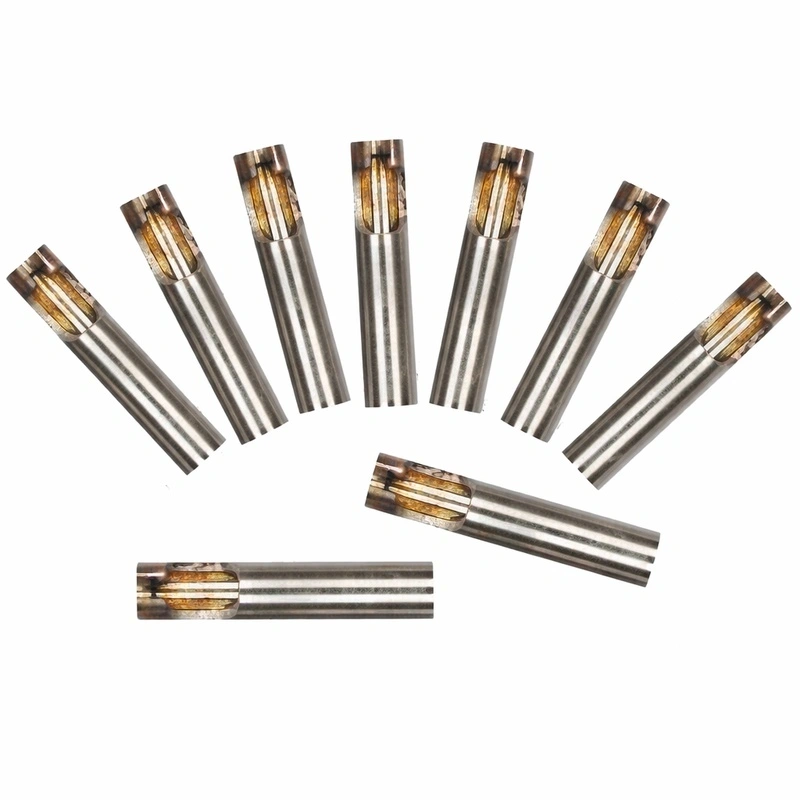
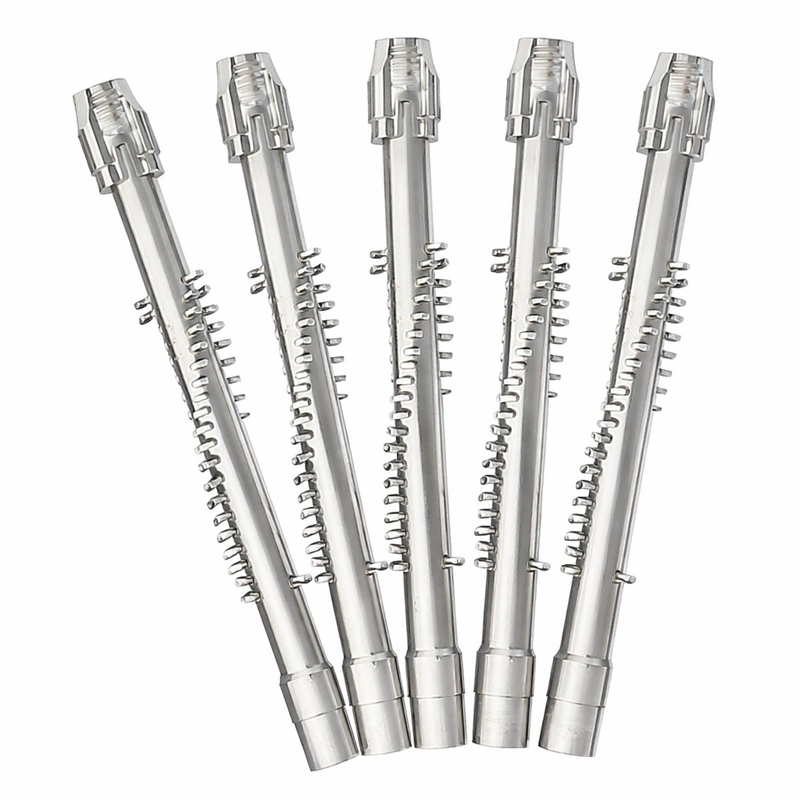
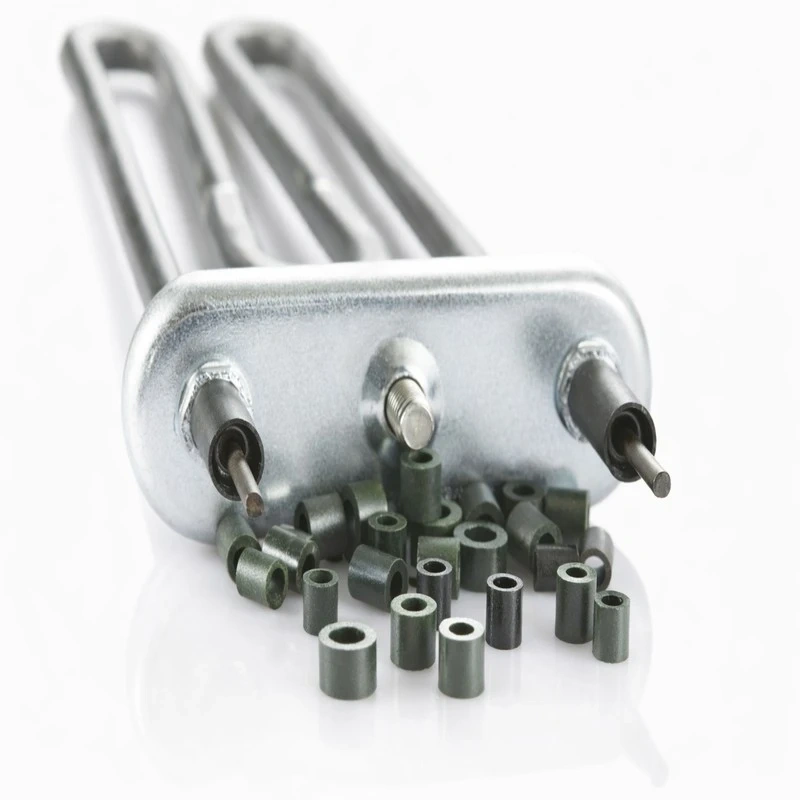
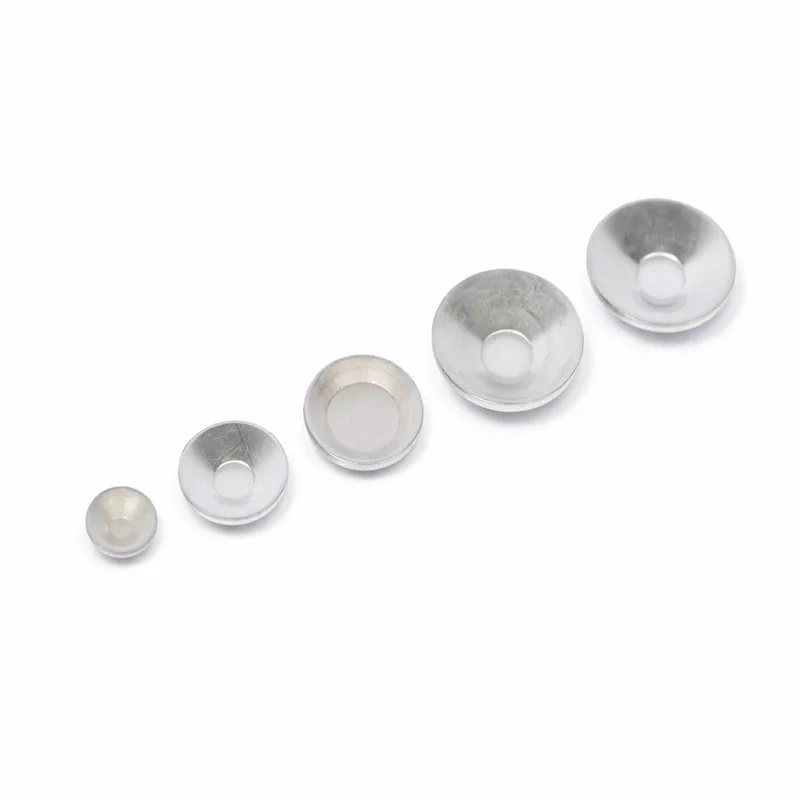
Cartridge heater end caps, also known as seals, closure discs, or end caps in the industry, are critical components designed to hermetically seal the ends of the metal tube of an industrial cartridge heater. They essentially consist of a high-precision metal disc, generally manufactured from stainless steel (SS304/SS316) or special alloys such as Incoloy (for extreme heat). This disc is integrated into the heater body through high-technology welding processes, such as TIG sealed welding or laser-welded discs, guaranteeing an absolute hermetic seal. Their main and vital function is to act as an impenetrable barrier, providing protection against moisture, lubricants, gases, and other external contaminants. By preventing these elements from entering the interior of the compacted heater, they prevent the degradation of the internal insulation and eliminate the risk of short circuits, thereby ensuring the integrity and safe operation of the heating element.
Overview
Applications
Features and Advantages
Technical Specifications
Options and Customization
Overview
In the realm of industrial heating, component reliability is paramount. Our cartridge heater end caps represent the first line of defense for your thermal systems. Designed to withstand the most demanding conditions, these end caps are not simple closures, but advanced engineering solutions that guarantee the longevity and optimal performance of every industrial cartridge heater. Whether your application requires a standard stainless steel end cap for general-use environments, or an Incoloy end cap to withstand extreme temperatures and corrosive atmospheres, our closure discs offer unmatched anti-contamination protection. The combination of first-quality materials and precise joining techniques, such as laser-welded discs, ensures that each heater maintains its dielectric integrity, minimizing downtime and maximizing operational efficiency in any industrial setting.
Applications
Cartridge heater end caps are indispensable in any sector utilizing industrial cartridge heaters for localized and precision heating processes:
-
Plastics and Packaging Industry: Essential in injection molds, extrusion nozzles, and sealing jaws, where heaters are exposed to molten plastics, gases, and potential leaks from hydraulic fluids. Anti-contamination protection is critical here.
-
Food and Beverage Processing: In packaging equipment, sealing, and sterilization, where strict hygiene and resistance to moisture and cleaning processes (pressure washing) are required. Stainless steel end caps (SS304/SS316) are the standard in this sector.
-
Medical and Pharmaceutical Industry: Used in laboratory equipment, sterilizers, and pharmaceutical packaging machinery, where thermal precision and the absence of contaminants are non-negotiable requirements.
-
Aerospace and Automotive: In component heating applications, material testing, and defrosting systems, where heaters may be subjected to severe vibrations and extreme temperature variations, requiring a seal for high vibration.
-
Foundry and Metallurgy: In processes involving molten metals or highly corrosive atmospheres, where Incoloy end caps (for extreme heat) are employed to guarantee the survival of the heating element.
Features and Advantages
The incorporation of our high-quality cartridge heater end caps brings tangible benefits and significantly extends the service life of your heating systems:
-
Absolute Hermetic Sealing: Through the use of TIG sealed welding or laser-welded disc technology, we guarantee a perfect closure that prevents the entry of any external agent, protecting the core of the compacted heater.
-
Superior Protection Against Moisture and Contaminants: They act as an impenetrable barrier, offering exceptional protection against moisture and anti-contamination. This prevents the absorption of moisture by the internal insulation, avoiding drops in insulation resistance and catastrophic short circuits.
-
High Thermal and Chemical Resistance: Available in materials such as stainless steel (SS304/SS316) for general corrosion resistance, and Incoloy (for extreme heat) to withstand very high operating temperatures and aggressive atmospheres without degrading.
-
Durability in Demanding Environments: Designed to withstand mechanical and thermal stress. For applications with constant movement, we offer seal options for high vibration that maintain the structural integrity of the closure.
-
Improved Operational Safety: By preventing internal short circuits caused by contamination, the risk of electrical failures, fires, or damage to surrounding machinery is significantly reduced.
Technical Specifications
Our cartridge heater end caps are manufactured under strict quality standards to ensure optimal performance in various operating conditions:
|
Characteristic |
Specification / Available Options |
|---|---|
|
Metal Disc Materials |
Stainless Steel End Cap (SS304/SS316), Incoloy End Cap (for extreme heat), Titanium (upon request). |
|
Joining Processes |
TIG Sealed Welding, Laser-Welded Disc (for micrometric precision and minimal heat-affected zone). |
|
Additional Seal Types |
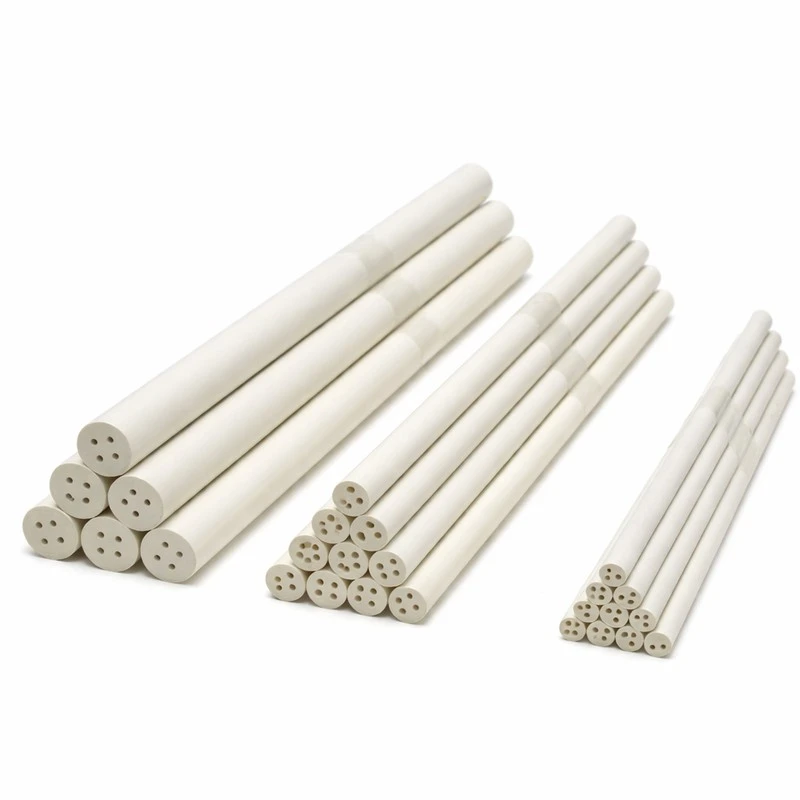
Ceramic Seal (high temperature), Epoxy Resin Seal (moisture barrier at medium temperatures), High-Temperature Silicone. |
|
Diameter Range |
From 3 mm (1/8") up to 32 mm (1 1/4") or custom sizes for any industrial cartridge heater. |
|
Dimensional Tolerance |
Precision machining to ensure a perfect fit before welding (typically ±0.05 mm). |
|
Maximum Temperature (Seal) |
Epoxy (up to 250°C), Silicone (up to 300°C), Ceramic Seal / Glass (up to 1000°C+). |
|
Protection Level (IP) |
Capable of achieving IP67 ratings or higher, ensuring total protection against moisture. |
Options and Customization
We understand that every industrial application is unique. Therefore, we offer a wide range of options and customization capabilities for our cartridge heater end caps:
-
Custom Material Selection: Beyond standard SS304/SS316, we can manufacture end caps in specific alloys like Hastelloy or Monel for extremely corrosive environments.
-
Hybrid Sealing Configurations: For applications requiring both high temperature and an absolute barrier against fluids, we can combine a laser-welded disc with an internal ceramic seal and an external epoxy resin coating.
-
High-Vibration Designs: For mobile machinery or equipment subject to impact, we offer reinforced designs that act as a seal for high vibration, ensuring that the weld and connection cables do not suffer mechanical fatigue.
-
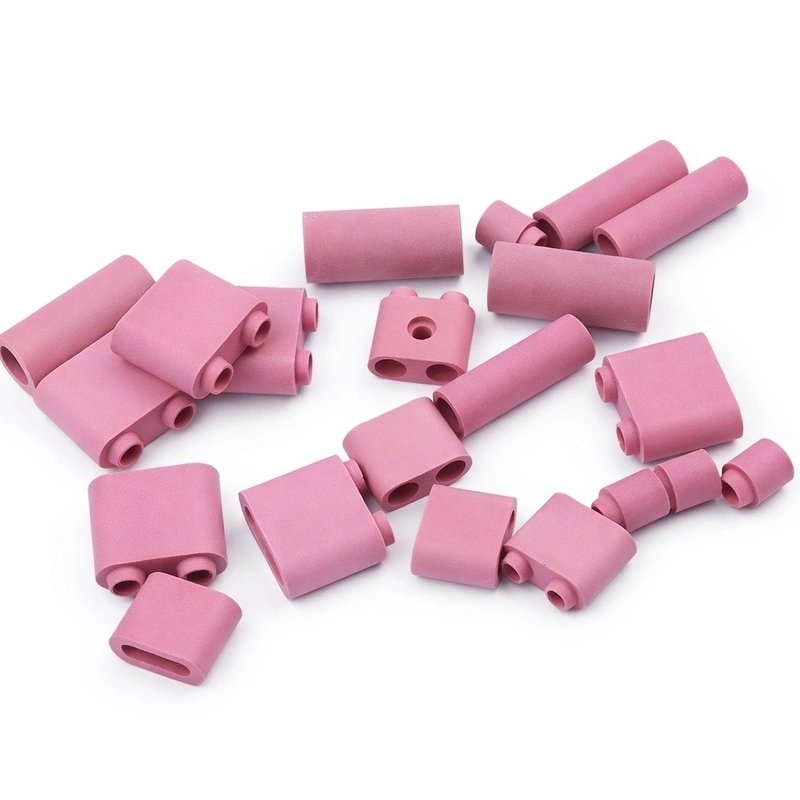
Integration of Special Heads: We can incorporate a hard ceramic head at the end of the heater, protected by the metal end cap, to provide additional electrical insulation and mechanical resistance in the cable exit zone.
-
Marking and Traceability: We offer laser engraving on the closure discs to include batch numbers, technical specifications, or company logos, facilitating traceability and quality control.
FAQ
Does the end cap influence the "cold zone" of the cartridge heater?
Yes, the stainless steel end cap or end cap plays a decisive role in the definition and stability of the cold zone of an industrial cartridge heater. The cold zone is the section at the ends of the heater where no heat is generated, and its correct management is vital for component safety.
-
Thermal Dissipation: The metal end cap, being in direct contact with the tube and the insulation material of the compacted heater, acts as a small radiator. An adequately designed end cap helps ensure that heat from the active zone does not transfer excessively towards the connection cables.
-
Safety Space: The installation of the end cap requires a physical space that displaces the start of the internal winding. If the end cap is not correctly dimensioned, the heat zone could be too close to the end, compromising the hermetic seal or damaging the ceramic seal due to excessive temperature.
-
Connection Protection: By defining a stable cold zone through the use of a hard ceramic head and a welded end cap, it is guaranteed that the electrical terminals operate at a safe temperature, avoiding the carbonization of the cables.
Is a welded end cap better than one sealed with resin?
The choice between a TIG-sealed end cap and an epoxy resin seal depends entirely on the operating environment and working temperature. There is no universally "better" option, but rather a "most suitable" one for each application:
|
Seal Type |
Main Advantages |
Ideal Application |
|---|---|---|
|
Welded End Cap (TIG/Laser) |
Offers a permanent and structural hermetic seal. Withstands extreme vibrations and the highest market temperatures. |
Industrial furnaces, high-temperature molds, and applications requiring a seal for high vibration. |
|
Epoxy Resin Seal |
Provides superior protection against moisture in environments with high condensation or the presence of oils at moderate temperatures. |
Plastic sealers, the food industry, and humid environments (up to 250°C). |
In many high-quality heaters, a hybrid solution is utilized: a laser-welded disc for structural integrity and an additional epoxy or silicone seal to ensure the compacted heater is completely sealed against penetrating fluids.
Why does the cartridge heater end cap "blow off" or explode?
The catastrophic failure where the end cap of a heater is ejected (commonly called "blowing the end cap") is a dangerous event usually due to three main causes related to internal pressure:
-
Moisture Ingress (Steam Effect): If the hermetic seal fails and moisture enters the interior, upon turning on the heater, the water instantly turns into steam. Internal pressure rises violently, and if the TIG weld is not strong enough or the design is deficient, the end cap acts as a projectile.
-
Oil or Lubricant Contamination: Just like moisture, if oils penetrate a heater that lacks adequate anti-contamination protection, they gasify at high temperatures, generating internal pressure that exceeds the mechanical resistance of the closure.
-
Dielectric Failure (Electric Arc): A massive internal short circuit can generate a sudden expansion of ionized gases. If the compacted heater has trapped air or the magnesium oxide insulation is degraded, the energy release can collapse the end of the heater.
To avoid these accidents, it is imperative to use stainless steel end caps with deep-penetration welding and ensure dry storage to prevent the protection against moisture from being compromised before installation.