Ceramic Glass Hermetic Sealant for Heaters
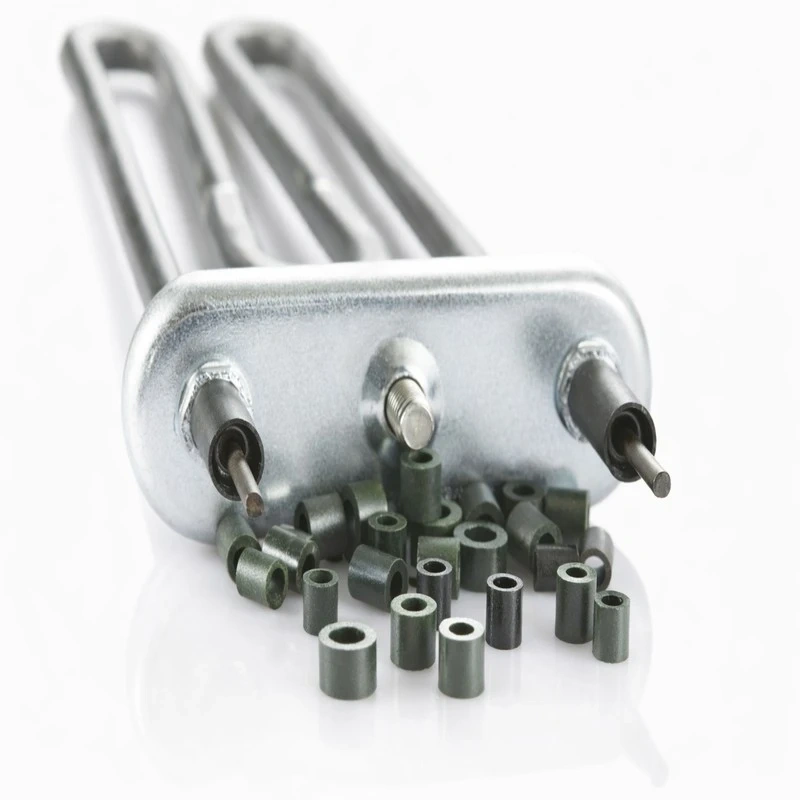
The Ceramic Glass Hermetic Sealant is a low-temperature sealing material specifically designed for the manufacture of tubular heaters and other heating elements. This innovative product is applied to the terminals of heaters, where the glass beads melt rapidly under flame heating or high-frequency conditions to create a hermetic and durable seal. Its special formulation allows for excellent adhesion to metallic materials, providing electrical insulation and a hermetic seal between the outer metal and the inner metal tube. This material is a superior alternative to traditional sealing methods, meeting environmental standards and positioning itself as a leading option in the global market for high-quality sealing products.
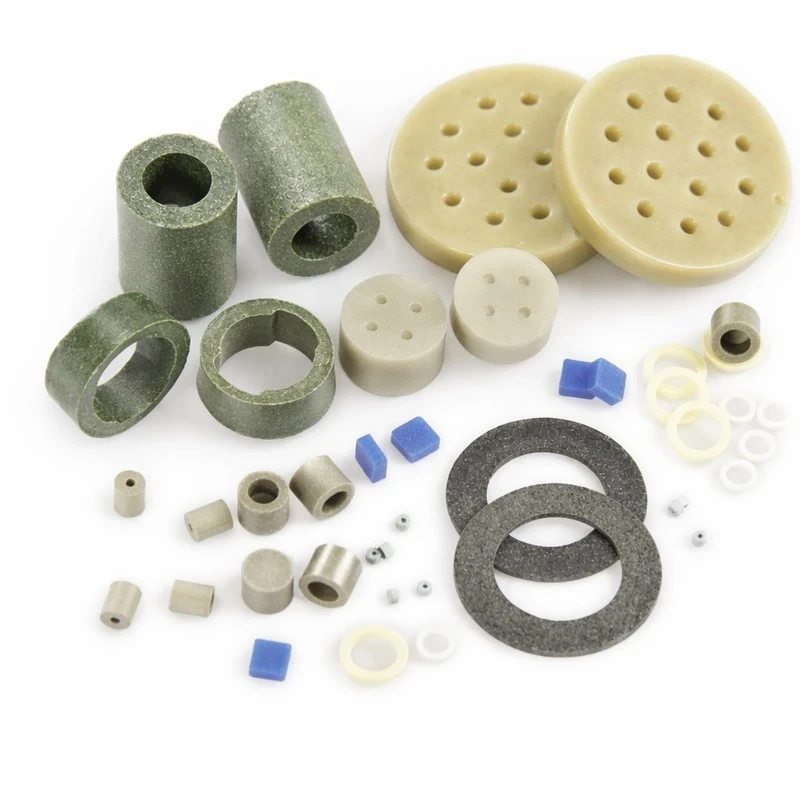
This glass sealant for electric heaters consists of pressed glass powder with a special formula, available in various specifications (e.g., diameters of Φ5, Φ6.6, Φ8.0, Φ12, or according to customer requirements), which facilitates its integration into different heater designs. Its robustness and ease of assembly make it ideal for mass production. The ability of this material to form a high-temperature hermetic seal is crucial for the durability and energy efficiency of heaters, especially those manufactured from stainless steel and INCO alloys. It offers a reliable terminal sealing solution that guarantees protection against moisture and contamination, prolonging the lifespan of the heating elements and ensuring constant and safe performance. It is a preferred choice for manufacturers seeking a lead-free, environmentally friendly glass sealant.
Warnings and Preparation Before Sealing
-
Moisture Removal: The magnesium oxide powder inside the electric heating tube can absorb moisture. It is necessary to bake the electric heating tube in an oven at approximately 600°C for 2-4 hours before sealing to eliminate moisture. The preheating temperature and duration can be adjusted according to the tube size.
-
Cleaning: Before sealing, pay attention to hygiene. Clean any dirt from the tube hole, as otherwise, unsatisfactory sealing will affect insulation.
-
Sealing Depth: The tube needs sufficient depth to keep the glass powder 1 mm below the hole. If using glass powder, it is recommended to adjust it to the minimum amount to reduce cost. It is suggested that the glass layer thickness be 2-3 mm after sealing.
-
Expansion Coefficient: The expansion coefficient of our product is close to that of 430 stainless steel; therefore, it is the best material for the heating rod.
Sealing Methods
There are two main methods for sealing:
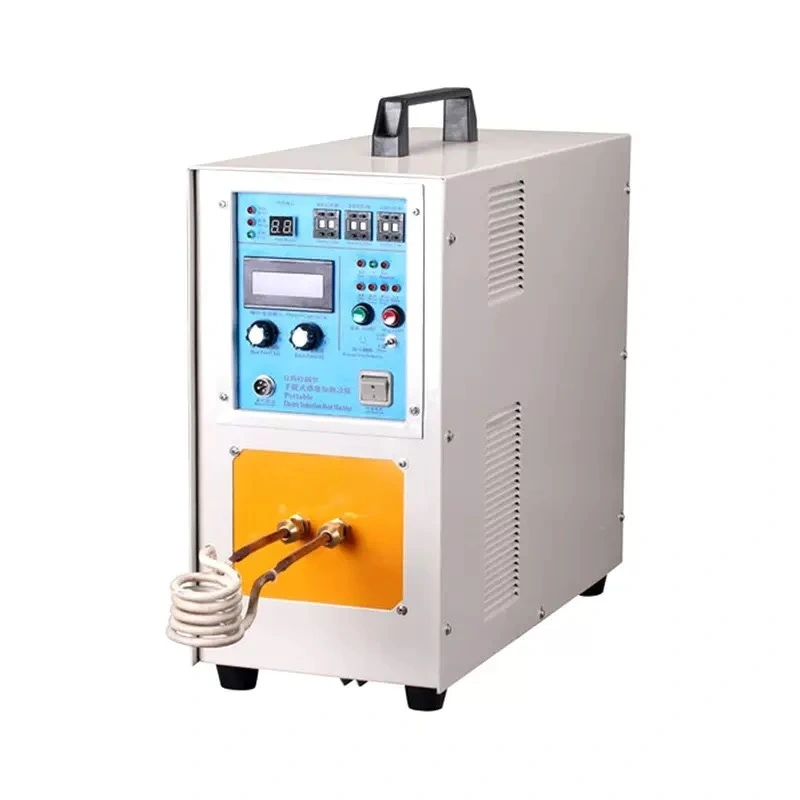
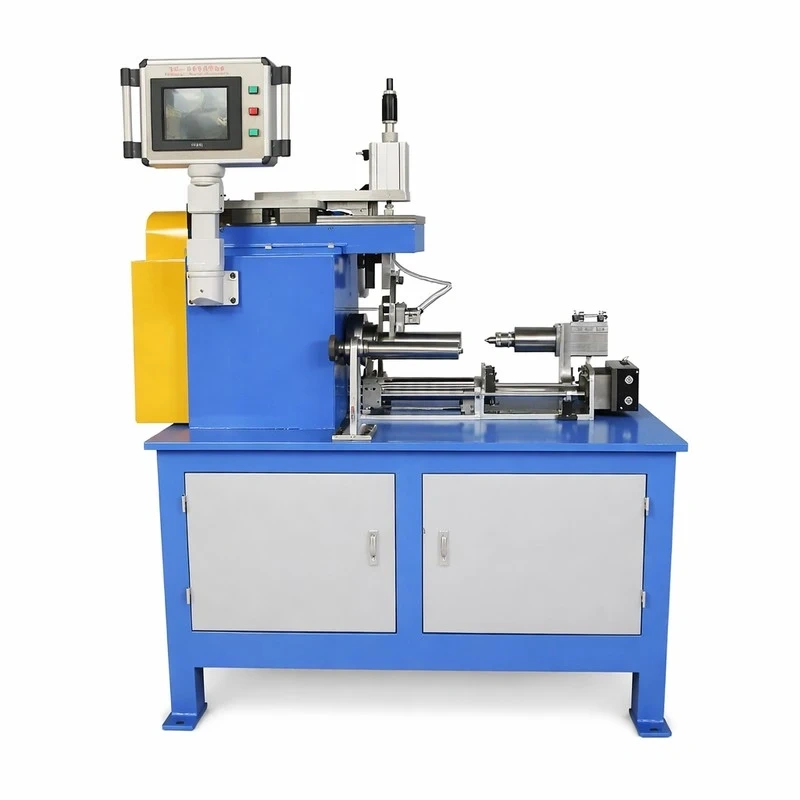
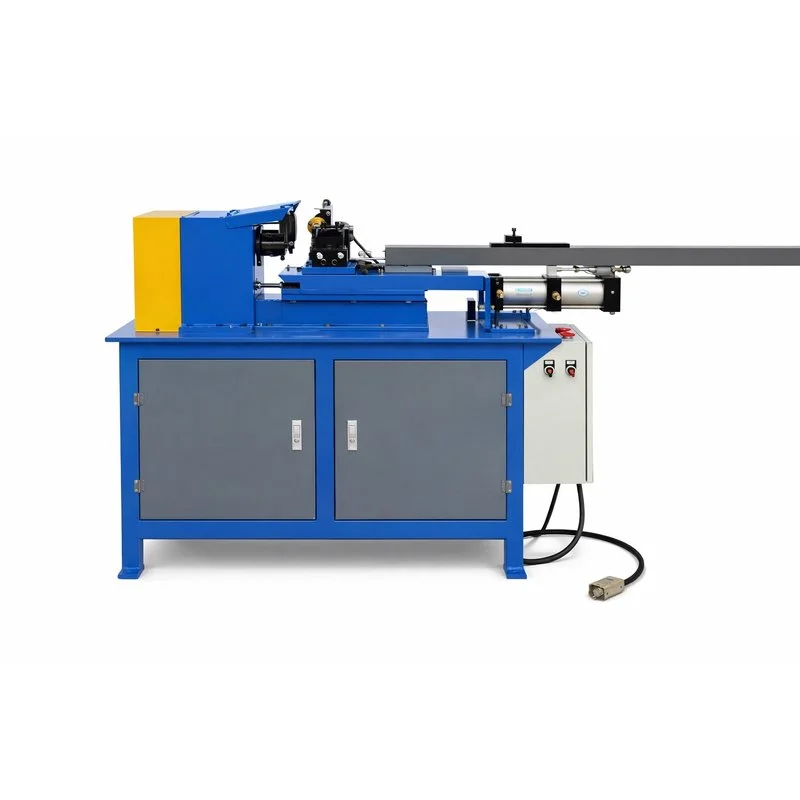
Method 1: High-Frequency Resistance Sealing
This method uses high-frequency induction heating to melt the ceramic glass ring. The process involves:
-
Placing the glass ring into the electric heating tube.
-
Heating the edge of the tube to approximately 600°C.
-
Continuing to heat around 600°C until the glass melts and seals.
-
Allowing it to cool naturally.
This method is efficient and suitable for inline production, as it allows precise control of temperature and sealing time.
Method 2: Flame Heating Sealing
This method uses a direct flame to melt the ceramic glass ring. The process is as follows:
-
Placing the glass ring into the electric heating tube.
-
Keeping the flame around 600°C and heating the edge of the tube for 20 seconds.
-
Allowing it to cool naturally.
This method is simpler and may be suitable for smaller-scale production or when high-frequency equipment is not available.
The Ceramic Glass Hermetic Sealant offers a series of features and advantages that position it as a superior solution for sealing tubular heaters:
-
Anti-Degradation (Long Lifespan): Its composition and sealing method guarantee a long lifespan for the final product, reducing the need for frequent replacements.
-
Excellent Sealing Effect: Provides superior hermetic sealing, crucial for protecting the internal components of heaters from moisture and other contaminants.
-
High-Temperature Resistance: Designed to operate in high-temperature environments, maintaining its integrity and sealing properties under extreme conditions.
-
Good Insulation: Offers effective electrical insulation, essential for the safety and performance of electric heaters.
-
Environmentally Friendly: Manufactured with lead-free glass powder, it meets environmental standards, making it a sustainable choice.
-
Popularity and High Cost Performance: Its high demand in the appliance industry and its superior performance at a competitive cost make it a highly valued option.
-
Ease of Assembly and Operation: Its design and properties allow for simple assembly and efficient operation in manufacturing processes.
|
Parameter |
Value |
|---|---|
|
Glass System |
Silicate |
|
Powder Color |
Black |
|
Glass Transition Point (Tg) |
538 ± 1 °C |
|
Softening Point |
569 ± 1 °C |
|
Expansion Coefficient (300°C) |
9.3 × 10⁻⁶ |
|
Density |
2.6 g/cm³ |
|
Sealing Temperature |
780-870 °C |
Choosing the right sealant is crucial to ensure the durability, safety, and efficiency of components, especially in high-temperature applications and demanding environments. This comparison table offers a detailed overview of the properties and applications of three key types of sealants: the Ceramic Glass Hermetic Sealant, High-Temperature RTV Silicone (Room Temperature Vulcanization), and the Thermo-Resistant Inorganic Adhesive (e.g., 3732). Understanding their differences is essential for selecting the optimal solution for electric heaters, heating elements, and other industrial applications.
|
Feature |
Ceramic Glass Hermetic Sealant |
RTV Silicone (High Temp) |
Thermo-Resistant Inorganic Adhesive (e.g., 3732) |
|---|---|---|---|
|
Composition/Nature |
Pressed glass powder (silicate), melts to form a ceramic seal. |
Silicone polymer (organic-inorganic hybrid), cures at room temperature. |
Metal alkoxides, aluminum oxide (100% inorganic), cures at low temperature. |
|
Max Operating Temperature |
Up to 1400°C (sealing temp 780-870°C) |
Typically up to 250-300°C (peaks of 350°C) |
Up to 1400°C |
|
Curing/Application Temp |
Requires heating to high temperature (780-870°C) to melt and seal. |
Cures at room temperature (20-25°C), moisture accelerates the process. |
Cures at low temperature, can be accelerated with gentle heat. |
|
Electrical Insulation |
Excellent dielectric insulation and dielectric rigidity at high temperature. |
Good dielectric insulation, but can degrade at extreme temperatures. |
Excellent dielectric insulation and dielectric rigidity at high temperature. |
|
Water/Moisture Resistance |
Excellent hydrophobicity and water resistance once sealed. |
Very good resistance to water and moisture. |
Excellent hydrophobicity and water resistance. |
|
Chemical Resistance |
Very good resistance to most chemicals once vitrified. |
Good resistance to many chemicals, but limited against strong solvents. |
Excellent resistance to acids, alkalis, and organic solvents. |
|
Flexibility/Rigidity (Cured) |
Rigid, forms a solid ceramic seal. |
Flexible, elastic. |
Rigid, forms a solid inorganic matrix. |
|
Typical Applications |
Sealing terminals in tubular heaters, high-power heating elements, component sealing in furnaces. |
Sealing electrical connections in motors, engine gaskets, window sealing, automotive applications, protection of boilers and radiators (moderate temps). |
Sealant for heating elements, protection of cartridge heaters, insulation in motors and furnaces, sensor fixation, sealing of electrical connections in extreme environments. |
|
Key Advantages |
Extreme thermal stability, long lifespan, permanent hermetic seal, lead-free glass powder (eco-friendly). |
Easy application, flexibility, good adhesion to various substrates, low volatility (in some types). |
Extreme thermal stability, non-combustible, oxidation resistance, low volatility, inert oil behavior chemically, easy operation. |
|
Limitations/Considerations |
Requires specific heating equipment, more complex application process. |
Lower resistance to very high temperatures, possible long-term degradation in extreme environments. |
Rigid, not suitable for applications requiring flexibility. |
The choice between a ceramic glass sealant, a high-temperature RTV silicone, or a thermo-resistant inorganic adhesive depends directly on the specific requirements of the application. For environments demanding maximum extreme thermal stability and hermetic sealing above 300°C, both the ceramic glass sealant and the inorganic adhesive are superior options, offering a long lifespan and unmatched dielectric insulation. The ceramic glass sealant is ideal for terminal sealing in tubular heaters where a permanent vitrification is sought, while the inorganic adhesive (like 3732) provides a robust filling and fixing solution for the protection of cartridge heaters and insulation in motors and furnaces.
On the other hand, RTV silicones stand out for their flexibility and ease of application at room temperature, being excellent for sealing electrical connections and protecting boilers and radiators in more moderate temperature ranges. When considering dielectric rigidity, water resistance, and oxidation resistance, it is essential to evaluate the specifications of each product to ensure compatibility with the operating environment. This comparison table serves as an essential guide for engineers and manufacturers seeking the best high-temperature sealing solution for their heating elements and critical components.

FAQ
What is the difference between high-frequency sealing and flame sealing?
Both methods aim to melt the glass ring to create the hermetic seal. High-frequency sealing is more precise, faster, and cleaner, ideal for high-speed automated production lines. Flame sealing is a more economical and accessible alternative for smaller-scale or manual productions. Both methods guarantee the same dielectric rigidity and sealing quality if the recommended working temperatures are respected.