Digital Temperature Controller – Heatecx Limited

Heatecx Limited

Digital Temperature Controller

The Digital Temperature Controller is a high-performance microprocessor-based industrial control instrument. Its primary function is closed-loop management using the PID (Proportional, Integral, Derivative) algorithm, which enables thermal stabilization without oscillations. This device acts as the brain of any thermal system, constantly comparing the input signal from the sensor with the desired setpoint to perform corrections in milliseconds.

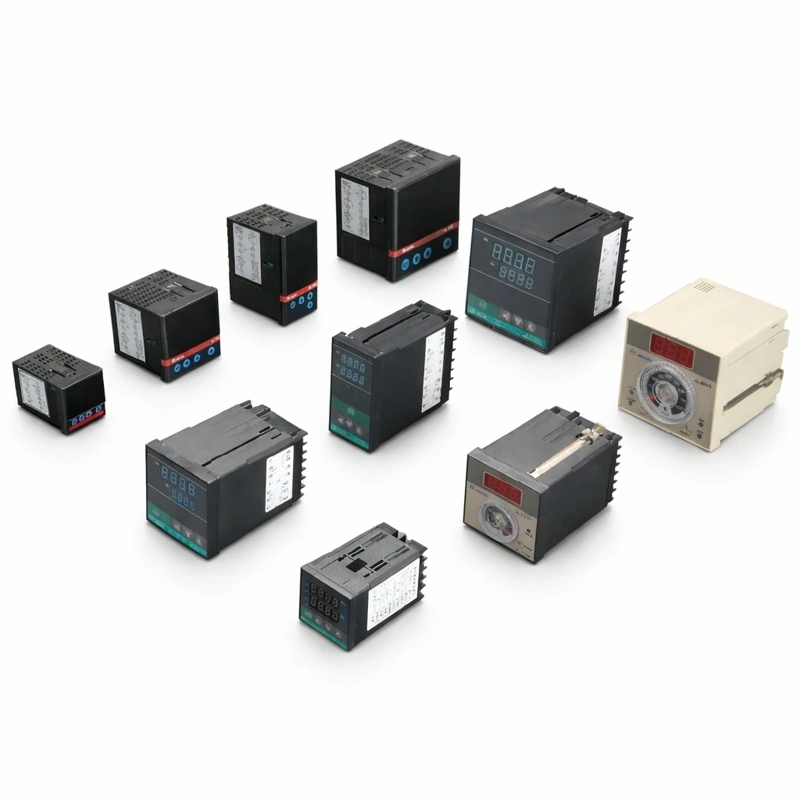
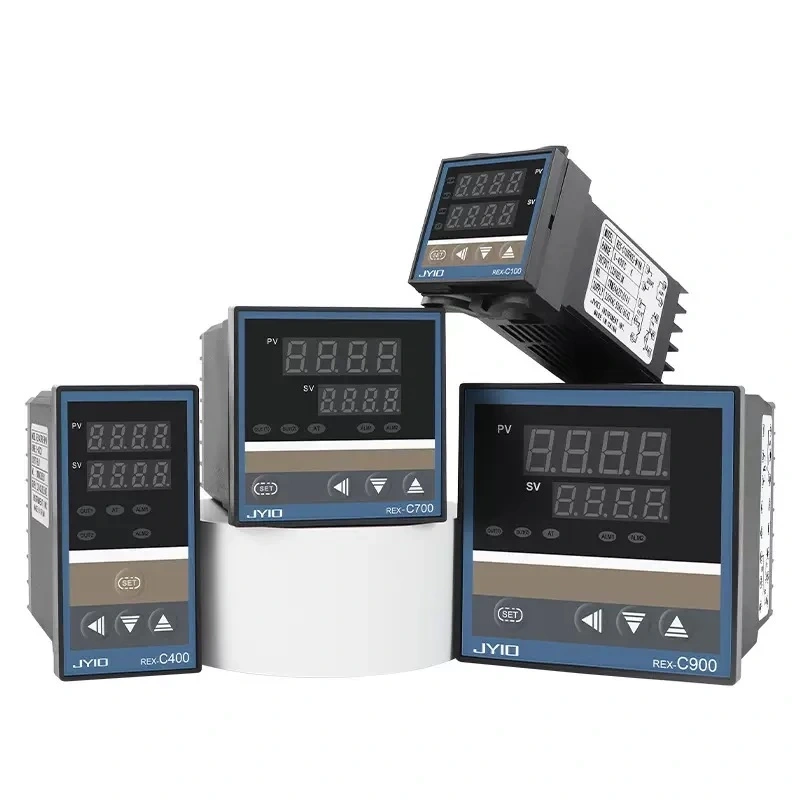
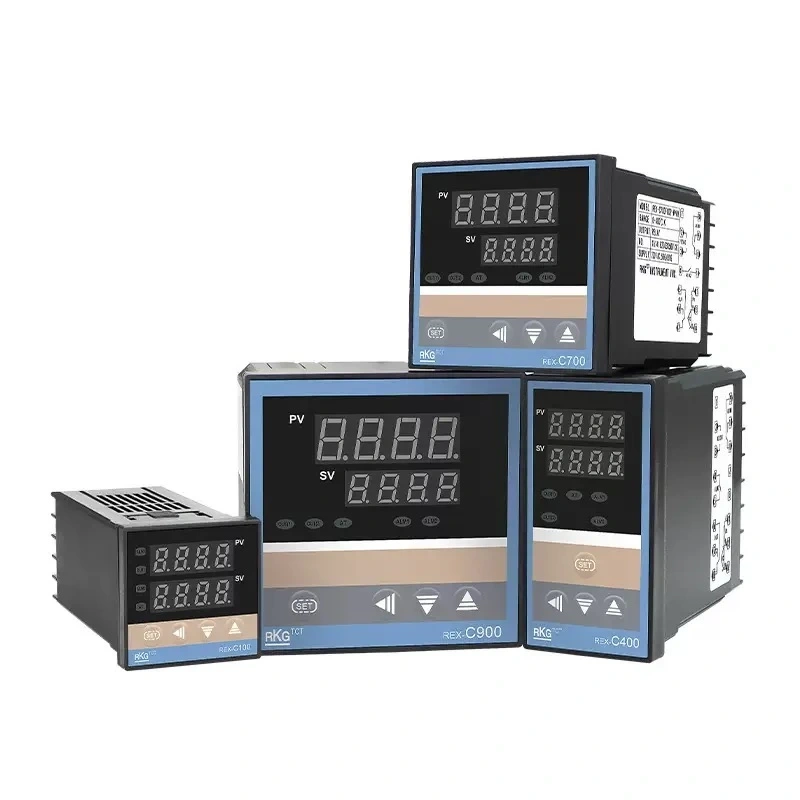
The REX-C family of controllers is the industry gold standard for balancing cost and performance. Designed for integration into control panels via flush mounting, these units eliminate uncertainty in critical heat or cold processes. With Auto-Tuning technology, the controller analyzes your system’s thermal inertia and self-configures optimal parameters—removing the need for complex manual calculations. It is the ideal solution for technicians seeking operational reliability, easy readability, and universal compatibility with thermocouple and RTD sensors.

Users can configure the device based on project complexity:

A. Sensor Input Types (Configurable in Universal Model)

  • Thermocouples: K (0–1200°C), J (0–1200°C), S (0–1600°C), R (0–1600°C), B, E, T, N.

  • Thermal Resistors (RTD): PT100 (-200 to 600°C), Cu50.

B. Output Management

  • Relay Output: 250V AC / 3A load capacity. Ideal for power contactors.

  • SSR Output (Solid State Relay): 12V DC pulse (max 30mA). Enables finer PID control (1–2 second cycles) without mechanical noise or wear.

C. Control Modes

  • PID Control: With auto-tuning for maximum stability.

  • ON/OFF Control: Adjustable hysteresis for slow-response systems (water pumps, high-inertia heaters).

The REX Series architecture is designed to industrial ergonomics and durability standards:

Dual-Line LED Display

  • PV (Process Value): Shows real-time temperature in bright red for maximum visibility.

  • SV (Set Value): Shows target temperature in green, enabling quick differentiation.

Status LED Block

  • ALM1 / ALM2: Alerts for upper limit, lower limit, or deviation.

  • OUT1: Indicates control output status (active/inactive).

  • AT (Auto-Tuning): Blinks when the device is in the “learning” phase of system dynamics.

Industrial Membrane Keypad

Four buttons with tactile feedback, protected against dust and light splashes—allowing navigation of internal menus for alarm configuration, hysteresis, and offset.

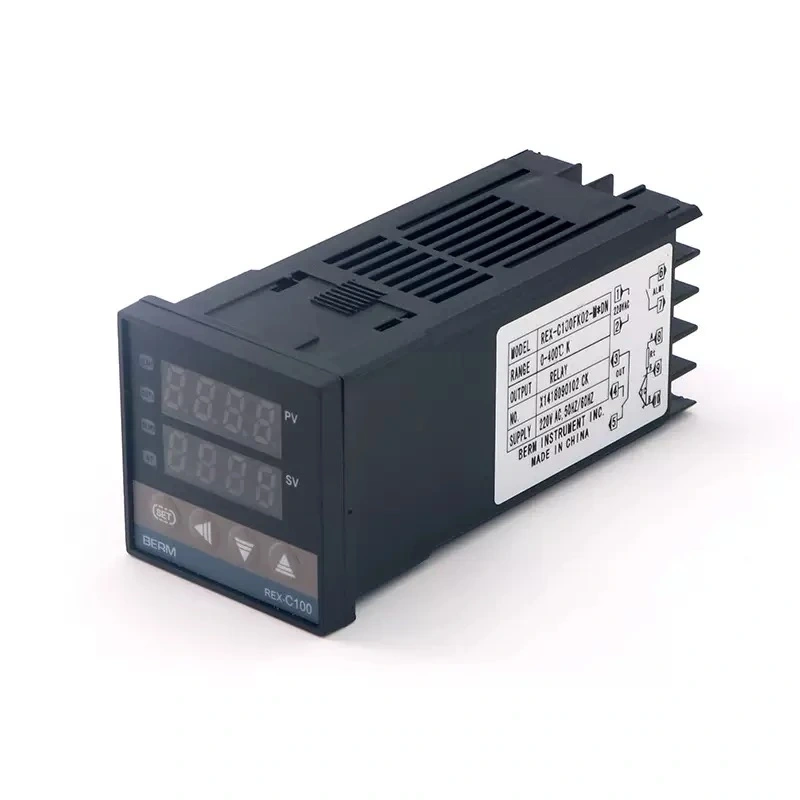
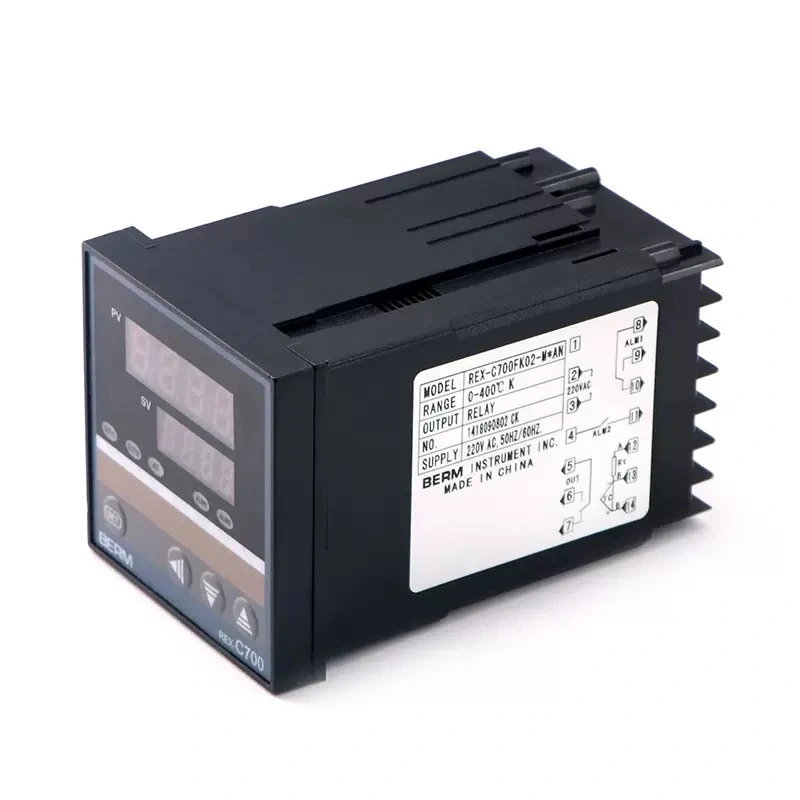
Body & Connection Terminals

Constructed from flame-retardant ABS. The rear features numbered screw terminals for secure connection of power, sensors, and actuators.

Thanks to its input/output versatility, this controller is the key component in:

  • Polymer Processing: Temperature control in industrial 3D printer nozzles, plastic extruders, and injection molding machines.

  • Heat Treatment & Forging: Management of ceramic kilns, laboratory muffle furnaces, and electric forges for cutlery.

  • Food & Chemical Industry: Control of fermentation tanks, pasteurization tanks, autoclaves, and distillation systems.

  • HVAC Systems: Regulation of industrial boilers, precision cooling systems, and climatic chambers.

  • Packaging: Control of heat sealers and shrink tunnels.

Laboratory-Grade Precision

Margin of error of just ±0.5% of the full range, ensuring batch-to-batch repeatability.

Digital Noise Filter

Built-in filtering software prevents false readings caused by electromagnetic interference from nearby motors or transformers.

Flexible Outputs

Available in electromechanical relay versions (for slow cycles and direct loads) or SSR voltage output (for fast switching cycles that extend system lifespan).

Configurable Alarms

Multiple alarm modes (absolute deviation, relative deviation, wait band) protect machinery from dangerous overheating.

Cold Junction Compensation

Internal sensor automatically adjusts readings based on panel ambient temperature—guaranteeing accuracy even in summer or enclosed environments.

Reference Models

Reference

Model

Panel Dimensions

Cutout Dimensions

Display (Digits)

X-C100

REX-C100

48 × 48 mm

45 × 45 mm

4 (0–1200°C)

X-C400

REX-C400

48 × 96 mm

45 × 92 mm

4 (0–1200°C)

X-C700

REX-C700

72 × 72 mm

68 × 68 mm

4 (0–1200°C)

X-C900

REX-C900

96 × 96 mm

92 × 92 mm

4 (0–1200°C)

Electrical Operating Parameters

  • Supply Voltage: 220V AC ±10%, 50/60 Hz.

  • Insulation Resistance: >50MΩ (at 500V DC).

  • Dielectric Strength: 1500V AC for 1 minute.

  • Sampling Cycle: 100 milliseconds (10 readings per second).

  • Operating Temperature Range: 0–50°C (Humidity <85% RH).

  • Resolution: Adjustable to 1°C or 0.1°C (varies by model and configuration).

FAQ

The most common mistake when purchasing a REX-C100 PID controller is attempting to power the load directly from the output terminals. For a Solid State Relay (SSR) configuration, wiring must follow this logic:

  1. Controller Power: Connect 220VAC mains to pins 1 and 2.

  2. Thermocouple Input (Sensor): Connect the positive thermocouple wire to pin 9 and the negative to pin 10. Note: If the screen temperature drops when heating the sensor, reverse these wires.

  3. Control Output (DC Signal): Connect controller pin 4 (positive) to SSR terminal 3 (+), and controller pin 5 (negative) to SSR terminal 4 (-).

  4. Load Circuit (Heater): The SSR acts as a switch. You must route one of the power cables for your heater​ through the SSR’s terminals 1 and 2 (AC side).

Customers also viewed