Double Heating Zone Silicon Carbide Heater – Heatecx Limited

Heatecx Limited

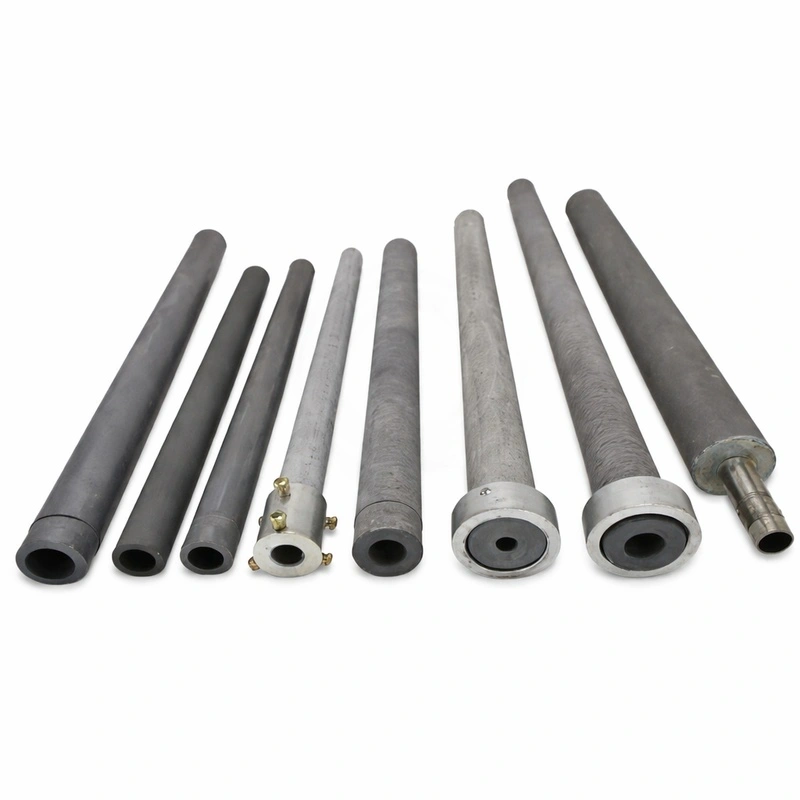
Double Heating Zone Silicon Carbide Heater

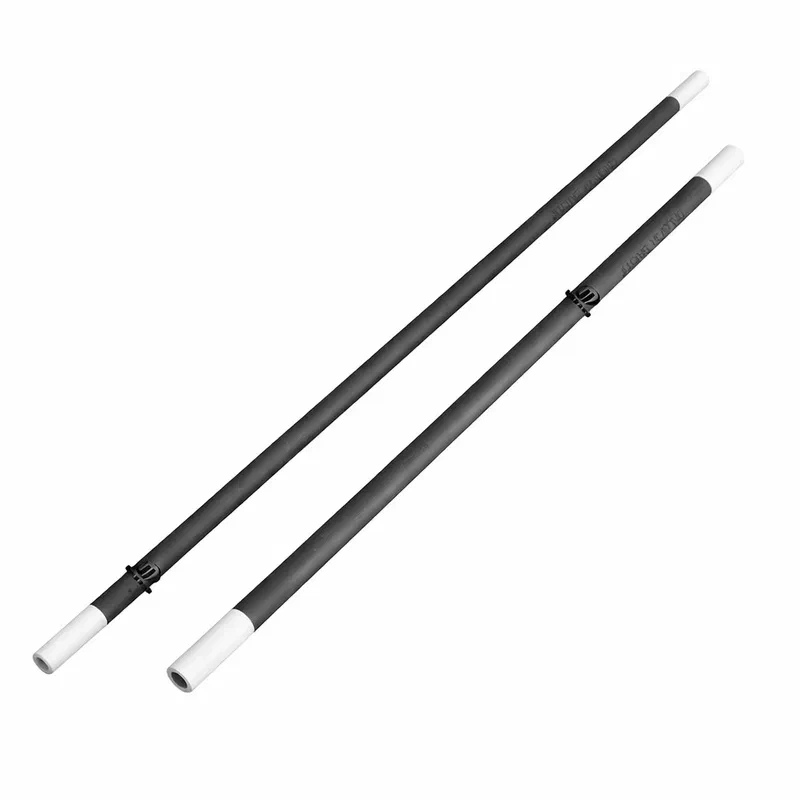
Discover the versatility and advanced thermal control with the Silicon Carbide Double Heating Section Heater. This SiC heating element is ideal for heating applications in the glass industry that utilize dual channels, providing superior heating capability and rapid thermal response. Its design allows for easy integration into glass processing equipment and offers the flexibility needed to adjust temperatures in different sections. With high energy efficiency and excellent high-temperature stability, this dual-channel SiC heater is the smart choice for optimizing your glass manufacturing processes.

The Silicon Carbide (SiC) Double Heating Zone Heater is designed for the glass industry, offering a highly efficient heating solution for dual processing channels. This SiC heater allows for optimized heat distribution in two separate zones, which is crucial for glass processes requiring specific thermal gradients or simultaneous heating of multiple material flows. Its robust silicon carbide construction ensures a long service life and high resistance to the corrosive conditions of the glass environment, guaranteeing reliable performance and increased productivity in industrial glass furnaces.

  • Glass Industry: Heating of materials in dual processing channels.

  • Glass Melting and Forming Furnaces: Where precise temperature control in multiple zones is required.

  • Glass Production Lines: For processes involving the simultaneous heating of two material flows.

  • Glass Annealing Equipment: Ensuring controlled and uniform cooling in different sections.

  • Specialized Glass Product Manufacturing: Where versatility in heat application is crucial.

Features:

  • Double Heating Section: Allows for independent or coordinated control of two thermal zones.

  • Design Specific for the Glass Industry: Optimized for corrosive environments and high temperatures.

  • High Heating Efficiency: Provides rapid temperature rise.

  • Silicon Carbide (SiC) Construction: Superior resistance to oxidation and thermal shock.

  • Long Service Life: Reduces downtime and maintenance costs.

Advantages:

  • Increased Productivity: Simultaneous heating of multiple glass channels.

  • Precise Thermal Control: Allows for adjusting temperatures according to process needs.

  • Improved Product Quality: Uniform heating that minimizes defects in the glass.

  • Energy Saving: Efficient design that reduces energy consumption.

  • Operational Reliability: Stable and consistent performance under demanding conditions.

Parameter

Value

Heater Type

Double Heating Section Silicon Carbide

Primary Application

Glass Industry, Dual Channel

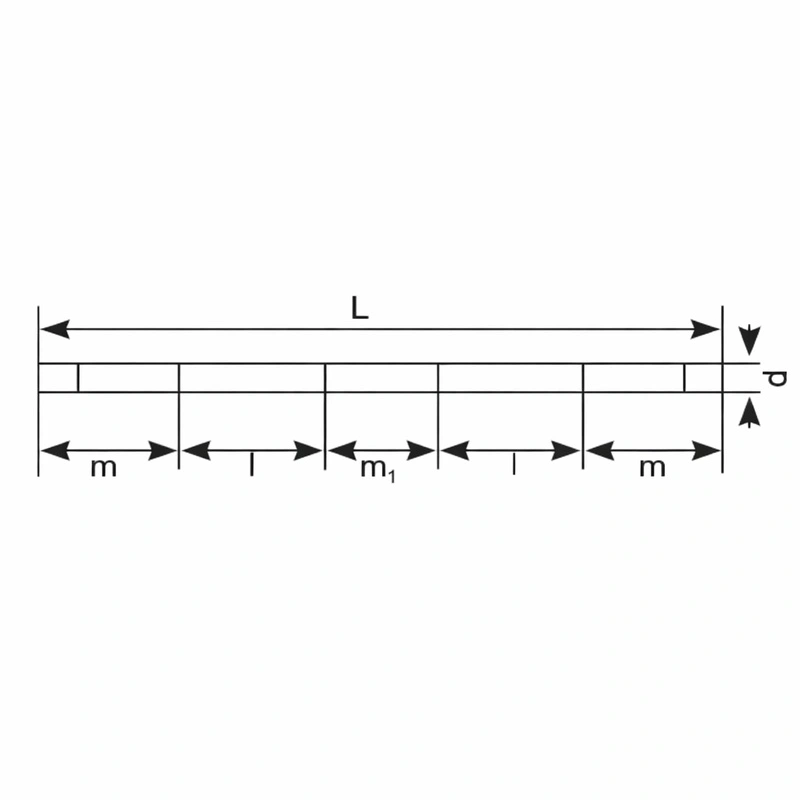
Size Annotation Method

d/l/m as 1/m

Material

Silicon Carbide (SiC)

Shape

Straight with double heating section


  • Compatibility Verification:​ Ensure the furnace design and electrical connections are compatible with the double-section heater.

  • Horizontal/Vertical Mounting:​ Install the heaters in the appropriate orientation (horizontal or vertical) according to the furnace design and glass material flow.

  • Terminal Connection:​ Connect the terminals of each heating section to their respective power sources, ensuring correct wiring for independent control.

  • Thermal Insulation:​ Verify that the insulation around the elements is adequate to maintain efficiency and protect adjacent structures.

  • Operational Test:​ Perform a heating test with temperature control for each section, ensuring both operate within the desired parameters for glass processing.

FAQ

Thermal uniformity in double-section SiC heaters is critical for high-precision processes like glass manufacturing. It is achieved through three main mechanisms:
Independent Power Control:​ Each heating section is typically connected to a separate control channel (SCR/PID), allowing dynamic power adjustment based on thermocouple readings in different furnace zones.
Power Density Design:​ These heaters are manufactured with a precisely calculated cold end and hot zones. Heat distribution is optimized by varying the material's resistivity in each section.
Symmetry in Installation:​ To ensure uniformity, it is vital to install the heaters equidistantly and with proper support, avoiding obstruction of thermal radiation by the load or furnace walls.

Customers also viewed