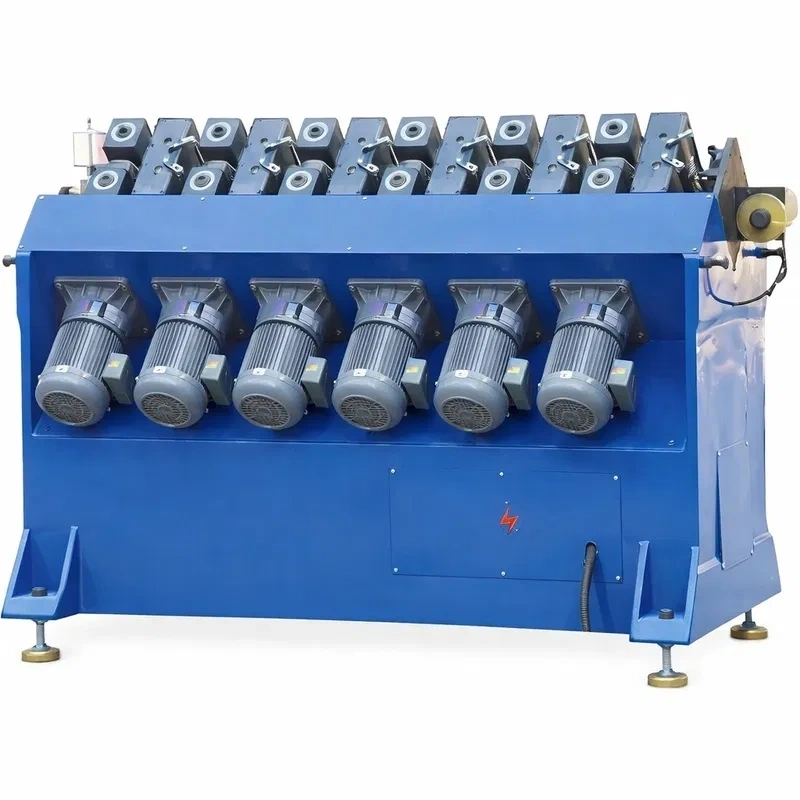
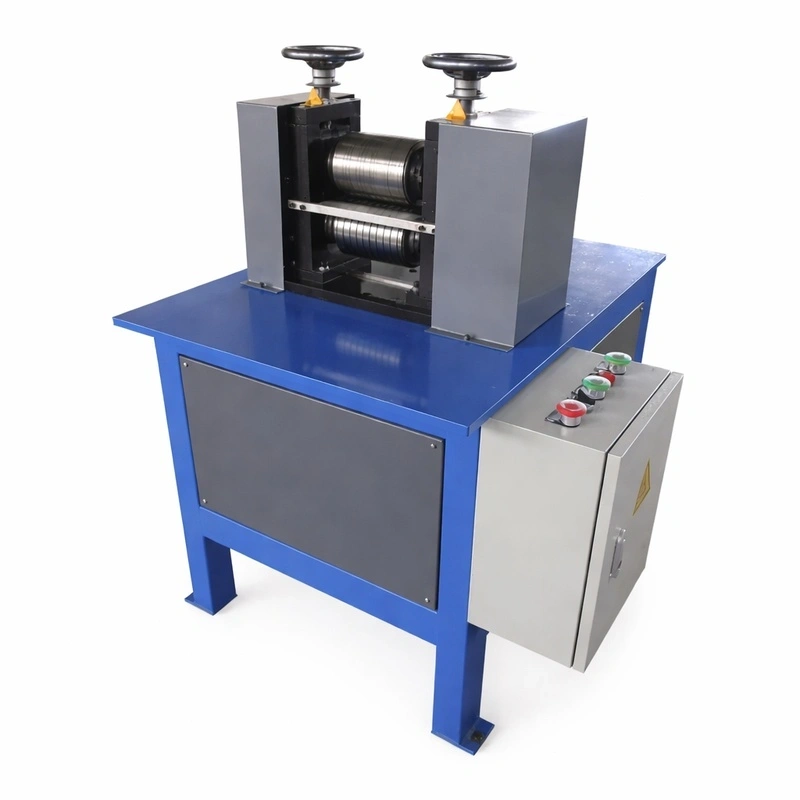
Edge Bending and Forming Machine for Clamp Heaters
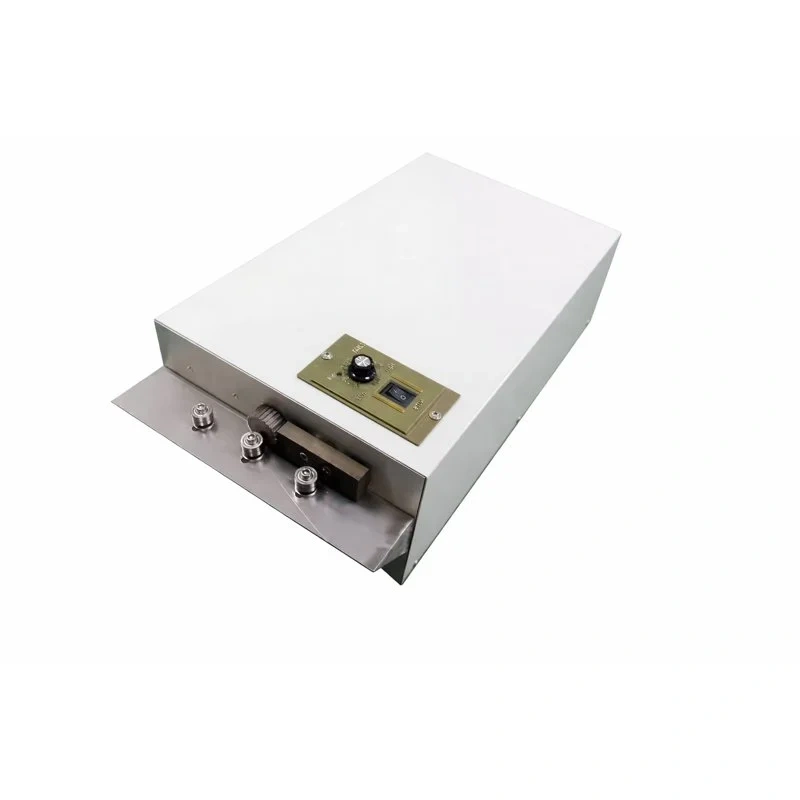
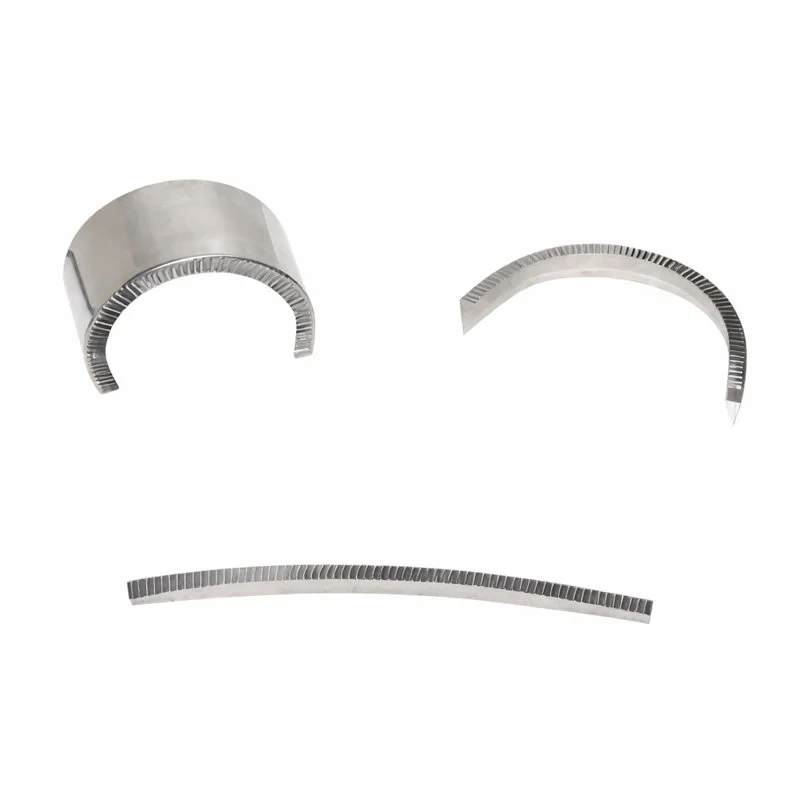
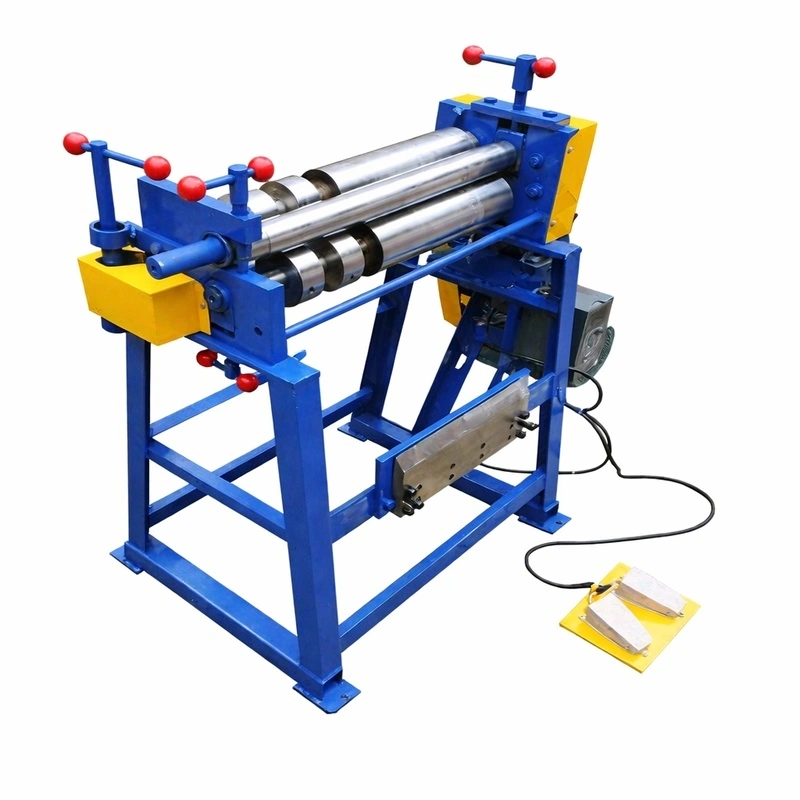
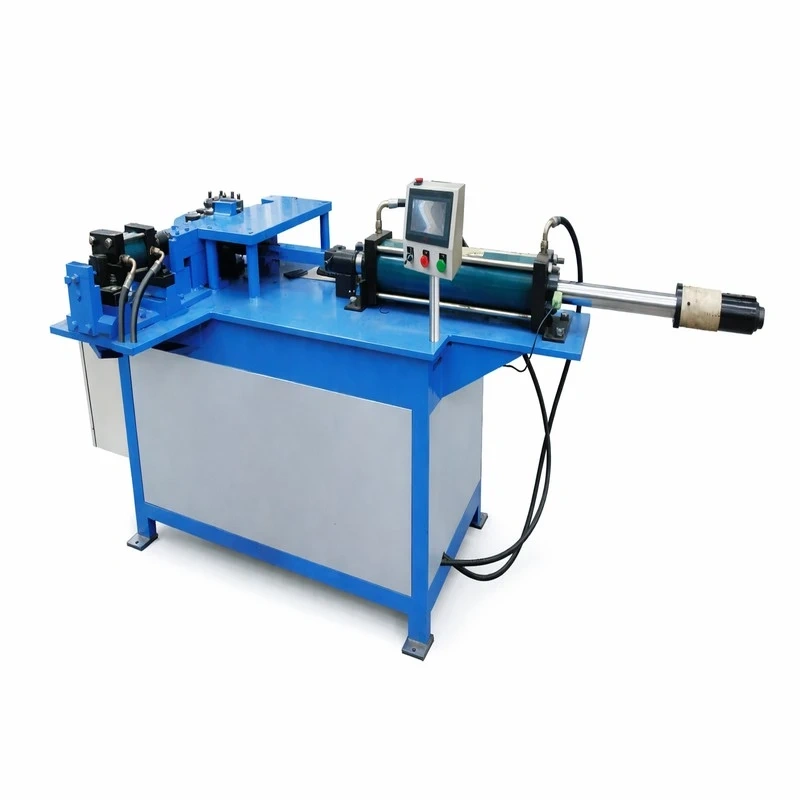
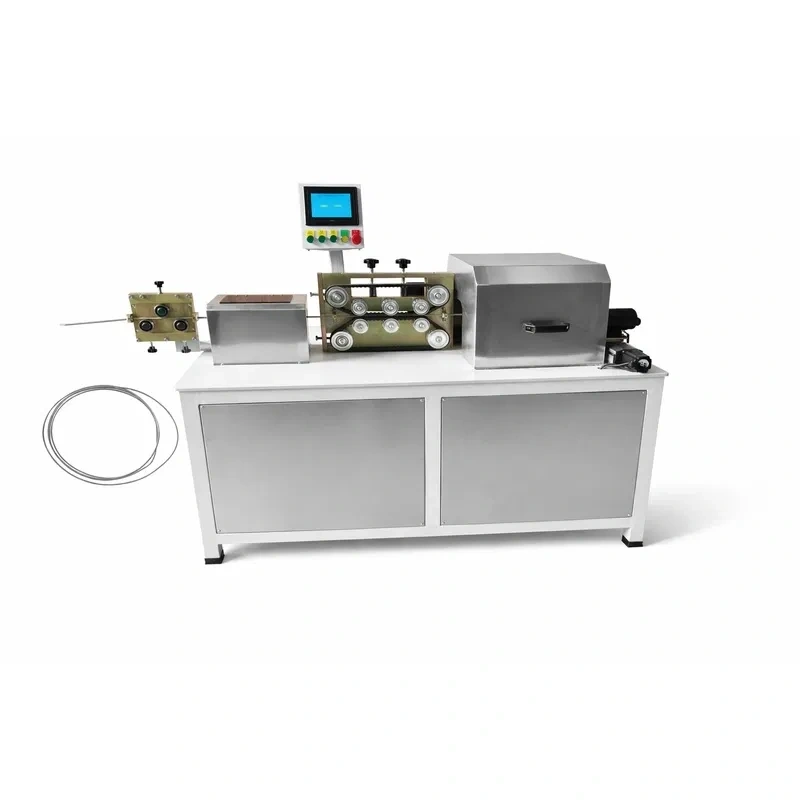
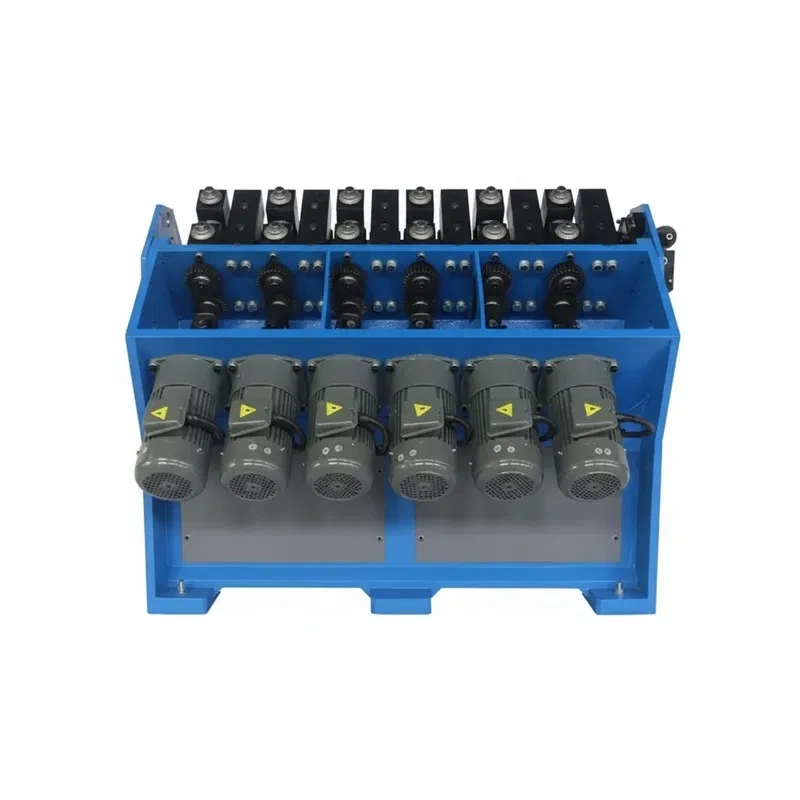
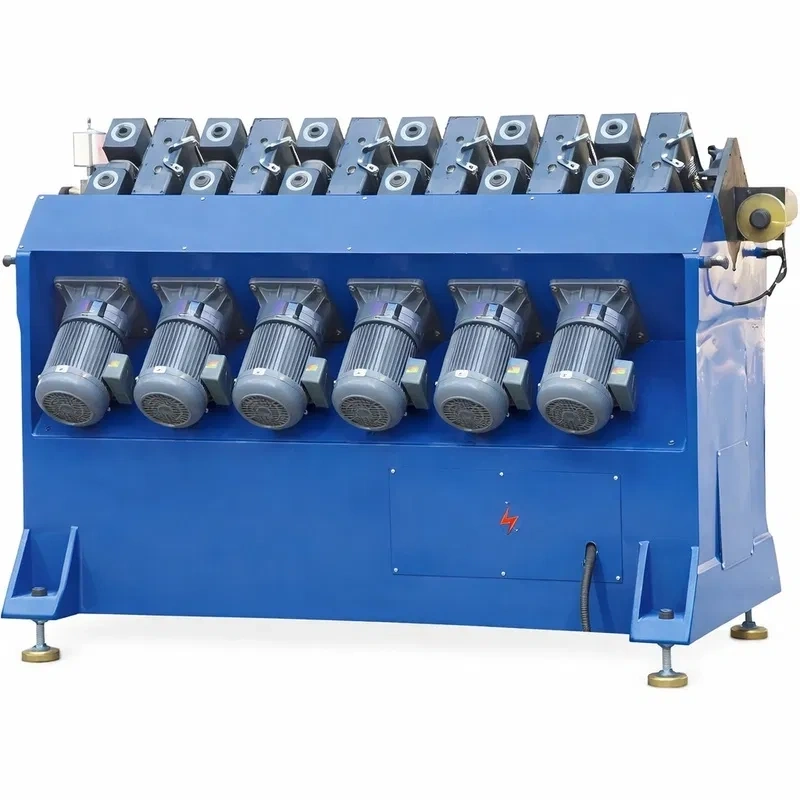
The edge bending and forming machine (also known as a fluter or metal sheet corrugator) is a precision industrial machine specifically designed for forming the outer chassis of ceramic clamp heaters and collar band heaters. Its main function consists of processing stainless steel strips or sheets (generally SS 304 or similar), applying a continuous profile to the edges to create a toothed, corrugated, or “thread-like” structure. This specialized profiling is a critical step in the manufacture of band heaters, as it gives the metal casing the mechanical flexibility needed to be subsequently bent into a circular shape without compromising its structural integrity. Thanks to this process, the stainless steel sheet can safely house the steatite segments (ceramic core) and the resistance wire, ensuring a perfect coupling on the cylinders of plastic injection and extrusion machines.
In the competitive sector of industrial electric heater manufacturing, assembly efficiency and quality are paramount. This stainless steel sheet edge forming machine stands out as equipment that is easy to operate and features a compact design, ideal for optimizing the production lines of ceramic band heaters. By automating the edge bending and fluting process of the metal, the machine eliminates the irregular deformations that typically occur in manual processes, ensuring that each clamp-style heater maintains uniform contact pressure on the surface to be heated. This translates into superior heat transfer, a longer heater lifespan (capable of operating up to 700 °C), and a significant reduction in manufacturing times. Whether for producing heaters for extruders, plastic injectors, or blow molding equipment, this machinery is the indispensable link for obtaining a robust, flexible, and high-quality casing.
The design of this machinery is intended to maximize the productivity of ceramic clamp heater manufacturers, offering tangible benefits both in daily operability and in the quality of the final product:
-
Stable and Precise Forming: Driven by a high-precision motorized gear transmission system, the machine guarantees uniform fluting and bending along the entire stainless steel strip. This prevents micro-cracks in the metal and ensures that the subsequent circular bending of the collar heater is perfect.
-
Intuitive and Easy Operation: Ergonomically designed with simplified controls, it allows operators to master the profiling process in a very short time. Highly specialized personnel are not required, which reduces training costs and minimizes human errors during the production of the metal casing.
-
Compact Design and Space Optimization: Its benchtop structure or reduced dimensions (approximately 500 x 350 x 300 mm) allow for easy integration into any workshop or electric heater manufacturing plant without sacrificing production capacity.
-
High Productive Efficiency: Capable of processing thousands of units per work shift (up to 5000 units in 8 hours, depending on the model and operator skill), automating a process that traditionally consumed a lot of time and physical effort.
-
Material and Size Versatility: Adjustable to process different thicknesses of stainless steel sheet and band widths. The forming rollers can be adapted to create different tooth widths (e.g., from 8 to 25 mm), thus covering the entire range of ceramic band heater sizes demanded by the plastics industry.
-
Enhanced Safety: Unlike punch presses or traditional presses that present a high risk of trapping, the continuous roller mechanism of this edge forming machine offers a much safer working environment for the operator.
Below are the standard technical specifications for edge forming machines used in the ceramic clamp heater industry.
|
Technical Parameter |
Standard Specification |
|---|---|
|
Main Application |
Edge forming and bending of metal sheet for ceramic clamp heaters |
|
Compatible Material |
Stainless Steel Sheet/Strip (SS), Iron |
|
Power Supply |
220V Single Phase (1P) or 380V Three Phase, 50-60Hz (depending on model) |
|
Motor Power |
0.2 KW - 1.1 KW (Depending on production capacity) |
|
Tooth Width / Fluting (Adjustable) |
Range 1: 8 mm - 13 mm |
|
Forming Speed |
Adjustable (Approx. 5000 units / 8-hour shift) |
|
Machine Dimensions (L x W x H) |
Approx. 500 mm x 350 mm x 300 mm (Compact design) |
|
Net Weight |
15 KG - 25 KG (Facilitates relocation within the plant) |
|
Transmission System |
High-strength steel gears and forming rollers |
One of the most critical aspects in the operation of a ceramic band heater is its ability to maintain intimate and constant contact with the cylinder of the extruder or injector machine. If the stainless steel casing does not perfectly embrace the cylinder, air pockets are generated that act as thermal insulators, causing internal overheating that melts the resistance wire and prematurely destroys the heater.
The bending machine solves this fundamental mechanical problem. By creating a corrugated or fluted edge (like a "thread" or bellows) on the sides of the stainless steel strip, the natural rigidity of the metal is broken. This structural modification allows that, when assembling the steatite core and applying the tension springs or fixing screws, the metal casing acquires exceptional flexibility. The result is a perfect cylindrical coupling that expands and contracts harmonically with temperature changes (up to 700°C), guaranteeing maximum heat conduction, significant energy savings, and a drastic extension of the band heater's lifespan.

To ensure the longevity of the edge forming machine and maintain consistent quality in the manufacture of collared heater casings, it is imperative to follow a preventive maintenance program and good practices:
-
Periodic Lubrication: The transmission gears and bearings of the forming rollers must be lubricated regularly with industrial-grade grease to avoid premature wear due to friction and ensure quiet operation.
-
Roller Inspection: The steel rollers that perform the fluting on the stainless steel sheet are subjected to intense mechanical work. They must be visually inspected for wear, nicks, or accumulation of metal shavings that could mark or tear the stainless steel strip during the process.
-
Daily Cleaning: At the end of the work shift, the machine must be cleaned with compressed air and dry cloths to remove metal dust and oil residues. Corrosive solvents that could damage electrical components should never be used.
-
Tolerance Adjustment: Depending on the thickness of the stainless steel used for each batch of clamp heaters, the operator must carefully calibrate the pressure between the rollers. Excessive pressure can dangerously thin the metal, while insufficient pressure will not form the fluting correctly, hindering subsequent circular bending.
-
Electrical Safety: Periodically check the condition of the power cable and the equipment grounding, especially in industrial environments where there may be exposure to high temperatures and ceramic dust from other areas of the factory.
FAQ
How does the bending or fluting process work in heater manufacturing?
The process involves passing the stainless steel sheet between two conjugate profiled forming rollers. These rollers apply pressure and a controlled deformation pattern to the edges of the sheet, creating a series of peaks and valleys (the fluting or bending). This pattern increases the surface area and flexibility of the metal, allowing the sheet to curve smoothly to form the cylindrical structure of the clamp-style heater. The precision of this process is crucial to ensure uniform contact of the heater with the surface to be heated, optimizing heat transfer and extending the life of the heating element.