Flanges | Industrial Flanges – Heatecx Limited

Heatecx Limited

Flanges | Industrial Flanges

Flanges are essential components in the industry, designed to join sections of pipes, valves, pumps, and other equipment, creating a robust and hermetic connection system. Their main function is to allow the safe and efficient assembly and disassembly of systems, facilitating maintenance, inspection, or modification tasks. These pieces are characterized by their flat or raised surface with bolt holes, which align with those of the counter-flange, ensuring a firm union through the use of gaskets to seal the connection. Choosing the right flange is crucial to guarantee the integrity and performance of any industrial installation, especially in high-pressure, high-temperature, or corrosive fluid environments. They are fundamental in a wide range of sectors, from petrochemicals and power generation to water treatment and the food industry.

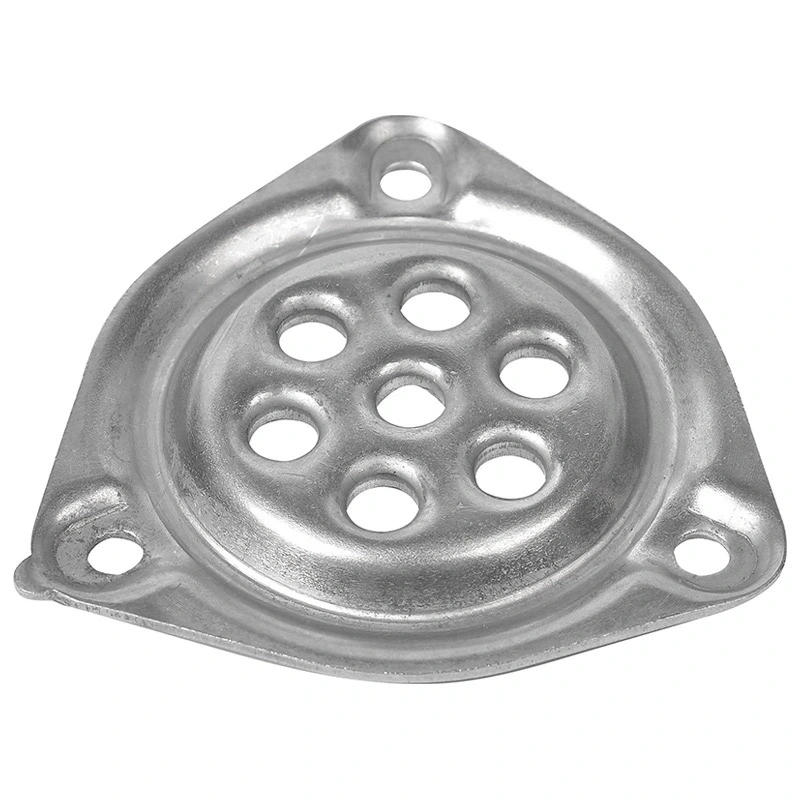
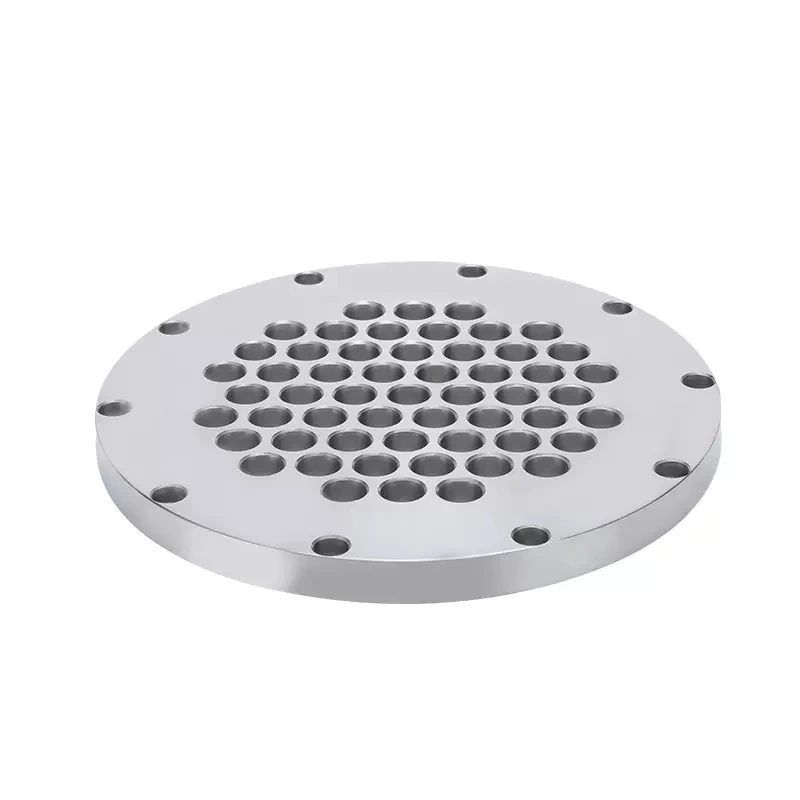
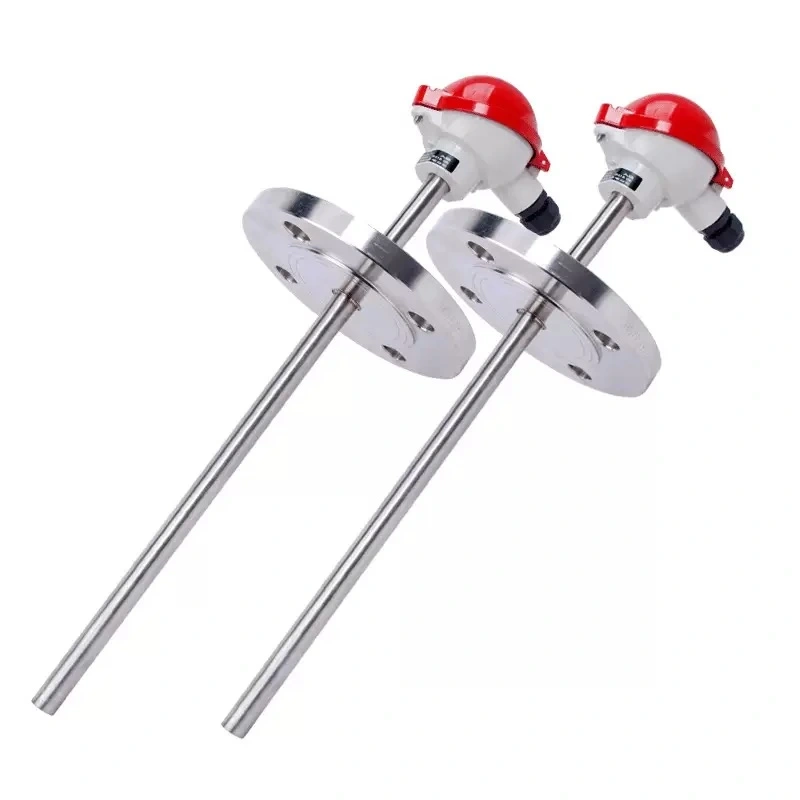
In the realm of heating systems, flanges play a vital role, serving as support and connection for heating elements. For example, the heater flange​ is a key component in the manufacture of flanged heaters and immersion heaters with flanges, allowing their safe installation in tanks or deposits to heat liquids or gases. Similarly, the thermocouple flange​ and the cartridge heater flange​ are specific for the fixation of temperature sensors and cartridge-type heating elements, respectively, ensuring precise measurement and efficient heat transfer. The versatility of flanges extends to the protection of these components, as in the case of the thermocouple sheath and the temperature transmitter sheath, which are often installed with flanges to protect the sensors from adverse process conditions. Furthermore, the possibility of manufacturing custom flanges allows these solutions to be adapted to very specific technical requirements, optimizing the performance and safety of the installations.

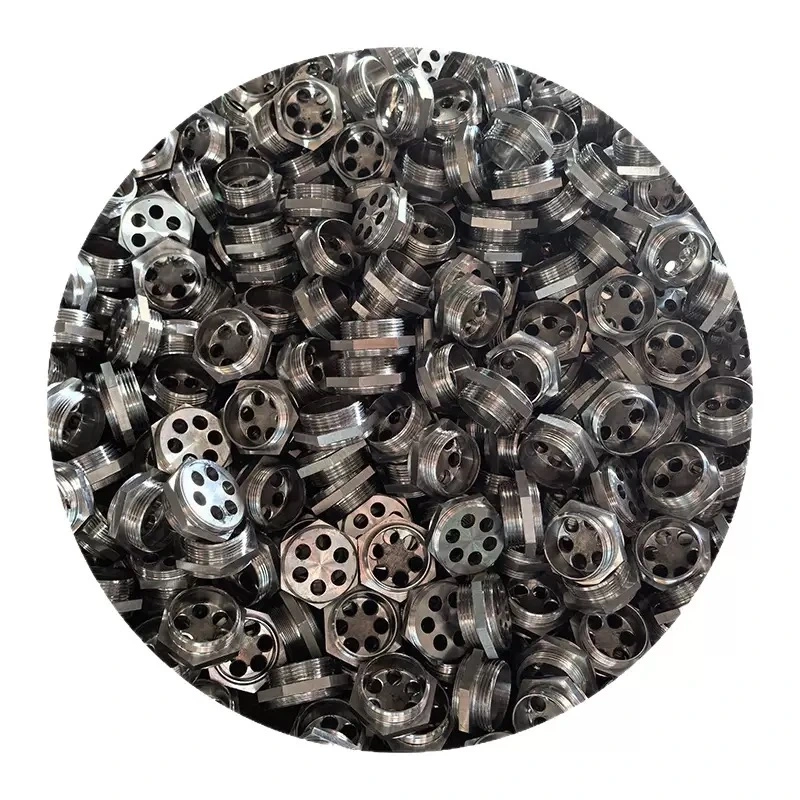
The diversity of industrial applications has led to the development of a wide range of flange types, each designed to meet specific requirements for pressure, temperature, fluid type, and connection method. Below is a detailed table with the most common types of flanges and their main characteristics:

Flange Type

Description

Common Applications

Advantages

Considerations

Slip-On Flange

It slides over the pipe end before being welded both internally and externally.

Low-pressure systems, water lines, non-critical services.

Easy to align, lower initial cost.

Lower fatigue resistance, not suitable for high pressures.

Weld Neck Flange

Designed with a conical neck that is butt-welded to the pipe, reducing stress at the flange base.

High-pressure and high-temperature applications, critical services, flammable fluids.

High structural integrity, excellent fatigue resistance.

Higher cost, requires high-quality welding.

Blind Flange

Has no central hole and is used to close the end of a pipe, valve, or pressure vessel opening.

Isolation of pipeline sections, pressure testing, future expansions.

Provides a hermetic seal, easy to install and remove.

Does not allow fluid flow.

Threaded Flange

Screws onto the pipe without the need for welding.

Low-pressure and low-temperature services, small pipes, hazardous areas where welding is not permitted.

Easy installation, no welding required.

Risk of leaks if not sealed correctly, not suitable for high pressures or temperatures.

Lap Joint Flange

Consists of two parts: a stub end (lap joint stub) that is welded to the pipe and a loose flange that slides over the stub end.

Systems requiring frequent disassembly for cleaning or inspection, expensive materials (stub end of alloy, carbon steel flange).

Facilitates bolt alignment, reduces the cost of expensive materials.

Lower fatigue resistance than Weld Neck, not suitable for high pressures.

Socket Weld Flange

The pipe is inserted into a recess in the flange and welded with an external fillet weld.

Small diameter pipes, high-pressure and low-temperature systems, non-critical services.

Good fatigue resistance, easy to install.

Requires welding, can trap corrosion in the annular space.

Orifice Flange

Designed for the installation of orifice plates, which are used to measure fluid flow.

Flow measurement in pipelines.

Allows for precise flow measurement.

Requires careful installation to ensure accuracy.


Flanges are versatile components, and their use extends across a multitude of industries and applications, being crucial for the safety and efficiency of systems. Their main applications include:

  • Petrochemical and Chemical Industry:​ Pipe connections in refineries, chemical plants, and offshore platforms, where resistance to corrosion and high pressures is fundamental. Here, the flat heater flange​ and the U-shaped heater flange​ are common in processing equipment.

  • Power Generation:​ In thermal and nuclear power plants for joining steam, cooling water, and other high-pressure and high-temperature fluid pipes. Flanges are essential for the integration of immersion heaters with flanges​ in boilers and preheating systems.

  • Water and Wastewater Treatment:​ Connection of pumps, valves, and filters in treatment plants, where durability and corrosion resistance are important.

  • Food and Pharmaceutical Industry:​ Use of stainless steel flanges with sanitary finishes to prevent contamination and facilitate cleaning in processes requiring high hygiene.

  • Industrial Heating Systems:​ One of the most prominent applications is in heating systems. Flanges are used to mount flanged heaters​ on tanks and vessels, allowing for the efficient heating of liquids such as water, oils, chemical solutions, and gases. The cartridge heater flange​ is specific for the installation of cartridge-type heating elements, while the U-shaped heater flange​ adapts to U-shaped heaters. Additionally, the thermocouple flange​ is indispensable for the fixation of temperature sensors, ensuring precise control of the heating process. The thermocouple sheath and the temperature transmitter sheath are also integrated with flanges to protect the measuring devices in aggressive environments.

  • Naval and Offshore Construction:​ In the construction of ships and marine platforms, where flanges must withstand extreme conditions and guarantee the watertightness of the systems.

  • Mining:​ Connection of pipes for the transport of slurries, water, and other materials in mining operations.

Flanges offer a series of features and advantages that make them the preferred choice for connecting components in industrial systems:

  • Secure and Hermetic Connection:​ They provide a robust union that minimizes the risk of leaks, essential for operational safety and environmental protection. This is critical in applications like the heater flange​ where system integrity is paramount.

  • Ease of Assembly and Disassembly:​ Unlike permanent welded unions, flanges allow quick and easy access for maintenance, inspection, or component replacement, reducing downtime.

  • Material Versatility:​ Available in a wide range of materials such as carbon steel, stainless steel (304, 316), nickel alloys, and plastics, allowing the selection of the right flange to withstand the specific corrosion, temperature, and pressure of each application. This includes optimized materials for the thermocouple flange​ and the cartridge heater flange.

  • Adaptability to Various Pressures and Temperatures:​ There are flanges designed to withstand everything from low pressures and temperatures to extreme conditions, guaranteeing system reliability.

  • International Standardization:​ Flange manufacturing is governed by international standards (ANSI, DIN, JIS, etc.), ensuring interchangeability and compatibility between components from different manufacturers.

  • Integration with Heating and Measurement Elements:​ They allow for the easy integration of immersion heaters with flanges, flanged heaters, thermocouple connectors, and thermocouple sheaths, facilitating the design of efficient heating and temperature control systems.

The technical specifications of flanges are fundamental to ensuring their correct selection and installation. These include:

  • Nominal Diameter (DN or NPS):​ Indicates the size of the pipe to which the flange will be connected.

  • Pressure Class (Rating):​ Defines the maximum working pressure that the flange can withstand at a given temperature. Commonly expressed in pounds (Lb) or PN (Nominal Pressure).

  • Material of Manufacture:​ Carbon steel (A105, A350 LF2), stainless steel (A182 F304/304L, A182 F316/316L), special alloys. The choice depends on the fluid, temperature, and environment.

  • Facing Type:​ Can be Flat Face (FF), Raised Face (RF), or Ring Type Joint (RTJ), among others. The flat heater flange​ is an example of a flat face.

  • Manufacturing Standards:​ ANSI/ASME B16.5, B16.47, DIN, JIS, EN, etc.

  • Dimensions:​ Outer diameter, bolt circle diameter, number and diameter of bolt holes, flange thickness.

  • Surface Finish:​ Roughness of the flange face, important for sealing with the gasket.

  • Design Temperature:​ Temperature range in which the flange can operate safely.

For specific components like the thermocouple flange​ or the cartridge heater flange, the specifications will also include the diameter and length of the stem or sheath, the type of connection to the sensor (thermocouple connector), and compatibility with the heating element or sensor.

The ability to adapt flanges to specific needs is a significant advantage in the industry. Customization options include:

  • Custom Flanges:​ Manufacture of flanges with special dimensions, materials, or configurations not found in commercial standards. This is ideal for projects with unique requirements or to replace obsolete components.

  • Special Materials:​ Use of exotic alloys or materials with special coatings to withstand extremely corrosive, abrasive, or high-temperature environments.

  • Designs Specific to Applications:​ Development of flanges with particular characteristics, such as the U-shaped heater flange​ that adapts to the shape of tubular heaters, or designs optimized for the thermocouple sheath and the temperature transmitter sheath.

  • Special Surface Finishes:​ High-precision finishes for sanitary applications or to improve sealing performance in critical conditions.

  • Heat Treatments and Coatings:​ Application of treatments to improve the hardness, wear resistance, or corrosion resistance of the flange.

  • Marking and Traceability:​ Customization with specific customer markings, serial numbers, or QR codes for complete product traceability.

These customization options ensure that each flange fits its function perfectly, optimizing the performance, safety, and useful life of industrial installations. Flexibility in design and manufacturing allows for addressing complex technical challenges and providing tailored solutions for any need.

FAQ

Flanges are connected mainly by means of bolts that pass through the holes of both flanges and are tightened with nuts. A gasket or packing is placed between the faces of the flanges to ensure the hermeticity of the union. Depending on the type of flange, the connection to the pipe can be by welding (as in the weld neck flange or the slip-on flange) or by threading (in the case of the threaded flange). Correct installation and proper tightening of the bolts are crucial to avoid leaks and guarantee system safety.

Customers also viewed