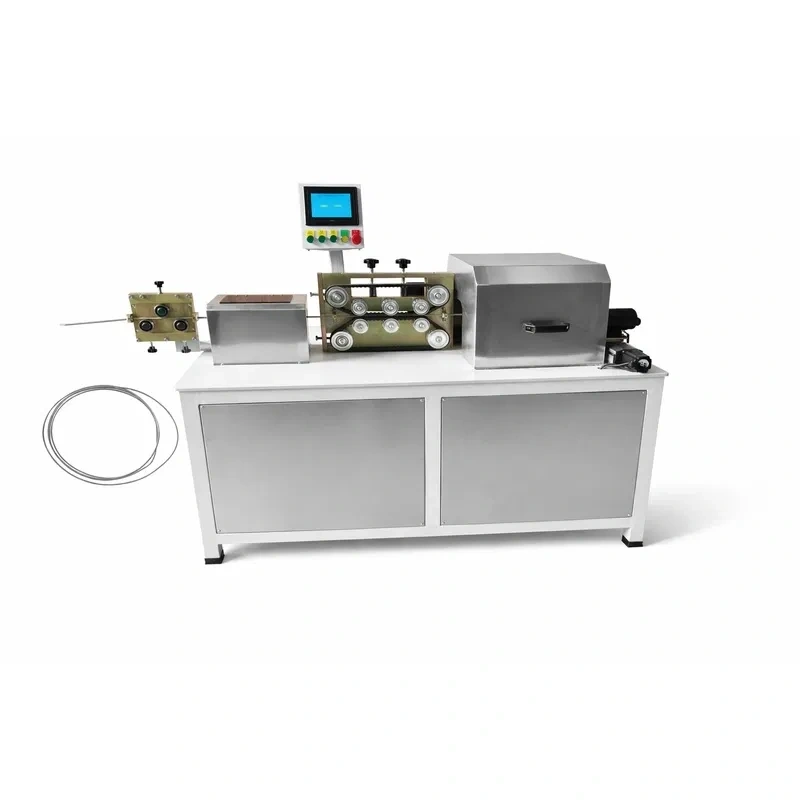
Industrial Electric Heating Ceramics – Heatecx Limited

Heatecx Limited

Industrial Electric Heating Ceramics

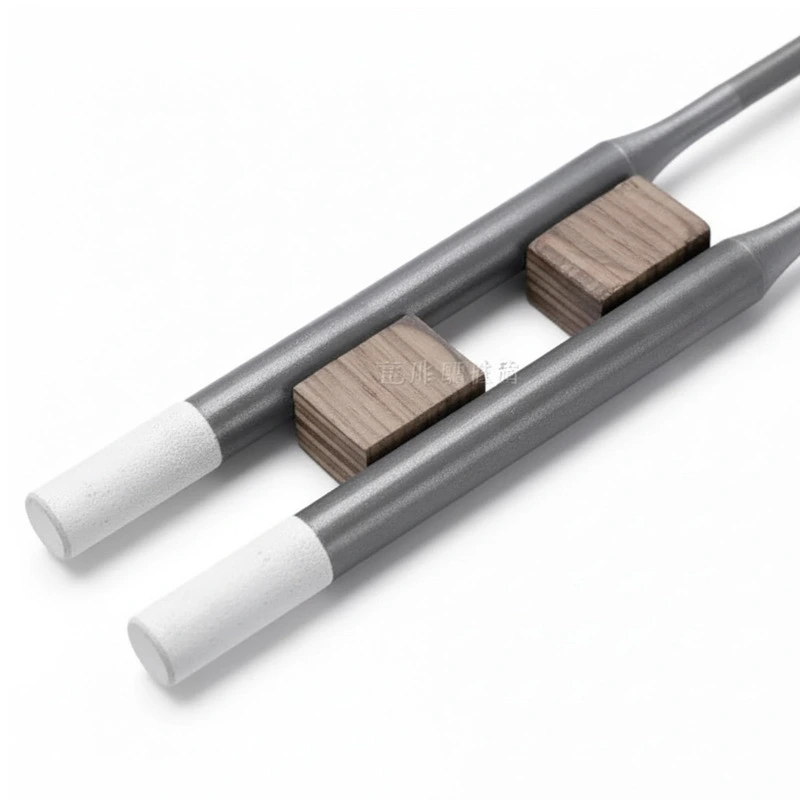
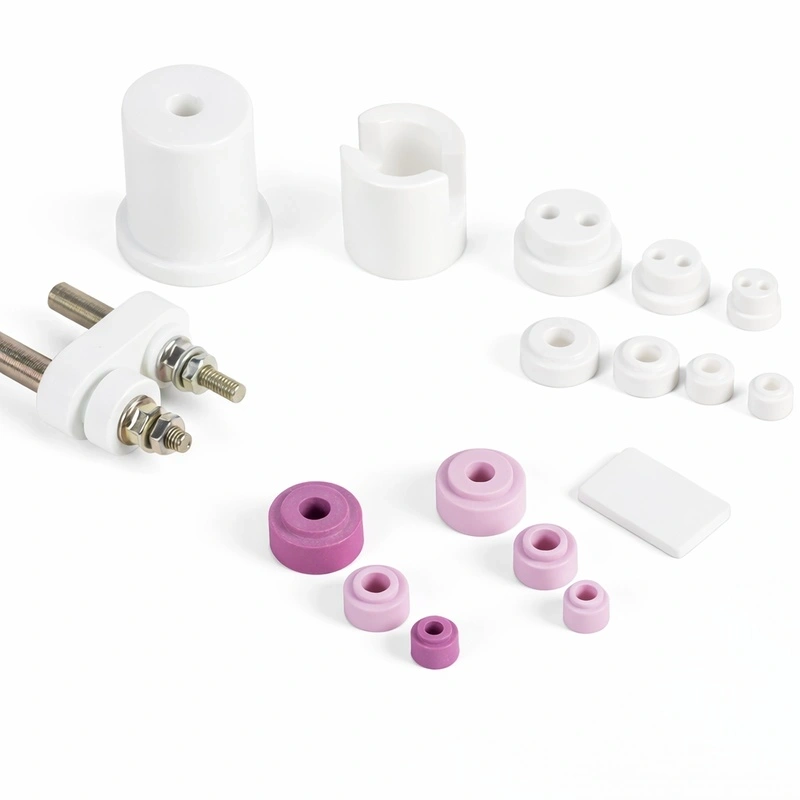
Technical ceramic components for electric heating are structural and functional elements manufactured from advanced ceramic materials, such as alumina (aluminum oxide) or steatite, specifically designed to operate in high thermal and electrical demand environments. These components act as the insulating core and support in resistive heating systems, enabling the efficient conversion of electrical energy into heat. Thanks to their exceptional dielectric rigidity and low thermal conductivity, they ensure that electric current flows exclusively through the resistive element (such as Nichrome wire), preventing short circuits and dissipating heat in a controlled and uniform manner toward the target medium.

In the realm of modern industry, thermal efficiency and operational safety are fundamental pillars. Our line of industrial ceramics for heaters​ represents the definitive solution for applications demanding uninterrupted performance under extreme conditions. These high-temperature ceramic insulators not only withstand thermal peaks up to 850 °C (and higher, depending on the alloy and design) but also offer superior mechanical resistance to thermal shock and industrial vibrations. By integrating these precision ceramic materials into their processes, companies ensure prolonged equipment lifespan, a significant reduction in maintenance costs, and unparalleled adaptability—suitable for both conventional environments and classified explosion-proof atmospheres (dIB and C grades).

The versatility and robustness of refractory technical ceramics allow their integration into a vast range of industrial sectors. These components are essential in processes where precise temperature control and reliability are critical:

Fluid and Gas Heating: Extensively used in immersion and circulation heaters​ to raise the temperature of water, industrial oils, compressed air, and various corrosive chemical media. Their tubular or ceramic core design ensures efficient heat transfer without contaminating the fluid.

Materials Processing and Metallurgy: Fundamental in industrial furnaces for melting salts, alkalis, and low-melting-point alloys. The high power density supported by these elements allows reaching required working temperatures rapidly.

Plastics and Rubber Industry: Integrated into tubular heaters​ and cartridge heaters​ for extruders, injection molding machines, and vulcanizing presses (heat presses). They provide uniform heat vital for maintaining polymer viscosity and quality.

Laboratory and Medical Equipment: Employed in drying ovens, incubators, and sterilization equipment where precision in temperature control (with minimal tolerances) is a regulatory requirement.

Industrial Environmental Heating Systems: Applied in ceramic radiant panels and industrial air heaters for climate control in large industrial warehouses, offering clean, rapid-response heat.

Adopting high-temperature electrical ceramic insulators provides tangible benefits that optimize the overall performance of heating systems.

Key Features

Exceptional Electrical Insulation: Possess high electrical resistivity even at elevated temperatures, preventing current leakage and guaranteeing operator and equipment safety.

Extreme Thermal Resistance: Capable of continuous operation at temperatures up to 850 °C, withstanding thermal fluctuations without structural degradation, cracking, or loss of properties.

High Mechanical Strength: Their dense crystalline structure confers notable resistance to compression, abrasive wear, and mechanical impacts inherent to heavy industrial environments.

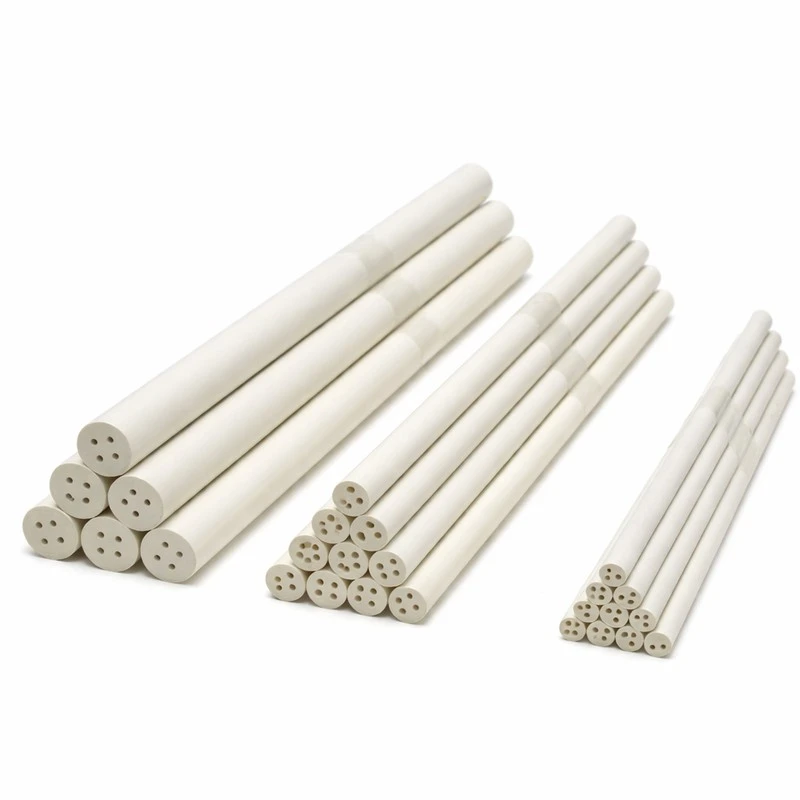
Compact High-Power Design: The use of grouped tubular elements (bundle type) allows concentrating high thermal power in a reduced volume, optimizing space in the installation.

Competitive Advantages

Superior Energy Efficiency: The excellent directional thermal conductivity of ceramics ensures generated heat transfers rapidly to the medium, minimizing energy losses and achieving high overall thermal efficiency.

Long Service Life and Reliability: Manufactured with special electrothermal materials and operating with low surface power loading, these components experience minimal wear, drastically reducing replacement frequency and downtime.

Precision Temperature Control: Their rapid thermal response allows perfect integration with automated control systems (PLC, thermocouples), achieving uniform and highly precise outlet medium temperature.

Safety and Adaptability: Designed with multiple protection systems, they are safe to operate under high pressure (up to 20 MPa) and can be certified for use in explosive-risk zones.

Technical Parameter

Specification / Range

Base Material

High-purity Alumina (Al₂O₃), Steatite, Cordierite

Maximum Working Temperature

Up to 850 °C (special designs up to 1200 °C)

Supply Voltage

110V, 220V, 380V, 480V (Single-phase / Three-phase)

Pressure Resistance

Up to 20 MPa (in encapsulated configurations)

Explosion-Proof Classification

dIB and C Grades (optional per application)

Surface Power Density

Low to Medium (optimized for extended service life)

Temperature Control Tolerance

± 1 °C (depending on associated control system)

Insulation Resistance (Cold)

> 50 MΩ

Dielectric Strength

> 2000 V/min (no perforation or flashover)


We offer a comprehensive customization service to adapt our ceramic heating elements to the exact specifications of your project:

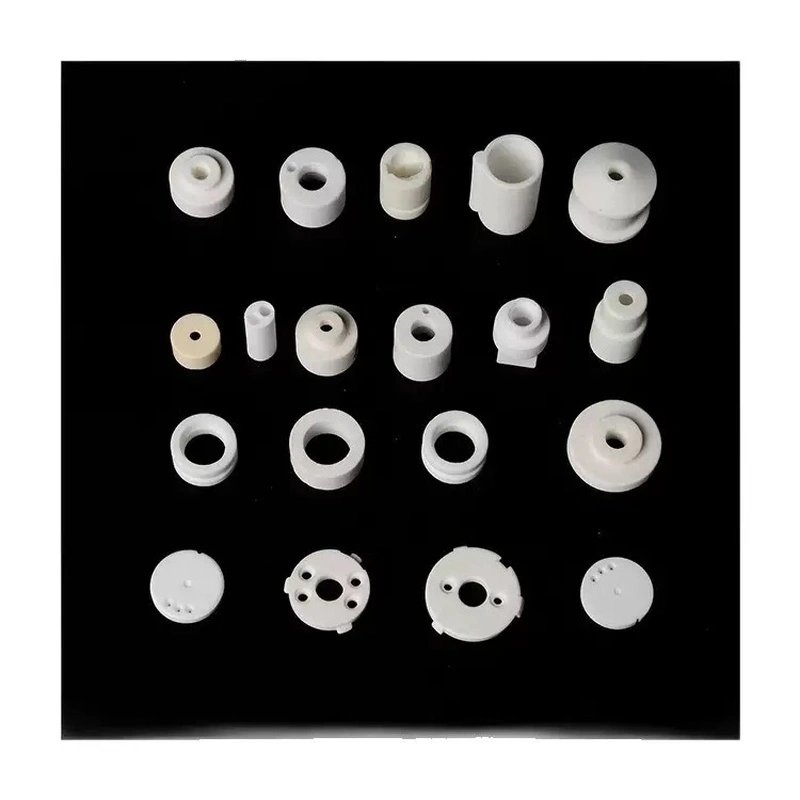
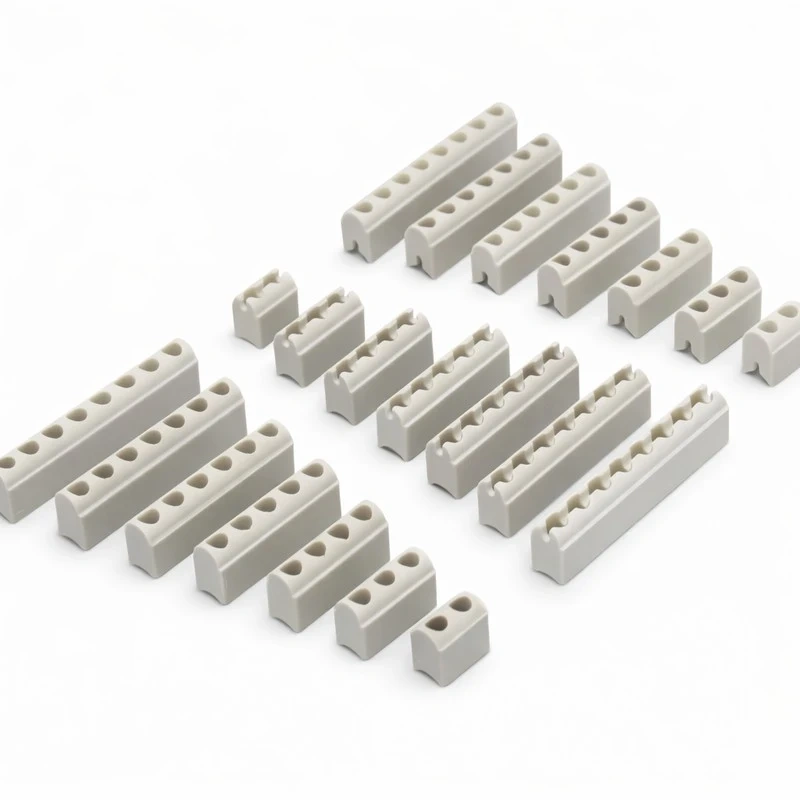
Geometry and Dimensions: Manufacturing of parts in diverse shapes (tubes, blocks, discs, plates, rings) and sizes, adjusted to the spatial constraints of your machinery.

Material Selection: Option to choose between different ceramic grades (e.g., higher alumina percentage for greater mechanical strength, or Cordierite for superior thermal shock resistance) according to environmental demands.

Sensor Integration: Incorporation of thermocouples (Type J, K, etc.) or PT100 sensors directly into the ceramic core for real-time, high-precision temperature monitoring.

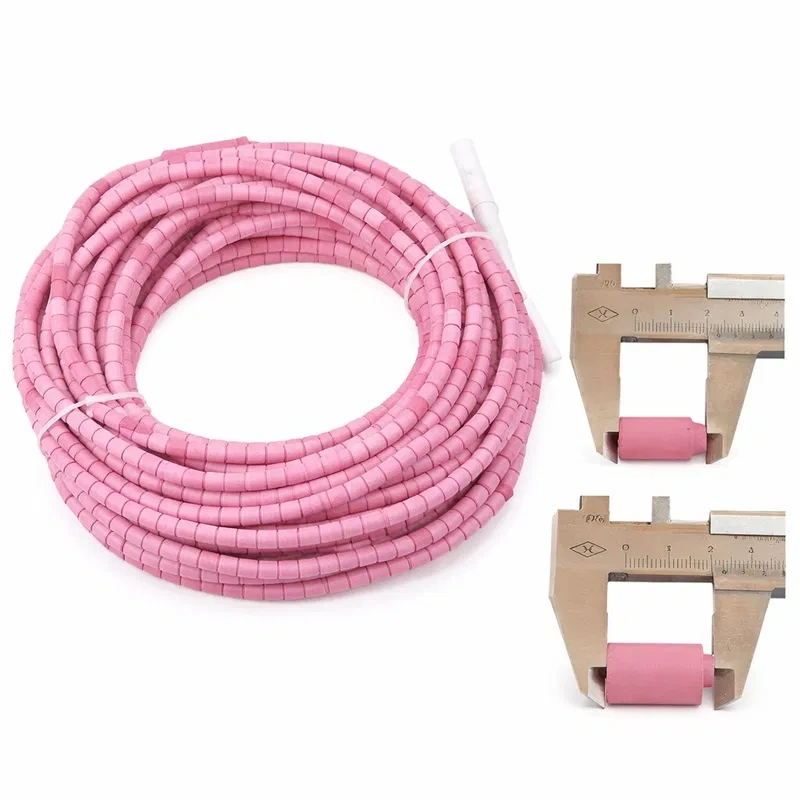
Electrical Connections: Customization of connection terminals (fiberglass cables, threaded terminals, high-temperature plugs) to facilitate fast and safe installation.

Automated Control Systems: Design of heating circuits compatible with computer networks and SCADA systems, allowing remote and automated control of critical parameters such as outlet temperature, flow rate, and pressure.

Specific Certifications: Adaptation of design to comply with international safety and quality standards (CE, UL, ATEX for explosive environments).

FAQ

To prevent cracks in ceramic seals, the key is to minimize thermal shock. Use PID temperature controllers to avoid abrupt heat surges and select materials with low thermal expansion, such as Cordierite. Also, ensure precise assembly to avoid unnecessary mechanical stress on the insulator.

Customers also viewed