Industrial Thermal Insulation Blankets – Heatecx Limited

Heatecx Limited

Industrial Thermal Insulation Blankets

Industrial thermal insulation blankets, also known in the sector as thermal jackets or insulation jackets, represent the evolution of traditional industrial insulation. This removable thermal insulation system has been specifically designed to optimize thermal processes in highly demanding environments, where preventive maintenance and frequent inspection of components are critical for plant operability. In the current context of resource optimization, our thermal blankets are positioned as an indispensable tool for industrial energy efficiency. By drastically reducing heat loss at critical points such as valves, flanges, and band heaters, these solutions allow for precise control of process temperature, improving final product quality and reducing wear on heating systems. It is a high-impact investment that not only protects the integrity of machinery but also guarantees a safe work environment by reducing the surface temperature of equipment, complying with the strictest occupational safety and risk prevention regulations.

The thermal insulation blanket is a multi-layer, flexible, and modular thermal containment system, designed to wrap around industrial components that operate at elevated temperatures. Unlike conventional rigid insulation (such as rock wool with an aluminum sheet finish), these blankets are reusable and removable, allowing immediate access to machinery without generating waste or requiring specialized insulation personnel for reinstallation. Their main function is to minimize heat transfer by radiation and convection, keeping energy within the production process.

Sector / Equipment

Specific Function

Key Benefit

Plastics Industry

Injection and extrusion machines (band heaters).

Up to 30% electrical savings and thermal stability.

Fluid Systems

Globe valves, gate valves, and connection flanges.

Elimination of thermal bridges at inspection points.

Power Generation

Steam turbines, manifolds, and exhaust systems.

Reduction of radiated heat in engine rooms.

Chemical Processes

Heat exchangers and reaction vessels.

Optimization of energy transfer and chemical protection.

Industrial Engines

Exhaust elbows and turbochargers.

Prevention of fires from contact with oils and protection of electronic components.


The use of removable thermal insulation offers competitive advantages that directly impact a company's bottom line:

  • Energy Efficiency and ROI:​ The return on investment is typically less than one year. By preventing heat from dissipating into the environment, heaters​ and burners work for less time, which translates into a direct reduction in electricity or gas consumption.

  • Occupational Safety (HSE):​ A metal surface at 300°C can be reduced to less than 50°C after installing the blanket. This eliminates the risk of accidental burns and improves the thermal comfort of operators.

  • Simplified Maintenance:​ Thanks to quick-closure systems such as spring latches, cam buckles, or industrial Velcro, any operator can remove the blanket in minutes for inspection and reinstall it without special tools.

  • Environmental Protection:​ By emitting less waste heat, the thermal load of the plant decreases, allowing air conditioning and ventilation systems to operate more efficiently, generating secondary energy savings.

Each blanket is manufactured under a rigorous quality standard, using state-of-the-art materials to guarantee durability and resistance in extreme conditions.

Component

Material Used

Technical Properties

Outer Layer

Fiberglass cloth coated with Silicone or Teflon (PTFE).

Resistance to UV rays, oils, chemicals, and weathering. Waterproof.

Insulating Core

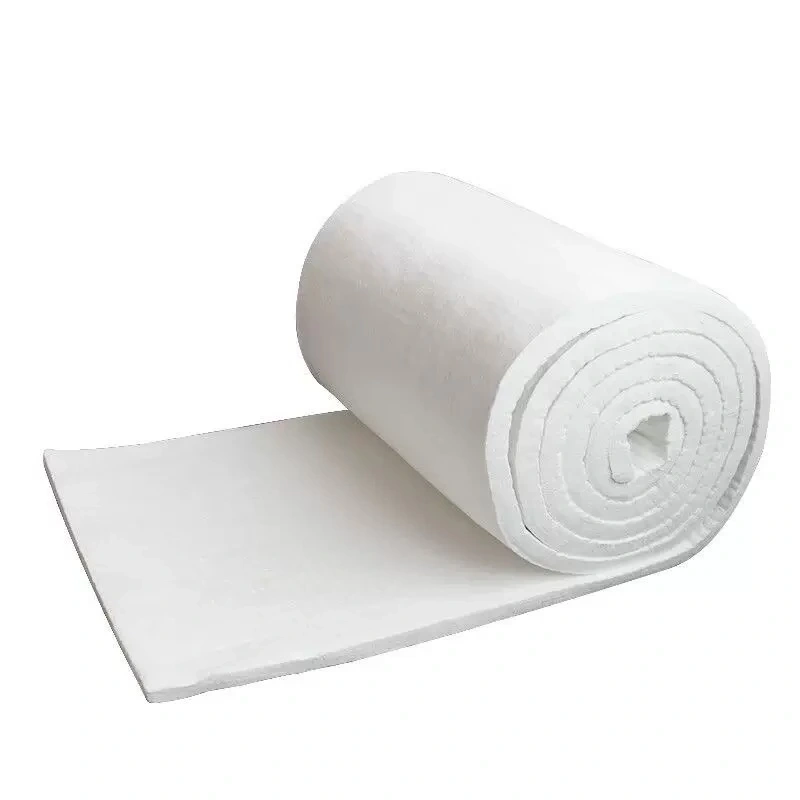
High-density ceramic fiber or Aerogel felt.

Low thermal conductivity. Variable thicknesses as needed (25mm to 100mm).

Inner Layer

Stainless steel mesh or treated fiberglass cloth.

Supports direct contact with surfaces up to 1000°C or more.

Sewing Threads

Kevlar thread reinforced with stainless steel filament.

High mechanical and thermal resistance; does not degrade with heat.

Operative Temperature Range:​ From -50°C to +1200°C (depending on material configuration).

We offer a high degree of customization to ensure a perfect fit and maximum efficiency:

  1. Closure Systems:​ Available with Nomex straps, stainless steel buckles, fiberglass cords, or high-temperature Velcro to suit the required opening frequency.

  2. Special Finishes:​ For highly corrosive environments or those with acid presence, we have Teflon (PTFE) coatings that guarantee a prolonged service life.

  3. Identification and Marking:​ Possibility of including metal or embroidered tags with the equipment code (TAG), facilitating asset management and maintenance inventory.

  4. Custom Design:​ We conduct dimensional surveys for parts with complex geometry, ensuring there are no thermal bridges that compromise system efficiency.

  5. Acoustic Protection:​ Optionally, the insulating core can be configured to act as a sound barrier, reducing decibel levels in noisy equipment such as turbines or blowers.

For more information on how our thermal blankets can help your company reduce costs and improve safety, contact our technical department.

FAQ

The installation of thermal blankets on components with complex geometry such as valves and flanges is a quick and simple process, designed for maximum efficiency and accessibility. These thermal jackets are custom-made to fit the specific shape of the component perfectly, ensuring total coverage and eliminating thermal bridges. Once positioned, the blanket is secured using robust and easy-to-handle closure systems, such as spring latches, stainless steel cam buckles, high-strength straps, or high-temperature industrial Velcro. This design allows for quick installation and removal without the need for specialized tools, facilitating inspections and maintenance, which translates into reduced downtime and improved industrial productivity.

Customers also viewed