Mineral Insulation (MI) Heating Cable – Heatecx Limited

Heatecx Limited

Mineral Insulation (MI) Heating Cable

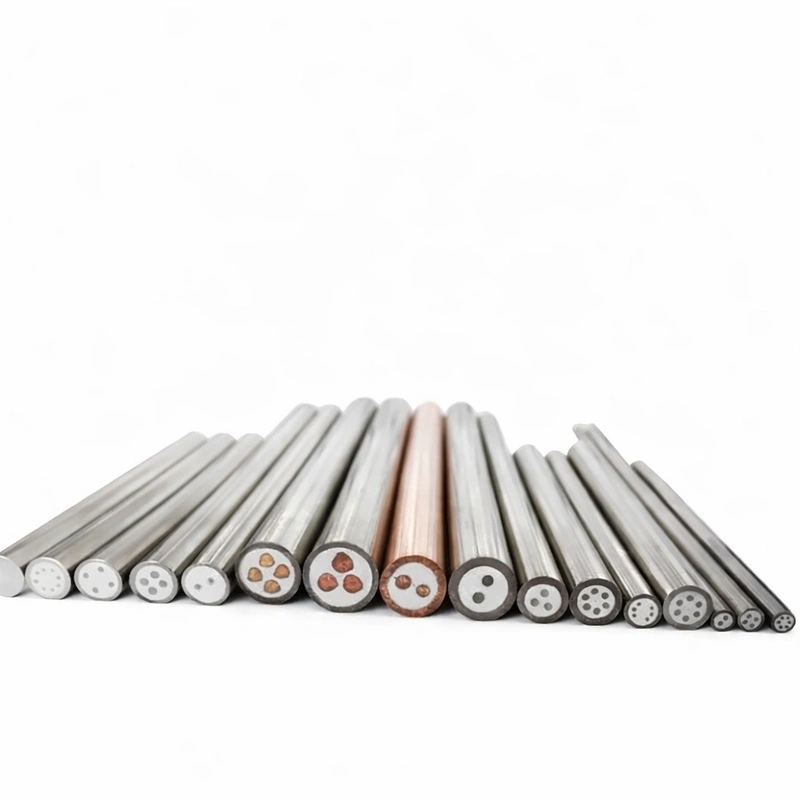
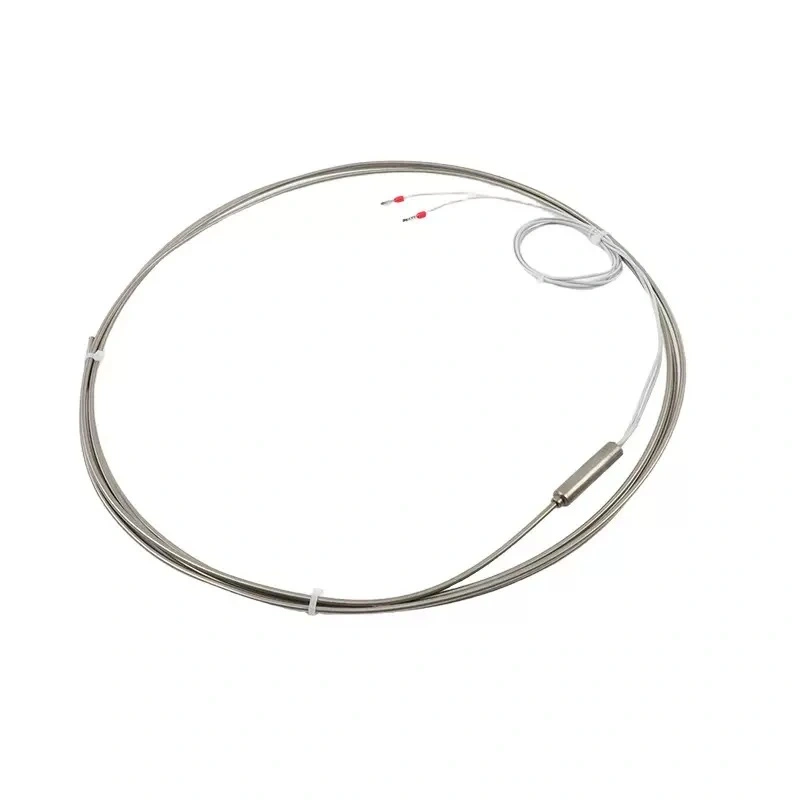
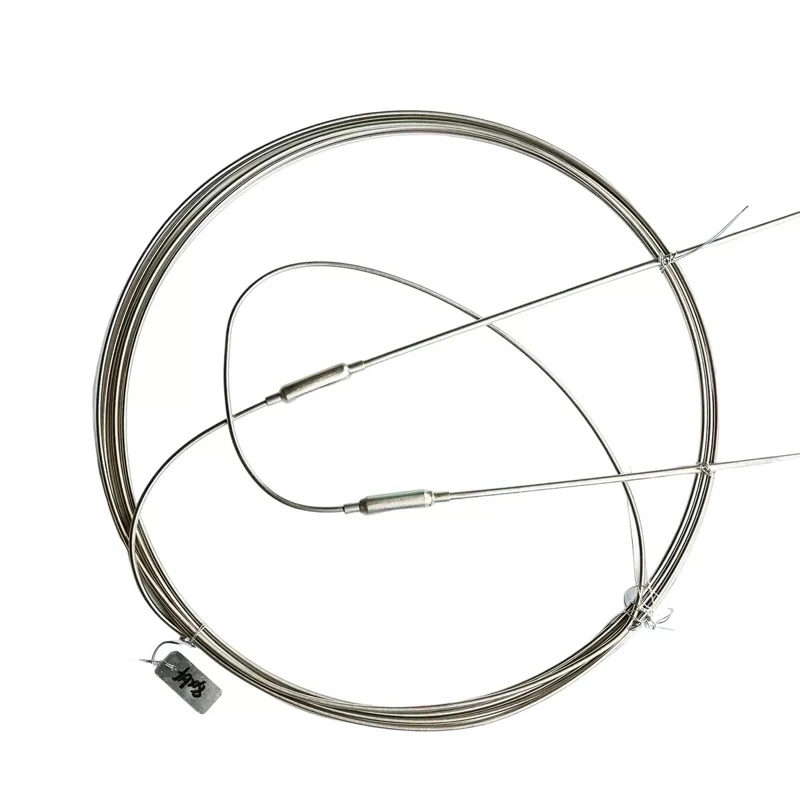
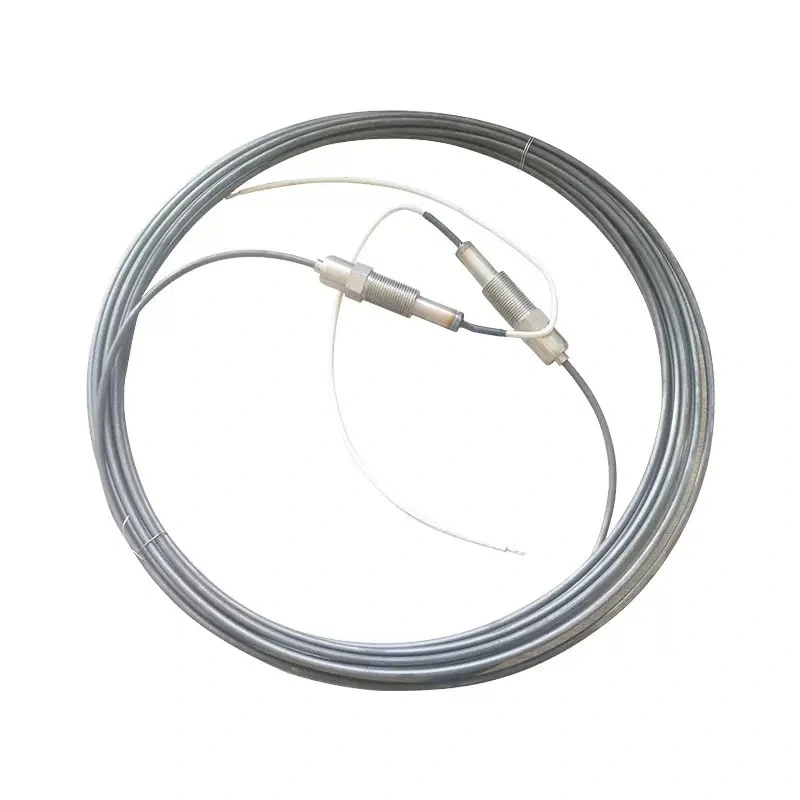
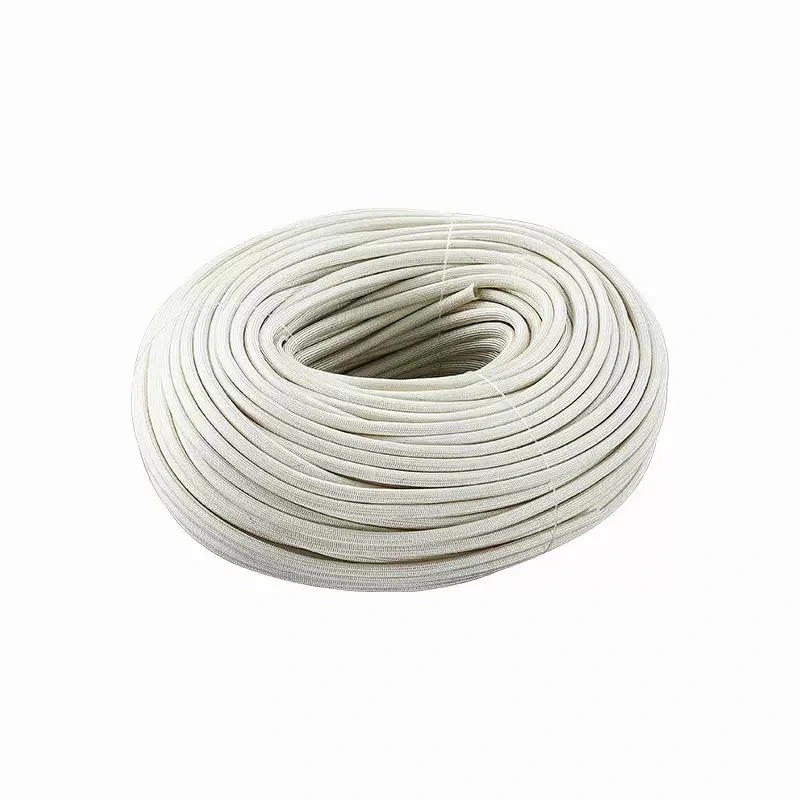
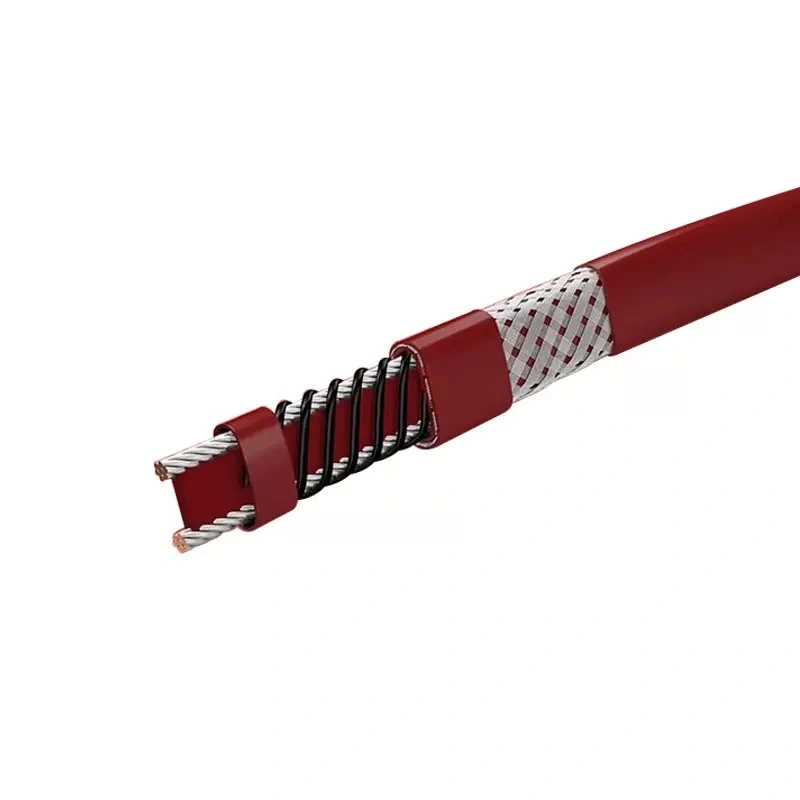
The Mineral Insulation (MI) heating cable, also known as MICC cable or pyrotechnic cable, represents the most robust and reliable solution for industrial heat tracing and process heating applications in highly demanding environments. These fire-resistant electrical cables are designed to operate safely and efficiently under extreme conditions of temperature, pressure, and exposure to corrosive agents, where other heating solutions would fail. Its unique construction, consisting of one or two nickel-chromium alloy conductors, is perfectly centered and compacted within a seamless metal sheath (available in 304 stainless steel or Inconel 825 alloy) and insulated by high-purity magnesium oxide (MgO) powder. This structure of metal-clad copper cables (although the conductor is an alloy) not only provides exceptional resistance to fire and moisture but also guarantees uniform heat transfer and superior mechanical stability throughout its entire service life.

The Mineral Insulation (MI) heating cable, also known as MICC cable or pyrotechnic cable, represents the most robust and reliable solution for industrial heat tracing and process heating applications in highly demanding environments. These fire-resistant electrical cables are designed to operate safely and efficiently under extreme conditions of temperature, pressure, and exposure to corrosive agents, where other heating solutions would fail. Its unique construction, consisting of one or two nickel-chromium alloy conductors, is perfectly centered and compacted within a seamless metal sheath (available in 304 stainless steel or Inconel 825 alloy) and insulated by high-purity magnesium oxide (MgO) powder. This structure of metal-clad copper cables (although the conductor is an alloy) not only provides exceptional resistance to fire and moisture but also guarantees uniform heat transfer and superior mechanical stability throughout its entire service life.

Mineral insulated cables are the preferred choice for engineers and designers seeking fire-resistant and corrosion-resistant cables to ensure the integrity of their systems. The compacted mineral insulation technology eliminates the risk of hot spots and premature failures, offering a "install and forget" solution for maintaining critical process temperatures and protecting pipes from freezing in the most demanding industries.

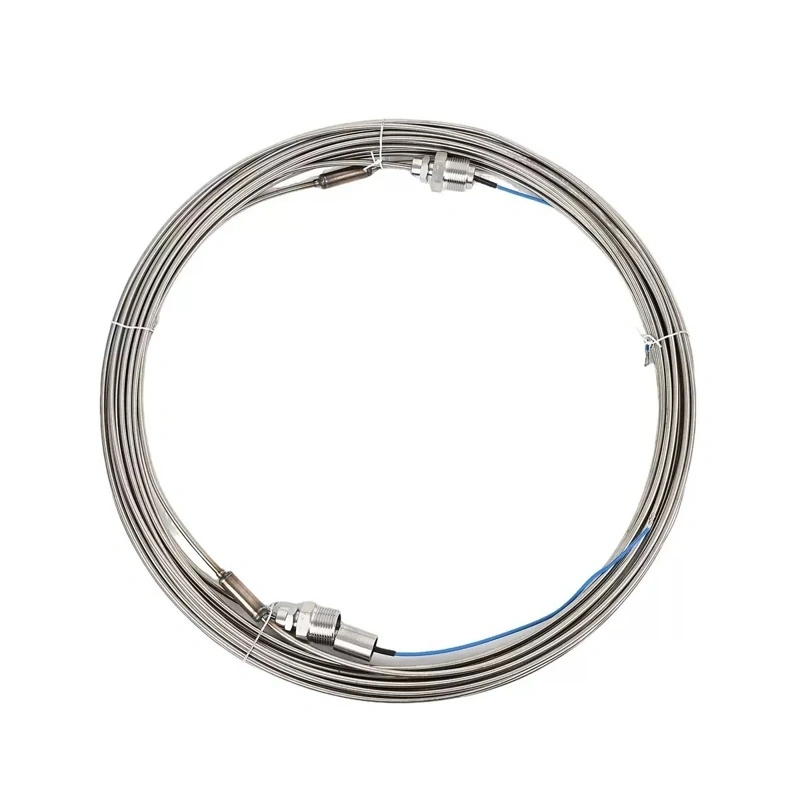
The versatility and durability of MI heating cables make them indispensable in a wide range of industrial applications where reliability is paramount. Their ability to withstand high temperatures and resist chemically aggressive environments allows for their use in critical sectors.

Industrial Sector

Application Examples

Oil and Gas

Maintaining crude oil viscosity in pipelines, protecting instrumentation lines and valves from freezing, heating storage tanks.

Chemical and Petrochemical

Heating reactors, maintaining temperature in process pipes carrying acids, alkalis, and other corrosive chemicals.

Power Generation

Freeze protection in power plants, heating hoppers and ash handling systems, maintaining temperature in steam lines.

Pharmaceutical and Food

Maintaining precise temperatures in production, sterilization, and cleaning (CIP/SIP) processes, where hygiene and corrosion resistance are crucial.

Nuclear

Heating applications in high-radiation areas where long-term material integrity is a non-negotiable requirement.

These high-temperature armored cables are the ultimate solution for any process requiring precise and reliable industrial temperature maintenance, from simple ice protection to complex process heating at hundreds of degrees Celsius.

Mineral Insulation Cables offer a set of advantages that clearly distinguish them from other electric heating technologies. Their robust design translates into tangible benefits in terms of performance, safety, and total cost of ownership.

  • Extreme Temperature Resistance:​ Capable of maintaining process temperatures up to 350°C and withstanding peaks of up to 800°C, these cables are ideal for high-temperature applications where polymer-insulated cables are not viable.

  • Fireproof Safety:​ The entirely inorganic construction of the fire-resistant electrical cables makes them inherently fire-resistant. They do not propagate flame, do not emit toxic fumes, and can continue to operate even during a fire, ensuring plant and personnel safety.

  • Robust and Hermetic Construction:​ The seamless and hermetically sealed outer metal sheath protects the internal conductors from moisture, corrosion, and mechanical damage. This ensures an exceptionally long service life, even in the harshest environments.

  • High Power Output:​ They offer high power density (up to 250 W/m), allowing for rapid attainment of setpoint temperatures and transferring a large amount of energy in a compact space, optimizing process efficiency.

  • Flexibility and Customization:​ Despite their robustness, the cables can be factory-bent and shaped to fit complex pipe, tank, and equipment geometries, ensuring optimal heating coverage. They are manufactured to order for each specific application.

Parameter

Specification

Construction Materials


- Heating Element

Nickel-Chromium Alloy (NiCr), Copper, Copper-Nickel, Constantan

- Dielectric Insulation

Magnesium Oxide (MgO), Aluminum Oxide (Al₂O₃)

- Outer Sheath

Stainless Steel 304, Inconel 825 Alloy

Thermal Performance


- Maximum Maintenance Temperature

350°C

- Maximum Surface Temperature

550°C

- Maximum Exposure Temperature

600°C - 800°C

- Minimum Installation Temperature

-30°C

Electrical Properties


- Operating Voltage

220V, 380V (or as designed)

- Nominal Power

0 - 250 W/m (customizable)

- Resistance Tolerance

±10%

- Dielectric Strength

1200 VAC / 1 min

- Insulation Resistance (dry)

> 100 MΩ / 500 VDC

- Insulation Resistance (wet)

> 50 MΩ / 500 VDC (after 12h immersion)

Dimensions and Certifications


- Outer Diameter (RJ)

Ø3mm, Ø4mm, Ø4.5mm, Ø5mm, Ø5.5mm, Ø6mm

- Models

MIC1 (single conductor), MIC2 (two conductors)

- Explosion-Proof Certification

Ex e IIC T5 Gb (Certificate CNEx16.1377U)


To maximize the performance and service life of your industrial heat tracing system, it is crucial to select the appropriate industrial heating cable. This section is designed to help project engineers and maintenance managers make informed decisions, thereby improving the positioning of their technical solutions in specialized searches. The correct choice depends on factors such as the required maintenance temperature, exposure to chemicals, and project budget.

  • Application Environment Assessment:​ For corrosive atmospheres, such as those found in chemical plants or offshore platforms, it is recommended to choose a sheath made of Inconel 825 alloy for its superior resistance to acid and alkali corrosion. For standard high-temperature applications, 304 stainless steel offers an excellent balance between performance and cost.

  • Required Power Calculation:​ Proper engineering is key. A detailed heat loss calculation must be performed to determine the required power density (W/m). Insufficient power will not maintain the temperature, while excess power can damage the product or consume unnecessary energy. Always consider a safety factor in your calculations.

  • Conductor Configuration (MIC1 vs. MIC2):​ Single-conductor cables (MIC1) are simpler and more economical but require the circuit to be completed at the far end. Two-conductor cables (MIC2) allow for power connection and return from the same end, simplifying electrical installation and circuit design, especially on long pipes.

By considering these factors and using terms such as "hazardous area heating solutions" or "pipe temperature maintenance system", you not only ensure an optimal technical solution but also improve the visibility of your project and specifications in searches by engineers looking for metal-clad copper cables and other high-performance heating solutions.

FAQ

To ensure system integrity after laying the MICC (Mineral Insulated Copper Clad) cables, the following technical checks are mandatory:
Insulation Resistance Test (Megger Test):​ A voltage of 500V DC should be applied between conductors and between conductor and sheath. The minimum acceptable value is 100 MΩ before sealing and should stabilize above 2 MΩ after completion of the permanent seal.
Electrical Continuity Test:​ Verification of the low resistance of the copper conductors to ensure no mechanical damage occurred during the pulling process.
Seal Integrity Verification:​ Visual inspection of glands and seals to prevent the hygroscopicity of the magnesium oxide from degrading the cable's dielectric properties in the short term.

Customers also viewed