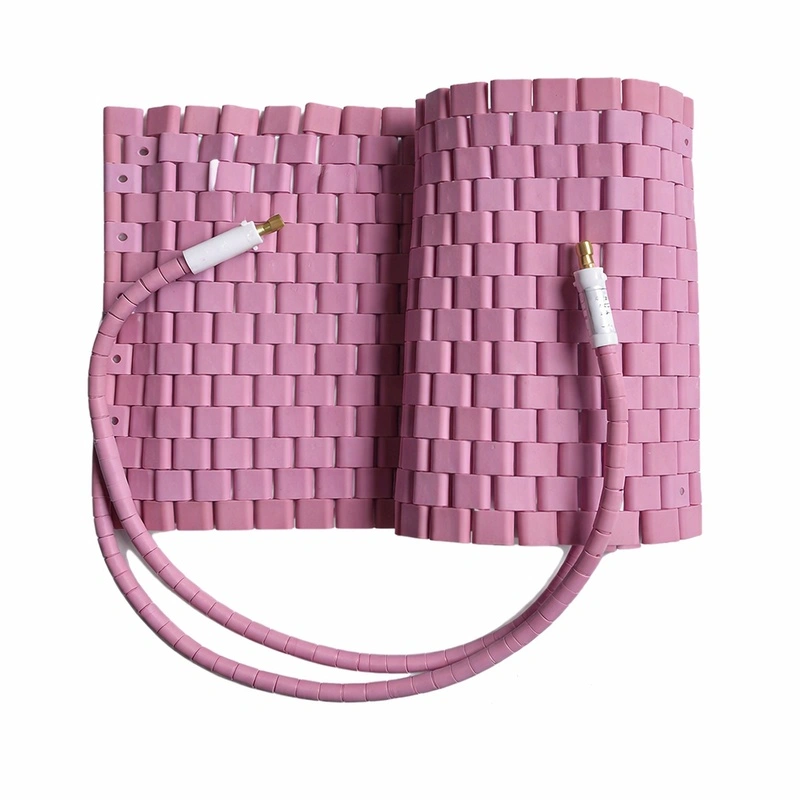
Molybdenum Disilicide (MoSi2) Type W Heater
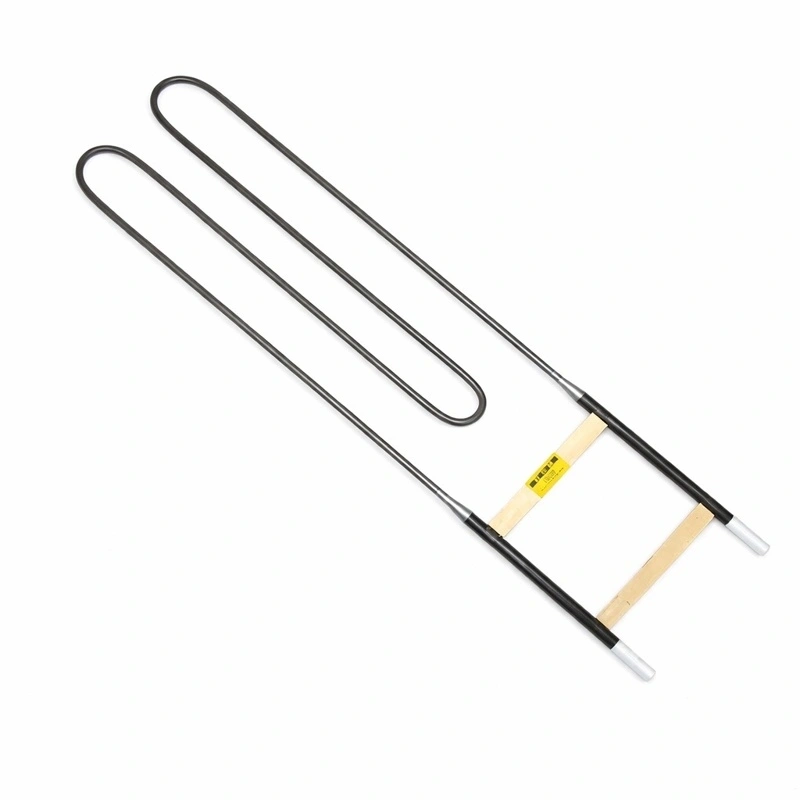
The Molybdenum Disilicide (MoSi2) Type W Heater is a high-temperature heating element designed to provide uniform and efficient heat distribution in industrial furnaces. Manufactured from high-purity MoSi2, this MoSi2 heater is distinguished by its “W” shape, which optimizes the heating surface and allows for greater power density in the furnace chamber. It is a robust solution for applications demanding temperatures up to 1850°C, notable for its excellent oxidation resistance and prolonged service life. As a high-temperature furnace heater, the Type W element is crucial in processes such as sintering, advanced heat treatment, and material melting.
A MoSi2 Type W Heater is a type of molybdenum disilicide heating element that features a physical configuration in the shape of a "W". This geometry is particularly effective for maximizing the heating surface within a limited space, enabling a higher furnace load and more homogeneous temperature distribution. These MoSi2 heaters for industrial furnaces are recognized for their ability to withstand high surface loads, making them ideal for processes requiring rapid heating cycles and extremely high temperatures. Its MoSi2 composition grants it unique corrosion resistance and stability properties in oxidizing atmospheres at elevated temperatures, surpassing other heating materials.
The MoSi2 Type W Heater is widely used in a variety of industries and high-temperature processes due to its superior performance and efficient heat generation capabilities:
-
Metallurgy: Metal powder sintering furnaces, heat treatment of special steels and alloys, precision casting.
-
Ceramics: Firing of technical ceramics, alumina, zirconia, refractory materials, and high-quality porcelain.
-
Glass: Glass melting processes, annealing, and forming of glass products.
-
Electronics: Manufacturing of advanced electronic components, semiconductors, and magnetic materials.
-
Laboratories: Laboratory furnaces for research and development of new materials at extreme temperatures.
-
Chemical Industry: High-temperature reactions, catalyst calcination, and synthesis of advanced materials.
Molybdenum disilicide Type W Heaters offer a set of features and advantages that make them stand out in the high-temperature heating element market:
Main Features
-
High Operating Temperature: Capable of reaching temperatures up to 1850°C, with optimal performance below 1750°C.
-
Excellent Oxidation Resistance: The MoSi2 material forms a protective SiO2 layer at high temperatures, giving it exceptional oxidation resistance in air atmospheres.
-
High Density and Conductivity: Its high density and good electrical conductivity allow for fast and efficient heating, reducing energy consumption.
-
Larger Heating Surface: The W shape maximizes the heat emission surface, allowing for greater power density in the furnace.
-
Long Service Life: The combination of high mechanical strength, toughness, and corrosion resistance ensures a prolonged service life, even under severe conditions.
Competitive Advantages
-
Energy Efficiency: Fast heating and low energy loss contribute to reduced operational costs.
-
Production Flexibility: Suitable for both intermittent and continuous production, with the possibility of hot replacement without significant downtime.
-
Safety and Reliability: High mechanical strength and toughness that minimize the risk of breakage during transport and installation.
-
Wide Range of Application: They function effectively in various atmospheres (air, nitrogen, hydrogen) and heat treatment processes.
-
Uniform Heat Distribution: The W-shaped geometry helps achieve a more homogeneous temperature within the furnace chamber.
|
Specification |
Value |
|---|---|
|
Material |
Molybdenum Disilicide (MoSi2) |
|
Maximum Operating Temperature |
1850°C |
|
Recommended Operating Temperature |
≤ 1750°C |
|
Working Temperature in Air |
1700°C |
|
Working Temperature in Nitrogen |
1600°C |
|
Working Temperature in Hydrogen |
1220°C - 1500°C |
|
Density |
5 g/cm³ - 5.6 g/cm³ |
|
Vickers Hardness |
570 kg/mm² |
|
Porosity |
7.4% |
|
Water Absorption |
2% |
|
Thermal Elongation |
4% |
|
Furnace Surface Load |
Up to 100 kW/m² |
To optimize performance and prolong the service life of your MoSi2 Type W Heater, the following recommendations should be considered:
-
Avoid Thermal Shock: Although MoSi2 heaters are robust, sudden temperature changes can affect their integrity. A gradual heating and cooling of the furnace is recommended.
-
Controlled Atmosphere: While they work well in air, for reducing or inert atmospheres (such as hydrogen or nitrogen), ensure that the furnace design and atmosphere control are adequate to prevent degradation of the material.
-
Adequate Support: Use high-quality ceramic supports for the cold terminals and ensure the heater is securely fastened to prevent movement or mechanical stress during high-temperature operation.
-
Furnace Cleanliness: Keep the furnace chamber clean of foreign materials that may react with MoSi2 at high temperatures, such as metal oxides or slags.
-
Resistance Monitoring: Perform periodic monitoring of the electrical resistance of the elements. A significant increase may indicate degradation or damage.
-
Preventive Replacement: Consider the preventive replacement of heating elements after a certain number of cycles or operating hours, especially in critical applications, to avoid unexpected failures.
Following these recommendations will help maximize the efficiency and durability of your molybdenum disilicide Type W heater.
FAQ
What are molybdenum disilicide (MoSi2) heaters?
Molybdenum disilicide (MoSi2) heaters are metallic ceramic (cermet) heating elements manufactured from an alloy of molybdenum and silicon. They are widely recognized for their exceptional ability to operate at extremely high temperatures, up to 1850°C, and for their excellent oxidation resistance in air atmospheres, making them the preferred choice for industrial high-temperature furnaces.