Powdered Mica
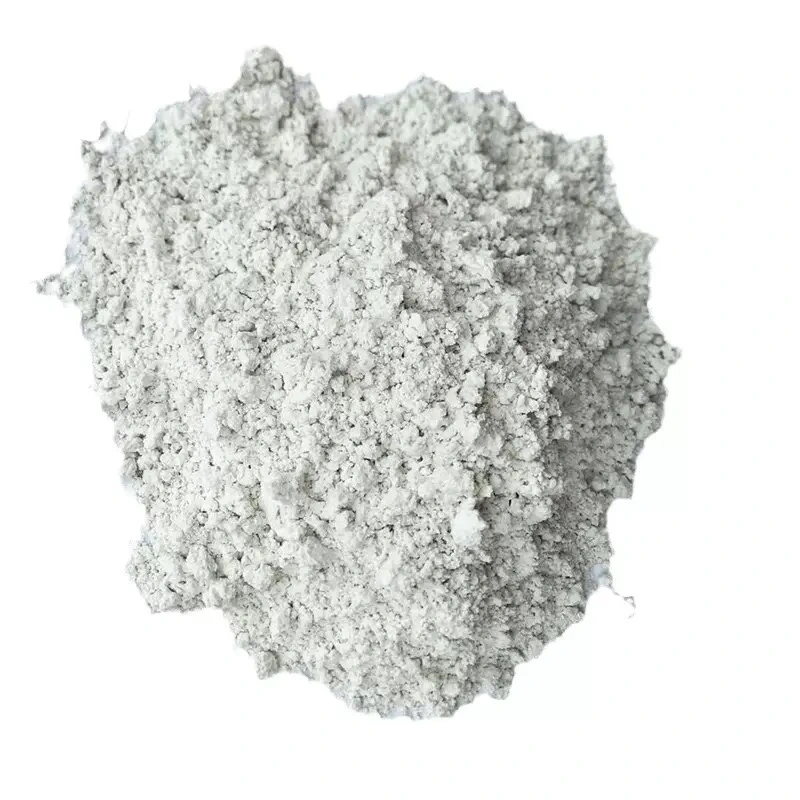
Powdered Mica is a natural silicate mineral, specifically a potassium aluminum phyllosilicate, recognized for its unique laminar structure. This industrial mineral is characterized by its ability to split into extremely thin, flexible, and transparent sheets, conferring exceptional physicochemical properties. It is a functional filler and natural pigment widely used, valued for its high dielectric strength, low dielectric loss, resistance to electric arc, stability at high temperatures and to abrupt thermal changes, as well as notable resistance to acids and alkalis. Muscovite mica is the most common variety on the market, standing out for its versatility and performance in various industrial and consumer applications.
Our high-performance Powdered Mica product is a versatile and essential mineral additive for a multitude of industries. Thanks to its inherent properties, it acts as a multifunctional additive that significantly enhances the characteristics of the materials it is incorporated into. From the paint and coating industry to plastic manufacturing, cosmetic production, and the electronics sector, powdered mica is a key component for optimizing performance, durability, and aesthetics of final products. Its inert nature and exceptional stability make it a preferred choice for formulations requiring chemical resistance, electrical insulation, and thermal stability, contributing to the creation of innovative, high-quality solutions.
Powdered Mica is a highly versatile material, finding application across a wide range of industrial sectors due to its unique properties:
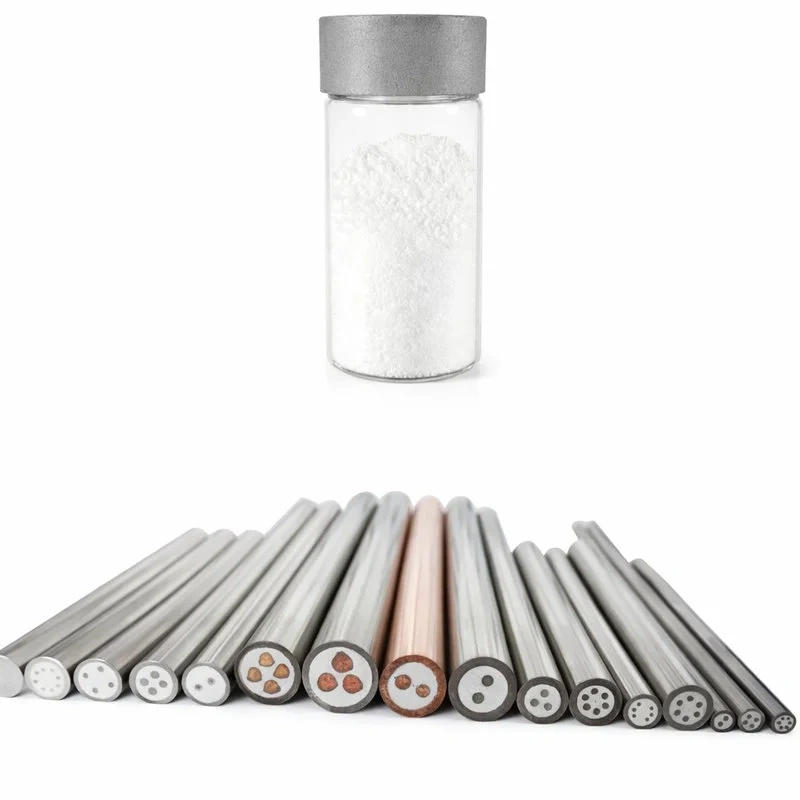
• Electrical and Electronics Industry: Used in the manufacturing of motors, radio equipment, and aviation components as a high-performance electrical insulator, thanks to its excellent dielectric strength and thermal stability. It is also employed in the production of mica paper, mica plates, and mica ceramics.
• Paints and Coatings: As an additive for paints and filler for coatings, powdered mica reduces UV degradation, improves resistance to acids, alkalis, and electrical insulation capacity. It increases freeze-thaw resistance, corrosion resistance, toughness, and film density, while decreasing permeability—preventing stains and cracking. Its lamellar properties also confer stain-resistant qualities and improve weather resistance.
• Plastics and Rubber: Acts as a filler for plastics and an additive for rubber, improving flexural modulus, heat deflection temperature, and reducing shrinkage and deformation in injection-molded parts. In rubber products, it functions as a lubricant, release agent, and high-strength filler for thermoset products, which are resistant to acids and alkalis and serve as electrical insulators.
• Construction: Used in roofing materials for waterproofing, thermal, and acoustic insulation. Mixed with mortars and coatings, it is applied in the decoration of concrete exteriors, stone, and brick. In fiber-cement panels, it improves fire resistance and reduces shrinkage. It is also used in sprayed cementitious mortars for thermal insulation of steel beams.
• Cosmetics: As a pearlescent pigment and natural cosmetic ingredient, powdered mica is a key component in pressed makeup powders, providing cohesion, transparency, and a distinctive sheen.
• Other Applications: Includes its use in the manufacturing of paper, linoleum, oil well drilling, and the production of pearlescent mica pigments and fused mica products.

Powdered Mica offers a set of features and advantages that position it as an indispensable material across multiple sectors:
• Excellent Dielectric Properties: Possesses high electrical insulation capacity and low dielectric loss, making it ideal for applications in the electrical and electronics industry, ensuring component safety and efficiency.
• High Thermal Resistance: Withstands high temperatures and abrupt temperature changes without degradation, making it a reliable material for demanding environments and a passive fire retardant.
• Superior Chemical Resistance: Its chemical inertia confers excellent resistance to acids and alkalis, as well as other chemical agents, extending the lifespan of products and coatings.
• Enhanced Mechanical Stability: Imparts toughness and flexibility to materials, improving flexural modulus in plastics and reducing shrinkage and deformation. Its laminar structure contributes to vibration damping.
• Effective Barrier: Acts as a barrier against gases and liquids; in coatings, it improves weather and UV resistance, protecting surfaces from environmental degradation.
• Optical and Aesthetic Properties: As a reflective pigment, it provides a pearlescent sheen and attractive visual effects in cosmetics and certain paints, in addition to improving opacity and coverage.
• Grade Versatility: Available in a wide range of particle sizes, allowing adaptation to diverse formulation and application needs—from ultra-fine mica to coarser grades.
|
Technical Property |
Value / Range |
|---|---|
|
Mineral Type |
Potassium Aluminum Phyllosilicate (Muscovite) |
|
Appearance |
Fine Powder |
|
Color |
Varies by type (white, bronze, etc.) |
|
Odor |
Odorless |
|
Physical State |
Solid |
|
Particle Size (Mesh) |
325, 400, 600, 800, 1000, 1250, 1500, 2000, 3000, 4000, 5000, 6000 |
|
Particle Size (Microns) |
(Approximate, varies by mesh) |
|
Packaging |
25 KG bags |
|
Chemical Formula (Muscovite) |
KAl₂(AlSi₃O₁₀)(F,OH)₂ |
|
Dielectric Strength |
High |
|
Dielectric Loss |
Low |
|
Arc Resistance |
Excellent |
|
Thermal Stability |
High |
|
Acid/Alkali Resistance |
Excellent |
To ensure safety and maintain the quality of Powdered Mica, it is essential to follow these handling and storage recommendations:
• Handling: Use of appropriate Personal Protective Equipment (PPE) is recommended, including gloves, safety goggles, and a dust mask, to avoid inhaling fine particles and prolonged skin contact. Ensure adequate ventilation in the work area. In case of eye contact, rinse thoroughly with plenty of water and seek medical attention if irritation persists.
• Storage: Store Powdered Mica in a cool, dry, and well-ventilated place, away from direct sunlight and sources of heat or ignition. Keep original containers tightly closed to protect the product from moisture and contamination. Avoid storage near incompatible substances. Product shelf life remains indefinite under suitable storage conditions.
• Disposal: Dispose of the product and containers in accordance with applicable local and national regulations for non-hazardous waste. Prevent release into the environment.
FAQ
Can mica be mixed with epoxy resin?
Yes, powdered mica mixes perfectly with epoxy resin and is one of its most popular applications—especially in resin crafts, resin jewelry, and decorative surface creation. Powdered mica acts as a pigment for epoxy resin, providing a wide range of colors and—most distinctively—a pearlescent or brilliant metallic effect that enhances the final product’s aesthetics. Its laminar structure and reflective properties allow for deep, vibrant finishes.
For optimal mixing, it is recommended to add powdered mica gradually to the epoxy resin (after mixing the two resin components, if applicable) and stir slowly until the desired color intensity and effect are achieved. The proportion of mica can vary depending on the level of opacity and sheen sought. Ensuring uniform dispersion is important to avoid clumps and guarantee a homogeneous finish. In addition to its aesthetic function, mica in resin can contribute to improving certain mechanical and barrier properties of the composite material, though its primary use in this context is decorative.