Quartz Tube: Transparent | Opaque | Translucent | Capillary – Heatecx Limited

Heatecx Limited

Quartz Tube: Transparent | Opaque | Translucent | Capillary

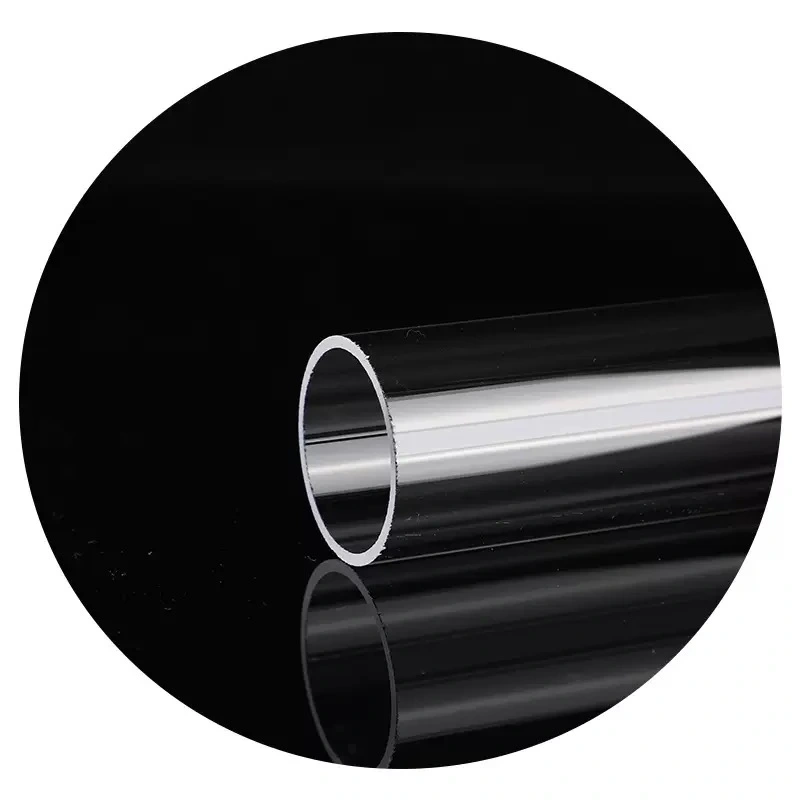
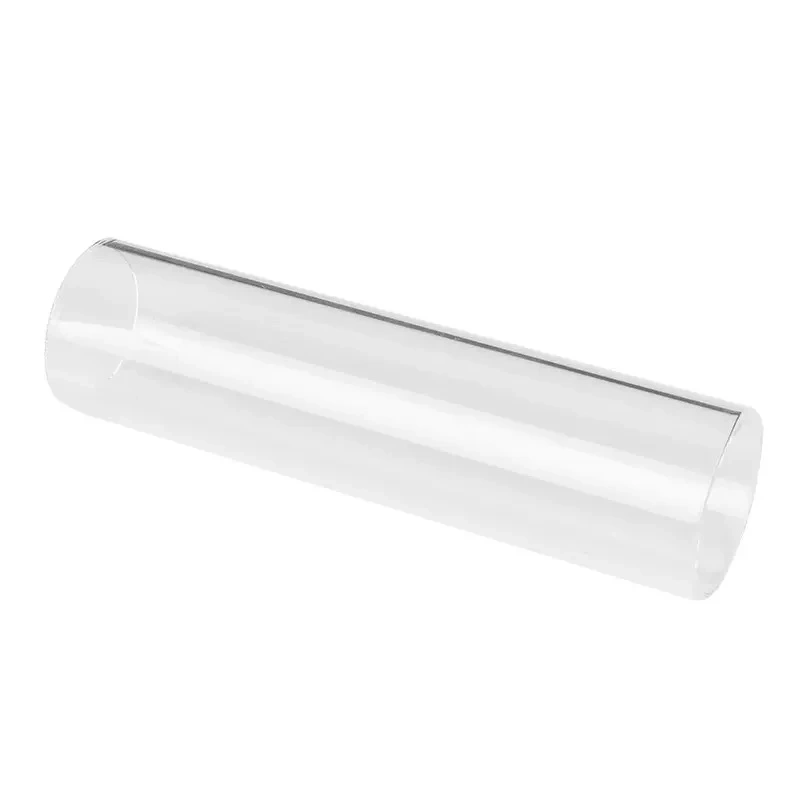
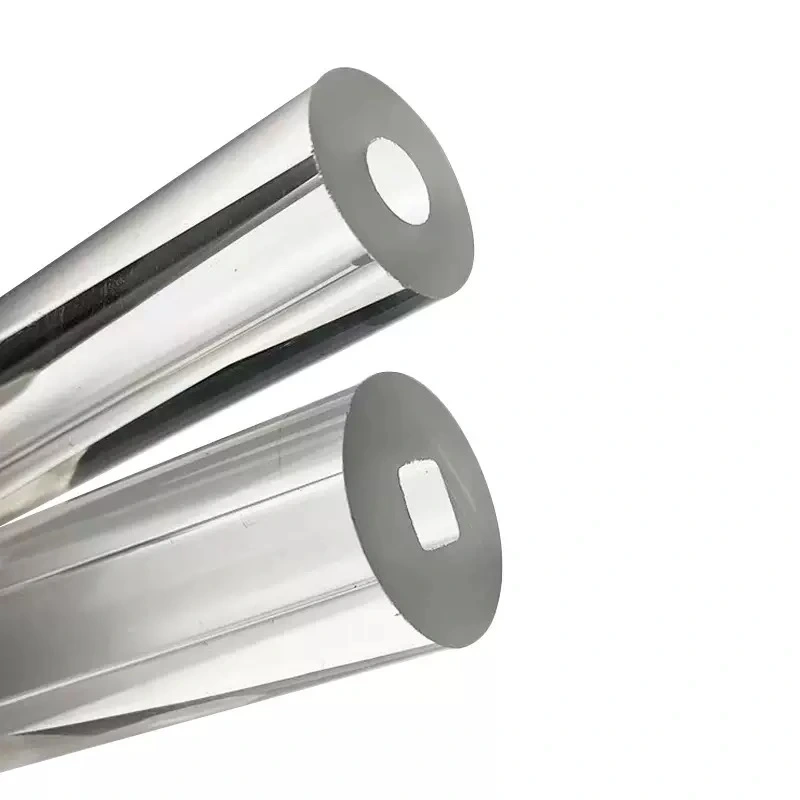
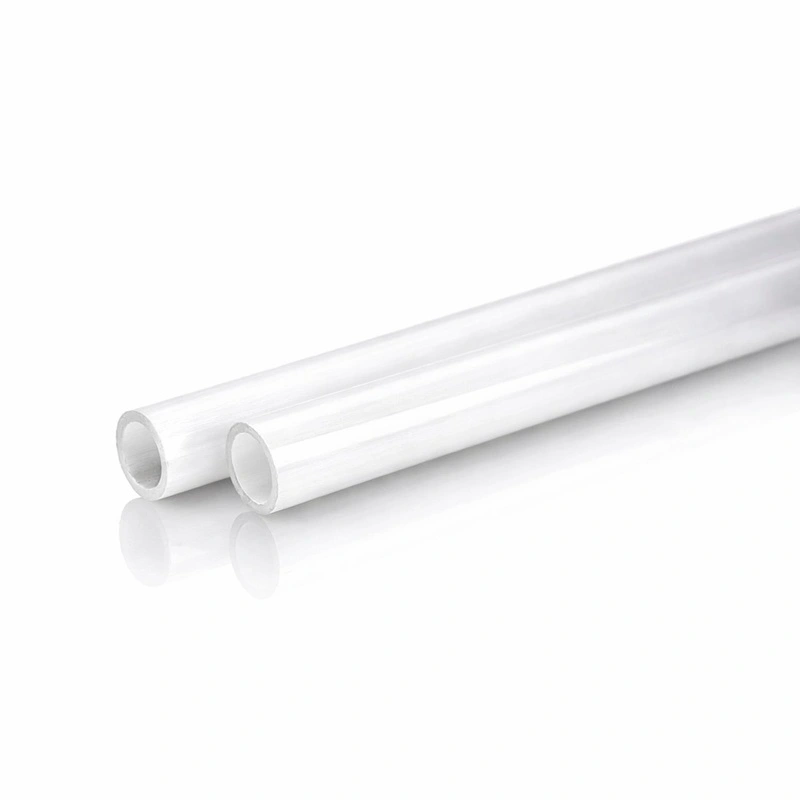
We offer a versatile range of quartz tubes to meet a wide variety of application needs. The transparent quartz tube​ is ideal for applications requiring clear visibility and optimal light transmission, such as in photochemical reactors and monitoring systems. For applications needing uniform light diffusion or radiation protection, the opaque quartz tube​ is the perfect choice. The translucent quartz tube​ offers a balance between diffusion and transmission, making it excellent for heater​ elements and furnaces. Finally, our high-precision capillary quartz tube​ is fundamental for applications in microfluidics, chromatography, and laboratory analysis. Each type is available in various dimensions and can be customized to meet the specific requirements of your project, always guaranteeing maximum purity and performance.

Our high-purity quartz tubes are advanced engineering components manufactured from silicon dioxide (SiO₂) with a purity exceeding 99.99%. This exceptional material confers upon the tubes a unique combination of properties, including outstanding thermal resistance, unmatched chemical stability, and excellent optical clarity. Designed to operate reliably in the most demanding environments, these tubes are an indispensable solution for high-technology applications in the semiconductor industry, scientific research, and specialized industrial processes. Their ability to withstand extreme temperatures, resist chemical corrosion, and transmit a broad spectrum of light makes them a material of choice for innovation and high-quality production.

The versatility and superior properties of quartz tubes make them indispensable in a multitude of high-tech sectors. In the semiconductor industry, they are critical components in diffusion furnaces and chemical vapor deposition (CVD) systems, where material purity is fundamental to preventing contamination of silicon wafers. In the realm of research and development, laboratories rely on quartz tubes for constructing reactors, sample cells for spectroscopy, and as high-resistance glass material for experiments involving high temperatures and corrosive chemicals.

Furthermore, their excellent ultraviolet transmission makes them the material of choice for manufacturing UV-C germicidal lamps, used in the sterilization of water, air, and surfaces. In the field of optics and photonics, quartz tubes are used as light guides, windows, and lenses for lasers and other optical systems. The chemical industry also benefits from their high corrosion resistance, employing them in the construction of piping and vessels for handling aggressive chemicals. Finally, their ability to withstand extreme temperatures makes them ideal for use as protective sheaths for thermocouples and as structural components in industrial and laboratory furnaces.

Quartz tubes offer a combination of features that distinguish them from other materials. Their high purity, with an SiO₂ content greater than 99.99%, minimizes the risk of contamination in sensitive processes—an indispensable requirement in microelectronics manufacturing and high-precision chemical analysis. This purity also contributes to their exceptional chemical stability, making them resistant to most acids, bases, and solvents, which guarantees a long service life even in corrosive environments.

Another key advantage is their extraordinary thermal resistance. Quartz tubes can operate continuously at temperatures up to 1100°C and withstand peaks of up to 1450°C. Combined with an extremely low coefficient of thermal expansion, this gives them excellent resistance to thermal shock, allowing them to endure rapid and drastic temperature changes without cracking. Additionally, their high optical transmittance from deep UV to near-infrared makes them ideal for applications requiring light passage, such as lamps and optical analysis systems. Finally, their excellent electrical insulation properties make them a valuable material for components in the electronics and vacuum industries.

Property

Value

Unit

Chemical Composition

≥ 99.99% SiO₂

wt%

Density

2.2

g/cm³

Hardness (Mohs)

5.5 - 6.5

Mohs Scale

Melting Point

~1730

°C

Maximum Operating Temperature

1450 (short-term), 1100 (continuous)

°C

Thermal Expansion Coefficient

5.5 x 10⁻⁷

/°C (20-320°C)

Thermal Conductivity

1.38

W/(m·K) at 20°C

Tensile Strength

~50

MPa

Compressive Strength

> 1100

MPa

Electrical Resistivity

> 10¹⁶

Ω·cm at 25°C

Dielectric Constant

3.75

at 1 MHz

Optical Transmittance

> 90%

(170 - 2500 nm)


To guarantee maximum durability and performance of quartz tubes, it is fundamental to follow a series of key recommendations. Firstly, due to their fragile nature, quartz glass products must be handled with extreme care to avoid knocks or impacts that could compromise their structural integrity. Each type of quartz glass possesses a maximum operating temperature; it is crucial not to exceed this limit to prevent crystallization or softening of the material, which would negatively affect performance and service life.

Before use in high-temperature applications, quartz tubes must be meticulously cleaned. The use of a 10% hydrofluoric acid solution or a specific cleaner is recommended, followed by a rinse with high-purity deionized water or alcohol treatment. During this process, the use of fine-knit gloves is advised to avoid direct contact with the glass. Continuous use of quartz tubes at high temperatures is beneficial for prolonging their service life and improving their thermal resistance, whereas intermittent use may limit their number of life cycles. Although quartz possesses high thermal stability and can withstand drastic temperature changes, residual stresses and the shape of the product can influence its resistance to thermal shock, so attention must be paid to these variations in practice. Finally, given that quartz glass is an acidic material, it is vital to avoid contact with alkaline substances (such as soluble glass, asbestos, or potassium and sodium compounds) at high temperatures, as this could drastically reduce its resistance to crystallization and its overall performance.

FAQ

A quartz tube is a high-precision engineering component manufactured from fused silica or silicon dioxide (SiO₂) with a purity exceeding 99.99%. Unlike conventional glass, quartz offers extreme physical and chemical properties that make it indispensable in high-technology sectors.

Its primary use extends to the semiconductor industry, where it acts as a vessel in diffusion processes and chemical vapor deposition (CVD) due to its null contamination. Likewise, it is a critical element in high-temperature laboratories, ultraviolet (UV) sterilization systems, and as a protective sheath in industrial furnaces. Thanks to its transparency and resistance, it is also employed in advanced optical instruments and in the manufacturing of halogen and germicidal lamps.

Customers also viewed