Silicone Oil for Electric Heaters
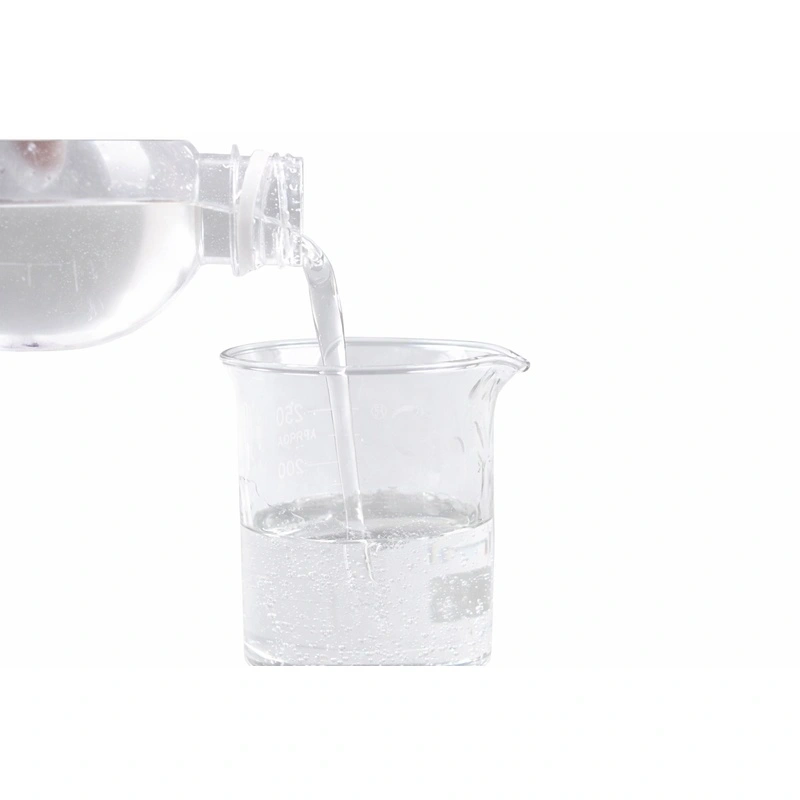
Our moisture-proof silicone oil, also known as hydroxyl-terminated polydimethylsiloxane (PDMS), is a high-purity, high-performance silicone polymer designed specifically for industrial applications demanding exceptional high-temperature resistance and superior electrical insulation. This silicone fluid, appearing transparent and colorless, is characterized by the presence of reactive hydroxyl (-OH) groups at the ends of its polydimethylsiloxane chain. This unique functionality allows the oil to act as a chain extender and structural control agent in the formulation of silicone rubber (RTV), sealants, and adhesives. By reacting with curing agents and cross-linkers, it forms a stable and durable polymeric matrix, offering robust protection and reliable performance under the most demanding conditions. Its versatility makes it an indispensable component for manufacturing products that require excellent moisture-proof protection and thermal stability.
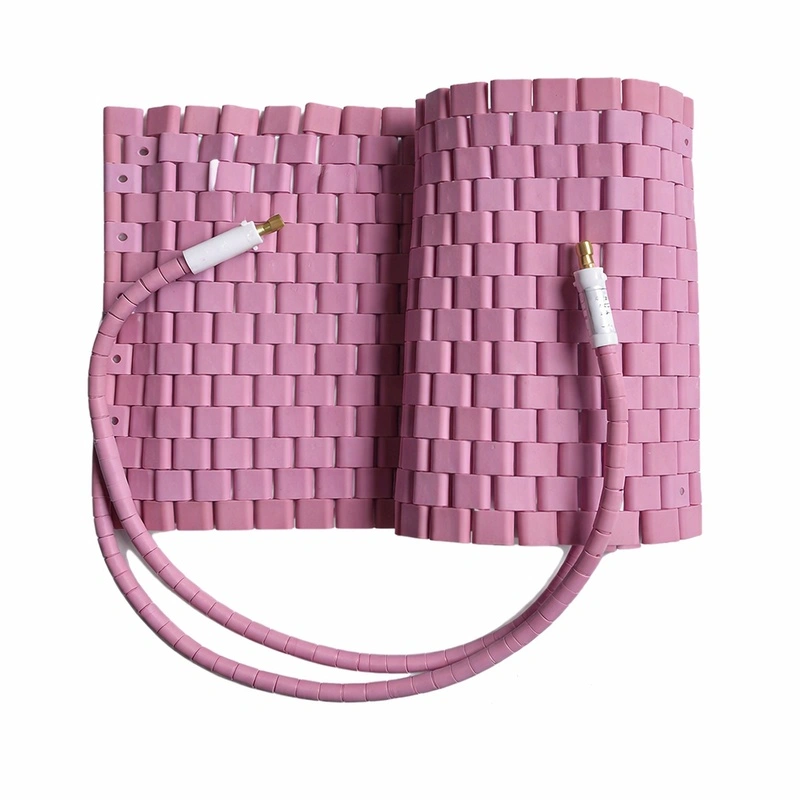
This dielectric silicone oil is the ideal solution for the high-temperature insulation of electric heaters and heating elements. Its remarkable ability to withstand extreme temperatures, ranging from -50°C to 250°C, along with its high dielectric resistivity, guarantees the safety and efficiency of electronic components. Beyond its role as an insulator, this functional silicone oil is a key component in the production of release paper and as a mold release agent in the plastics and rubber industry, facilitating the demolding of parts from complex molds. In the cosmetics industry, it is valued as a high-performance additive that imparts softness, emollience, and hydrophobic properties to a wide range of skin and hair care products. Its capacity to form a protective barrier makes it ideal for the waterproofing treatment of textiles, leather, and porous surfaces like ceramics, protecting them from moisture and contamination.
Hydroxylated silicone oil is a versatile polymer with a broad spectrum of applications across various industrial sectors, thanks to its unique combination of thermal, dielectric, and reactivity properties.
|
Sector |
Specific Applications |
|---|---|
|
Electronics and Electricity |
Dielectric insulator for transformers, heaters, and heating elements; coolant fluid and protection against moisture. |
|
Rubber and Plastics |
Structural control agent for room-temperature vulcanizing (RTV) silicone rubber; base for formulating sealants and adhesives; mold release agent for high-precision molds. |
|
Paper and Packaging |
Manufacture of release liners for labels, adhesive tapes, and laminates; surface treatment for packaging resistant to grease and moisture. |
|
Textiles and Leather |
Waterproofing and softening agent for fabrics and leather, improving material durability and feel. |
|
Cosmetics |
Additive in creams, lotions, and hair products to provide emollience, shine, and a protective barrier against moisture. |
|
Construction |
Formulation of silicone sealants for expansion joints, windows, and sanitary applications. |
|
Industrial Chemistry |
Antifoaming agent in fermentation processes and chemical reactions; chain extender in the synthesis of other silicone polymers. |
-
Excellent Thermal Stability: Maintains its physical and chemical properties over a wide temperature range, from -50°C to 250°C, making it ideal for high-temperature applications.
-
Superior Electrical Insulation: Its high dielectric strength and low dielectric constant make it a reliable electrical insulator for protecting sensitive electronic components.
-
Controlled Reactivity: Terminal hydroxyl groups allow for cross-linking with curing agents to form silicone elastomers with customizable mechanical properties.
-
Hydrophobic Properties: Offers excellent moisture-proof protection, repelling water and shielding substrates from corrosion and degradation.
-
Formulation Versatility: Compatible with a wide range of additives, fillers, and solvents, allowing for the creation of custom formulations for specific applications such as sealants, adhesives, and coatings.
-
Safety and Low Toxicity: It is a chemically inert material, with low toxicity and safe for a wide variety of applications, including those with indirect food contact and personal care products.
|
Parameter |
Value |
|---|---|
|
Appearance |
Transparent, colorless liquid |
|
Viscosity (25°C, mm²/S) |
15 - 40 |
|
Hydroxyl Content (%) |
6 - 10 |
|
Refractive Index |
1.4040 - 1.4100 |
|
Acid Value (mgKOH/g) |
< 0.20 |
|
Density (d204) |
0.975 - 0.990 |
To optimize the performance of hydroxylated silicone oil in your processes, it is essential to follow formulation and curing guidelines. Proper handling and dosing of components will guarantee a final product with the desired properties.
The most common use of hydroxylated silicone oil involves its combination with a curing agent to achieve material cross-linking and solidification. For applications such as release paper, a coupling agent is also required to ensure the adhesion of the silicone layer to the substrate. Typically, the curing agent proportion is between 3% and 5% by weight of the base oil, while the coupling agent represents between 0.5% and 1%.
To facilitate uniform application, it is recommended to dilute the base oil in a suitable solvent (in a 1:10 ratio) before incorporating the curing agent and coupling agent. The mixture must be homogeneous before application to the desired surface. The curing process can be performed at room temperature, which may take more than 30 minutes, or accelerated by heat. Thermal curing at temperatures of 120-150°C can be completed in just 30 seconds. For the formulation of silicone sealants and mold rubber, the use of solvents is not necessary. Simply mix the oil with the appropriate curing agent (different for one-component or two-component systems), degas the mixture to remove air bubbles, and the material will cure within a period of 30 to 120 minutes.

FAQ
At what temperature does silicone oil degrade or evaporate?
Thermal stability is one of the most outstanding properties of silicone oil for electric heaters. This dielectric fluid is designed to withstand extreme conditions without losing its insulating and protective properties.
Generally speaking, high-quality silicone oil exhibits excellent resistance to thermal degradation. The thermal decomposition temperature of high-quality silicone oil is above 300°C (572°F). However, for continuous service and to ensure maximum product shelf life, a safe operating range of up to 250°C (482°F) is recommended.
Regarding evaporation, the mass loss due to evaporation of silicone oil is very low, especially in higher viscosity grades. At a temperature of 150°C over 30 days, the mass loss is minimal. This ensures that the oil remains on the heater surface, maintaining a constant protective layer and electrical insulation. It is important to note that volatility is inversely proportional to viscosity: a 100 cSt oil will have a slightly higher evaporation rate than a 1000 cSt oil under the same high-temperature conditions.