Constant Power Electrical Heat Trace – Heatecx Limited

Heatecx Limited

Constant Power Electrical Heat Trace

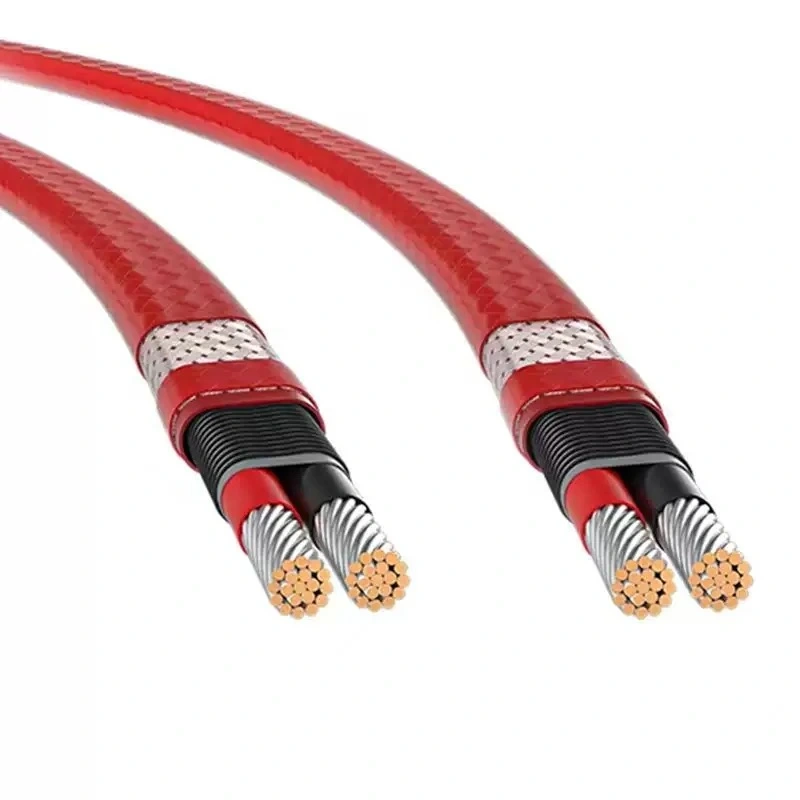
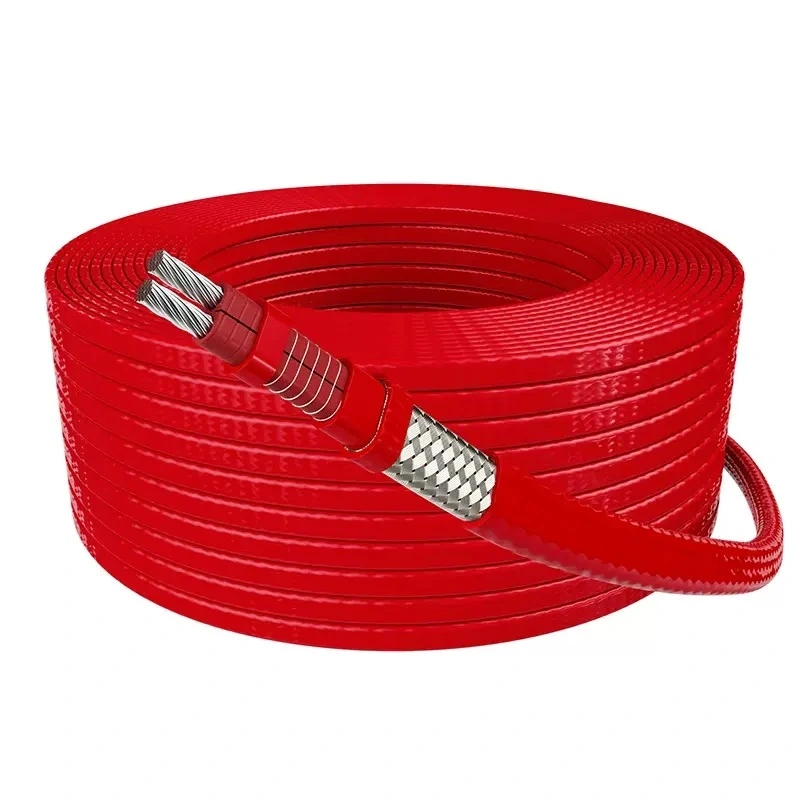
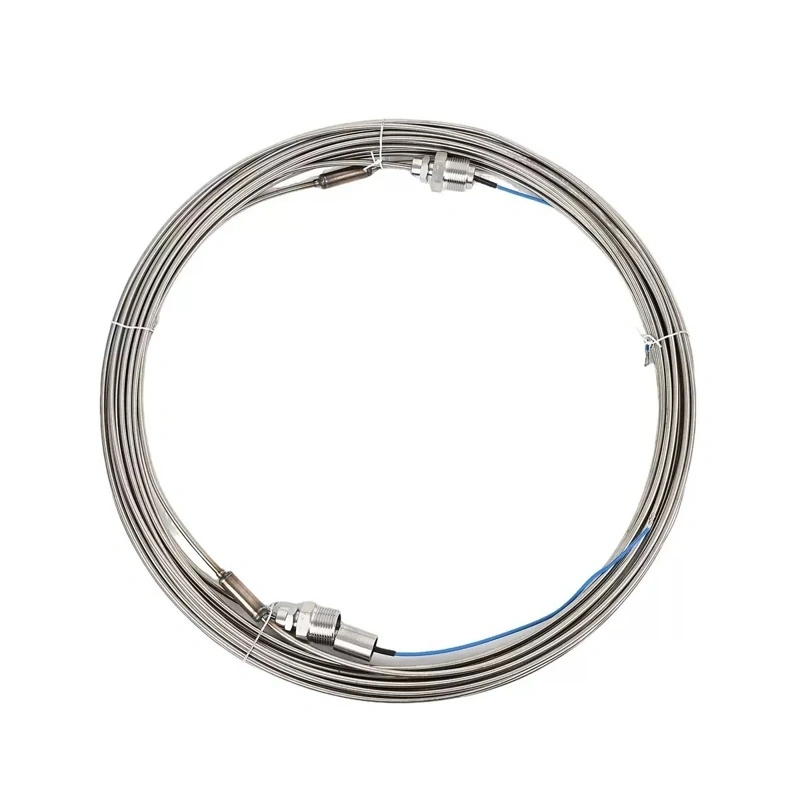
Emerson’s NC Series Constant Power Heating Cable is a robust and reliable solution designed for temperature maintenance and freeze protection in a wide variety of industrial applications. This type of Electrical Heat Trace or Electrical Tracing is characterized by its ability to provide a constant power output per linear meter, regardless of ambient temperature or the element to be heated. This differentiates it from self-regulating cables and makes it ideal for applications where predictable and uniform heat input is required. Manufactured with high-quality materials, the 220V Heating Cable (and other voltages such as 120V) is designed to be cut to length on site, facilitating its installation and adaptation to the specific lengths of pipes or equipment. Its durable construction ensures optimal performance even under demanding operating conditions, making it a preferred choice for Industrial Process Heating.

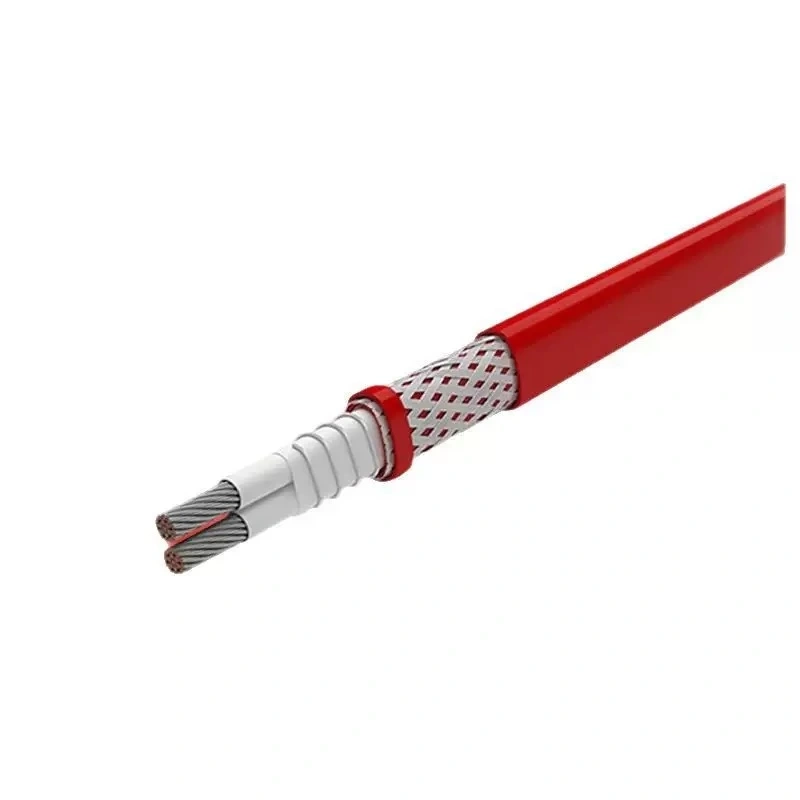
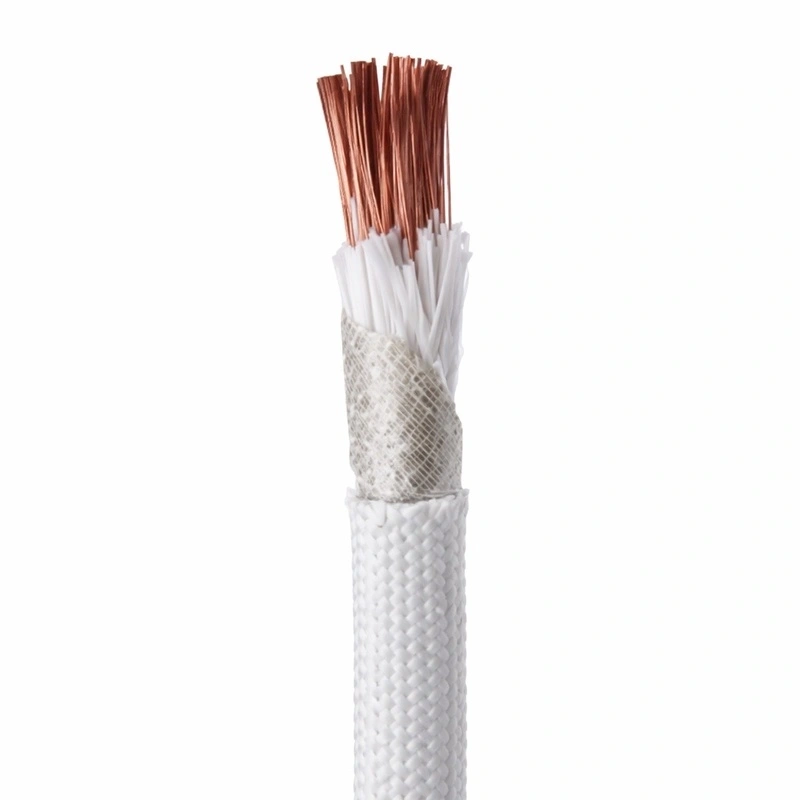
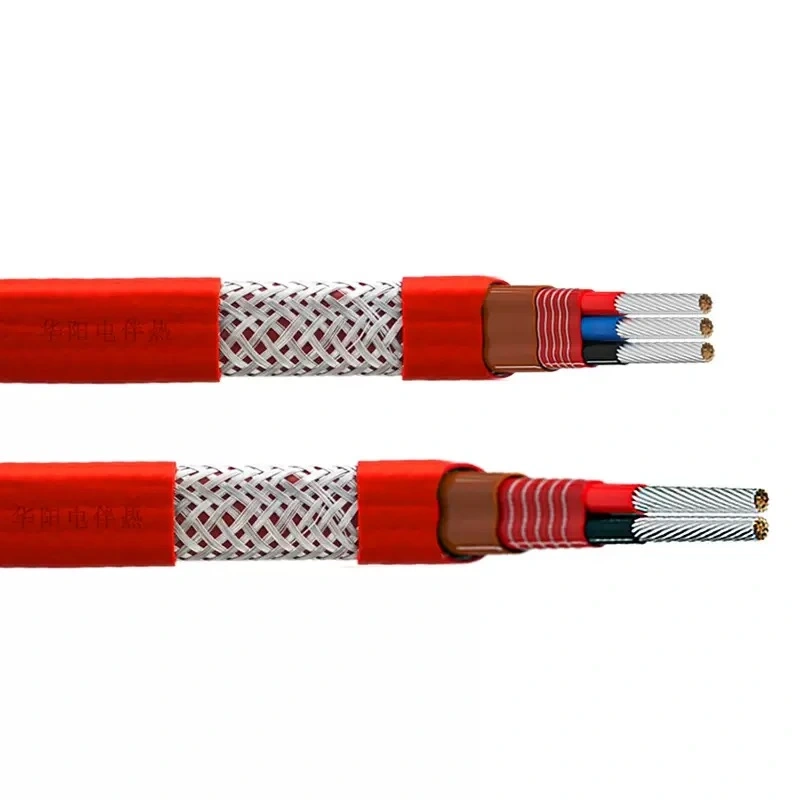
The Constant Power Heating Cable operates via a resistive element that generates heat uniformly along its entire length when electrical power is applied. Unlike self-regulating cables, its power output does not vary with temperature. This means the amount of heat generated is constant per unit length, making it particularly suitable for applications requiring precise temperature control or where temperature fluctuations are minimal. For its control, external thermostats are typically used to activate or deactivate the electrical supply to the cable, thereby maintaining the desired temperature. Emerson's NC series, with its Mesh/Braid Electrical Heat Trace design, offers excellent thermal conductivity and mechanical resistance, ensuring efficient heat transfer and a long system service life. Its design allows for simple installation adaptable to different environments, including areas classified as hazardous or corrosive, making it a versatile solution for Tank and Pipe Heat Tracing.

The Constant Power Heating Cable is a versatile and robust solution, widely used in various industries for the thermal control of pipes and equipment. Its constant power design makes it ideal for applications demanding predictable and reliable heat input. The main applications include:

  • Pipe Freeze Protection:​ It is an effective solution for the Freeze Protection of water pipes, sprinkler systems, fuel lines, and other conduits exposed to low temperatures in sectors such as petrochemical, chemical, power, and construction. It ensures the continuous flow of fluids, preventing damage and operational shutdowns.

  • Industrial Process Heating:​ Essential for Industrial Process Heating where maintaining the temperature of viscous fluids, oils, chemicals, and food products is required. This is crucial to prevent solidification, maintain viscosity, or ensure the optimal temperature for chemical reactions and production processes. It is a key solution for Temperature Maintenance in oils, greases, fluids.

  • Tank and Pipe Heat Tracing:​ Used for Tank and Pipe Heat Tracing of storage tanks, hoppers, and vessels, ensuring products maintain their temperature and viscosity, preventing condensation, and facilitating their discharge or processing. Its application is vital in the food, chemical, and pharmaceutical industries.

  • Applications in Hazardous and Classified Areas:​ Thanks to its design and certifications, this Constant Power Heating Cable is suitable for use in environments with explosion risk, being an Explosion-Proof Electrical Heat Trace with Ex Certification. This makes it indispensable in refineries, oil platforms, and chemical plants where safety is paramount.

  • Temperature Maintenance in Steam and Condensate Lines:​ Helps maintain temperature in steam and condensate lines, preventing ice formation and ensuring system efficiency.

  • Construction Industry:​ Applied in the protection of potable water pipes and drainage systems in buildings, as well as in preventing ice formation in gutters and downspouts.

The NC Series Constant Power Heating Cable offers a series of distinctive features and advantages that make it a superior choice for Electrical Tracing in demanding industrial environments. These properties guarantee reliable performance, a long service life, and efficient installation.

Main Features:

  • Constant Power Output:​ Unlike self-regulating cables, this Constant Power Heating Cable maintains uniform heat output per linear meter, ensuring predictable and consistent thermal input for Industrial Process Heating and Temperature Maintenance in oils, greases, fluids.

  • Voltage Versatility:​ Available in various voltages, including the popular 220V Heating Cable and 120V, allowing for its integration into a wide range of industrial and commercial electrical systems.

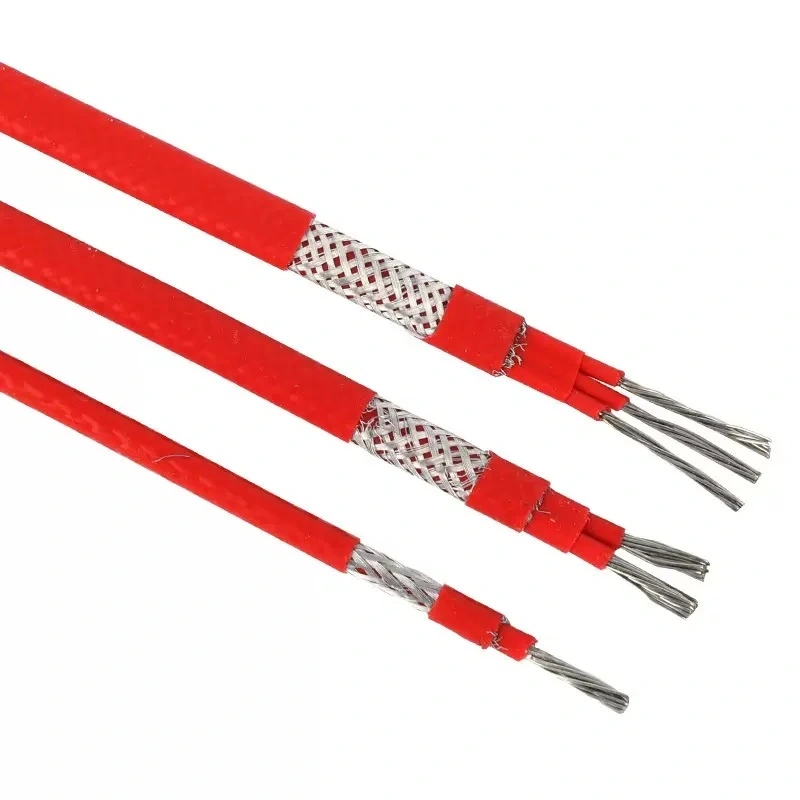
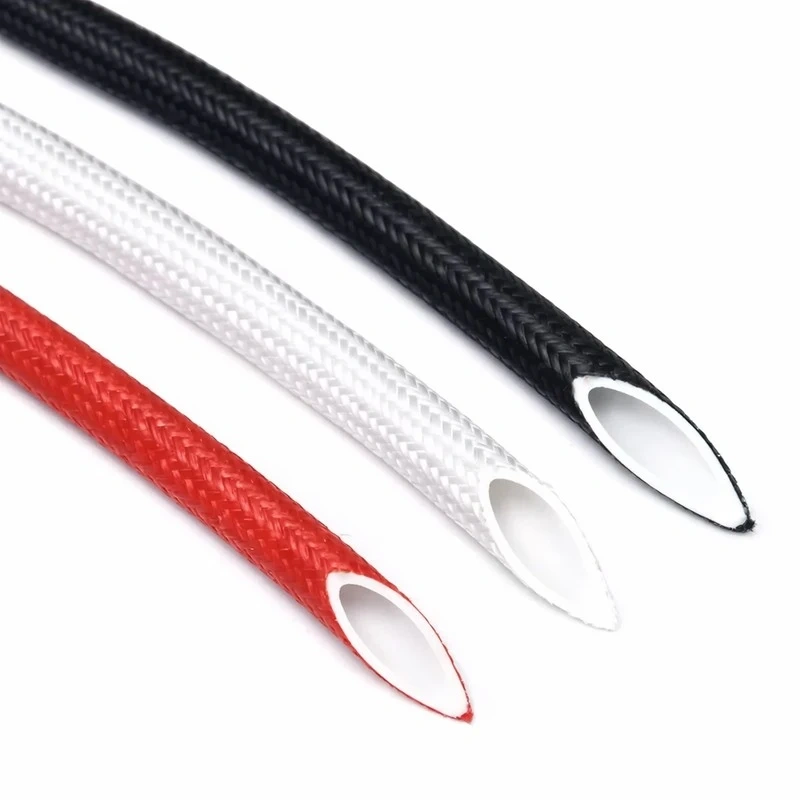
  • Robust Mesh/Braid Design:​ The construction with Mesh/Braid Electrical Heat Trace (available in options like tinned copper or stainless steel) provides superior mechanical protection, corrosion resistance, and excellent grounding, which is crucial for safety and durability in industrial environments.

  • Field Cut-to-Length:​ The cable's parallel design allows it to be cut to the exact required length on the installation site, reducing waste, simplifying logistics, and speeding up the installation process for Tank and Pipe Heat Tracing.

  • Suitable for Hazardous Areas:​ With certifications such as FM for hazardous locations (Class I, Division 2; Class II, Division 2; Class III, Division 2), this cable is an Explosion-Proof Electrical Heat Trace with Ex Certification, making it safe for use in environments with risk of flammable gases, vapors, or dusts.

  • High Temperature Resistance:​ Capable of withstanding maintenance temperatures up to 150°C and maximum exposure temperatures up to 204°C, making it suitable for high-temperature applications.

Key Advantages:

  • Predictable Performance:​ Constant power ensures the heat delivered is always the same, facilitating the design and control of the heating system.

  • Durability and Reliability:​ Its robust construction and high-quality materials guarantee a long service life and reliable operation, even in the most adverse conditions.

  • Design Flexibility:​ The ability to cut the cable to length and its compatibility with various connection accessories allow for great flexibility in the design of Electrical Heat Trace systems.

  • Certified Safety:​ Certifications for hazardous areas offer peace of mind and compliance with the strictest safety regulations, especially in critical applications like Pipe Freeze Protection in refineries.

  • Easy Installation:​ The possibility of cutting the cable in the field simplifies installation and reduces the need to store multiple cable lengths, optimizing project timelines.

Below are the detailed technical specifications for the NC Series Constant Power Heating Cables. This data is essential for the design and selection of Electrical Tracing systems.

Performance Table (NC Models)

Model

Nominal Voltage (VAC)

Power Output (W/ft)

Power Output (W/m)

Maximum Length (ft)

Maximum Length (m)

Max. Maintenance Temp.

Max. Exposure Temp.

Temperature Class

NC26

220

5.0

16.4

665

202.7

132°C (270°F)

204°C (400°F)

T3

NC210

220

8.5

27.9

515

157.0

93°C (200°F)

204°C (400°F)

T3

NC212

220

10.0

32.8

470

143.3

79°C (175°F)

204°C (400°F)

T3

Note: 1 ft = 0.3048 m. Values in meters are approximate.

Construction Options and Certifications

Characteristic

Specification

Available Voltages

110-277 VAC

Nominal Powers

4, 6, 8, 10, 12 W/ft (approx. 13, 20, 26, 33, 39 W/m)

Standard Jacket (-CB)

Tinned copper braid

Standard Jacket (-J)

Tinned copper braid with fluoropolymer outer jacket

Optional Jacket (-SS)

Stainless steel braid

Certifications (FM)

Ordinary Locations
Hazardous/Classified Locations (-CB, -SS, -J):
- Class I, Division 2, Groups B, C, D
- Class II, Division 2, Groups F, G
- Class III, Division 2

This 220V Heating Cable is an ideal solution for Temperature Maintenance in oils, greases, fluids and for Pipe Freeze Protection in industrial environments that require an Explosion-Proof Electrical Heat Trace with Ex Certification.

Choosing the appropriate Constant Power Heating Cable is crucial for the efficiency and safety of any Electrical Heat Trace or Electrical Tracing system. In addition to technical specifications, it is important to consider factors that optimize both product performance and online visibility.

Key Selection Factors:

Power Requirements:​ Assessing the power needed for Industrial Process Heating or Pipe Freeze Protection is fundamental. The NC series offers power options per linear meter that adapt to various needs, from Temperature Maintenance in oils, greases, fluids to more demanding applications.

Environmental Conditions:​ Consider the minimum ambient temperature, maximum exposure temperature, and the presence of corrosive agents. The availability of options with Stainless Steel Mesh/Braid Electrical Heat Trace and fluoropolymer jackets ensures durability in aggressive environments.

Safety Certifications:​ For hazardous environments, Ex Certification and classification as an Explosion-Proof Electrical Heat Trace are essential. The NC series cables comply with FM regulations for classified locations, ensuring operational safety.

Supply Voltage:​ Ensure that the 220V Heating Cable (or the required voltage) is compatible with the existing electrical infrastructure for seamless integration.

FAQ

The main difference lies in how the cable manages its heat output in response to changes in ambient temperature. While the self-regulating one is "intelligent" and adjusts its consumption, the constant power one is a fixed heater that always delivers the same energy.

Comparison Table: Constant Power vs. Self-Regulating

Characteristic

Constant Power Heat Trace

Self-Regulating Heat Trace

Operation

Fixed and invariable heat emission.

Power decreases if temperature rises.

Temperature Control

Always requires a thermostat to prevent damage.

Can operate without control (though not efficient).

Cut-to-Length

Only at specific points (if zone type).

Can be cut at any point.

Burn-Through Risk

High if there is no flow or control.

Very low (safe polymer technology).

Circuit Length

Allows for very long circuits (especially series type).

Limited by the startup current.

Initial Cost

Generally more economical per meter.

More expensive due to core technology.


Customers also viewed