GN 1000°C High-Temperature Cable
When extreme heat resistance is a priority, the GN 1000°C positions itself as the market-leading industrial high-temperature cable. This cable with a pure nickel conductor is specifically designed for extreme heat applications in sectors such as metallurgy, ceramics, and the aerospace industry. Its fiberglass and mica insulation ensures superior protection against thermal shock and degradation, maintaining circuit integrity even at 1000°C. If you are looking for a high-temperature cable that offers exceptional durability, unbreakable operational reliability, and consistent performance in the most challenging environments, the GN is the definitive solution for your ultra-high-temperature industrial heating systems.
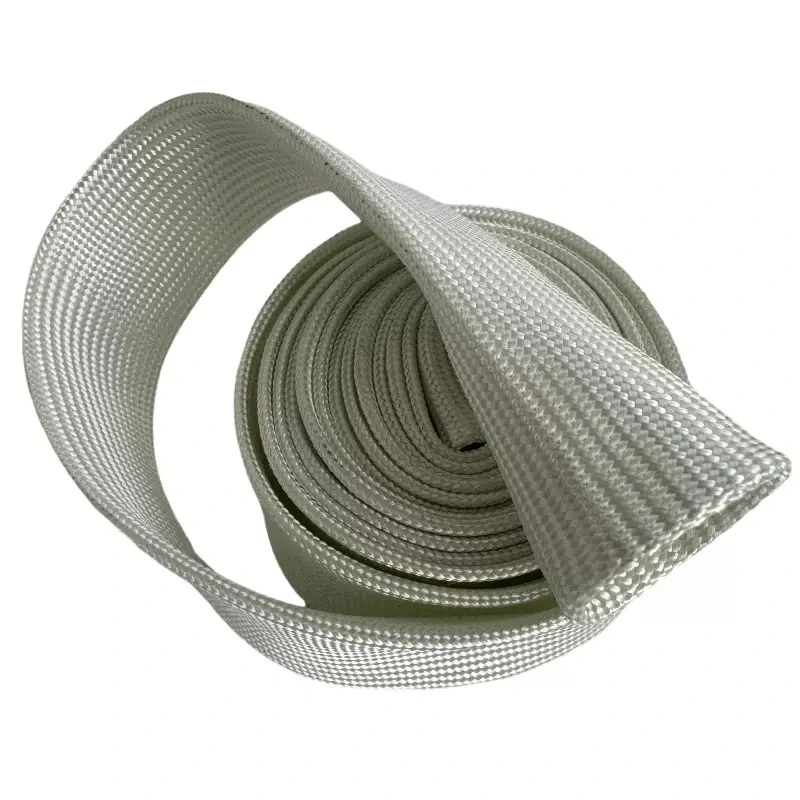
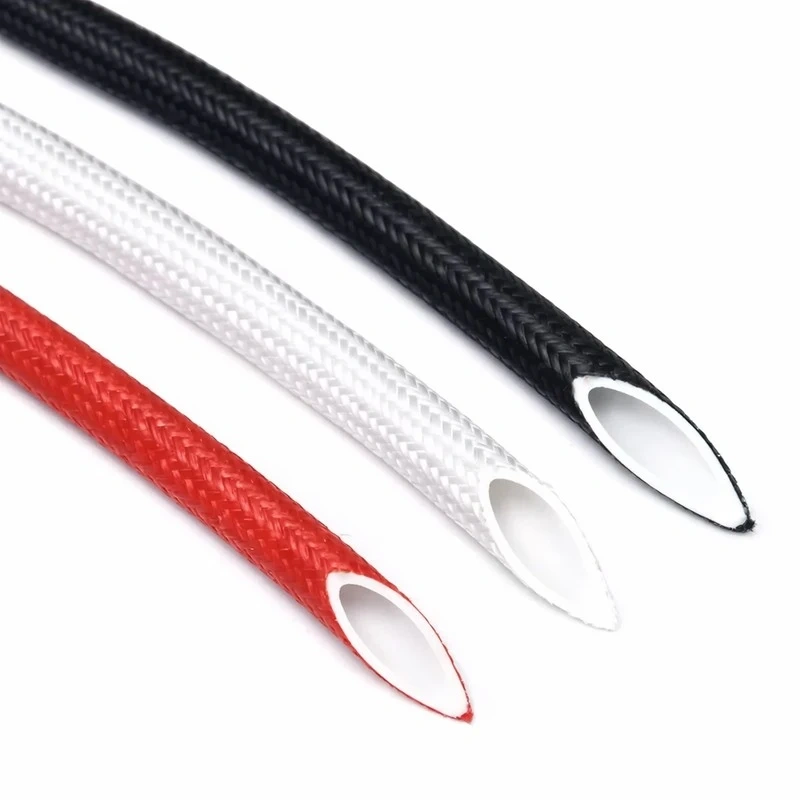
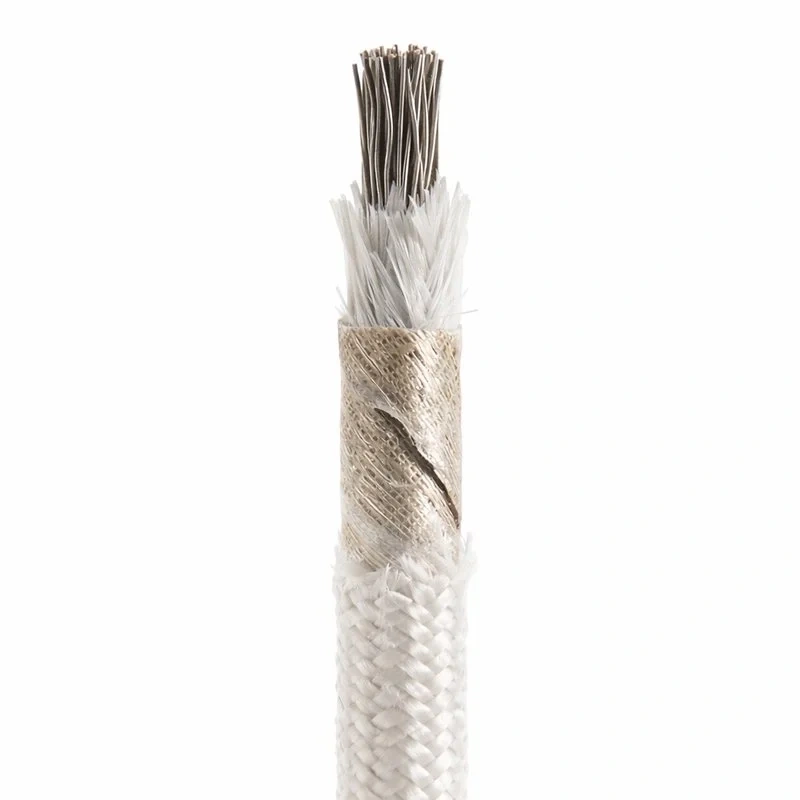
The GN 1000°C high-temperature cable is an advanced engineering solution designed to operate in the most extreme thermal environments, withstanding continuous temperatures of up to 1000°C. Its distinguishing feature is the use of a pure nickel conductor, which offers exceptional resistance to oxidation and unparalleled electrical stability at ultra-high temperatures. The insulation, meticulously constructed with multiple layers of fiberglass braid and mica tape, provides a robust thermal and dielectric barrier, guaranteeing reliability and safety in critical applications. This cable for very high-temperature furnaces is the preferred choice for industries requiring uncompromising performance in conditions where other materials would simply fail.
The GN 1000°C cable is indispensable in industrial applications demanding maximum resistance to extremely high temperatures:
-
Sintering and Advanced Heat Treatment Furnaces: Ideal for the internal wiring of vacuum furnaces, controlled-atmosphere furnaces, and sintering equipment for metals and advanced ceramics.
-
Metallurgical Industry: Used in foundries, steel mills, and metal processing plants for wiring equipment exposed to melting and annealing temperatures.
-
Glass and Ceramic Manufacturing: Essential in glass melting furnaces, ceramic firing kilns, and refractory material processing equipment.
-
Aerospace Industry: Applied in the wiring of jet engine components, exhaust systems, and high-temperature test equipment.
-
High-Power Heater Systems: Connection of heater elements in industrial processes requiring temperatures above 800°C.
|
Feature |
Advantage |
|---|---|
|
Pure Nickel Conductor |
Offers superior resistance to oxidation and corrosion at extreme temperatures, guaranteeing stable conductivity and a long service life. |
|
Fiberglass and Mica Insulation |
Provides exceptional thermal and electrical protection, allowing safe and reliable operation up to 1000°C. |
|
1000°C Temperature Range |
Allows its use in the most demanding industrial applications where ultra-high temperature resistance is critical for operation. |
|
High Dielectric Strength (2000V) |
Ensures excellent insulation capacity and minimizes the risk of electrical failures in high-voltage environments. |
|
Extreme Durability |
Designed to withstand severe conditions, which reduces maintenance and replacement costs while increasing operational efficiency. |
|
Characteristic |
Detail |
|---|---|
|
Type |
GN |
|
Conductor |
Pure Nickel Wire |
|
Insulation |
Fiberglass Braid + Mica Tape + Fiberglass Braid |
|
Temperature Range |
Up to 1000°C |
|
Rated Voltage |
300V / 500V |
|
Test Voltage |
2000V |
|
Insulation Resistance |
≥1500 MΩ·km (at 20°C) |
|
OD Tolerance |
±0.1mm |
|
Additional Dimensions |
See dimensions table below for details by section. |
Dimensions and Electrical Properties Table (GN)
|
Section (mm²) |
Conductor Construction (No. x φmm) |
Insulation Thickness (mm) |
Outer Diameter (O.D.) (mm) |
Max. Resistance at 20°C (Ω/km) |
Packaging (m/roll) |
|---|---|---|---|---|---|
|
0.5 |
7 x 0.30 |
0.5 |
2.3 ± 0.3 |
40.8 |
100 |
|
0.75 |
11 x 0.30 |
0.5 |
2.5 ± 0.3 |
24.3 |
100 |
|
1.0 |
14 x 0.30 |
0.5 |
2.6 ± 0.3 |
20.0 |
100 |
|
1.5 |
21 x 0.30 |
0.5 |
2.9 ± 0.3 |
12.6 |
100 |
|
2.0 |
28 x 0.30 |
0.6 |
3.3 ± 0.5 |
9.84 |
100 |
|
2.5 |
35 x 0.30 |
0.6 |
3.6 ± 0.5 |
7.37 |
100 |
|
4.0 |
56 x 0.30 |
0.8 |
4.7 ± 0.5 |
4.83 |
100 |
|
6.0 |
84 x 0.30 |
0.8 |
5.5 ± 0.5 |
3.26 |
100 |
|
10.0 |
84 x 0.40 |
0.8 |
6.6 ± 0.5 |
1.80 |
100 |
|
16.0 |
228 x 0.30 / 126 x 0.40 |
0.8 |
7.8 ± 0.5 |
1.31 |
100 |
|
25.0 |
196 x 0.40 / 361 x 0.30 |
0.8 |
9.5 ± 0.5 |
0.758 |
100 |
|
35.0 |
394 x 0.30 |
1.0 |
11.2 ± 1.0 |
0.548 |
100 |
|
50.0 |
396 x 0.40 / 703 x 0.30 |
1.2 |
13.2 ± 1.0 |
0.384 |
100 |
|
Standard |
Q321281KLA02-2009 |
||||
|
Color |
White (other colors customizable) |
To facilitate the selection and highlight the advantages of the GN 1000°C cable against other high-temperature options, we present the following comparison table:
|
Characteristic |
BGR Cable (500°C) |
AGRP Cable (800°C) |
GN Cable (1000°C) |
|---|---|---|---|
|
Max Temperature |
500°C |
800°C |
1000°C |
|
Conductor |
Bare Copper |
Braided Nickel-Plated Copper |
Pure Nickel |
|
Primary Insulation |
Fiberglass + Mica |
Fiberglass + Mica |
Fiberglass + Mica |
|
Typical Applications |
Industrial ovens, heating systems, Oil & Gas |
Heat treatment furnaces, foundries, petrochemical |
Sintering furnaces, metallurgy, aerospace |
|
Key Advantage |
Balance between performance and cost for 500°C |
Higher oxidation resistance and flexibility for 800°C |
Extreme oxidation resistance and stability for 1000°C |
This table helps users quickly understand the differences and select the most suitable cable according to their temperature and application requirements, reinforcing the position of the GN 1000°C in its specific niche.
FAQ
Is investing in a 1000°C cable for a 600°C process worth it?
Operating a cable at the limit of its thermal capacity drastically accelerates its degradation. Although a cable designed for 600°C can theoretically handle that temperature, using a 1000°C cable offers a thermal safety margin that translates into long-term economic benefits.
Cost-Benefit Analysis
-
Reduction of Unscheduled Stops: A 1000°C cable (such as MGT types with mica tape and fiberglass) operating at 600°C works with reduced "thermal stress." This minimizes the probability of failures due to unexpected heat spikes or ventilation system failures.
-
Extended Service Life: The Arrhenius rule suggests that for every 10°C the operating temperature is reduced below the insulation limit, the cable's service life can potentially double.
-
Conductor Stability: At 600°C, nickel-plated copper is at its upper oxidation limit. A 1000°C cable typically employs pure nickel or high-resistance alloys that maintain stable conductivity without structural degradation.
Conclusion: If the process is continuous (24/7) or if cable replacement is costly due to its location, the initial investment in a 1000°C cable pays for itself quickly by avoiding corrective maintenance.