Raw Materials for Electric Heating Elements
Every industrial electric heater — whether tubular, cartridge, flexible ceramic, silicon carbide, or molybdenum disilicide — is, at its core, an assembly of a small but critical set of raw materials: a resistive conductor, a dielectric insulator, an external mechanical sheath, and the termination and sealing components that keep the assembly airtight. The service life of a heating element, its allowable power density, its corrosion resistance, and its dielectric safety depend far more on these raw materials than on the assembly process itself.
At Heatecx we supply, as a vertically integrated manufacturer, the raw materials for electric heating elements used by heater OEMs, heating-element repair shops, industrial heating system integrators, and maintenance departments that manufacture or rebuild their own resistances. This category covers twelve product families: resistance wire, magnesium oxide (MgO) powder, technical ceramics, high-temperature mica, industrial tubing, high-temperature cables, high-temperature tapes and fabrics, high-temperature sleeving, heating element sealants, metal raw materials, PVC raw materials, and temperature sensor accessories.
Unlike a finished heater, a raw material is a generic input: it is supplied by length, weight, roll, or lot, and its technical specification — composition, purity, gauge, temperature range, resistivity, or dielectric strength — is the selection criterion, not a closed commercial reference. This datasheet describes, generically and applicable across the whole category, what each raw material family is, what it is used for, how it is selected, and which technical standards govern its manufacture.
Typical construction of an electric heater and the role of each raw material
Regardless of the finished heater type, nearly all heating elements share a layered structure built from these raw materials:
|
Layer / function
|
Raw material used
|
Related subcategory
|
|
Resistive conductor (generates heat via Joule effect)
|
NiCr, NiCrFe, or FeCrAl alloy wire
|
Resistance Wires
|
|
Internal dielectric insulation
|
Compacted magnesium oxide (MgO) powder, mica sheet, or technical ceramic
|
MgO, Mica, Ceramic Insulators
|
|
Outer metal sheath
|
Stainless steel, copper, or Incoloy tubing
|
Tubes
|
|
Electrical connection and signal transmission
|
High-temperature cable, insulating sleeving
|
High-temperature cables, High-temperature sleeving
|
|
Cold-end sealing
|
Epoxy or silicone sealant
|
Heating Element Sealants
|
|
Additional thermal/mechanical protection
|
Fiberglass or silicone tapes and fabrics
|
High Temperature Tapes and Fabrics
|
|
Structural metal components (flanges, terminals, pins)
|
Carbon steel, brass, copper
|
Metal Raw Materials
|
|
Low-temperature components and external insulation
|
Technical PVC, sleeves and profiles
|
PVC Raw Materials
|
|
Associated temperature measurement and control
|
Thermowells, connectors, thermocouple accessories
|
Temperature sensor accessories
|
The 12 raw material subcategories
Resistance Wires
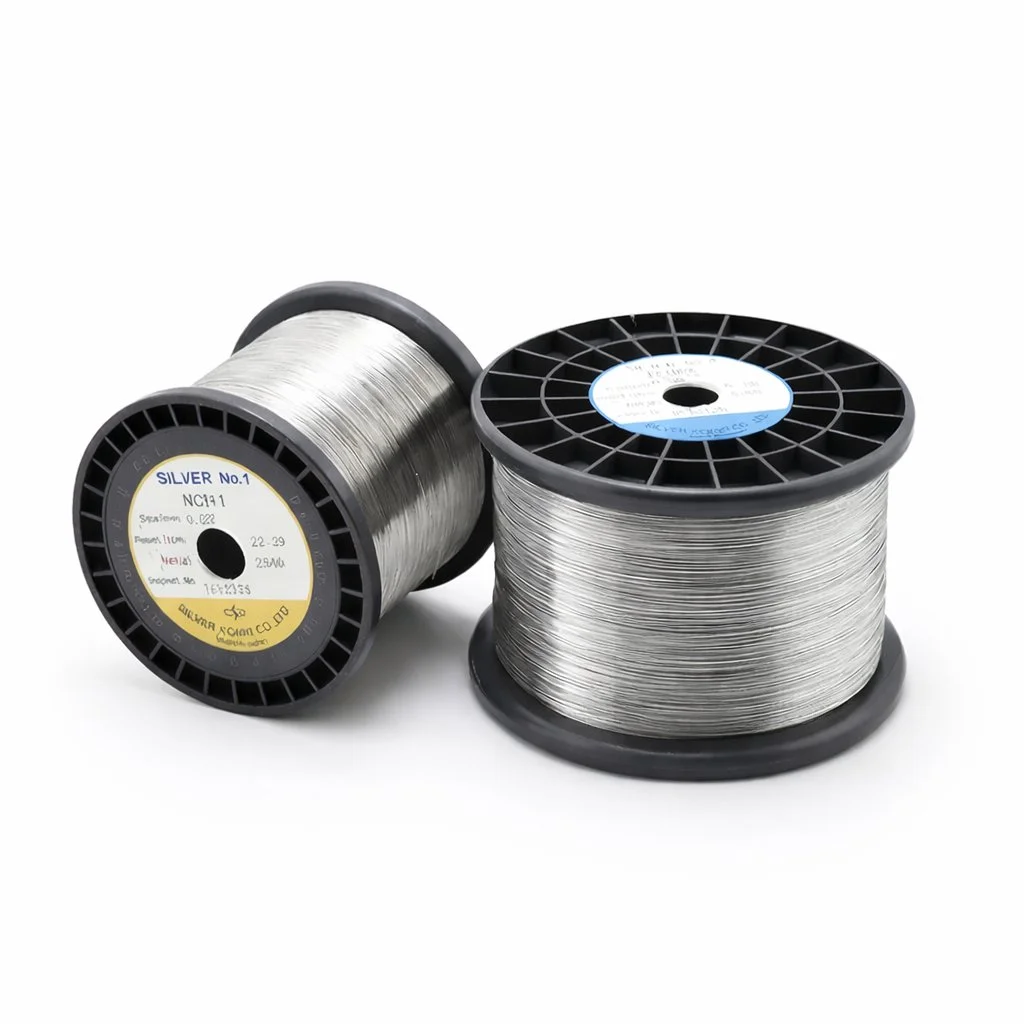
The conductor that converts electrical current into heat through the Joule effect. Manufactured mainly in nickel-chromium (NiCr 80/20, NiCr 70/30), nickel-chromium-iron (NiCrFe), and iron-chromium-aluminum (FeCrAl, Kanthal-type) alloys, with resistivity ranging from 1.08 to 1.45 Ω·mm²/m and maximum service temperatures between 1100°C and 1400°C depending on the alloy. → View Resistance Wires
Magnesium Oxide (MgO) Powder
The reference internal dielectric insulator in tubular heaters and mineral-insulated (MI) cable. Produced either by calcination of magnesite or by electrofusion of seawater-derived magnesia, and graded by purity, compaction density, and residual moisture content — the factors that directly determine the dielectric strength of the finished element. → View MgO
Ceramic Insulators
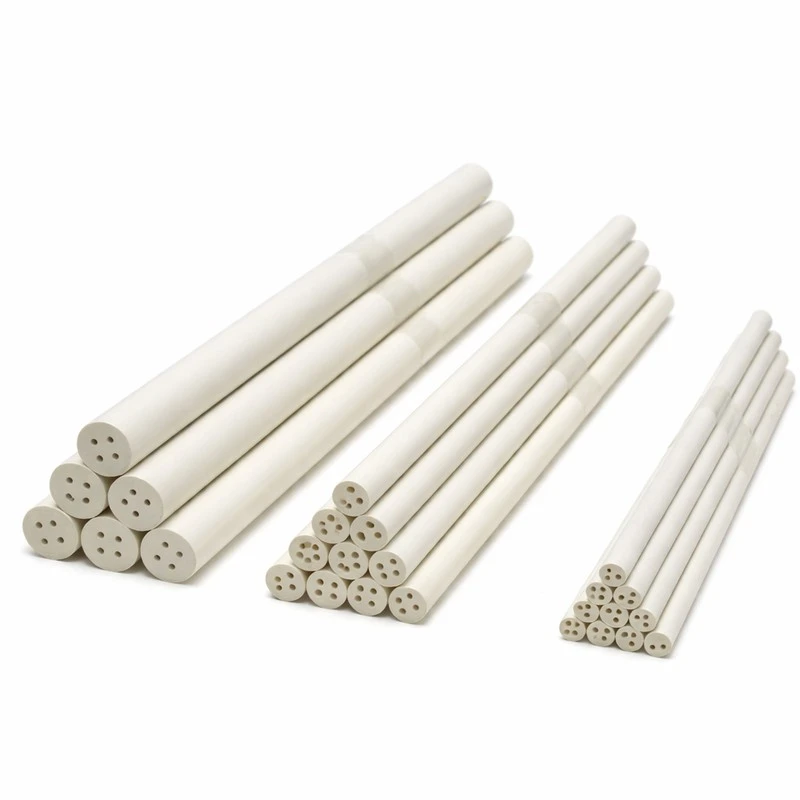
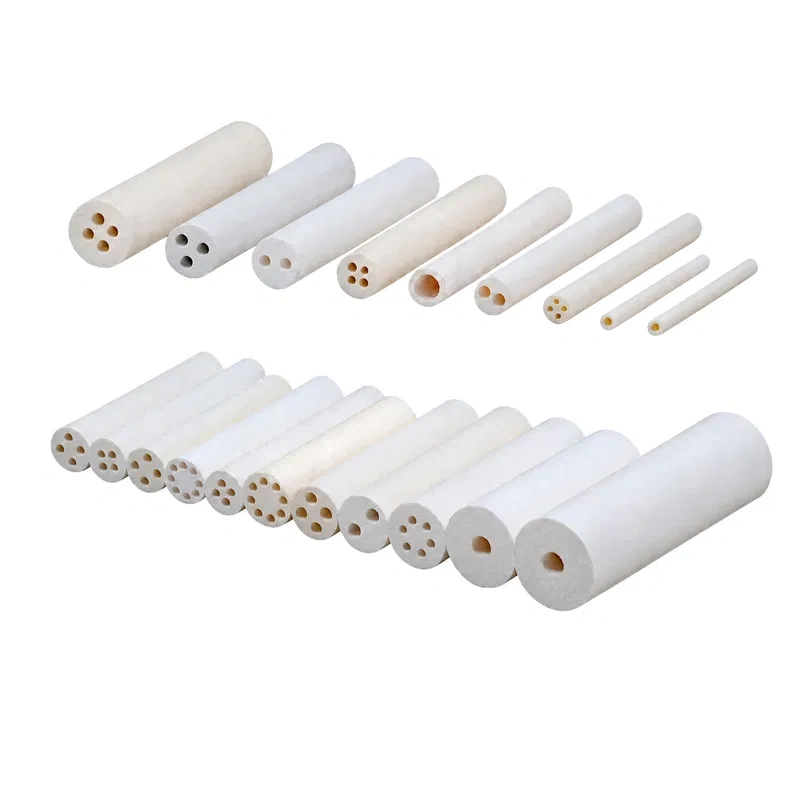
Steatite, alumina, or cordierite pieces used as winding cores, feed-through insulators, terminal blocks, or ceramic beads. They provide stable high-temperature electrical insulation and thermal shock resistance depending on the formulation. → View Ceramic Insulators
High-Temperature Mica
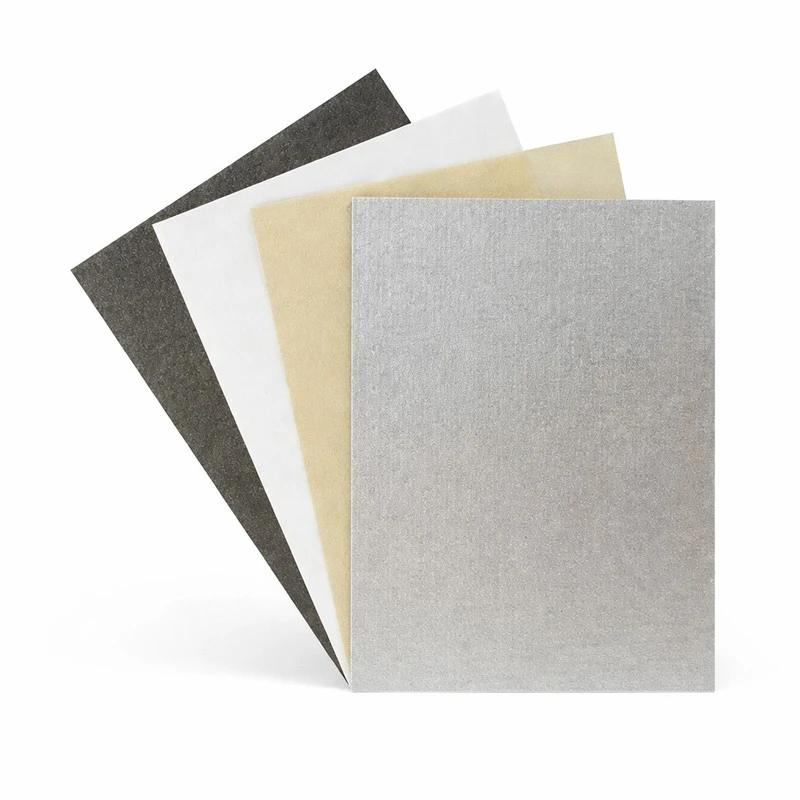
Natural laminar silicate (muscovite or phlogopite) used as a flexible insulator in flat heaters, band heaters, and applications requiring a thin, flexible dielectric stable up to 500–900°C depending on grade. → View Mica
Industrial Tubing
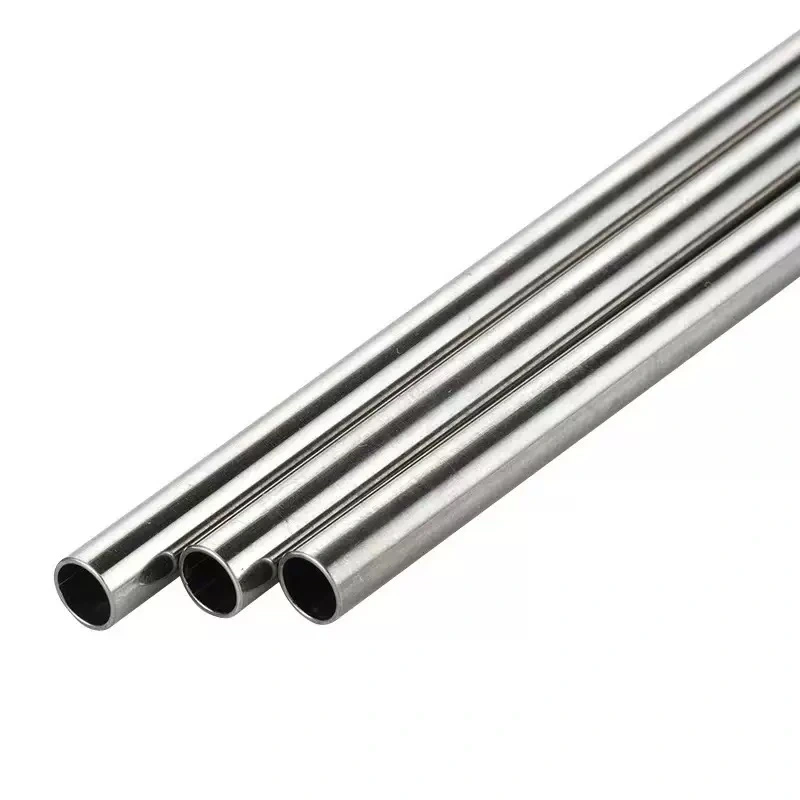
Stainless steel (AISI 304, 316, 321, 310S), copper, brass, and Incoloy tubing that acts as sheath, protective jacket, or structural body of the heater. The alloy is selected based on operating temperature, chemical aggressiveness of the environment, and required thermal conductivity. → View Tubes
High Temperature Tapes and Fabrics
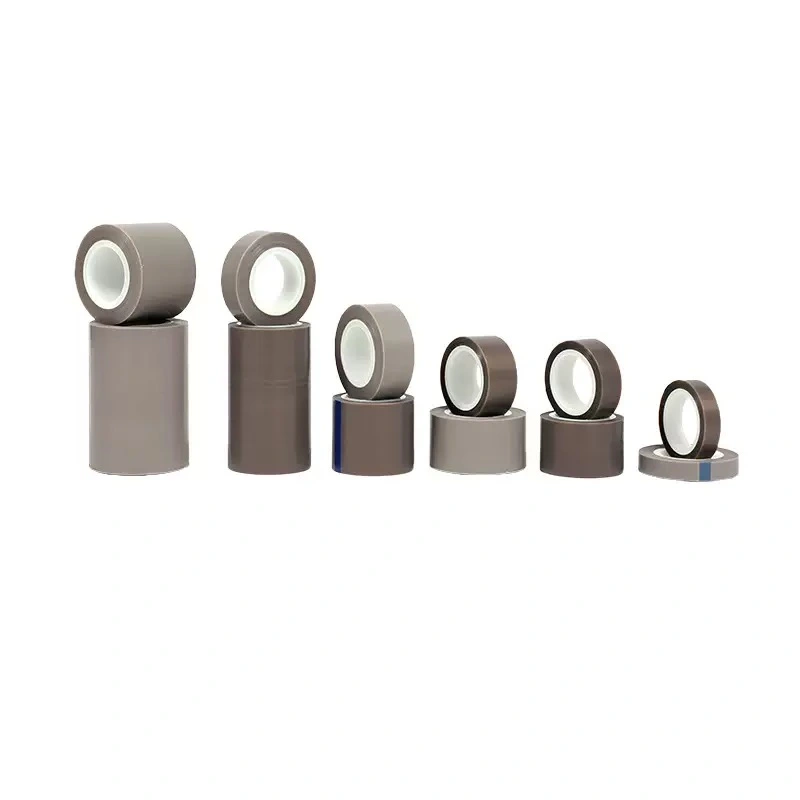
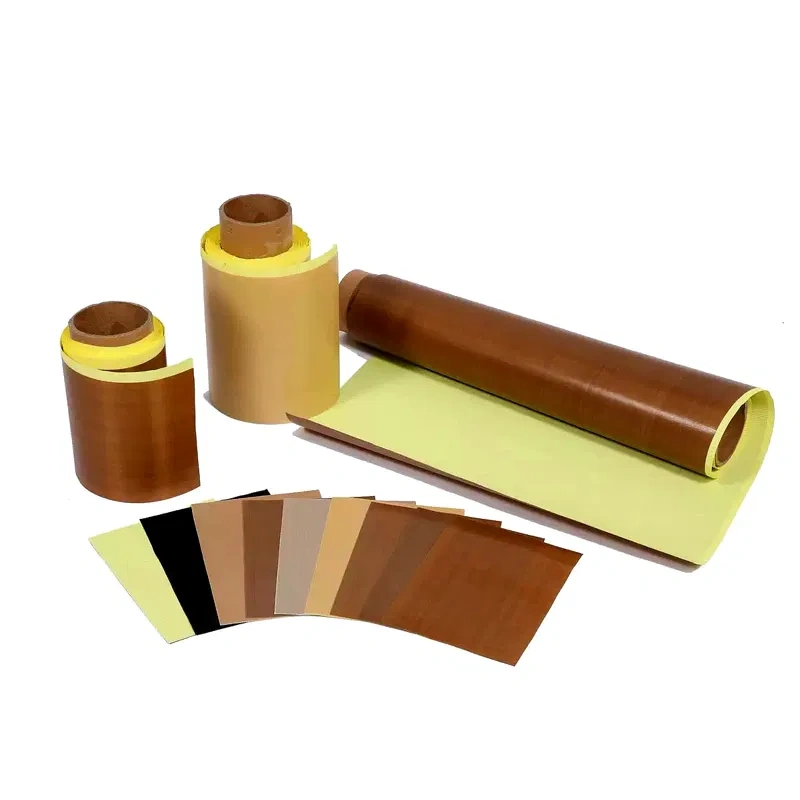
Fiberglass fabrics and tapes, coated or uncoated with silicone, PTFE, or vermiculite, used as external thermal insulation, spark protection, and mechanical reinforcement of hoses and cables. → View Tapes and Fabrics
High-Temperature Sleeving
Flexible fiberglass, silicone, or PTFE tubular sleeving that electrically insulates terminals, splices, and cable sections exposed to high heat without requiring molding or vulcanizing. → View Sleeving
Heating Element Sealants
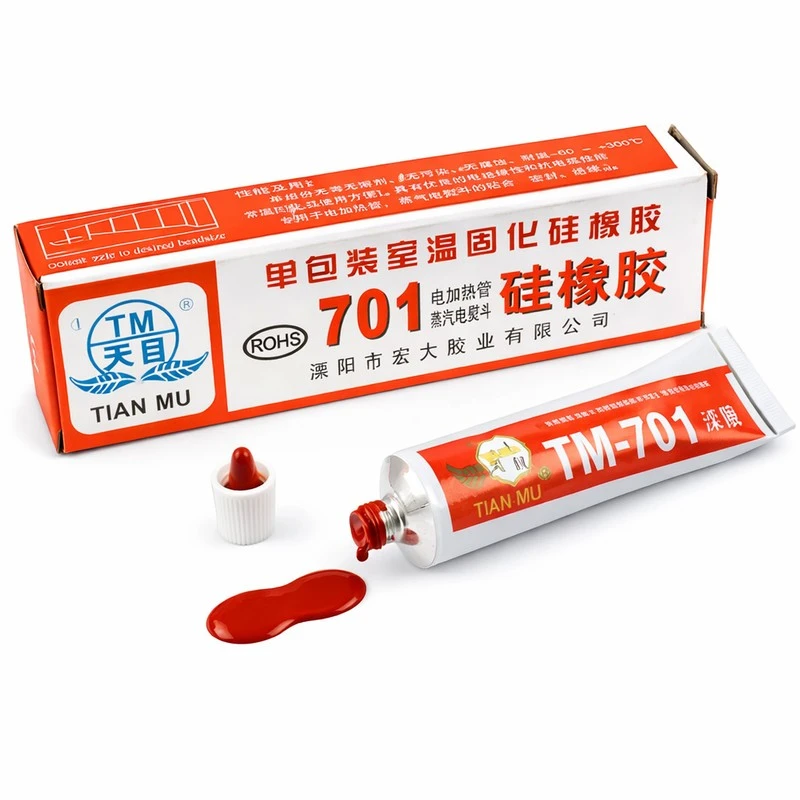
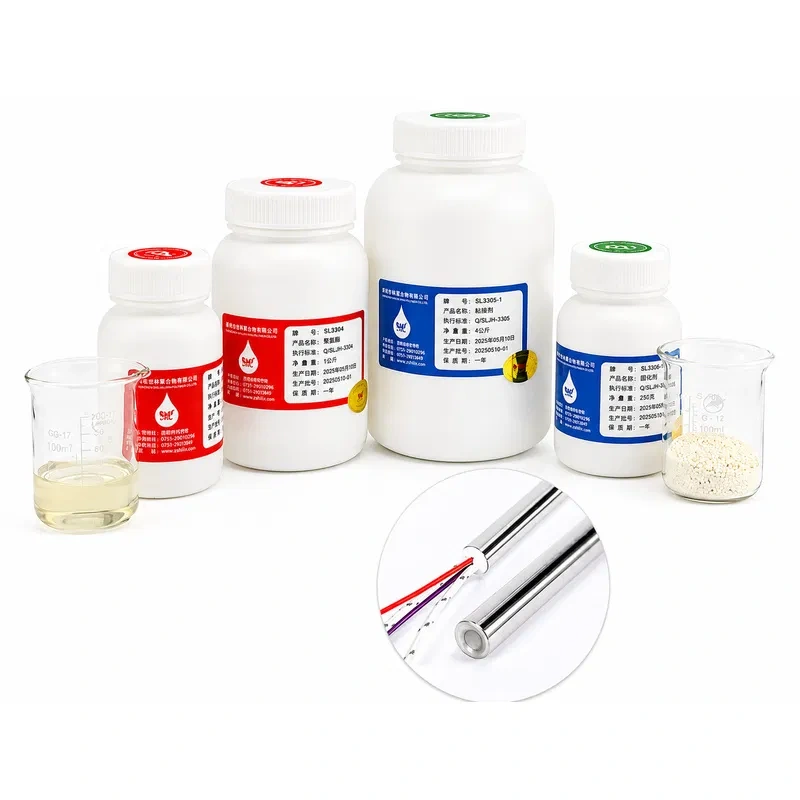
Epoxy, ceramic, or silicone compounds that seal the cold end of the heater, preventing moisture ingress into the MgO insulation and ensuring the IP rating of the finished assembly. → View Sealants
High-Temperature Cables
Conductors insulated with fiberglass, silicone, PTFE, or mica, sized to operate in the immediate thermal environment of the heater, with ranges from 200°C to over 800°C depending on the insulation. → View High-Temperature Cables
Metal Raw Materials
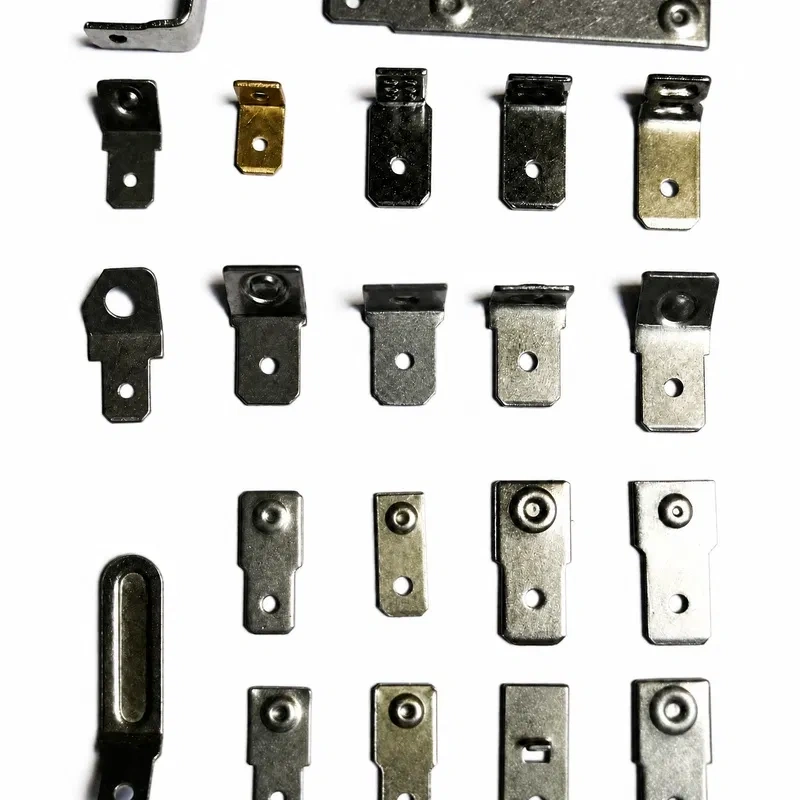
Profiles, sheets, rods, and machined parts in steel, copper, brass, and specialty alloys used for flanges, terminals, pins, housings, and other structural heater components. → View Metal Raw Materials
PVC Raw Materials
Technical PVC profiles, tubing, and sleeves for low-temperature components, general electrical insulation, and mechanical protection of cable runs away from the heat source. → View PVC Raw Materials
Temperature Sensor Accessories
Thermowells, connection heads, terminal blocks, and compensated connectors that complement the temperature instrumentation associated with heating elements. → View Sensor Accessories
Raw material selection criteria
|
Criterion
|
Technical consideration
|
|
Maximum service temperature
|
Must exceed, with margin, the operating temperature of the finished heater — not just the ambient process temperature
|
|
Required electrical resistivity
|
Determines the wire gauge and length needed to reach the design power output
|
|
Dielectric strength
|
Critical for insulators (MgO, mica, ceramic); measured in kV/mm and determines the electrical safety of the assembly
|
|
Chemical compatibility with the environment
|
Acidic, alkaline, sulfur, or chlorine atmospheres require specific alloys and coatings
|
|
Dimensional stability under thermal cycling
|
Prevents cracking, deformation, or loss of contact after repeated heat-cool cycles
|
|
Traceability and certification
|
Composition, heat, or lot certificates, required in regulated sectors (food, pharmaceutical, petrochemical)
|
|
Supply format
|
Roll, bar, sheet, bulk powder, or pre-dosed powder, depending on the customer's manufacturing process
|
General comparison of insulating materials
|
Insulating material
|
Approx. max. temperature
|
Dielectric strength
|
Typical supply form
|
Primary use
|
|
Magnesium oxide (MgO)
|
1000–1400°C
|
Very high (compacted)
|
Bulk powder
|
Tubular heaters, MI cable
|
|
Muscovite mica
|
500–600°C
|
High
|
Sheet / tape
|
Flat heaters, band heaters
|
|
Phlogopite mica
|
800–900°C
|
High
|
Sheet / tape
|
Higher-temperature applications than muscovite
|
|
Steatite ceramic
|
1000–1100°C
|
Very high
|
Machined parts
|
Winding cores, terminal blocks
|
|
Alumina ceramic
|
1300–1600°C
|
Very high
|
Parts / tubes
|
Very high temperature applications
|
|
Fiberglass
|
500–550°C
|
Medium-high
|
Fabric / tape / sleeving
|
External insulation, cable protection
|
Common failure modes linked to substandard raw materials
- Low dielectric strength of MgO due to residual moisture: causes current leakage and ground-fault trips; prevented by using low-hygroscopicity MgO and proper cold-end sealing.
- Resistance wire breakage from thermal fatigue: typically caused by low-purity alloys or wire gauge undersized for the actual operating power.
- Mica delamination from overtemperature: occurs when muscovite mica is used beyond its thermal range; requires phlogopite mica or ceramic instead.
- Premature corrosion of metal tubing: caused by selecting a stainless steel grade incompatible with the process atmosphere (chlorides, sulfur, molten salts).
- Sealant failure from chemical or thermal incompatibility: creates microcracks that allow moisture into the insulating core.
- Cable degradation from exceeding its temperature rating: the insulation becomes brittle and loses dielectric properties earlier than expected.
Application Case
A North American heater OEM manufacturing tubular elements for heat-treatment furnaces needed to standardize its inputs after detecting inconsistent service life across production lots. The root-cause analysis identified two issues: magnesium oxide powder with variable residual moisture content between suppliers, and NiCr wire of uncertified purity that produced premature hot spots. After switching to high-purity magnesium oxide with lot certification and NiCr 80/20 wire with heat traceability, the rate of premature-failure claims dropped consistently, and the manufacturer was able to offer extended warranty coverage on its tubular heaters thanks to the consistency of the raw materials used.
Why Choose Heatecx as Your Raw Materials Supplier
Heatecx is a direct manufacturer, not an intermediary: we produce both the machinery used to manufacture electric heating elements and the raw materials that go into them, giving us a complete, hands-on understanding of how each input performs in real production. Our Shenzhen facility applies lot-level quality control across all twelve raw material families in this category, backed by engineering support to help specify the correct grade for the customer's application. Because we vertically integrate machinery and raw materials, we can advise on real compatibility between input and production equipment — something an isolated raw materials distributor cannot offer.
Related Categories
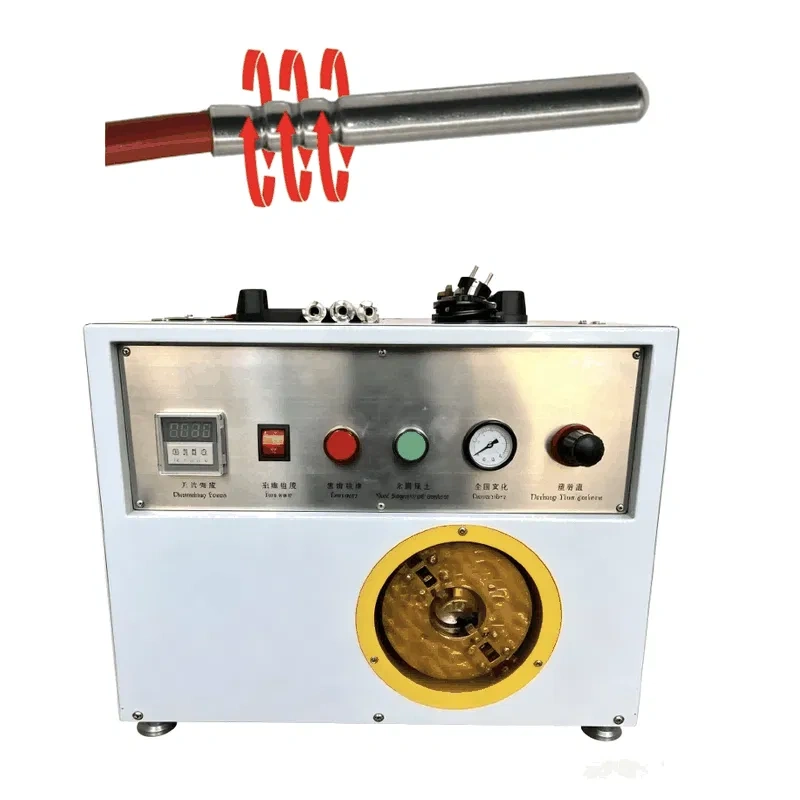
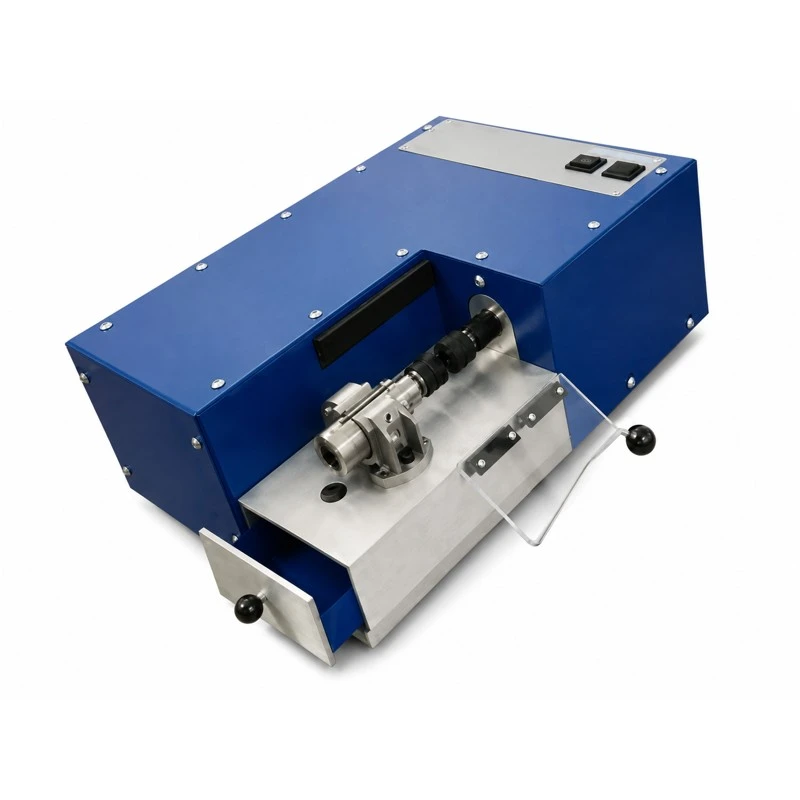
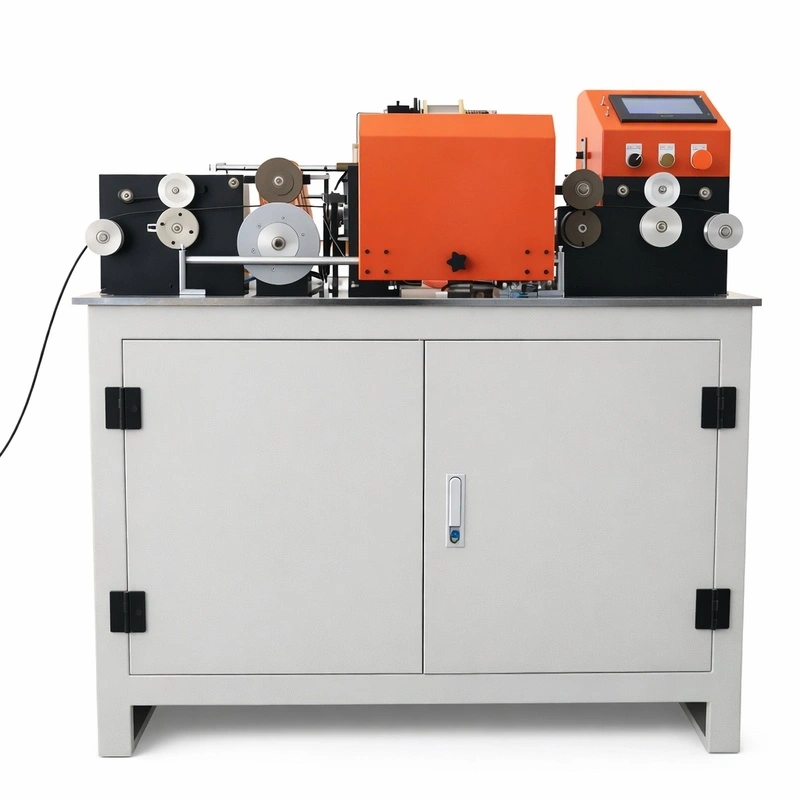
Beyond raw materials, Heatecx manufactures the complete machinery line for producing electric heating elements — from MgO filling machines to rolling mills and bending machines — and offers a wide range of finished electric heaters for those who prefer a turnkey product. For technical questions on raw material specification, contact us directly.